Audi revives the A2 name for a new compact EV offering up to 645 km of WLTP range, three battery sizes, rear-wheel drive, and energy consumption as low as 12.8 kWh/100 km.
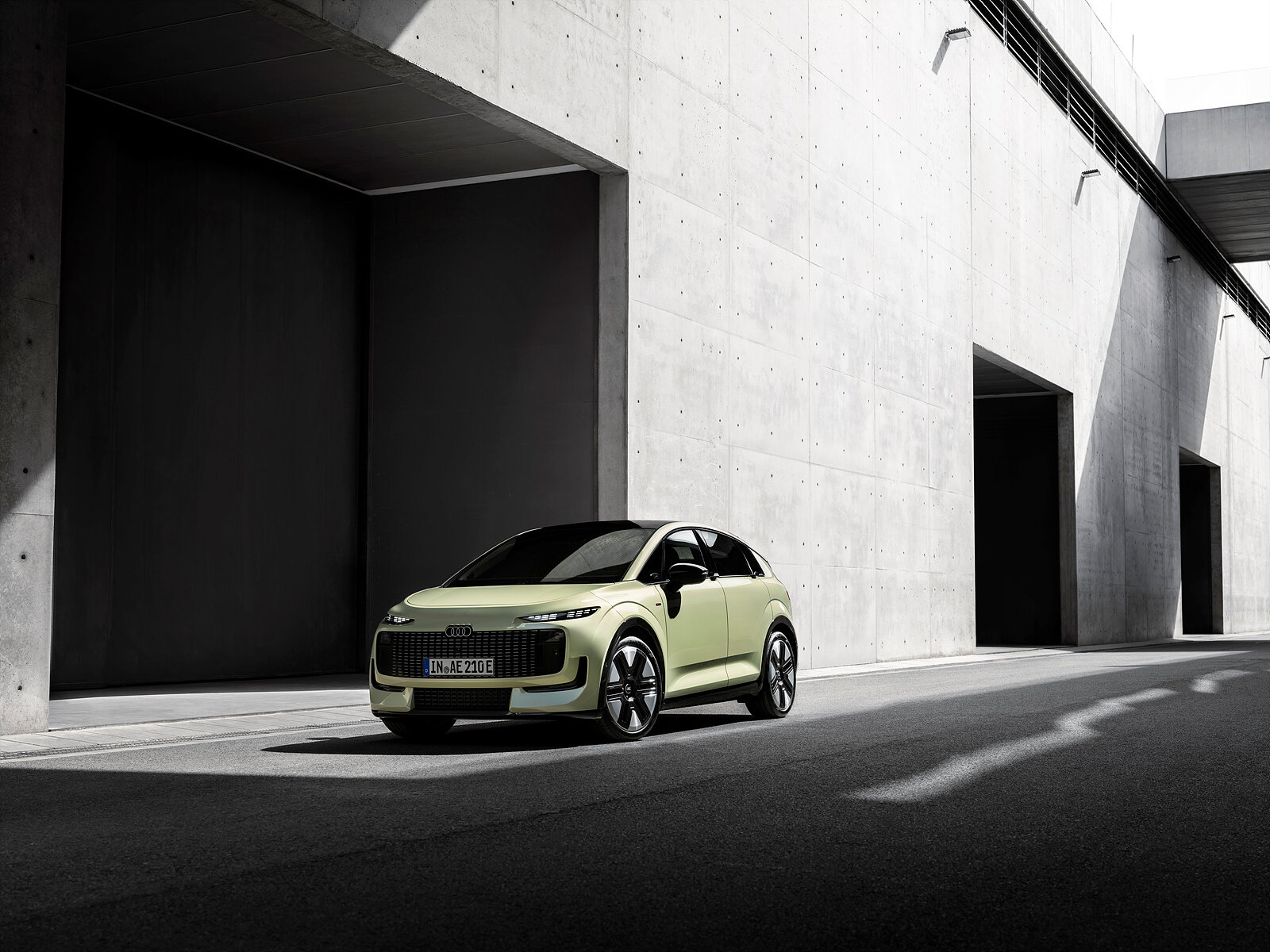
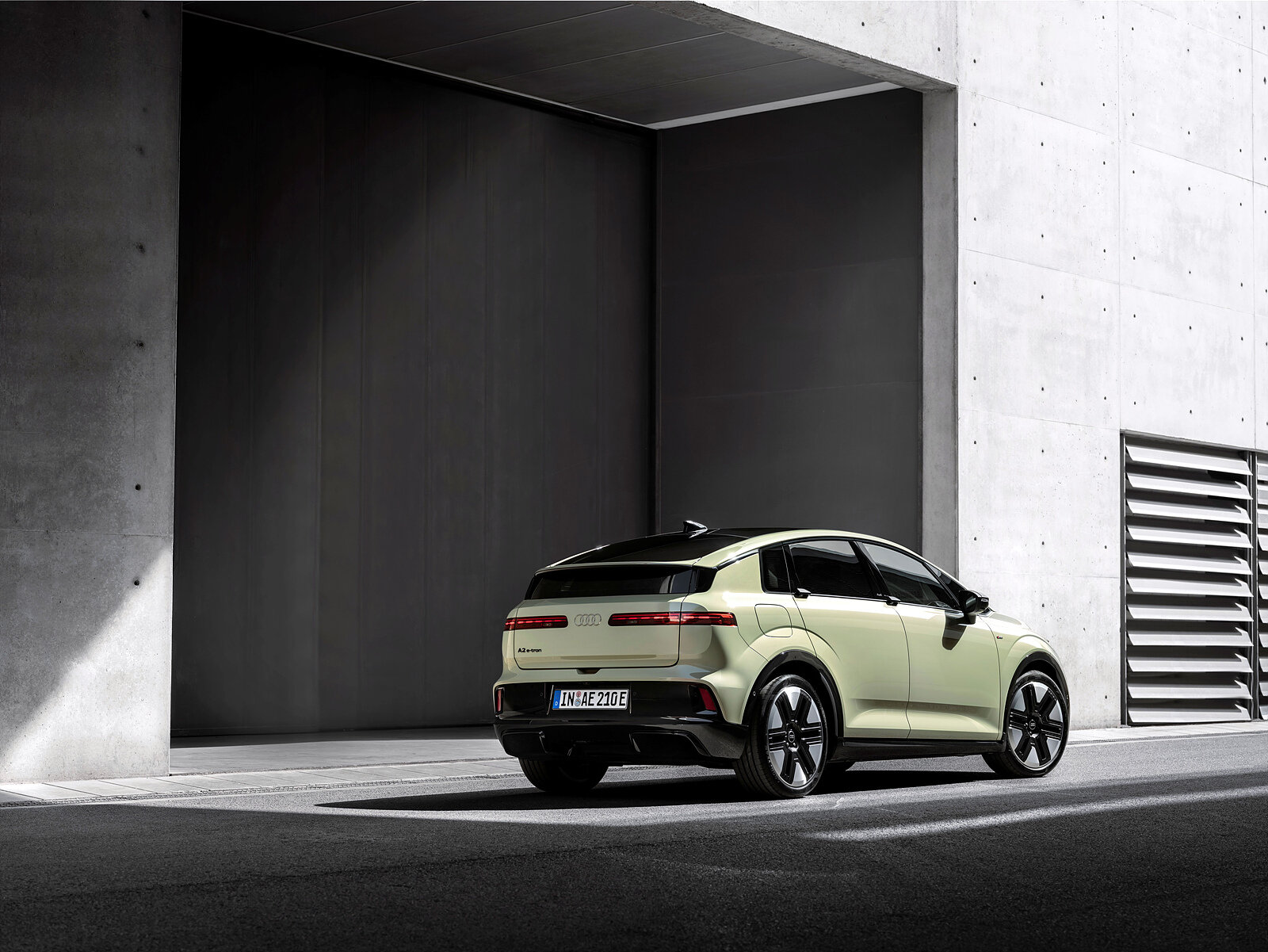
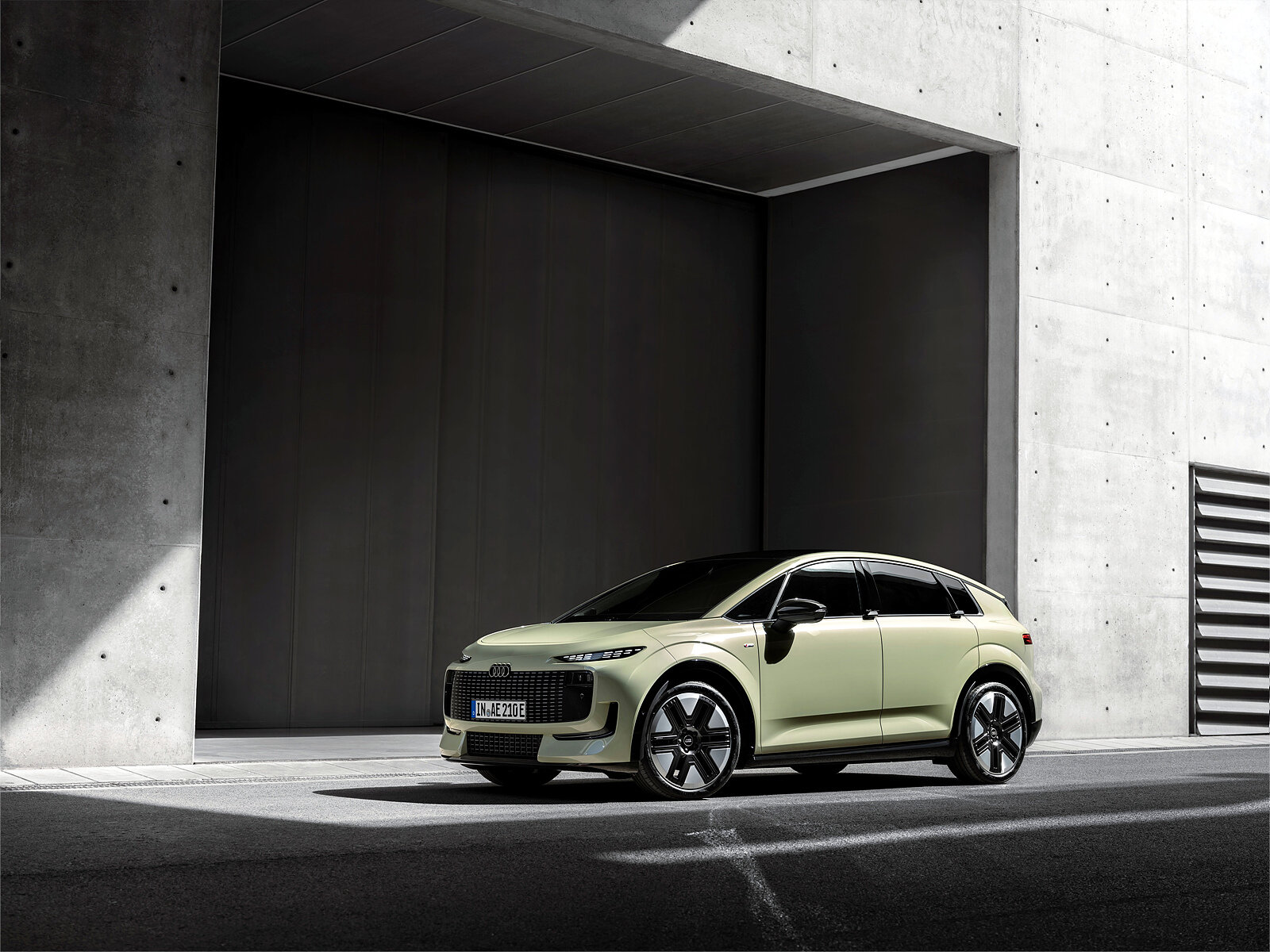
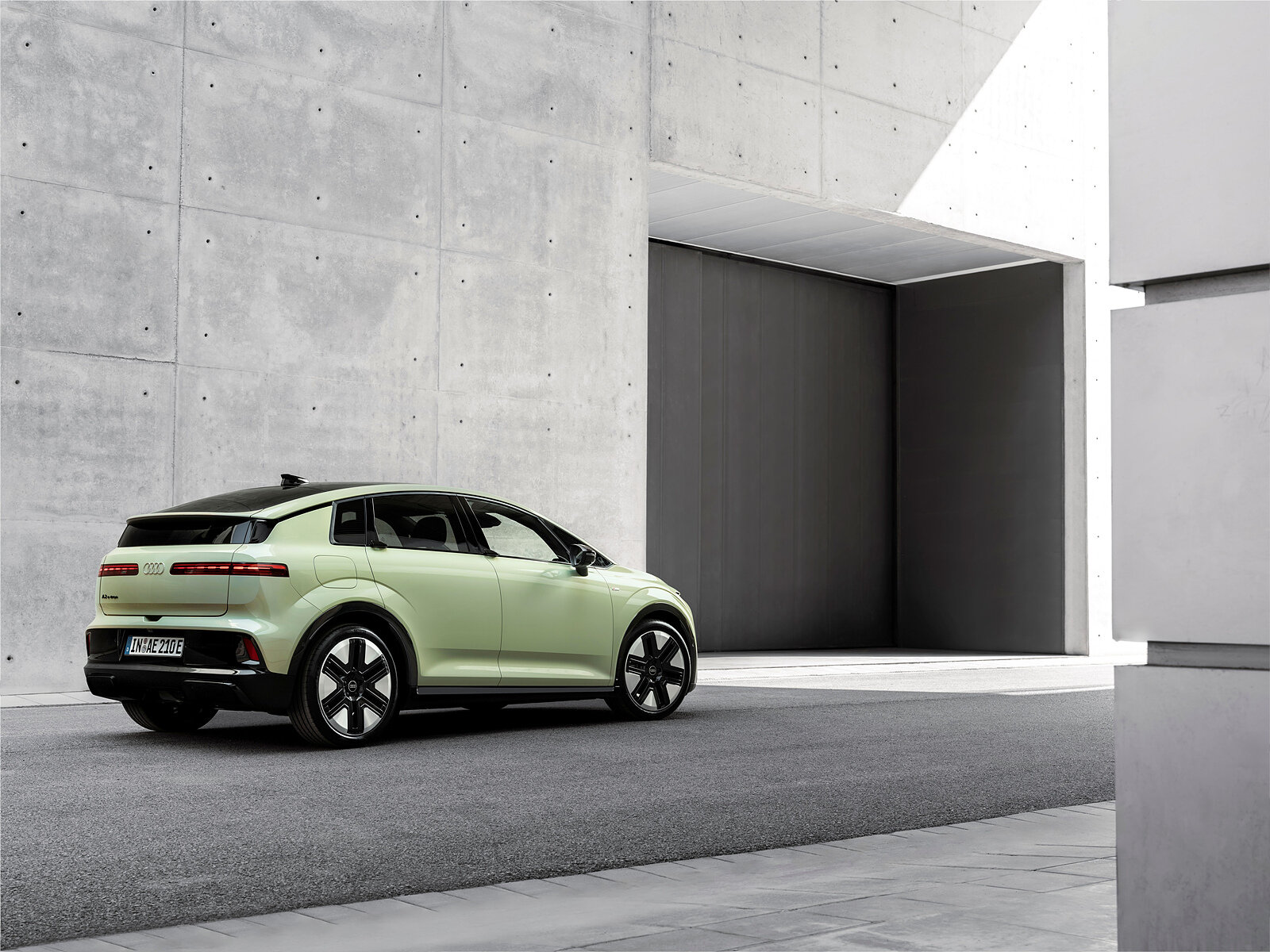
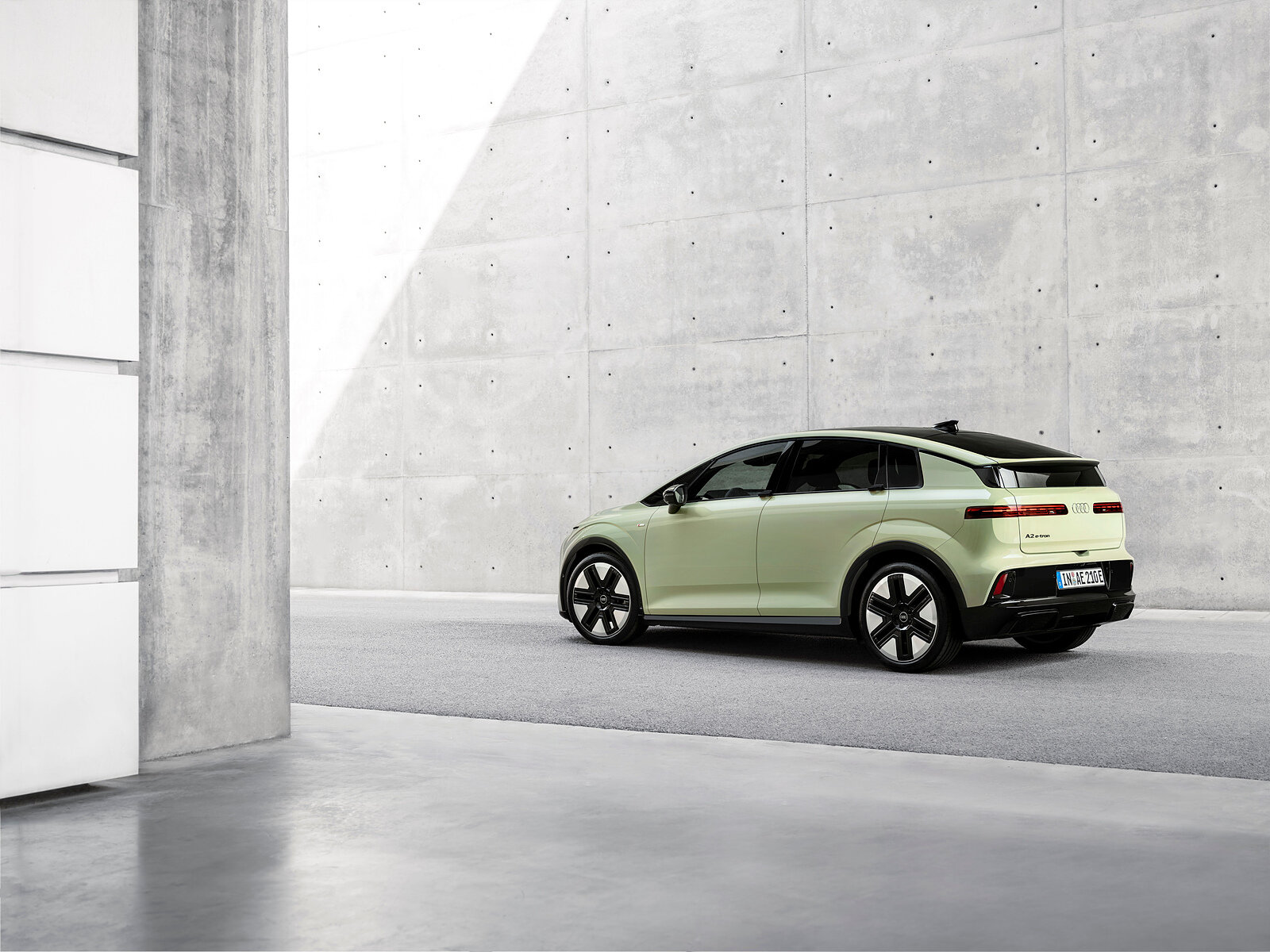
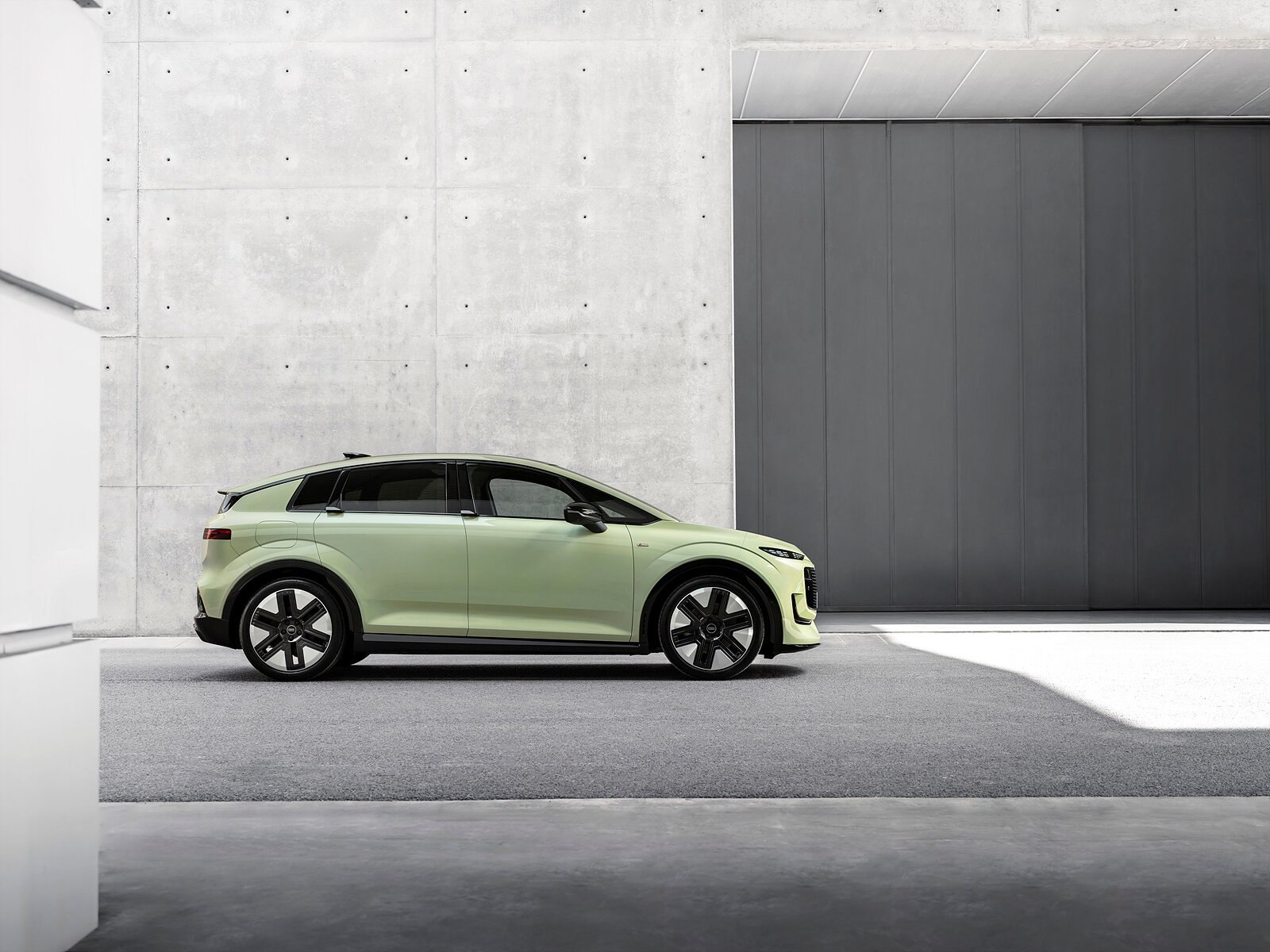
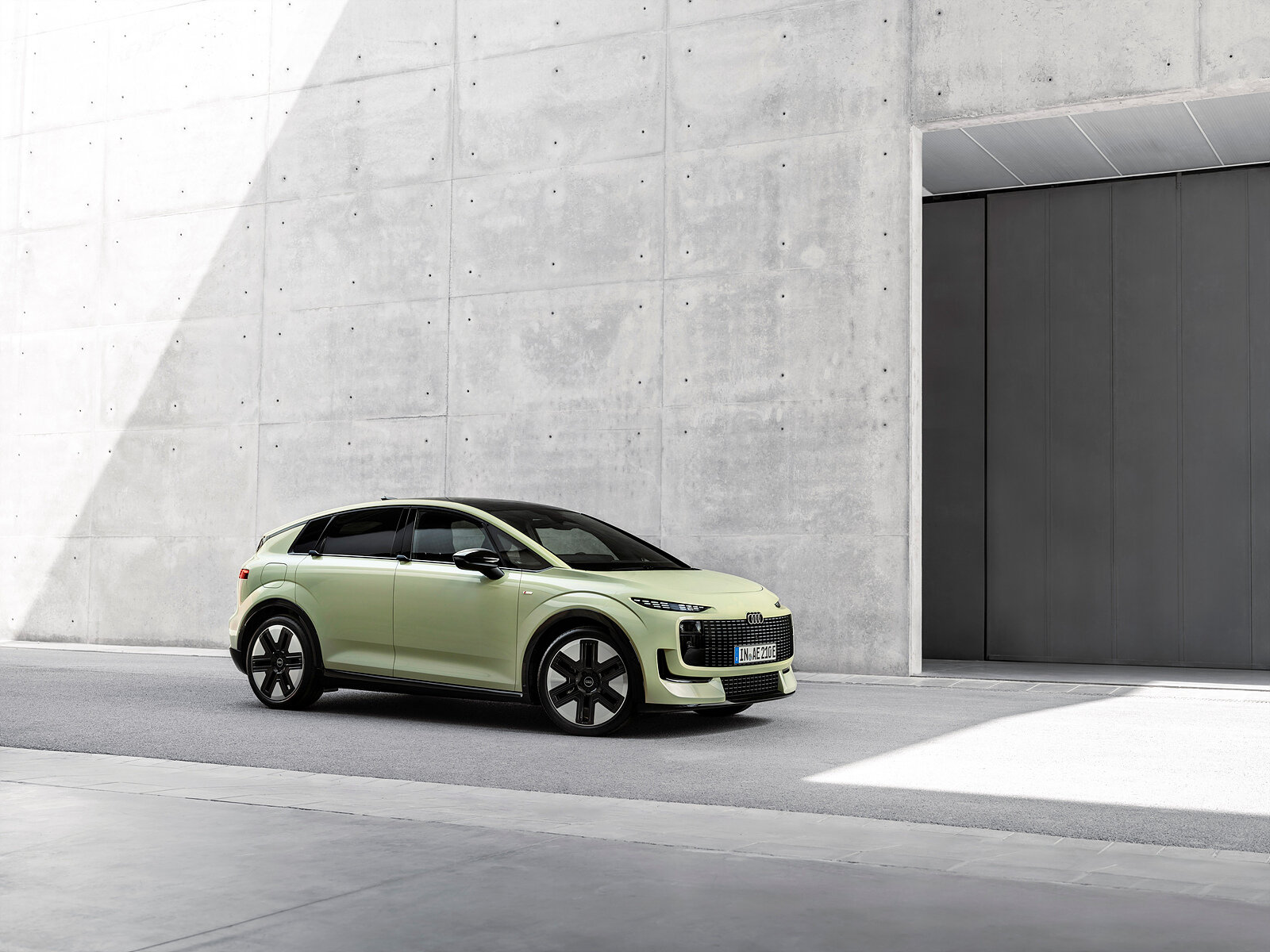
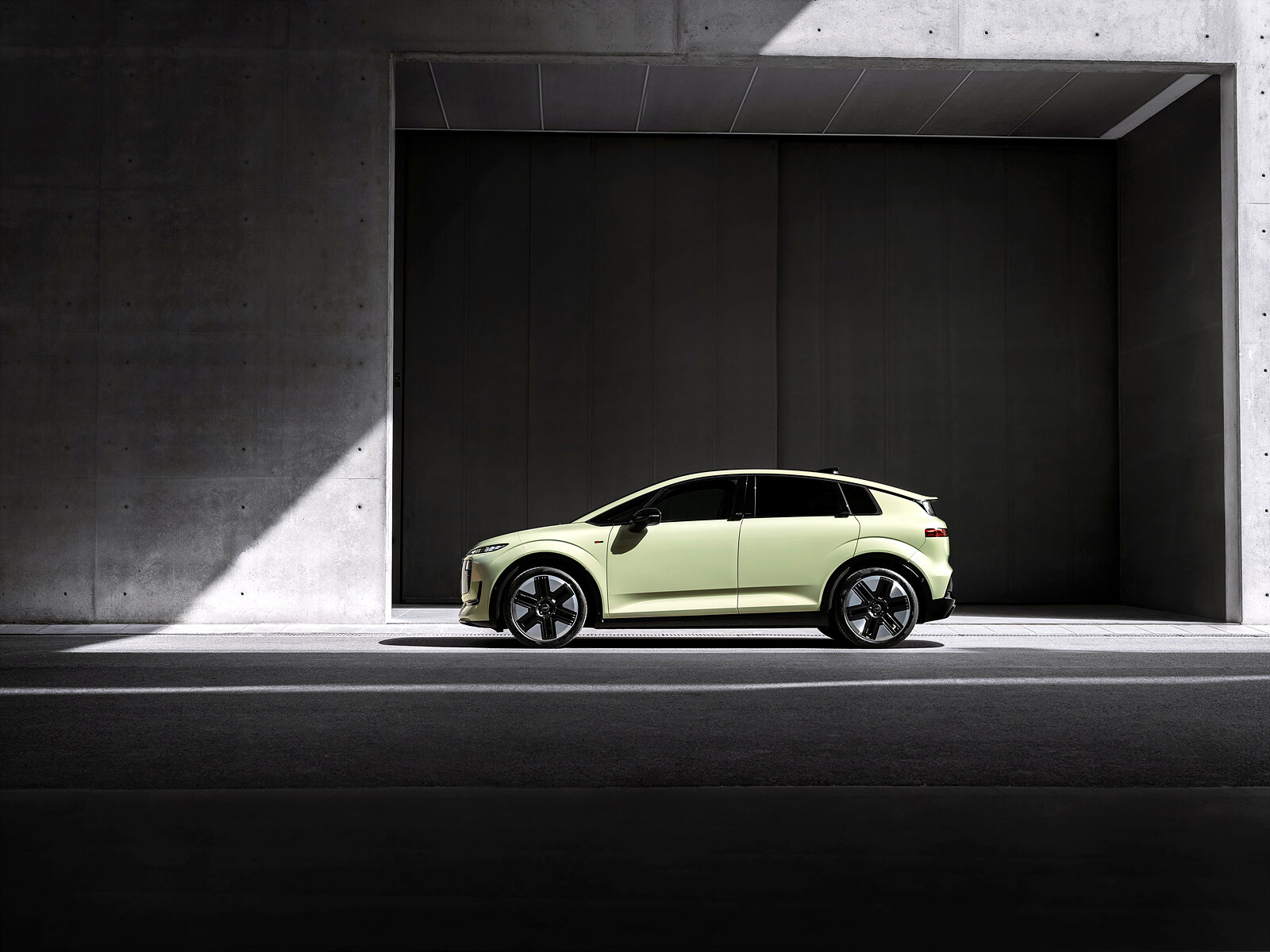
More than two decades after the original Audi A2 challenged conventional thinking about compact premium cars, the name is back. This time, it’s fully electric.
The new Audi A2 e-tron arrives as the entry point to Audi’s electric lineup, but its most interesting number isn’t price or power. It’s efficiency. Audi claims energy consumption as low as 12.8 kWh/100 km, making the A2 e-tron the most efficient production model in the company’s history.
Depending on configuration, it can also travel as far as 645 km on the WLTP cycle.
Rather than chasing range with an enormous battery, Audi has focused on aerodynamics, drivetrain efficiency, and packaging. The result is a compact EV available with three battery sizes and four power outputs.
Three Batteries, Up to 645 Km of Range
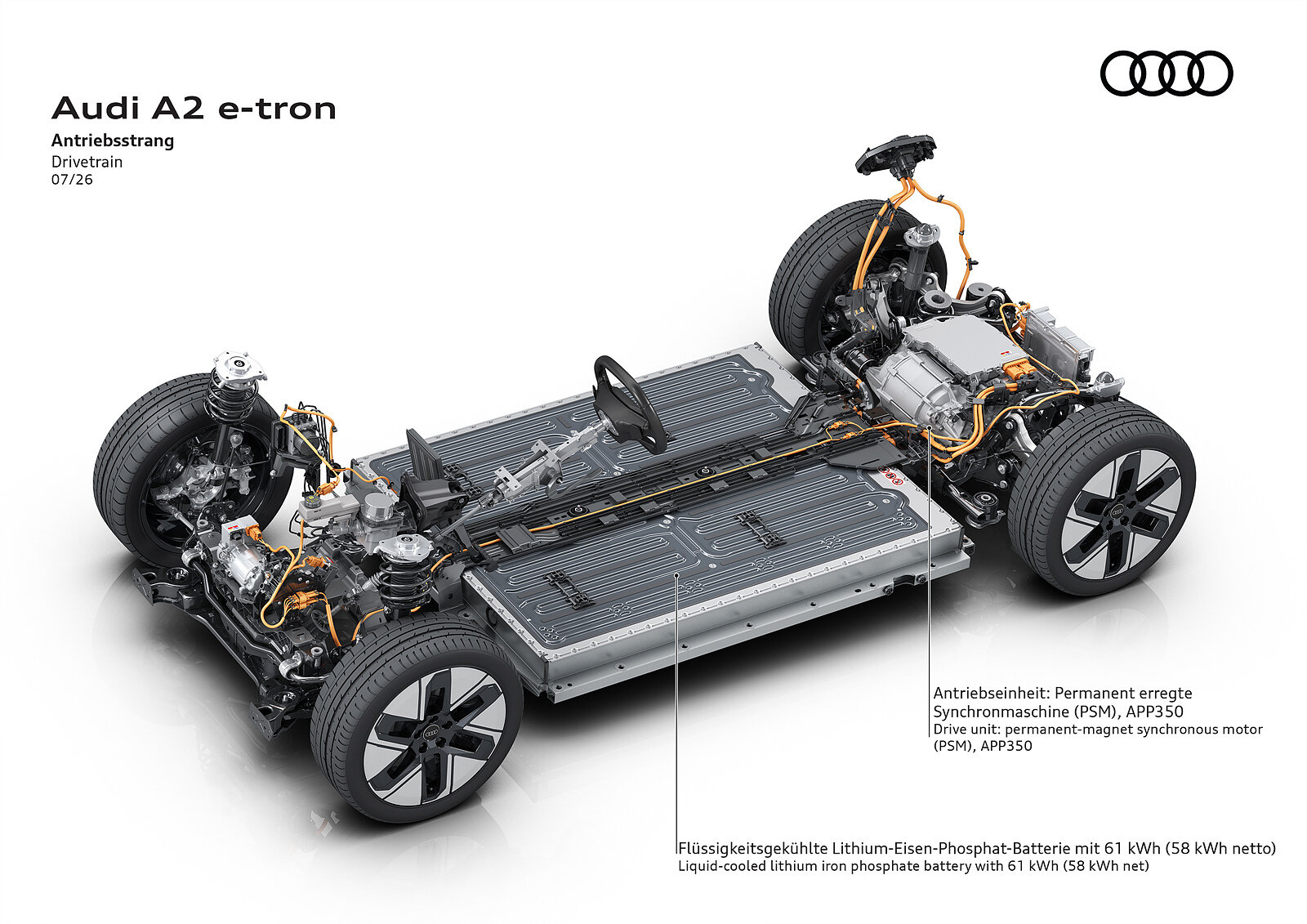
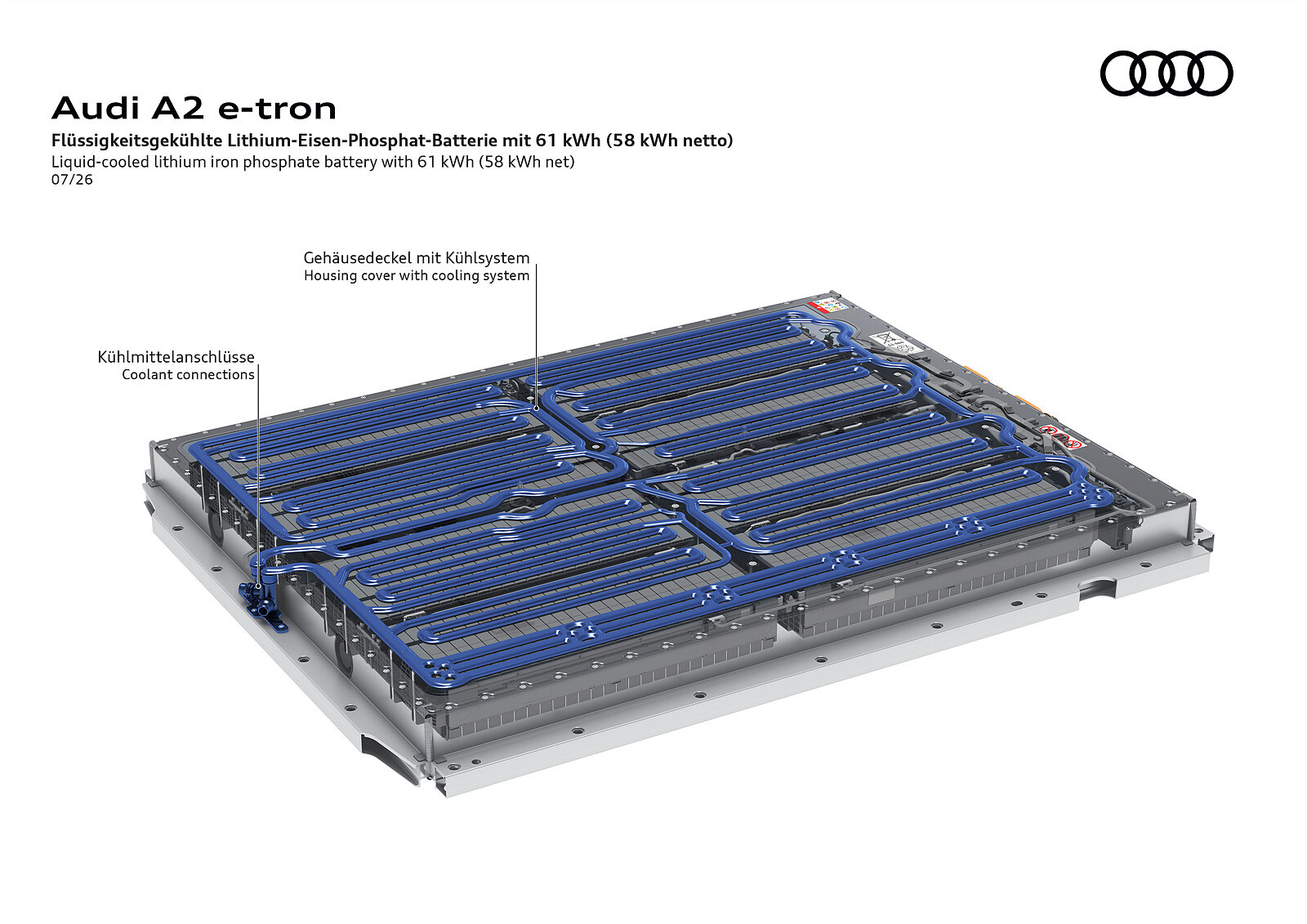
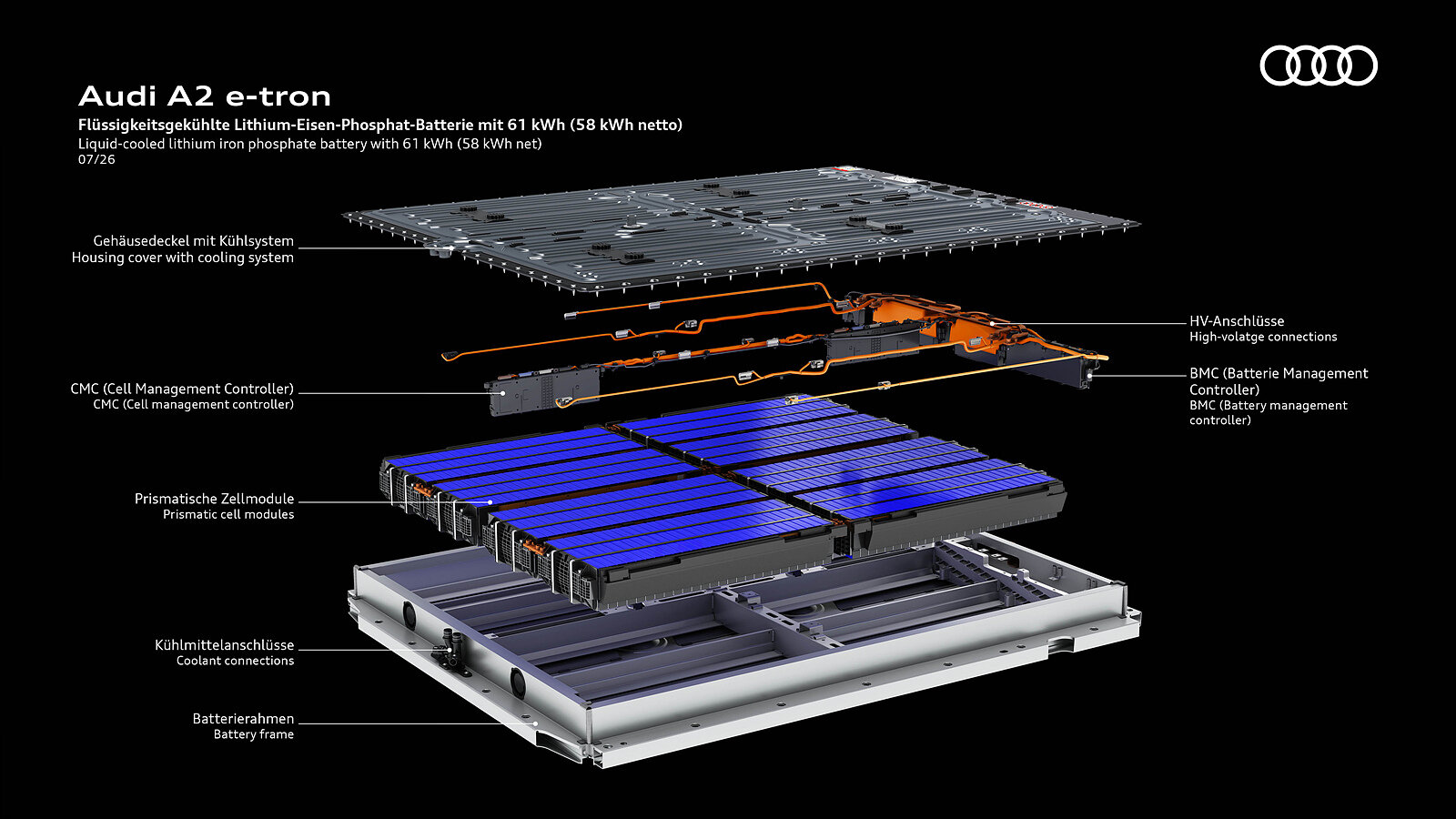
Audi offers gross battery capacities of 52, 61, and 84 kWh.
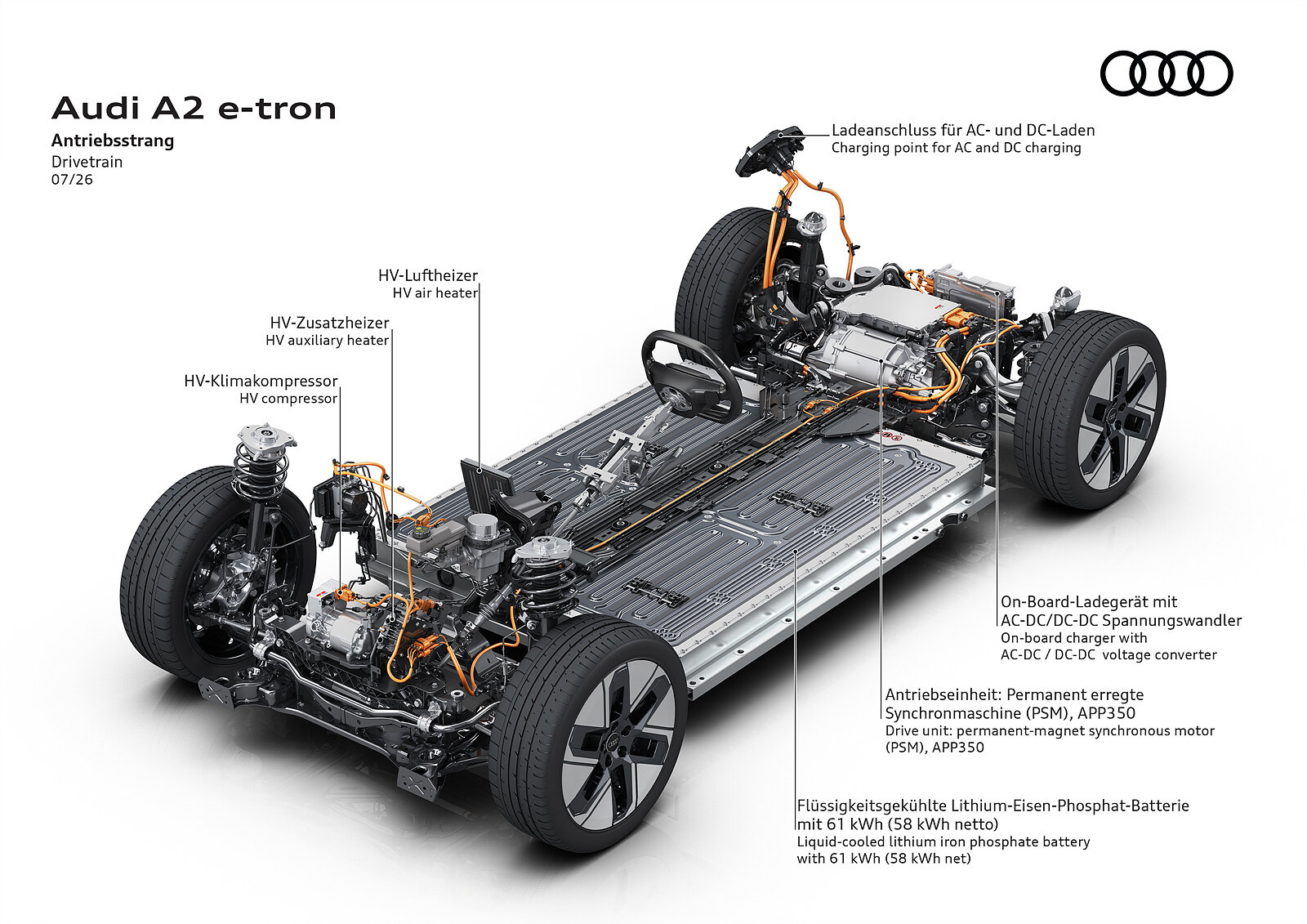
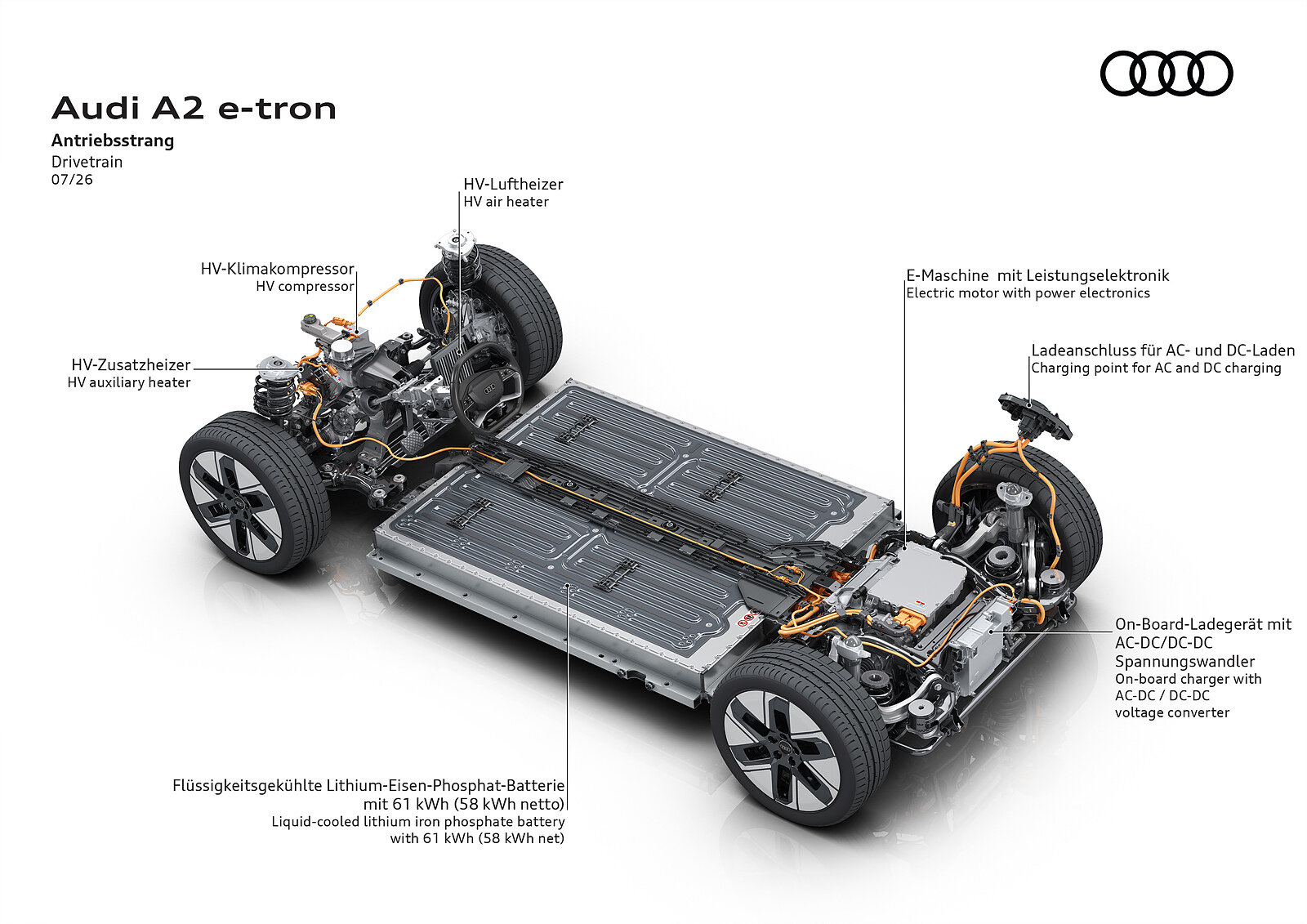
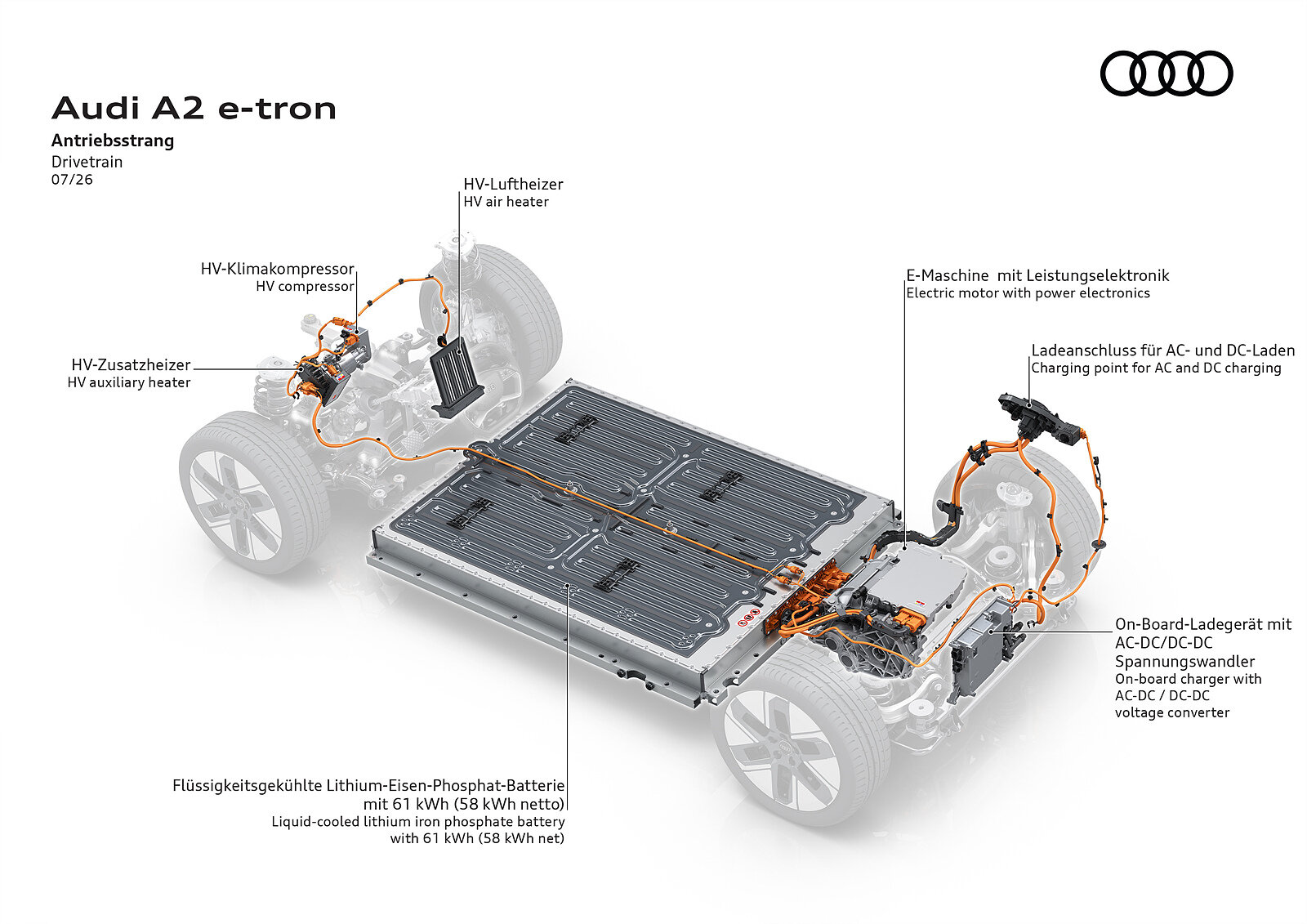
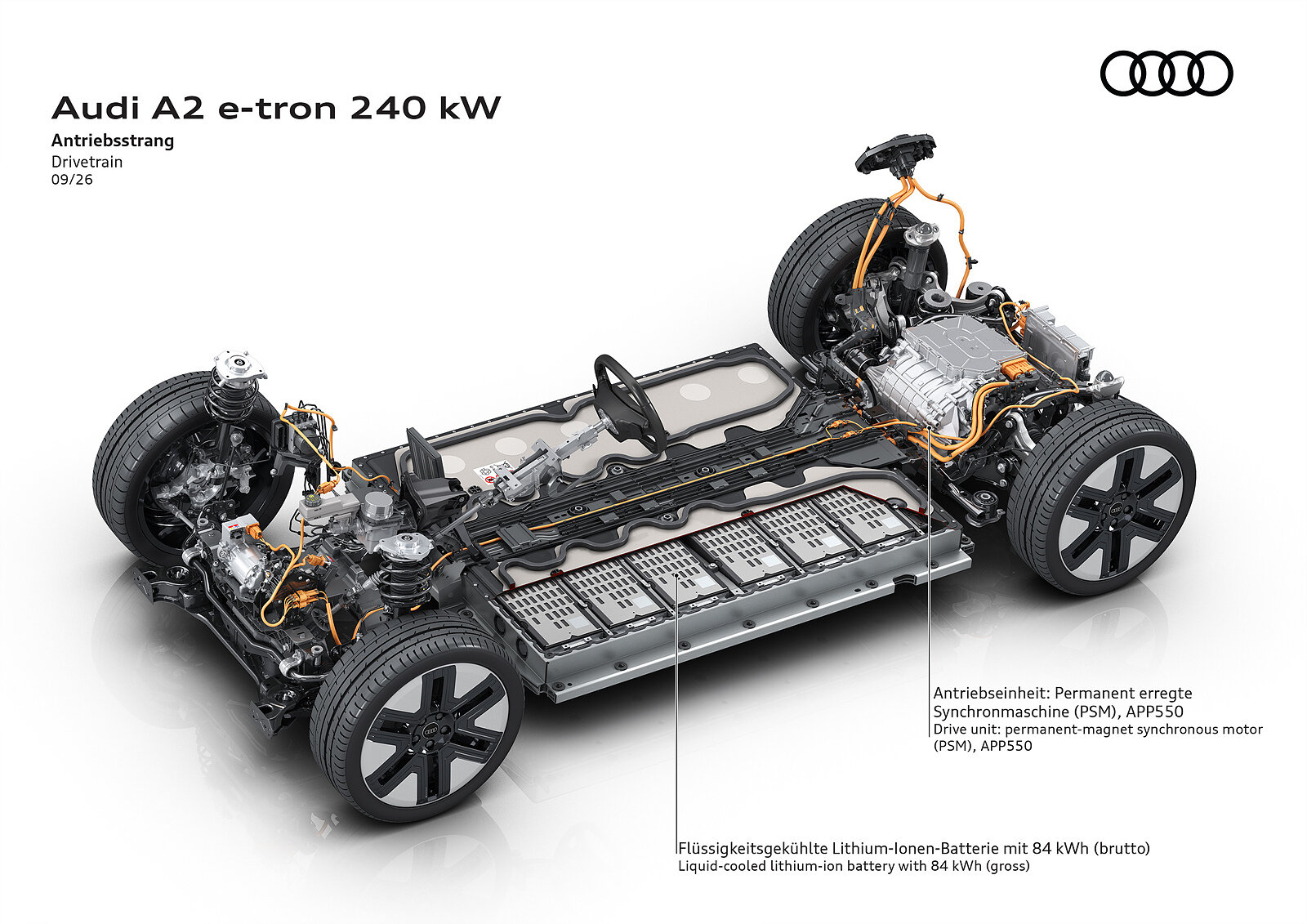
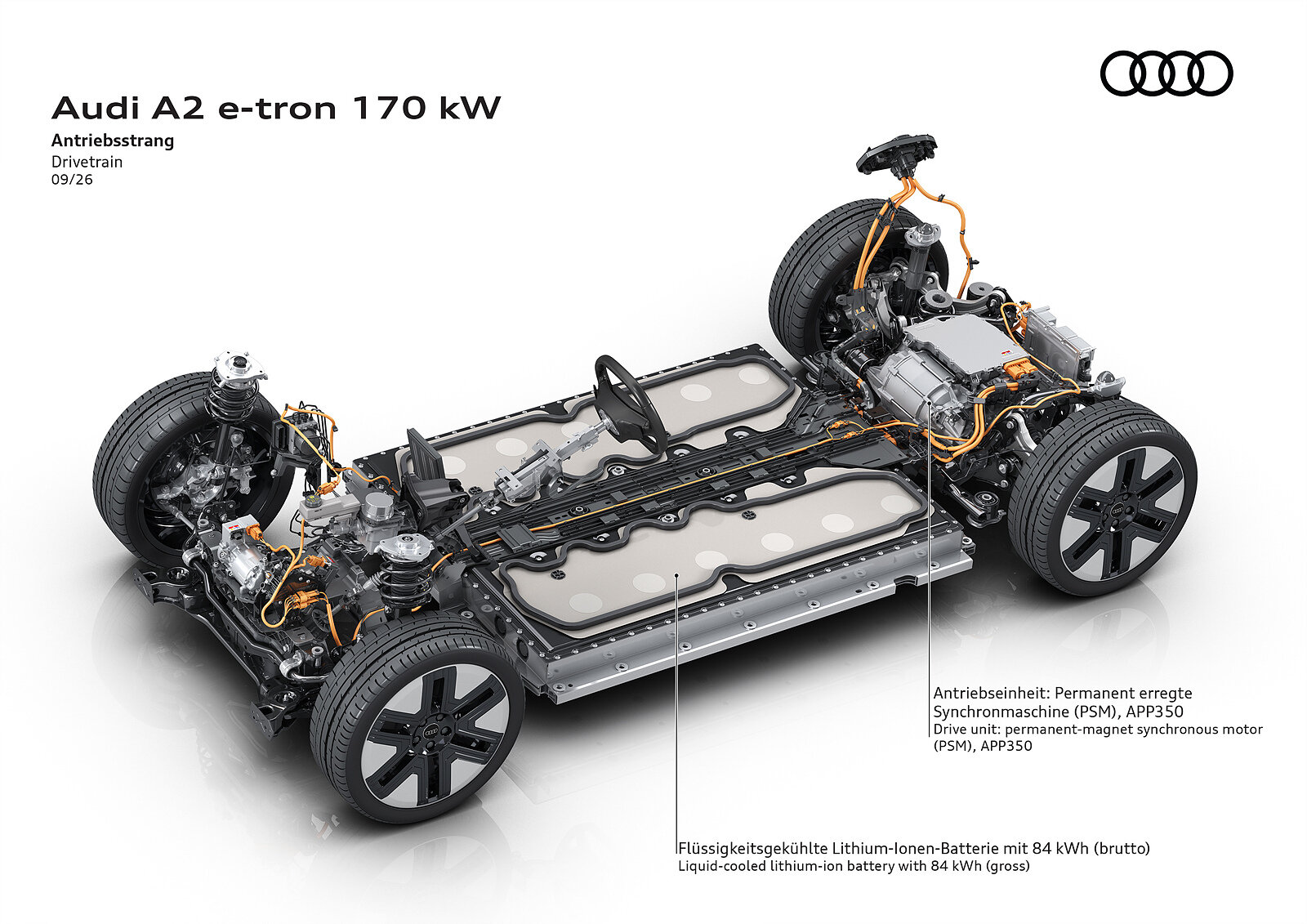
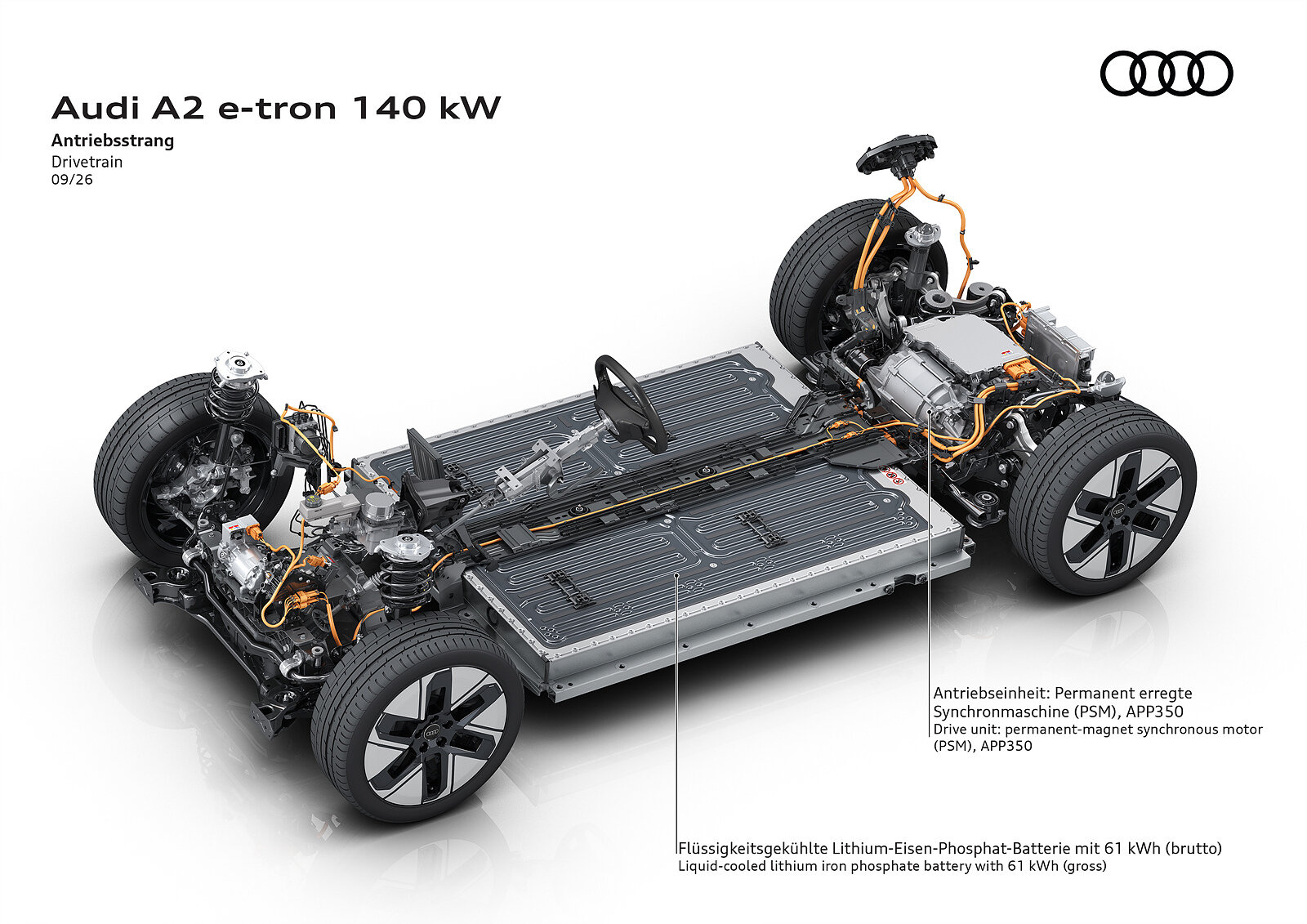
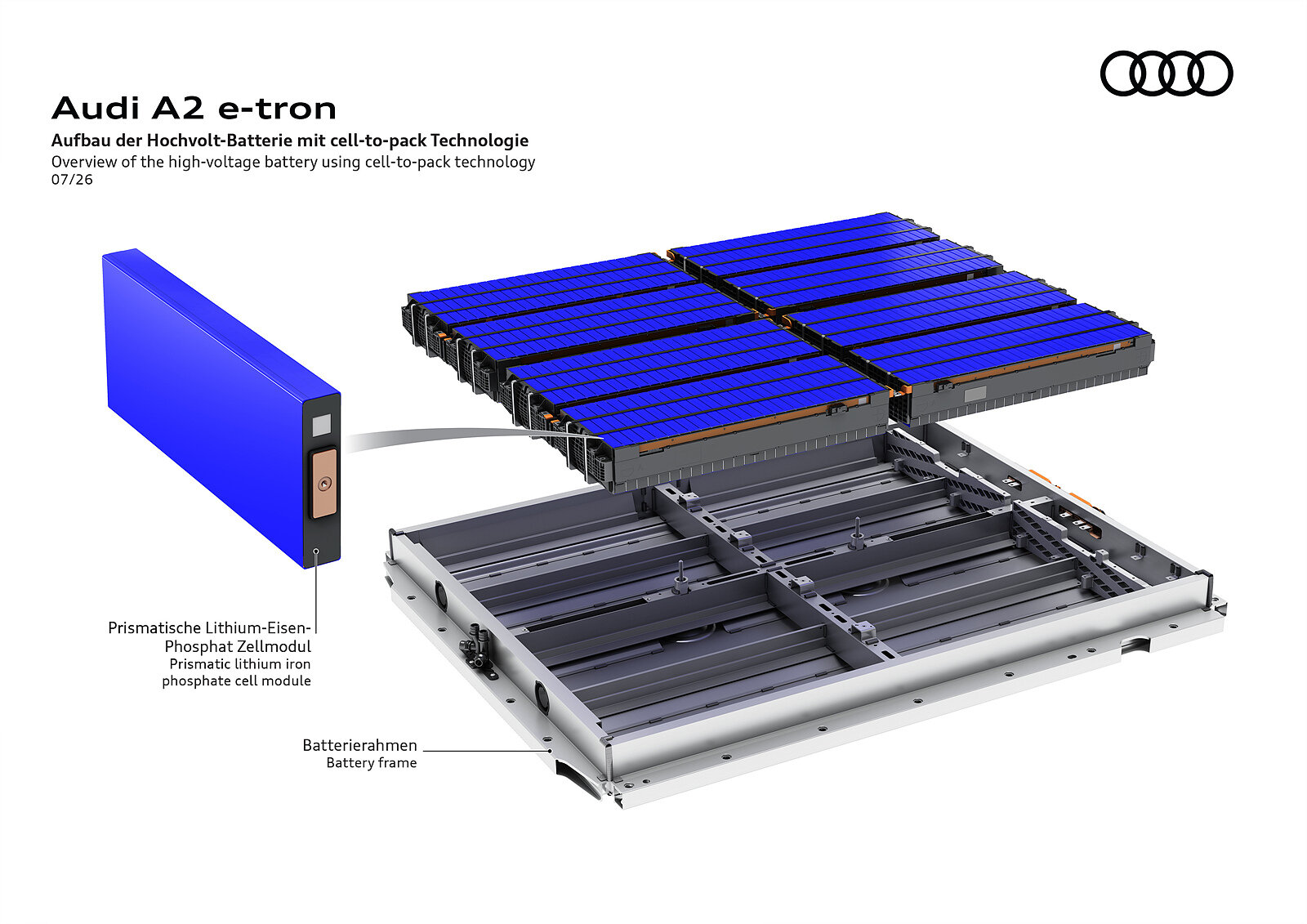
The two smaller packs use lithium iron phosphate (LFP) chemistry and a cell-to-pack design, while the 84-kWh battery uses nickel manganese cobalt (NMC) chemistry and is reserved for the two higher-output models.
Four versions are available:
| Version | Power | Battery | WLTP Range | DC Charging | 0–100 km/h |
|---|---|---|---|---|---|
| A2 e-tron 170 PS | 125 kW | 52 kWh | 422 km | 100 kW | 8.8 sec |
| A2 e-tron 190 PS | 140 kW | 61 kWh | 515 km | 105 kW | 7.9 sec |
| A2 e-tron 231 PS | 170 kW | 84 kWh | 645 km | 183 kW | 7.0 sec |
| A2 e-tron 326 PS | 240 kW | 84 kWh | 629 km | 183 kW | 5.7 sec |
The range leader isn’t the most powerful version. The 170-kW A2 e-tron extracts as much as 645 km from the 84-kWh battery, while the 240-kW flagship is rated at up to 629 km.
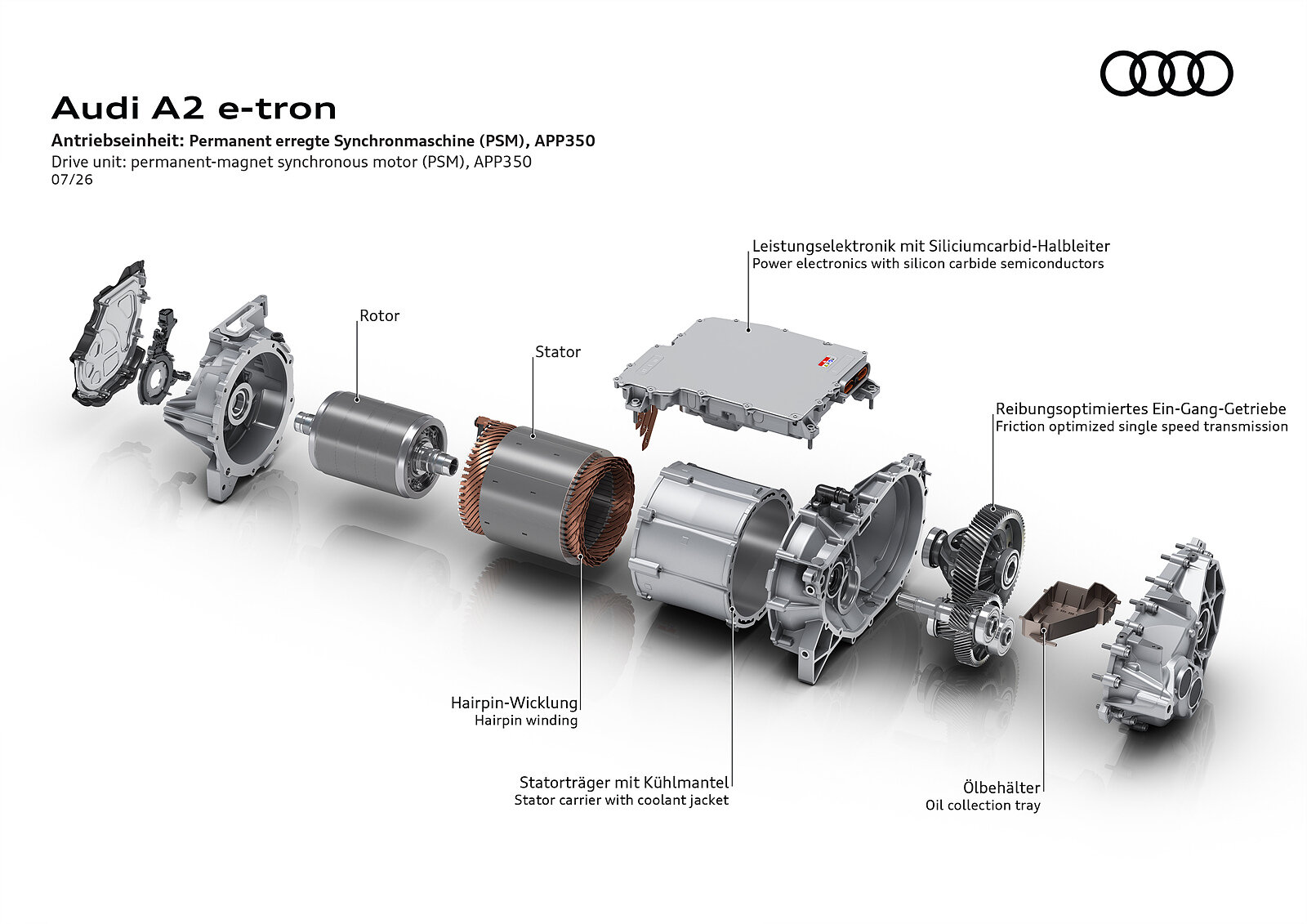
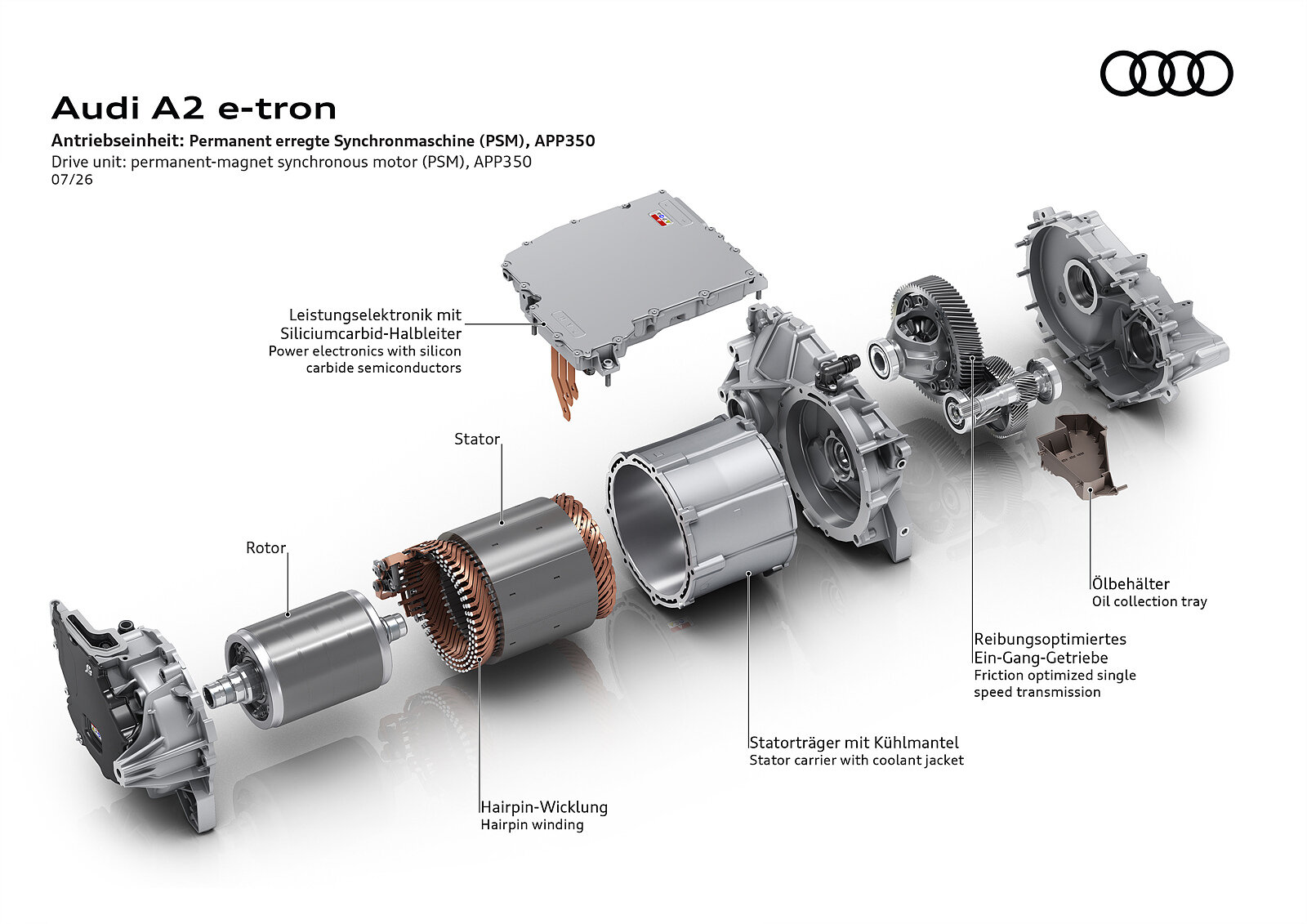
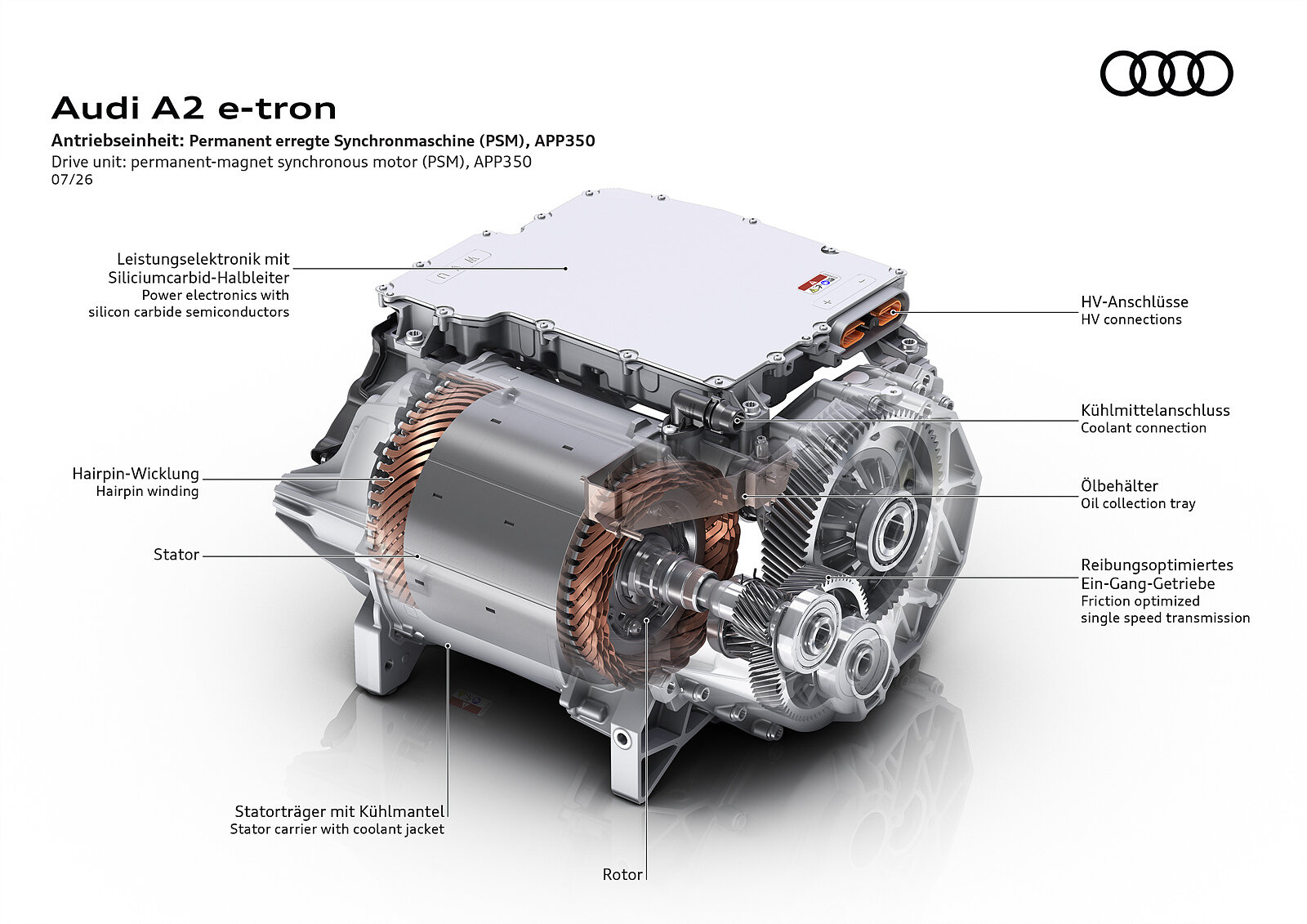
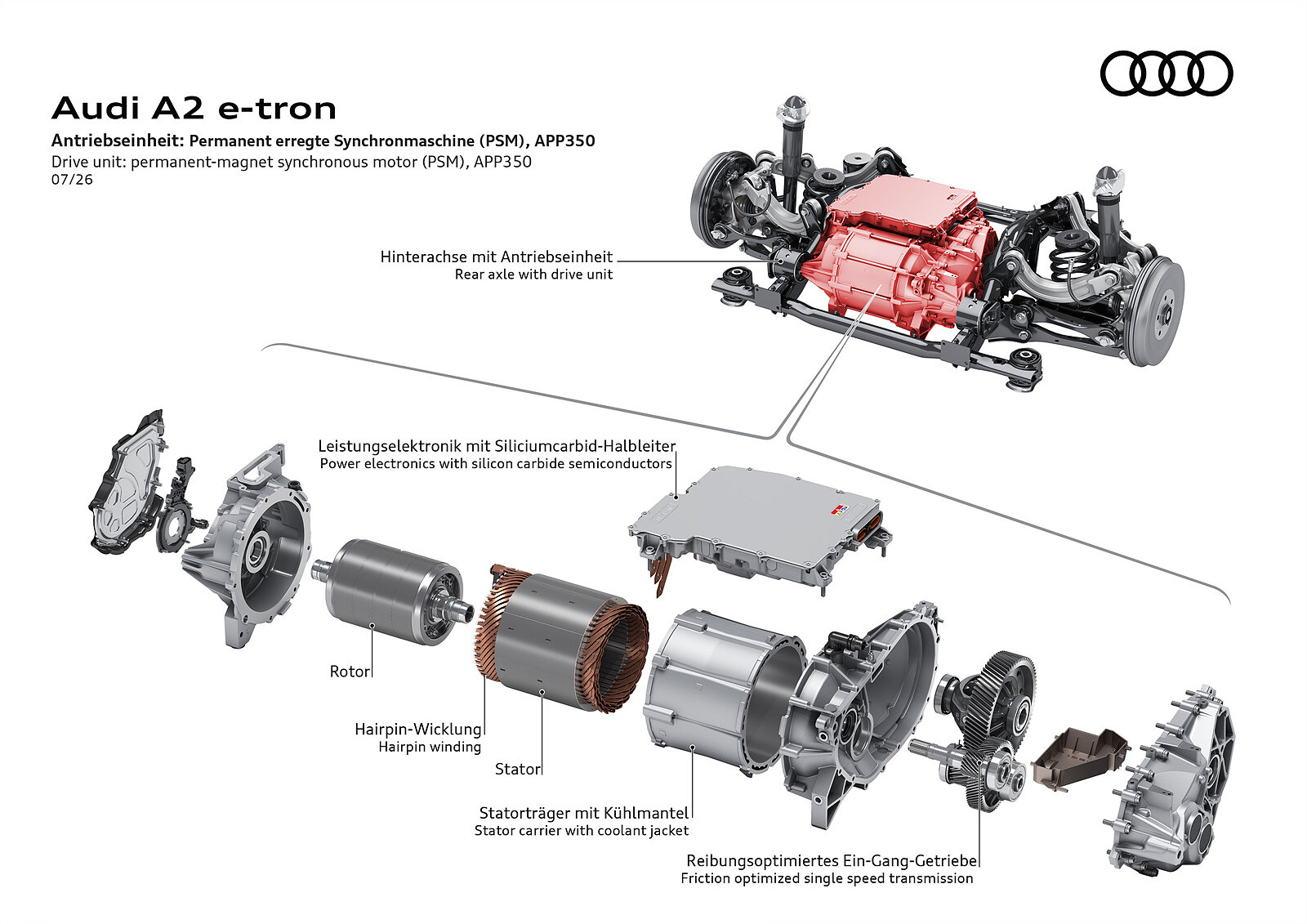
All versions are rear-wheel drive and use permanent-magnet synchronous motors. The range stretches from 125 kW and 350 Nm in the entry model to 240 kW and 545 Nm in the flagship.
12.8 kWh/100 Km Is the Number That Matters
The efficiency champion is the 140-kW model equipped with the optional efficiency package.
Audi claims consumption of just 12.8 kWh/100 km, the lowest figure of any production Audi to date.
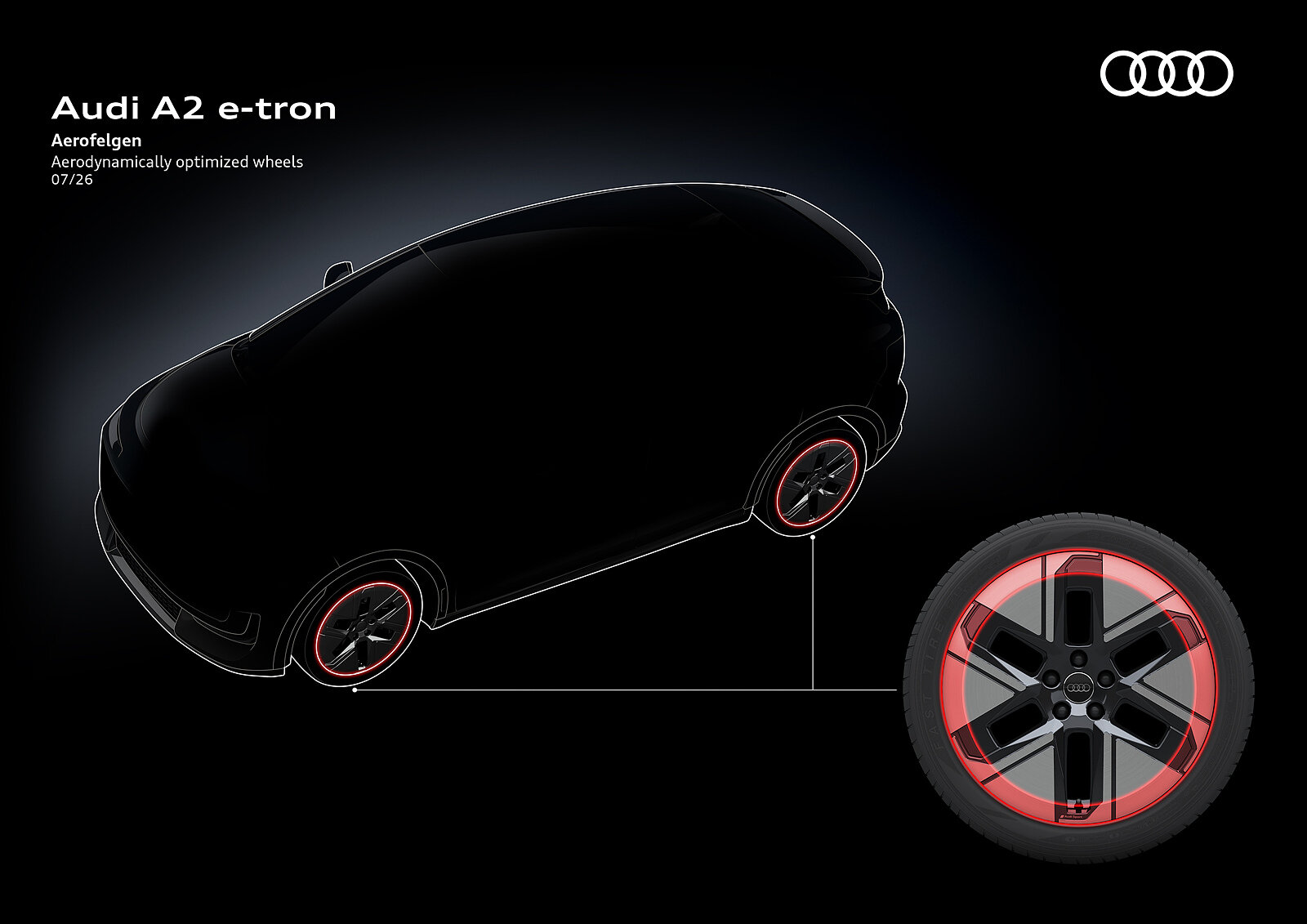
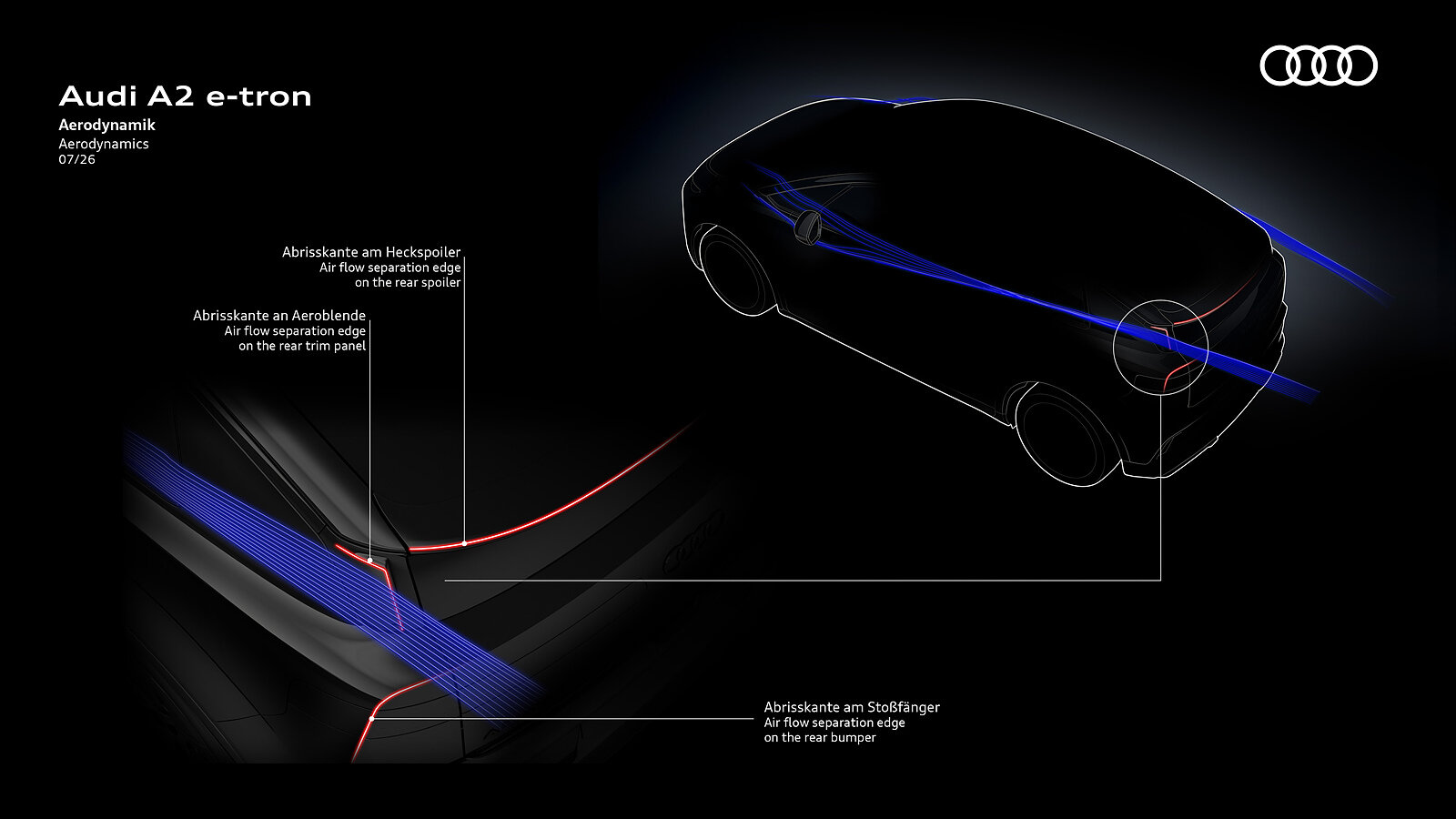
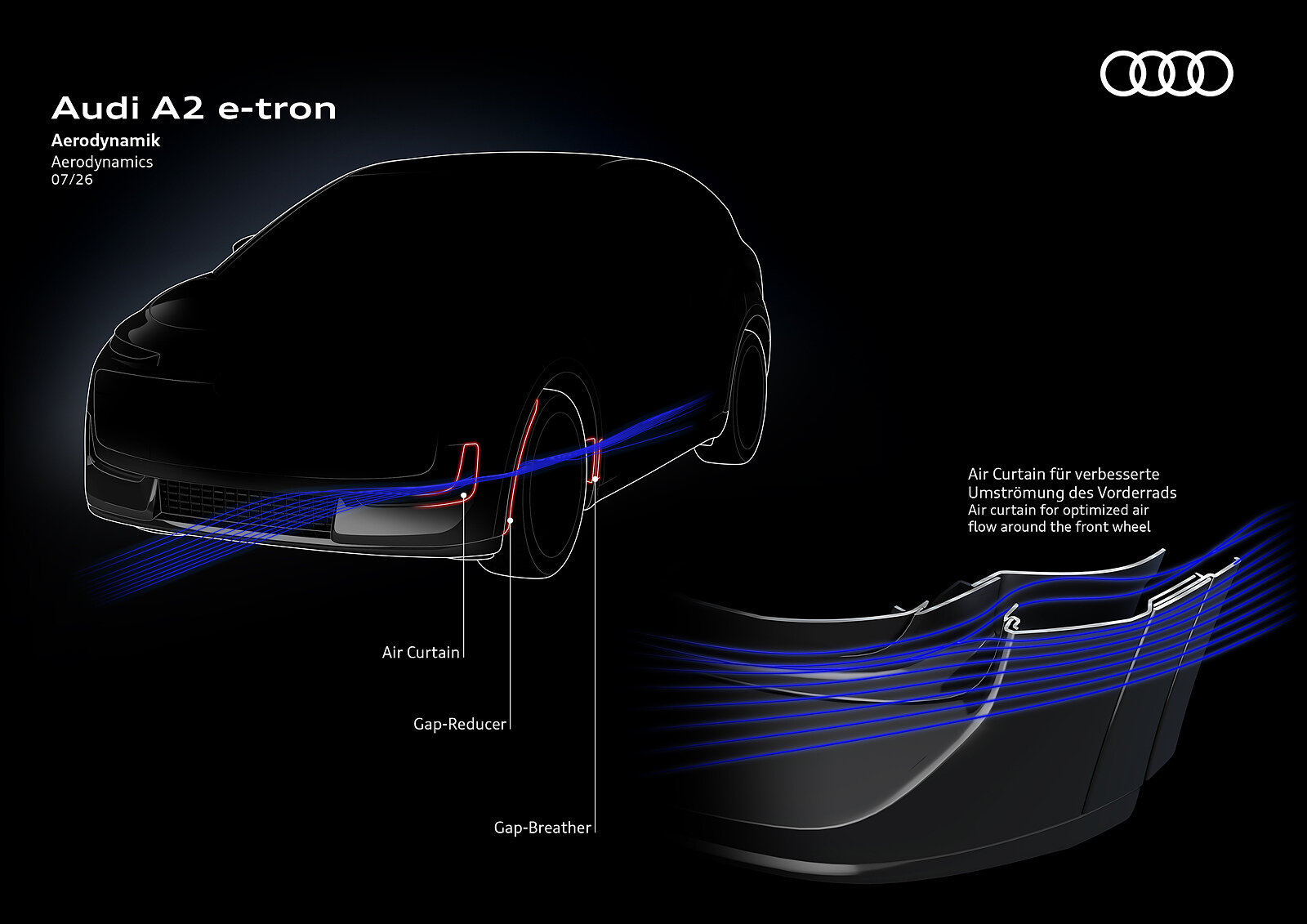
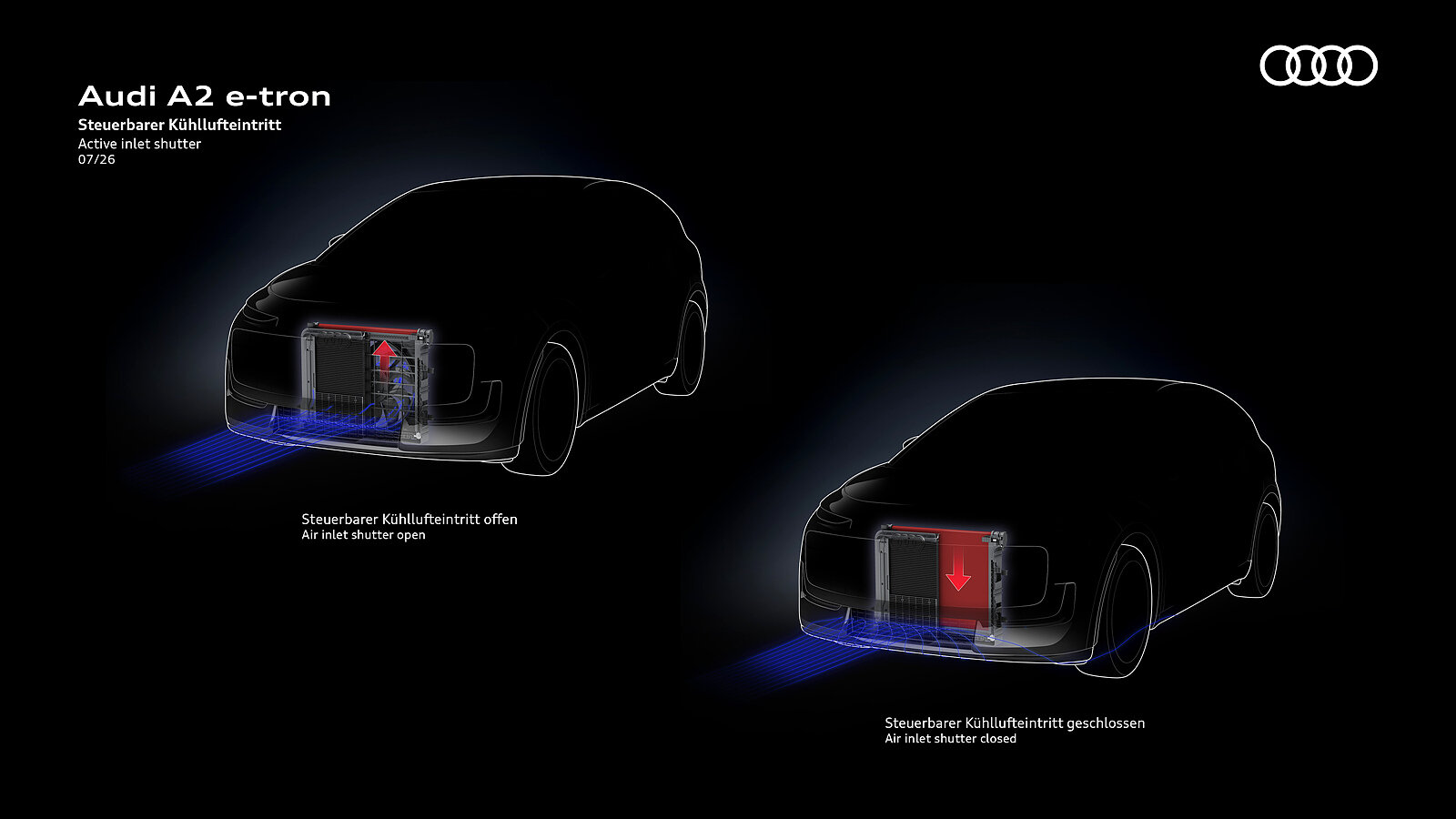
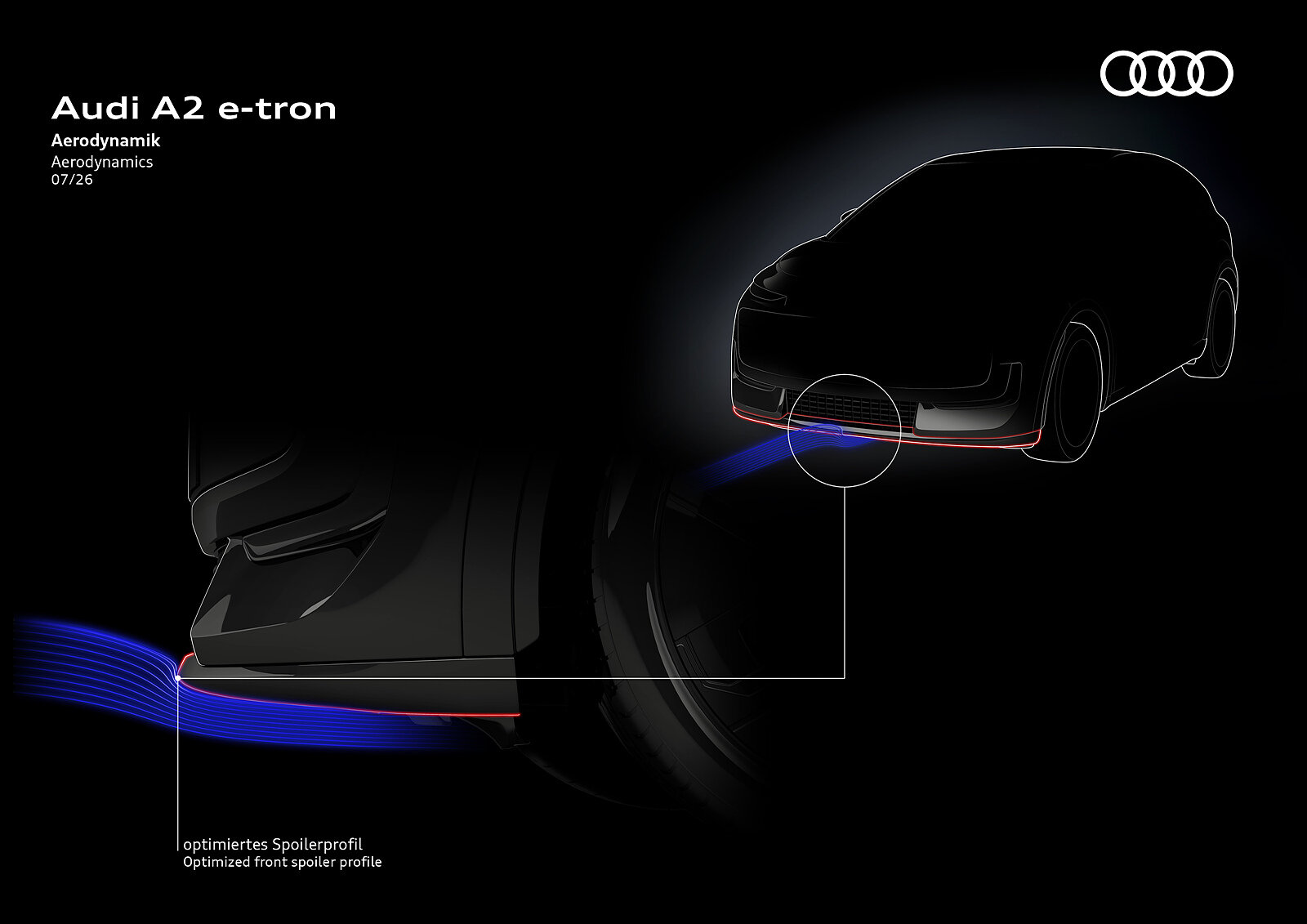
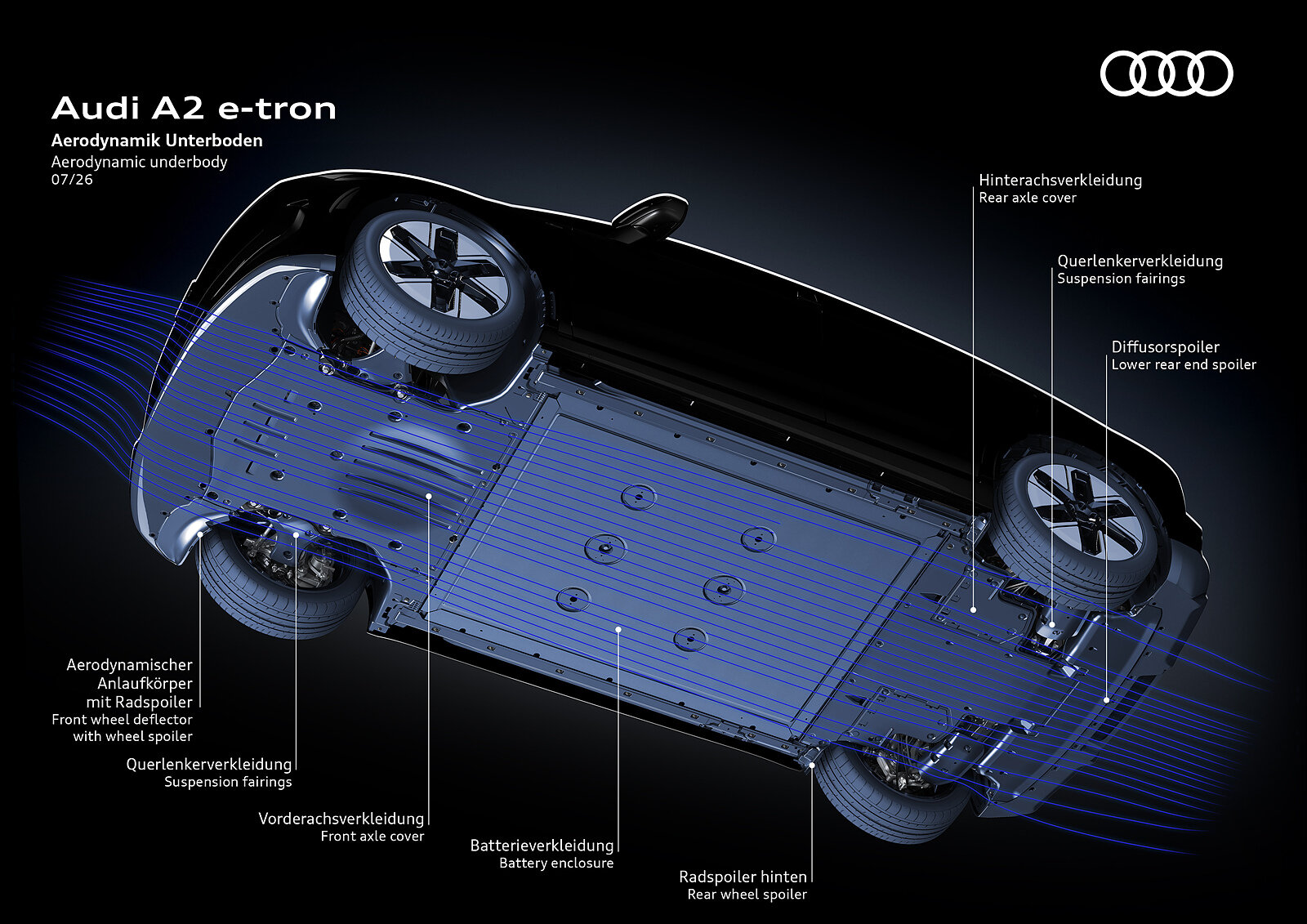
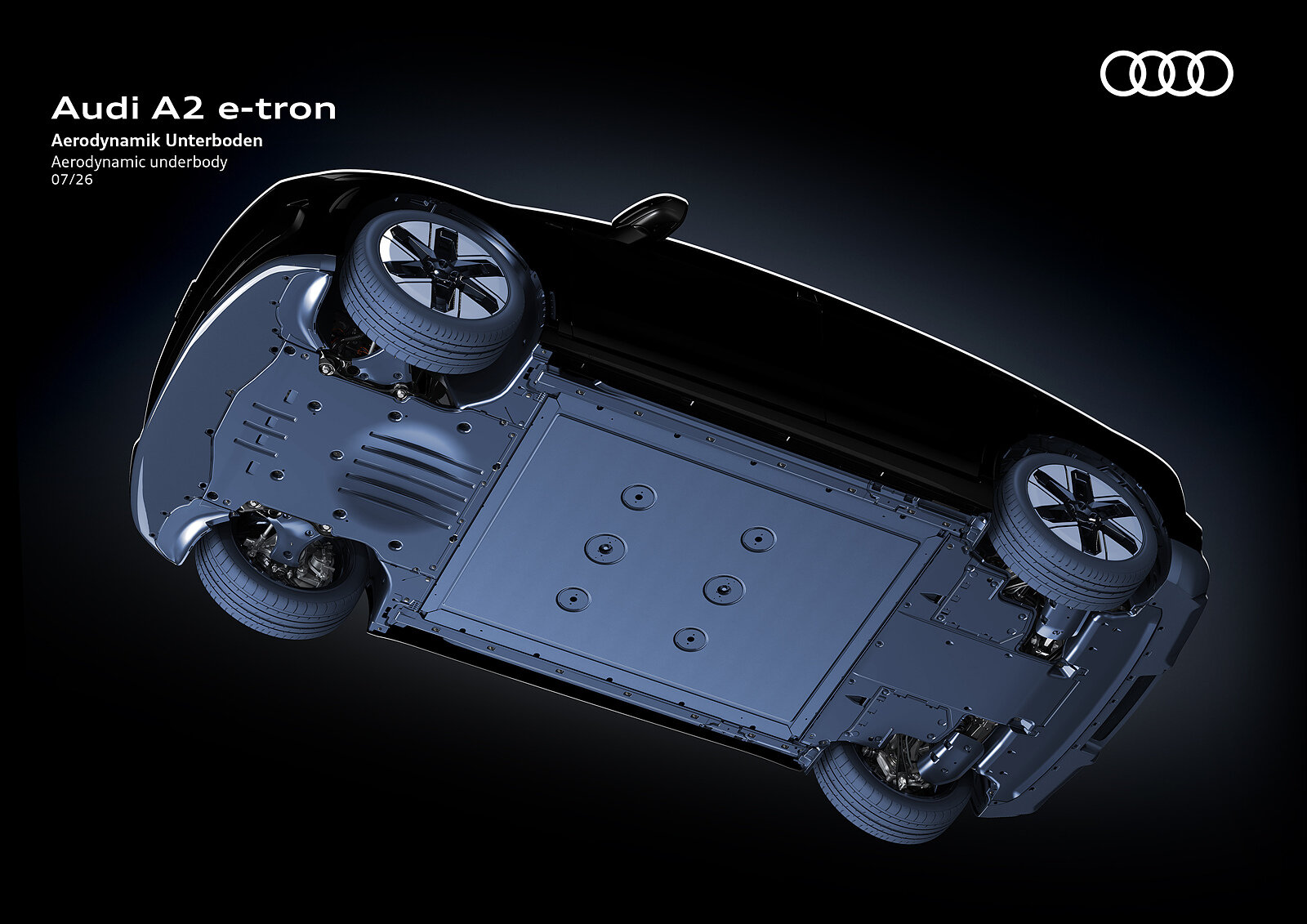
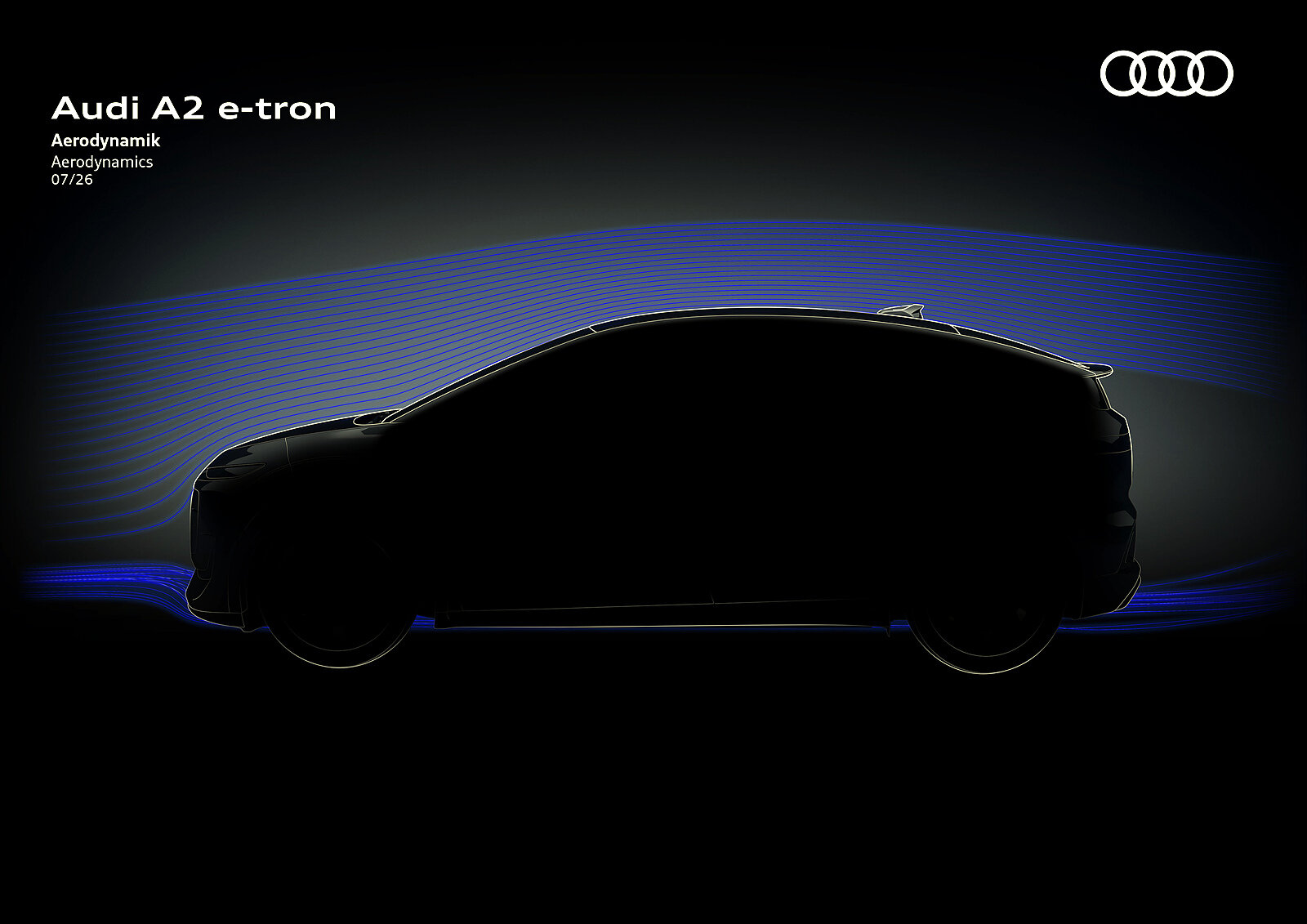
Aerodynamics play a major role. The A2 e-tron achieves a 0.24 drag coefficient, aided by an almost completely enclosed underbody, an active cooling-air intake, aero-optimized wheels, and special wheel-arch treatments designed to reduce turbulence.
It’s a different approach from simply fitting a larger battery. Audi has instead tried to reduce how much energy the car needs in the first place.
Up to 183-kW DC Charging
The 84-kWh battery supports DC fast charging at up to 183 kW, taking a claimed 29 minutes to go from 10 to 80 percent.
The 52-kWh LFP battery peaks at 100 kW and completes the same 10–80 percent charge in 24 minutes. The 61-kWh pack supports up to 105 kW and requires roughly 26 minutes.
Drivers can select multiple levels of regenerative braking using steering-wheel paddles, while selecting B enables one-pedal driving all the way to a standstill.
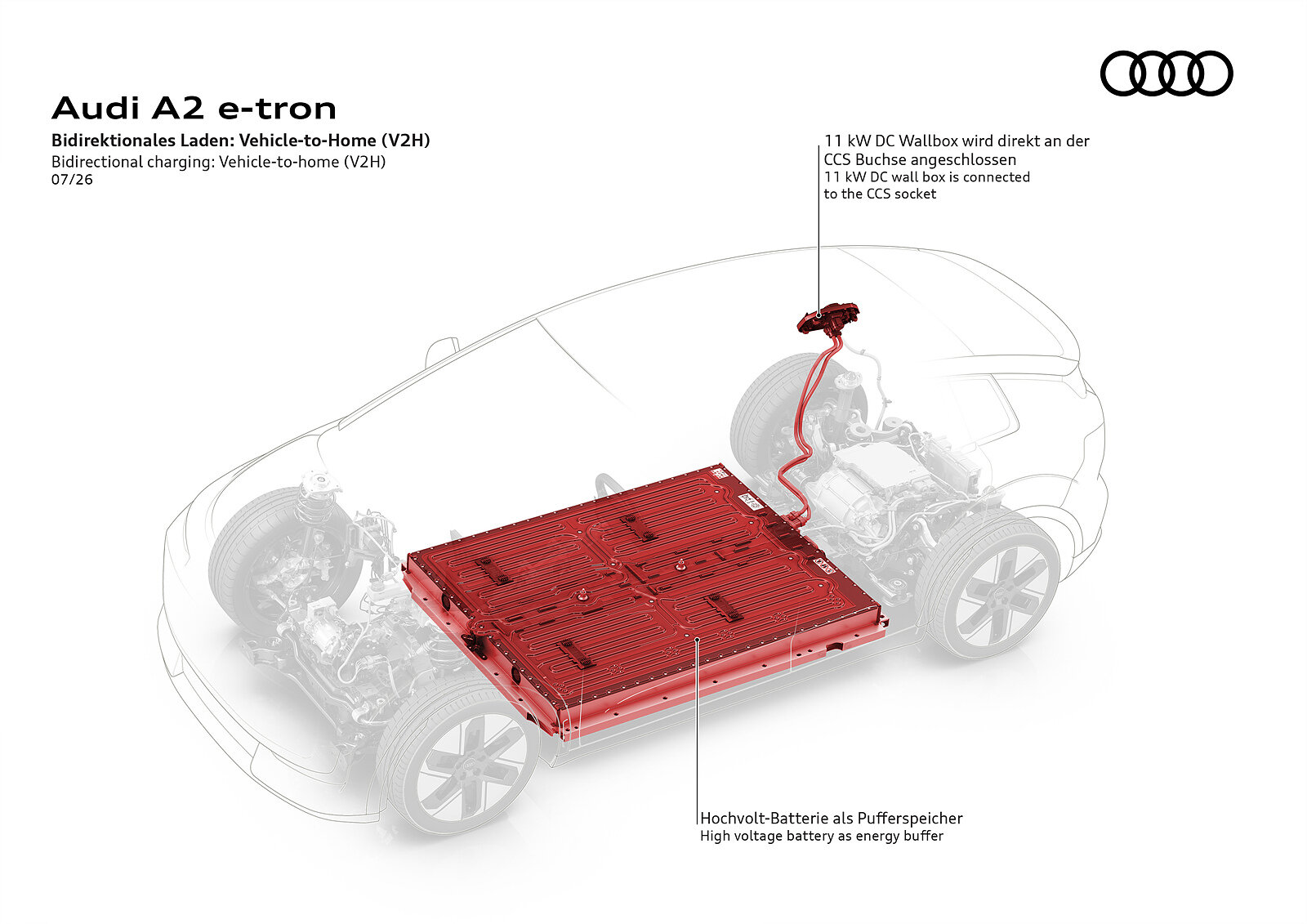
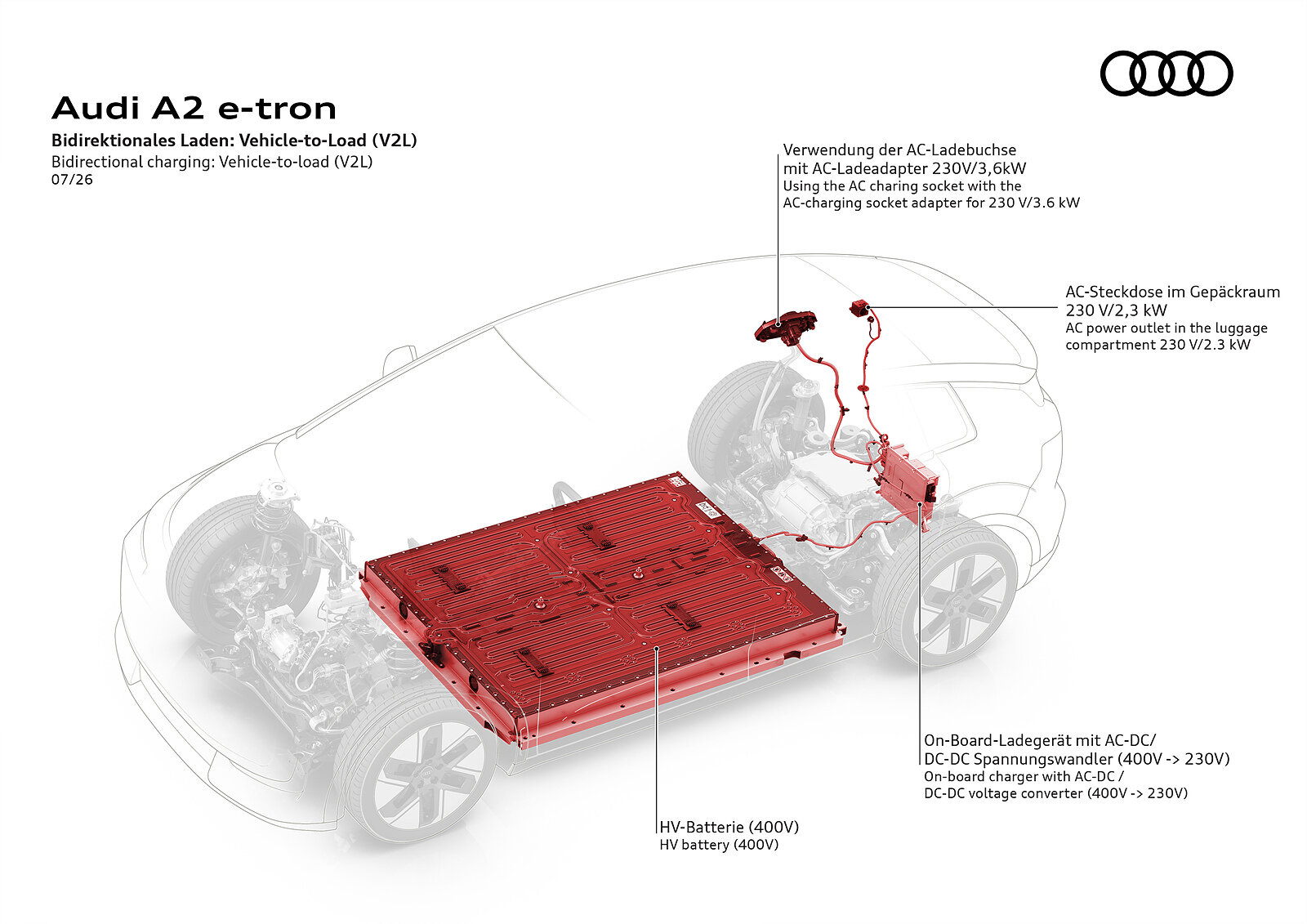
Bidirectional charging is another notable feature. V2L allows the battery to power external electrical equipment, while V2H can turn the A2 e-tron into an energy-storage source for a compatible home electrical system in supported markets.
Compact Dimensions, Serious Attention to Space
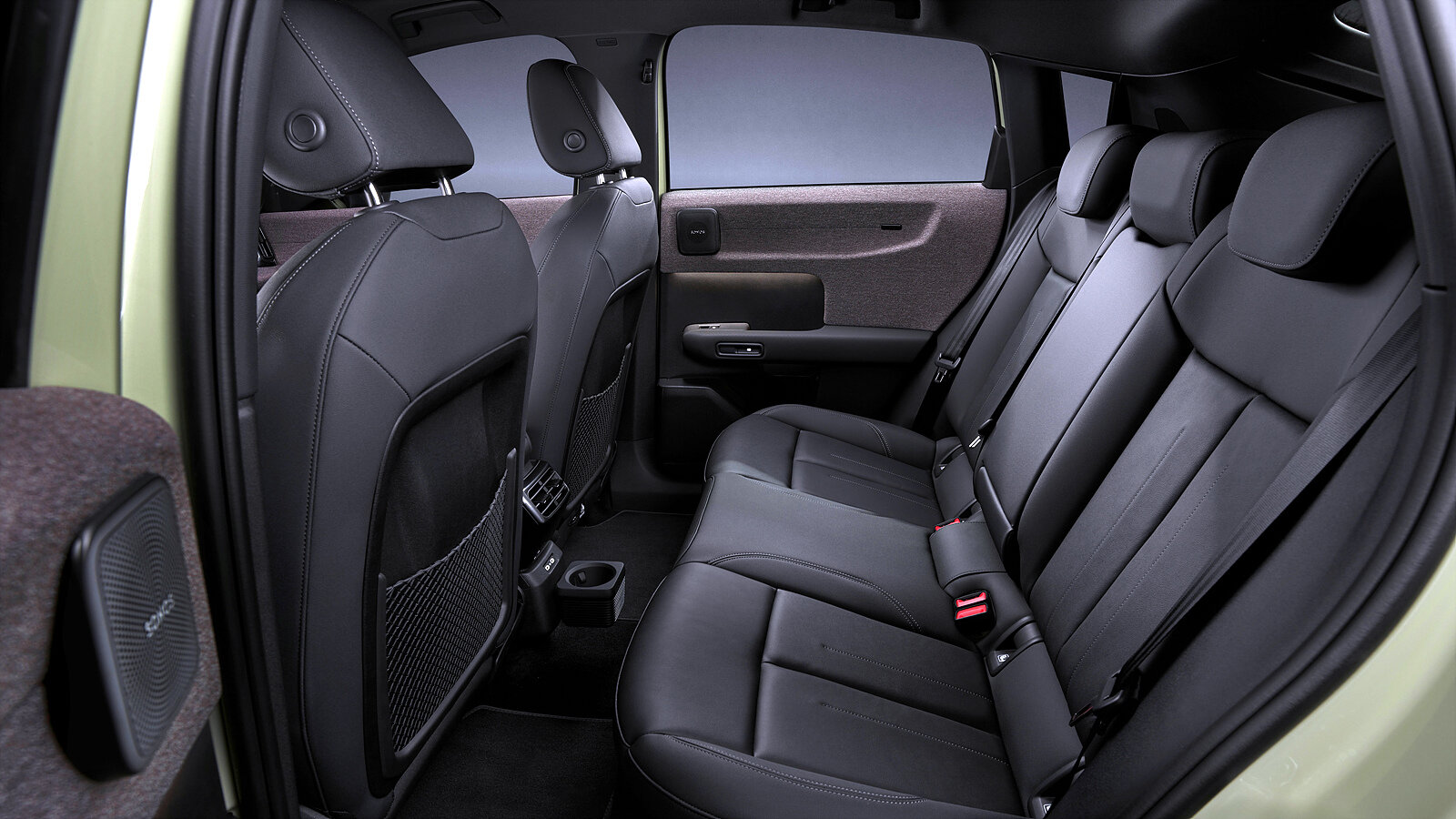
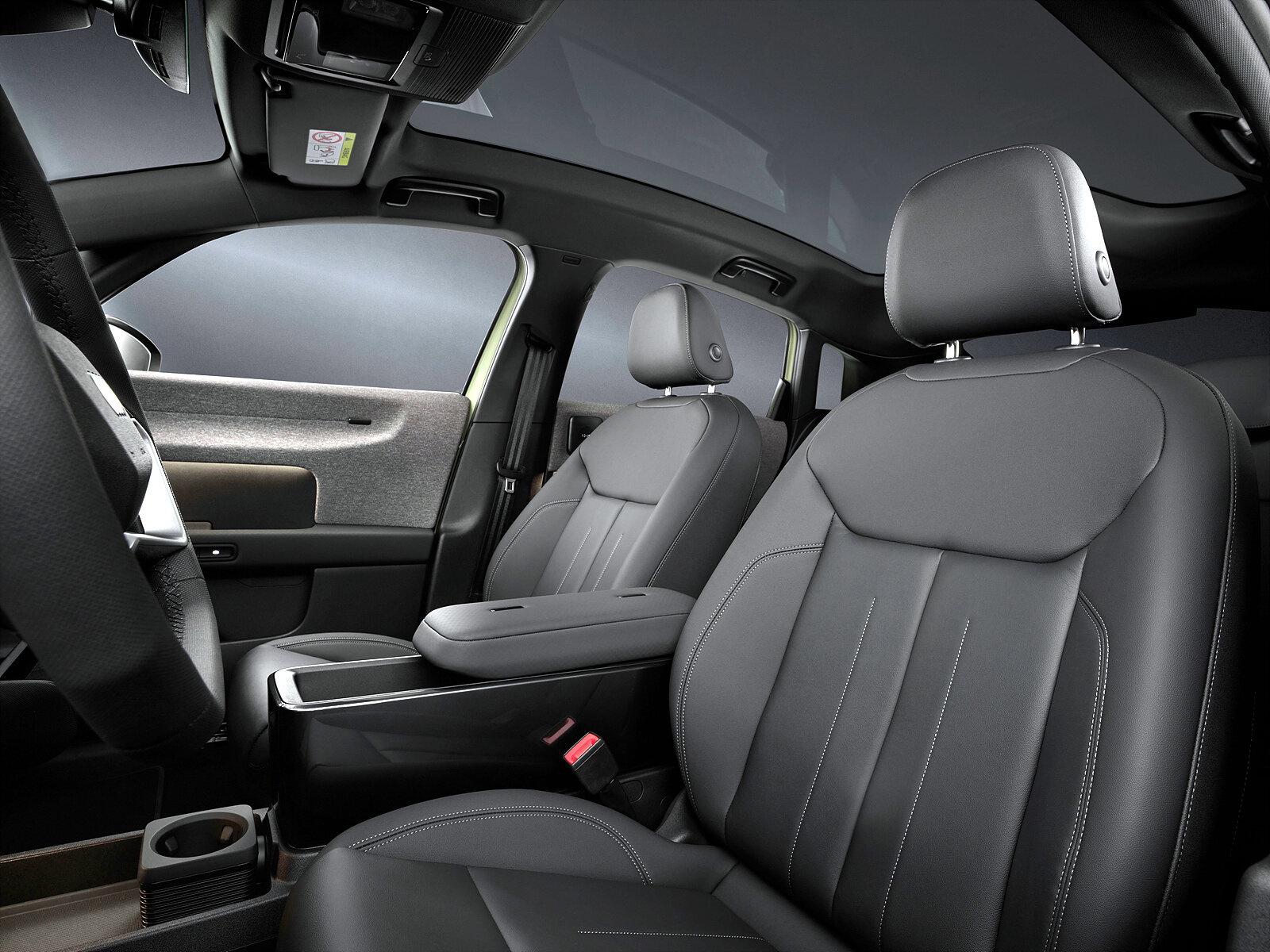
The A2 e-tron uses short overhangs and a relatively long 2,770-mm wheelbase to maximize passenger space within its compact footprint.
Cargo capacity is 396 litres, expanding to 1,336 litres with the rear seatbacks folded. The 170-kW and 240-kW versions also include a small 13-litre front luggage compartment.
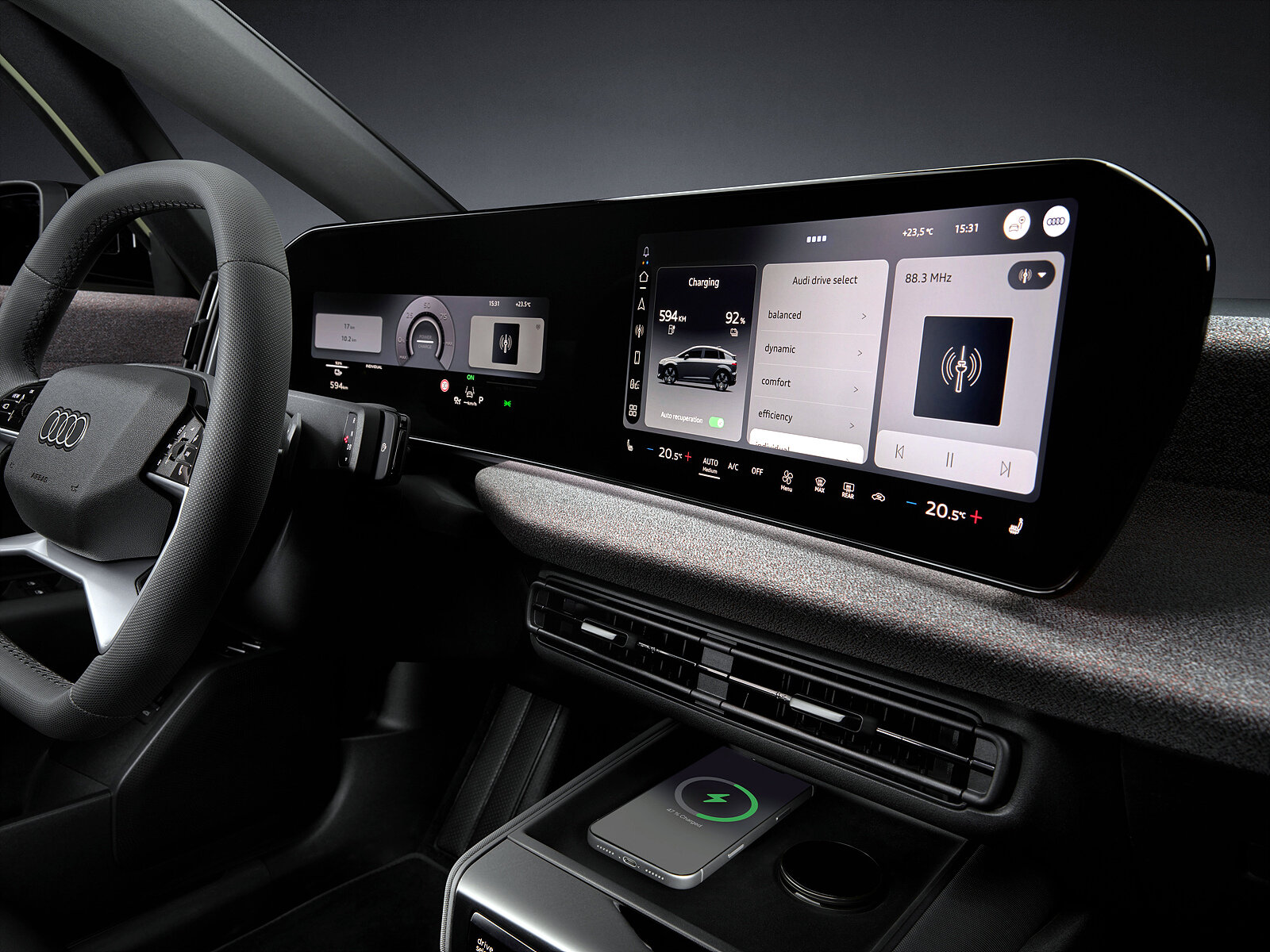
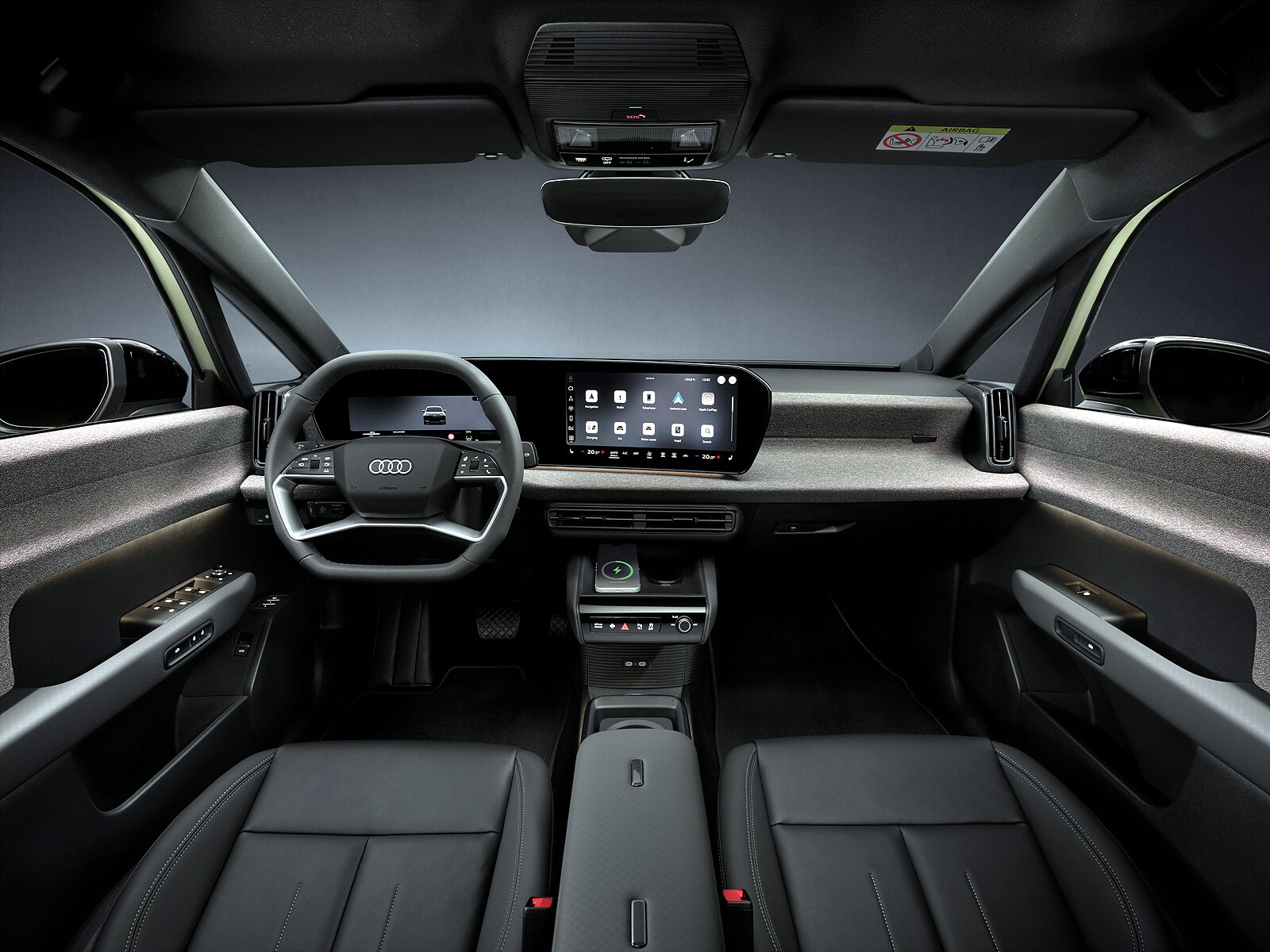
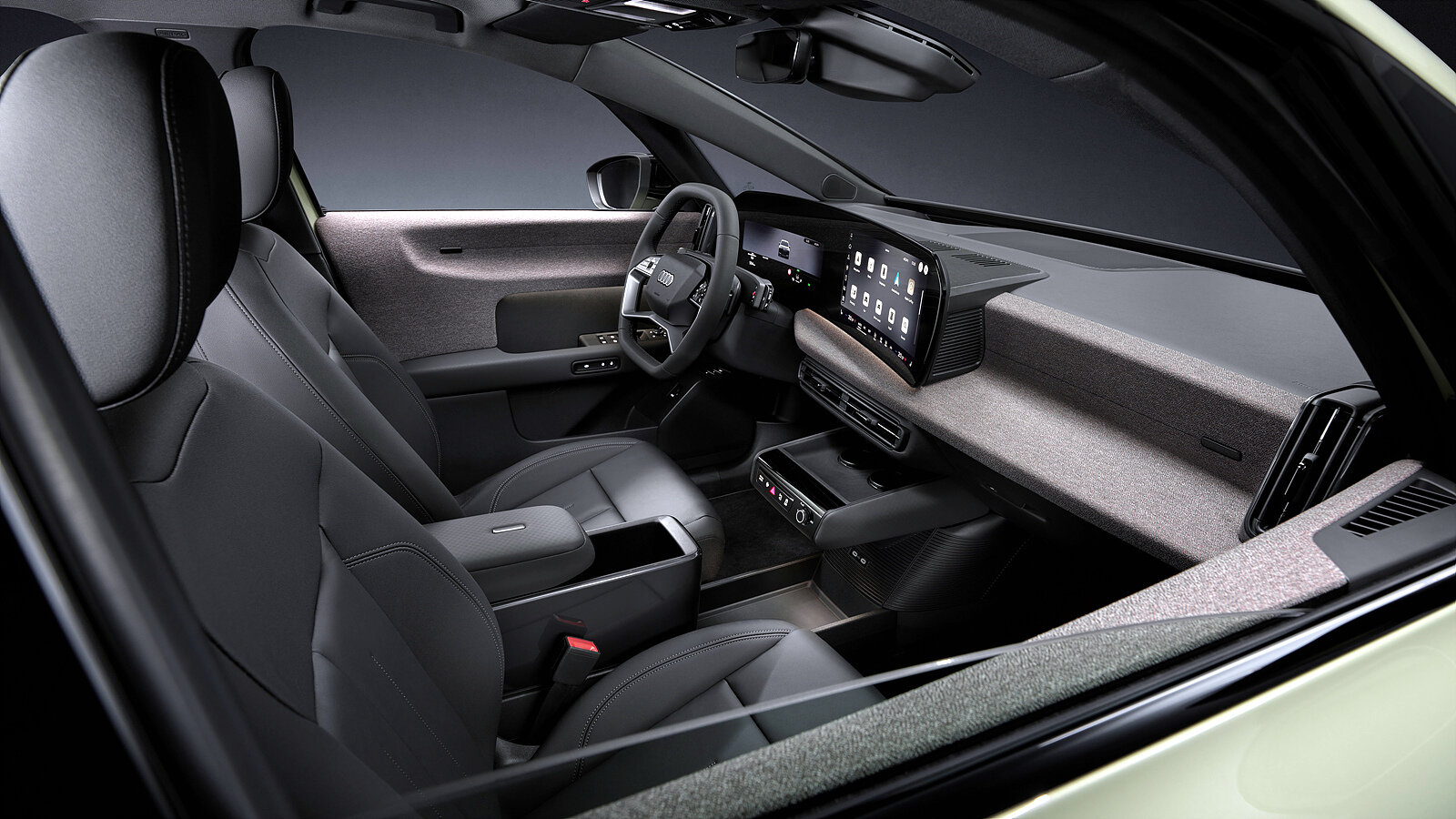
Moving the gear selector to the steering column frees up additional storage in the center console. Audi also provides a Qi 2.2 wireless charging area capable of accommodating two smartphones and charging them simultaneously at up to 25 watts.
One of the A2 e-tron’s more unusual features is its Fidlock mounting system. Magnetic-mechanical attachment points allow accessories such as cupholders and charging-cable bags to be clicked into place, creating a modular approach to cabin storage.
A Familiar Audi Digital Cockpit
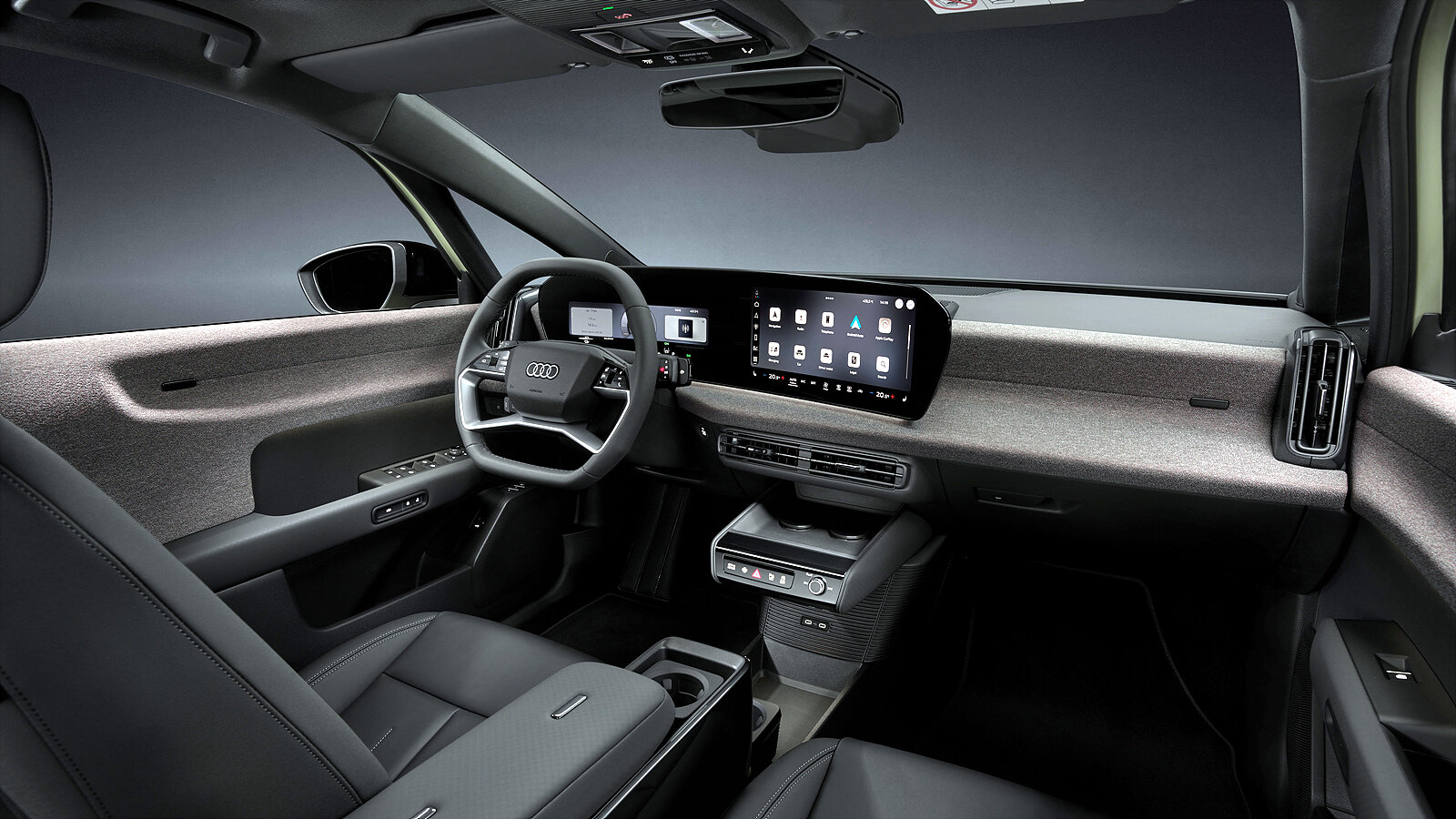
The cabin comes standard with Audi’s MMI panoramic display, combining an 11.9-inch Audi virtual cockpit plus with a 12.8-inch curved MMI touchscreen. An augmented-reality head-up display is optional.
The infotainment system incorporates Audi’s AI-enhanced voice assistant and an e-tron route planner capable of calculating charging stops and preconditioning the battery before arrival at a fast charger.
Audi has also pushed several higher-segment driver-assistance technologies down into its compact EV. Adaptive cruise control, emergency braking, parking sensors, and a reversing camera are standard, while higher specifications add active lane guidance, automated lane changes, surround-view cameras, trained parking, and remote parking functions.
Built in Ingolstadt
The A2 e-tron is developed and built in Germany at Audi’s Ingolstadt plant, where its body is produced alongside the combustion-powered A3.
European market launches begin in early 2027, although specifications, equipment, pricing, and availability will vary by country.
The bigger story, though, is what Audi hasn’t done. The A2 e-tron doesn’t rely on a massive battery or headline-grabbing performance to make its case.
With up to 645 km of range from an 84-kWh battery and consumption dropping to 12.8 kWh/100 km, Audi is betting that the next meaningful step for electric cars isn’t simply more battery.
It’s using less electricity.