Hyundai’s fifth-generation compact SUV brings a roomier cabin, a 245-PS hybrid, and an in-car app store. Pricing arrives in October.
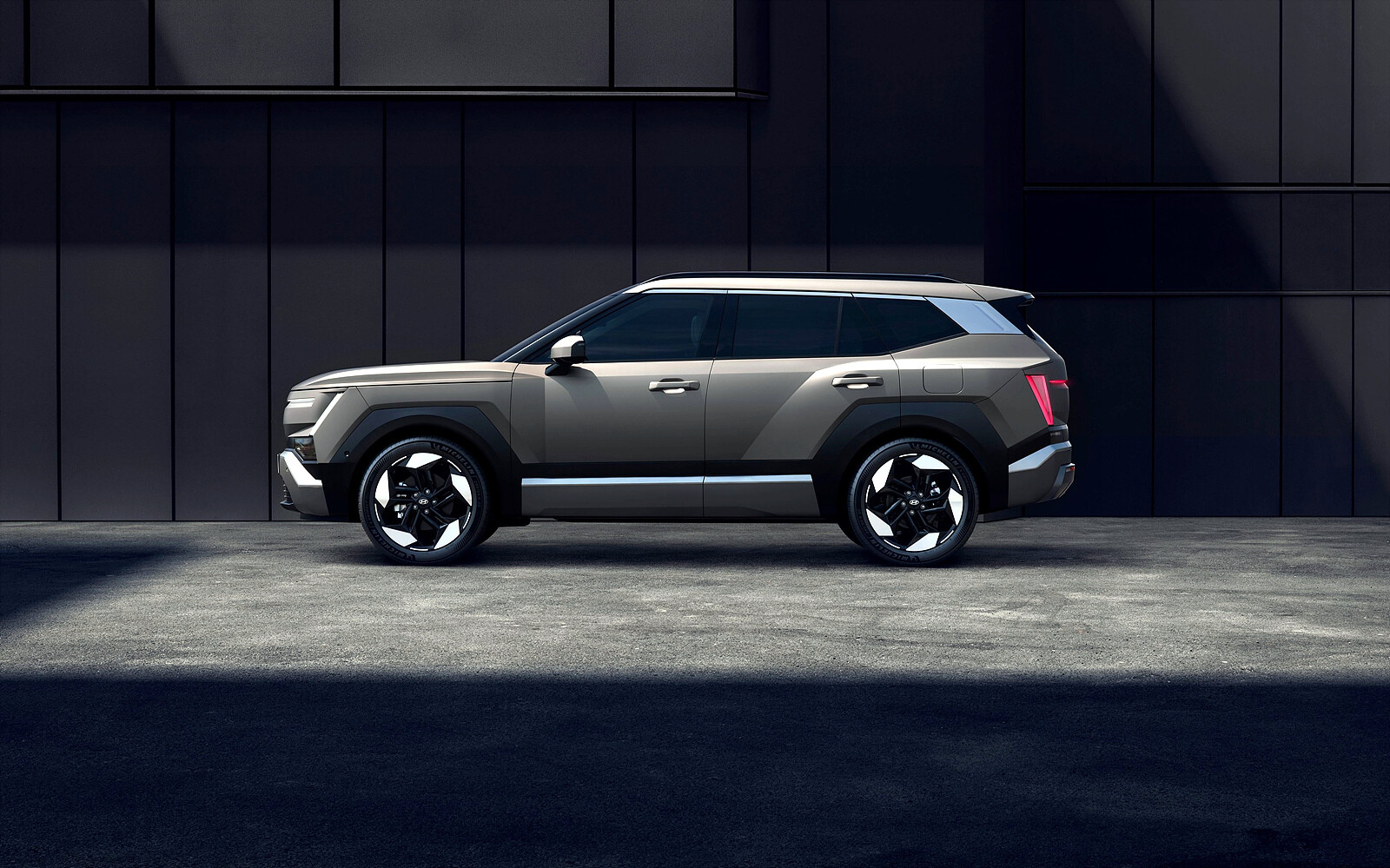
Hyundai has unveiled the fifth-generation Tucson, the compact SUV’s first complete redesign in six years. It’s 60 mm longer and 40 mm wider than before, with 30 mm added to the wheelbase. The extra space goes to work inside: Hyundai says rear-seat headroom has grown by 29 mm to 1,031 mm, while the rear doors now open to 83 degrees instead of 73 degrees.
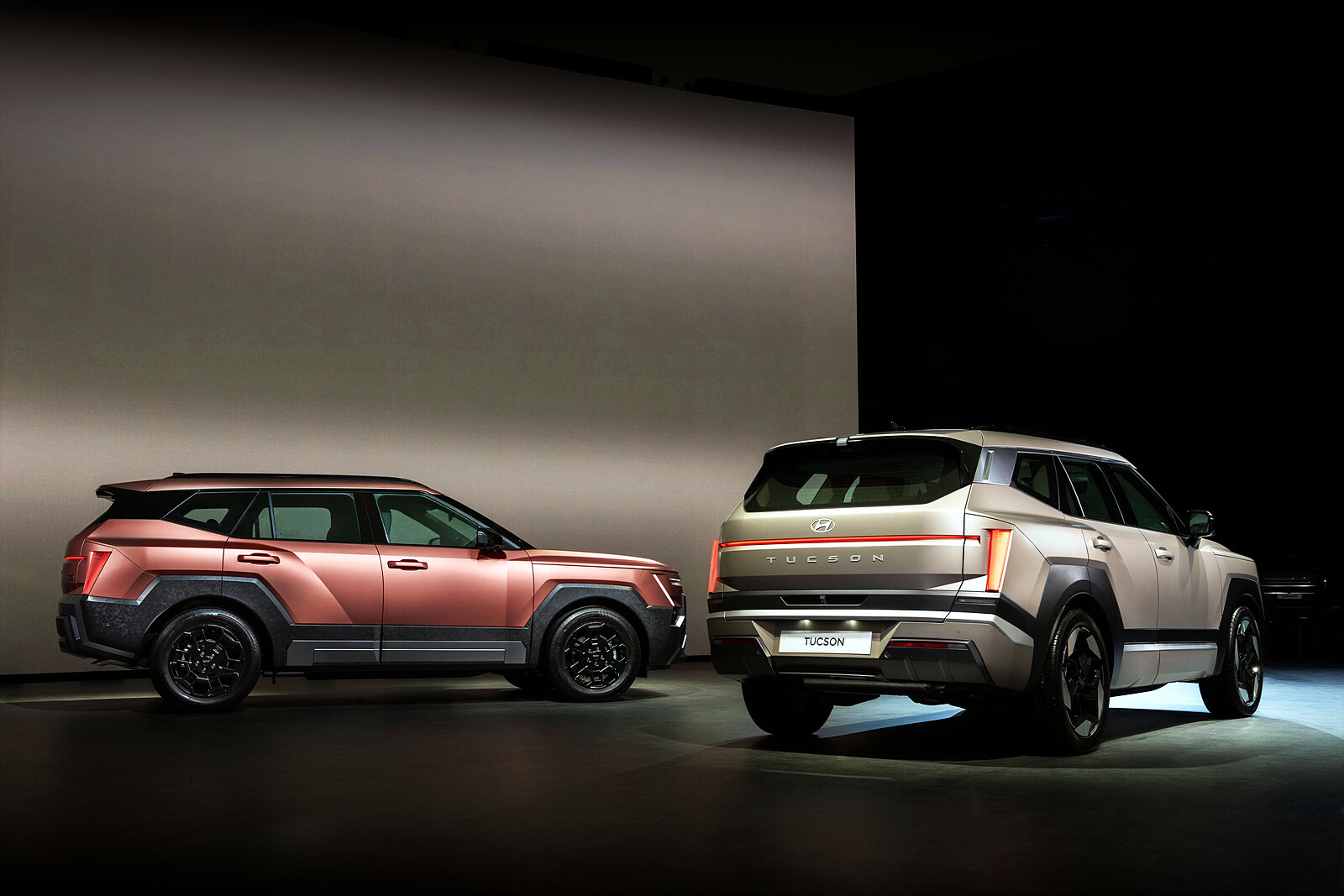
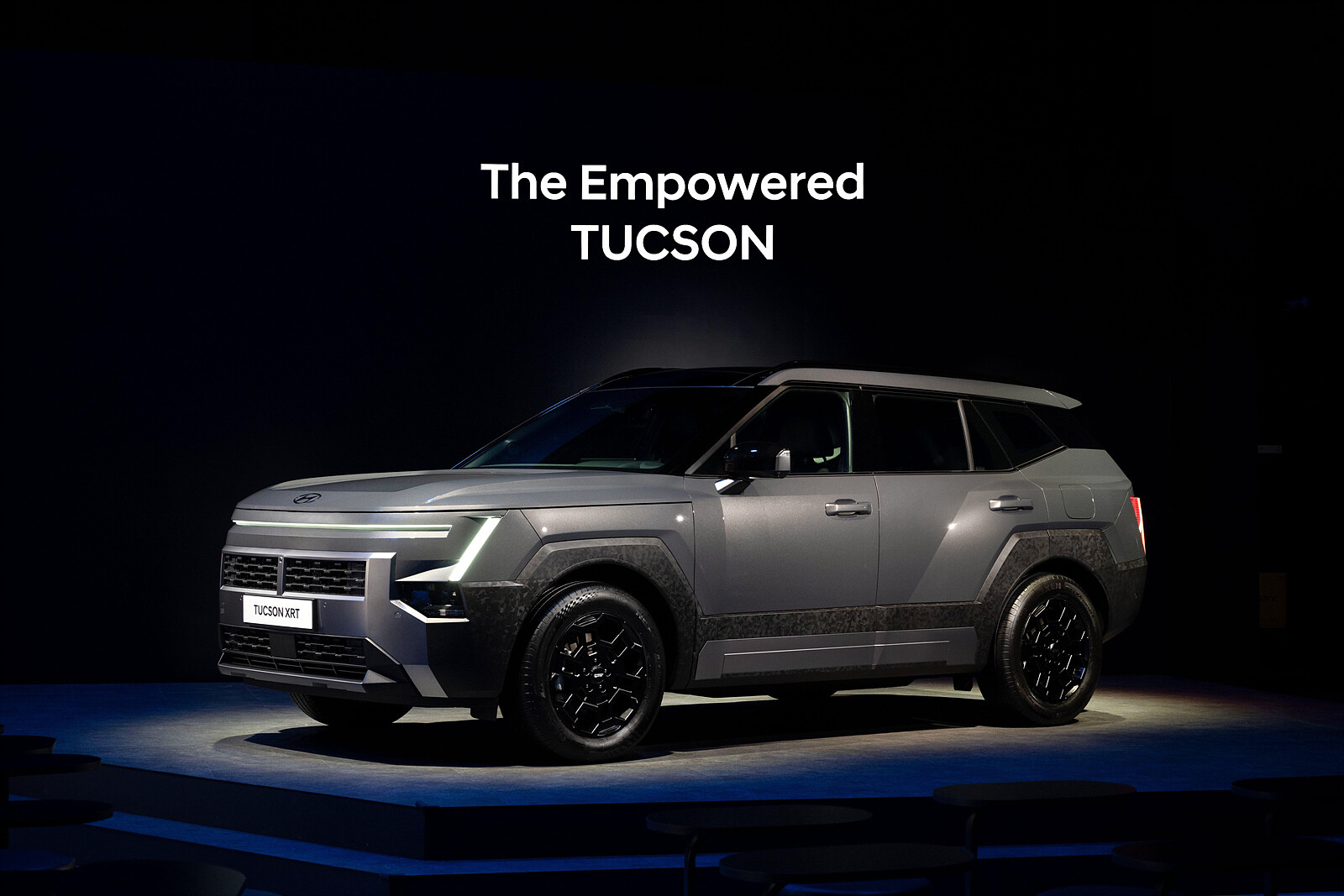
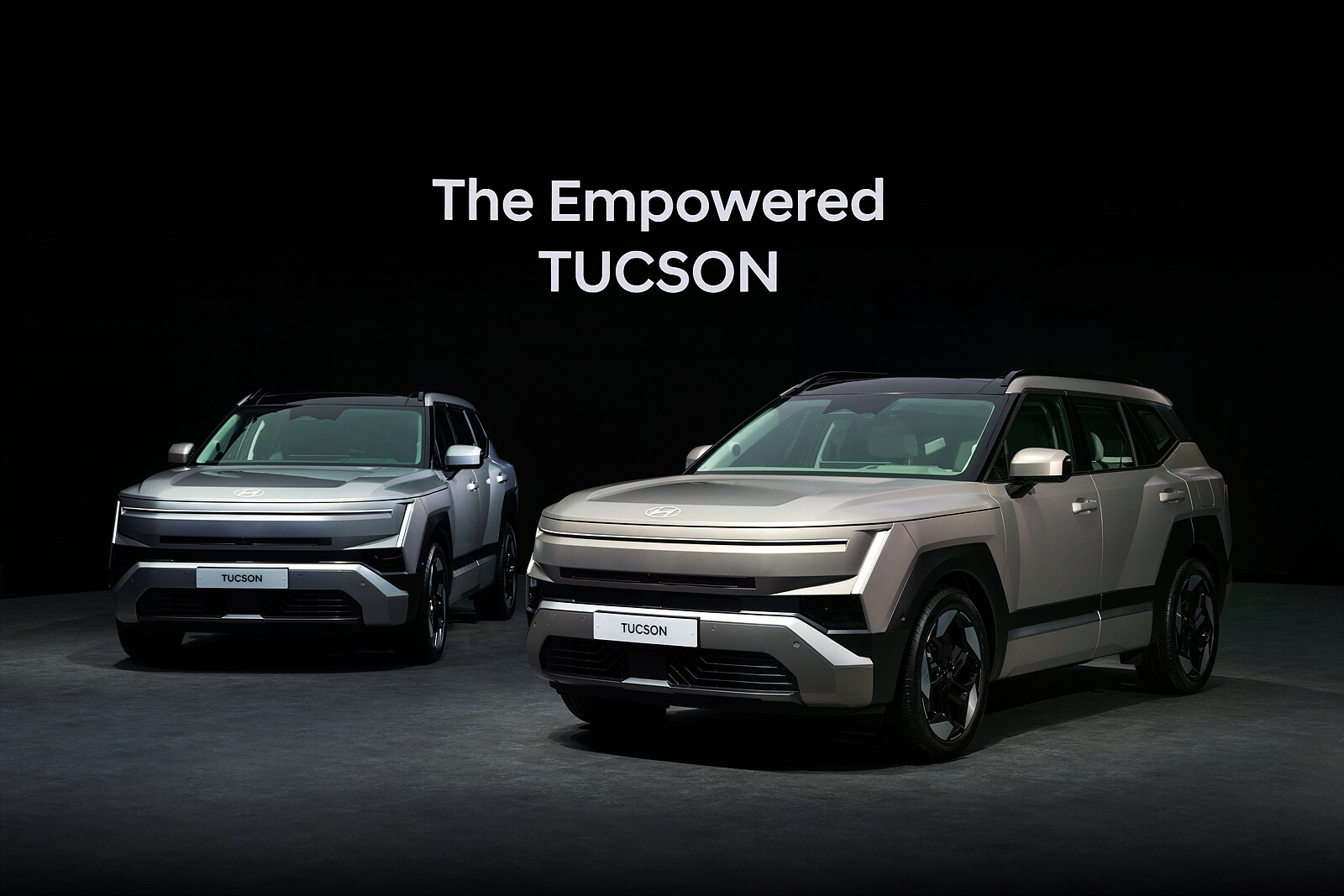
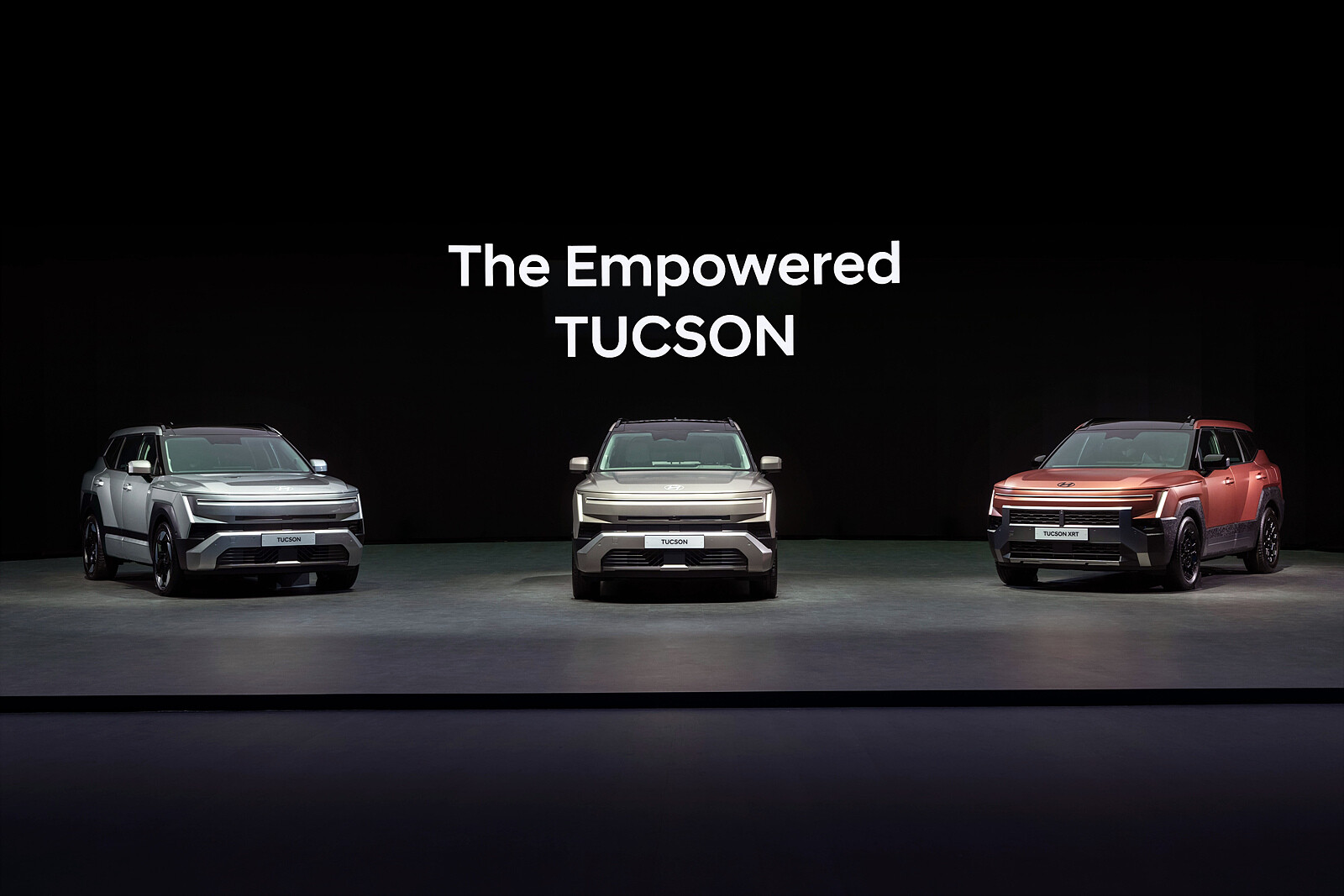
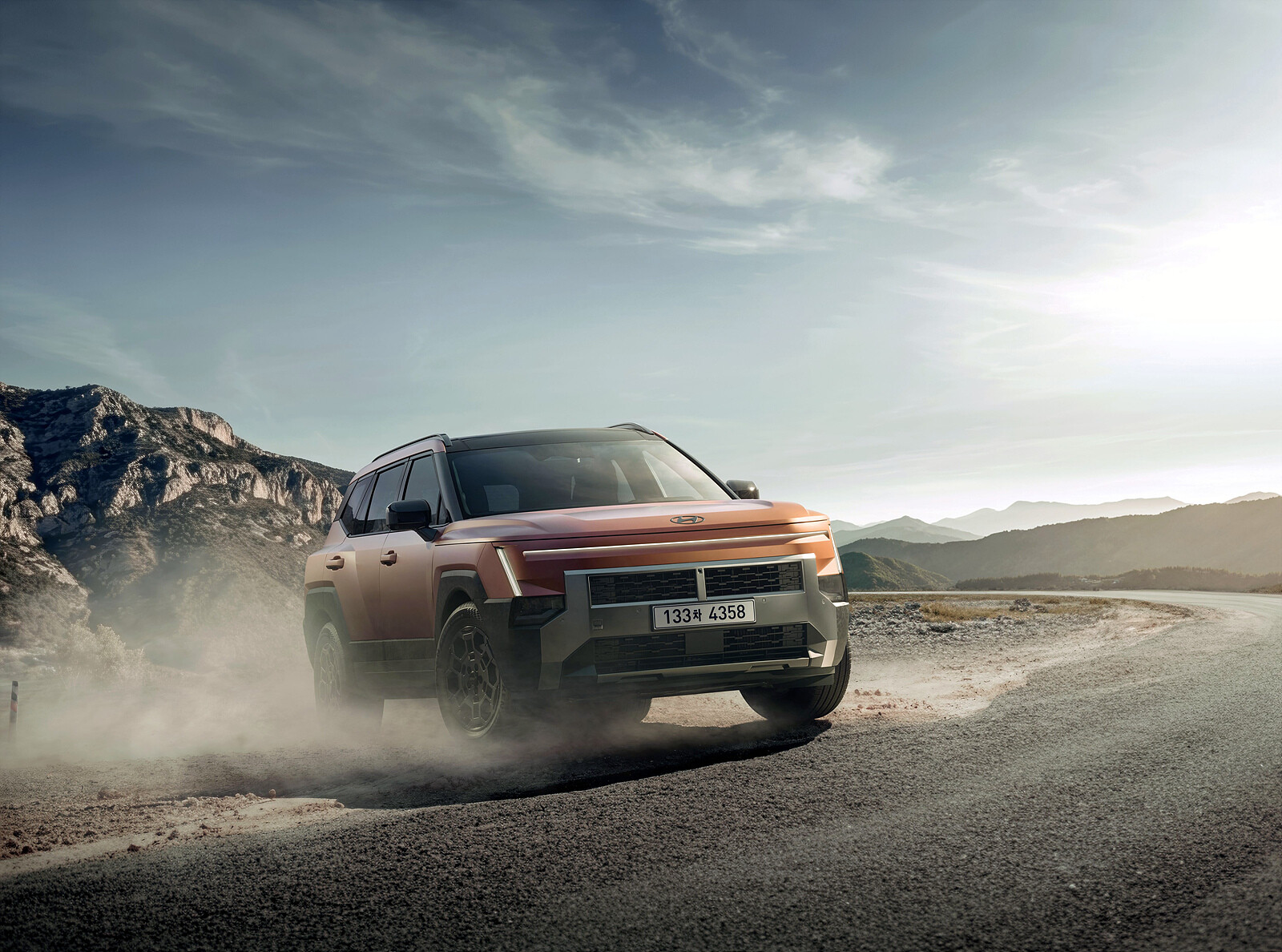
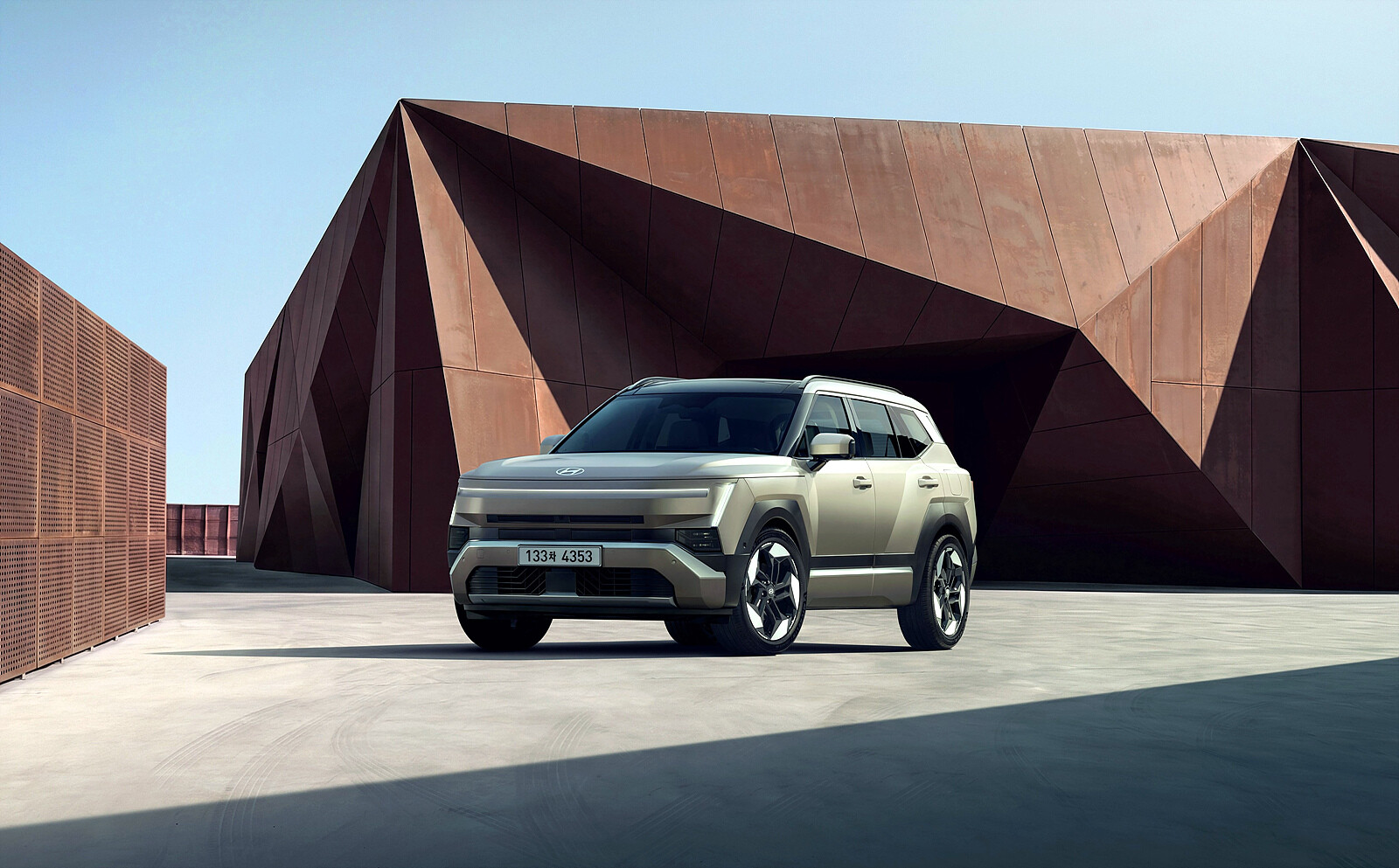
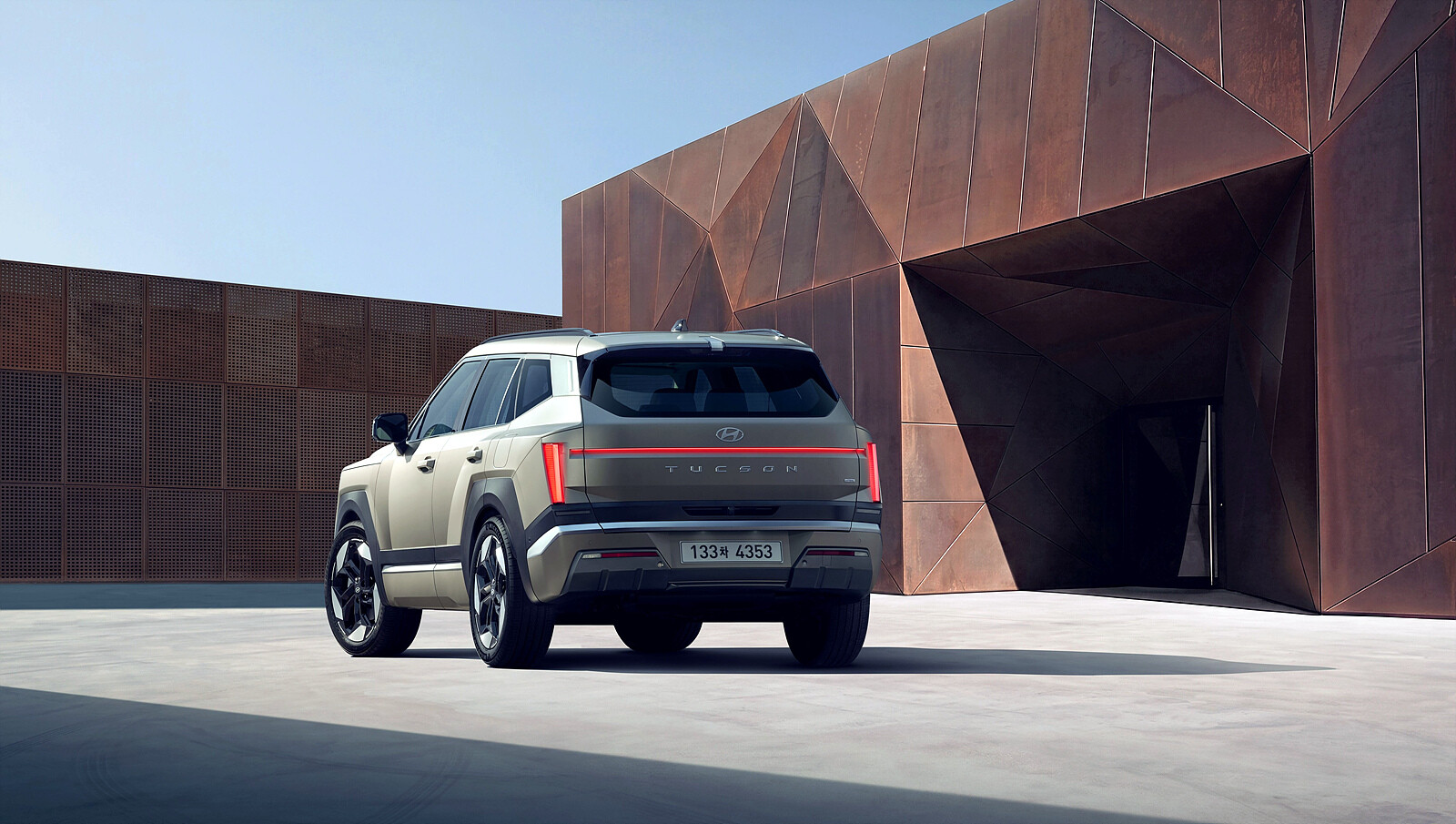
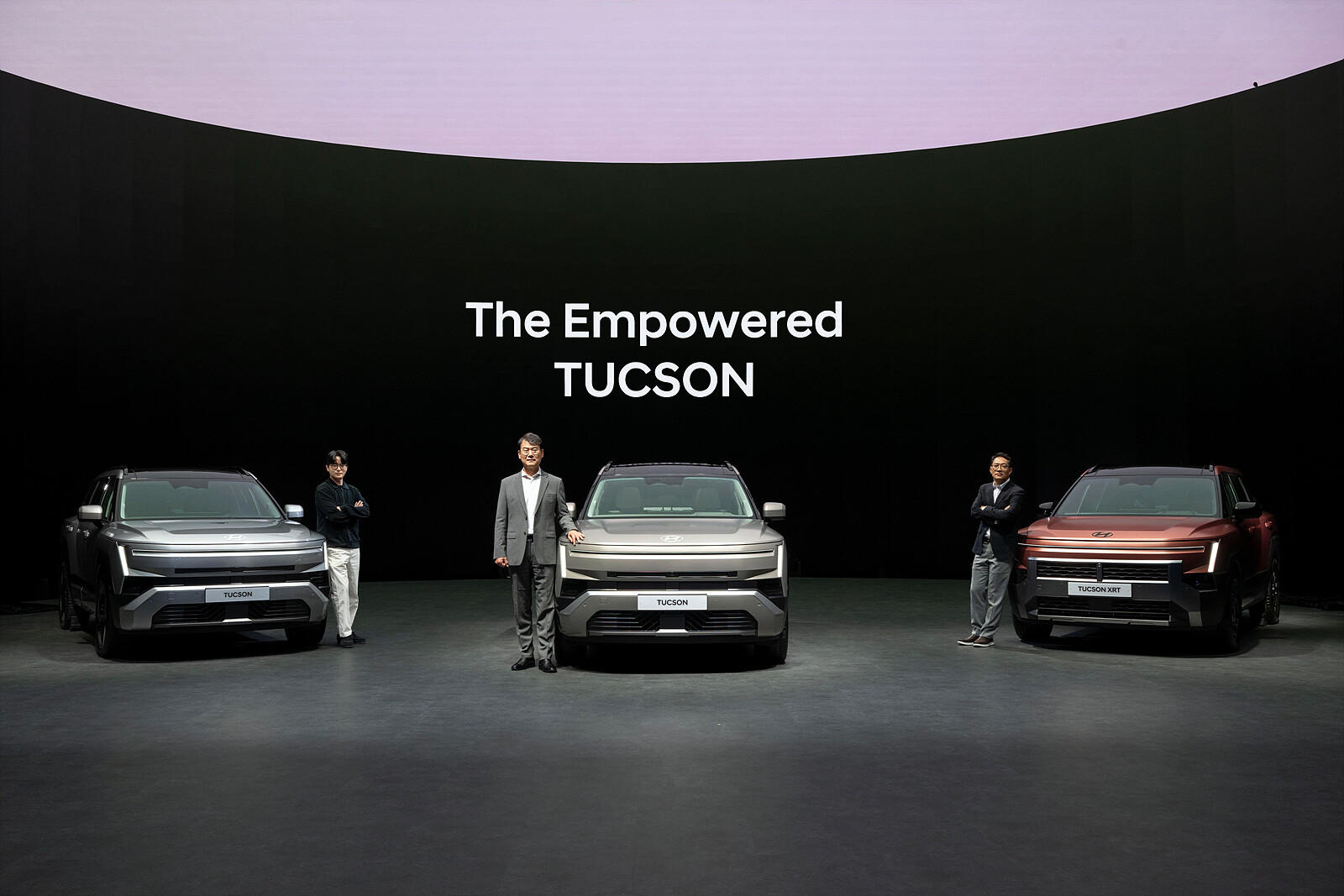
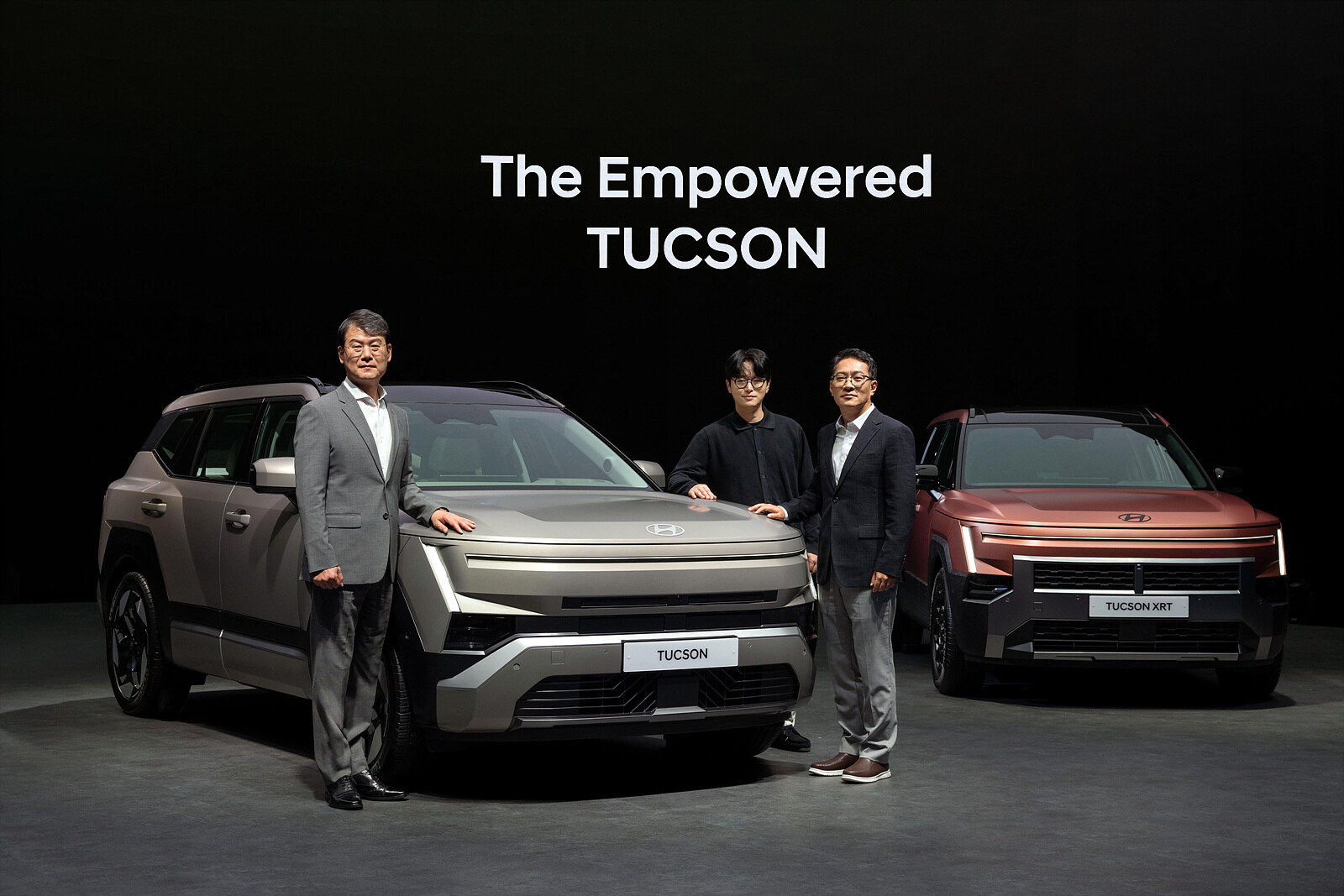
The styling is a clear departure, too. Vertical daytime running lights frame the front end, with a slim horizontal lamp stretching between them. Sculpted fenders give the sides a more muscular shape, and patterned rear lamps change their appearance when illuminated. For buyers who prefer a tougher look, an XRT trim adds its own grille, wheel-arch trim, and skid plates. Hyundai describes the design as Art of Steel; in person, the question will be whether those sharp surfaces make the Tucson look as substantial as its new dimensions suggest.
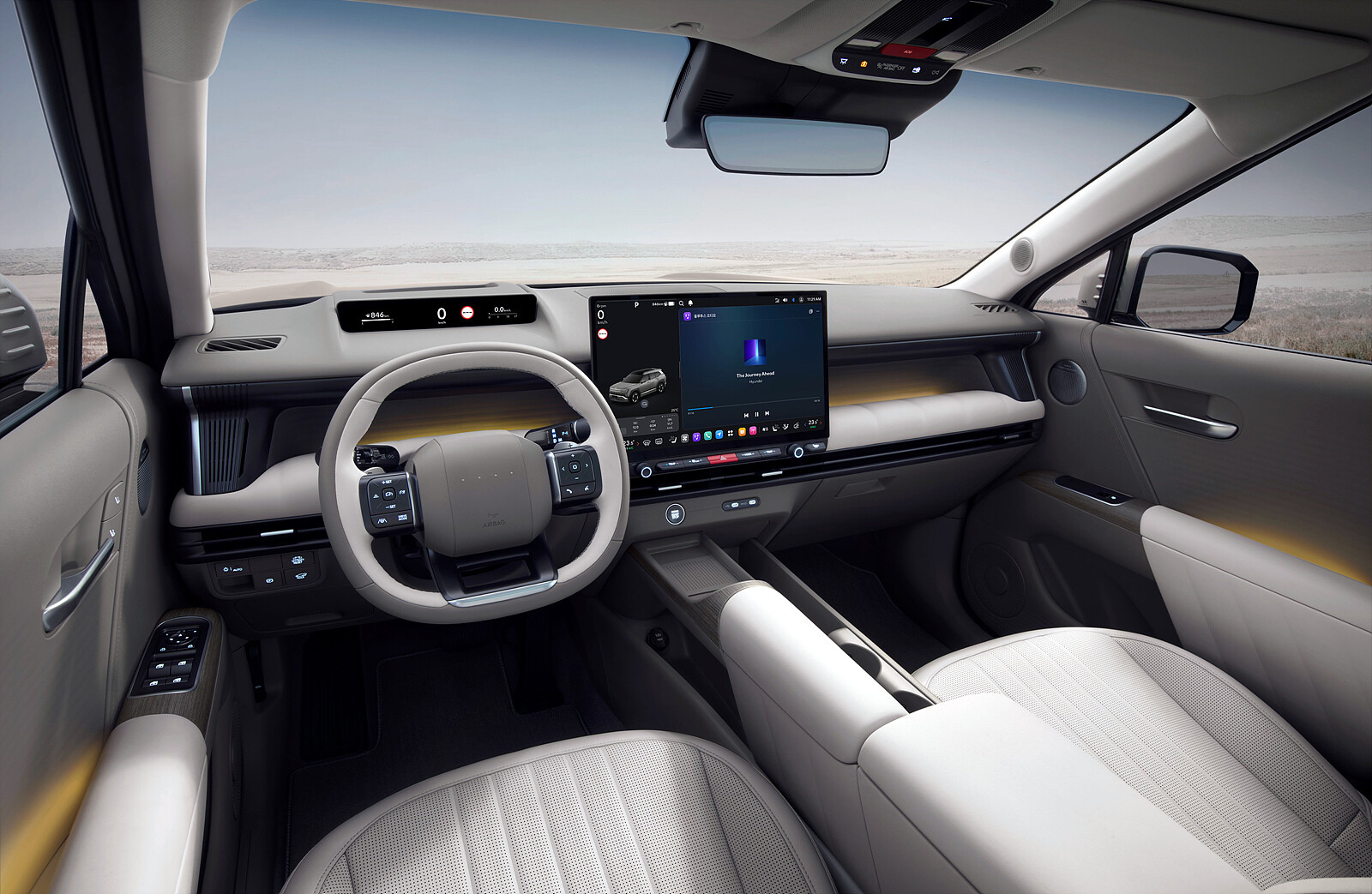
Inside, Hyundai has fitted a floating dashboard, a large center display, and physical buttons for key functions. Depending on the version, the display measures 12.9 or 17 inches. There’s also a hidden tray beneath the palm rest, available dual wireless phone charging, and Hyundai’s AddGear accessory system.
A Stronger Gas Engine and a 245-PS Hybrid
The Tucson will launch in South Korea with two powertrains. The 1.6-liter turbocharged gas engine makes 193 PS, an increase of 13 PS, and pairs with an eight-speed automatic transmission. The 1.6-liter turbo hybrid produces a combined 245 PS. Hyundai quotes combined fuel economy of 17.4 km/L for the hybrid, though the figure’s wheel and drivetrain configuration was not specified in the announcement.
The hybrid also gains two features aimed at everyday use. Predictive coasting uses navigation data to tell the driver when to lift off the accelerator ahead of a slowdown. Stay Mode lets occupants use the climate control and infotainment system for a limited time while stopped, with the engine off.
Hyundai says it has reinforced the suspension mounting areas, revised the suspension valves, and improved isolation from engine and road noise. On the hybrid, a system called E-Traction uses the electric motor to help control the vehicle’s pitch and vertical motion. Aerodynamic changes, including revised spoilers, wheels, and an active air flap, have cut the claimed drag coefficient from 0.33 to 0.30. Those are promising changes on paper; their effect on ride comfort and highway noise will have to wait for a drive.
More Help in Parking Lots—and More Tech in the Cabin
Every Tucson gets a system designed to limit propulsion and apply the brakes if a driver sharply presses the accelerator by mistake at low speed. Forward parking collision avoidance is standard as well. Hyundai has also added a backup power supply intended to preserve the door-unlock function if the main power source is cut off in a crash.
Available features include a system that remembers the vehicle’s path and steers it along that route in reverse, a ground view that displays the surface beneath the SUV, and a surround-view camera with a transparent-view function. Remote parking assistance becomes standard from the Exclusive trim upward.
The Tucson is also Hyundai’s first SUV with Pleos Connect. Its Gleo AI assistant supports conversational requests, while the Pleos App Market gives occupants access to downloadable services such as music, video, and games. How useful that ecosystem becomes will depend on the apps available when customers take delivery.
Hyundai plans to announce Korean pricing in October, when domestic sales are set to begin. That will be the crucial missing piece for a Tucson that now offers more space, more standard safety equipment, and a substantially upgraded hybrid.