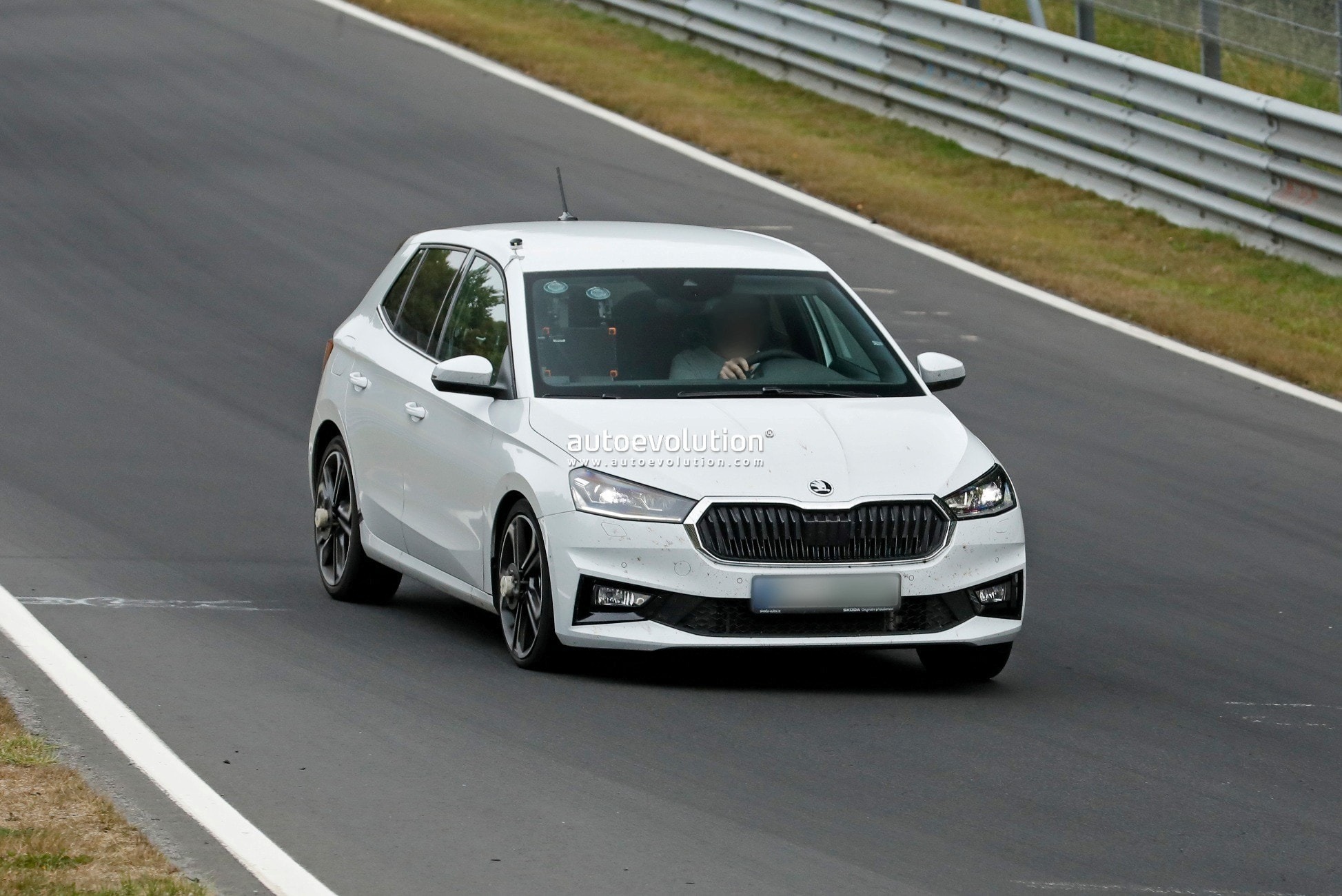
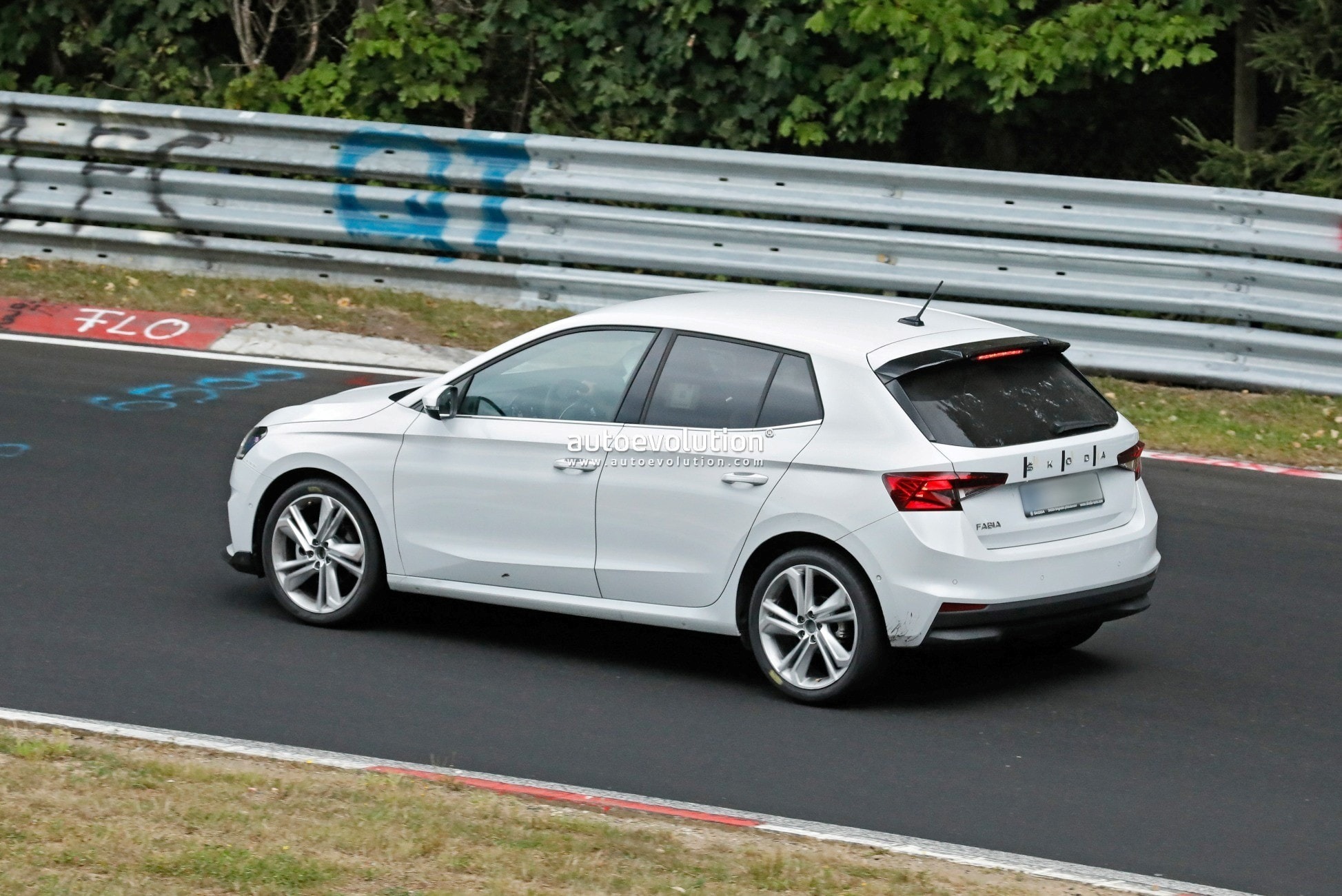
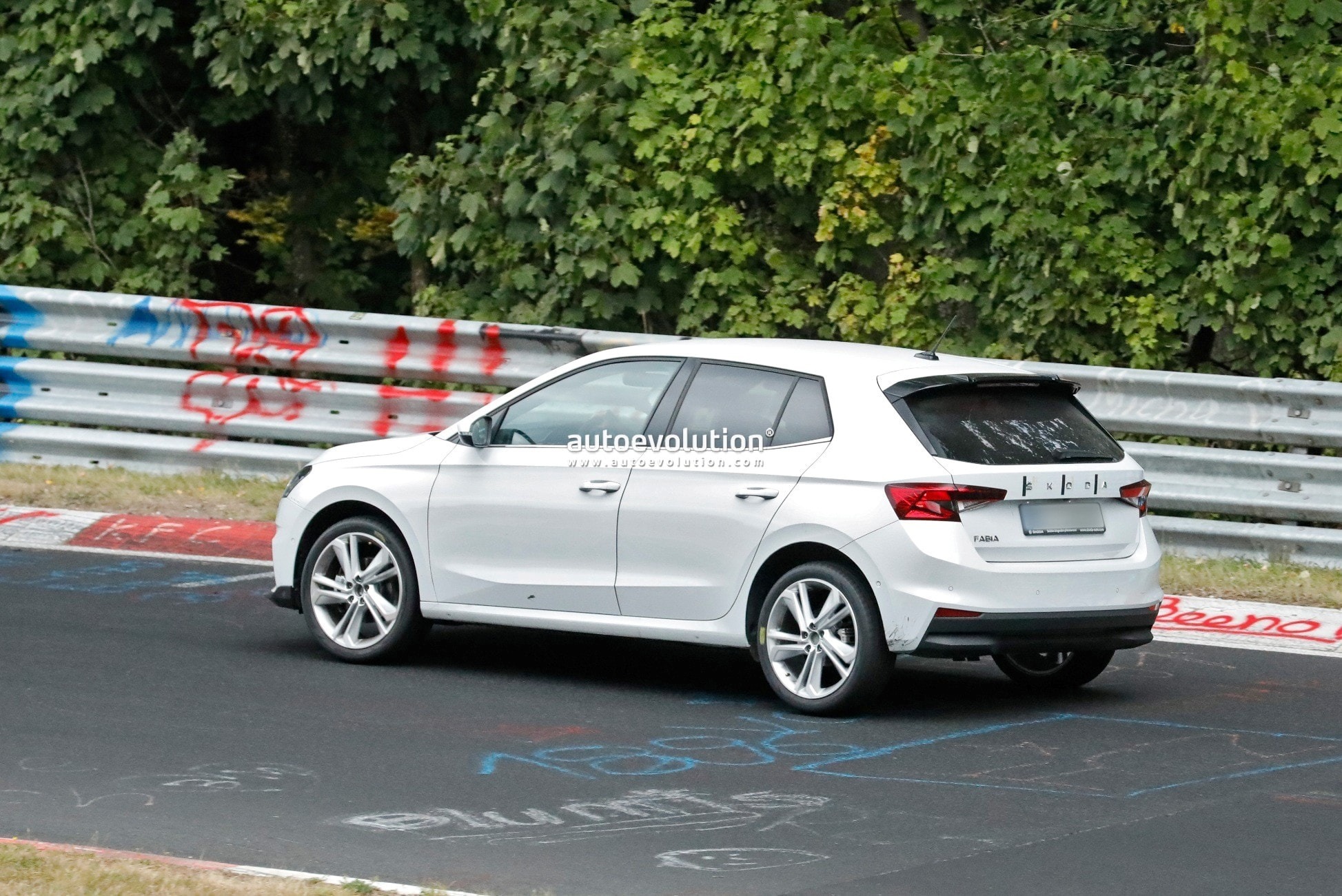
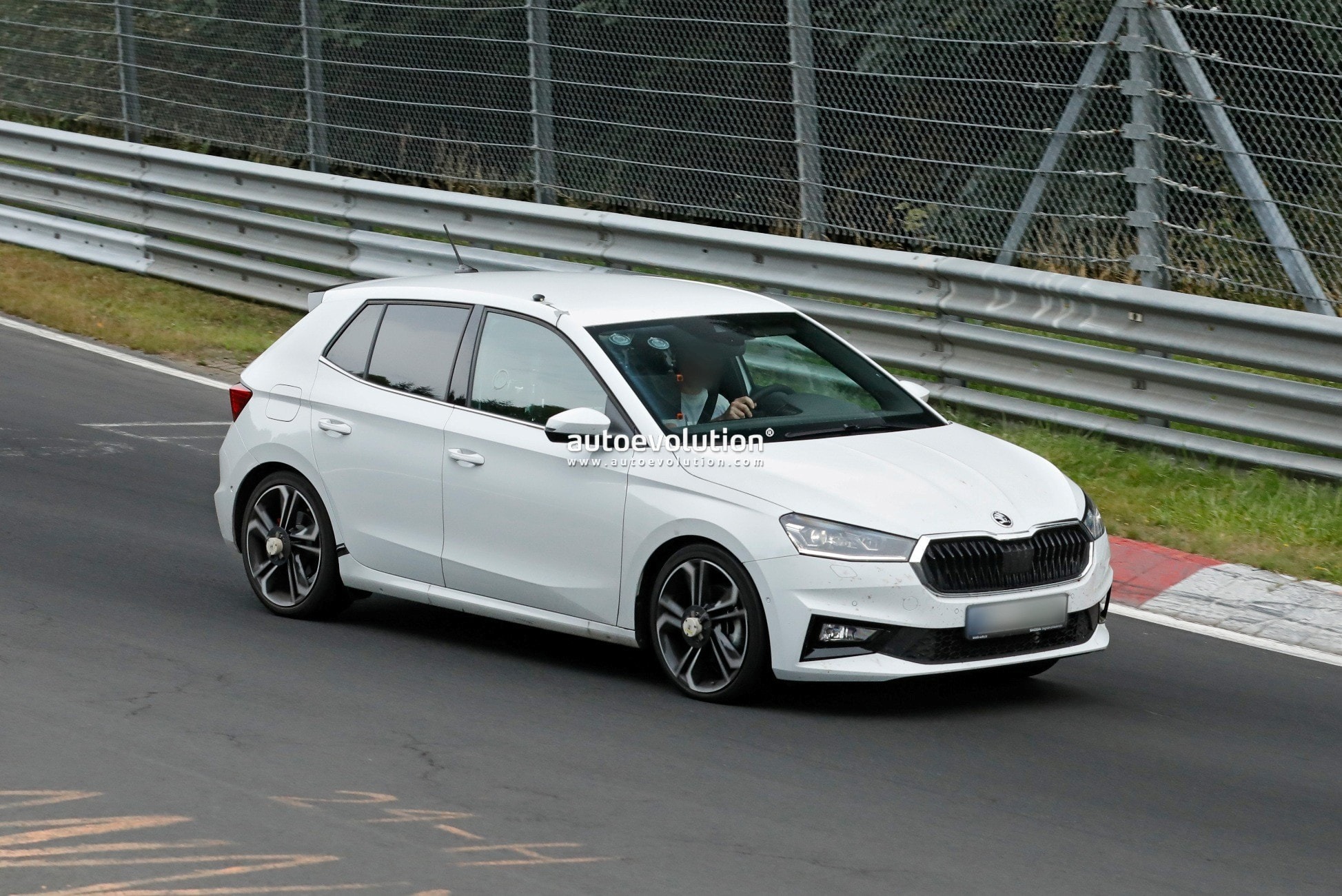
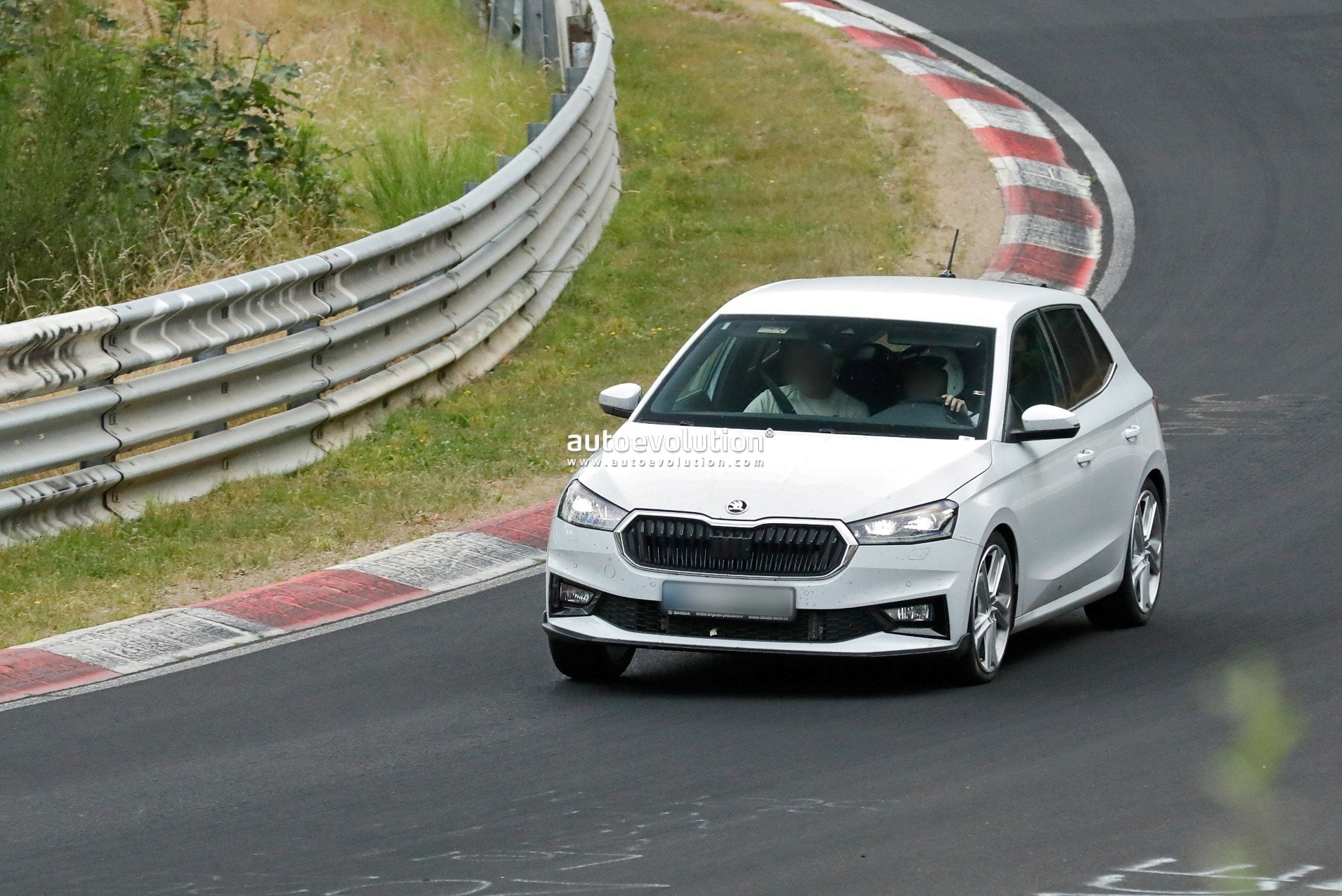
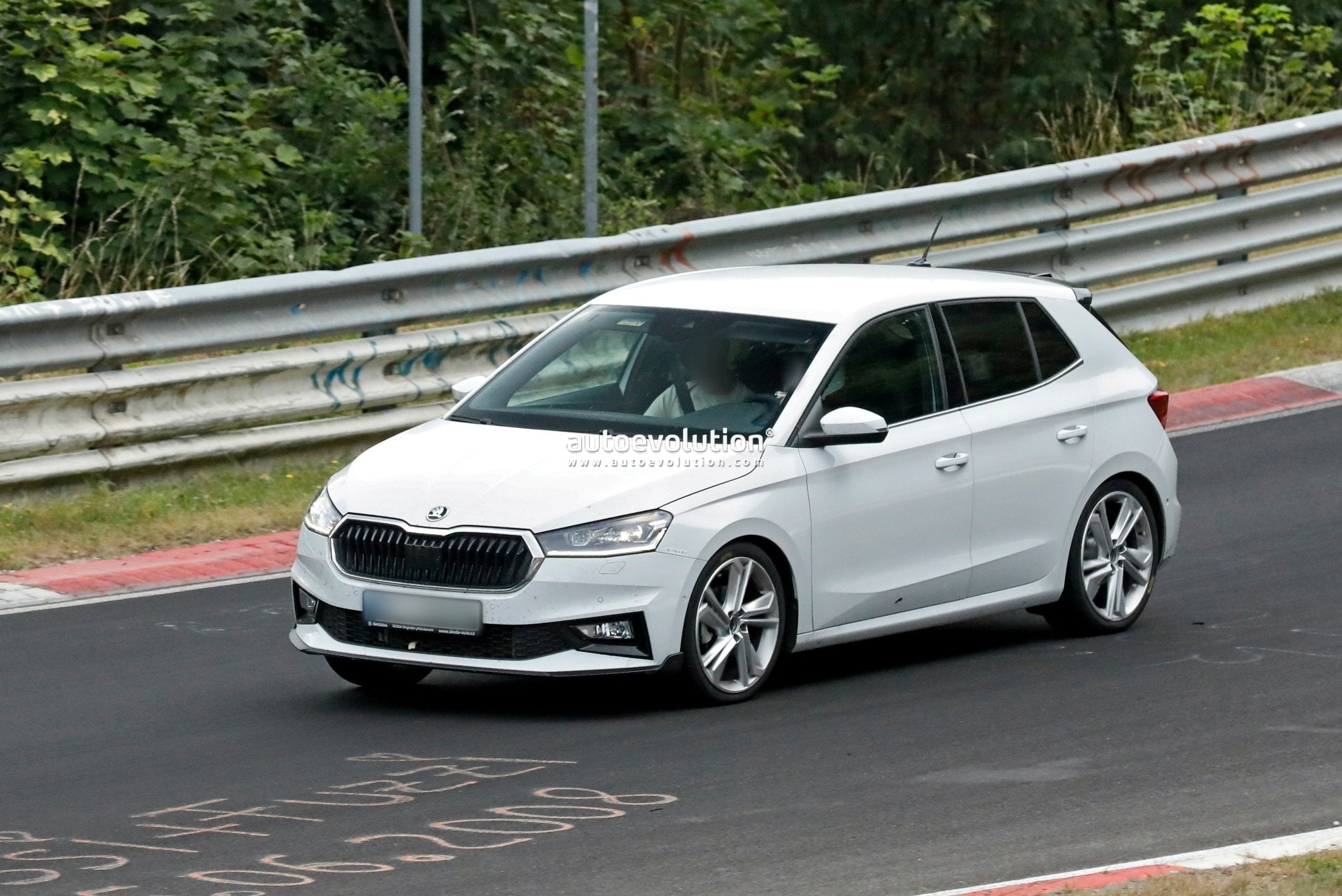
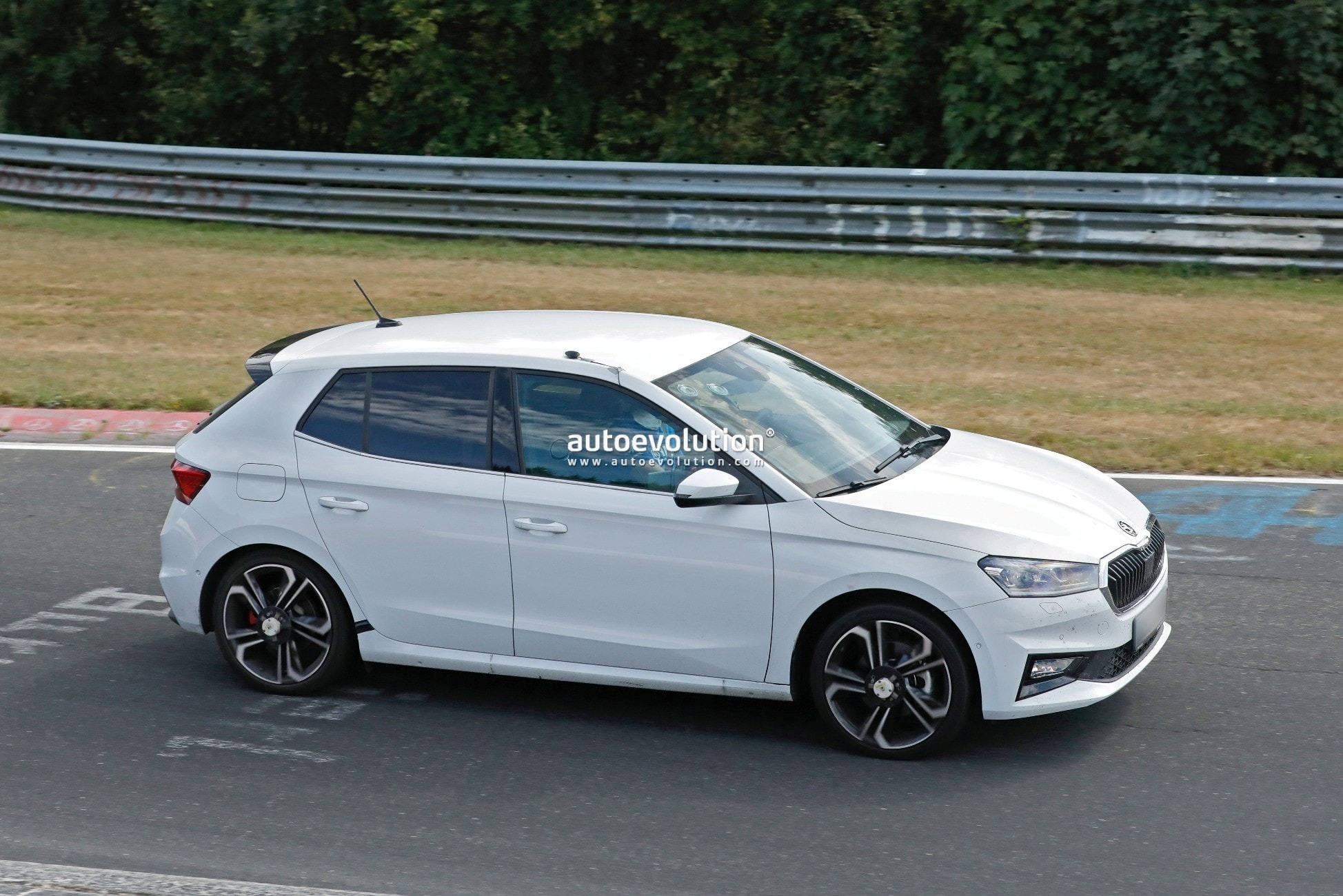
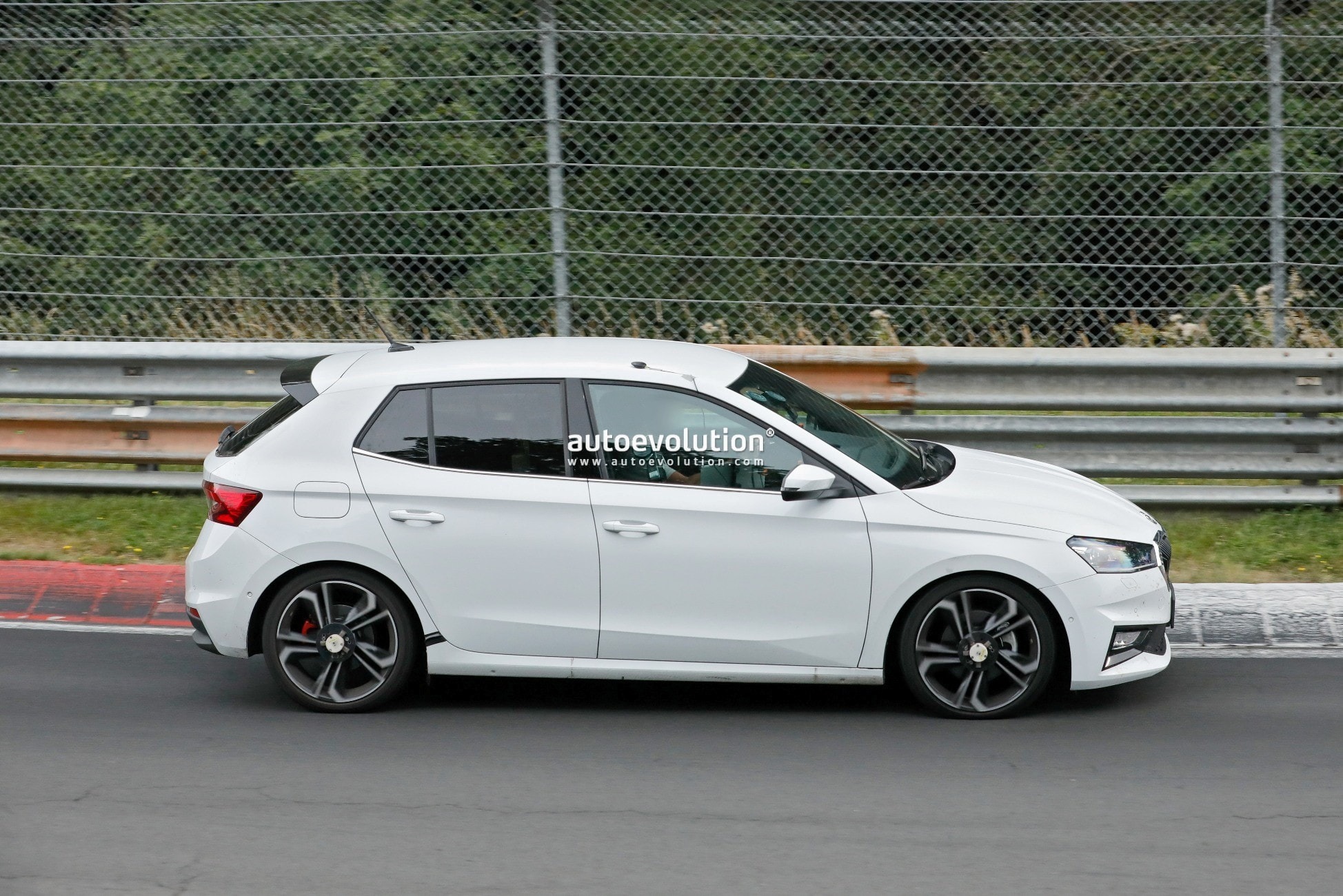
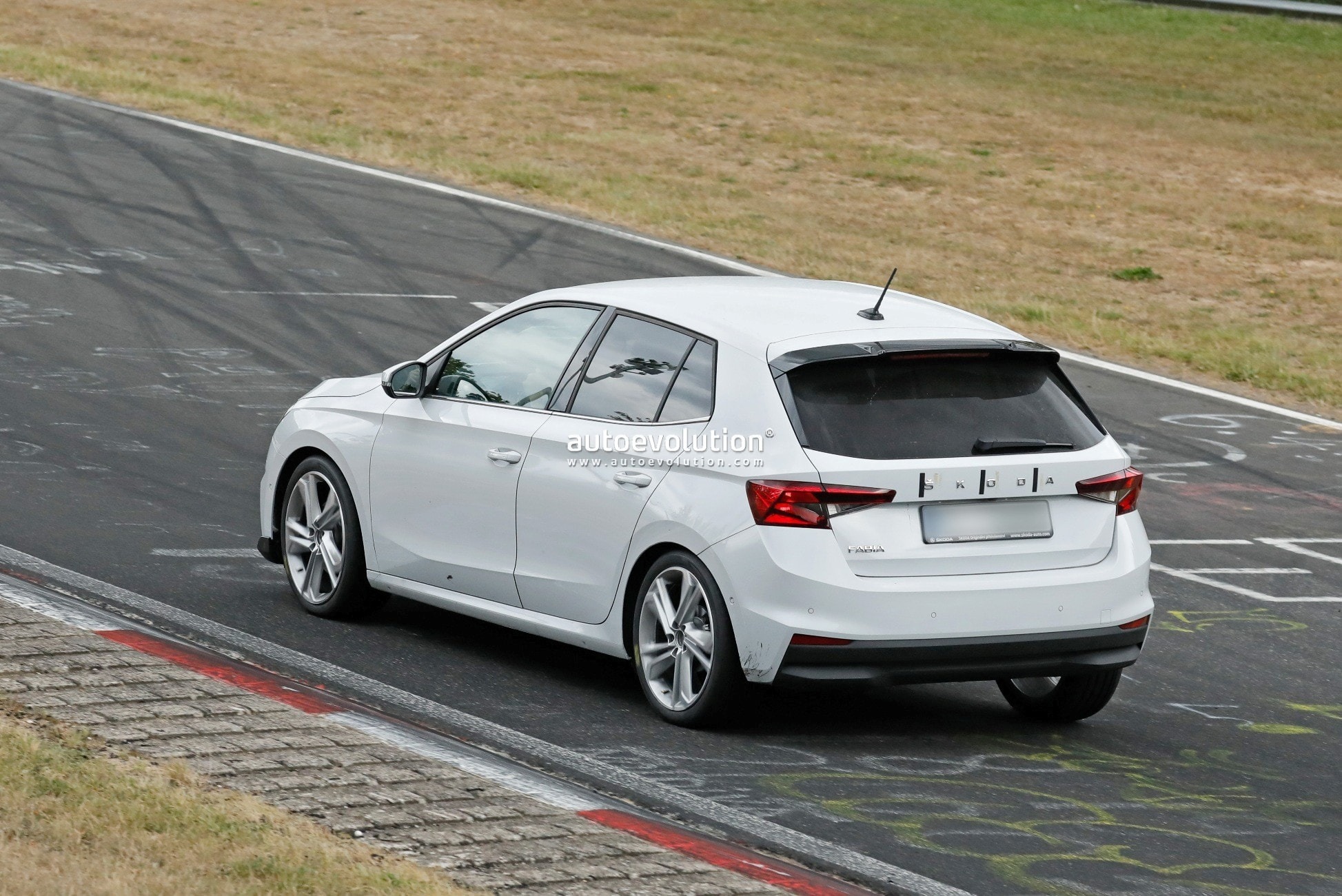
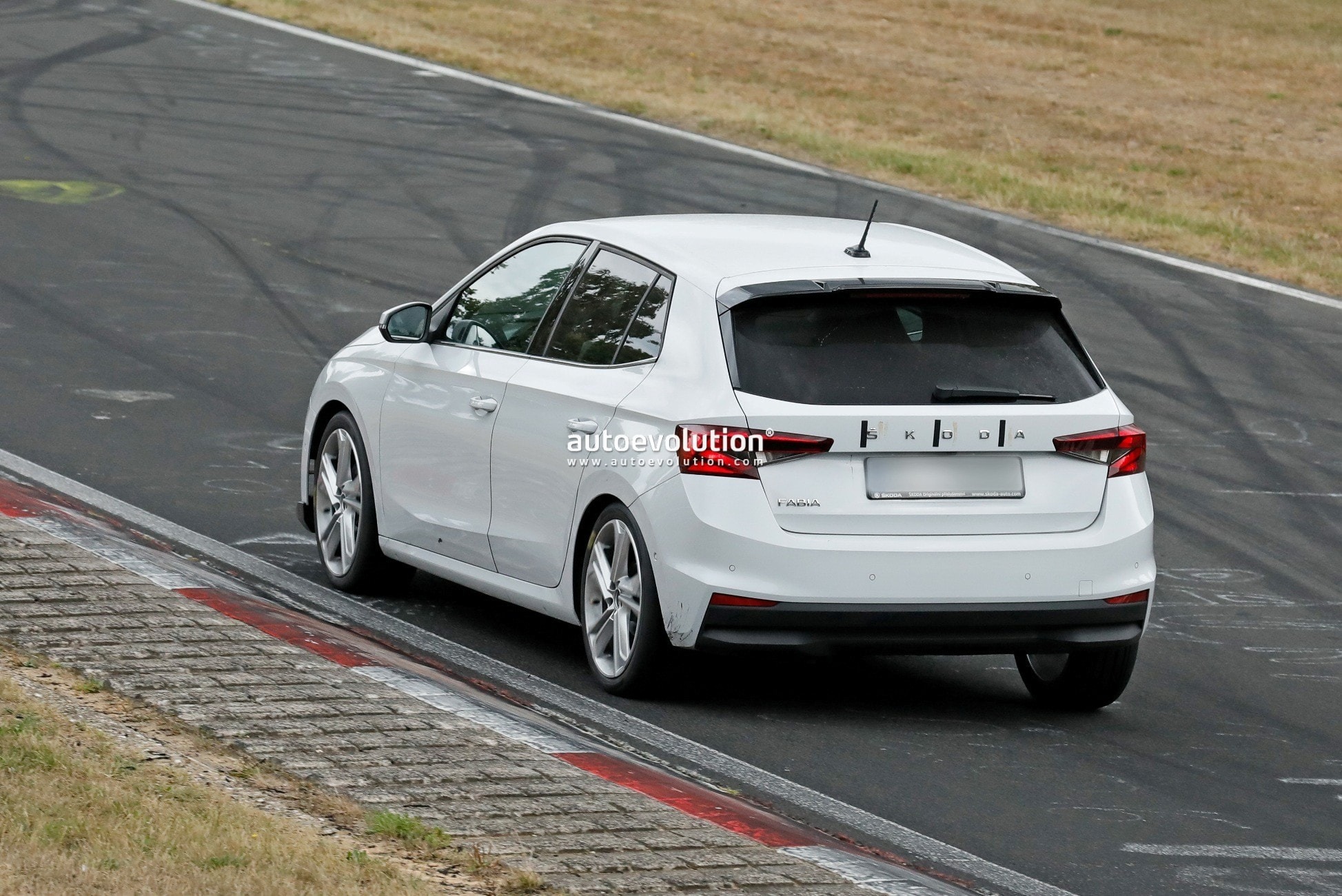
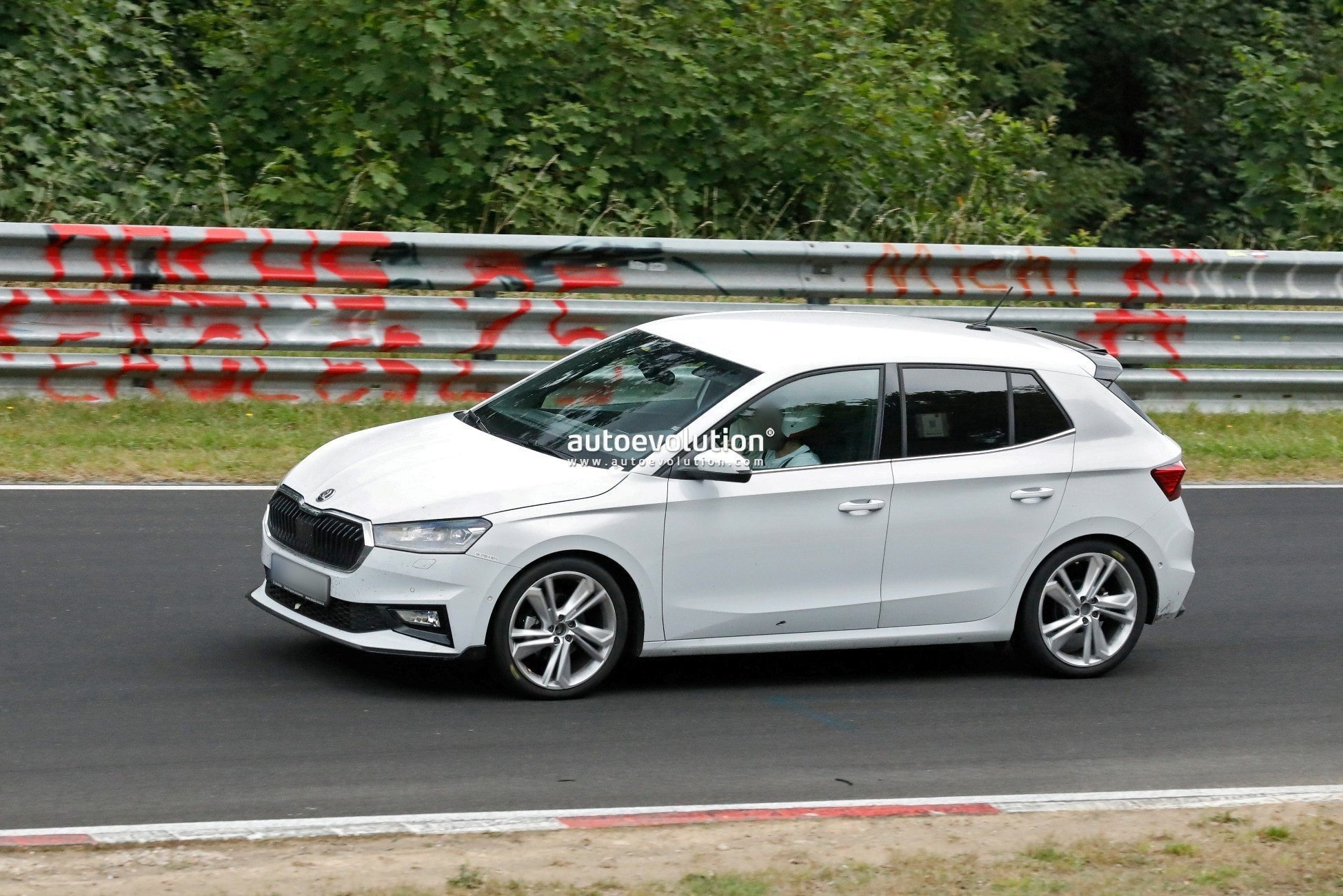
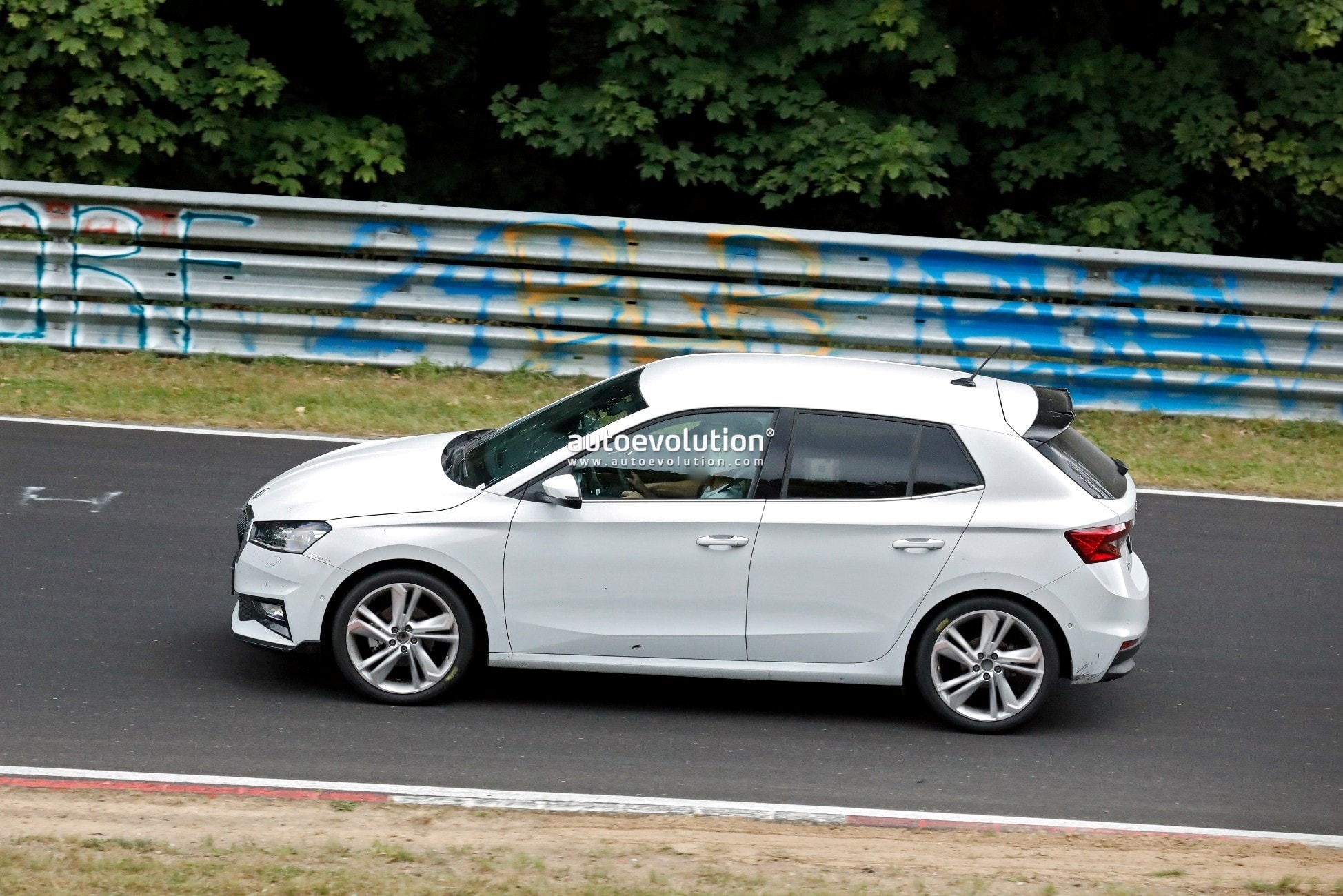
The past few years have been quite turbulent for Skoda’s entry-level models. Some of the Czech brand’s most accessible vehicles have come under threat, and at various points, it seemed almost certain that they were on their way out, destined to quietly disappear from dealerships.
The models in question are the Skoda Fabia, Skoda Kamiq, and Skoda Scala—the most affordable offerings in their respective segments. One thing they all share is that, until now, they’ve avoided electrification. That resistance to adopting electric or hybrid technology is one of the key reasons their future was called into question, especially in light of Europe’s increasingly strict emissions rules.
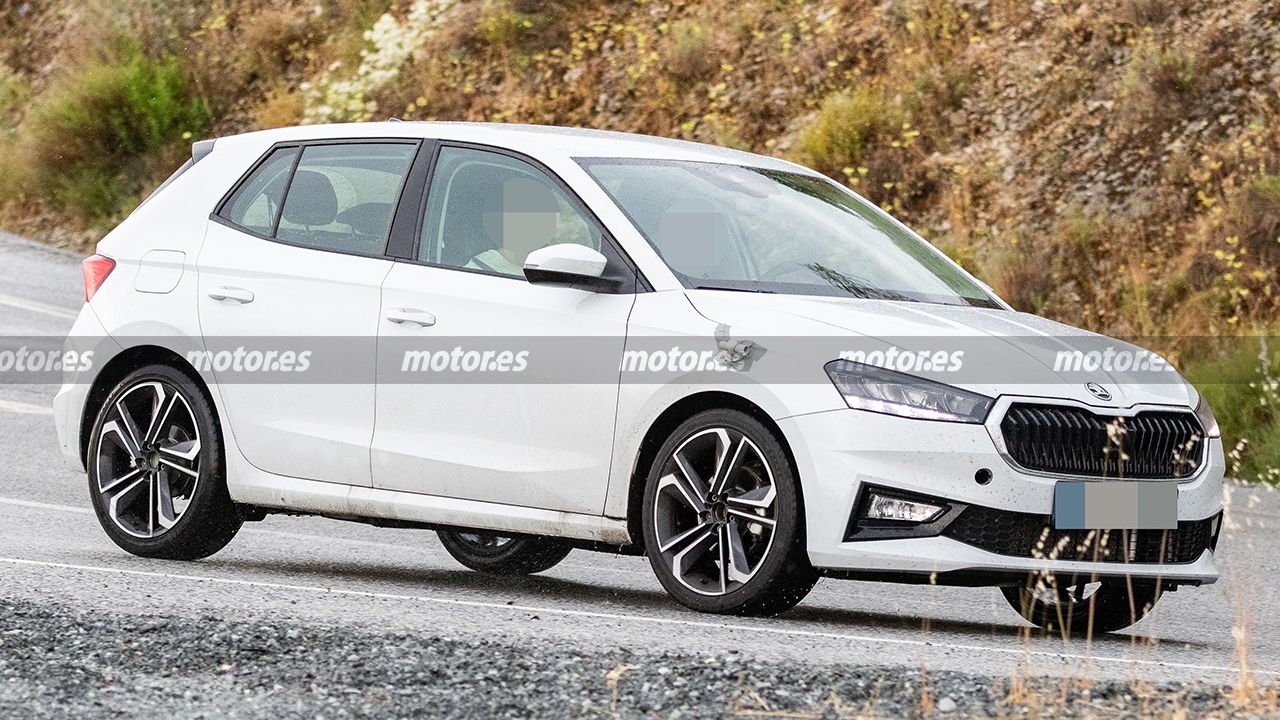
Skoda Fabia gears up for Euro 7
Concerns around their survival peaked in February 2023, when reports suggested these three models might be discontinued due to the new Euro 7 emissions standard. This regulation, viewed as a major turning point in the EU’s transition toward sustainable mobility, posed a serious challenge to manufacturers producing budget-friendly combustion vehicles.
At the time, a senior Skoda official warned that if the original Euro 7 proposal wasn’t revised, the brand might be forced to end production of these models altogether. Among the three, the Fabia drew the most attention, as it’s long been one of Skoda’s best-sellers and a top contender in the affordable car market. The idea of axing such a successful model due to regulatory pressure seemed hard to justify.
Fortunately for Skoda, the Euro 7 proposal was eventually softened, allowing the company (and others) to breathe a sigh of relief. The updated version of the regulation now enables the continued production of affordable internal combustion cars. As a result, the Fabia, Kamiq, and Scala are safe—for now. In fact, it’s been suggested they’ll remain in production until at least 2030.
Fabia caught testing for Euro 7 compliance
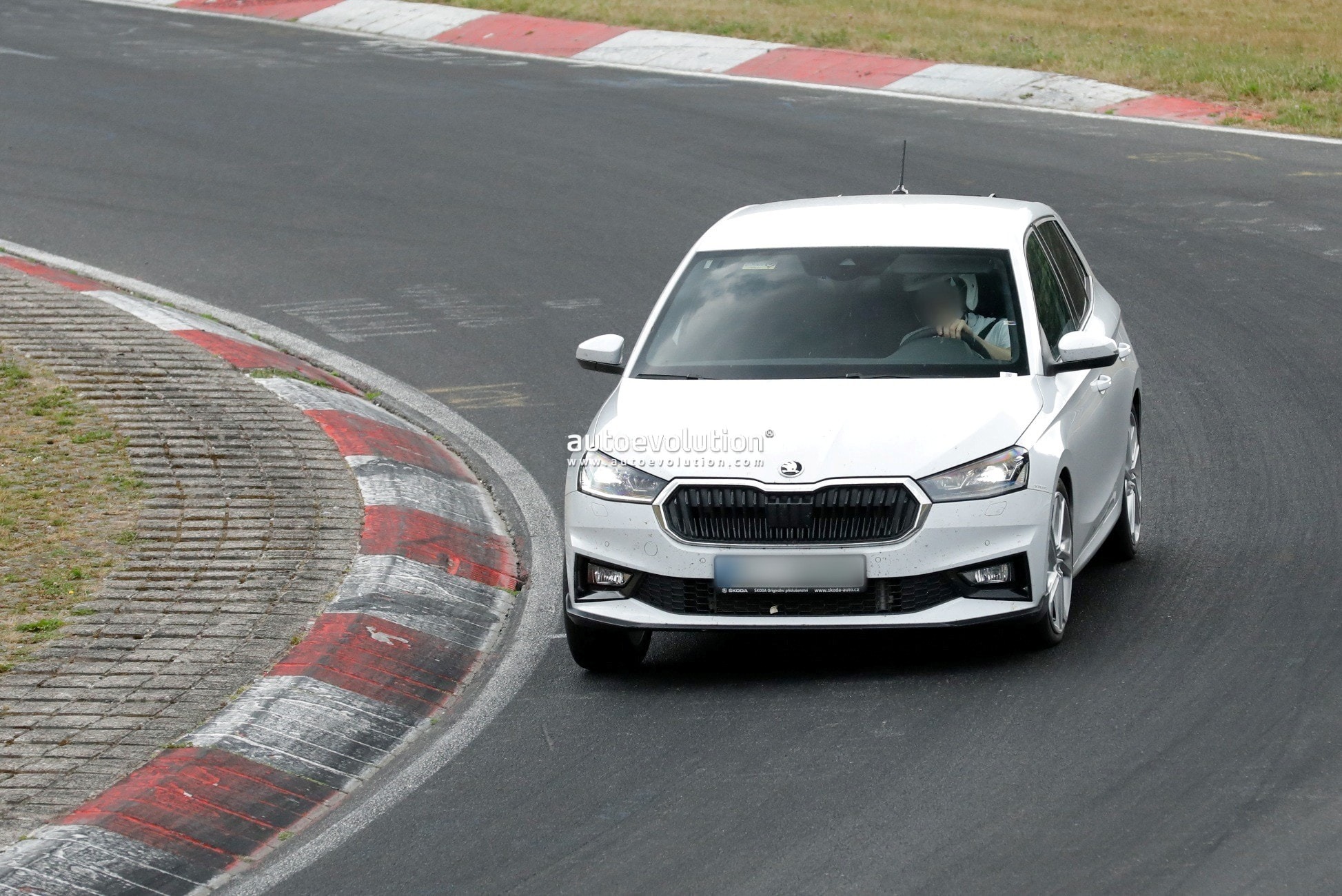
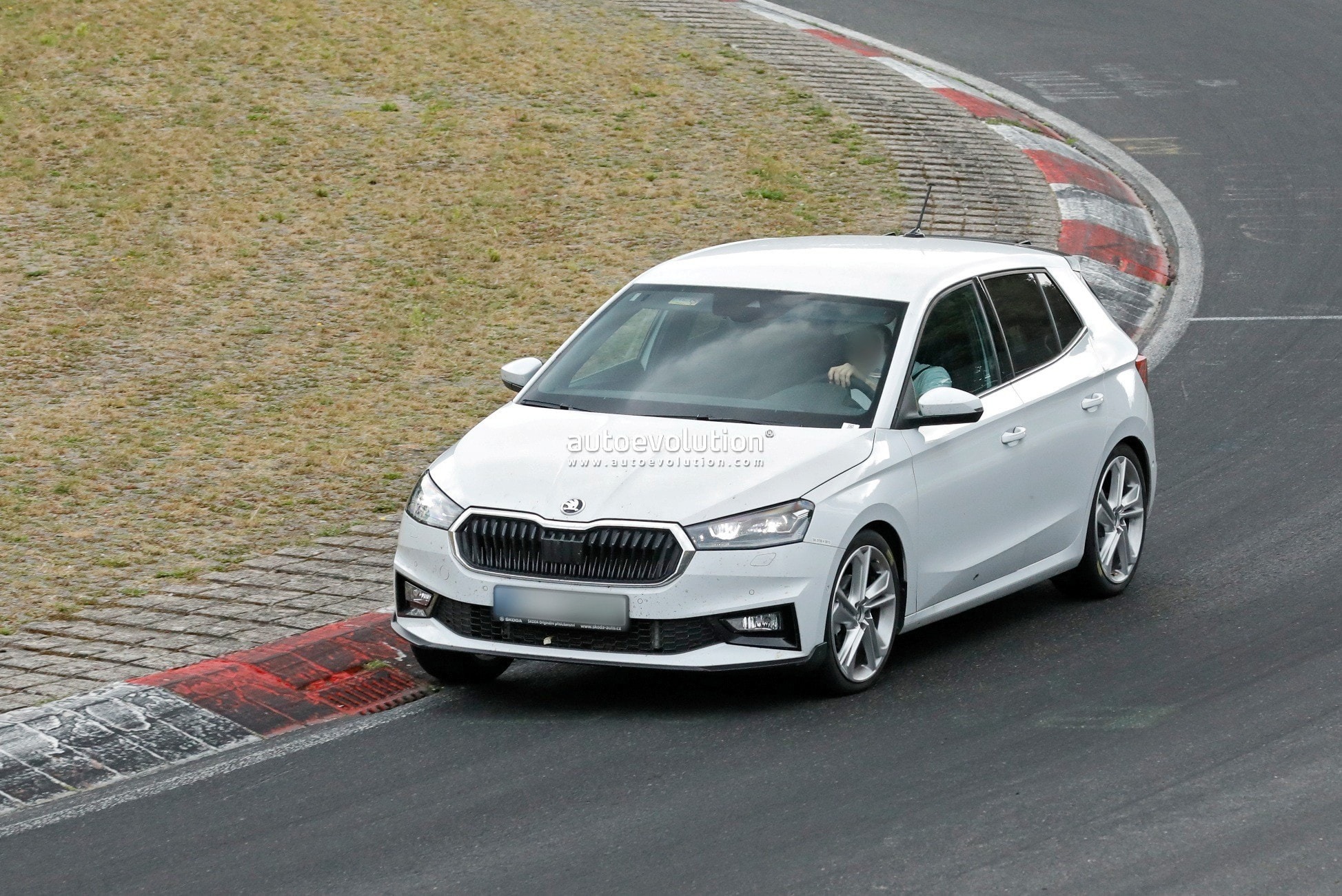
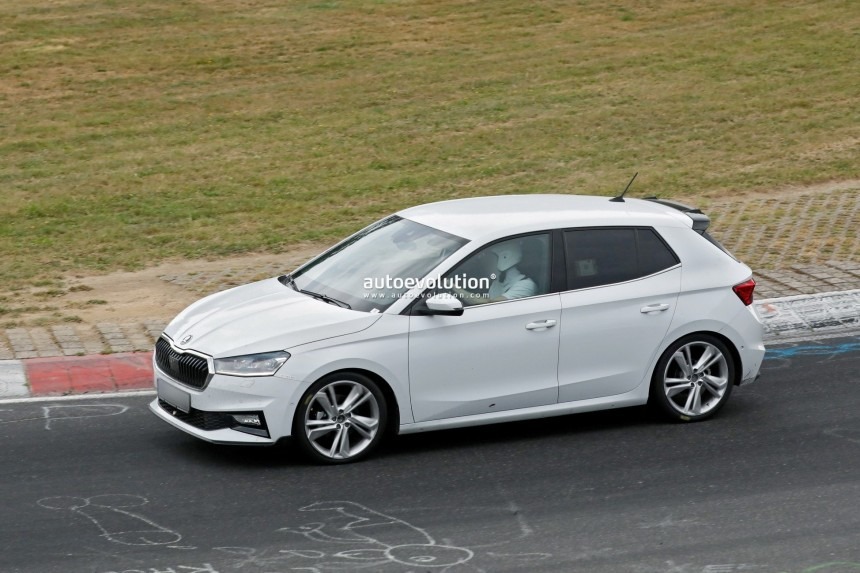
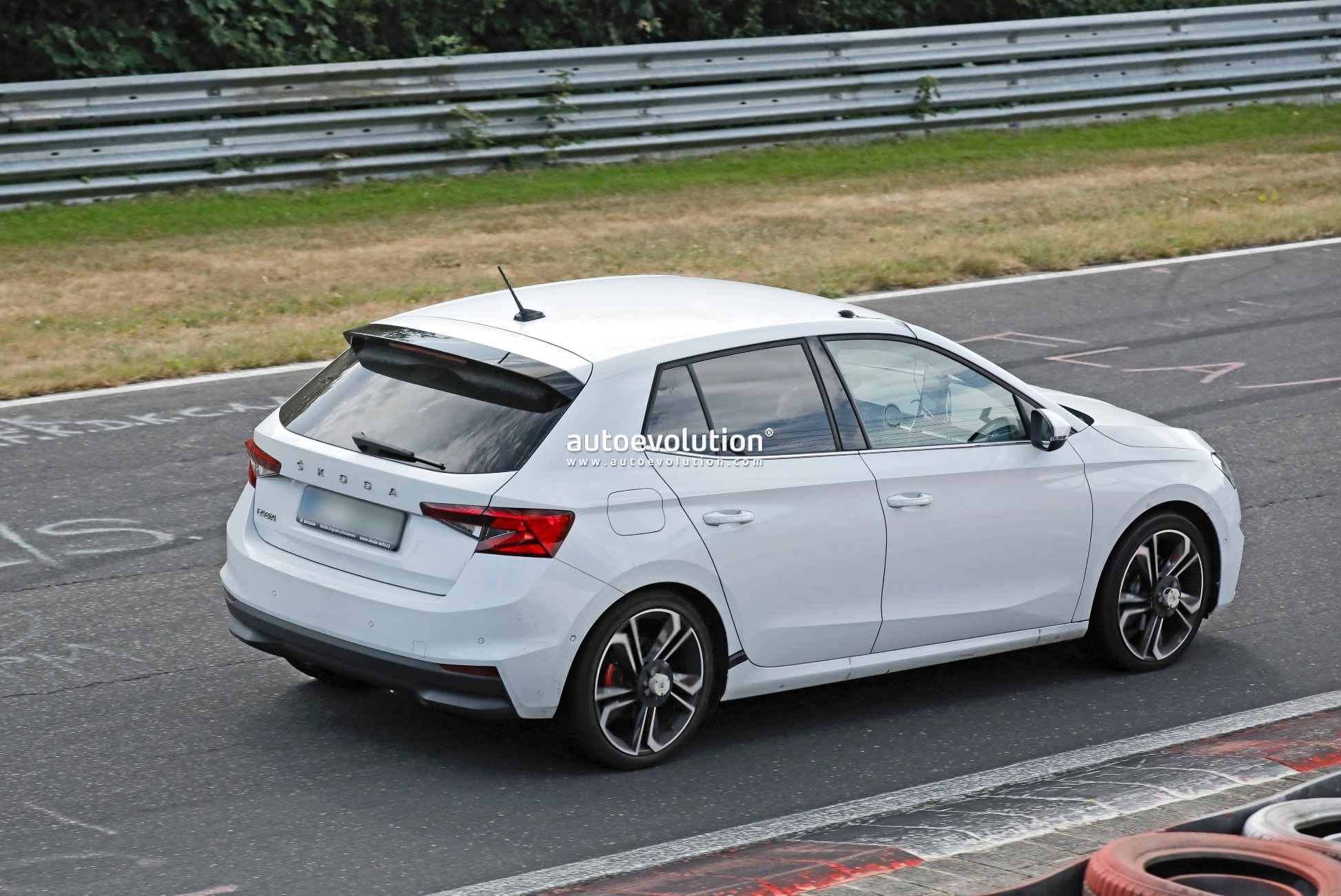
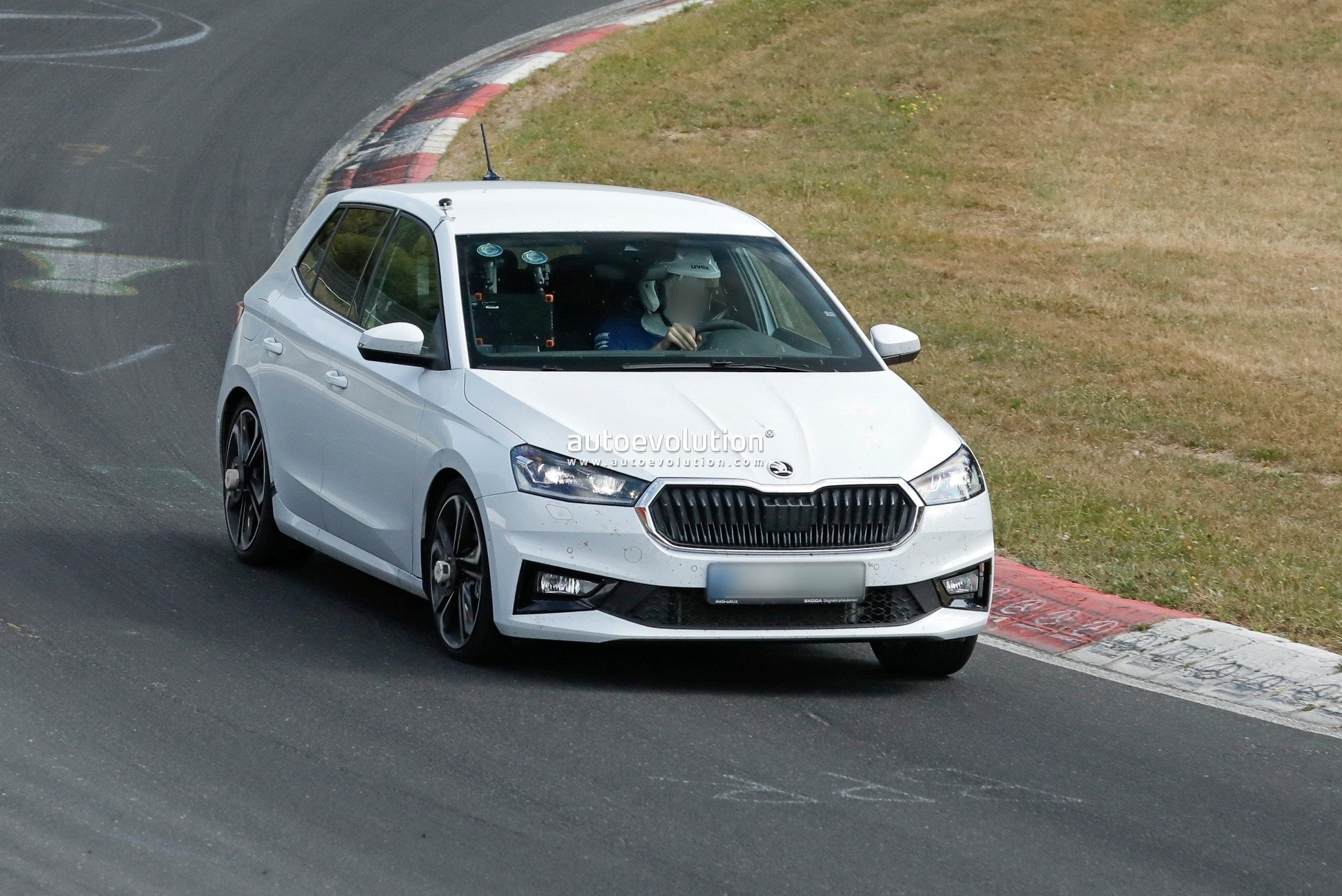
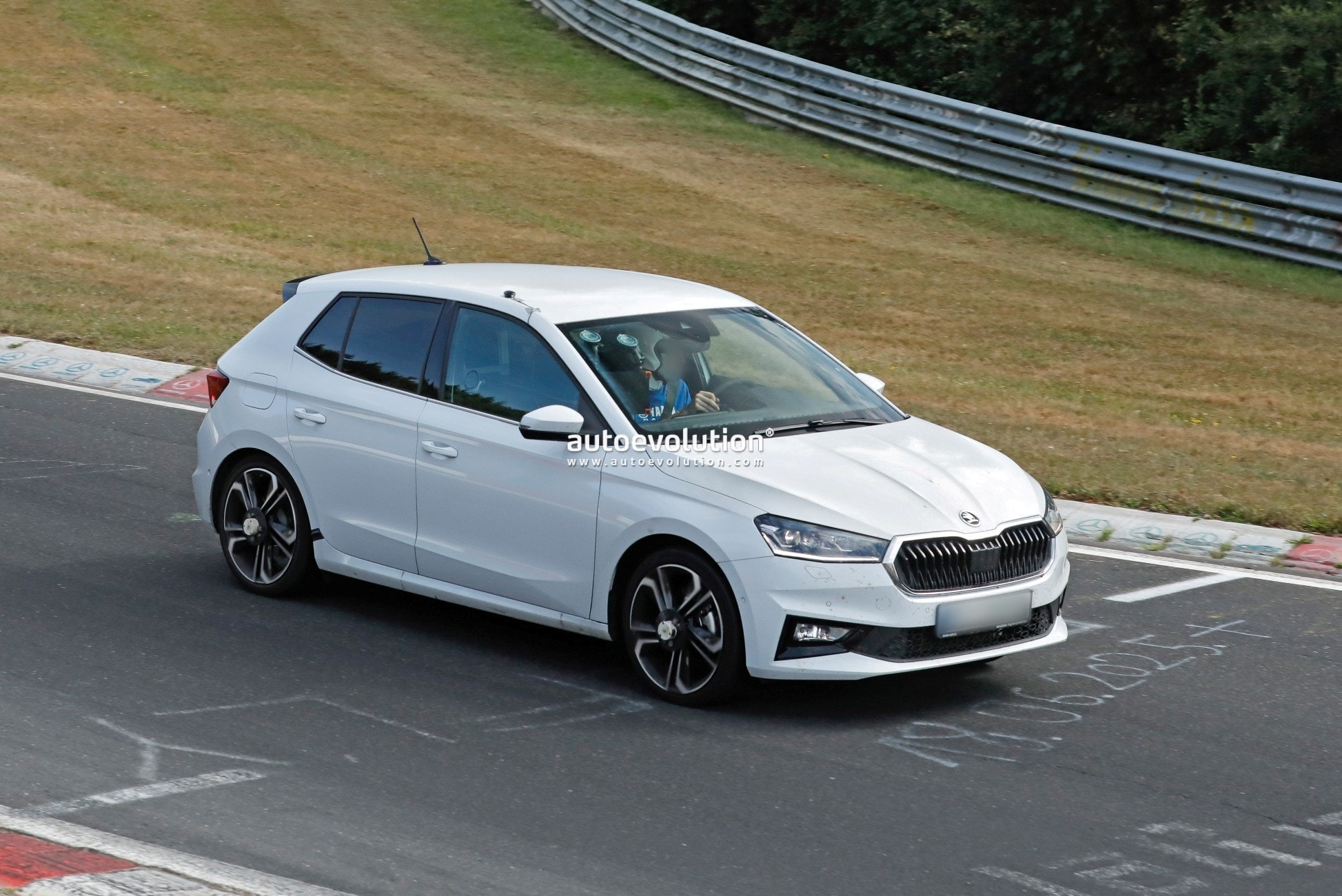
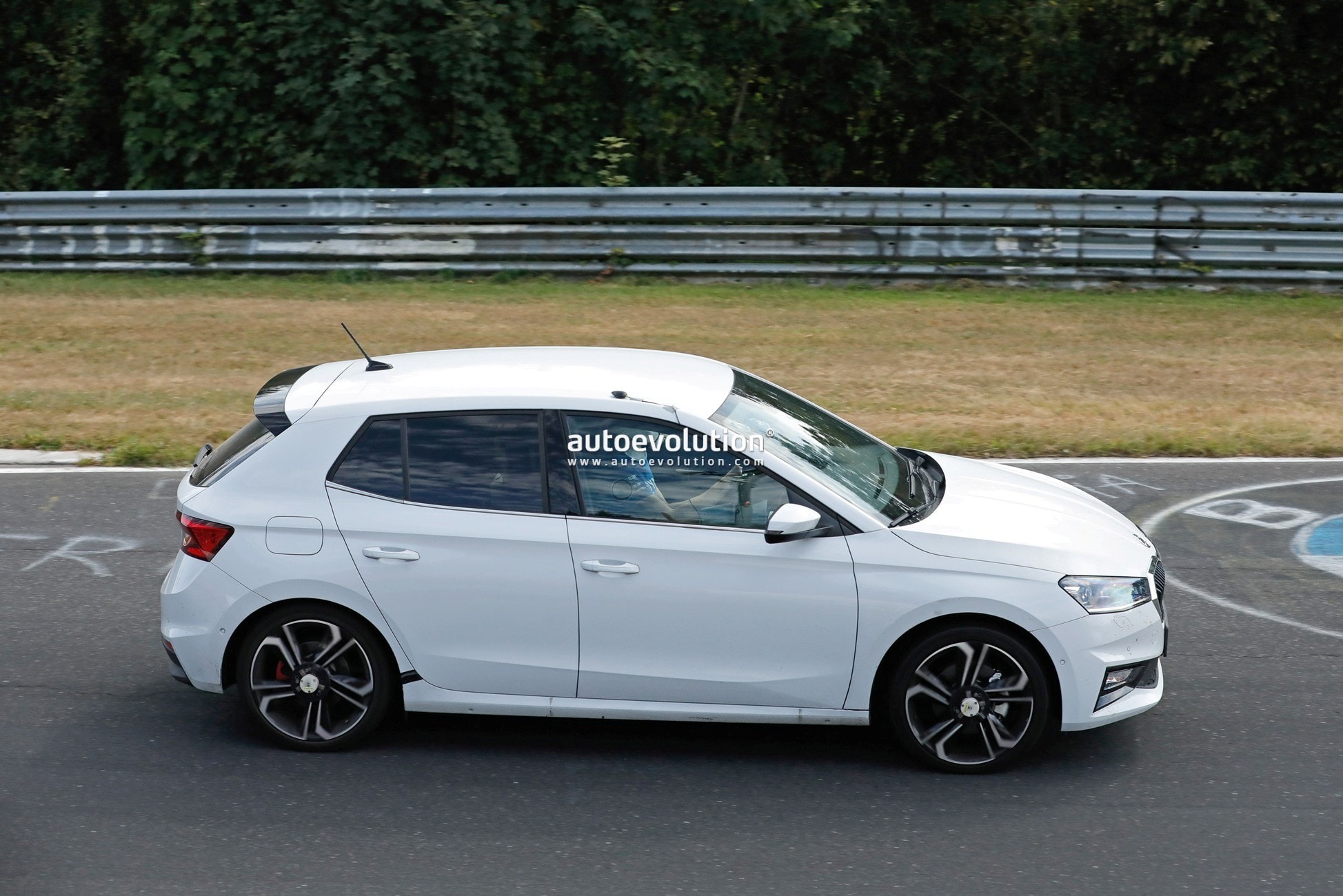
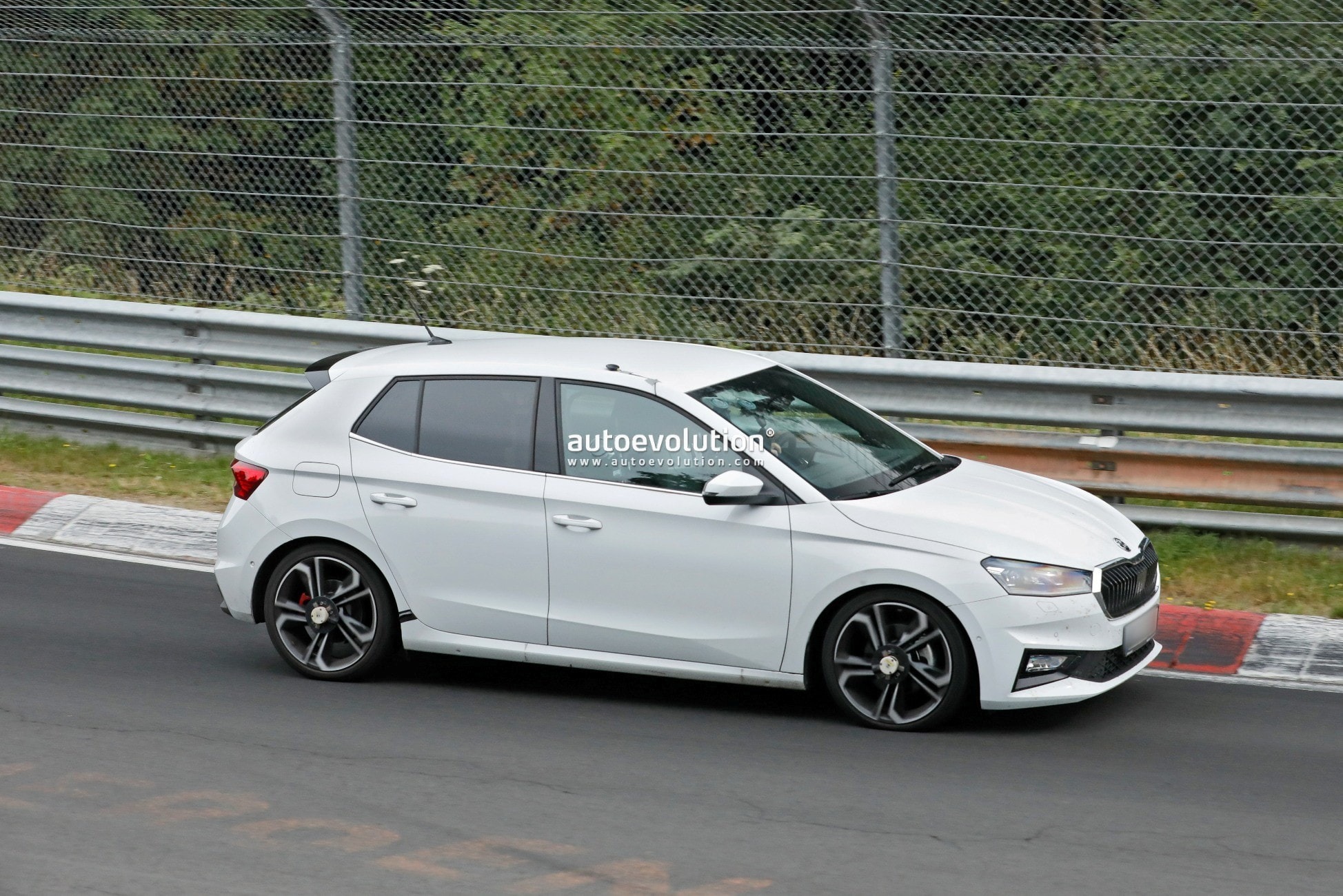
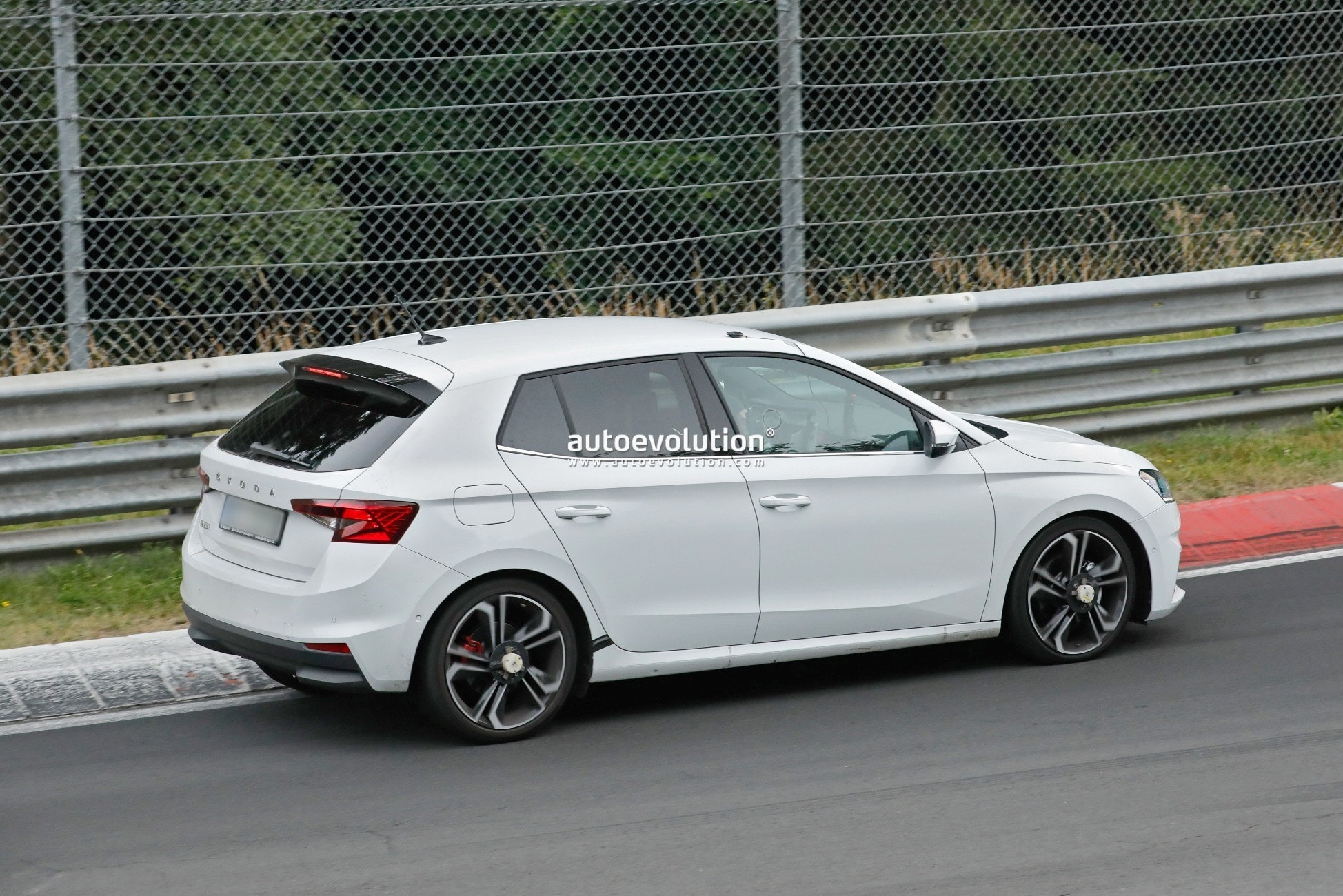
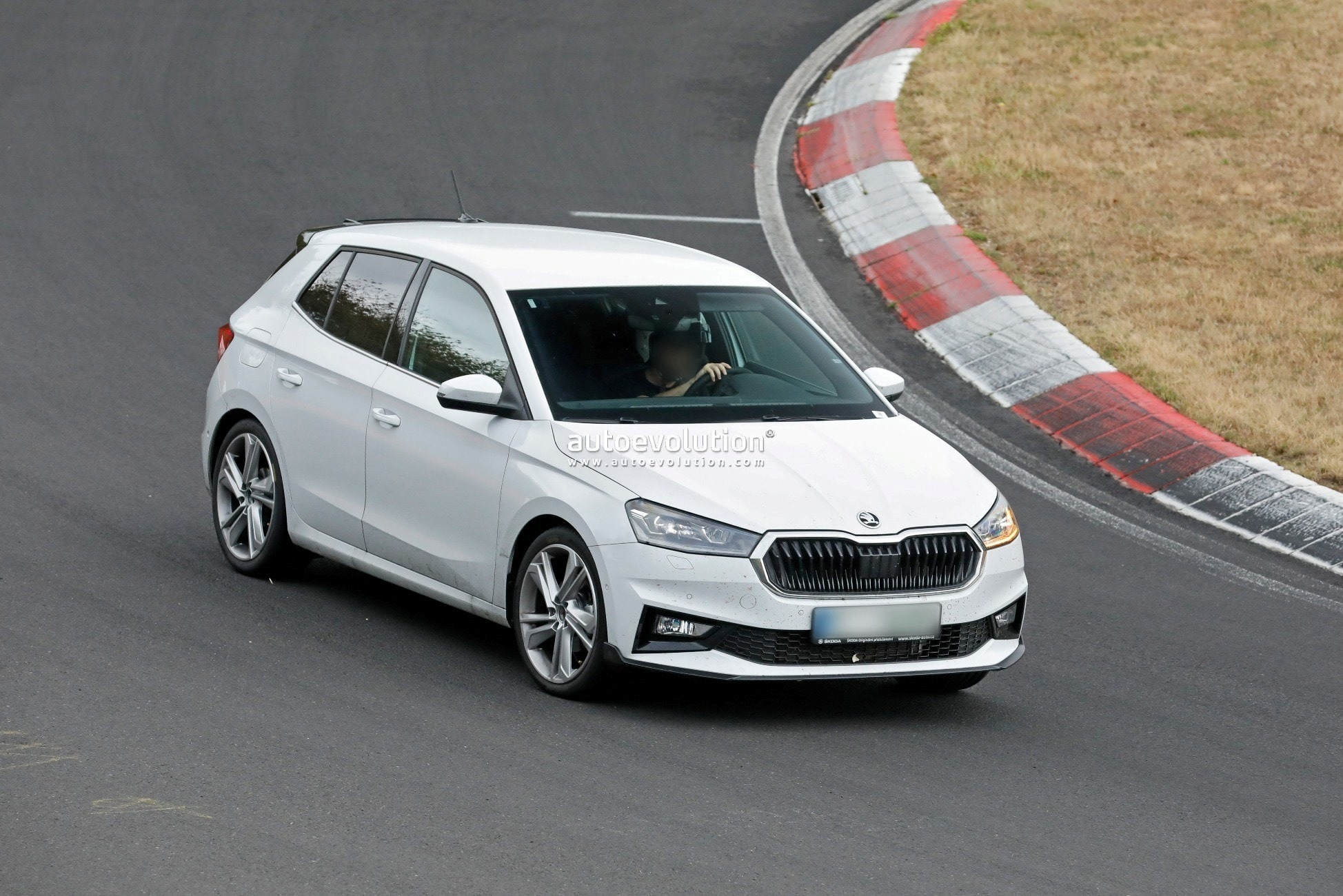
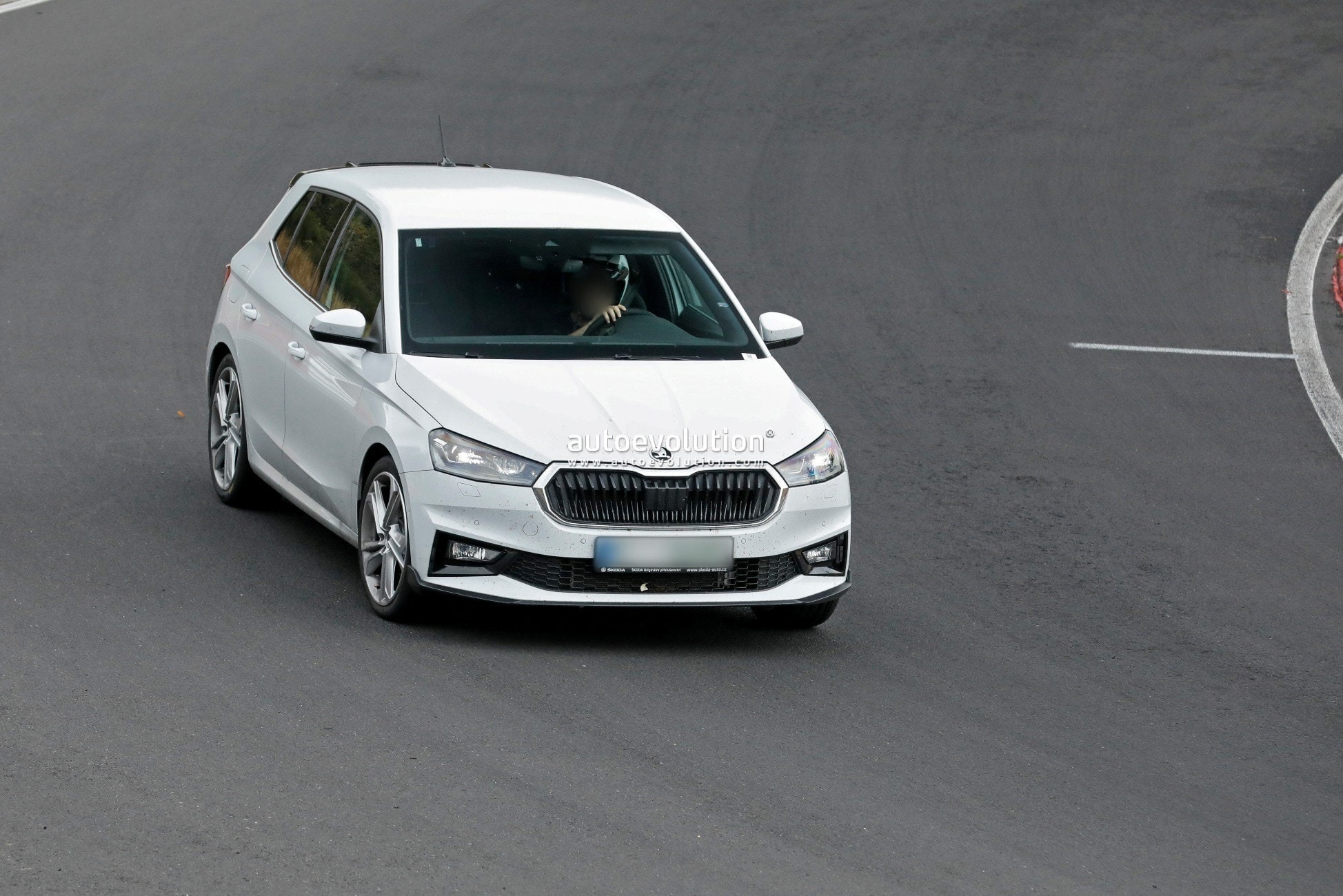
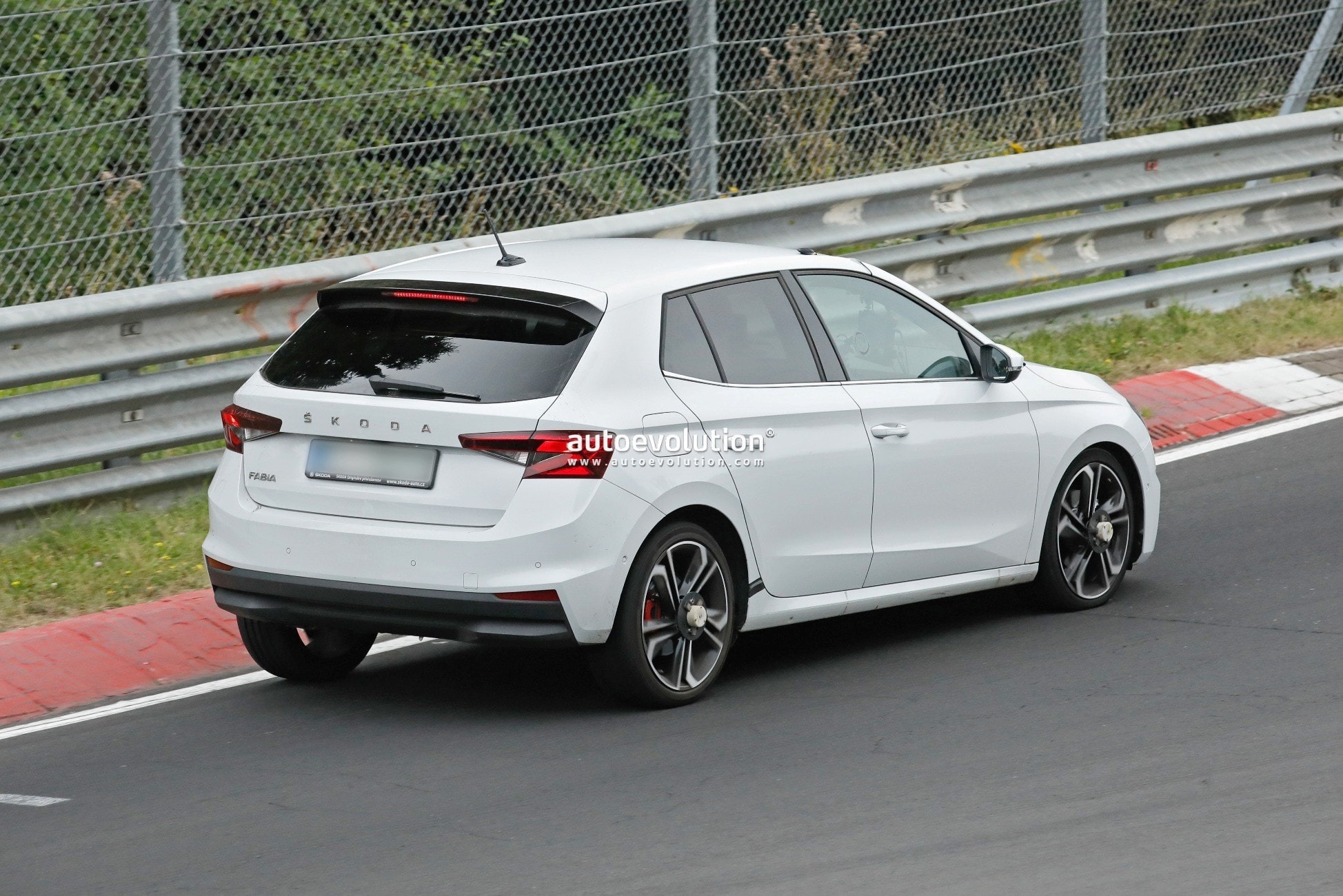
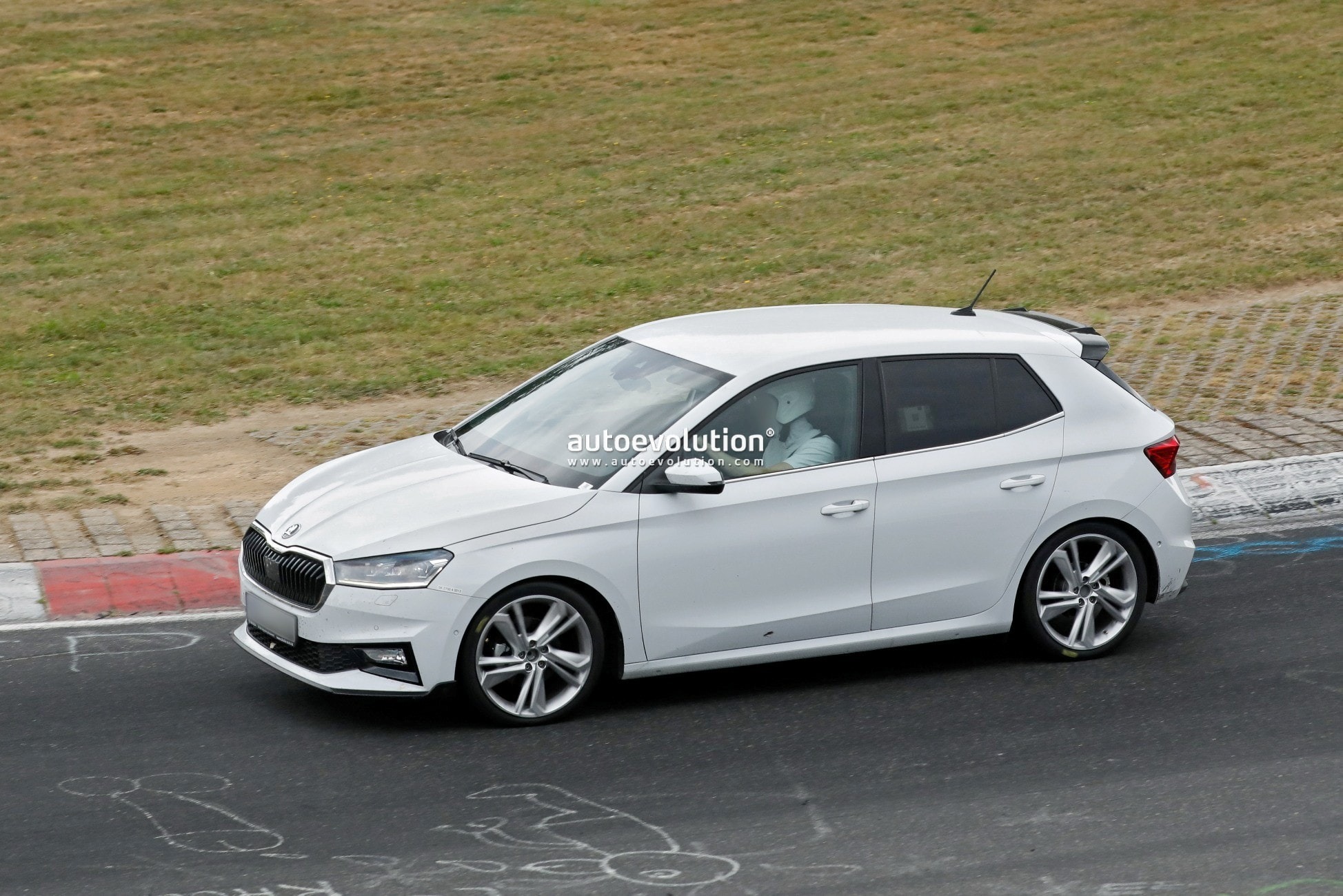
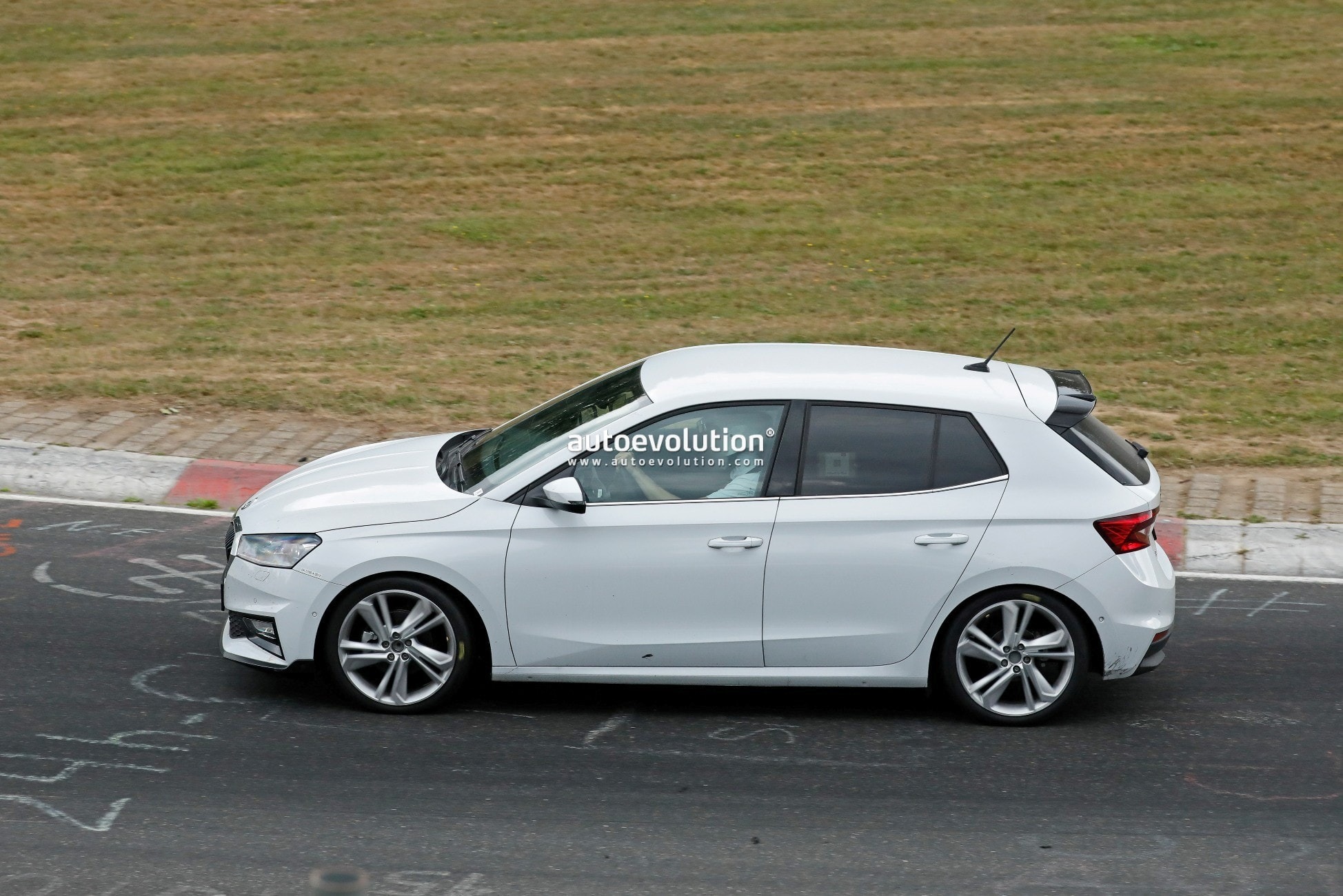
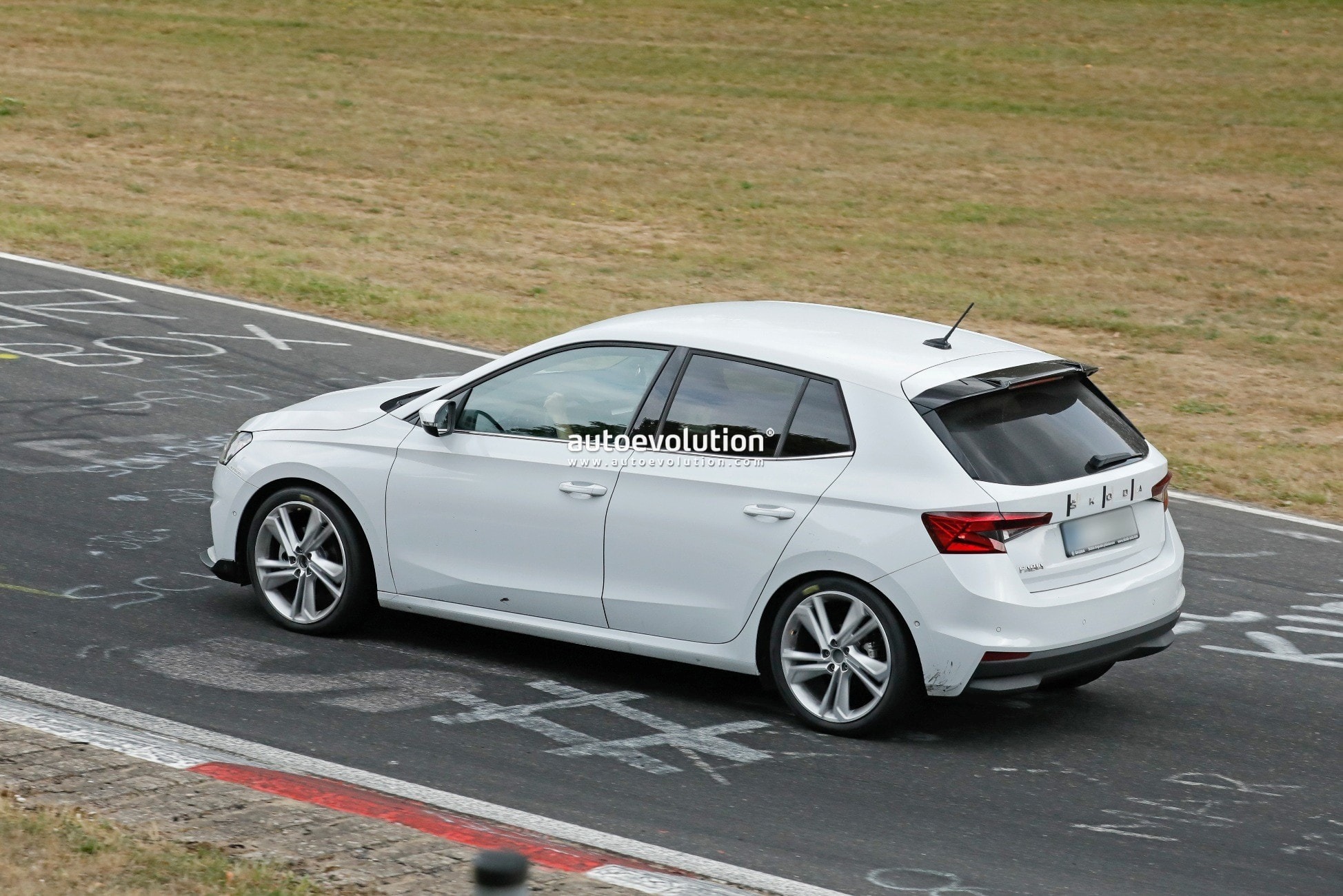
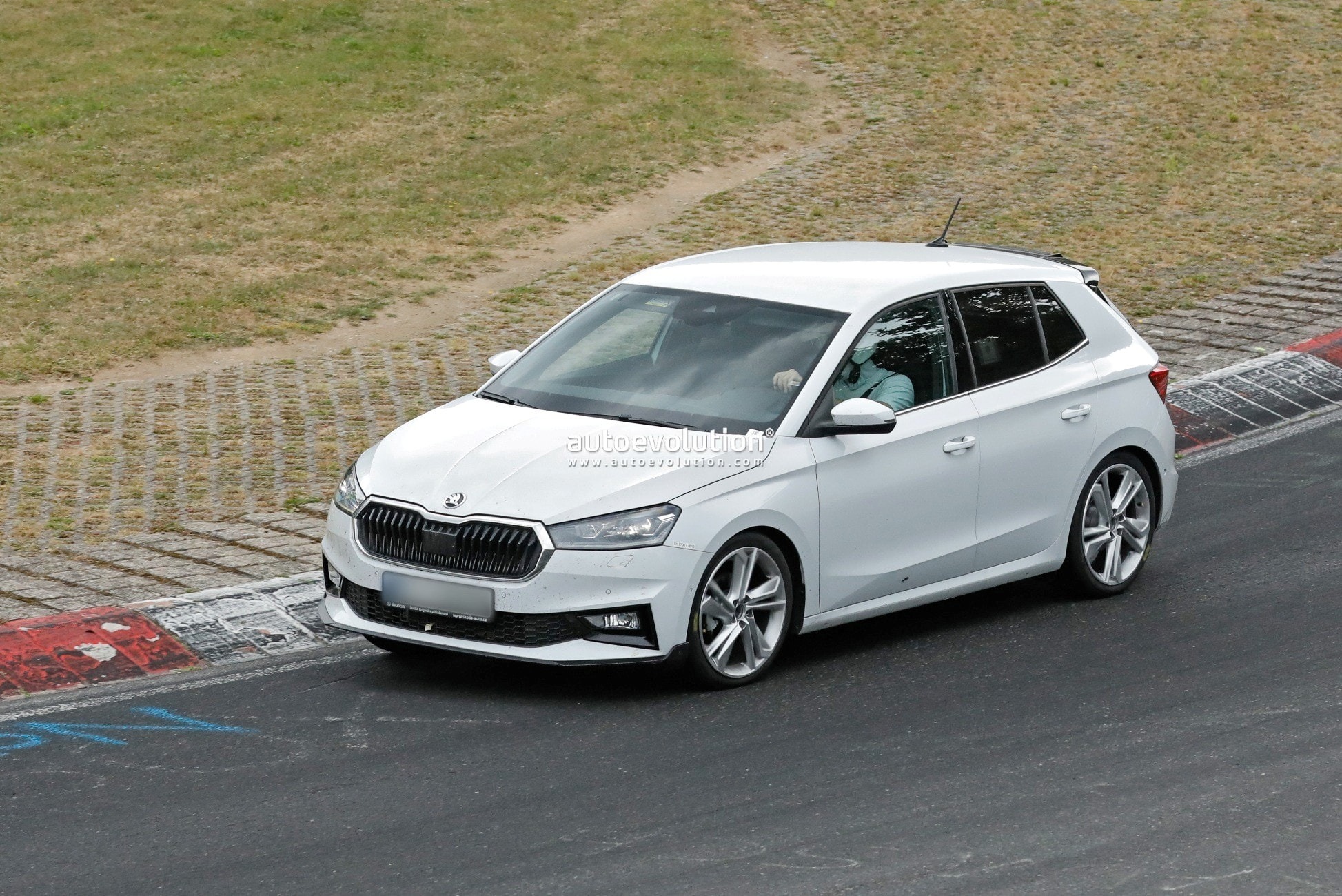
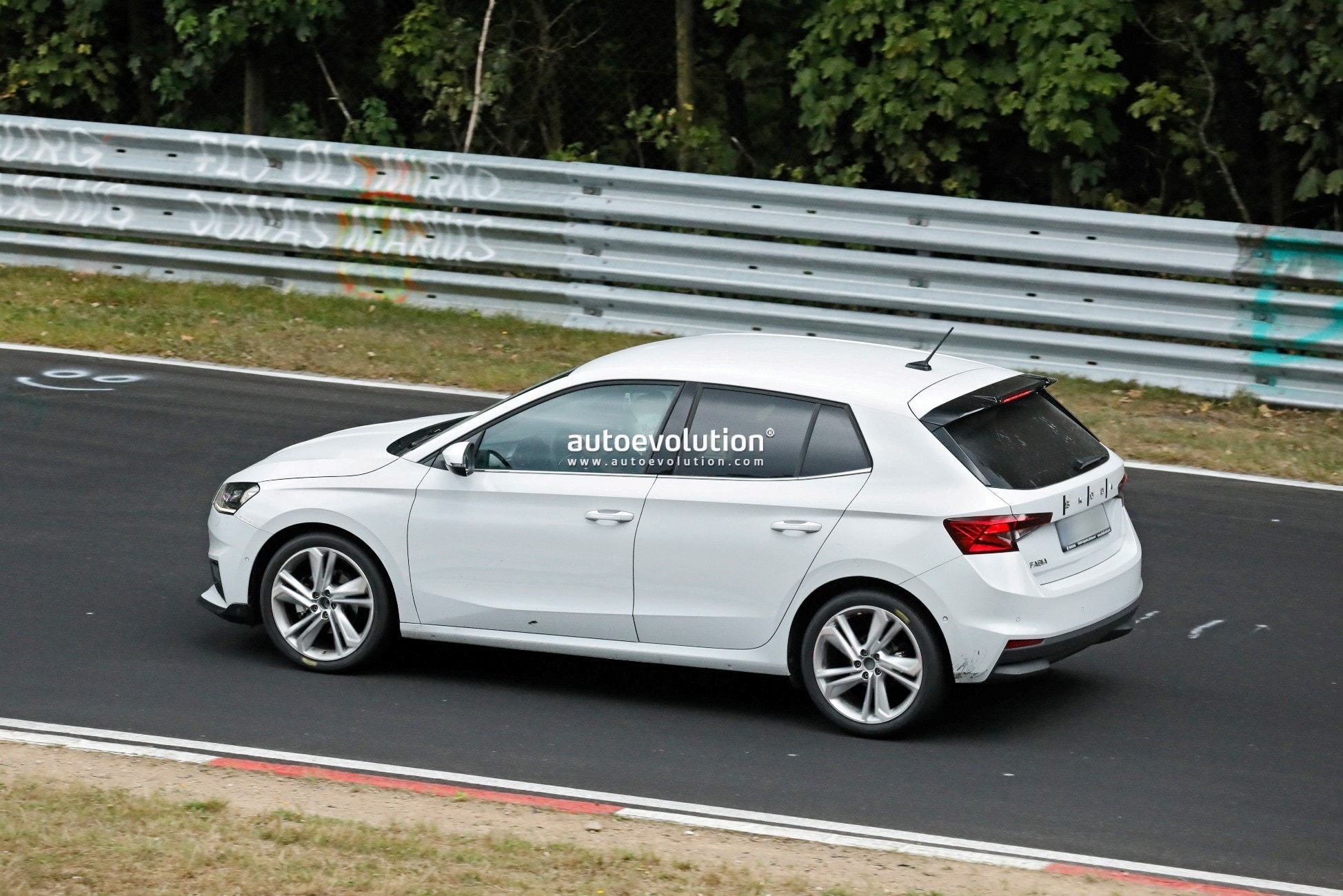
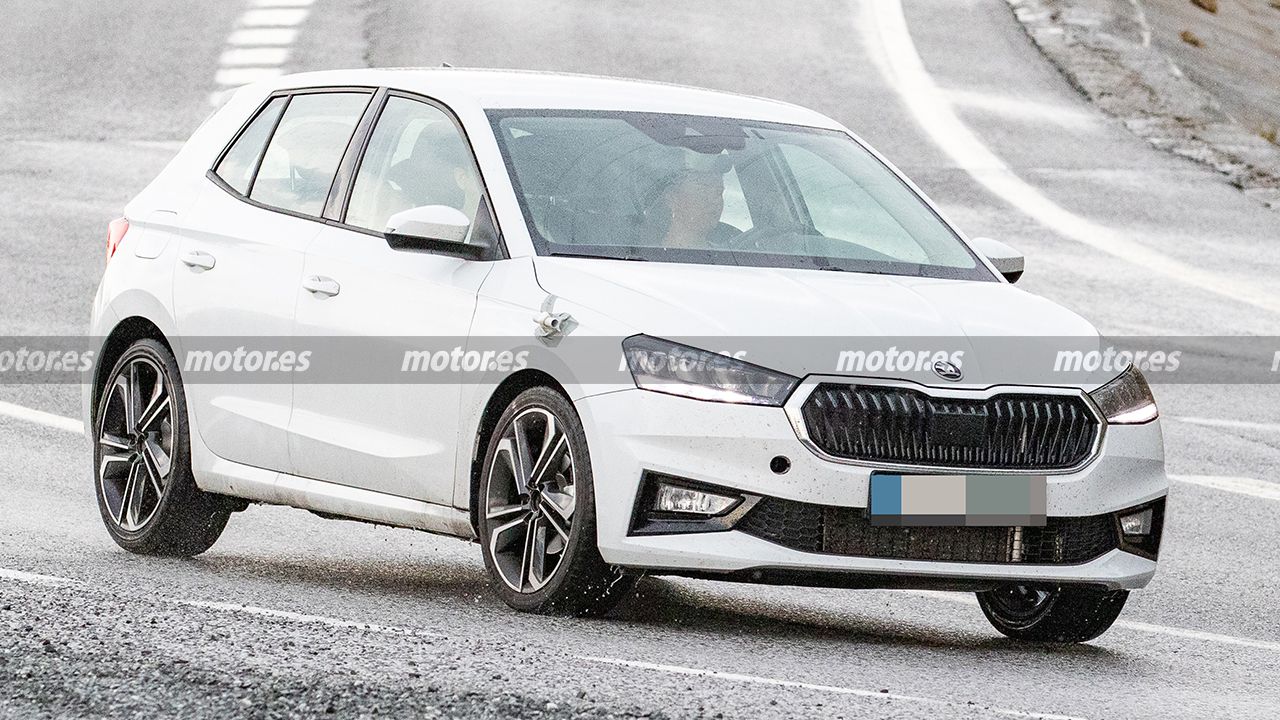
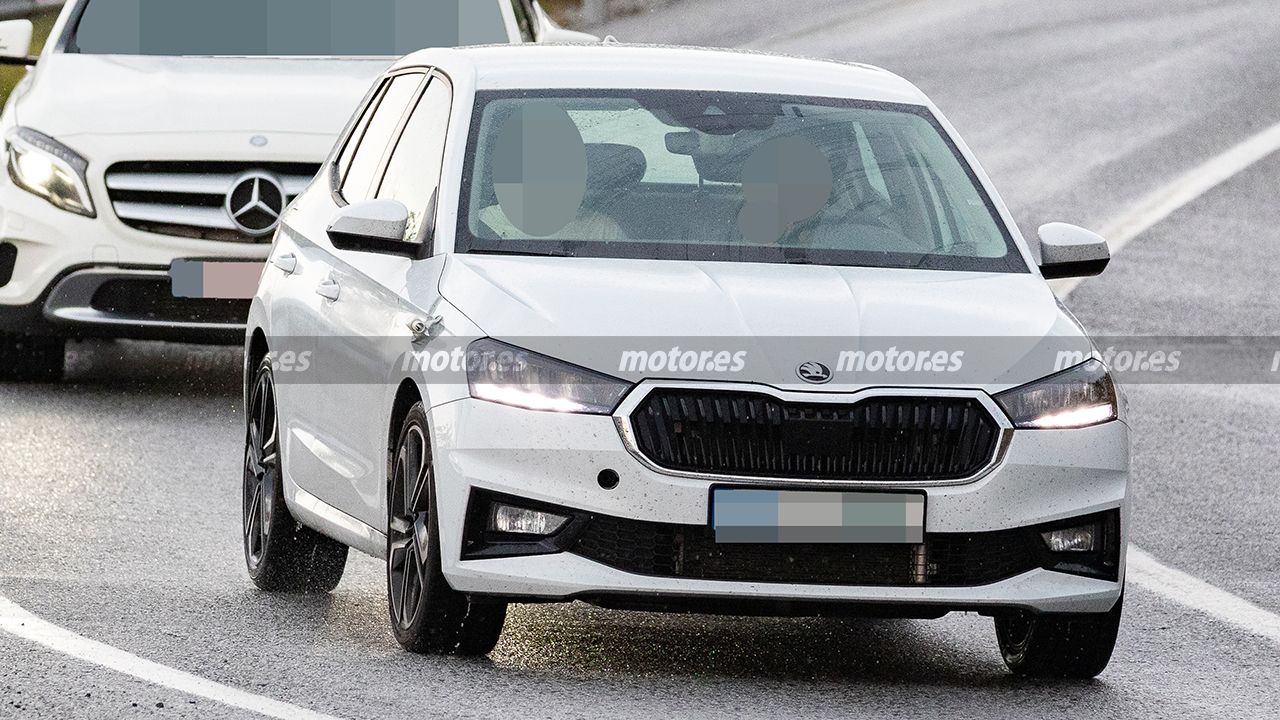
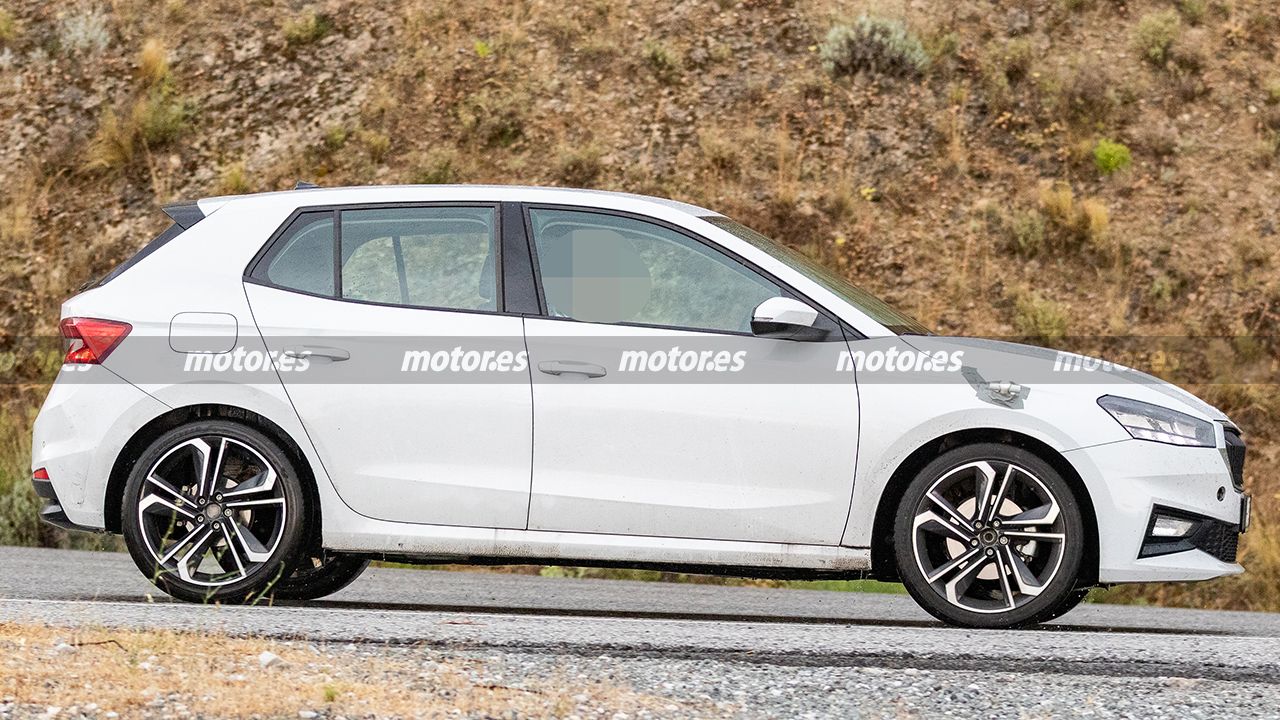
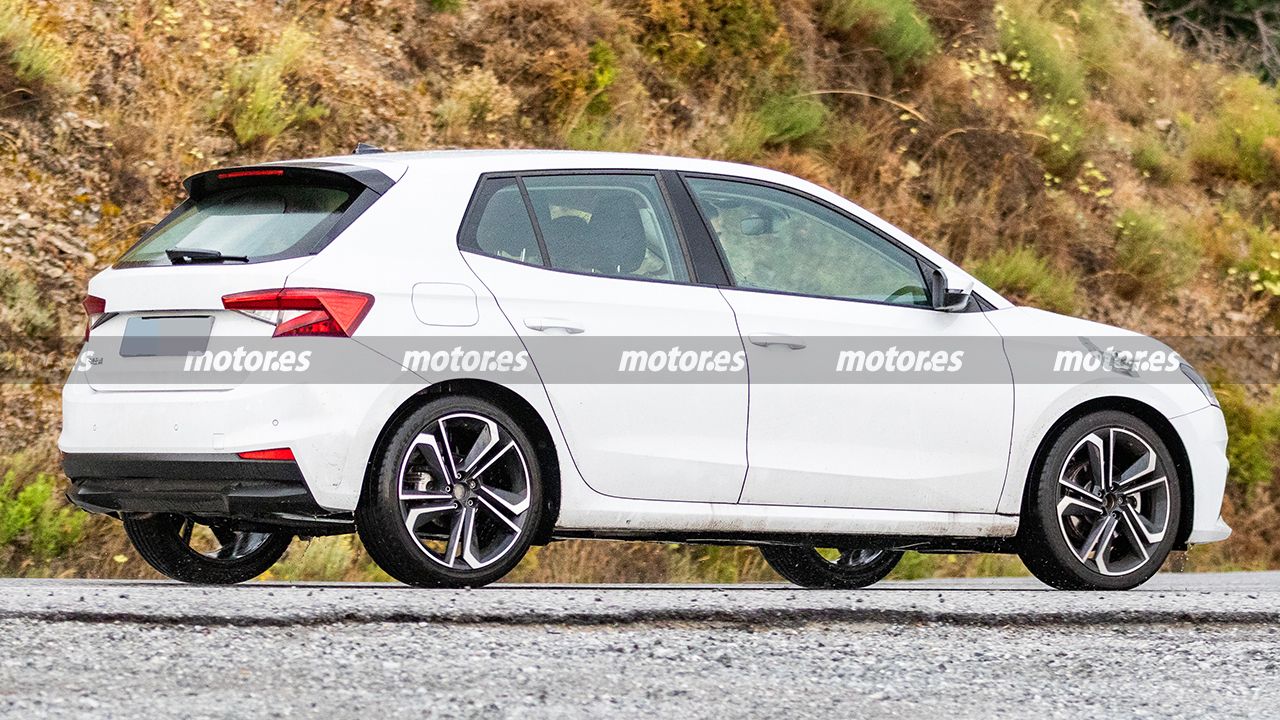
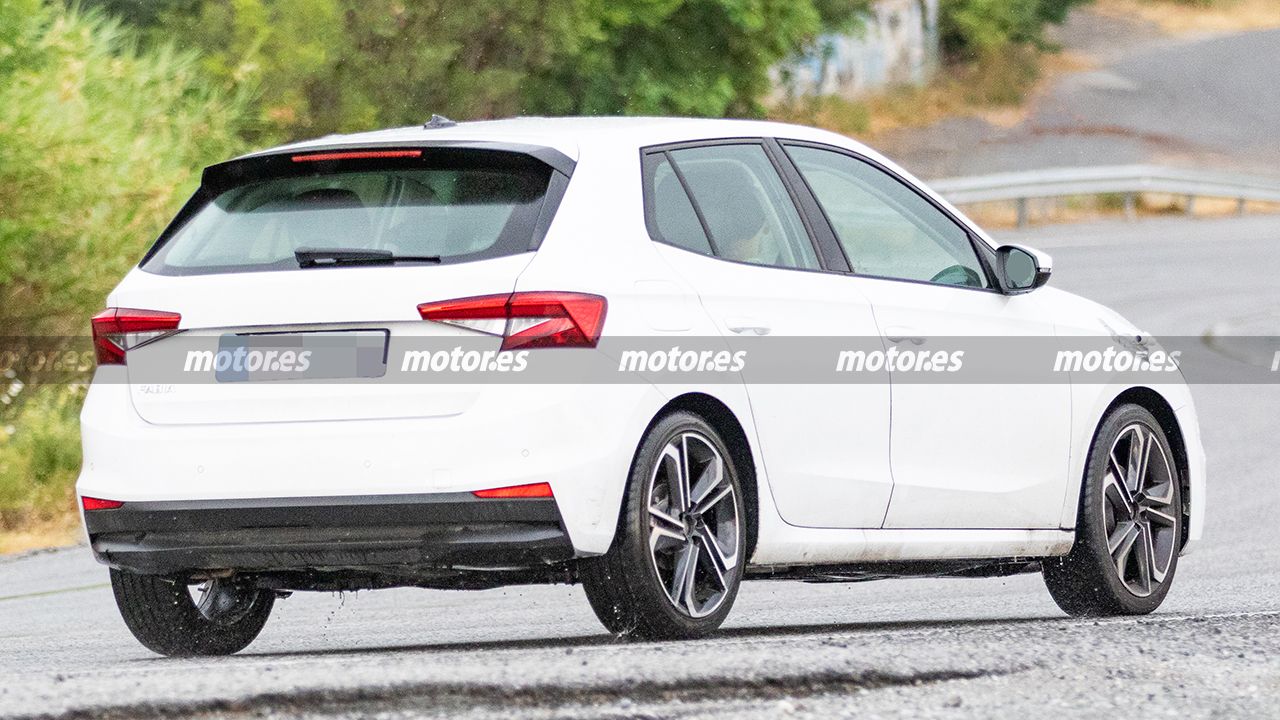
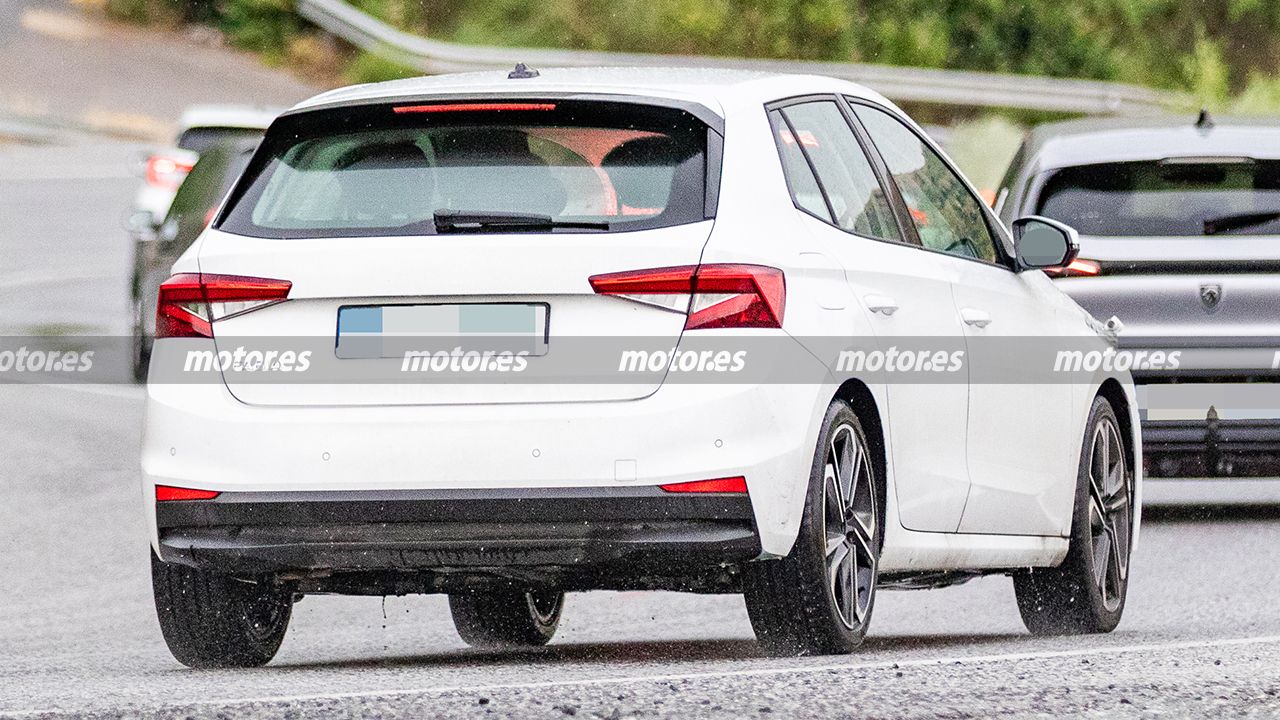
That said, these models still need to be updated to meet the incoming regulations. Evidence of this surfaced recently when spy photographers spotted a camouflaged Skoda Fabia prototype undergoing testing on public roads in Southern Europe.
At first glance, it looked like a regular Fabia. But under the hood, it was hiding a 1.5-liter TSI turbocharged petrol engine producing 150 hp and 250 Nm of torque, paired with a 7-speed dual-clutch DSG transmission. These tests aim to ensure the powertrain meets Euro 7 emissions limits.
Interestingly, Skoda has been testing the car with both 95-octane and 98-octane gasoline, though this hasn’t produced any performance gains. Still, it’s a curious note in the car’s development process.
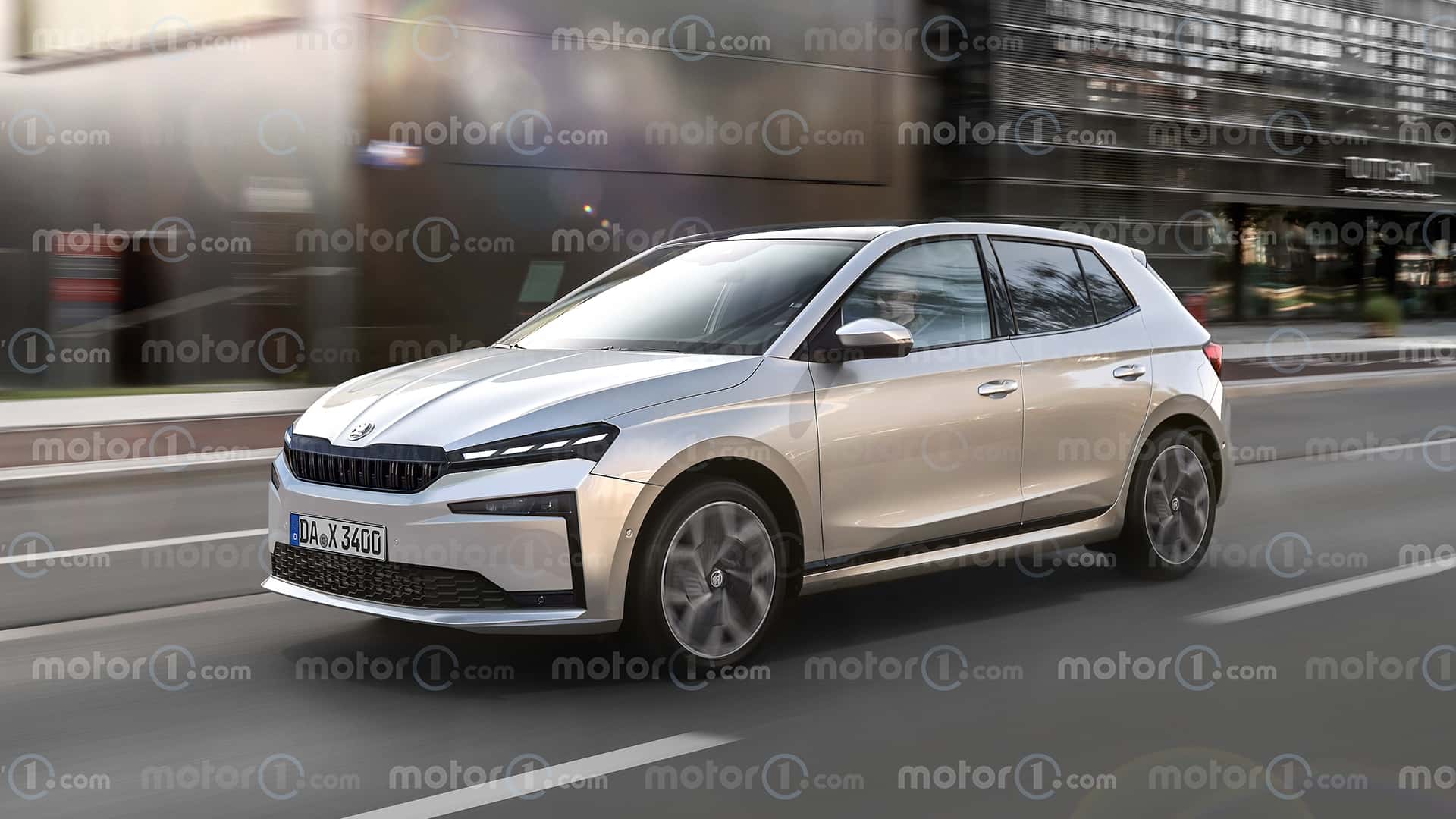
An electrified Fabia still uncertain
Currently, the Fabia is offered with only two petrol engines: a 1.0 TSI and the aforementioned 1.5 TSI—both with front-wheel drive and no hybrid or electric assistance. Skoda hasn’t ruled out the possibility of introducing mild-hybrid (MHEV) versions with 48V technology in the future, but nothing has been confirmed.
It’s also possible Skoda may instead focus on refining the existing powertrains to reduce emissions just enough to keep the Fabia compliant with Euro 7 without adding hybrid tech. A lot will depend on what Skoda’s parent company, Volkswagen, decides to do with the Polo, T-Cross, and Taigo—as well as, to a lesser extent, what SEAT plans for the Ibiza and Arona.
One thing is clear: for now, the Skoda Fabia is resisting electrification and continuing to fight for a spot in an increasingly electric automotive world.