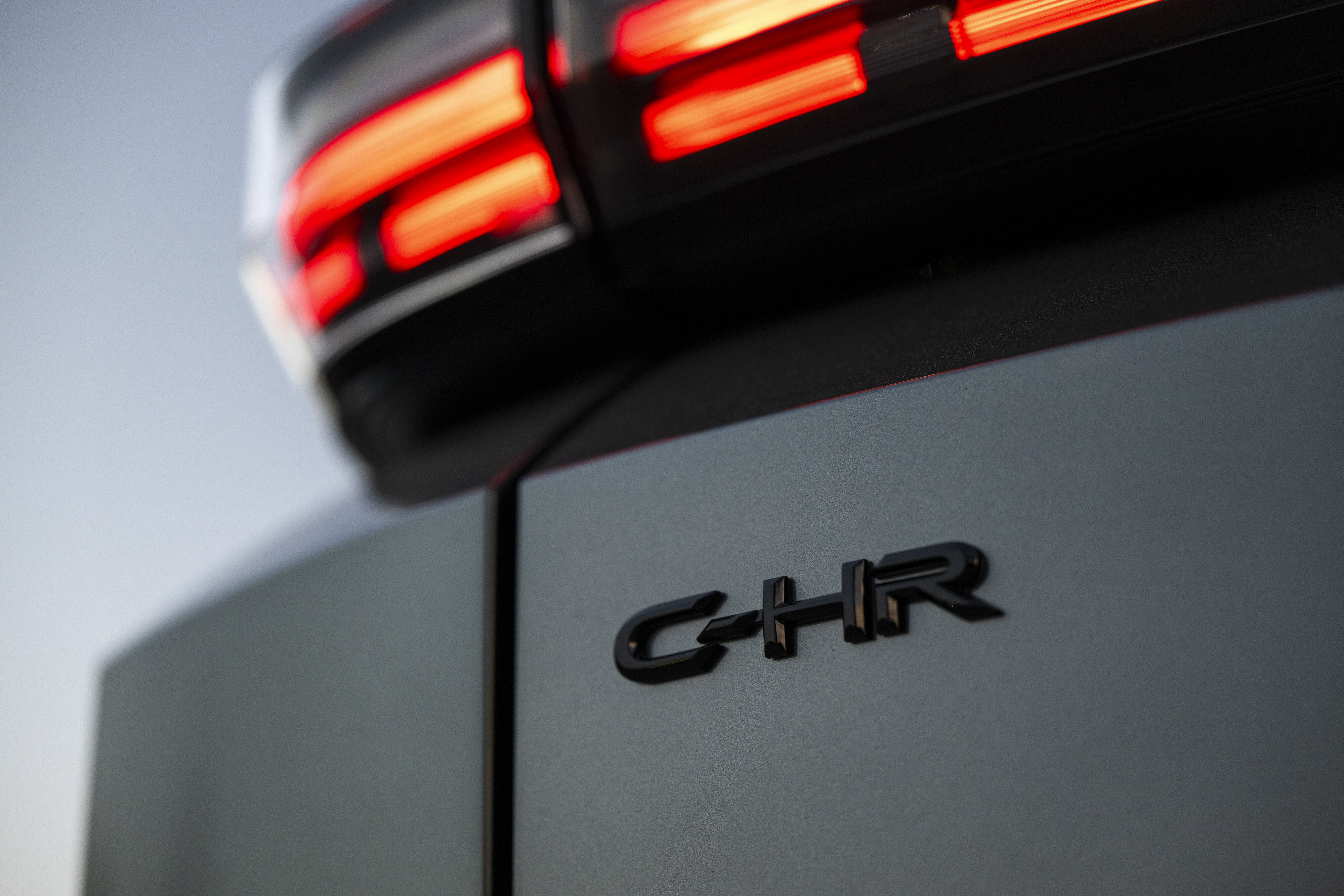
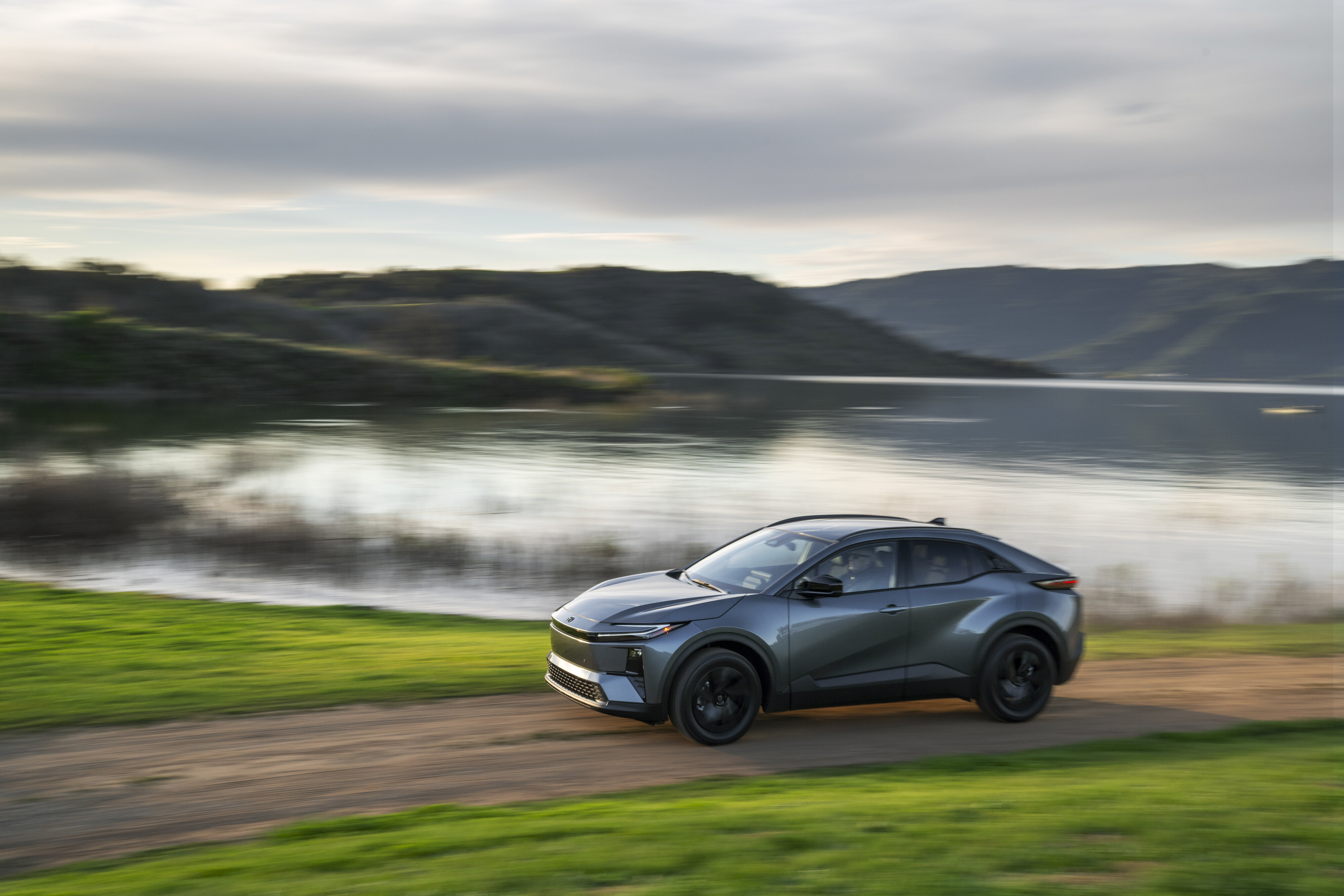
Toyota has been playing the long game in the EV space, and with the 2026 C-HR BEV, it finally shows its hand. Joining the revised bZ and the new bZ Woodland in the automaker’s expanding electric lineup, the C-HR isn’t just another compliance box checked. Built on Toyota’s dedicated e-TNGA platform and wrapped in genuinely striking coupe-crossover sheetmetal, this is a car that wants to be driven — and driven hard.
The Shape of Intent
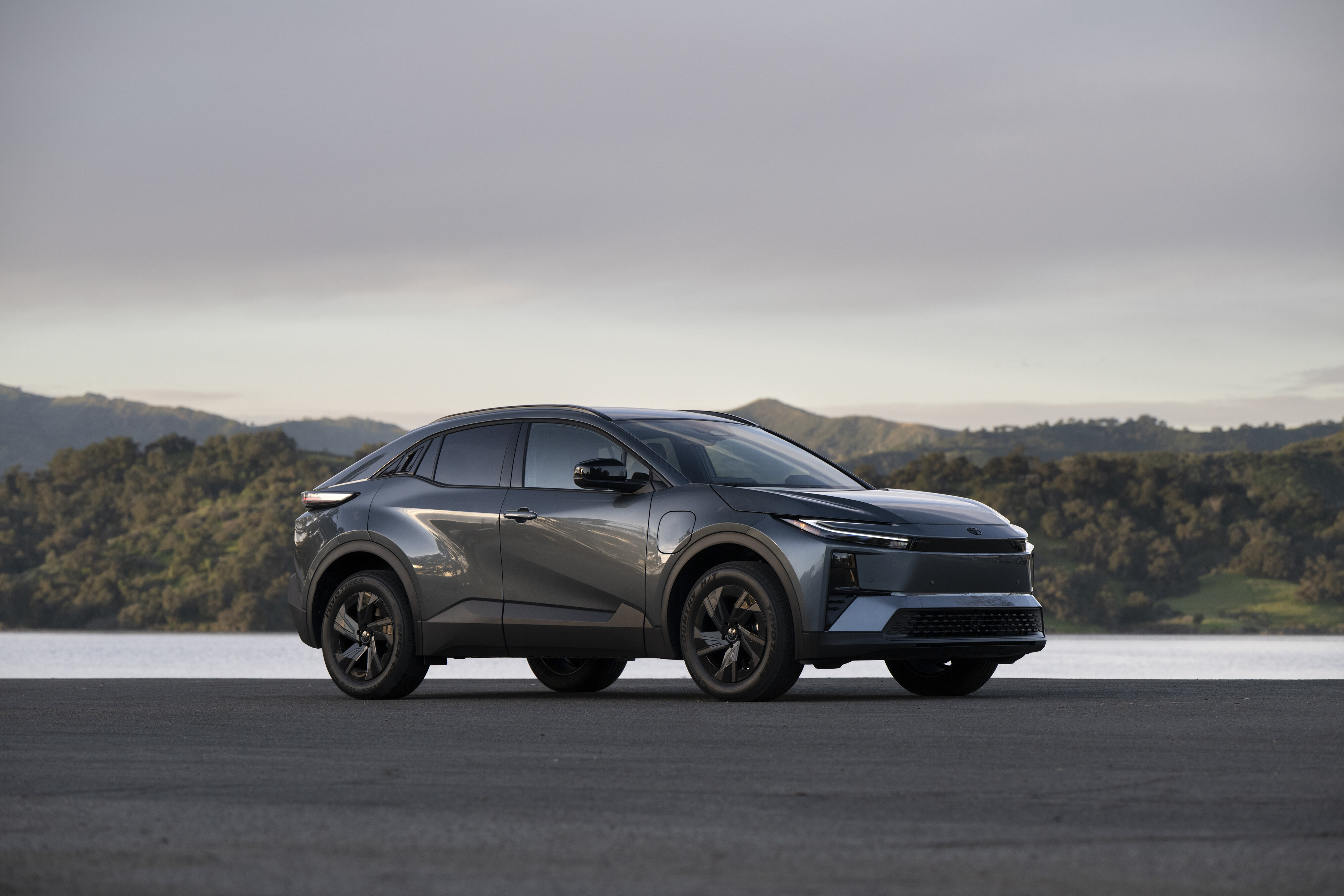
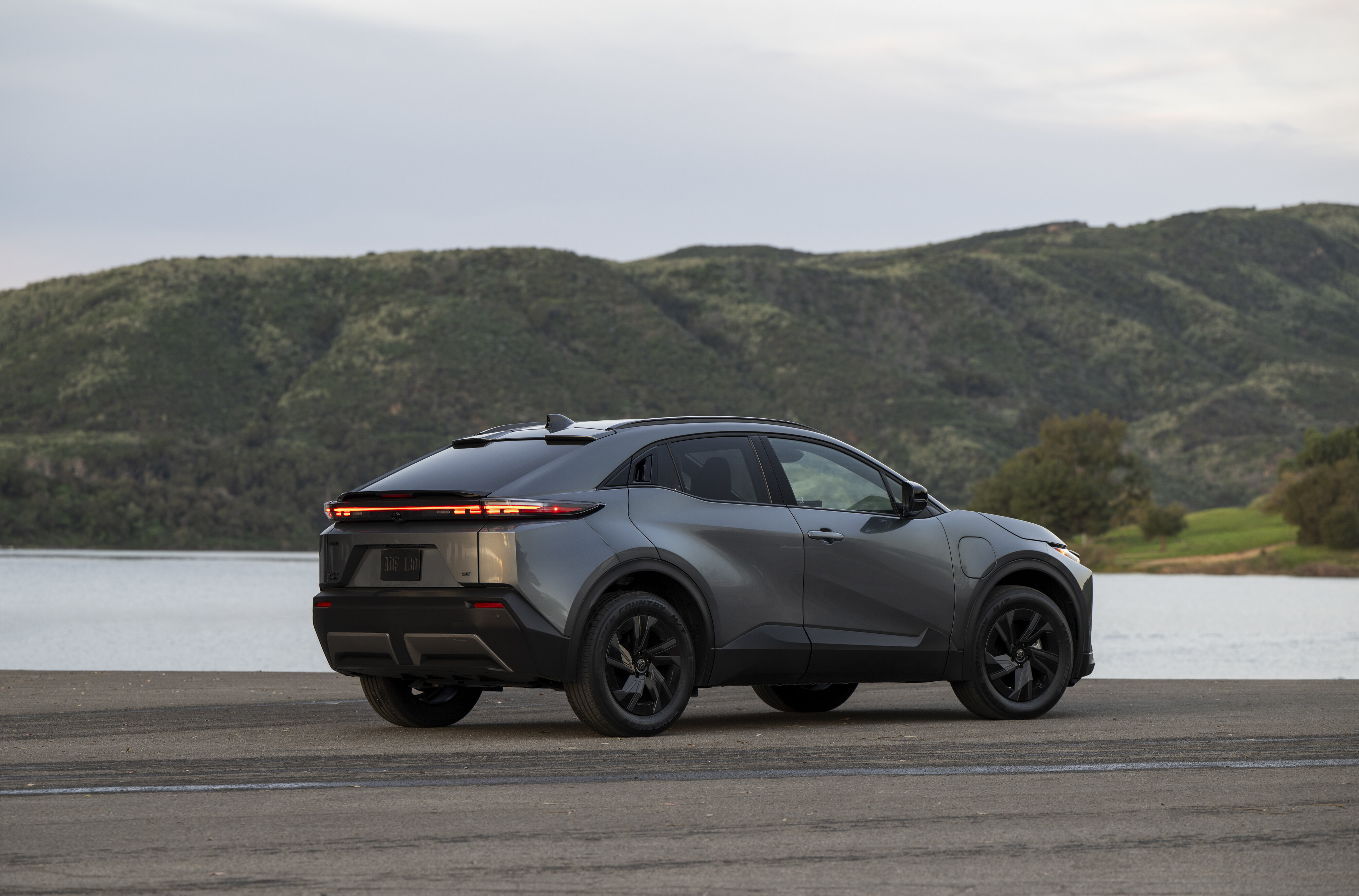
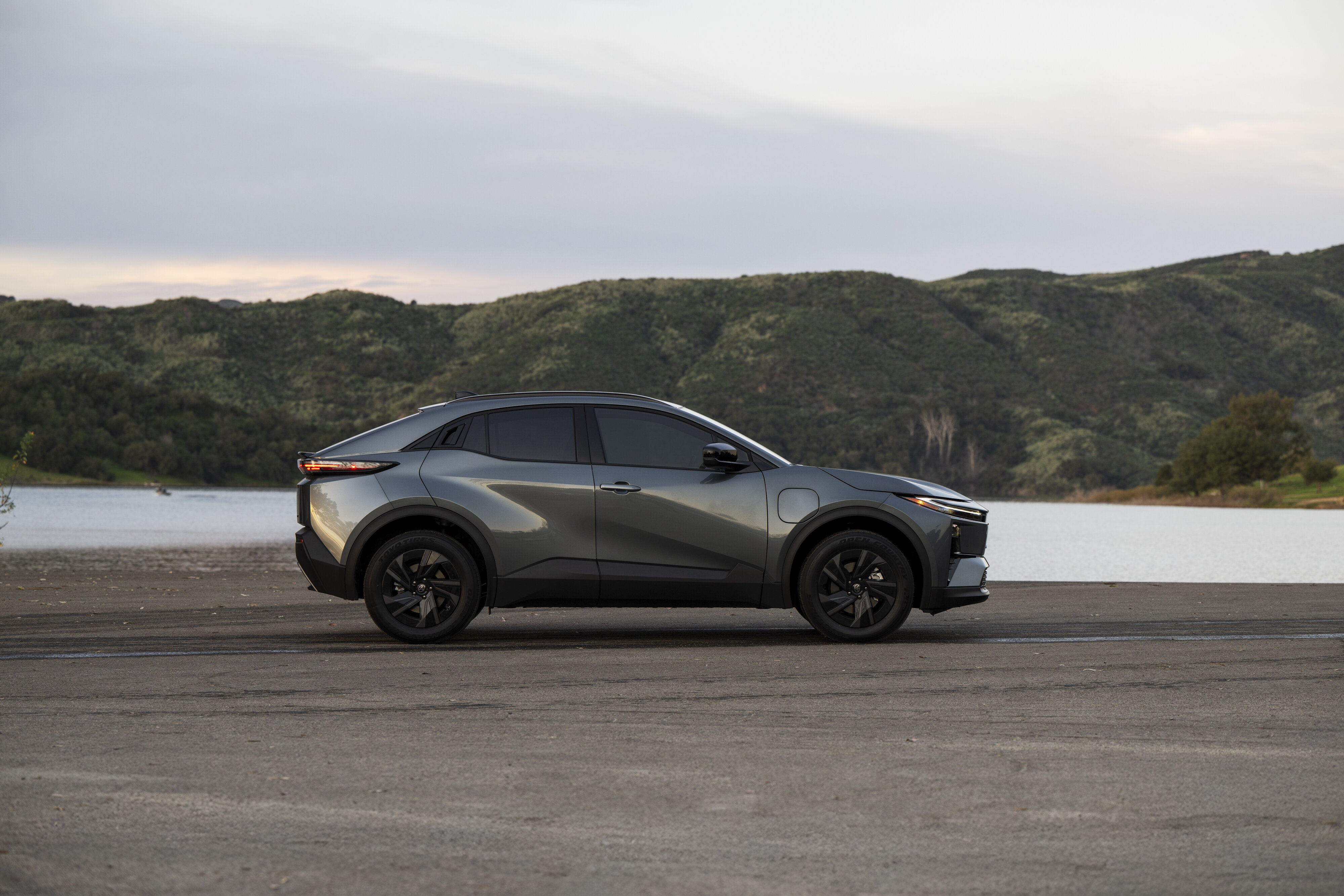
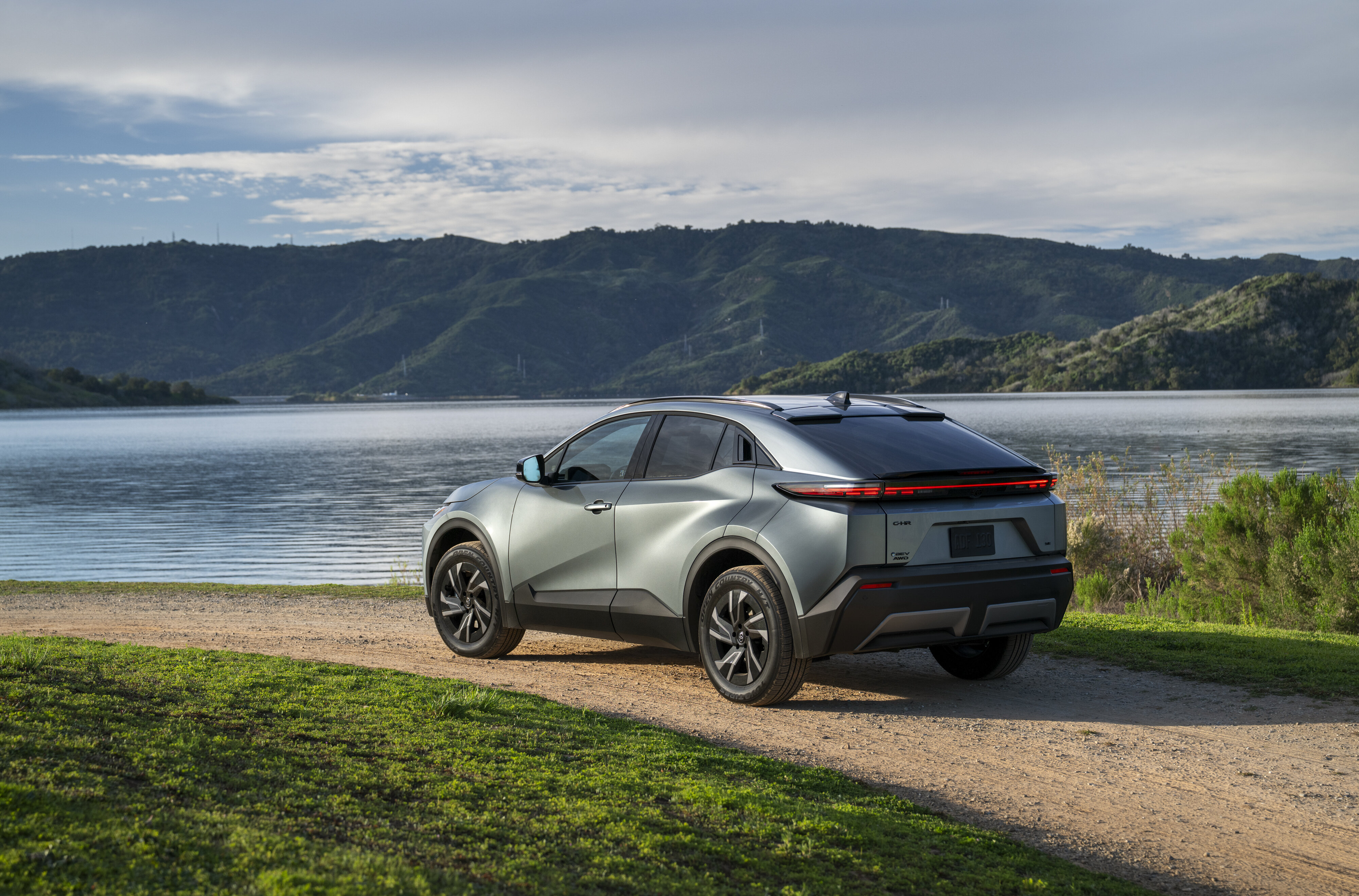
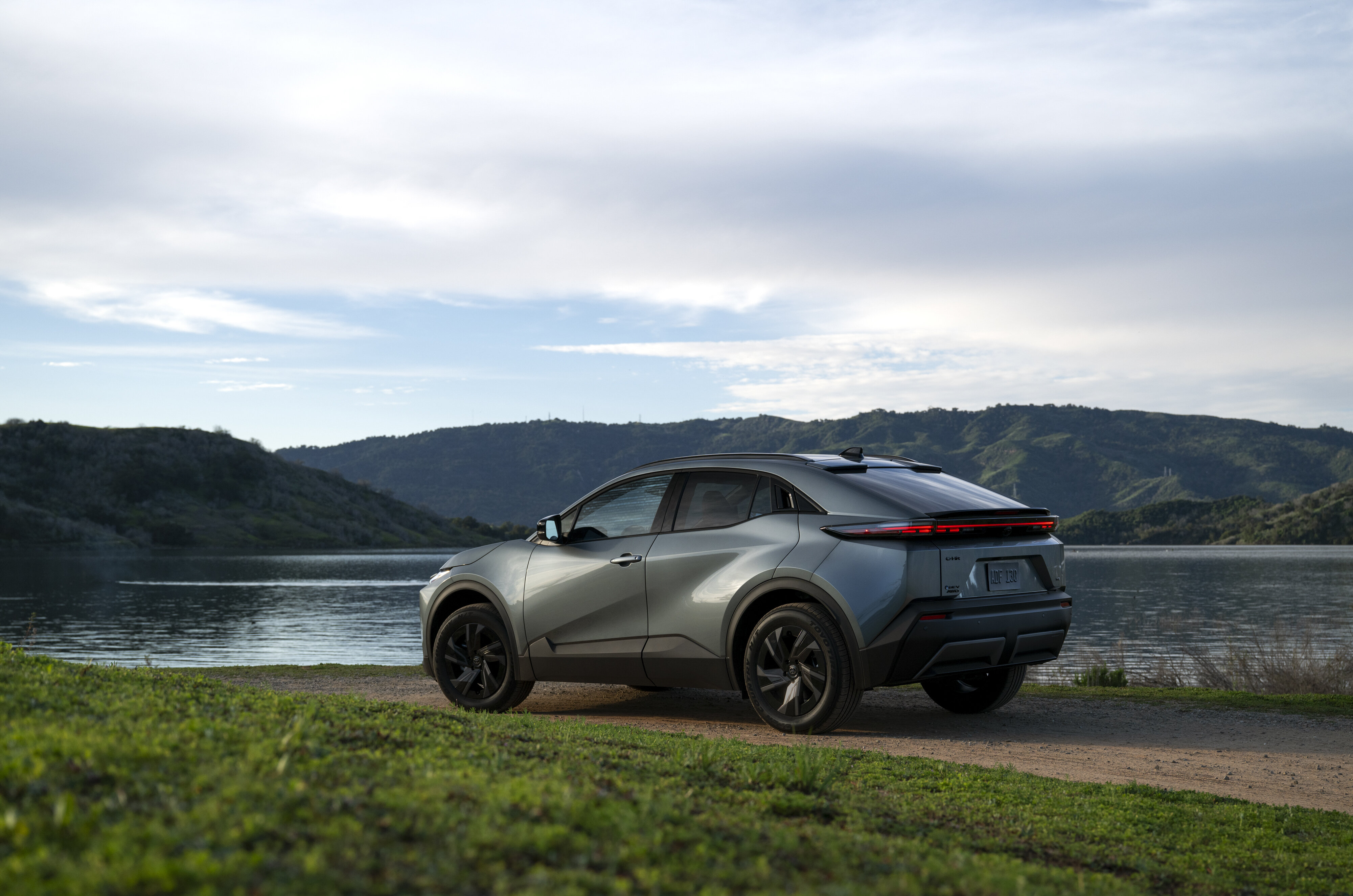
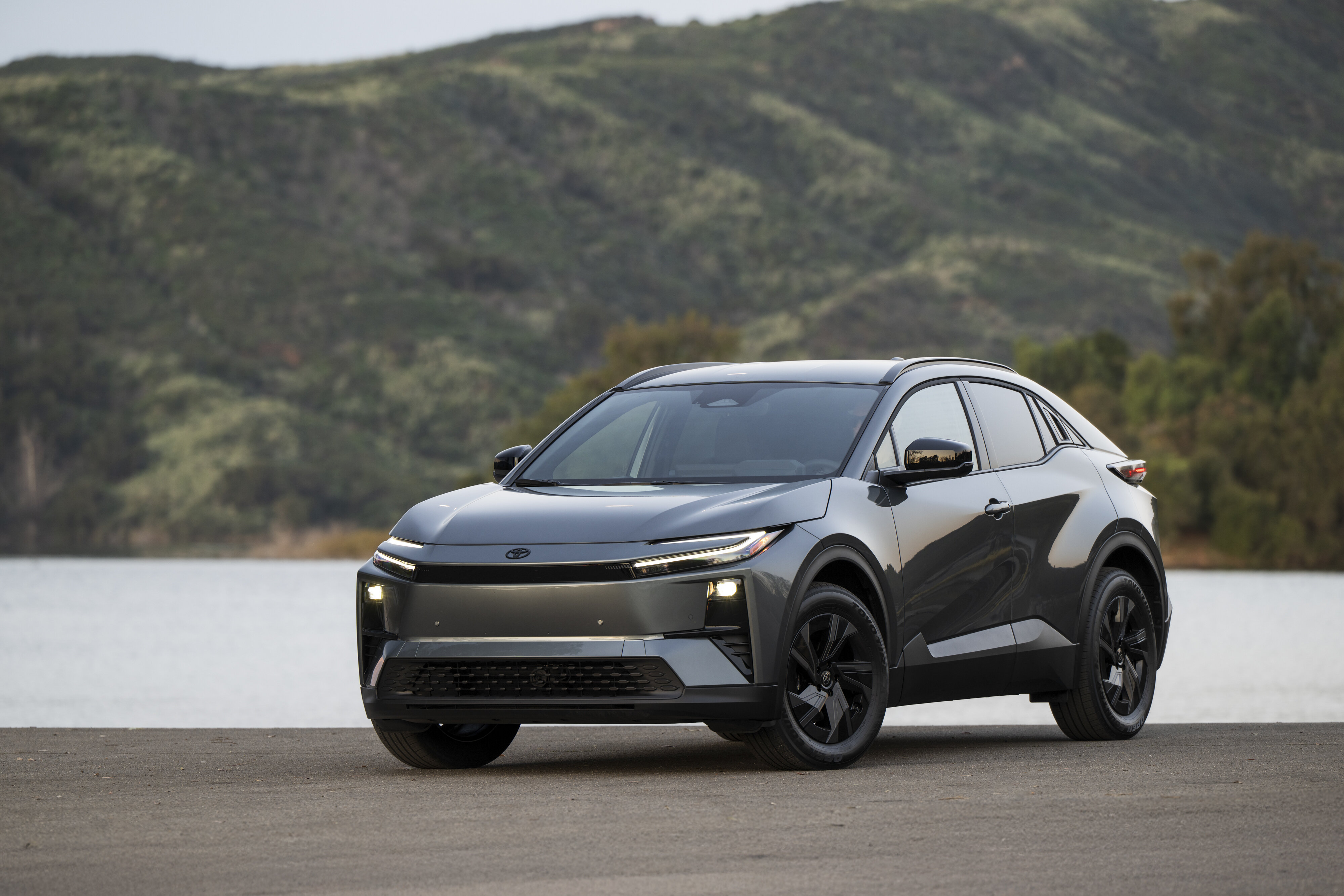
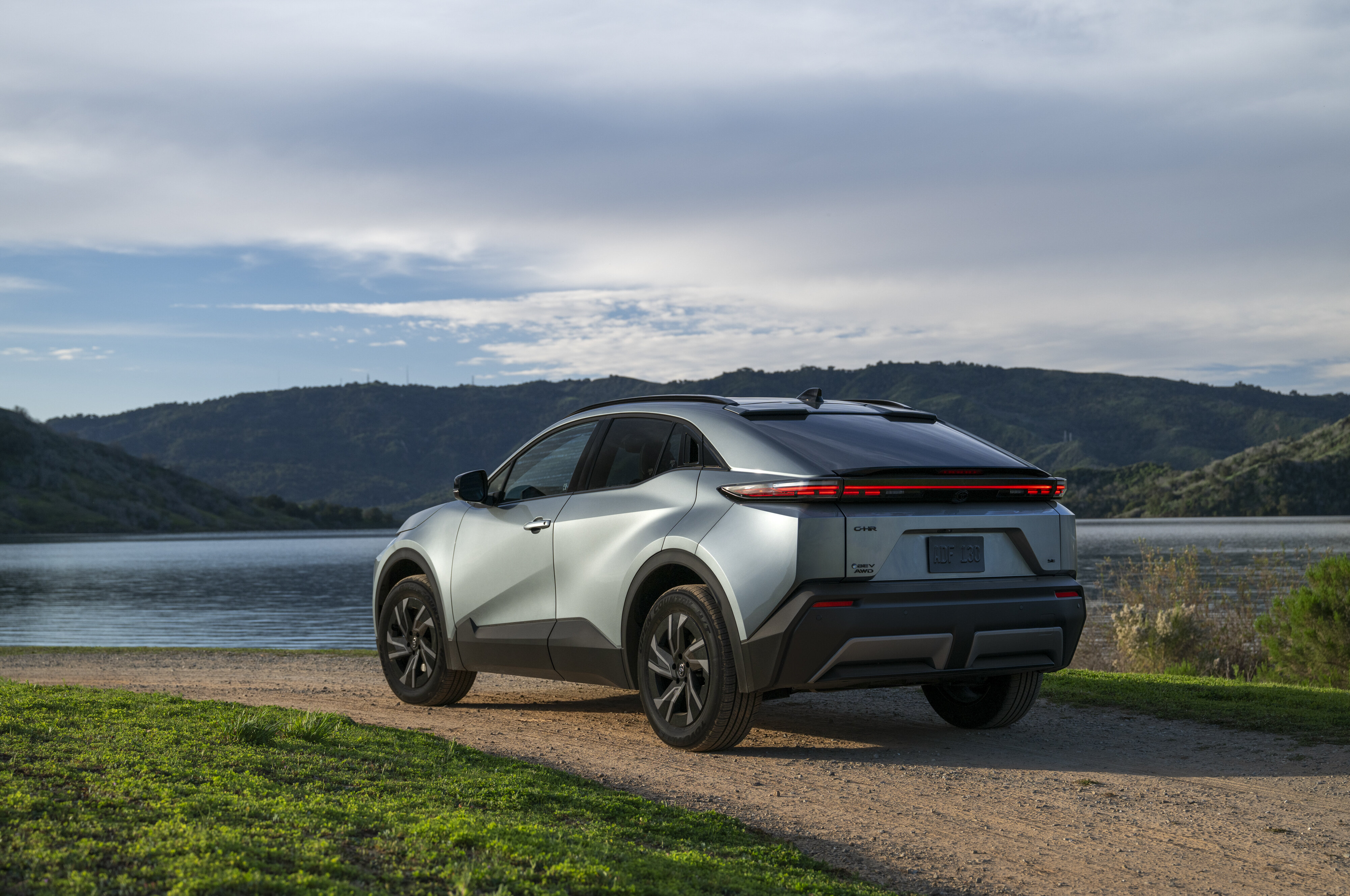
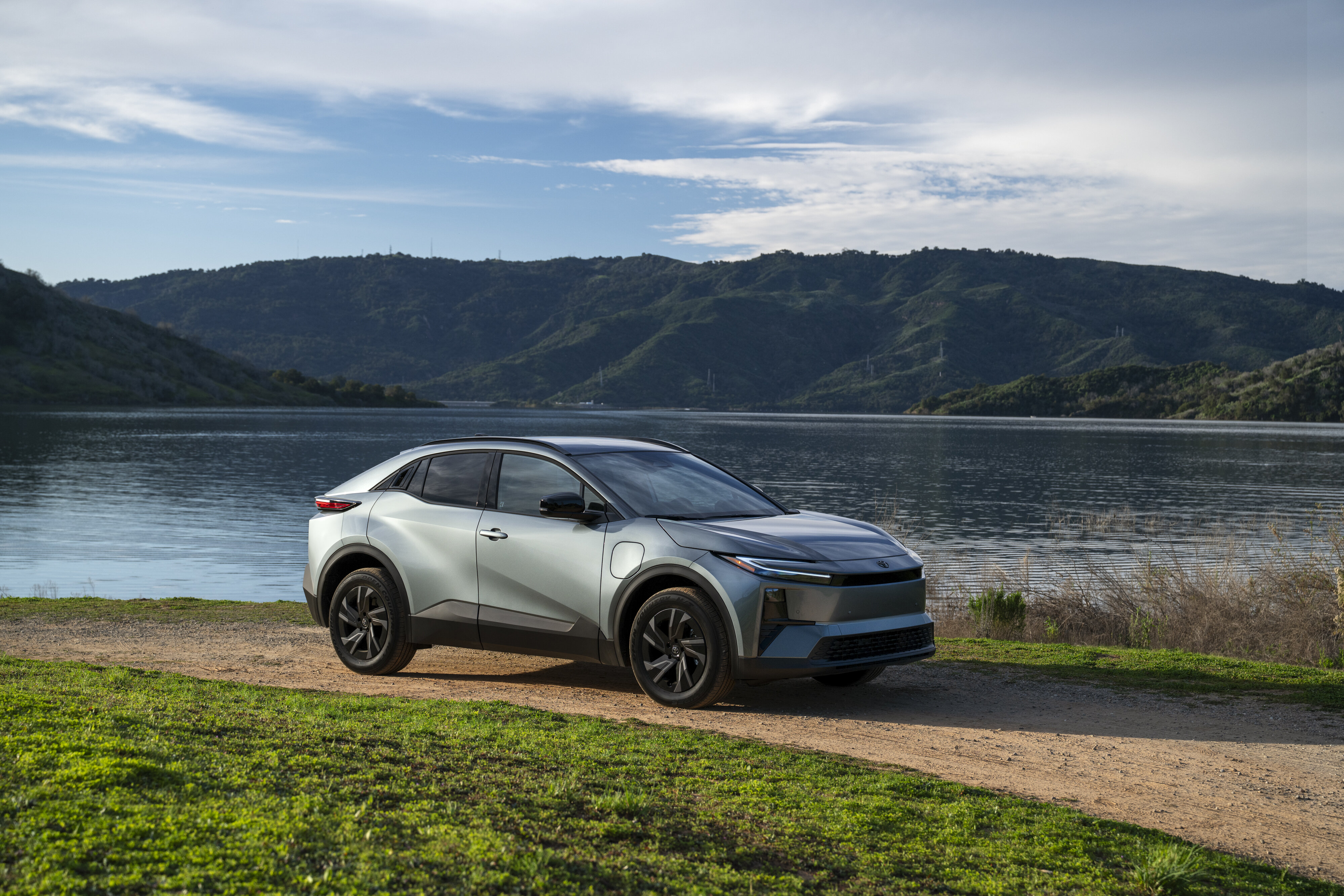
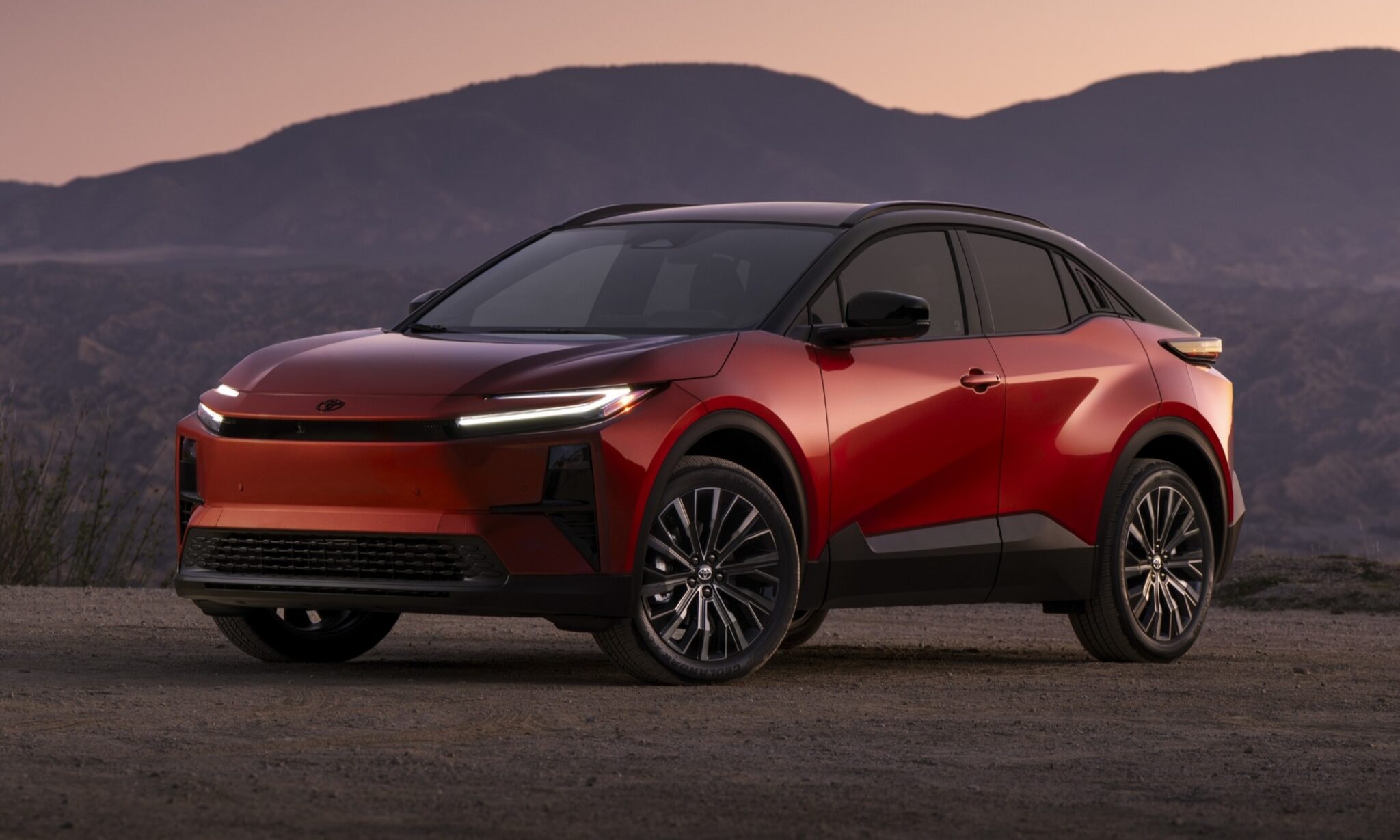
Pull up alongside a C-HR and the proportions do the talking. Toyota’s signature hammerhead front end flows into a compact, swept-back roofline before terminating in an angular, purposeful tail. The wide stance — 73.6 inches across — gives it a planted, athletic presence that the bZ models, for all their practicality, simply don’t project.
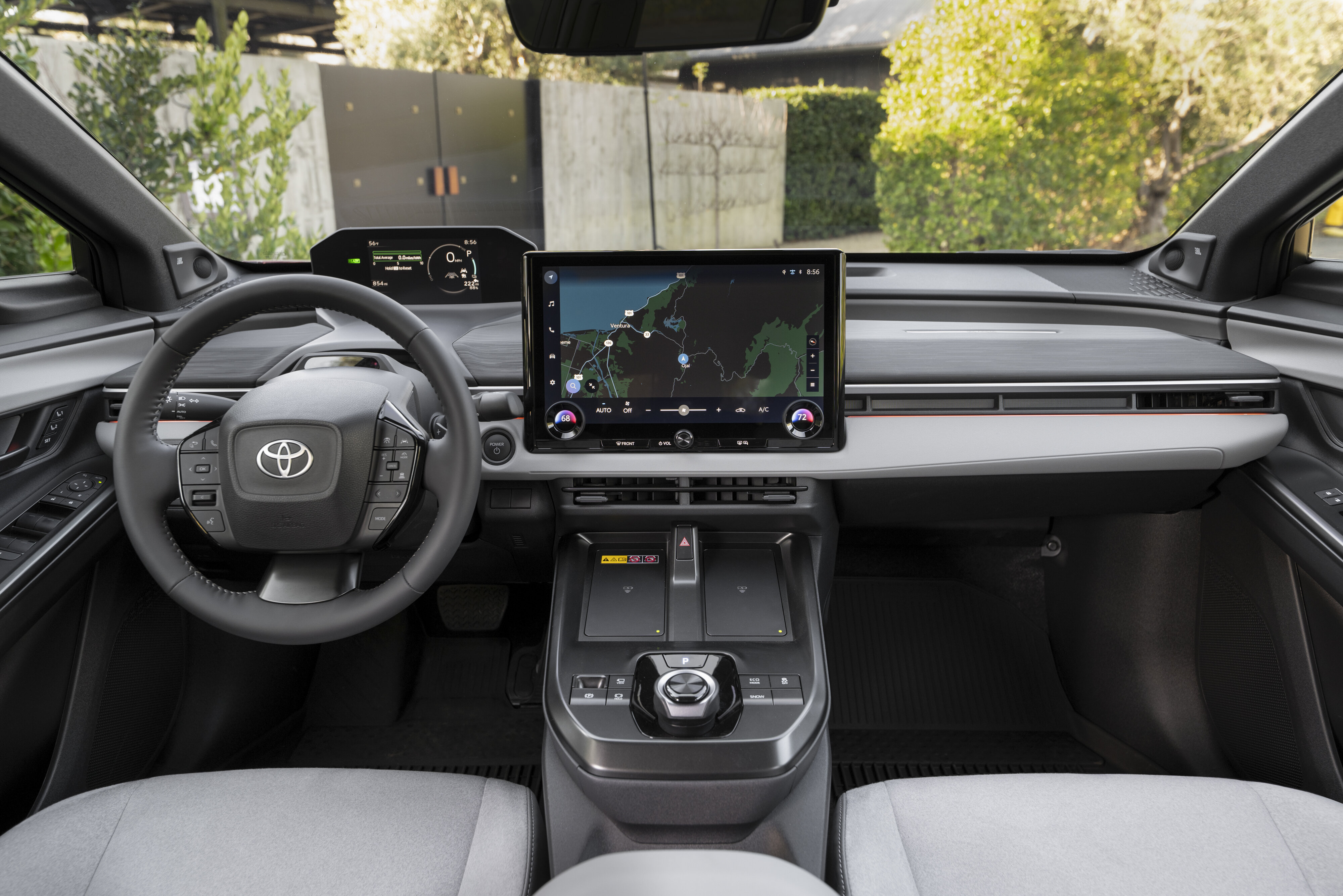
At 177.9 inches long on a 108.3-inch wheelbase, it occupies familiar compact crossover territory, but the low roofline and broad shoulders make it feel more special than the numbers suggest. Inside, the philosophy shifts to clean minimalism: a slim digital instrument cluster, a 14-inch touchscreen running Toyota’s in-house Audio Multimedia system, and dual wireless charging pads recessed neatly into the center console. Customizable ambient lighting and an available panoramic roof round out the premium touches.
Practicality hasn’t been sacrificed at the altar of style, either. The 60/40 split-folding rear seats yield up to 59.5 cubic feet of cargo space when folded flat — respectable numbers for a vehicle wearing this much attitude.
4.9 Seconds Doesn’t Lie
Here’s where the C-HR makes its clearest statement. With front and rear electric motors delivering a combined 338 horsepower and standard electronic all-wheel drive, Toyota claims a 0-60 mph time of 4.9 seconds. That puts it in genuine sports sedan territory — a sentence that would have seemed absurd attached to the nameplate just a few years ago.
The performance story isn’t just about the powertrain, either. The underfloor-mounted 74.7-kWh battery pack keeps the center of gravity impressively low, and Toyota’s engineers didn’t simply bolt the suspension components from the parts shelf. Springs, dampers, and anti-roll bar stiffness were individually tuned for the C-HR, lending it a sense of precision that the platform alone doesn’t guarantee. Steering wheel-mounted paddle shifters control four levels of regenerative braking, giving drivers a tactile way to interact with energy recovery — a small touch that goes a long way toward keeping engagement high.
Charging Done Right
The EPA-estimated range figures land at 287 miles for the SE with 18-inch wheels and 273 miles for the XSE on 20s — both competitive in the compact electric crossover segment. Every C-HR ships with a NACS charge port, unlocking access to the vast Tesla Supercharger network alongside thousands of other DC fast-charging stations. Under ideal conditions, a 10-to-80 percent charge takes roughly 30 minutes.
Two features elevate the charging experience beyond the basics. Battery Preconditioning — which can trigger automatically when a fast-charging station is set as a navigation destination — brings the pack to optimal temperature before arrival, enabling faster and more consistent charging sessions. Plug & Charge, meanwhile, handles authentication and payment automatically at supported networks, eliminating the multi-app juggling act that still plagues too many EV owners.
SE or XSE: A Clear Hierarchy
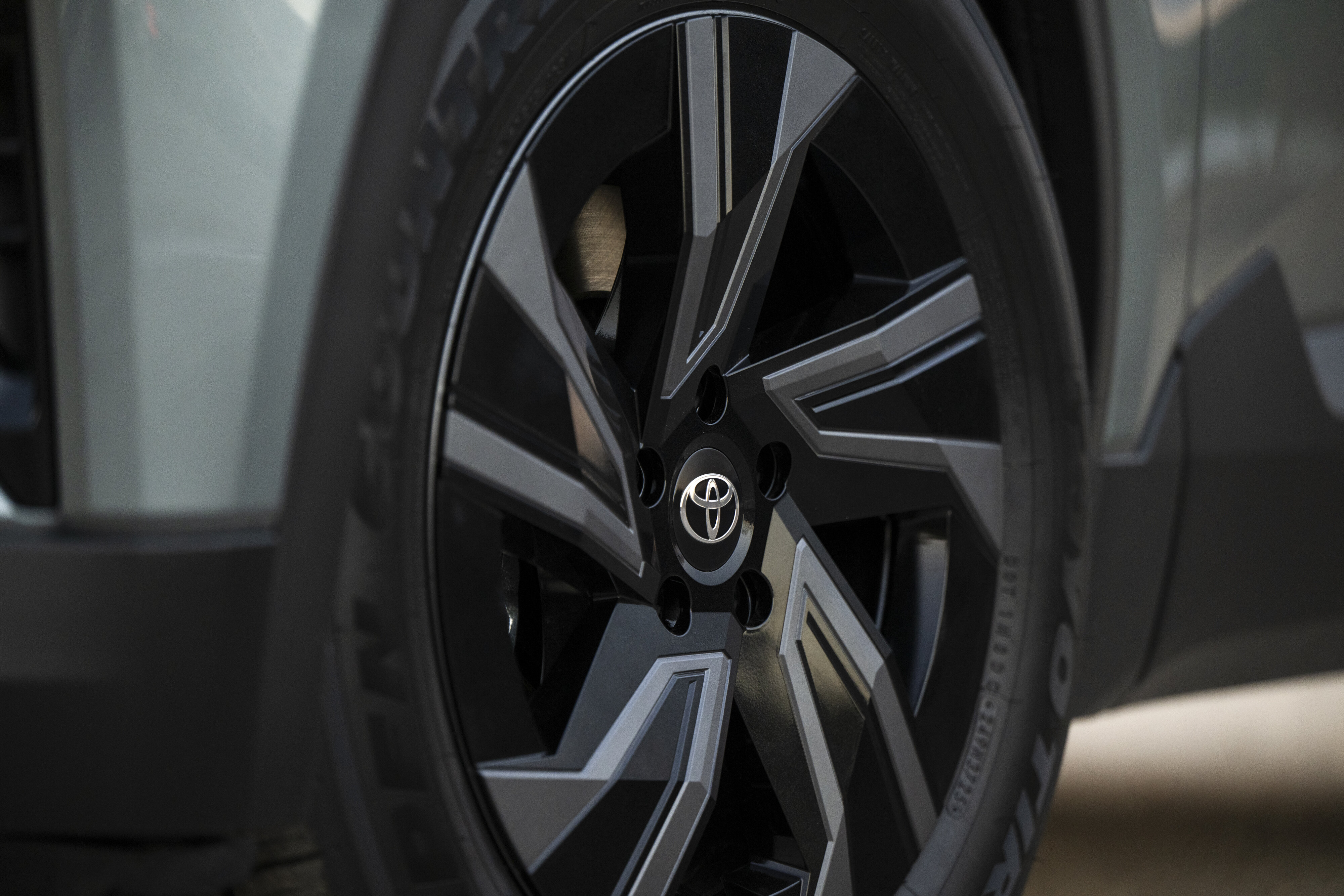
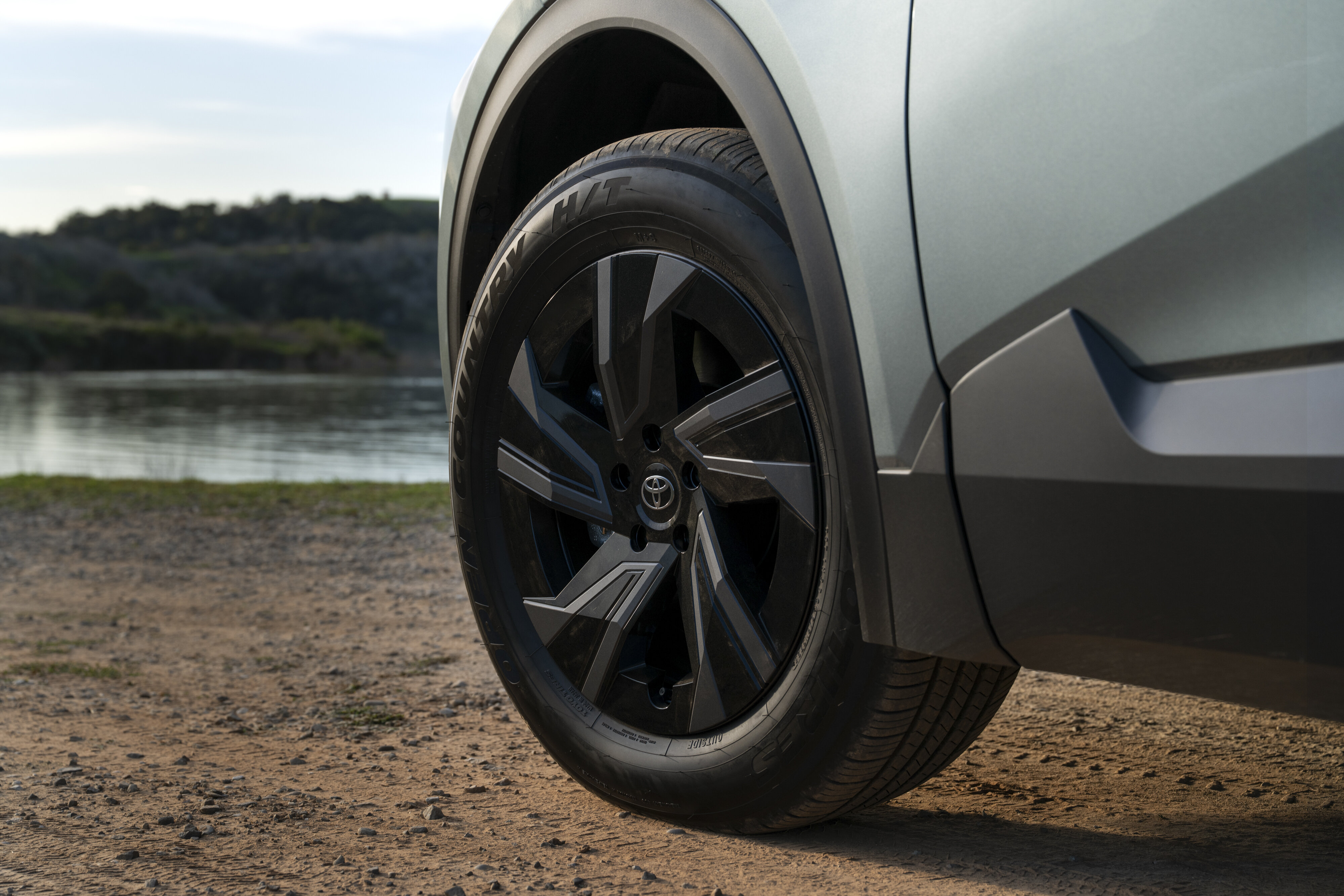
Toyota keeps the grade structure simple. The SE delivers the fundamentals with confidence: 14-inch touchscreen, fully digital gauge cluster, Toyota Safety Sense 3.0, dual wireless chargers, heated front seats and steering wheel, and an 11-kW onboard AC charger with a dual-voltage charging cable included. Fabric and SofTex seating and 18-inch wheels with black inserts complete the picture.
Step up to the XSE and the experience sharpens considerably. Twenty-inch gunmetal wheels replace the 18s, SofTex and synthetic suede trim elevates the cabin, and the standard equipment list grows to include an 8-way power passenger seat, driver memory settings, Traffic Jam Assist, Lane Change Assist, and a Panoramic View Monitor. An available JBL Premium Audio system — nine speakers, 800-watt eight-channel amplifier, nine-inch subwoofer — is the sort of upgrade that justifies the price difference on its own. Two-tone paint combinations, including Tandoori or Cement paired with a Midnight Black Metallic roof, are exclusive to the XSE as well.
The 2026 Toyota C-HR BEV arrives next month, and it arrives with something to prove. In a segment crowded with competent but forgettable electric crossovers, Toyota has built a machine that leads with personality rather than specification sheets. The platform is solid, the power is real, and the styling is genuinely distinctive. Whether the driving dynamics back up the visual promise is the question that only seat time will answer — but on paper, at least, Toyota has given us every reason to believe it will.