Next-Generation Hyundai Bayon BC4 Emerges with Hybrid Power and N Line Ambitions.
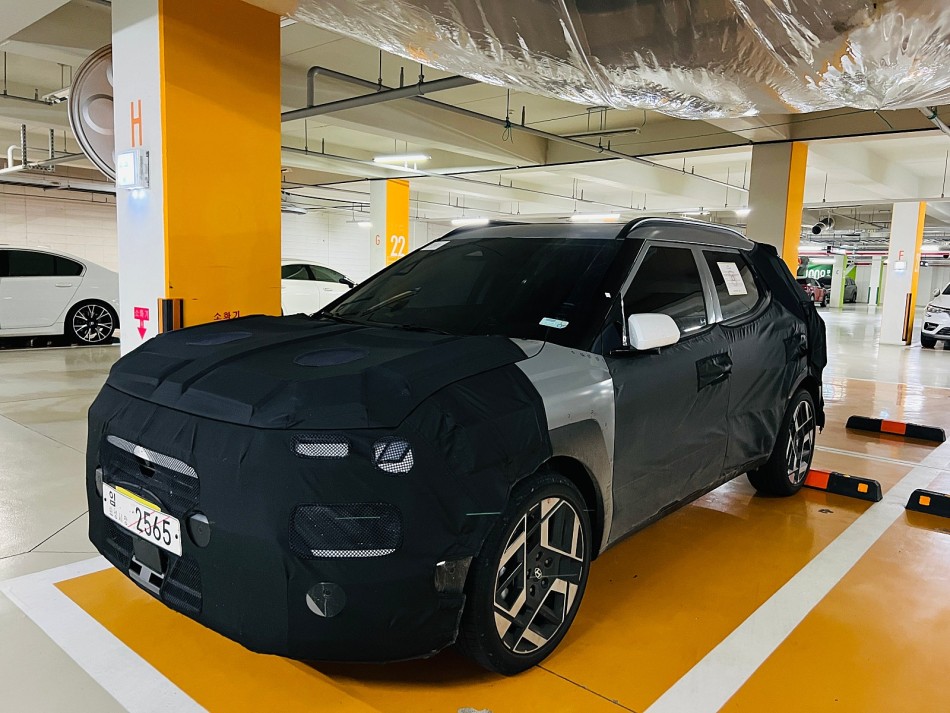
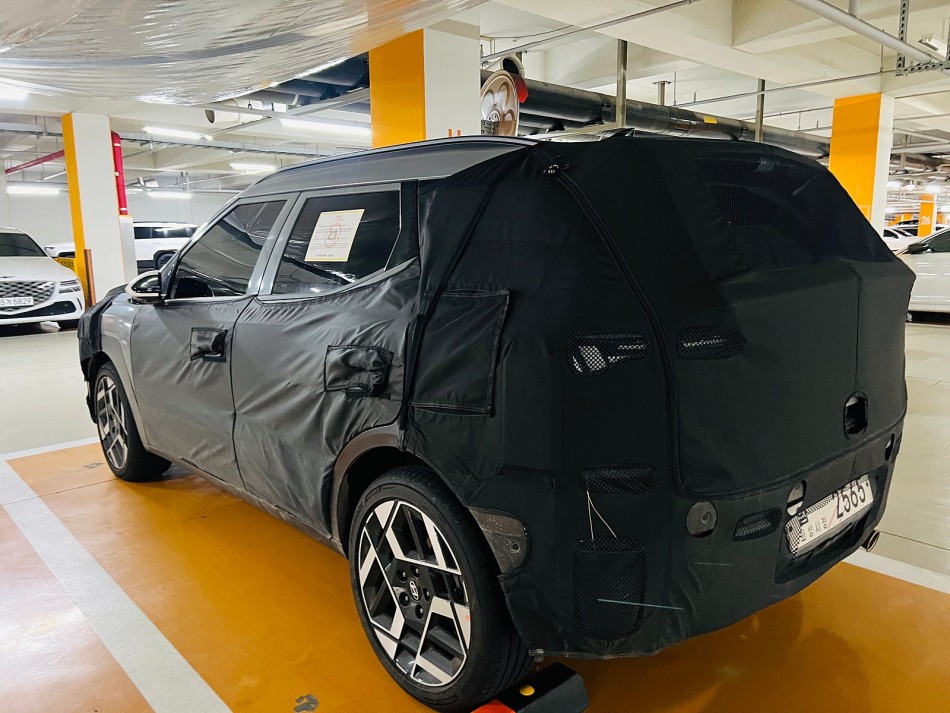
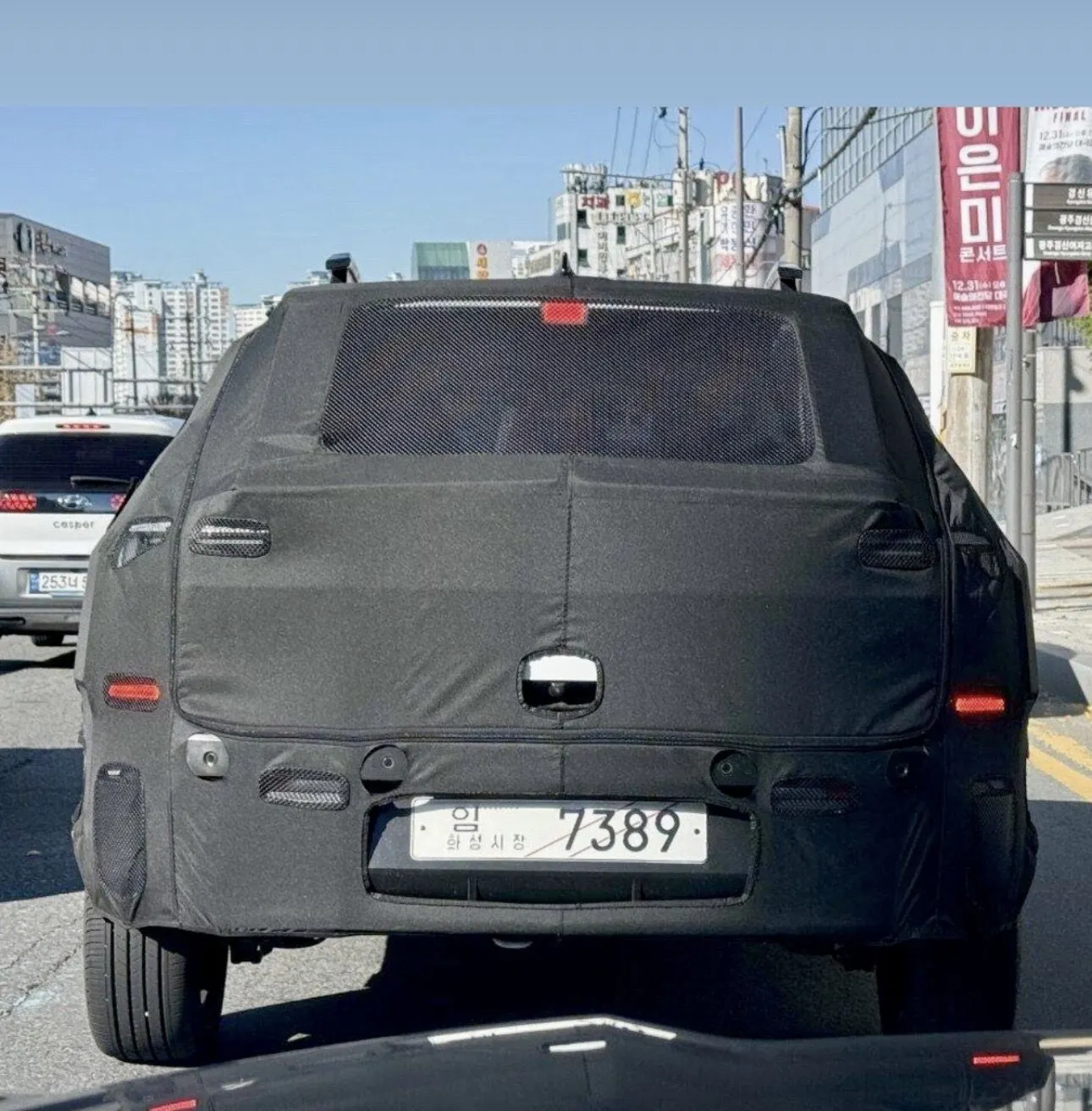
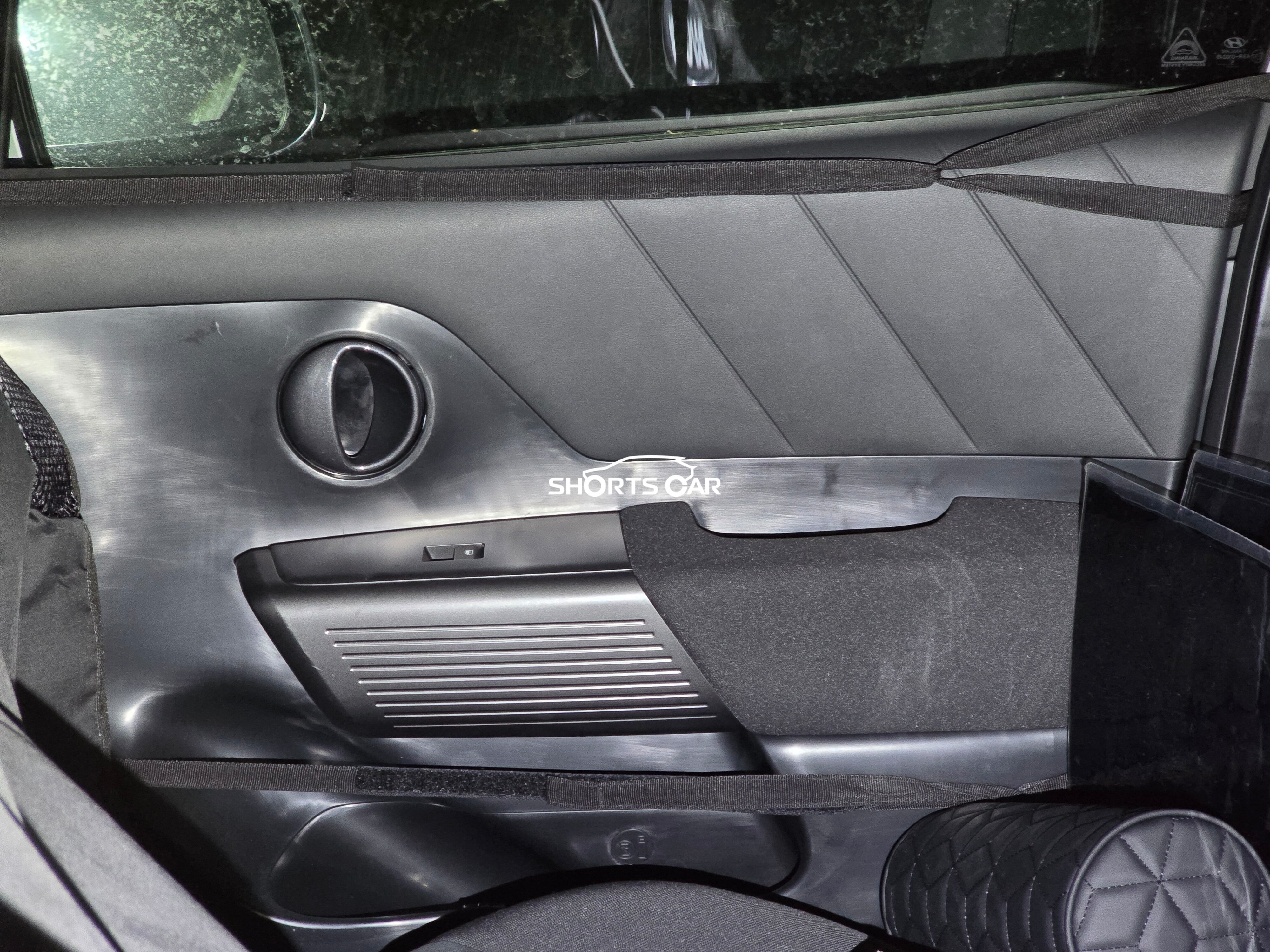
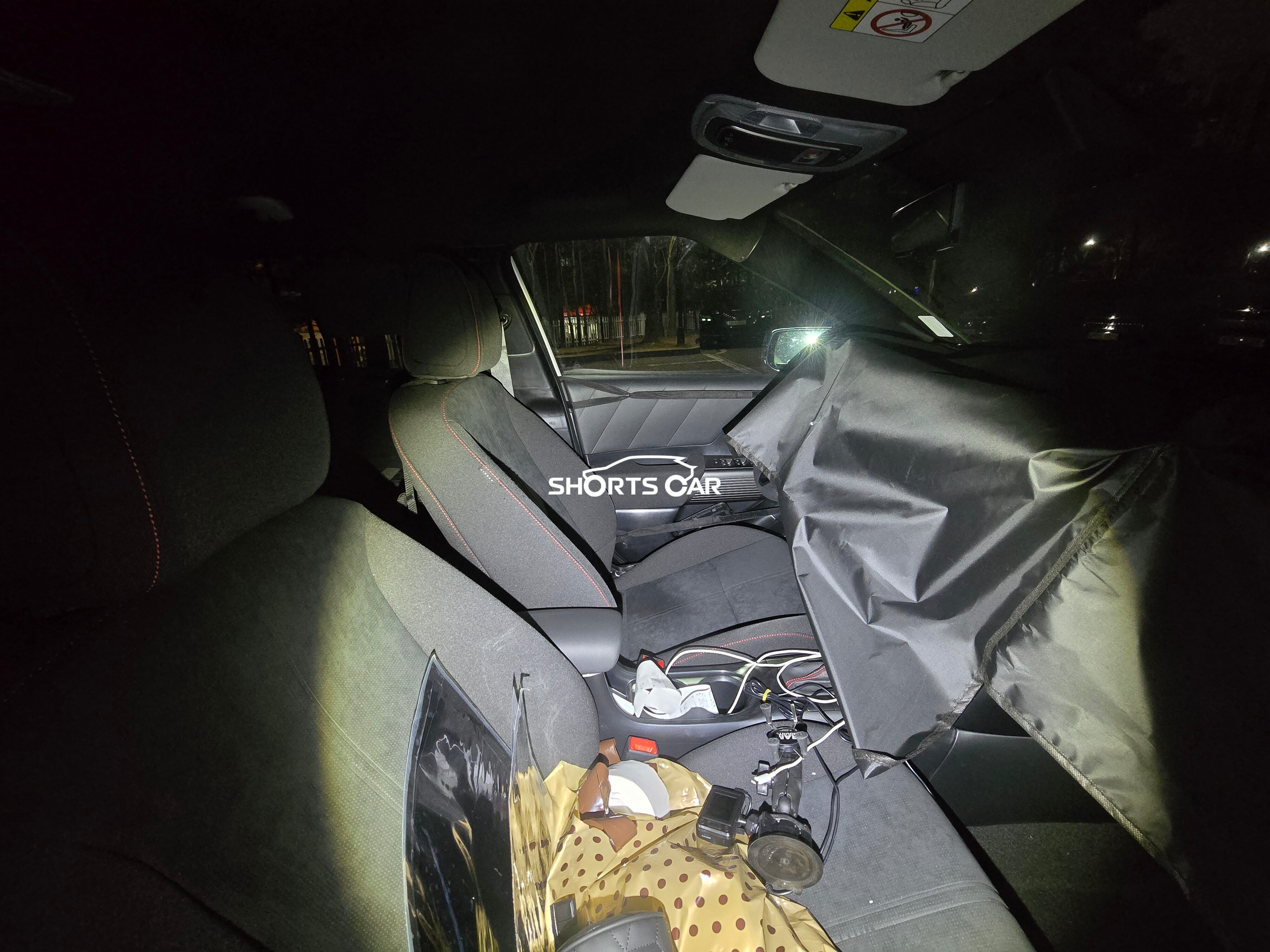
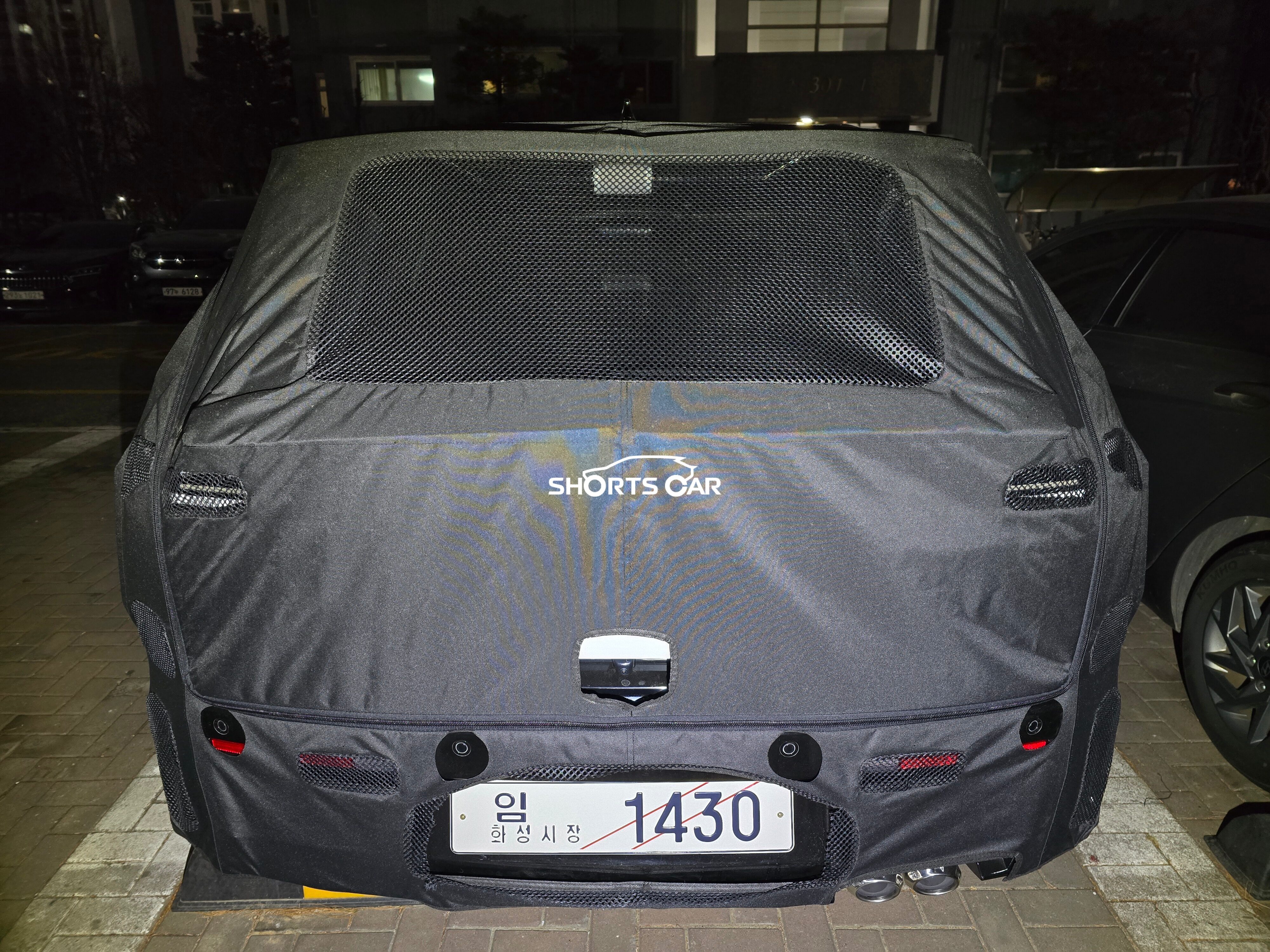
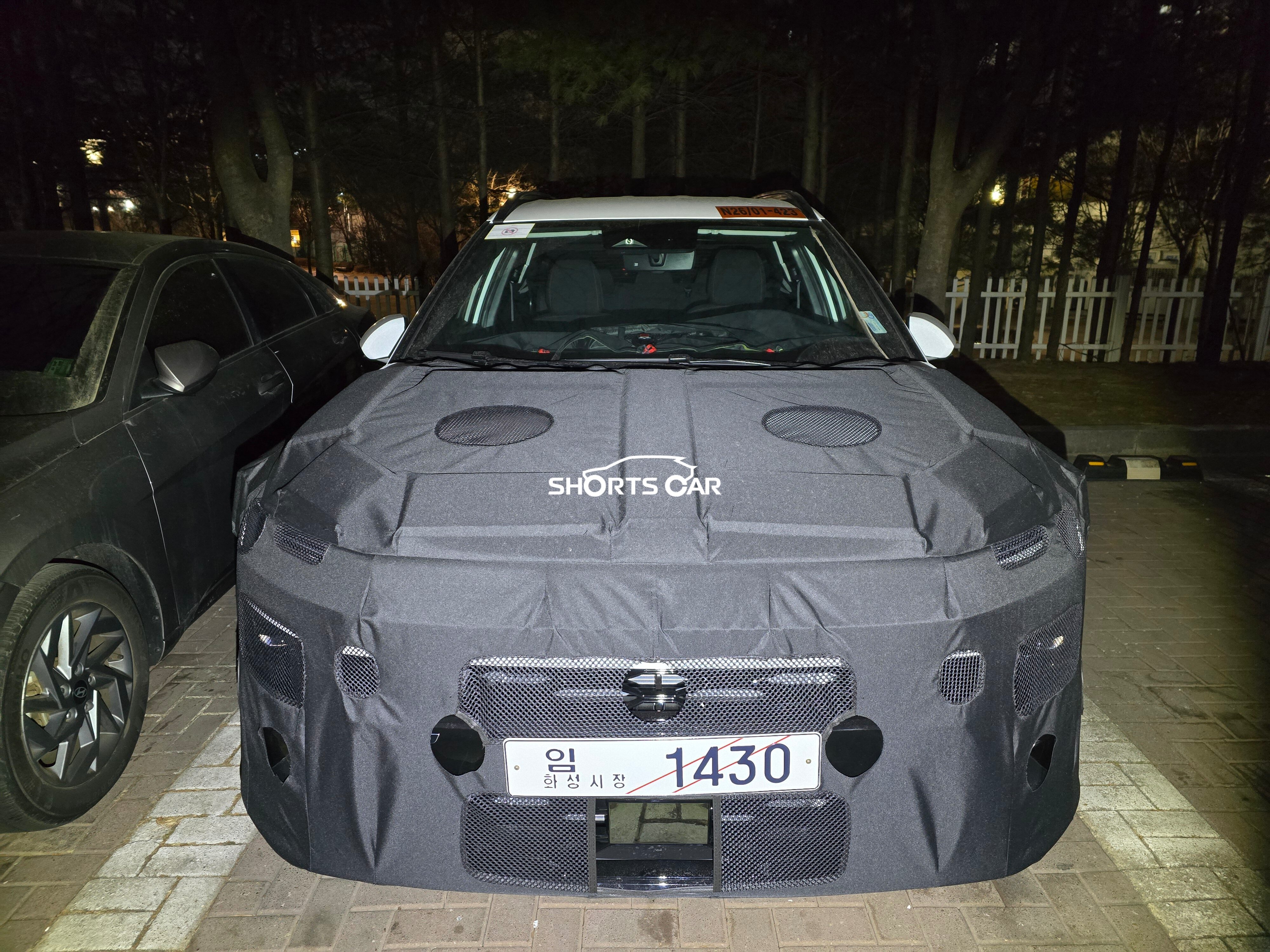
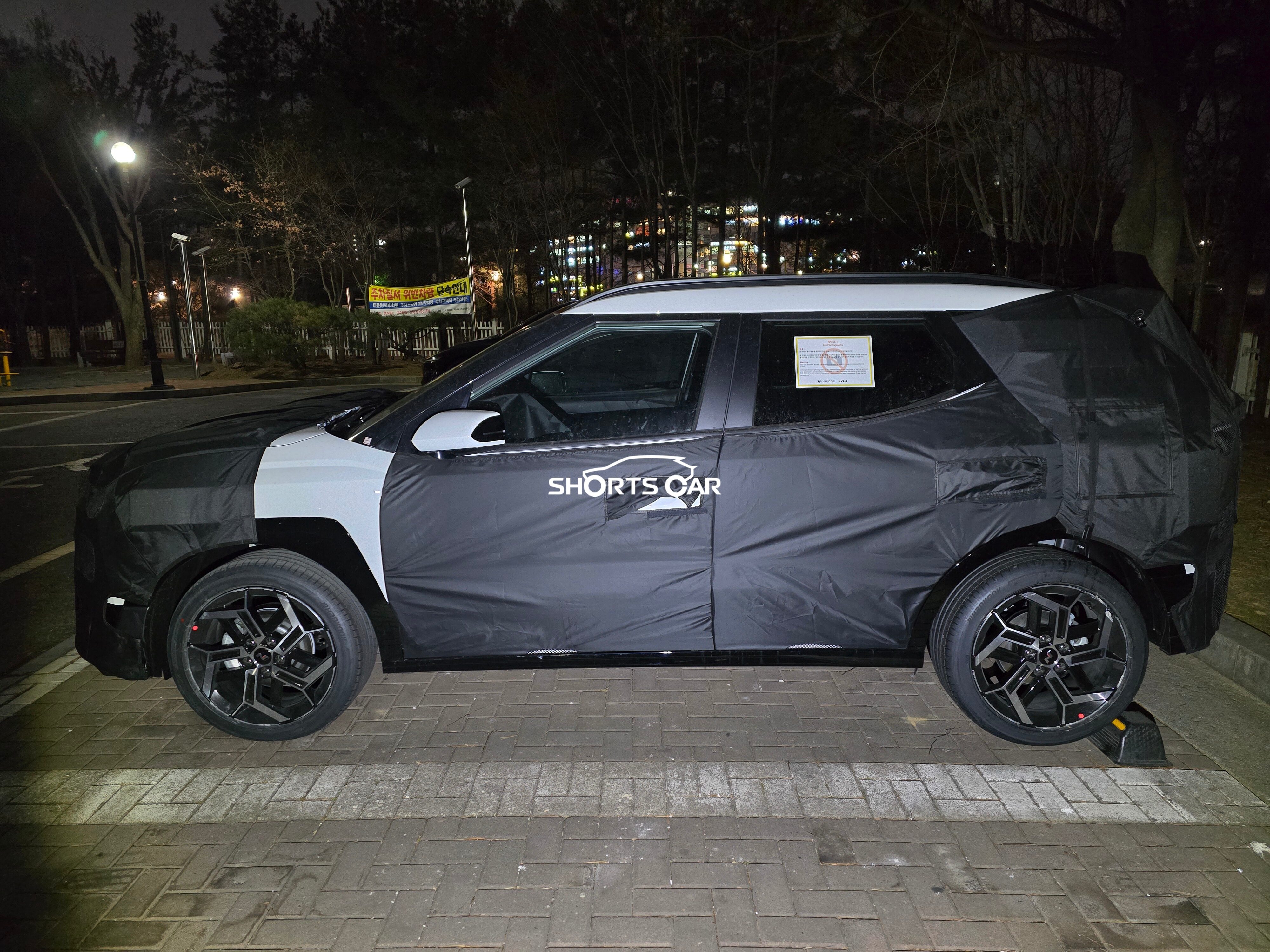
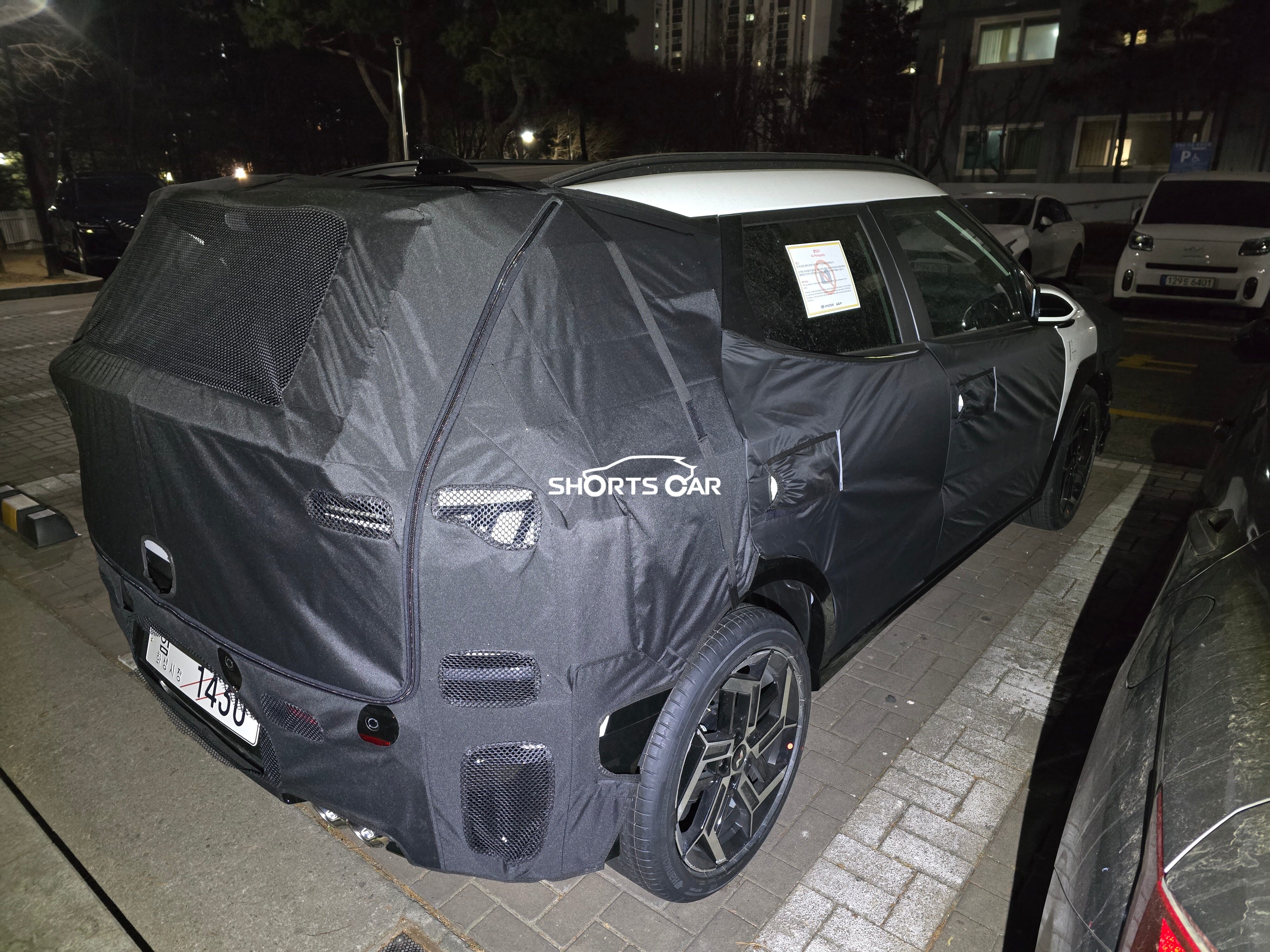
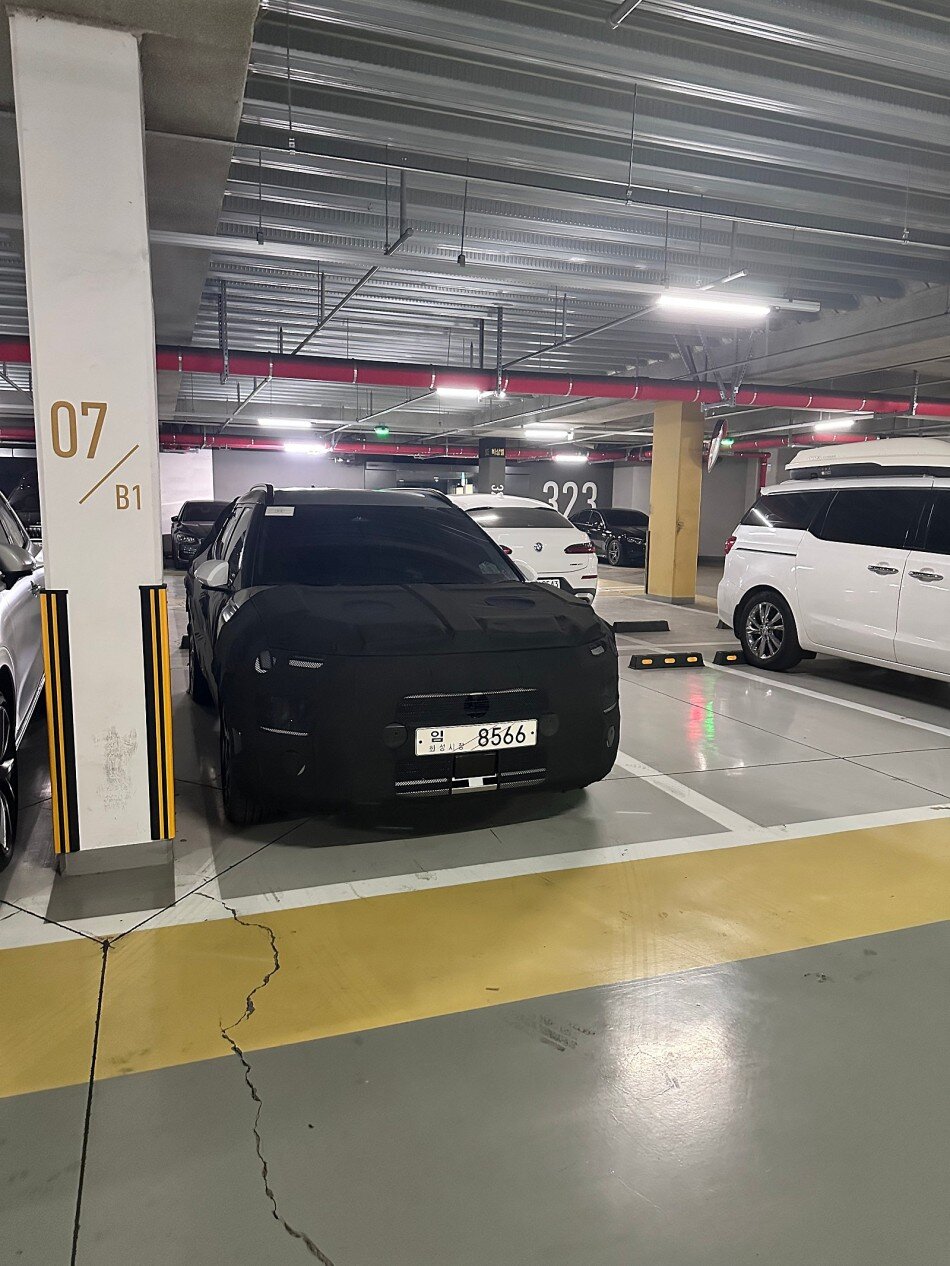
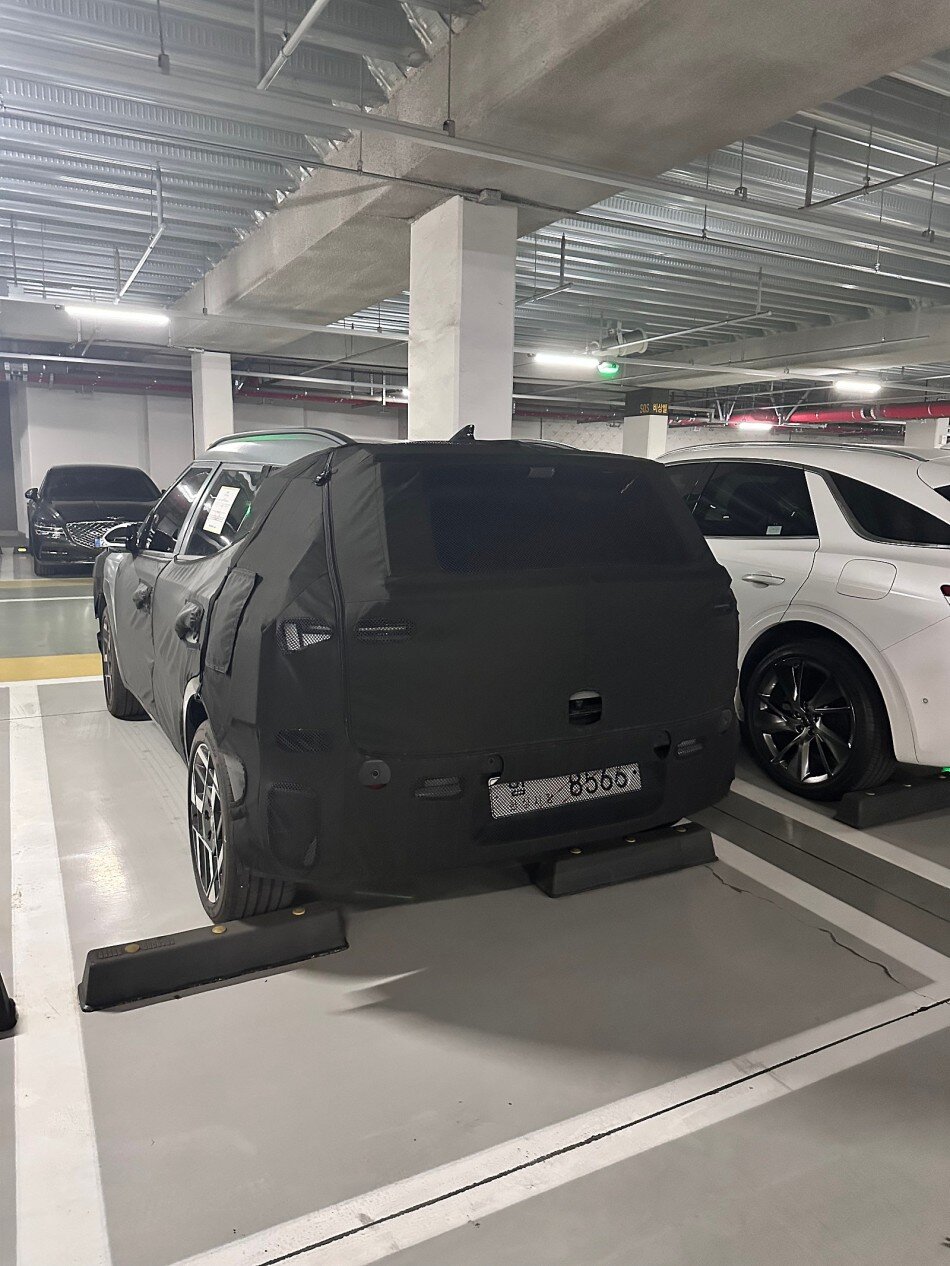
Hyundai is moving quickly to strengthen its global SUV portfolio, and the next-generation Bayon appears poised to play a much bigger role than before. Recently spotted testing in South Korea, the new Bayon—internally known as BC4—reveals two significant firsts for the model: a full hybrid powertrain and a sportier N Line trim.
Early indications suggest the Bayon BC4 will not simply be an evolution of its predecessor, but a repositioned subcompact SUV that edges closer to the territory currently occupied by the Hyundai Kona, both in size and capability.




Hybrid Powertrain Confirmed for the First Time
Spy footage of the Bayon BC4 prototype shows clear signs of hybrid-specific hardware, marking a major departure from the current model’s mild-hybrid and conventional petrol-only lineup. This move aligns with Hyundai’s broader electrification strategy, which calls for a steady expansion of hybrid offerings across global markets through the end of the decade.
For the Bayon, a full hybrid setup would significantly boost its appeal in Europe and other regions where fuel efficiency, emissions regulations, and ownership costs play a decisive role in purchase decisions. It would also allow the model to compete more directly with hybrid-equipped rivals in the B-segment SUV class.
N Line Spotted: A Sportier Bayon on the Way?
Equally notable is the appearance of N Line design elements on the test vehicle. The prototype features more aggressive bumpers, sportier exterior details, and visual cues consistent with Hyundai’s N Line treatment seen on models like the i20 and Tucson.
While mechanical upgrades have not been confirmed, an N Line variant typically brings chassis tuning and suspension revisions in addition to styling changes. If carried over to the Bayon BC4, this would mark the first time the model has targeted buyers looking for a more engaging driving experience within the subcompact SUV segment.
Bigger, Boxier, and More SUV-Like
The BC4-generation Bayon appears to be moving decisively away from its hatchback-based crossover roots. Spy images from South Korea show a more upright profile, boxier proportions, and a stronger SUV stance than the outgoing model.
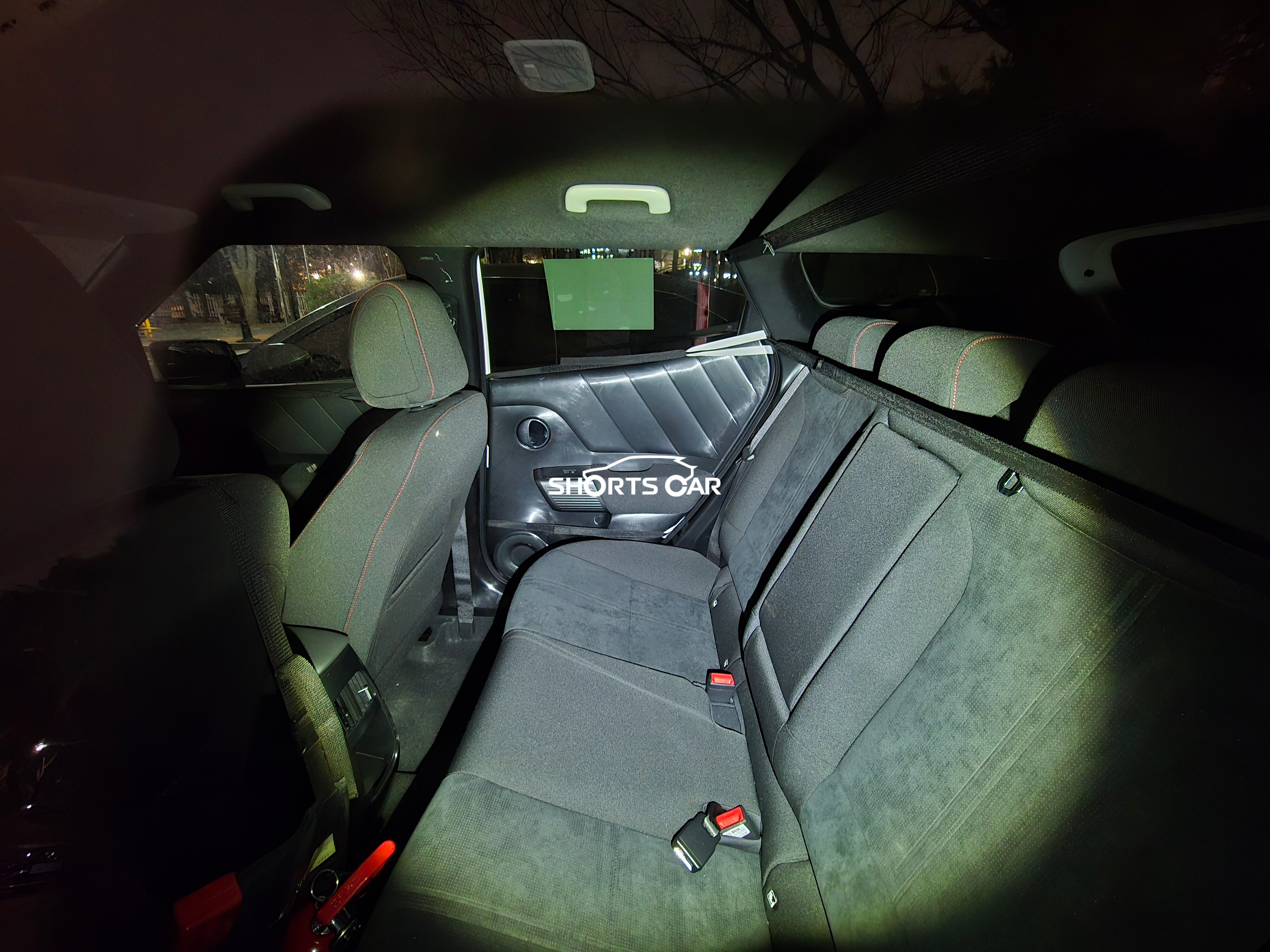
Although Hyundai has not released official dimensions, industry sources suggest the new Bayon rides on a longer wheelbase with a wider track. These changes are expected to translate into improved rear-seat space, greater cargo capacity, and a more substantial road presence—areas where the previous Bayon faced criticism.
This shift could position the Bayon as a more mature alternative in the segment, particularly for buyers who want SUV practicality without stepping up to a larger vehicle.
Interior and Technology Expected to Take a Step Forward
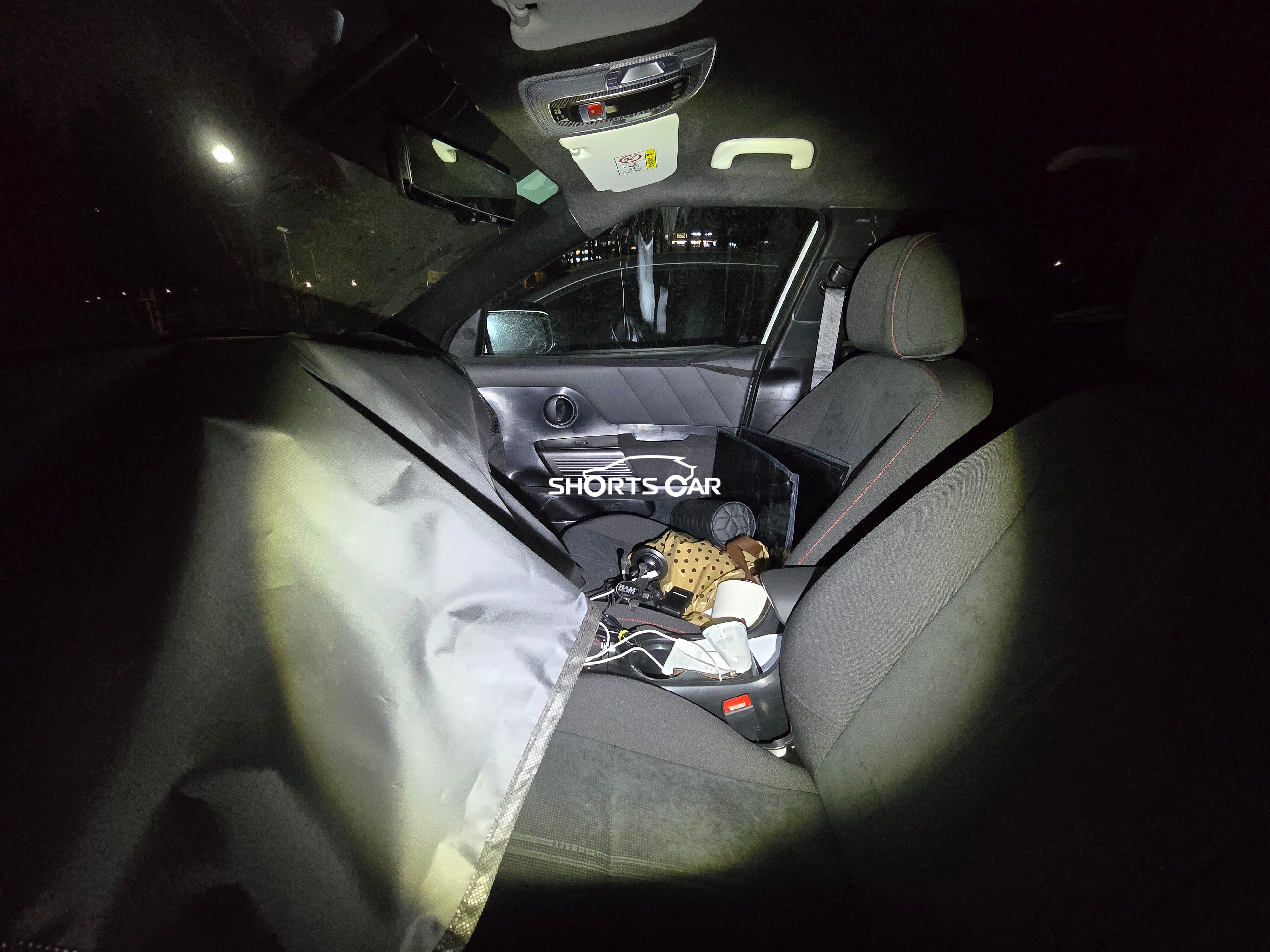
Inside, the next-generation Bayon is widely expected to receive a comprehensive interior overhaul. Early reports point to a fully digital instrument cluster, a larger central infotainment screen, and a more advanced suite of driver-assistance systems.
If these upgrades materialize, the Bayon BC4 would bring its cabin experience closer to Hyundai’s newer models, helping it compete with segment leaders on technology and perceived quality rather than price alone.
A Threat to the Hyundai Kona?
Perhaps the most interesting question surrounding the Bayon BC4 is how it will affect the Hyundai Kona’s position within the lineup. Traditionally, the Kona sits clearly above the Bayon, offering more powerful engines, broader trim choices, and full electric variants in certain markets.
However, a larger Bayon equipped with a hybrid powertrain, modern tech, and an N Line option could appeal to buyers who previously would have defaulted to the Kona—especially those focused on efficiency, affordability, and daily usability rather than outright performance or EV capability.
In price-sensitive markets, the Bayon BC4 could narrow the gap between the two models, potentially compressing the Kona’s sweet spot in the lineup.
Launch Timing and Market Outlook
Hyundai has yet to officially confirm specifications or a launch schedule, but industry observers expect the next-generation Bayon to debut globally in 2026. Initial market rollouts are likely to prioritize Europe and South Korea, followed by other regions depending on demand and regulatory requirements.
With its expanded size, hybrid powertrain, and sportier positioning, the Bayon BC4 could become a key player in Hyundai’s strategy to capture a larger share of the highly competitive subcompact SUV segment worldwide.
Source: shortscar
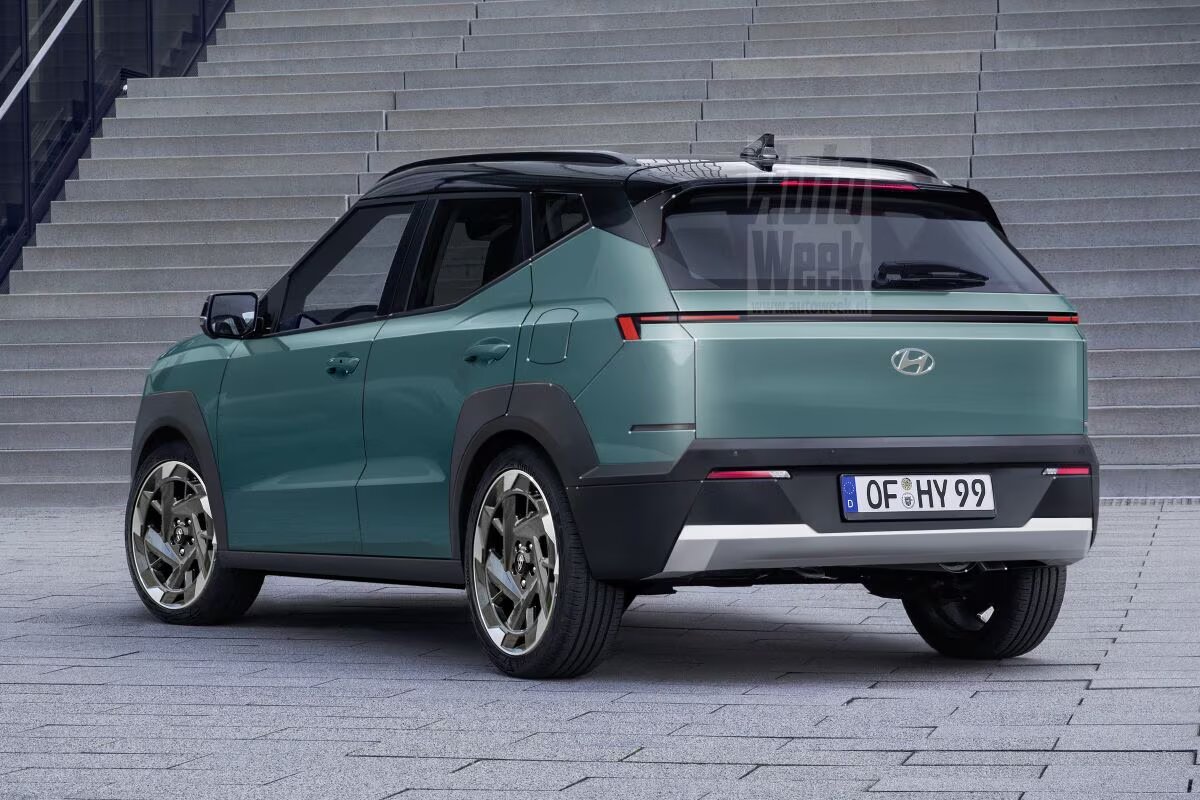
The next iteration of the Hyundai Bayon is set to embrace a more distinct SUV identity, differentiating itself from its predecessor. This strategic move is aimed at aligning the model with current market trends, where SUVs are increasingly popular due to their versatility and appeal.
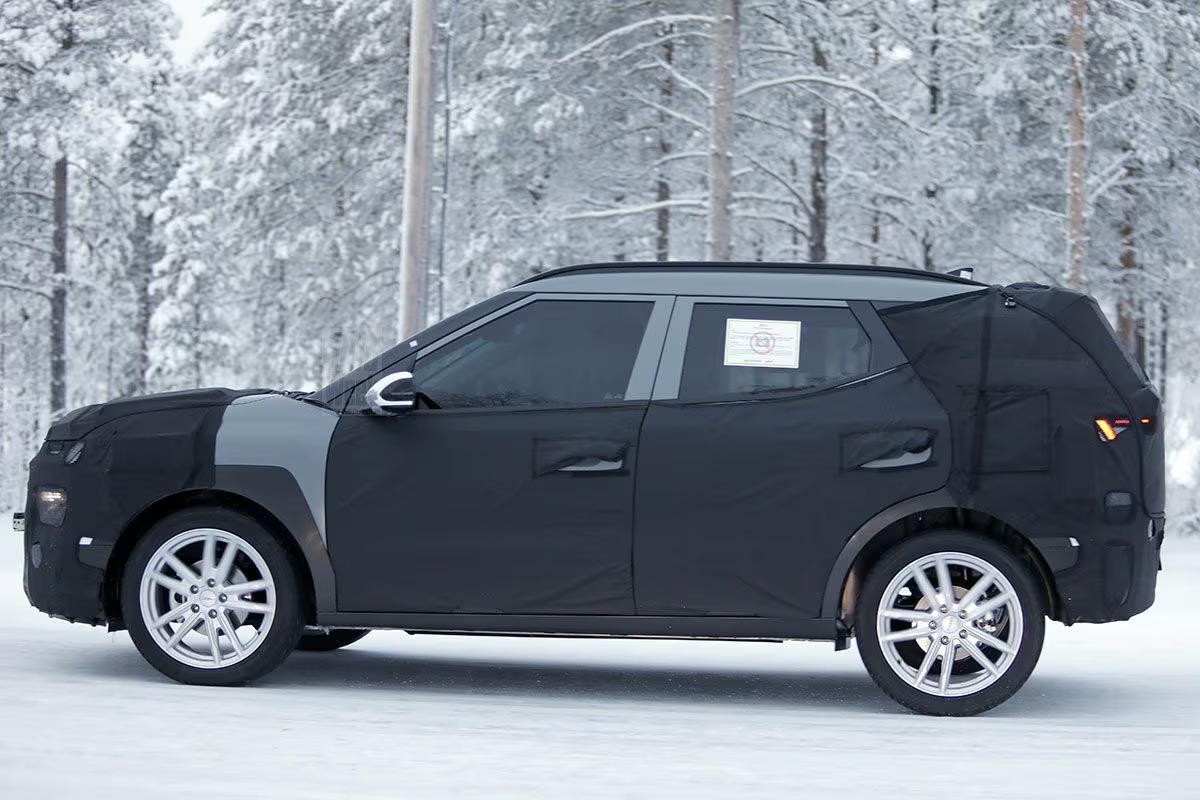

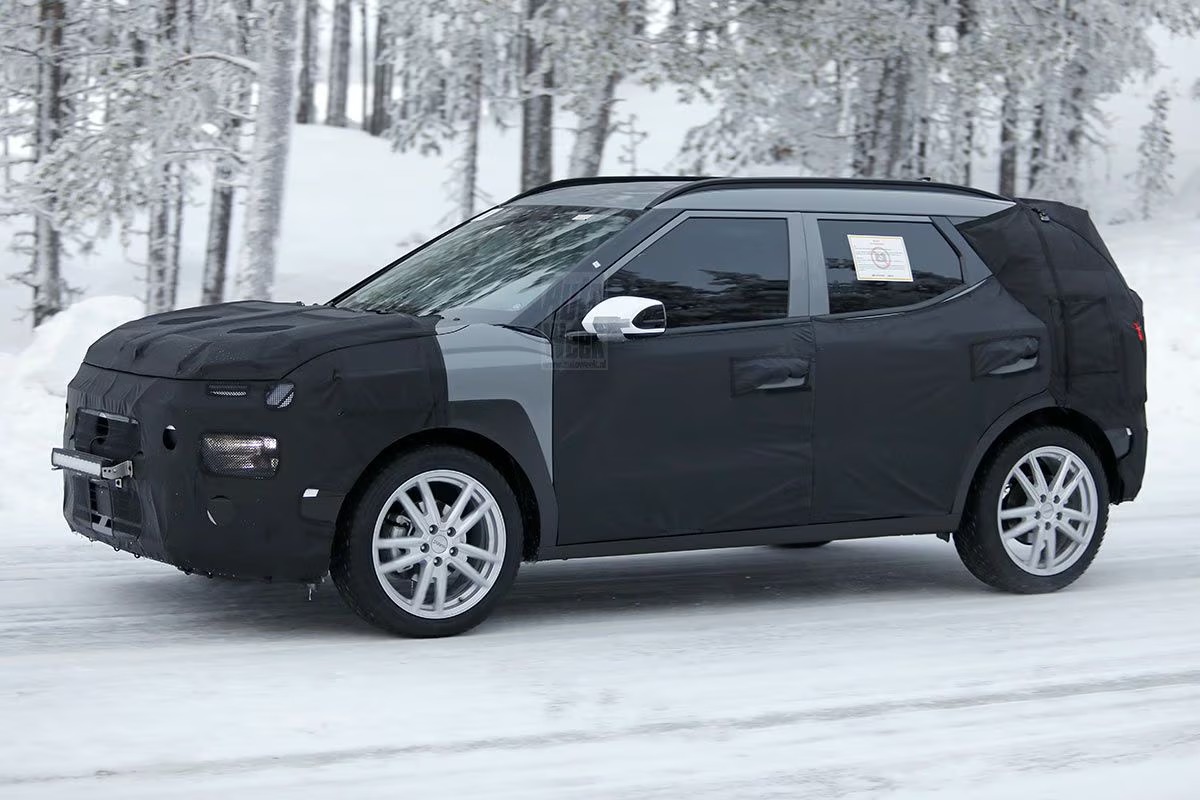
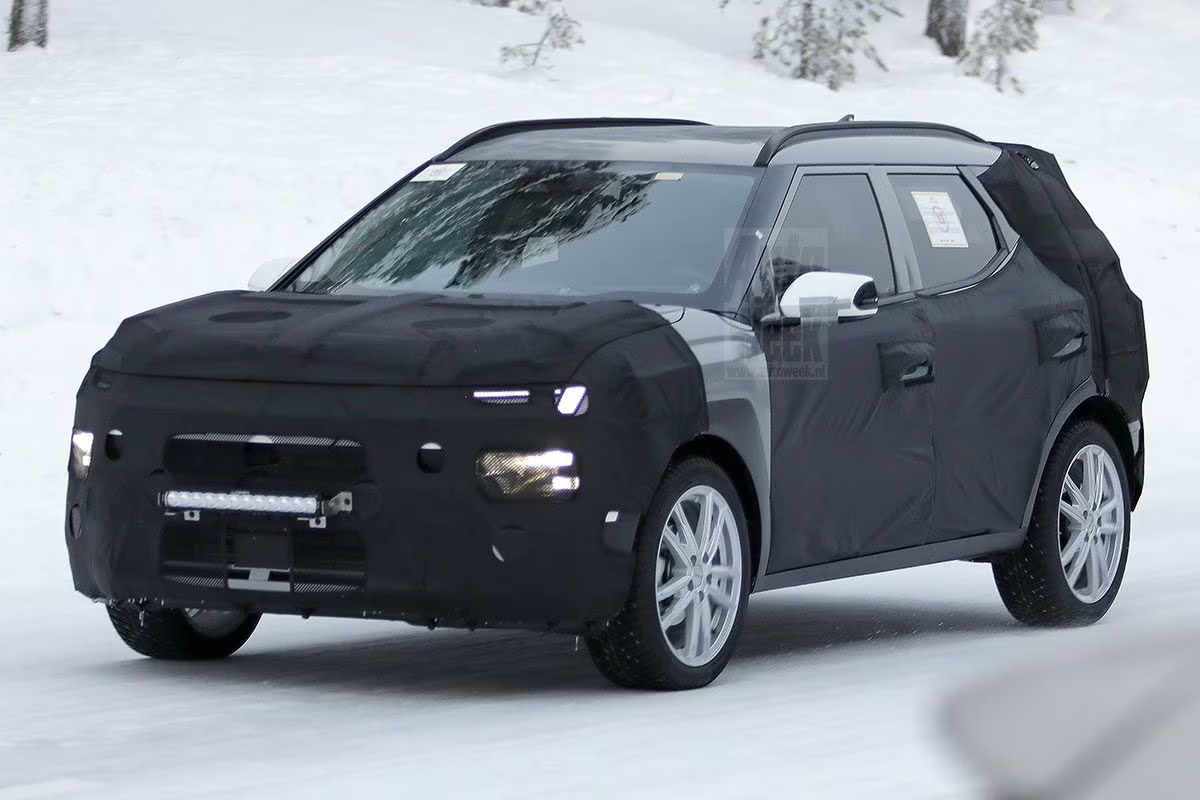
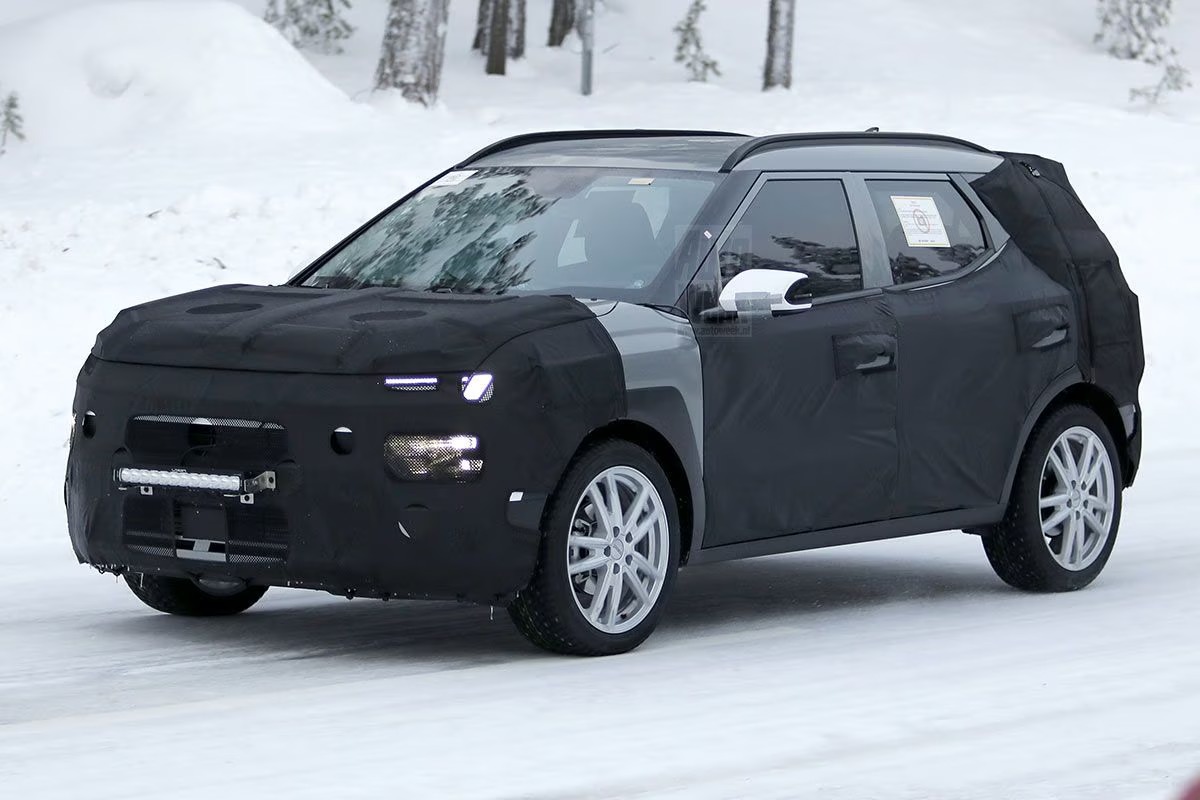

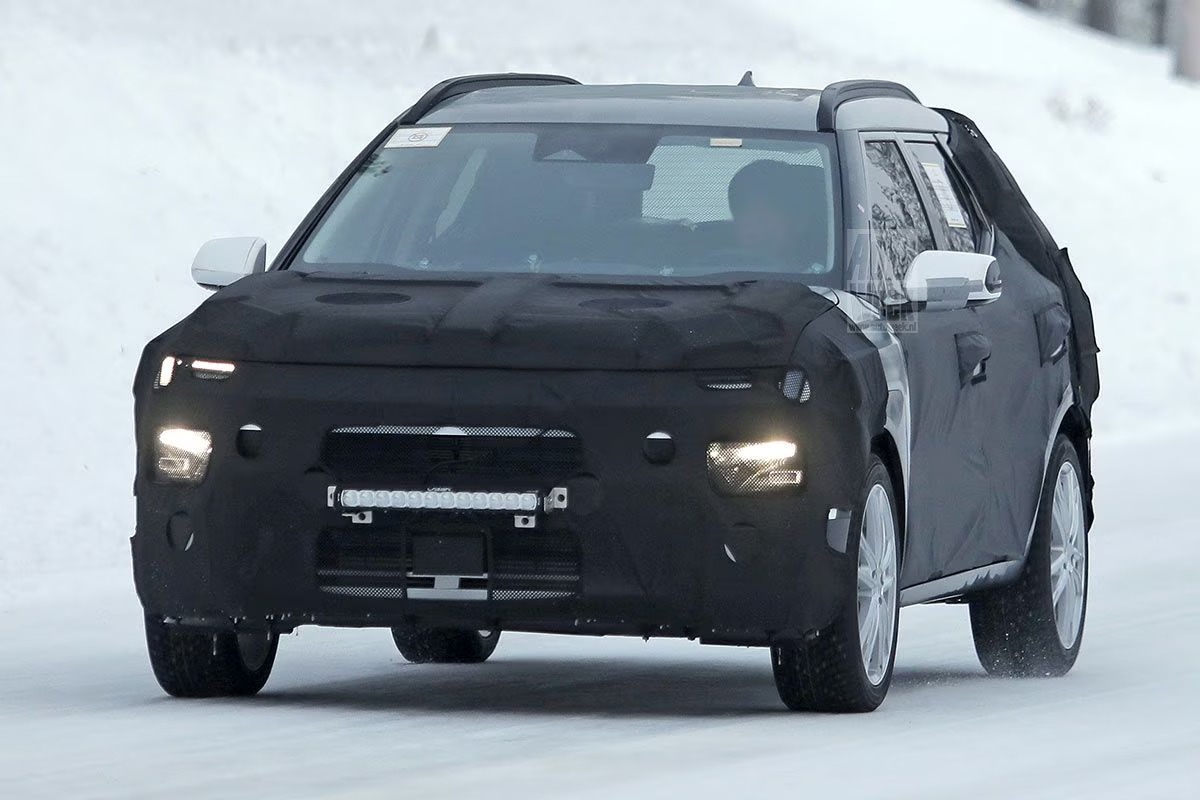
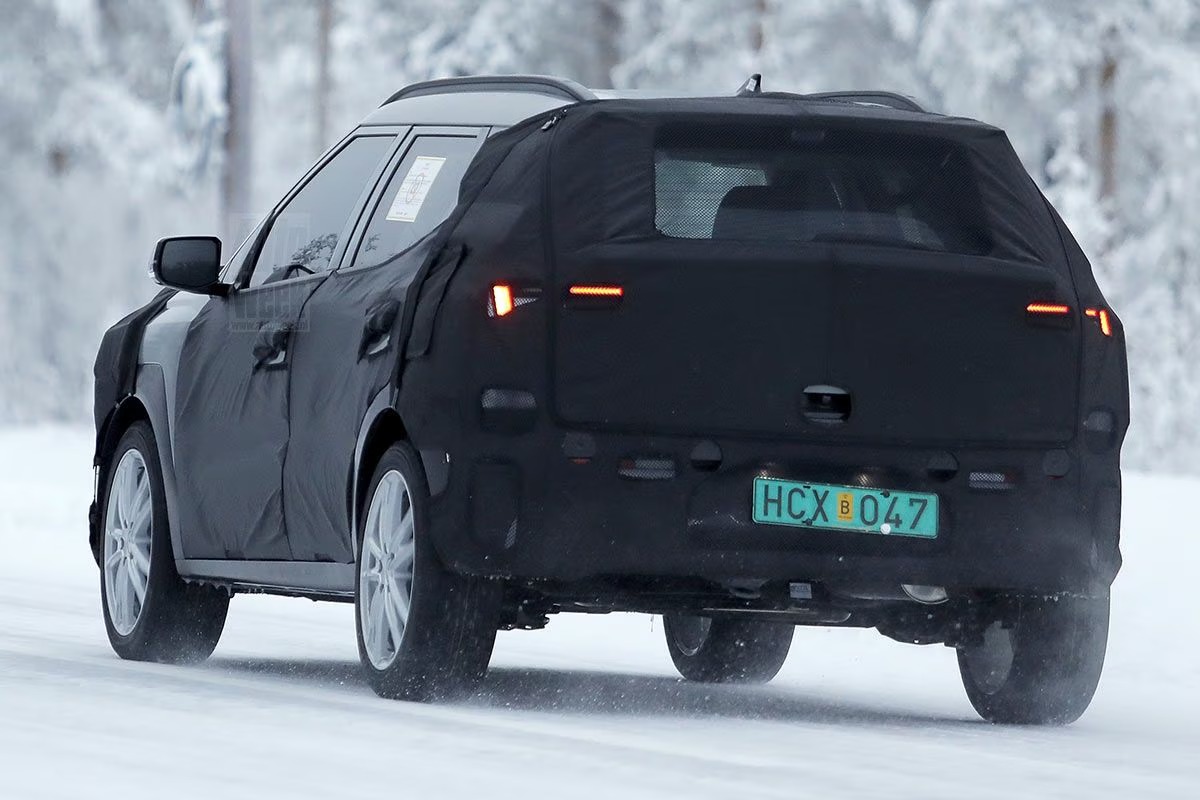

Source: autoweek.nl
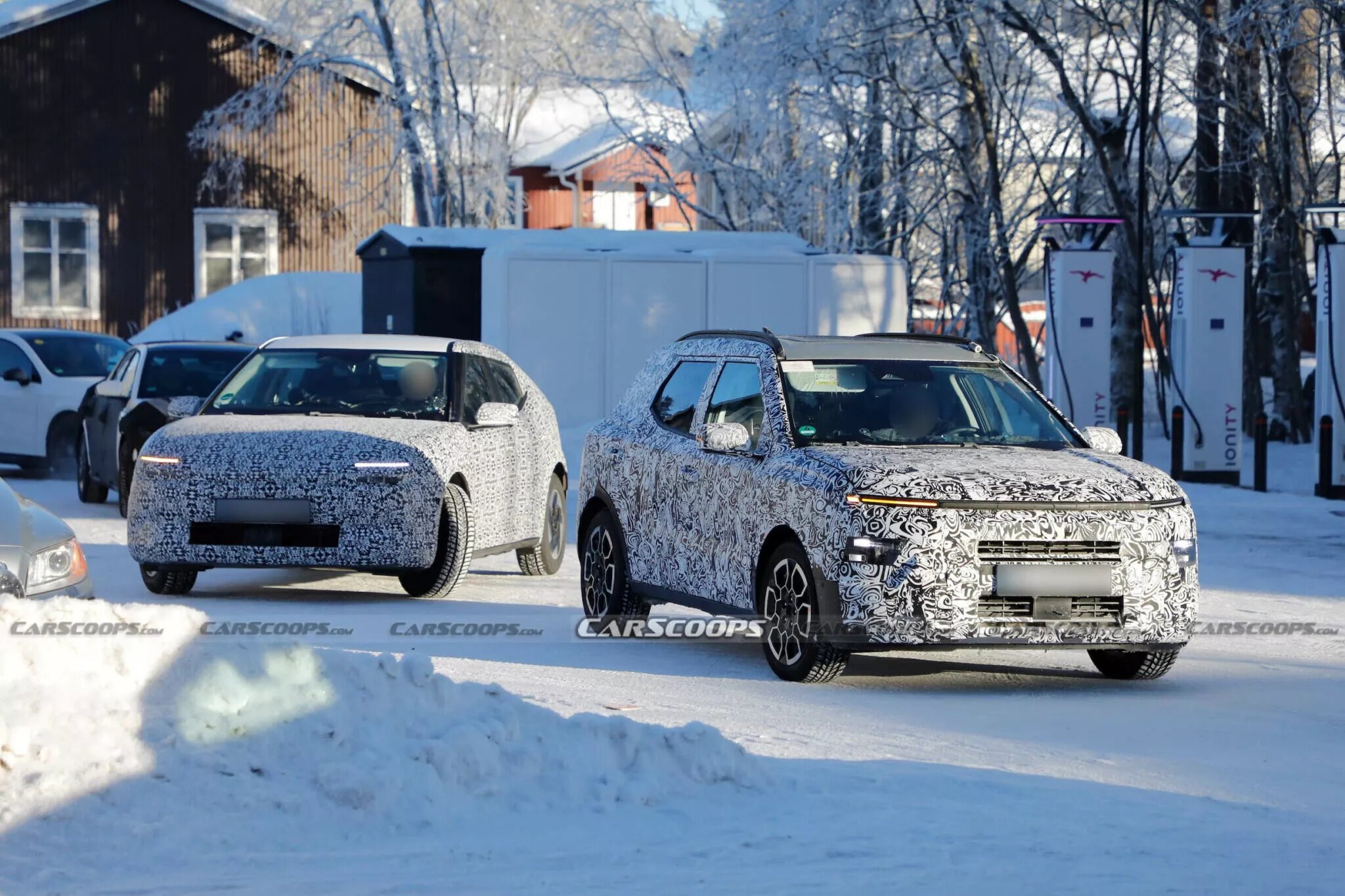
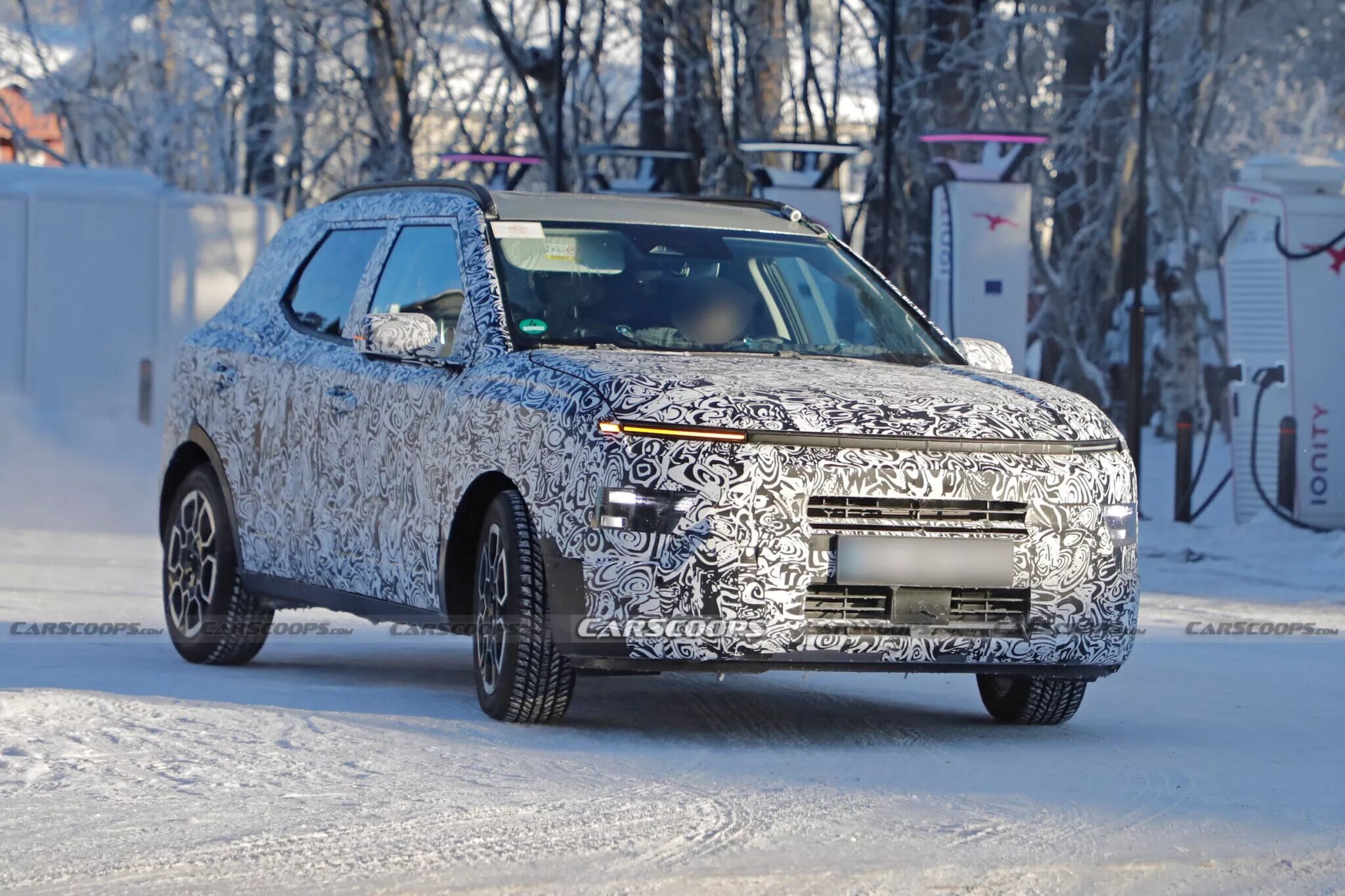
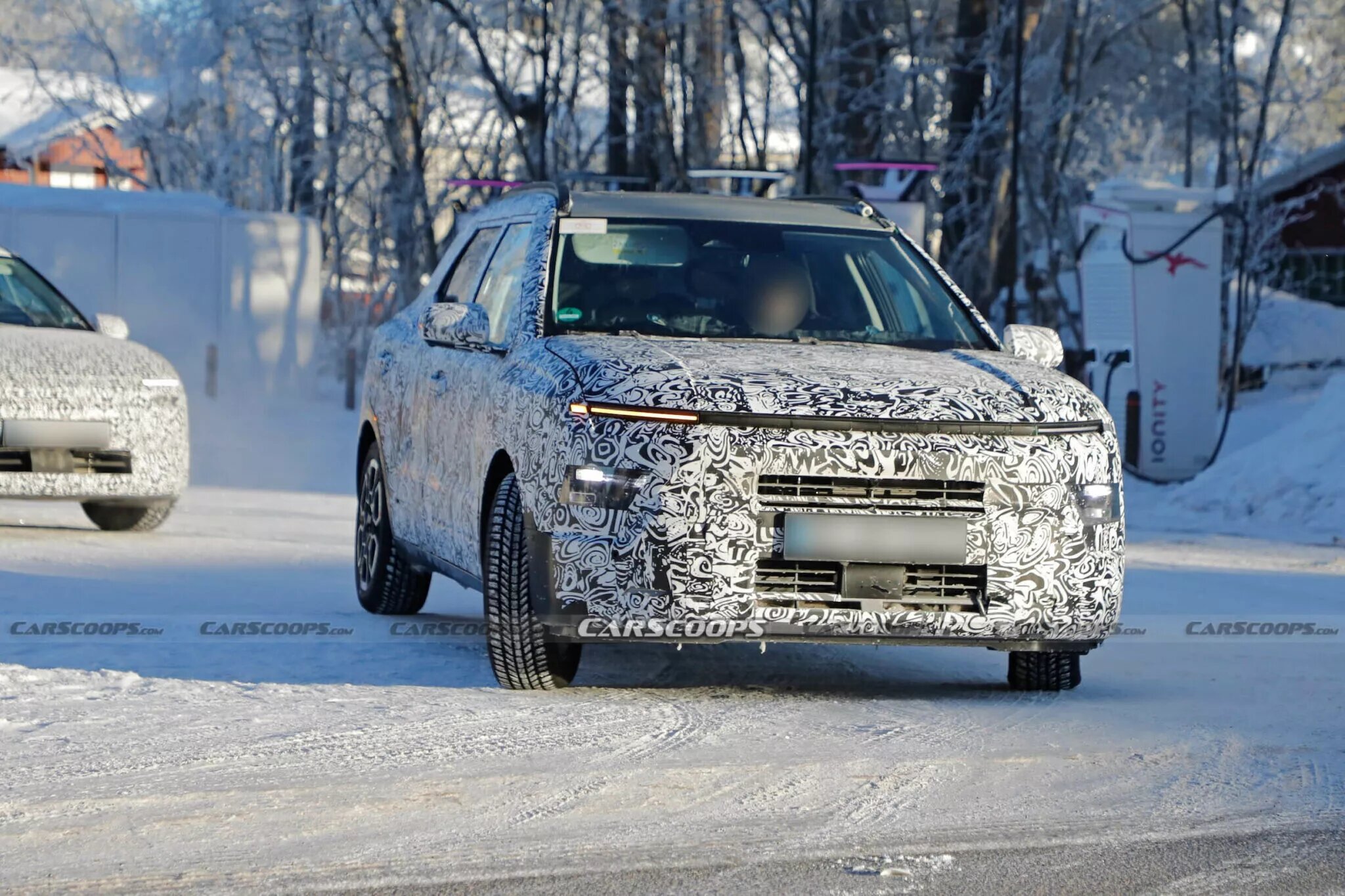
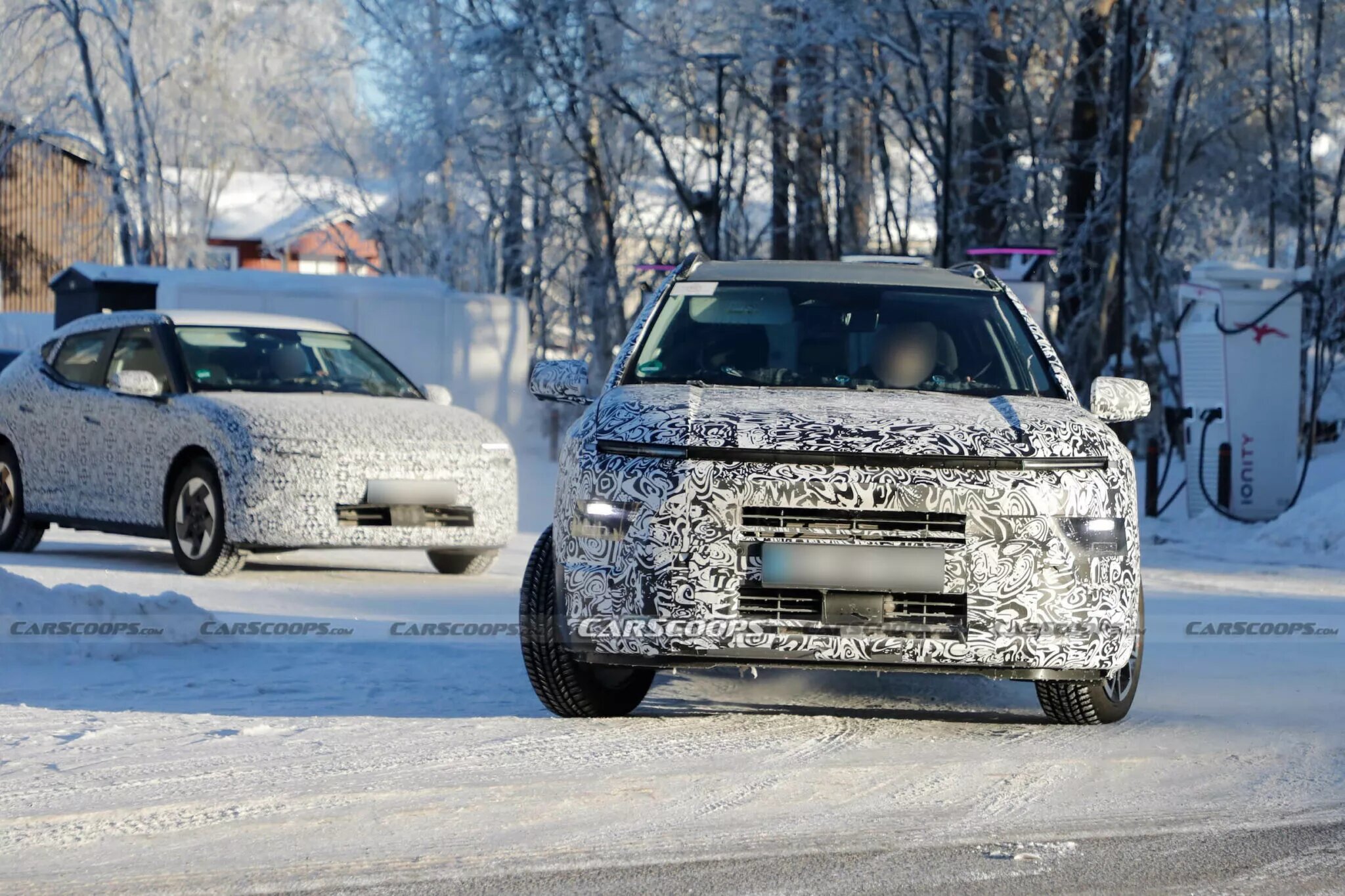
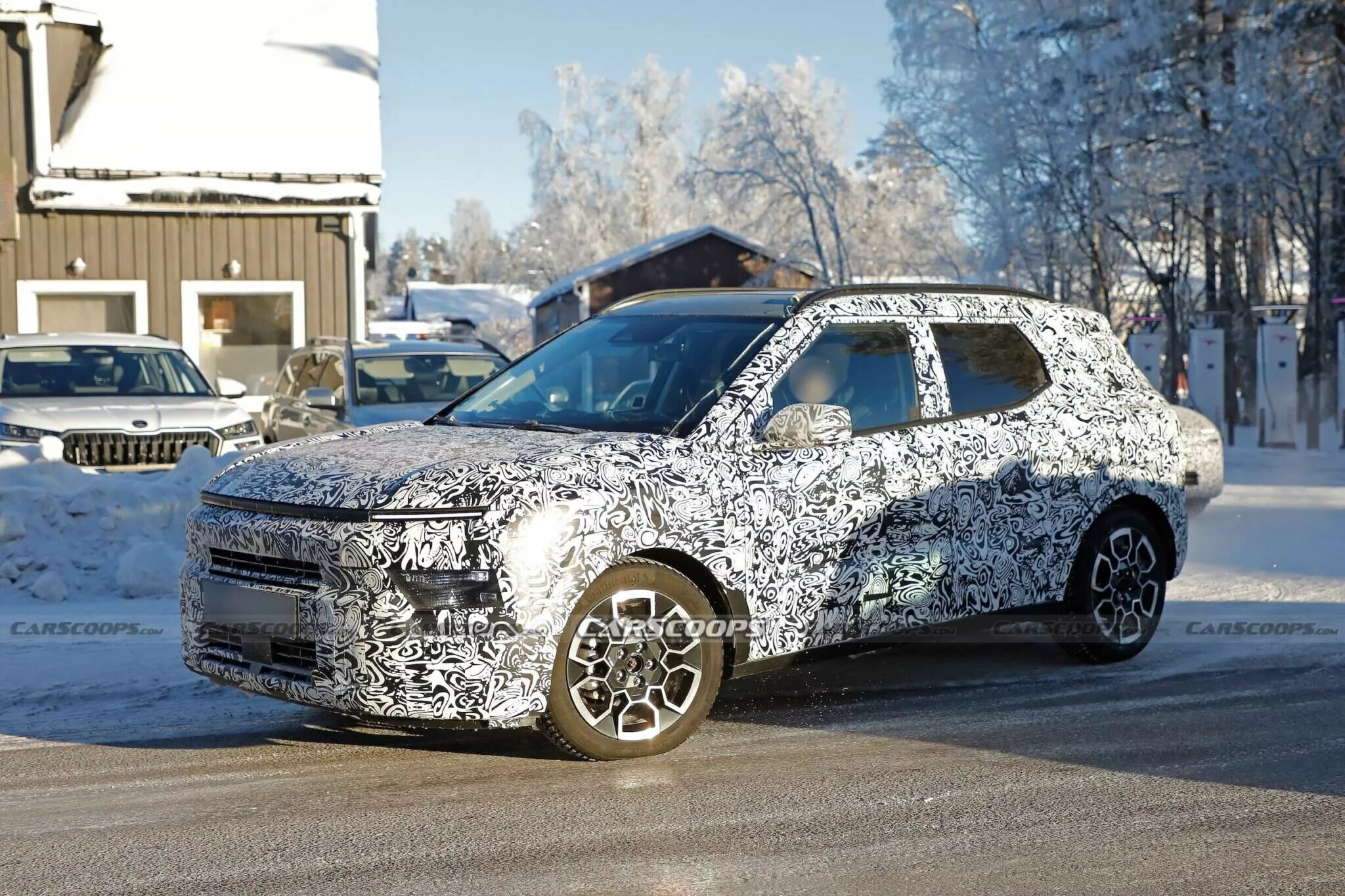
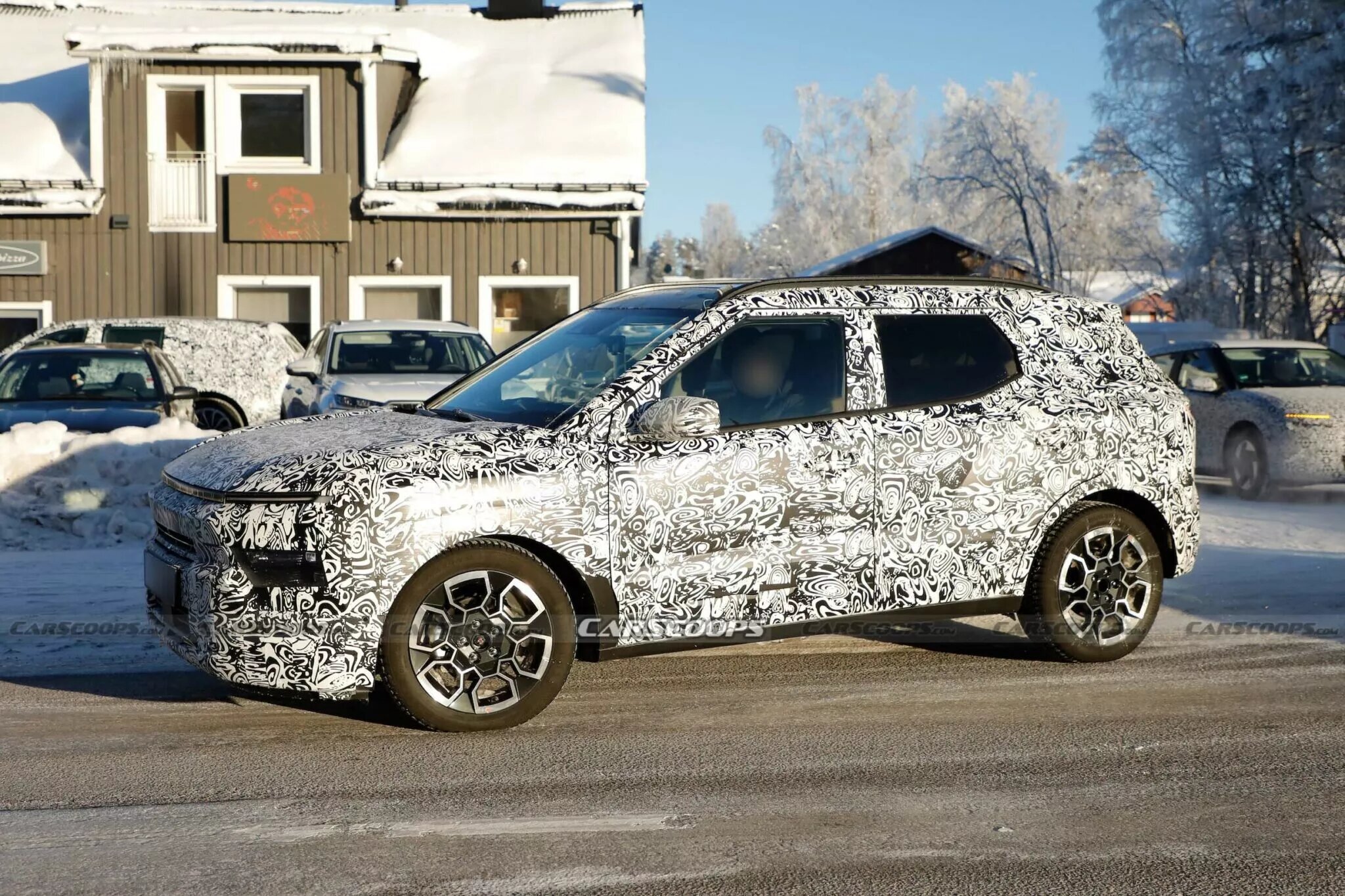
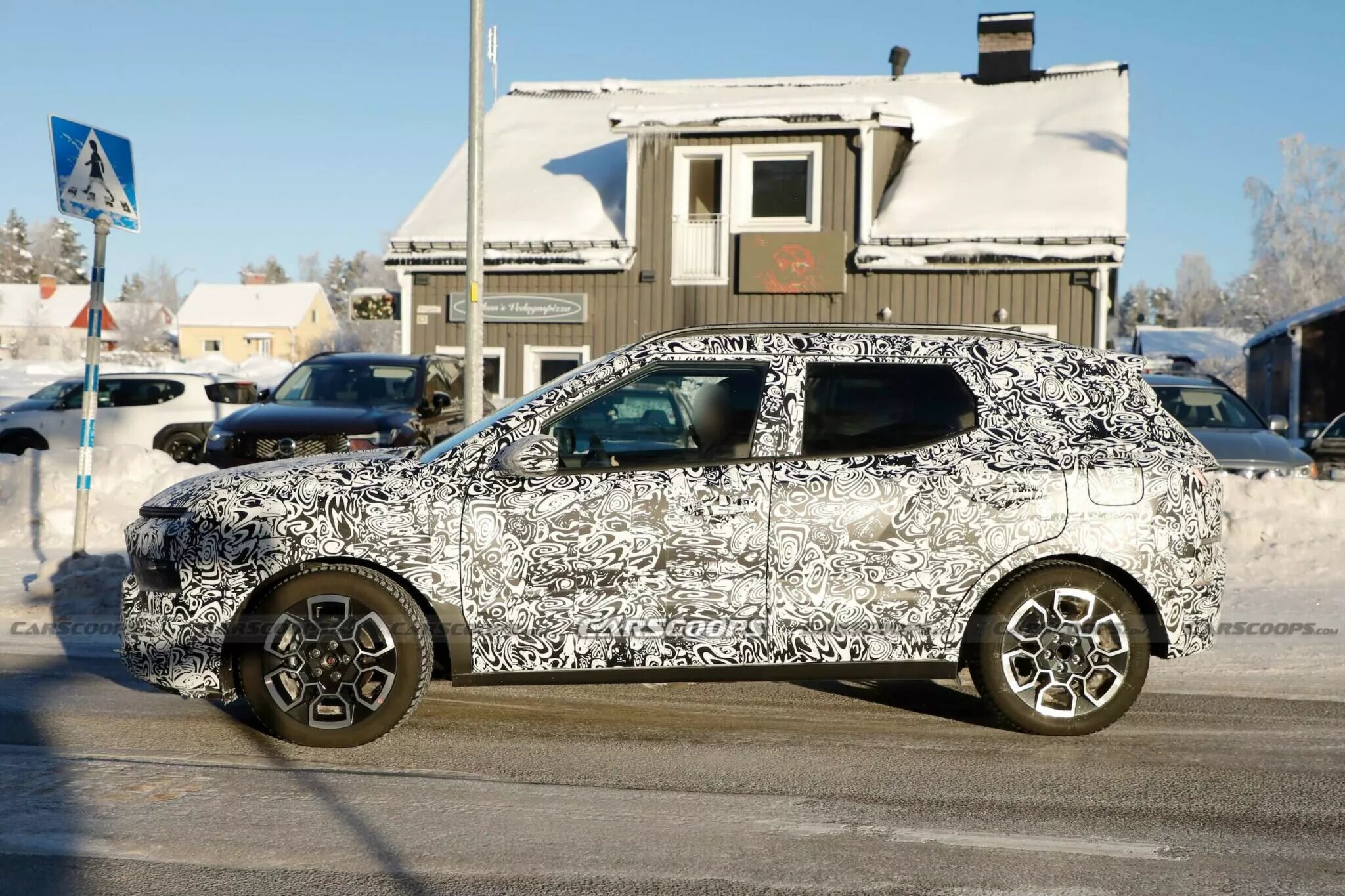
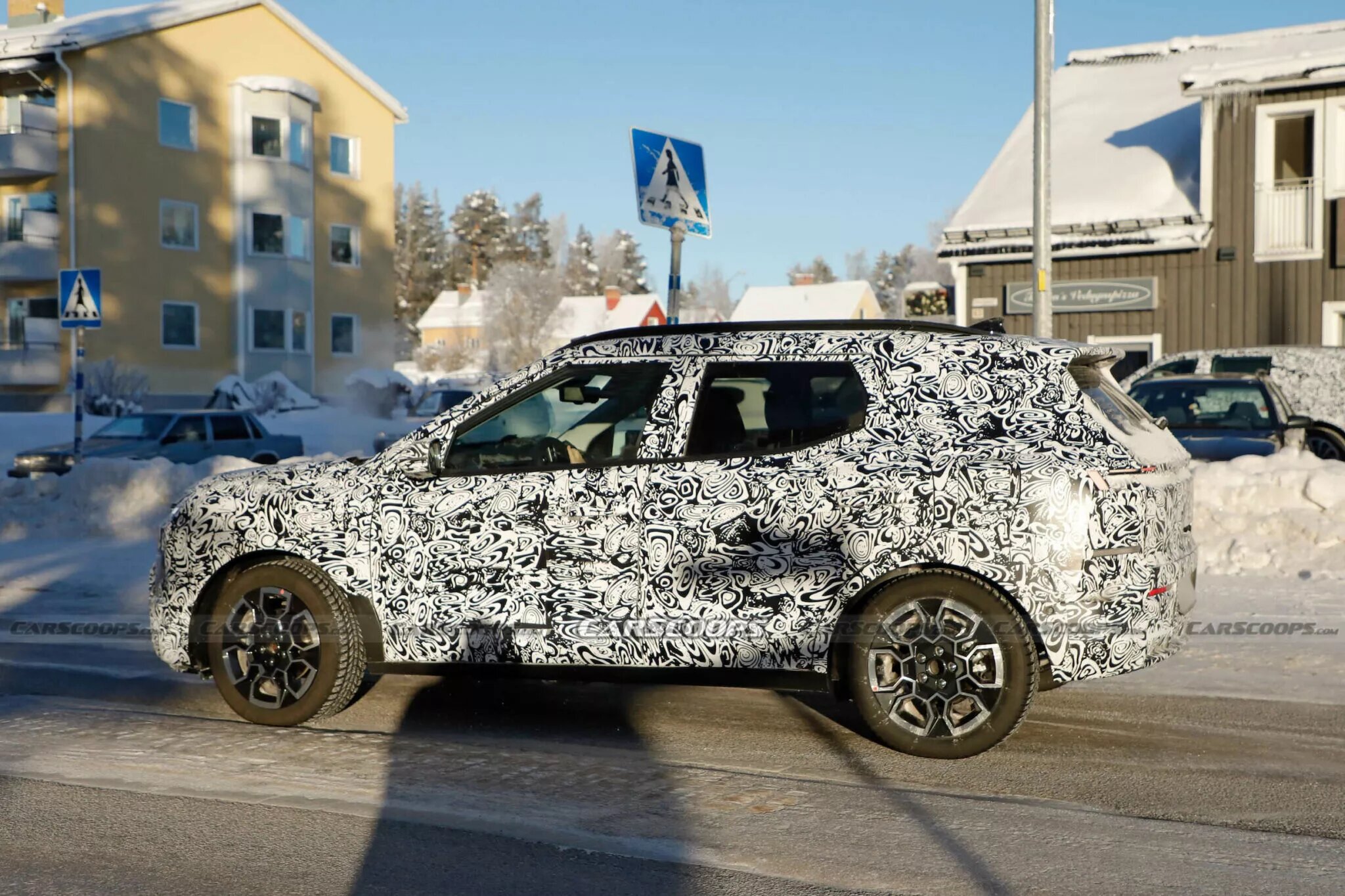
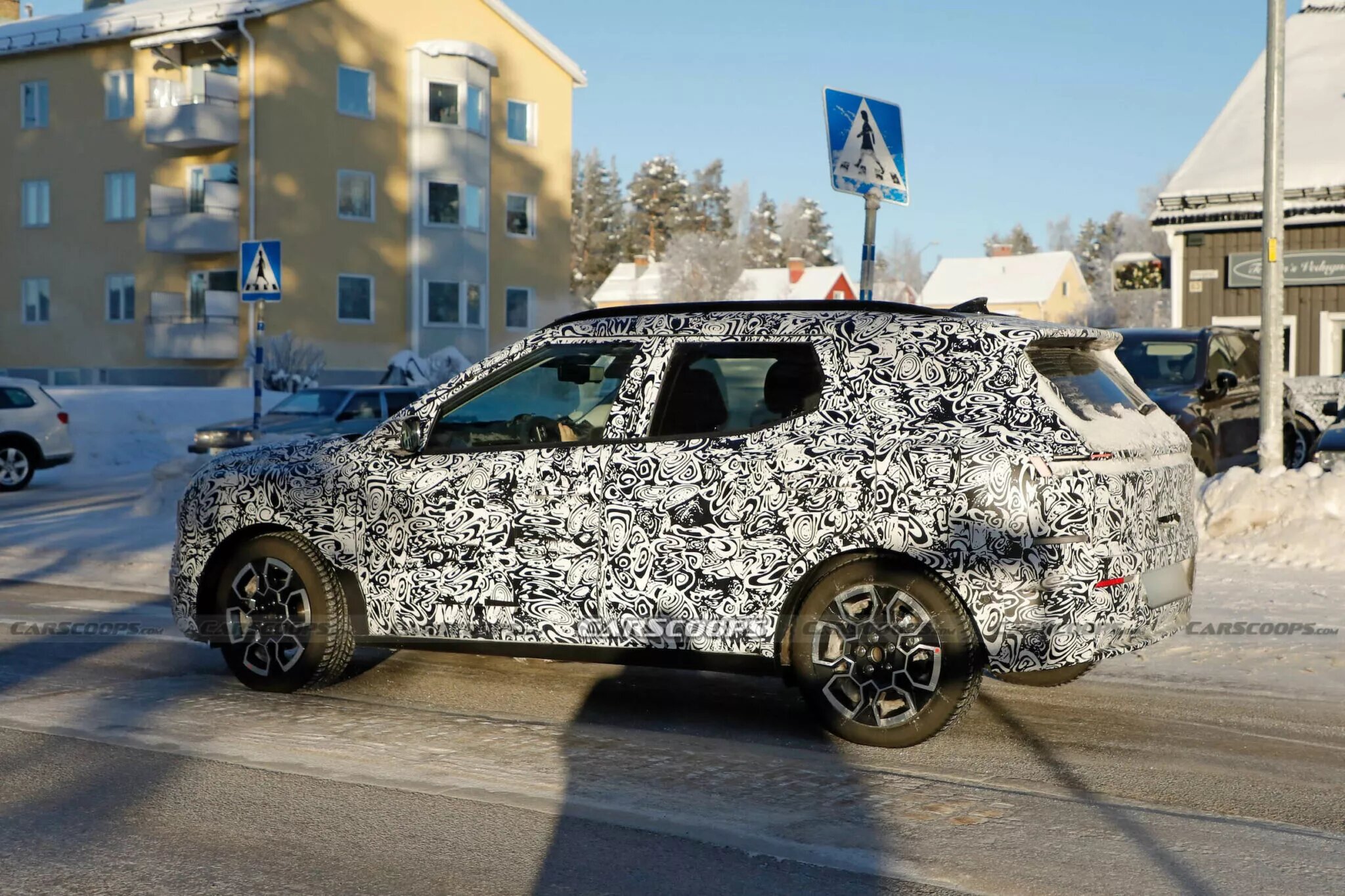
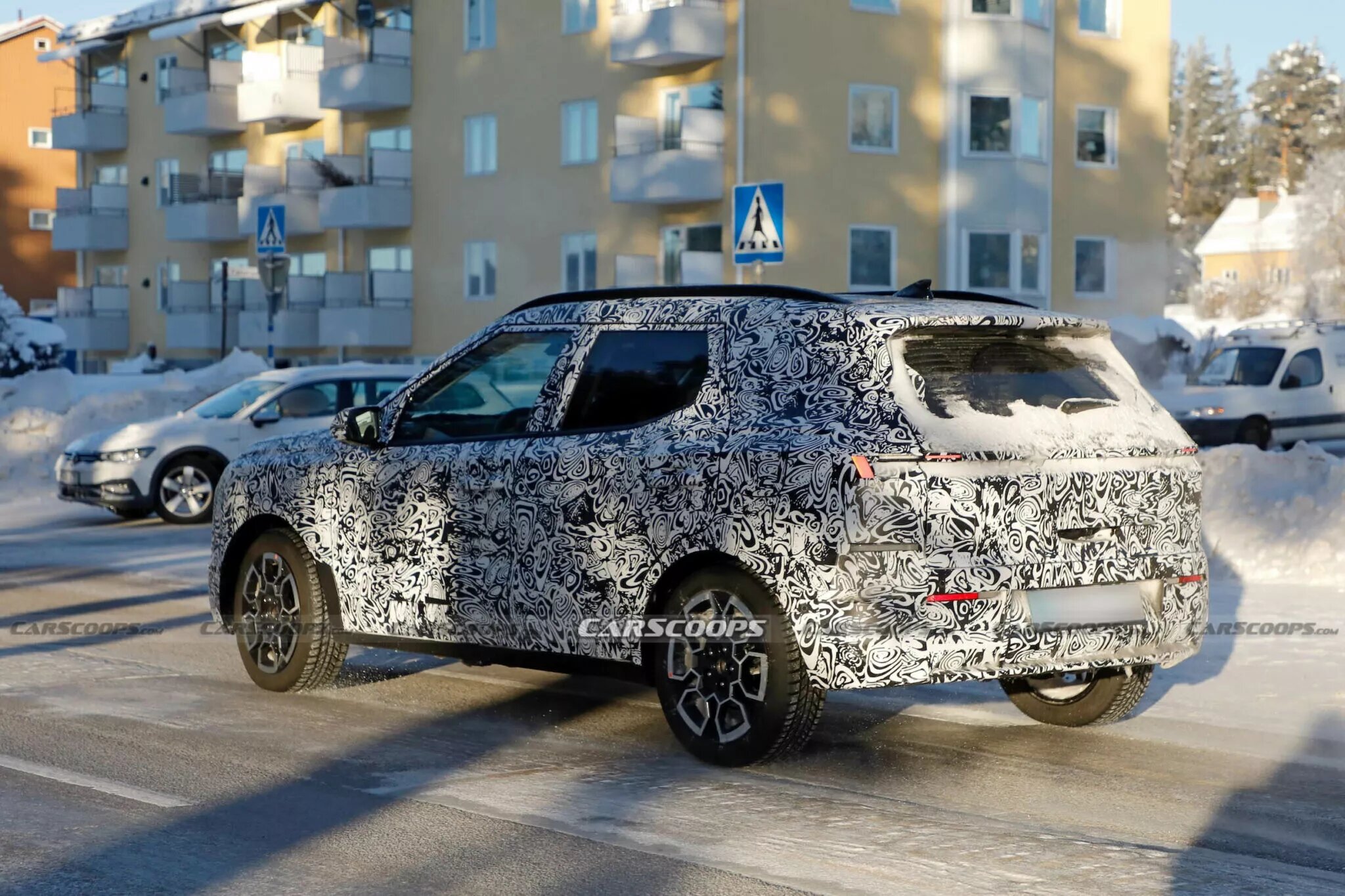
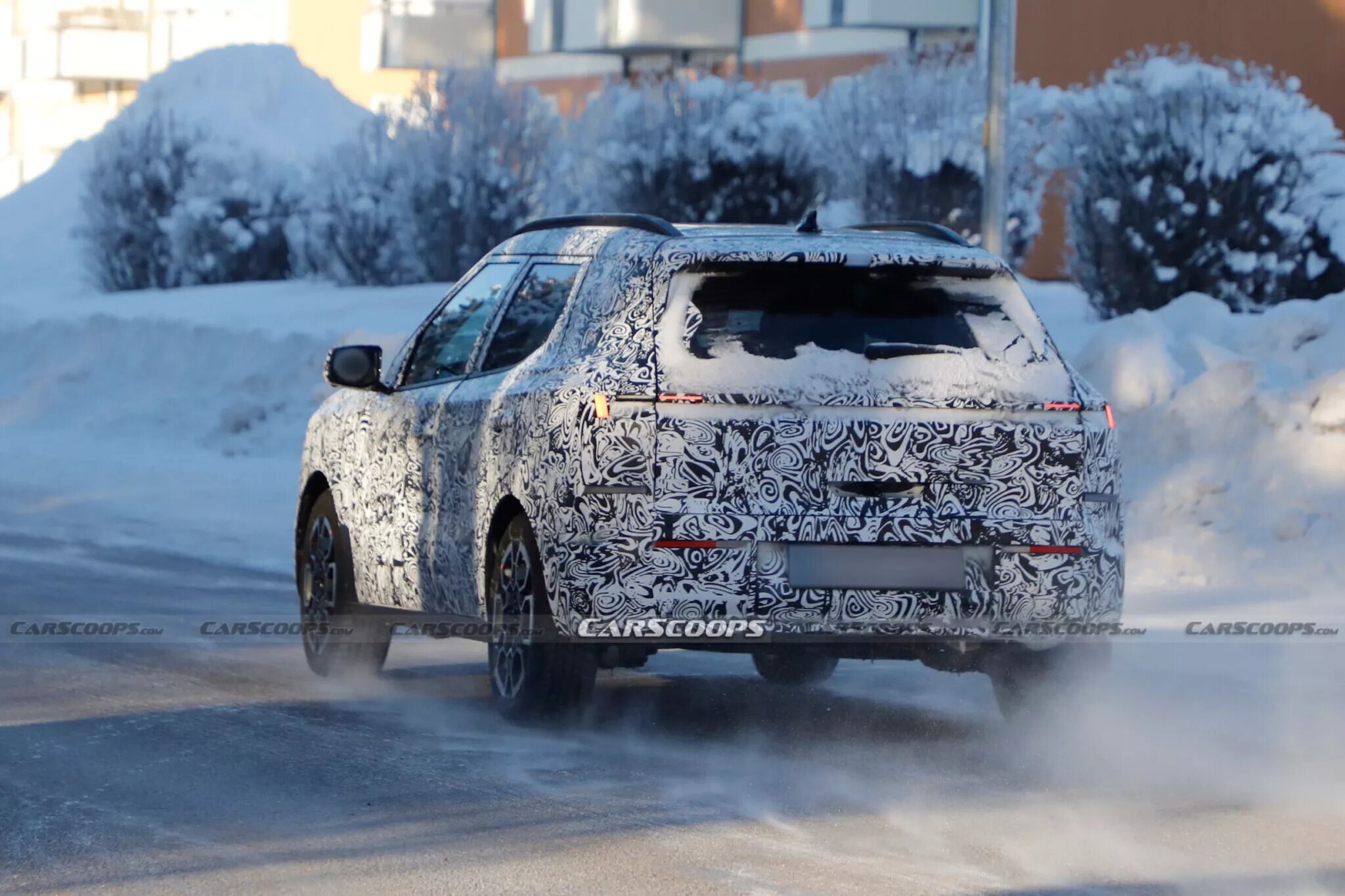
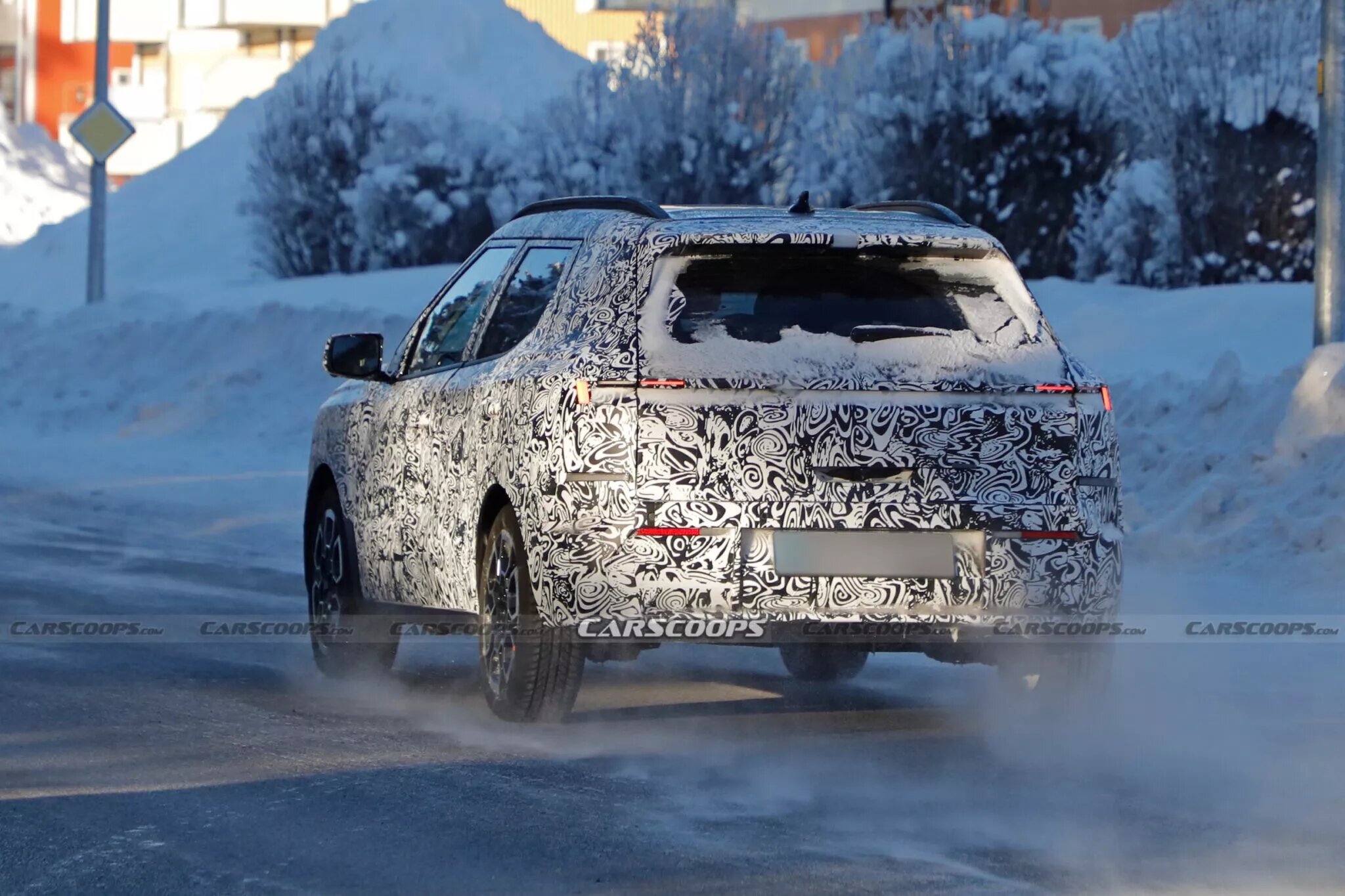
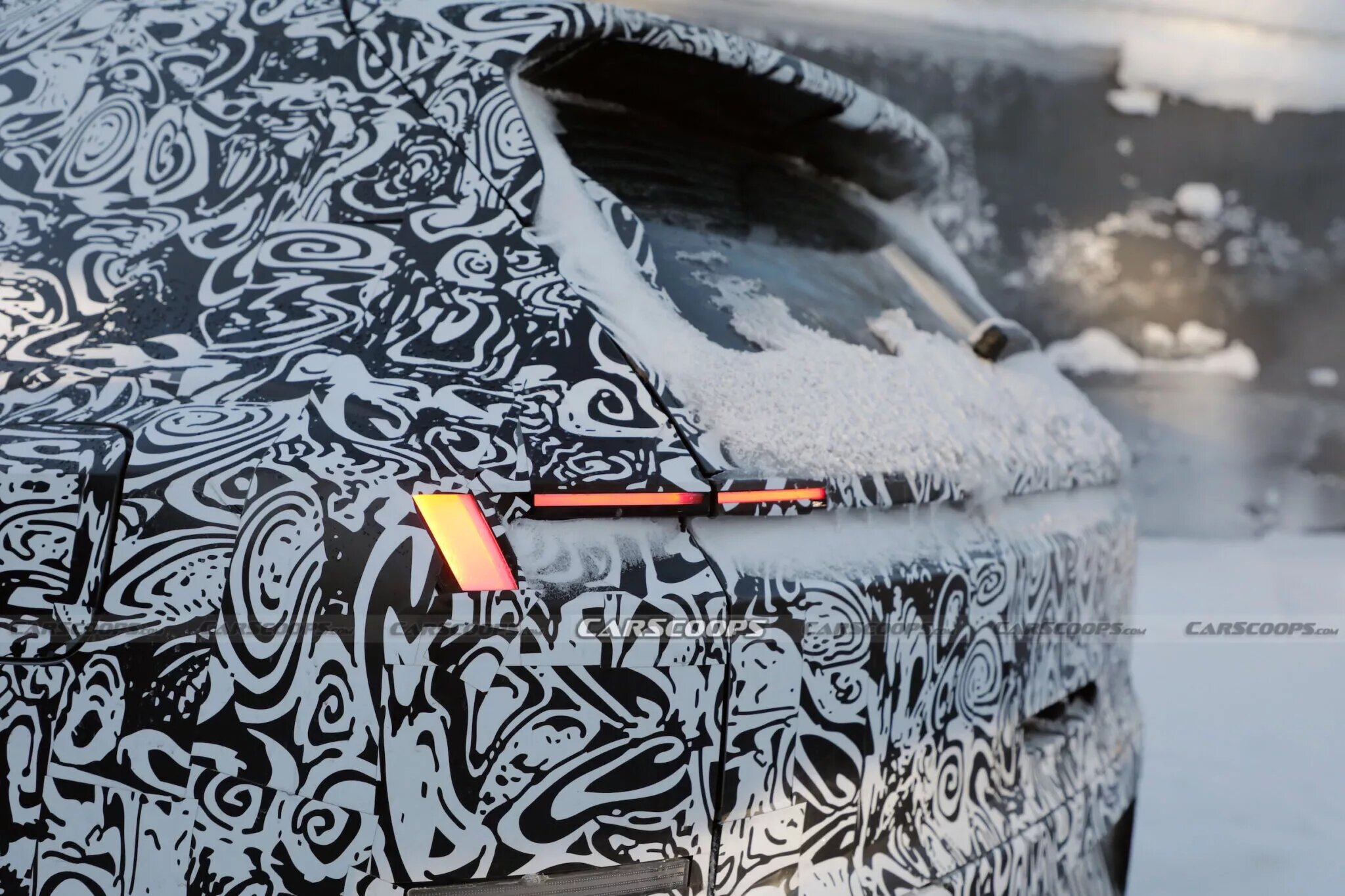
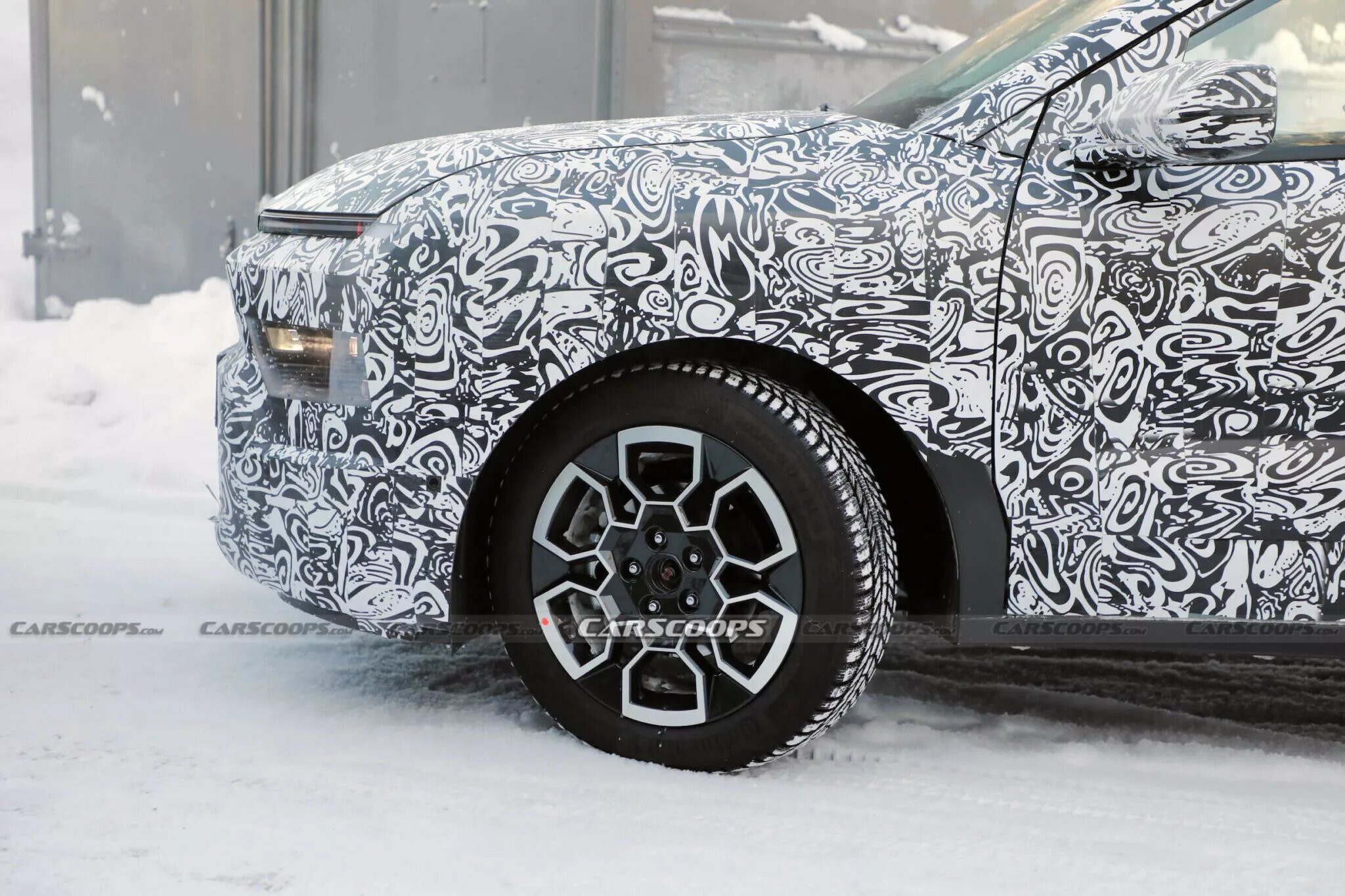
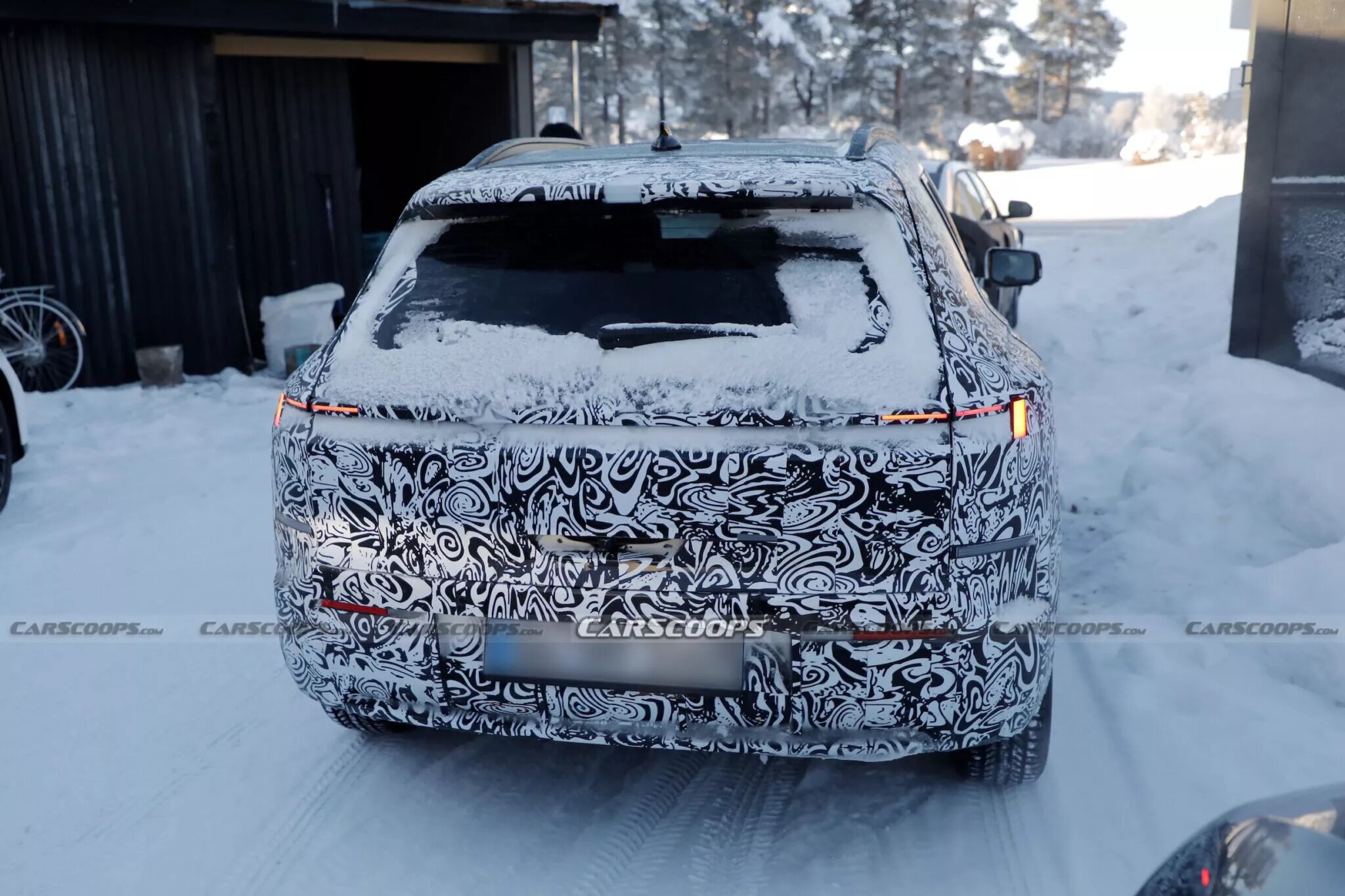
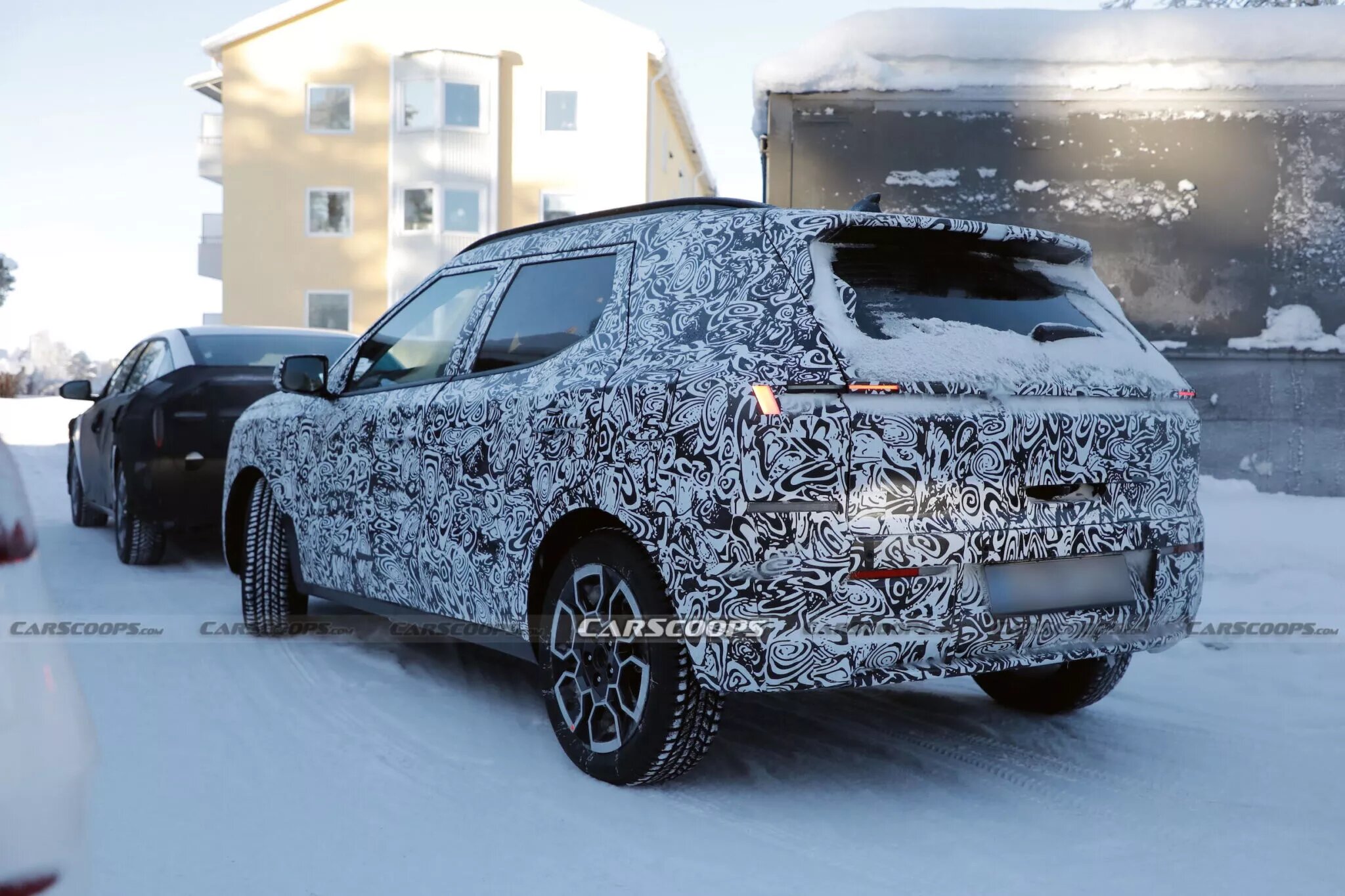
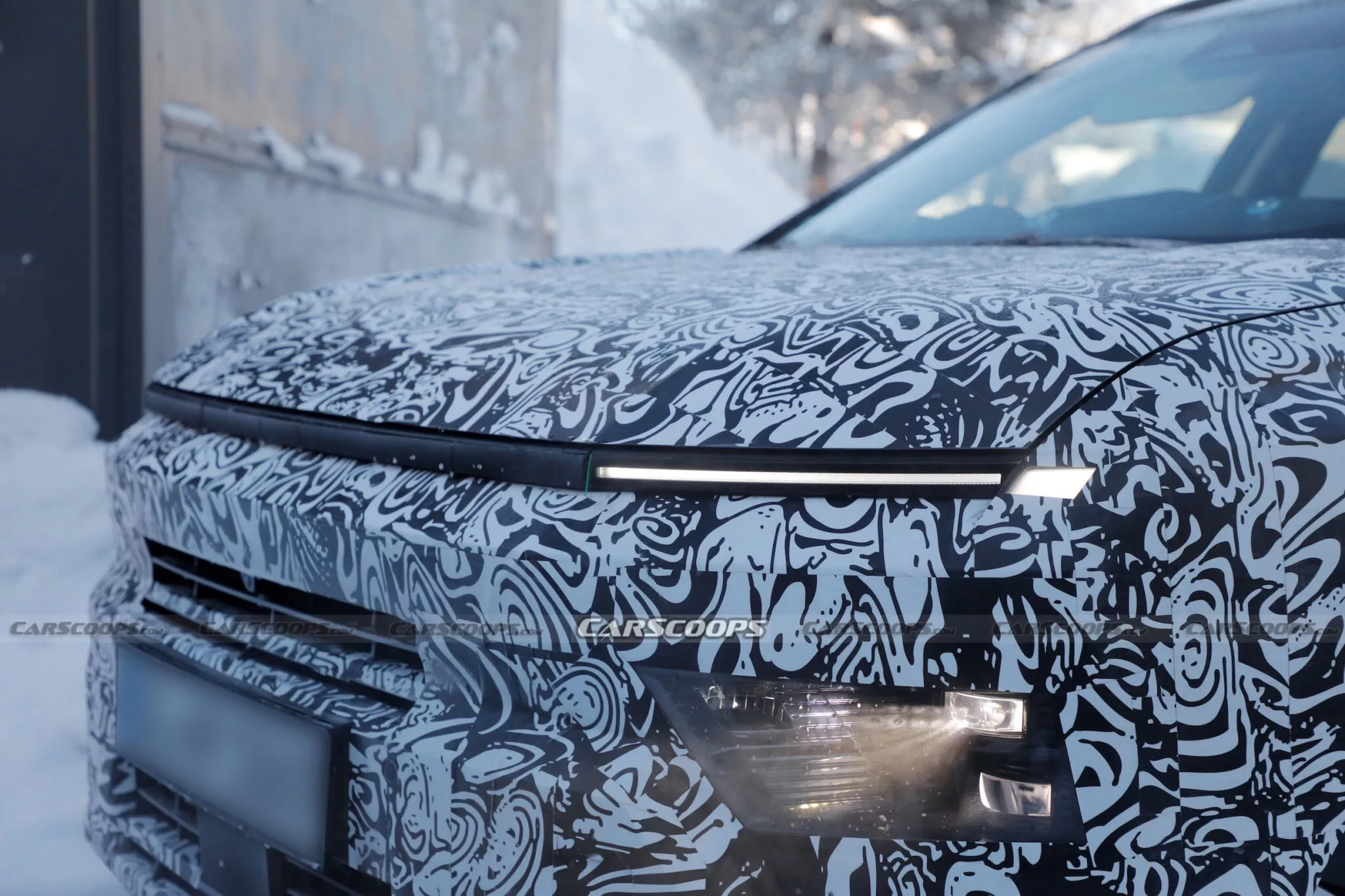
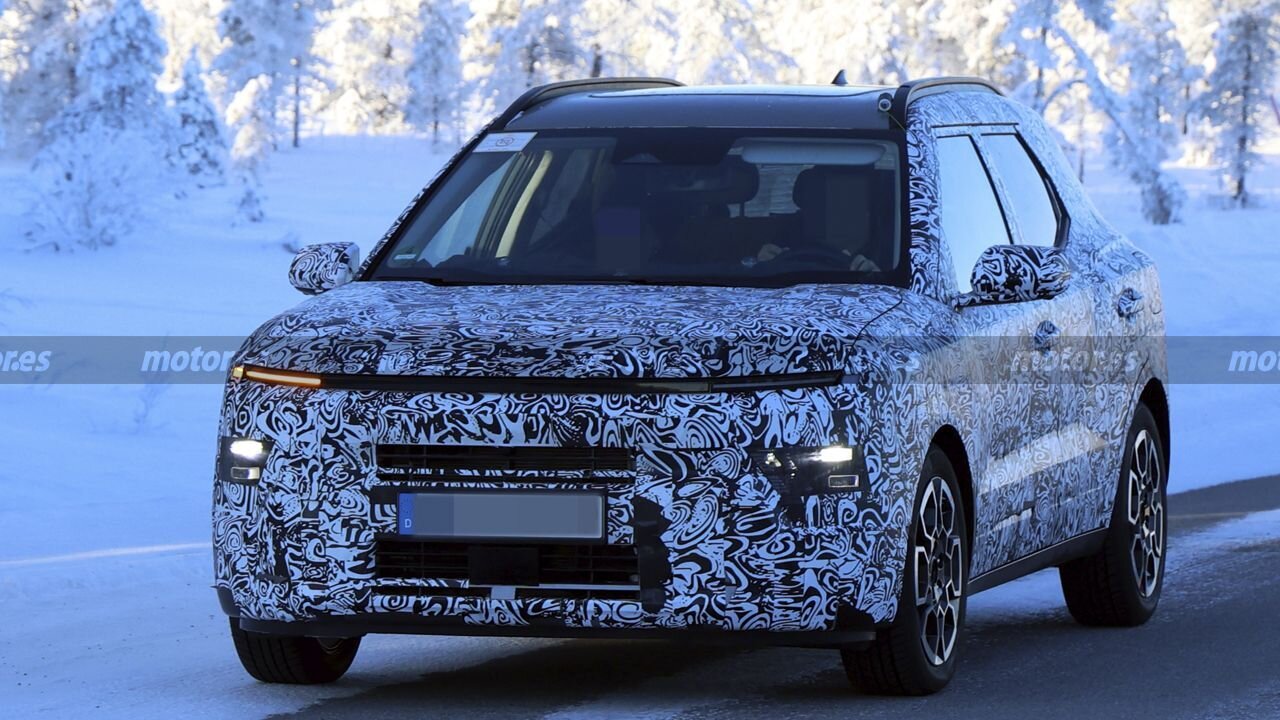
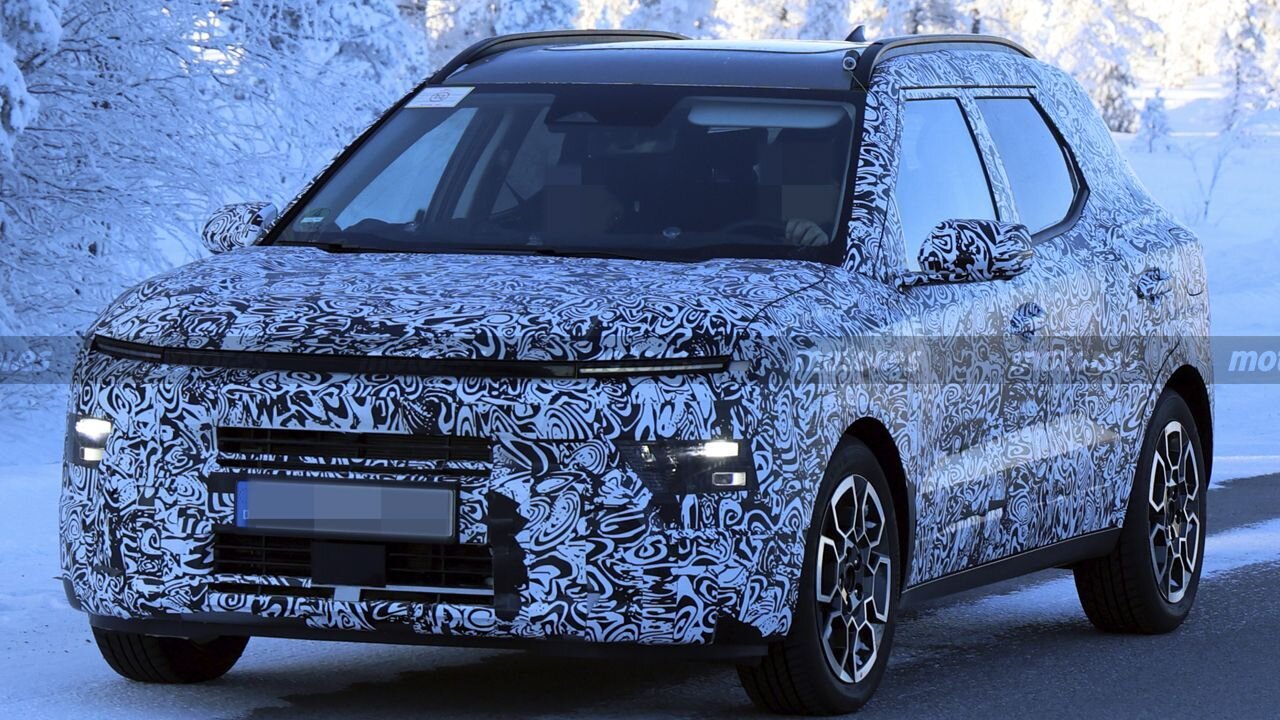
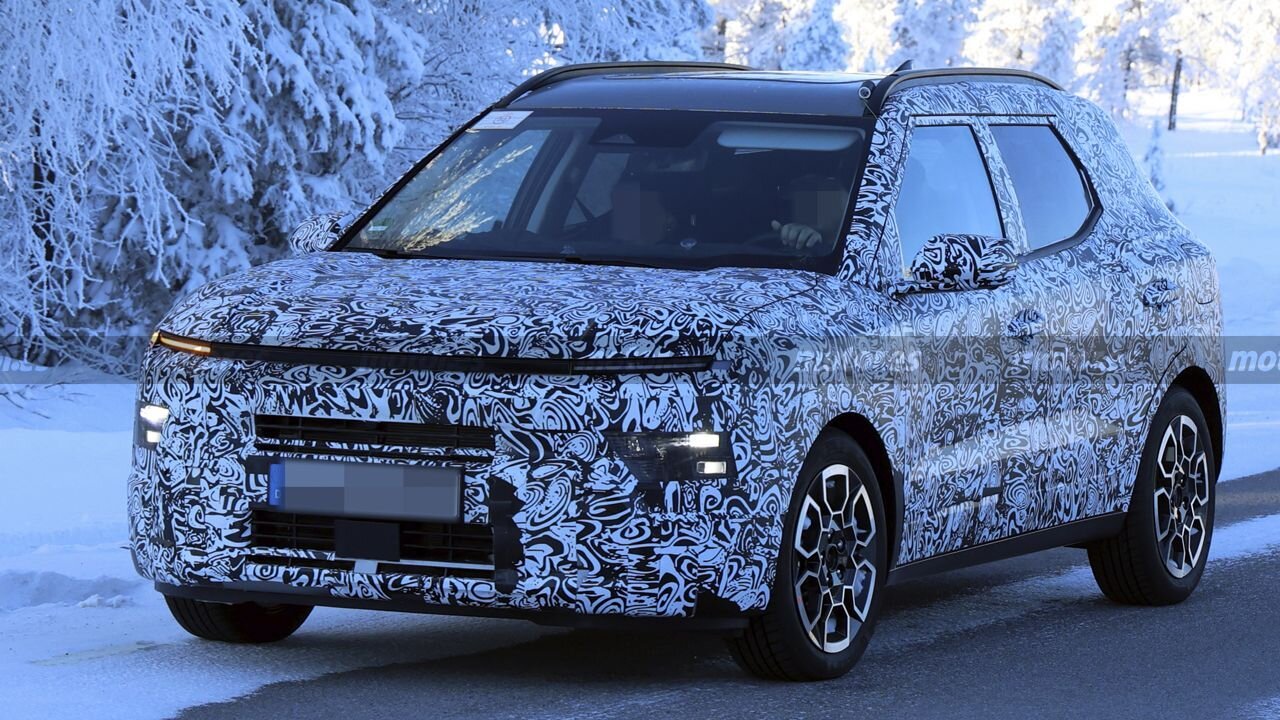
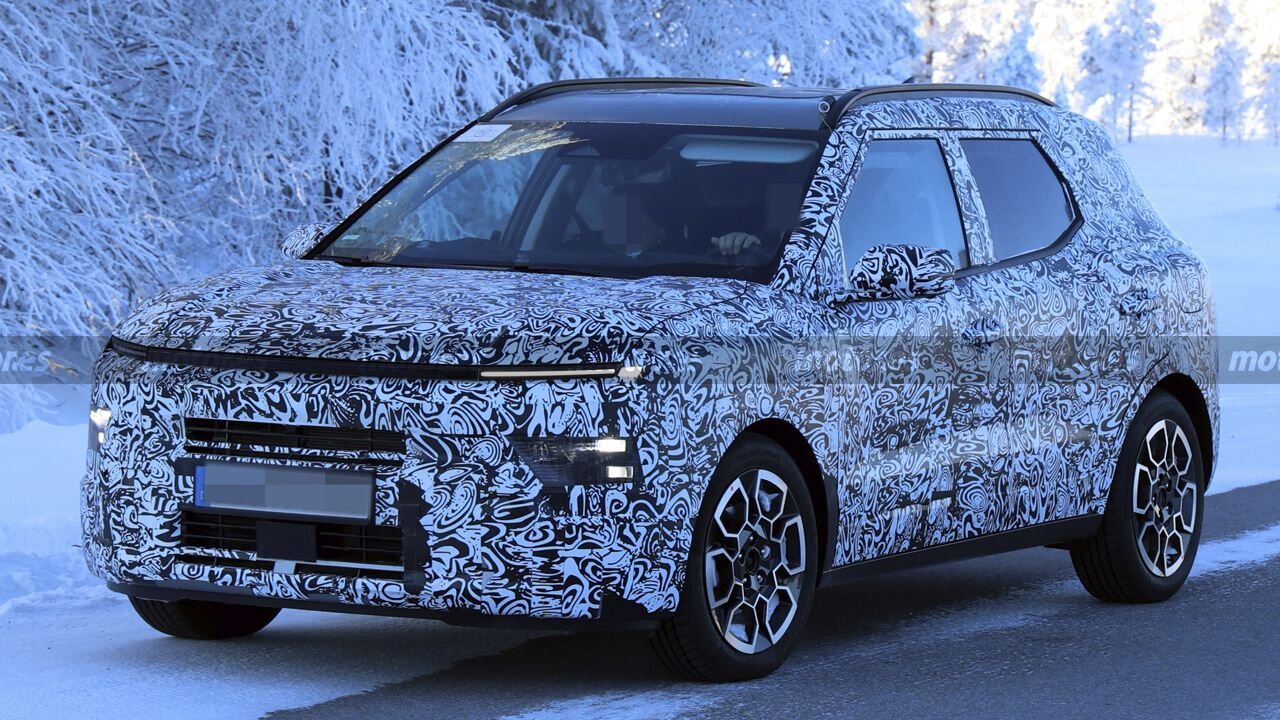


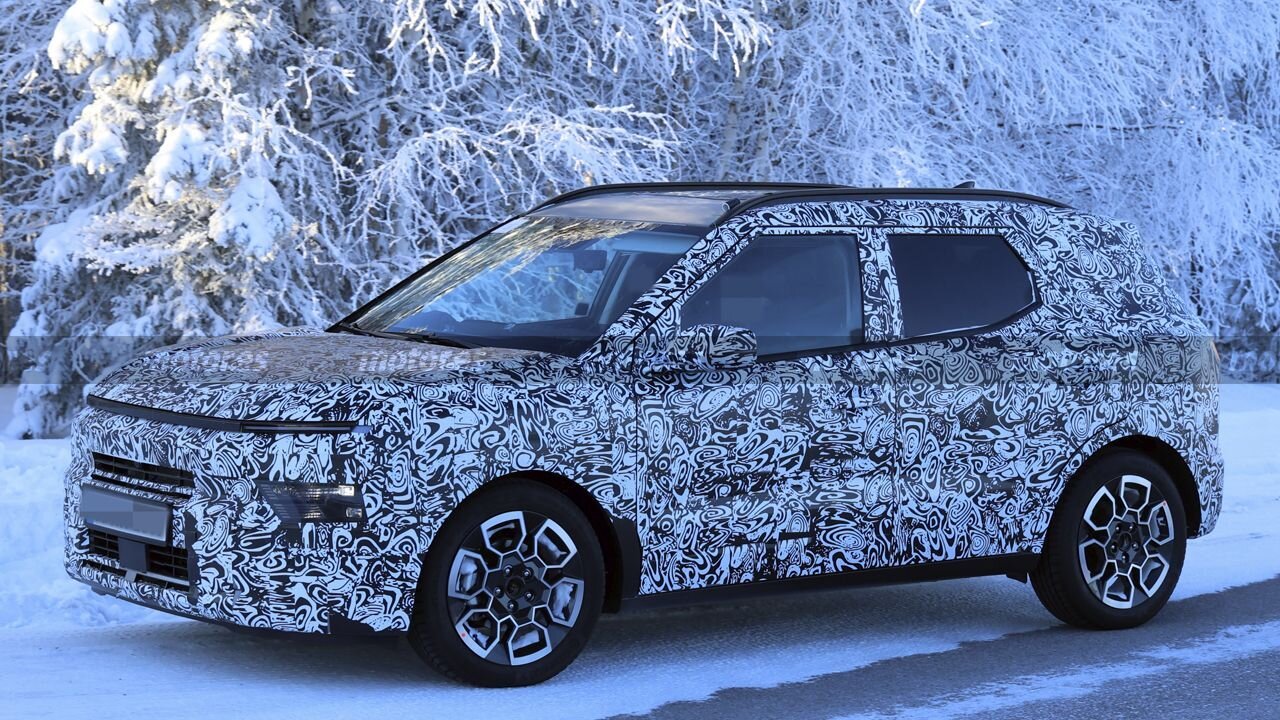

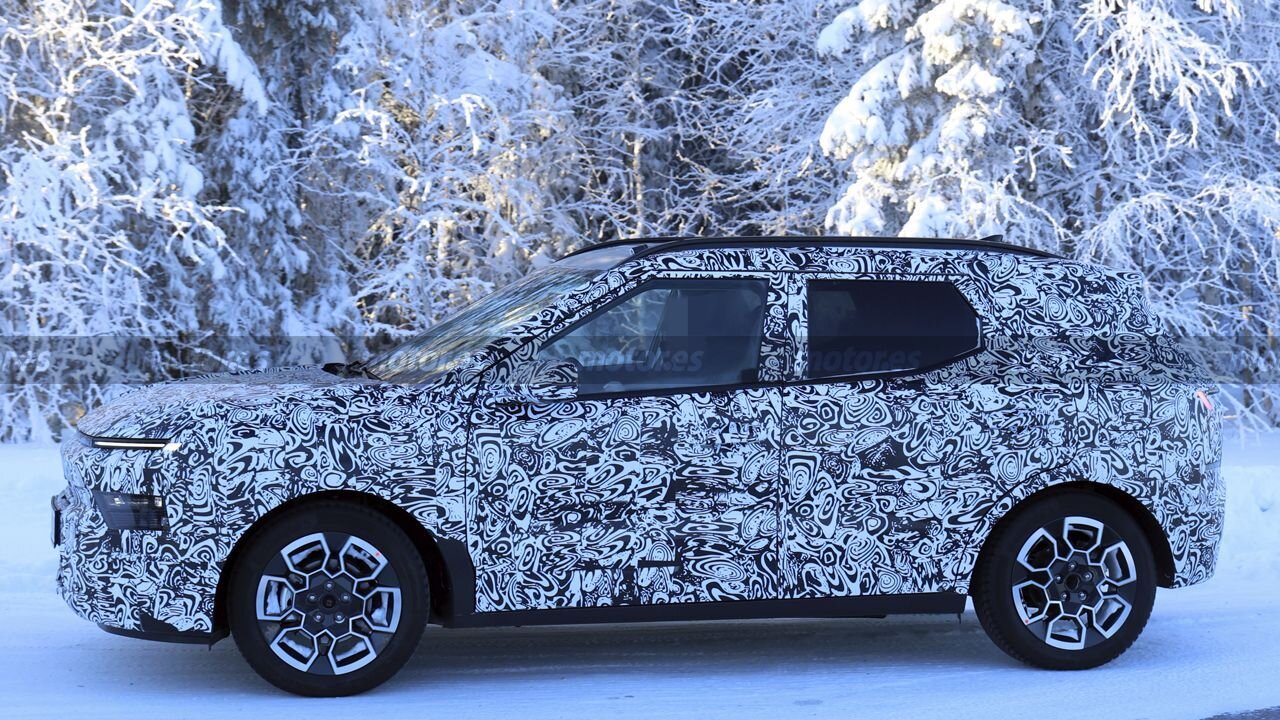











The BAYON’s design evolution, with more rectangular and angular features, is seen as a positive step towards a more robust and sophisticated appearance.
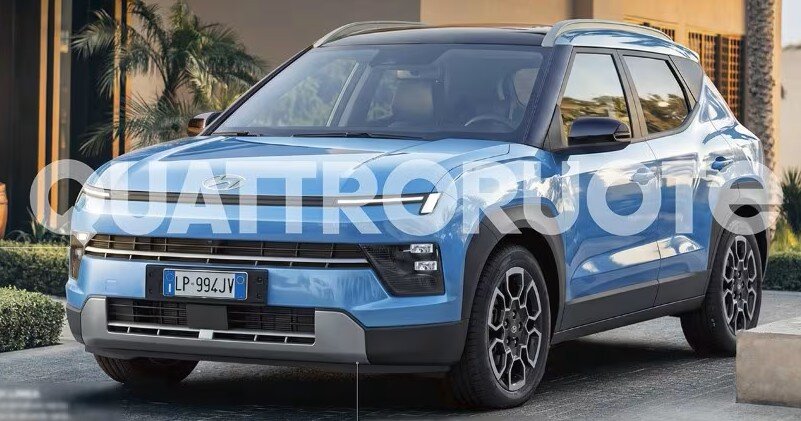
Render
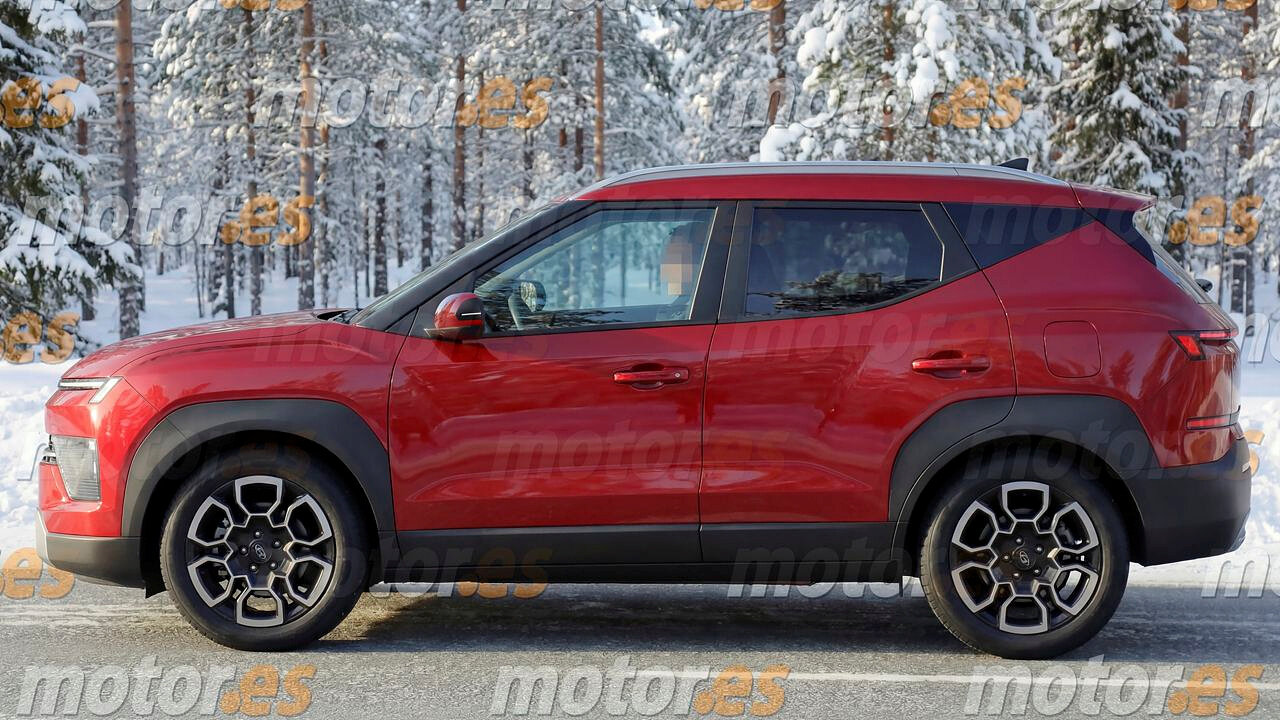
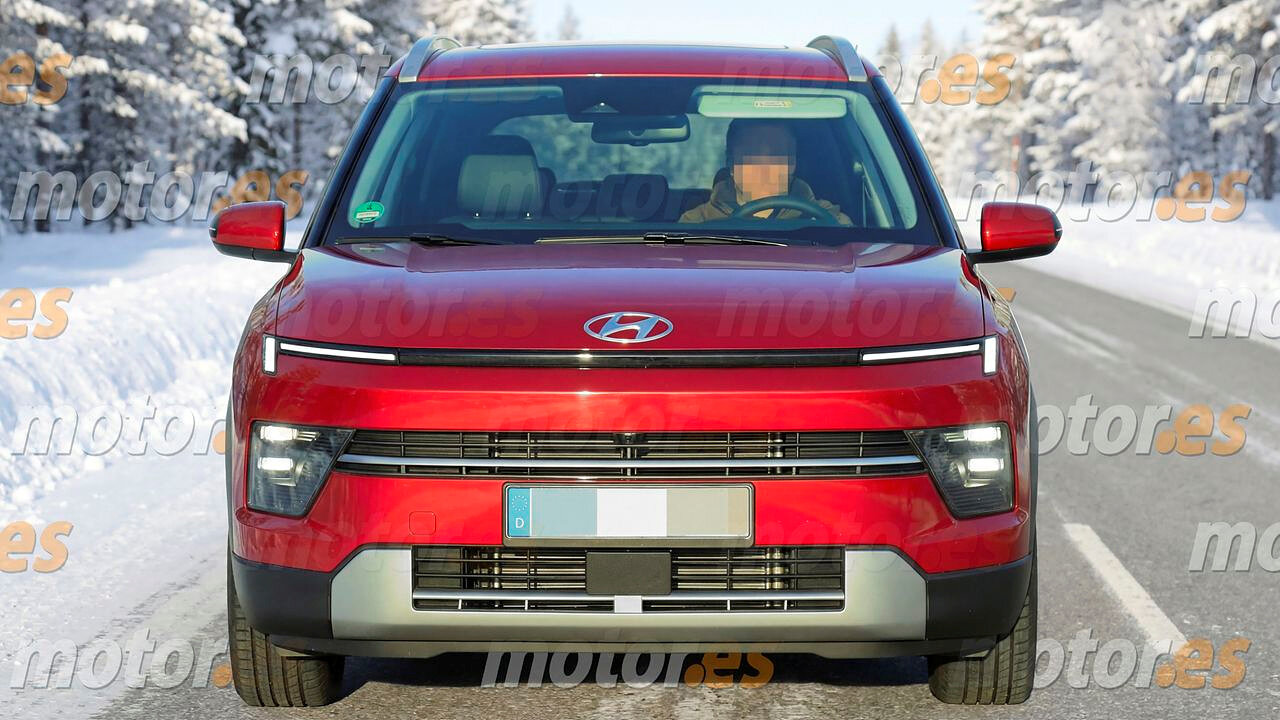
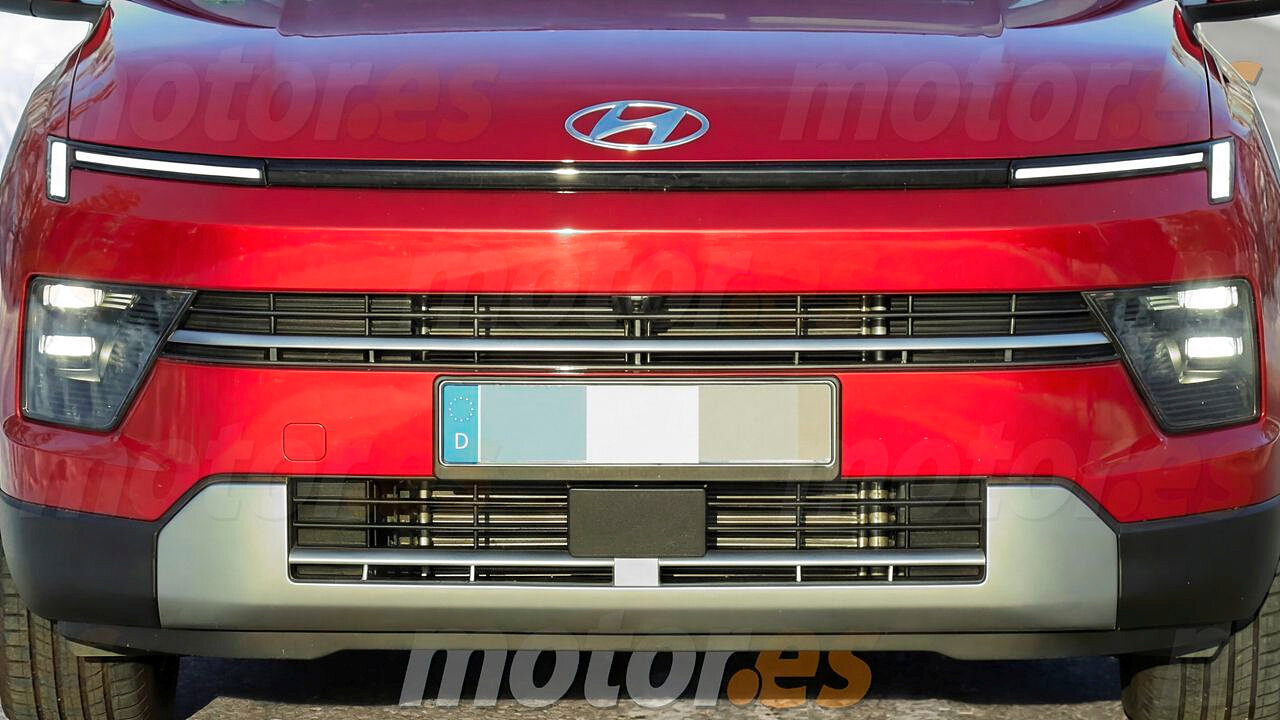
Source: motor.es
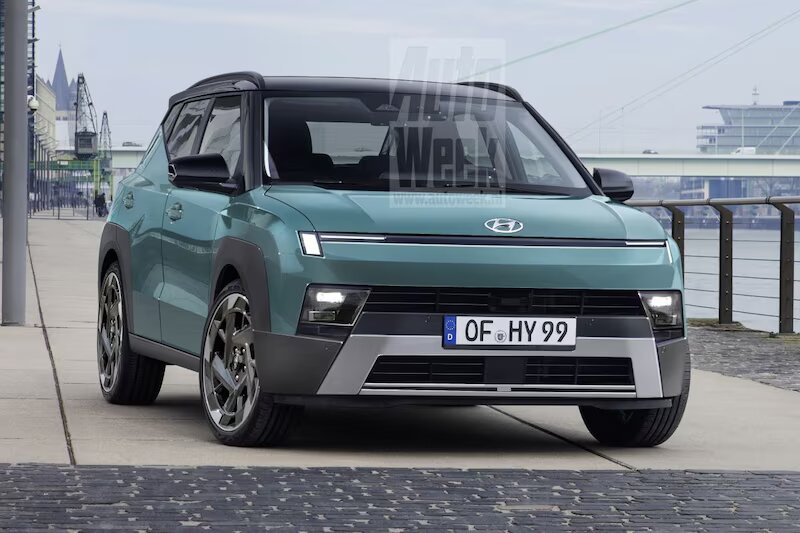
Hyundai’s upcoming Bayon still hasn’t been spotted testing in Brazil, but early signs suggest it will follow a strategy similar to what Volkswagen did with the Tera — essentially creating a small SUV that shares a lot with a hatchback platform.
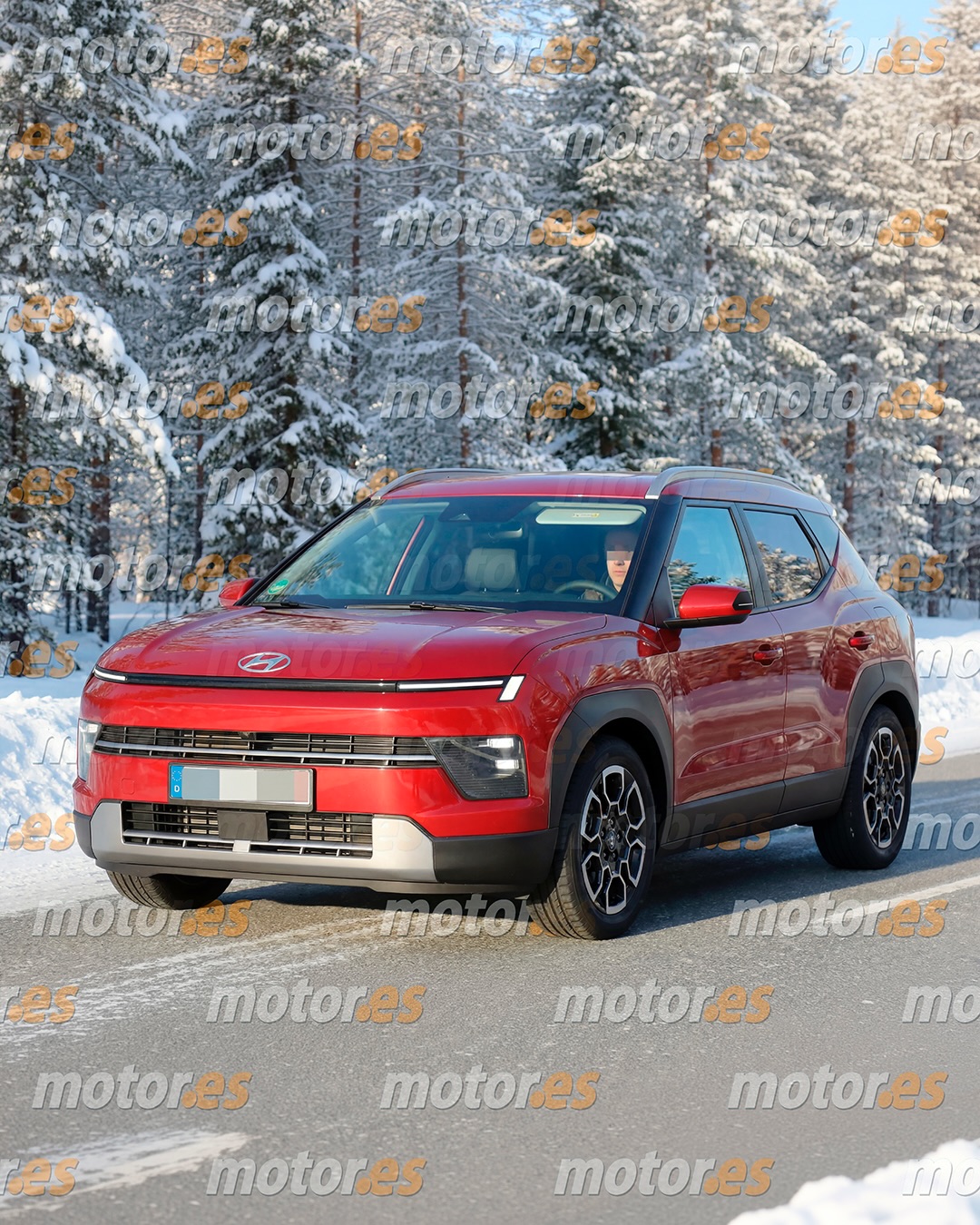
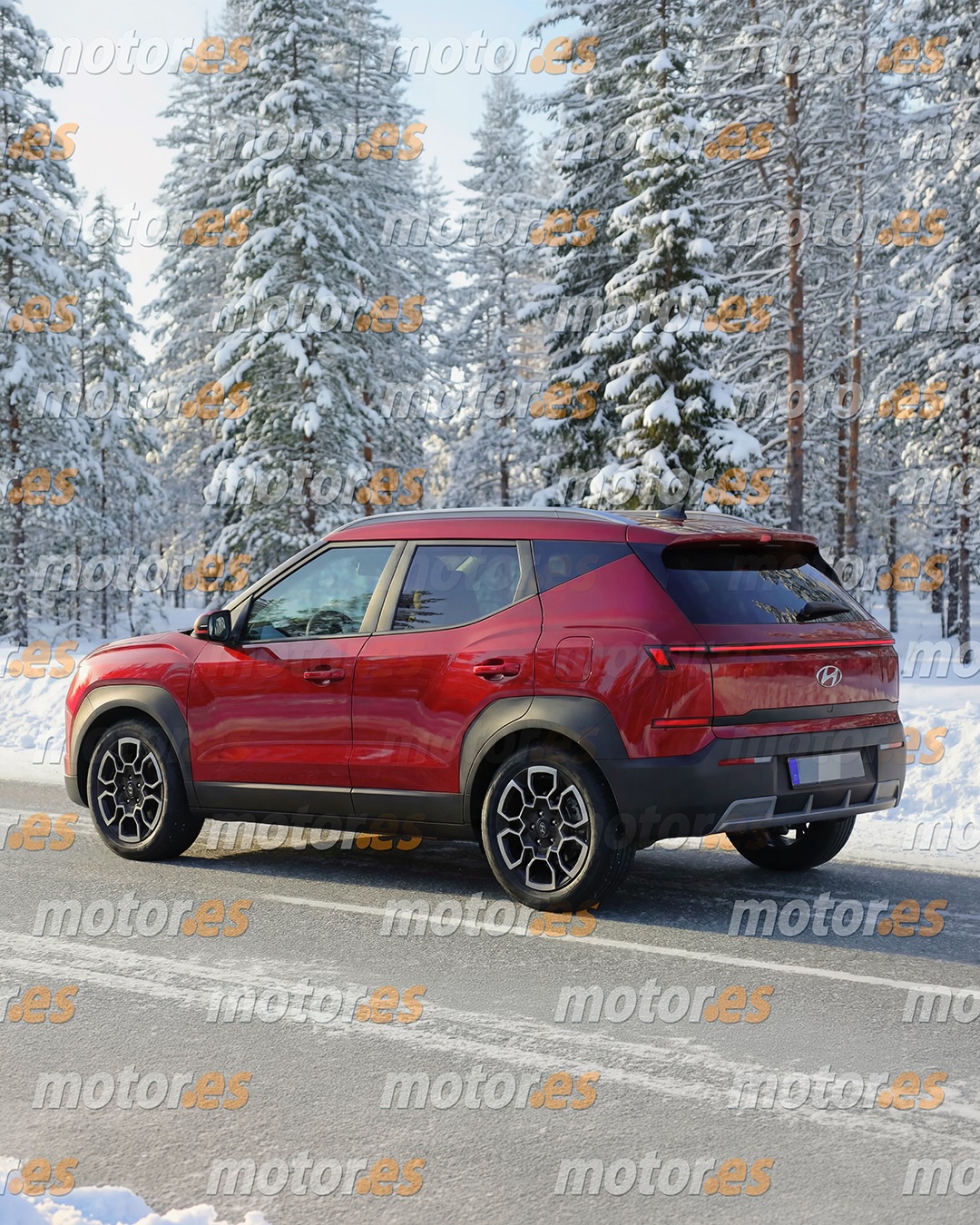
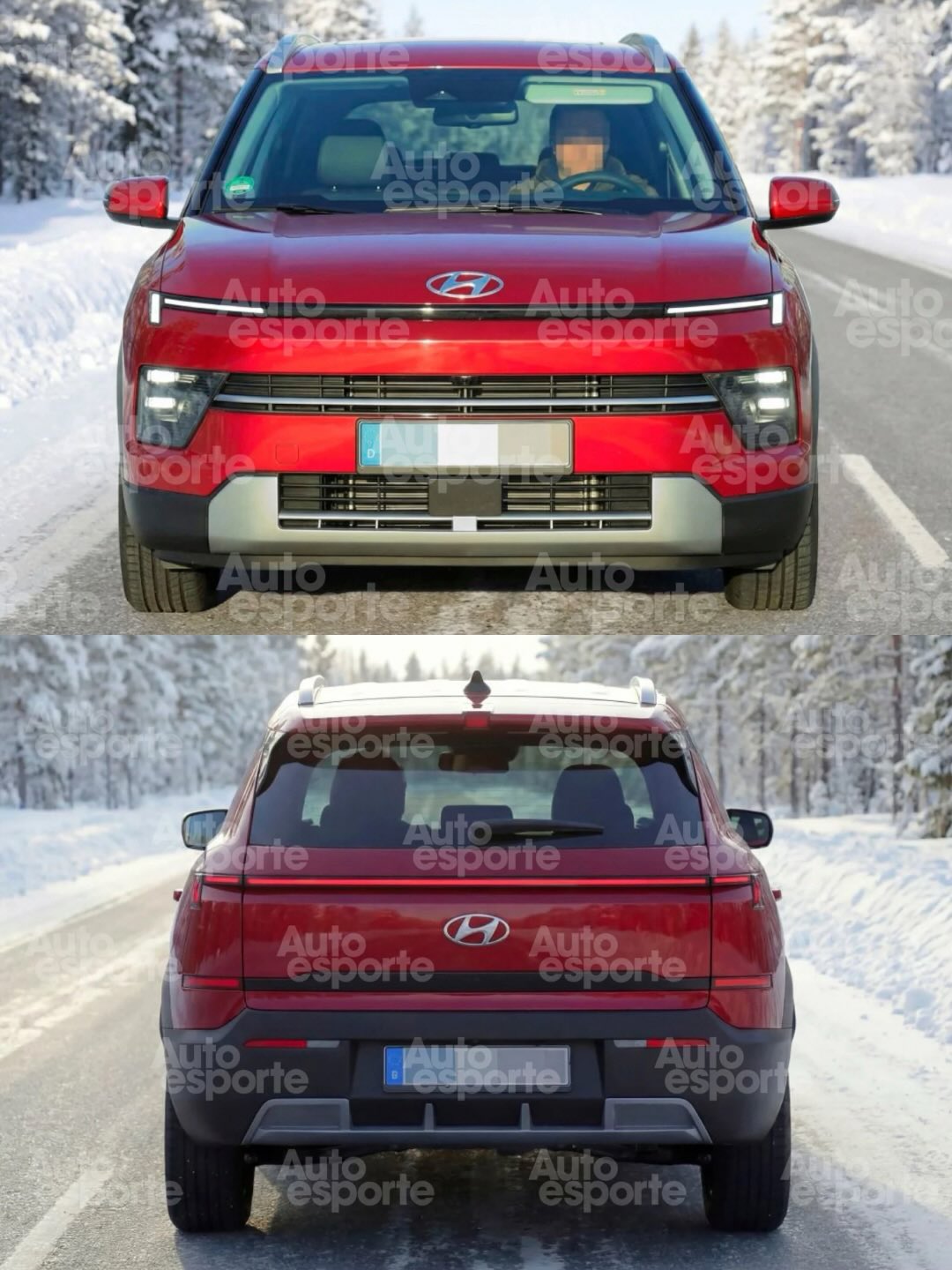
Recent spy shots from Asia and Europe indicate the Bayon will share its platform and many structural components with the next-generation HB20, which should help Hyundai keep production costs down.
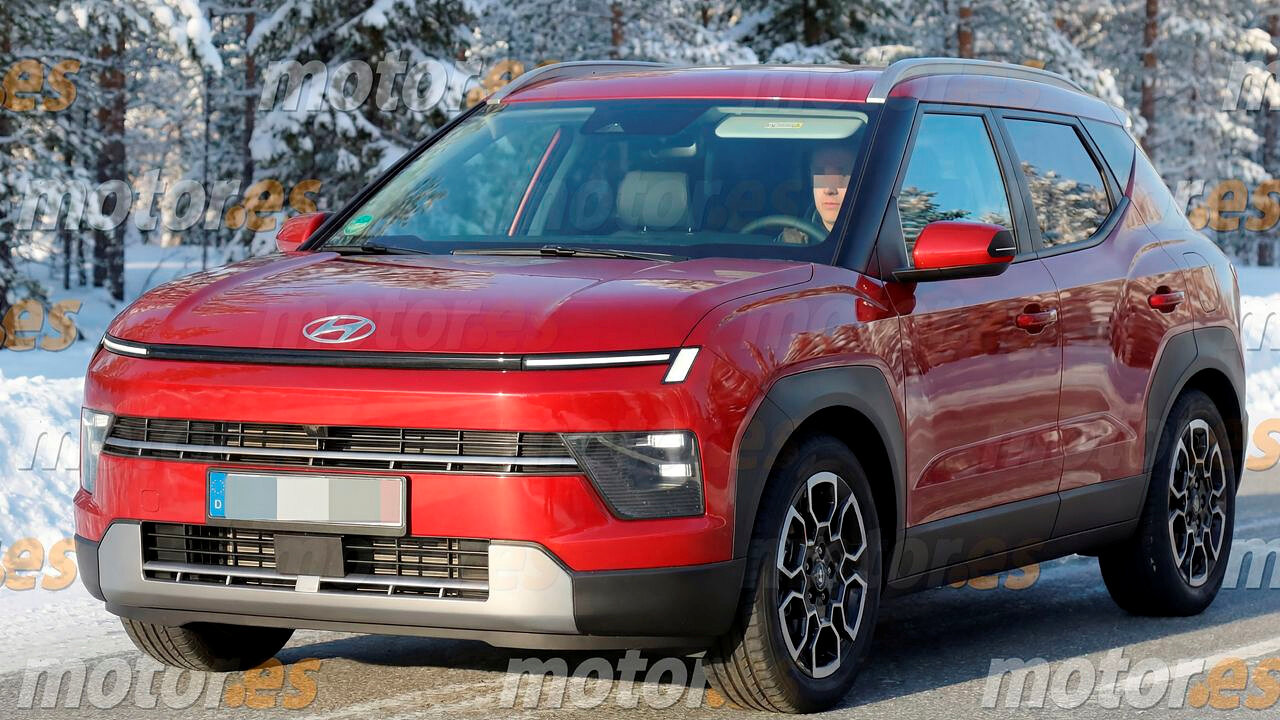
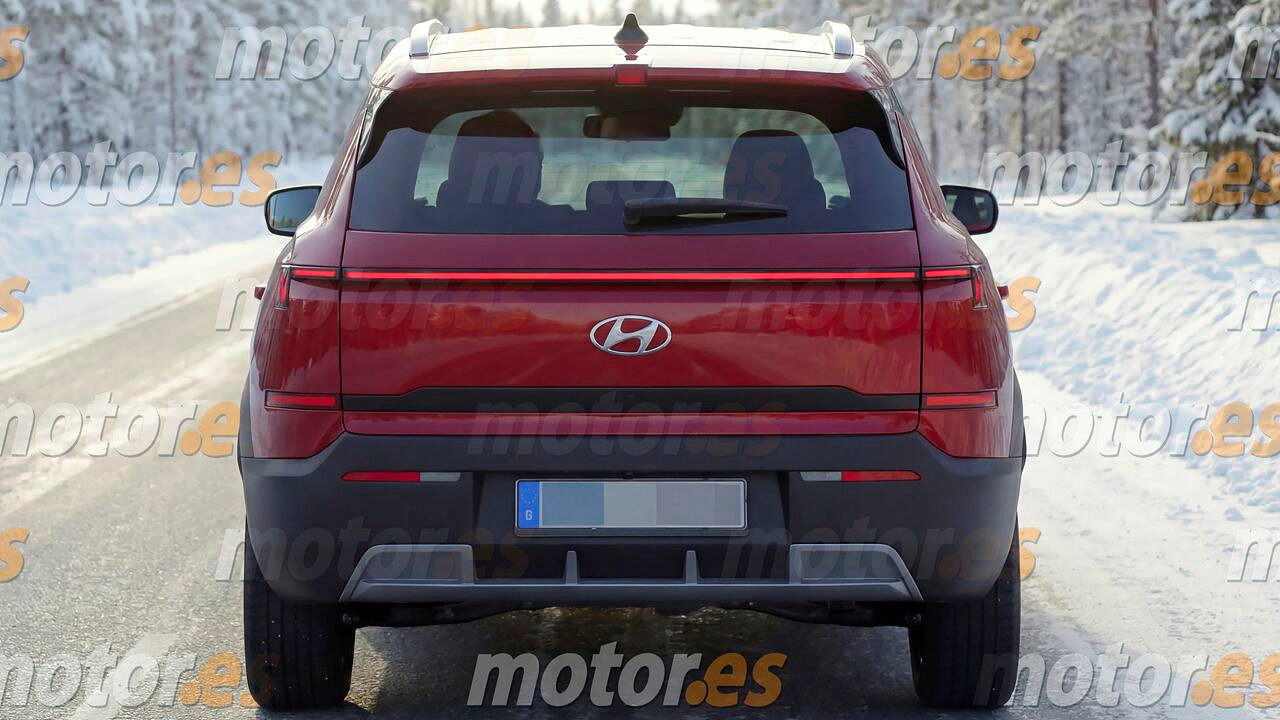
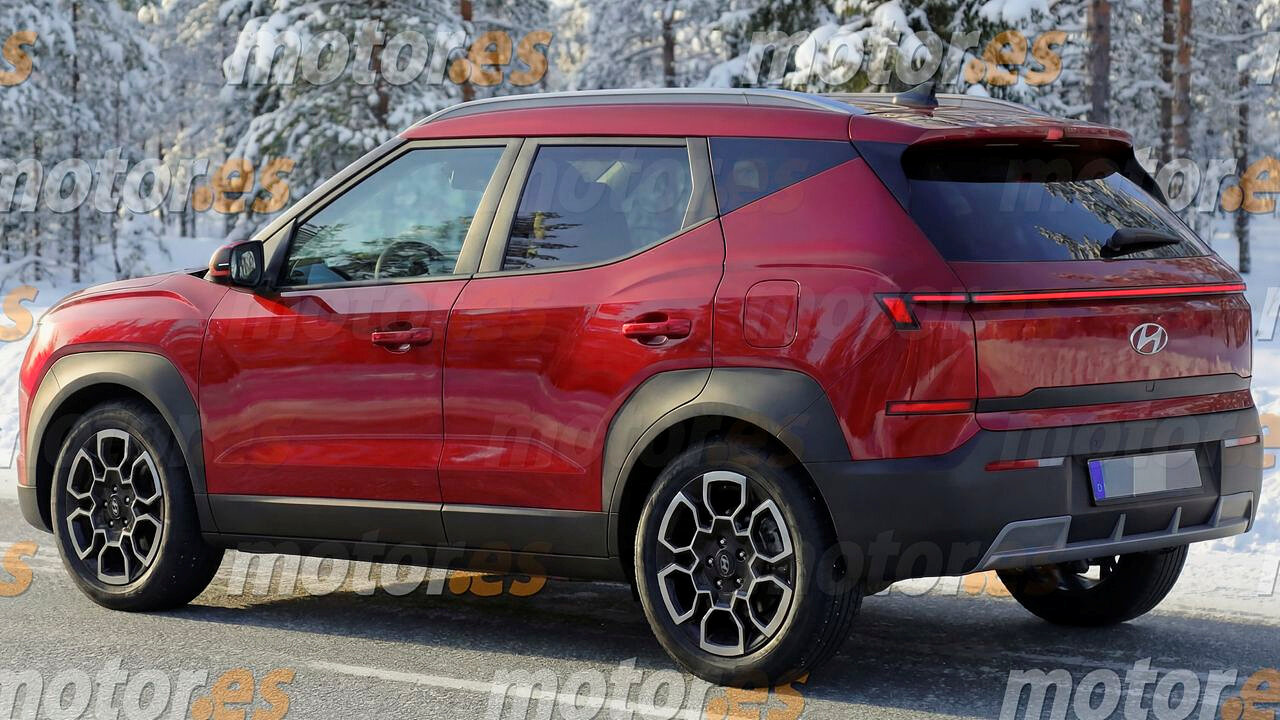
A recent rendering by designer João Kleber Amaral, published by the site Motorpuntoes, suggests the SUV will use the same A-pillar and front doors as the new HB20. Even so, the Bayon appears to have a much more rugged look than the Volkswagen Tera, with a taller hood and higher overall ride height.
The rendering also shows thin LED DRLs and a full-width light bar across the tailgate, connecting the taillights. Interestingly, the reverse lights appear to be mounted in the rear bumper, similar to the current HB20. One of the main differences compared with the hatchback is the completely new rear doors, which seem to have unique outer panels.
The current first-generation Bayon, which is produced in Turkey, already offers a 48-volt mild-hybrid system, so there’s a good chance the next model could bring some form of electrification as well — potentially combined with Brazil’s flex-fuel setup.
In Turkey, the Bayon uses the 1.0-liter turbo GDi engine producing 120 hp and 150 lb-ft (20.4 kgfm) of torque, an engine that’s already used in other Hyundai models in several markets.
Size-wise, the Bayon is expected to measure around 4.2 meters (165 inches) in length, with a 2.6-meter wheelbase and roughly 1.6 meters in height. That would position it below the Creta in Hyundai’s lineup.
In Brazil, it would compete with entry-level crossovers like the Fiat Pulse, Renault Kardian, Nissan Kicks, and Volkswagen Tera.
The expected launch is sometime around 2027, and interestingly, it may also signal the end of the HB20S sedan, which so far hasn’t been planned for a next-generation update.
What do you think — could the Hyundai Bayon be a real competitor to the Volkswagen Tera?
Source: @joaokleberdesign