Range Rover Sport EV First Drive: Electric Power Might Suit It Better Than a V8
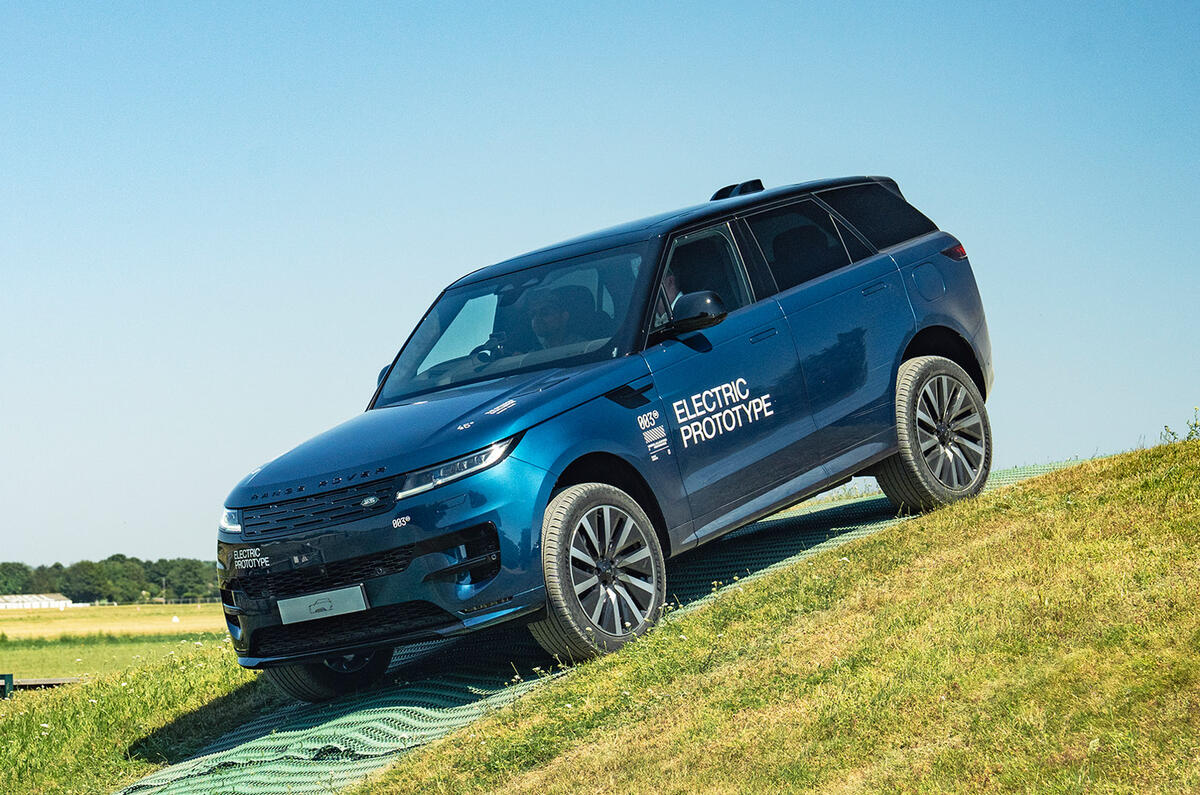
Land Rover has given journalists an early drive of the upcoming Range Rover Sport Electric, ahead of its expected launch. Although it has been delayed by about a year, the company says the extra time was spent refining the vehicle rather than rushing it to market.
Familiar Range Rover, Now Electric
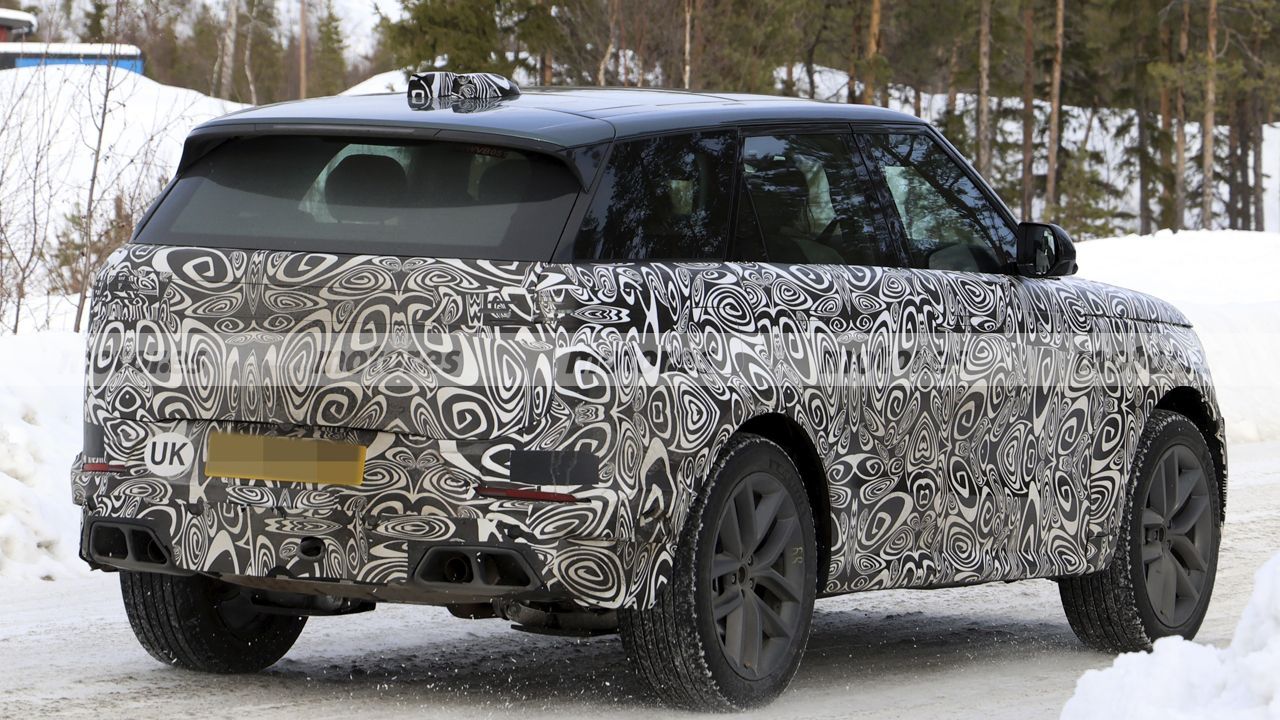
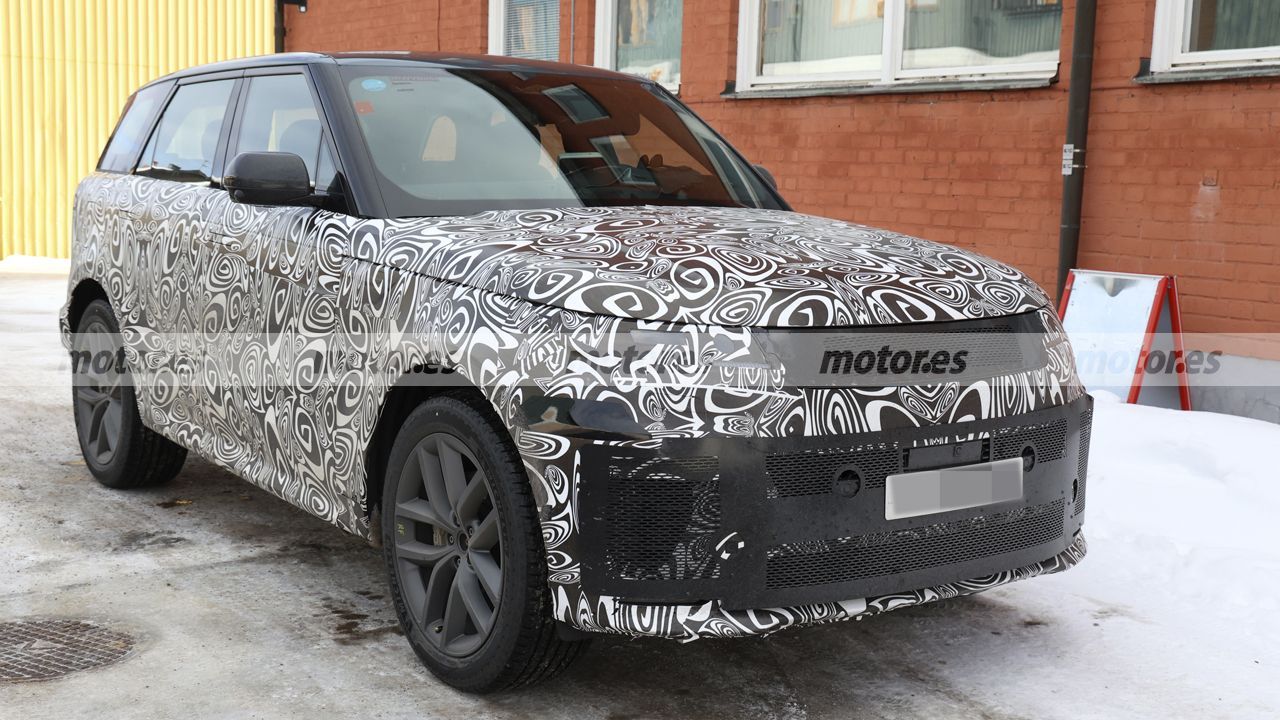
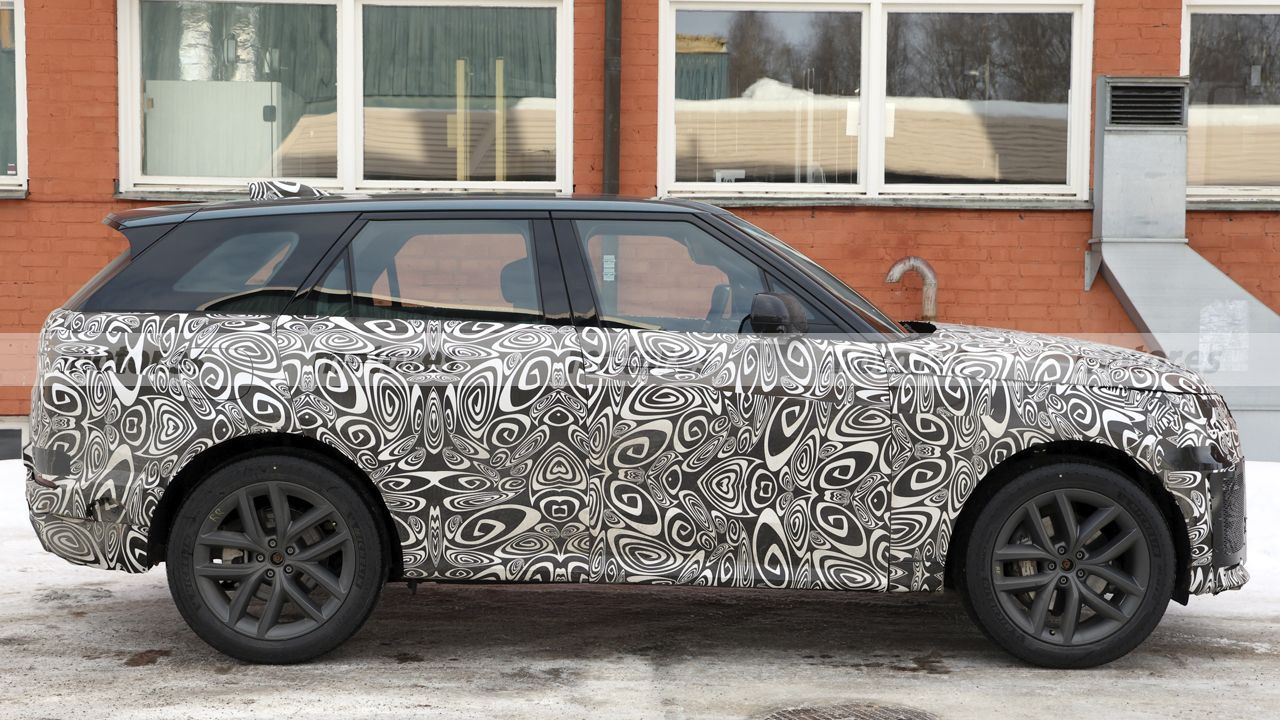
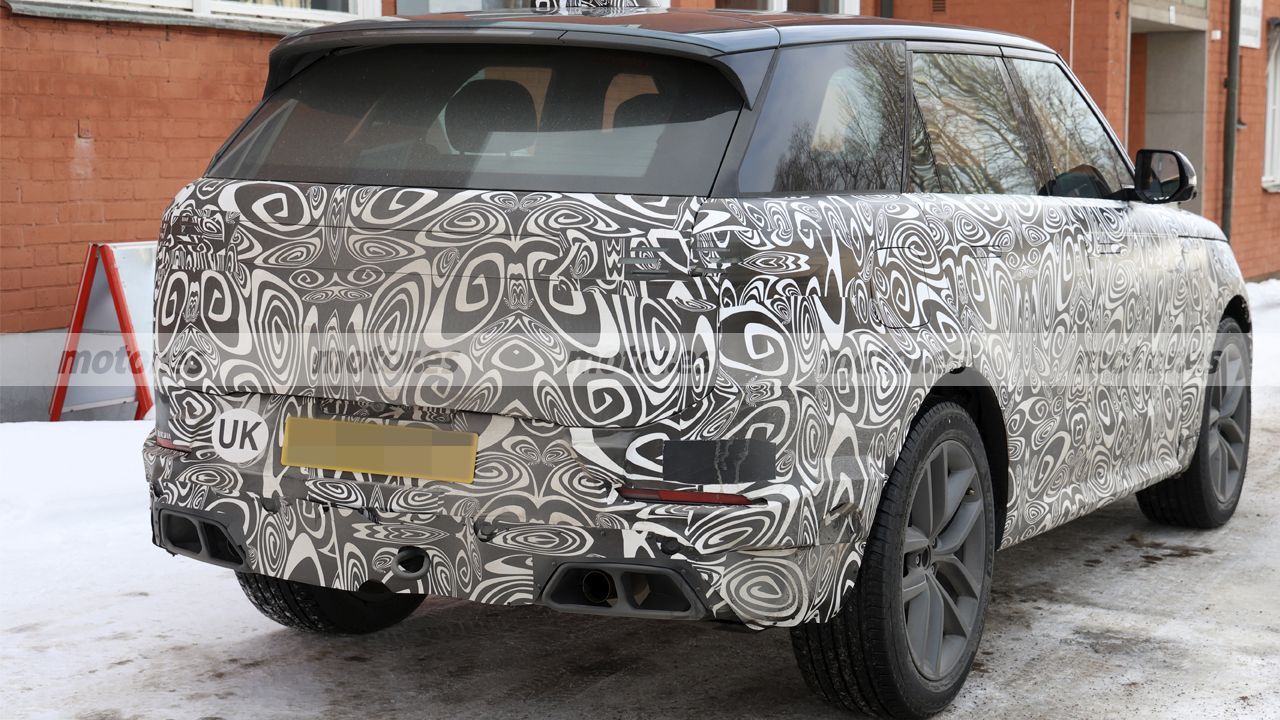
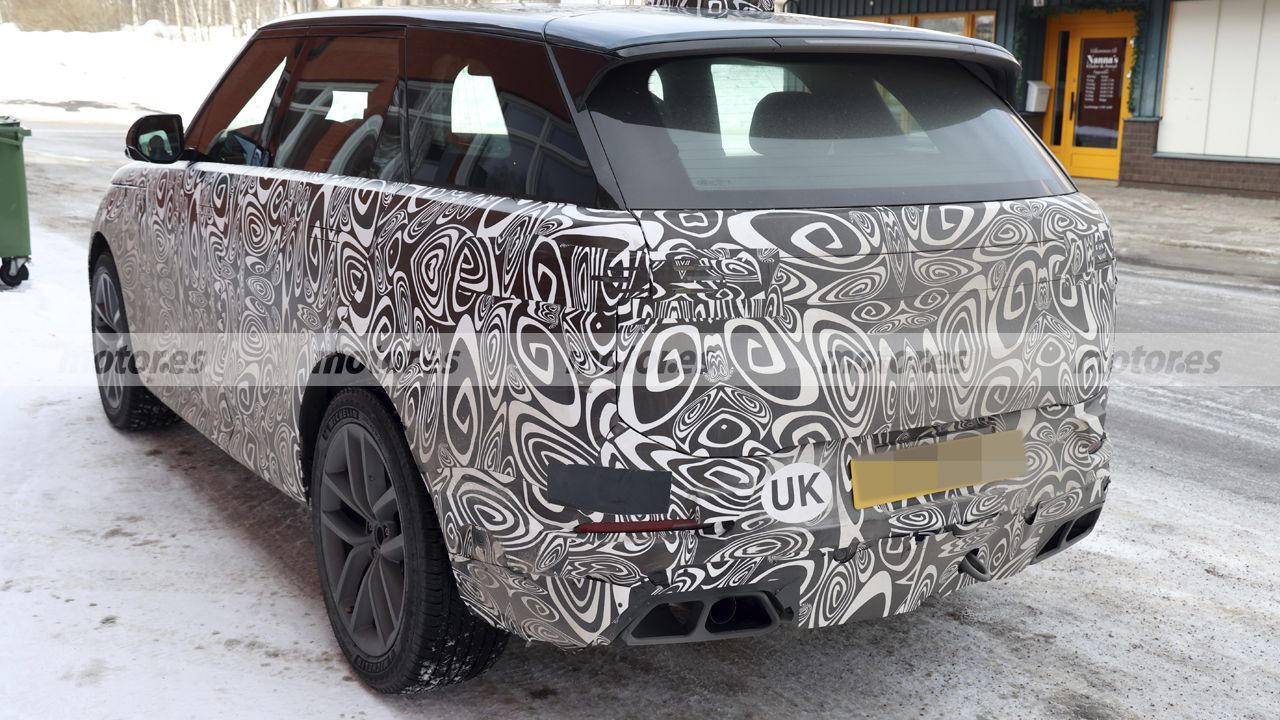
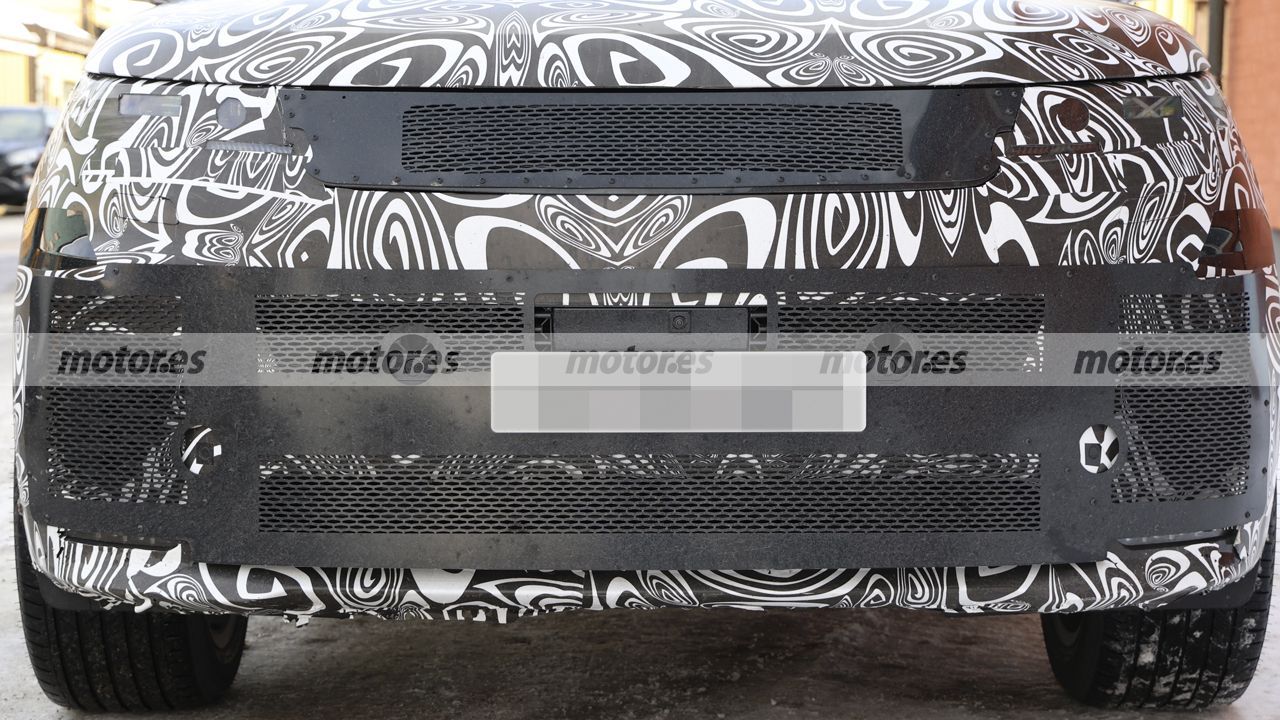
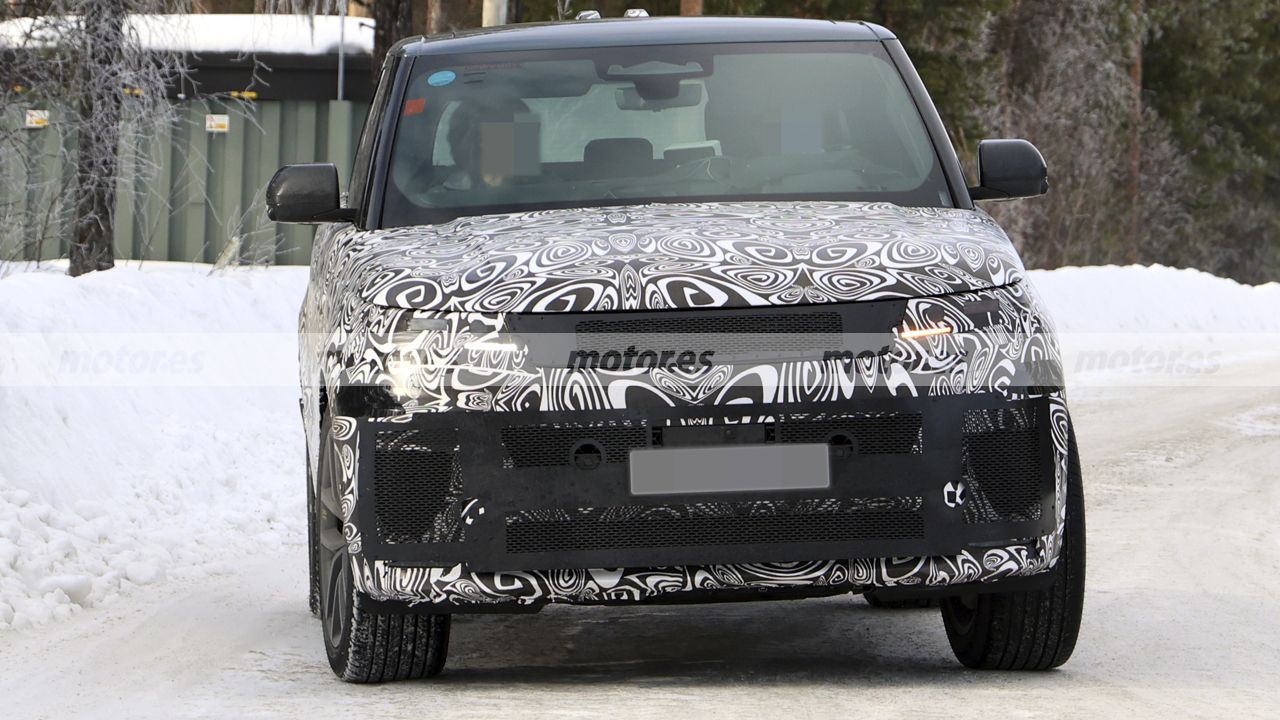
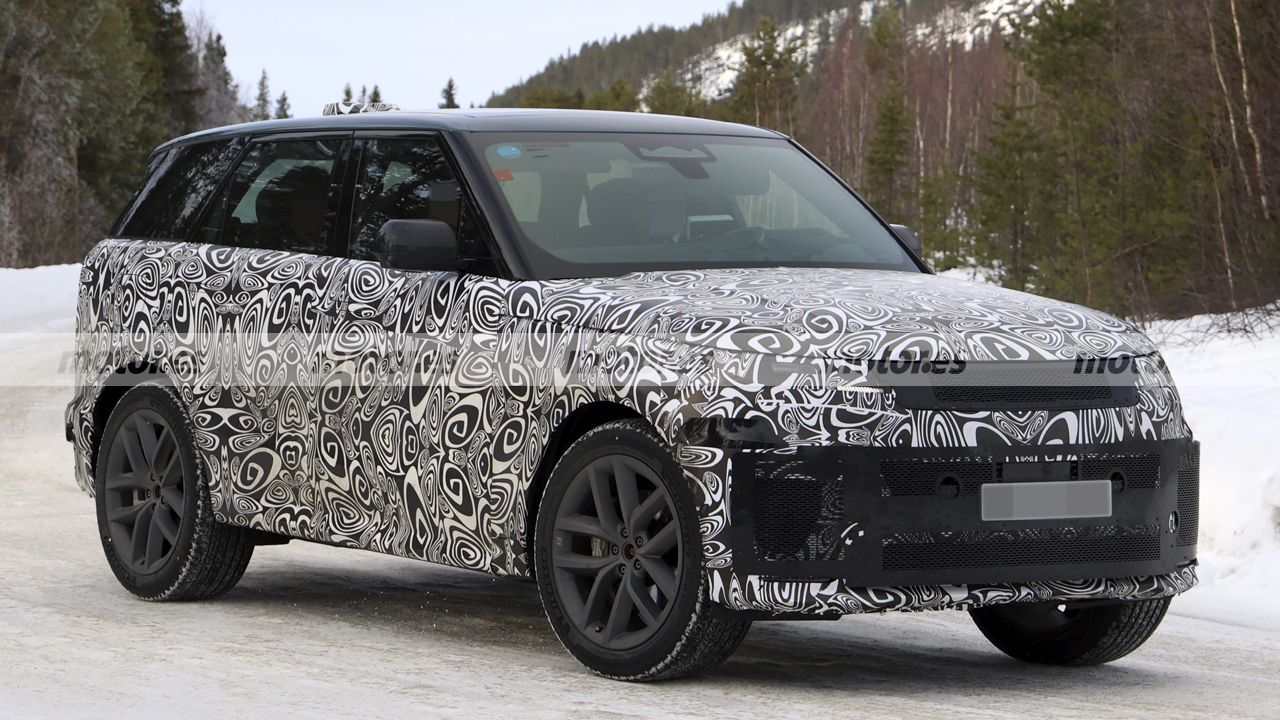
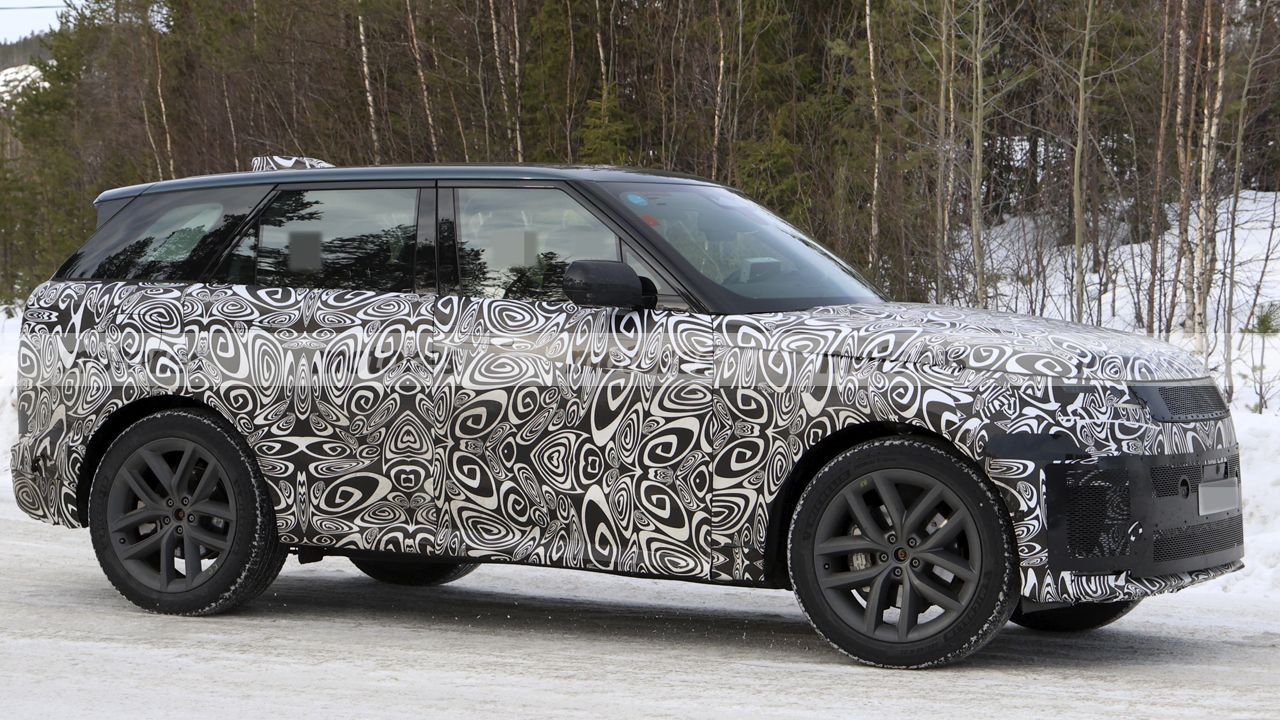
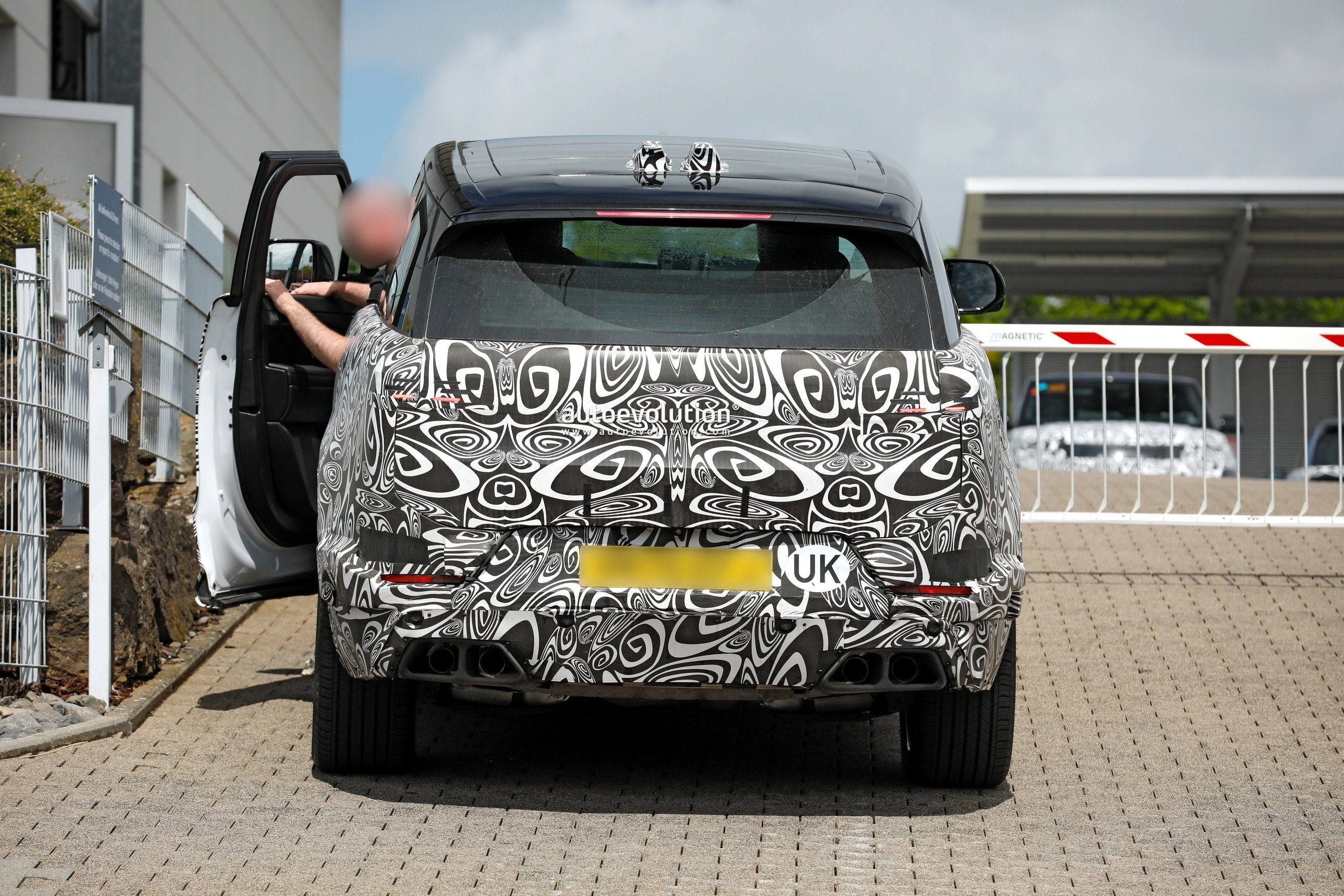
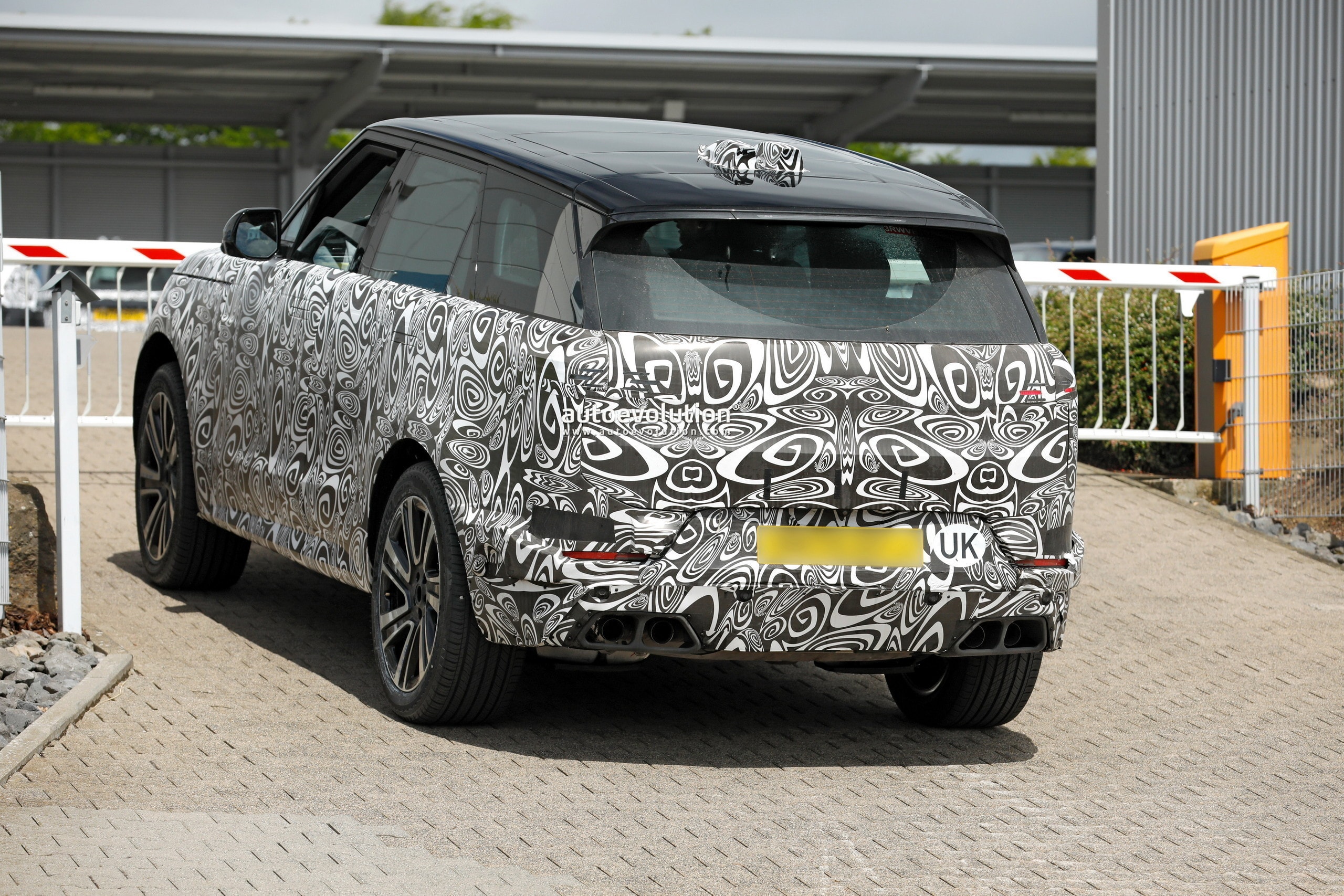
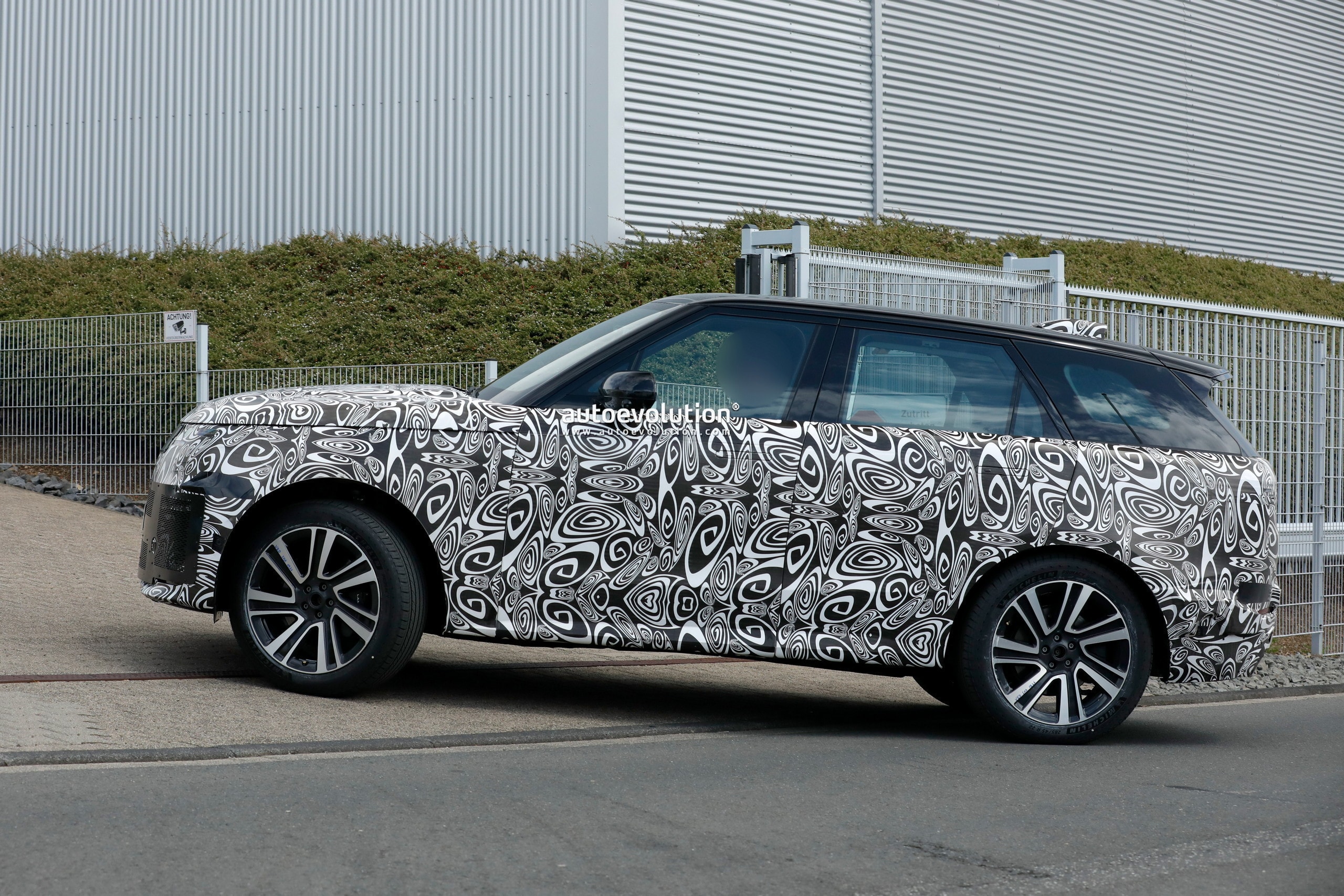
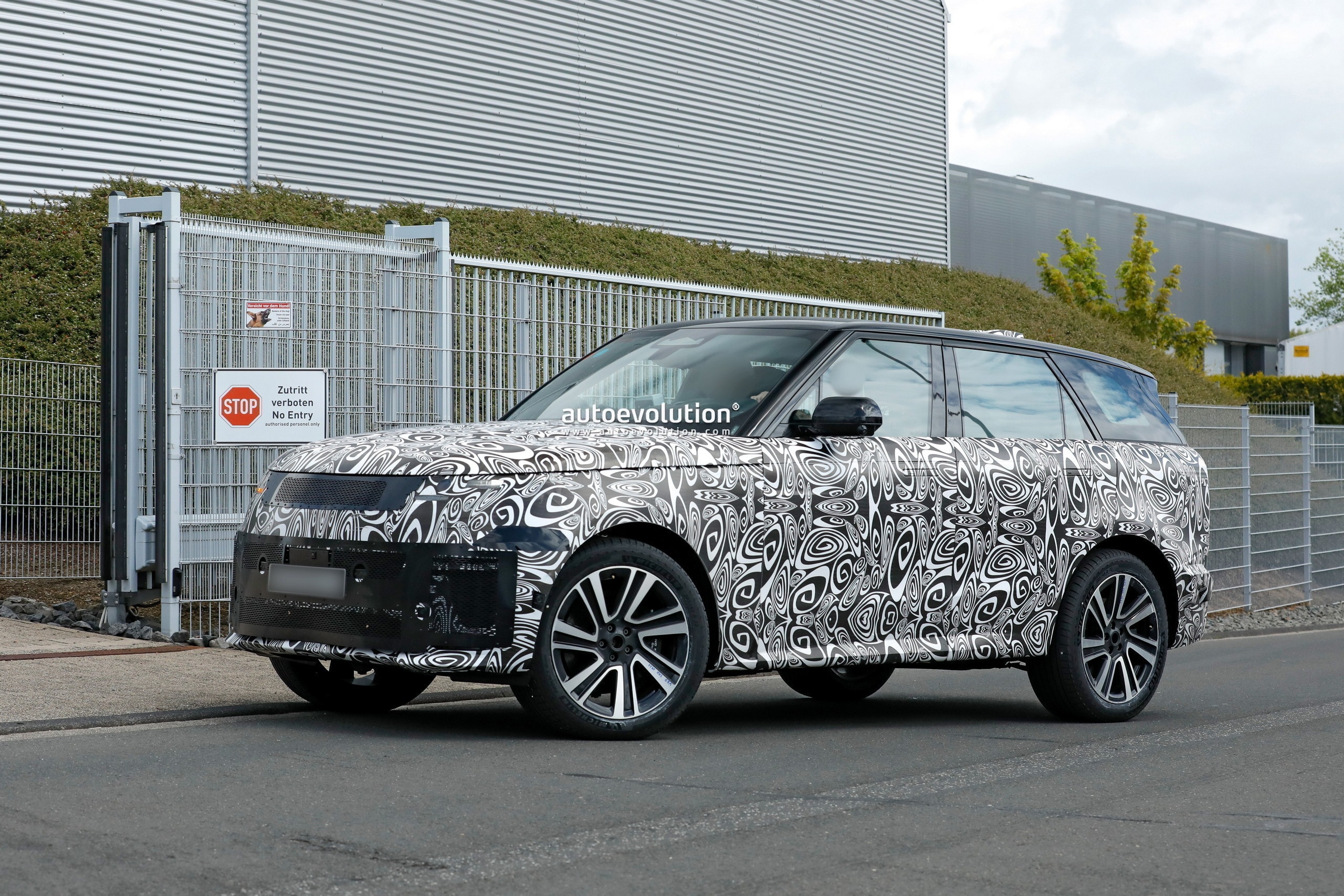
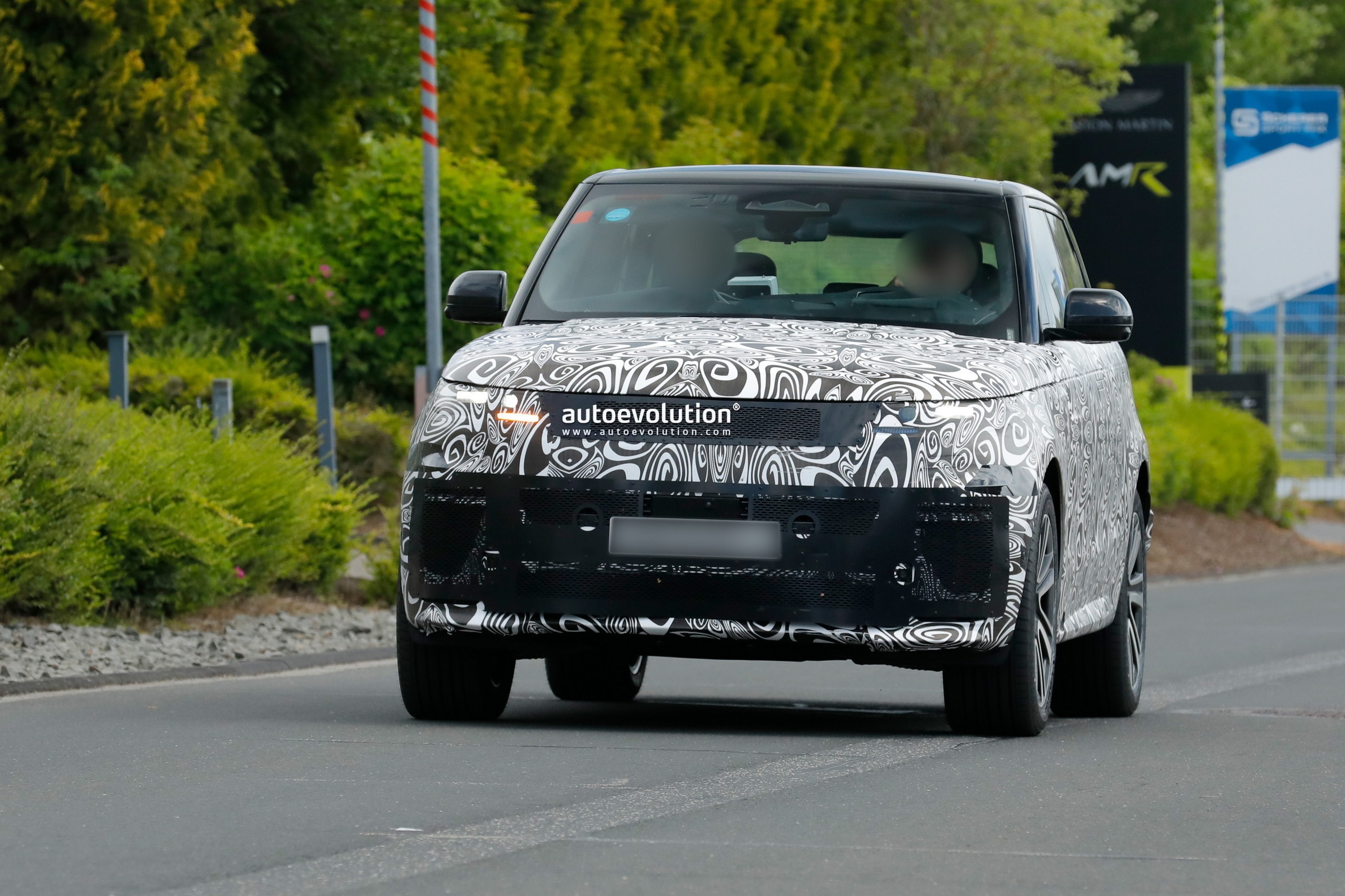
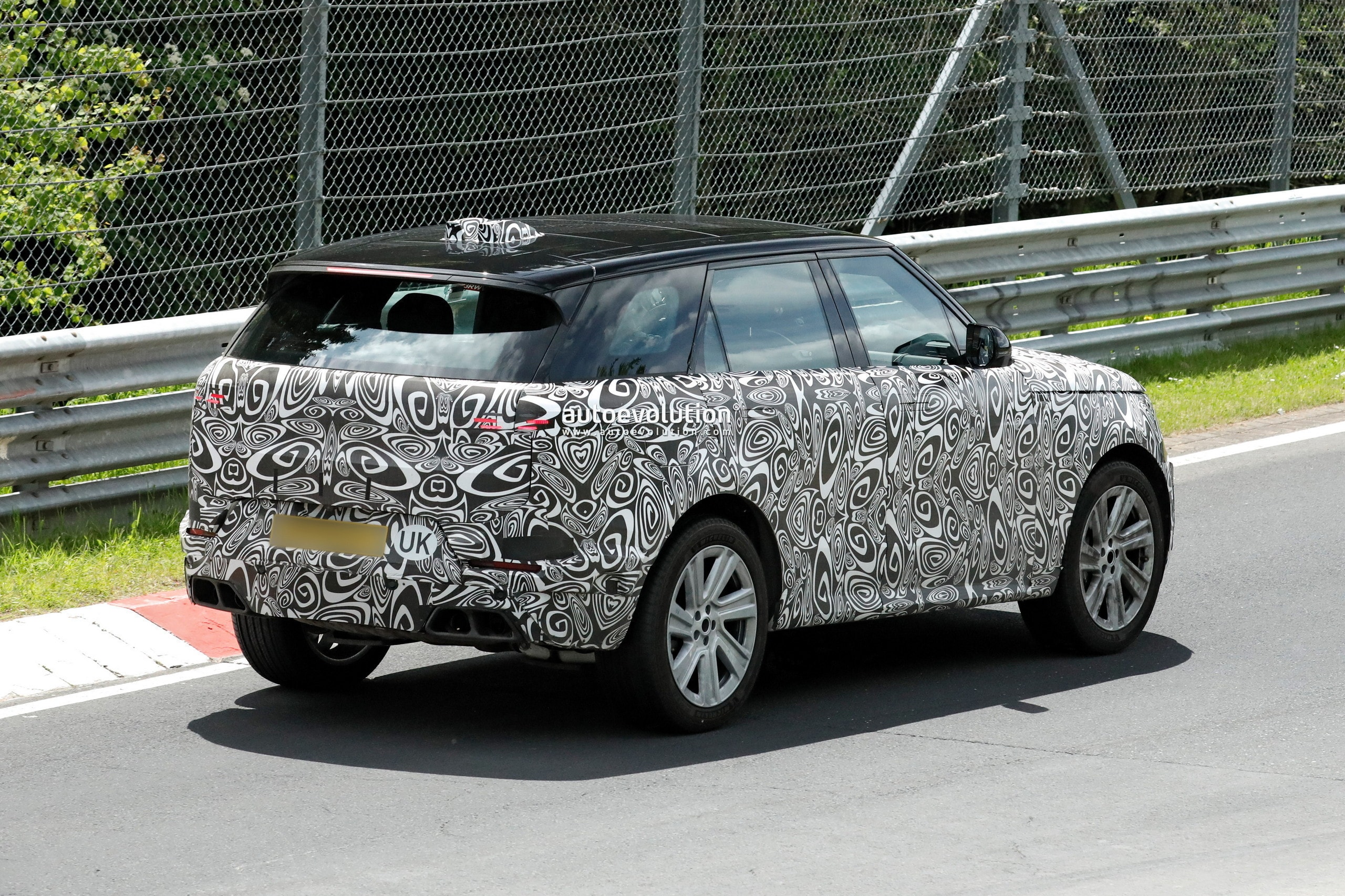
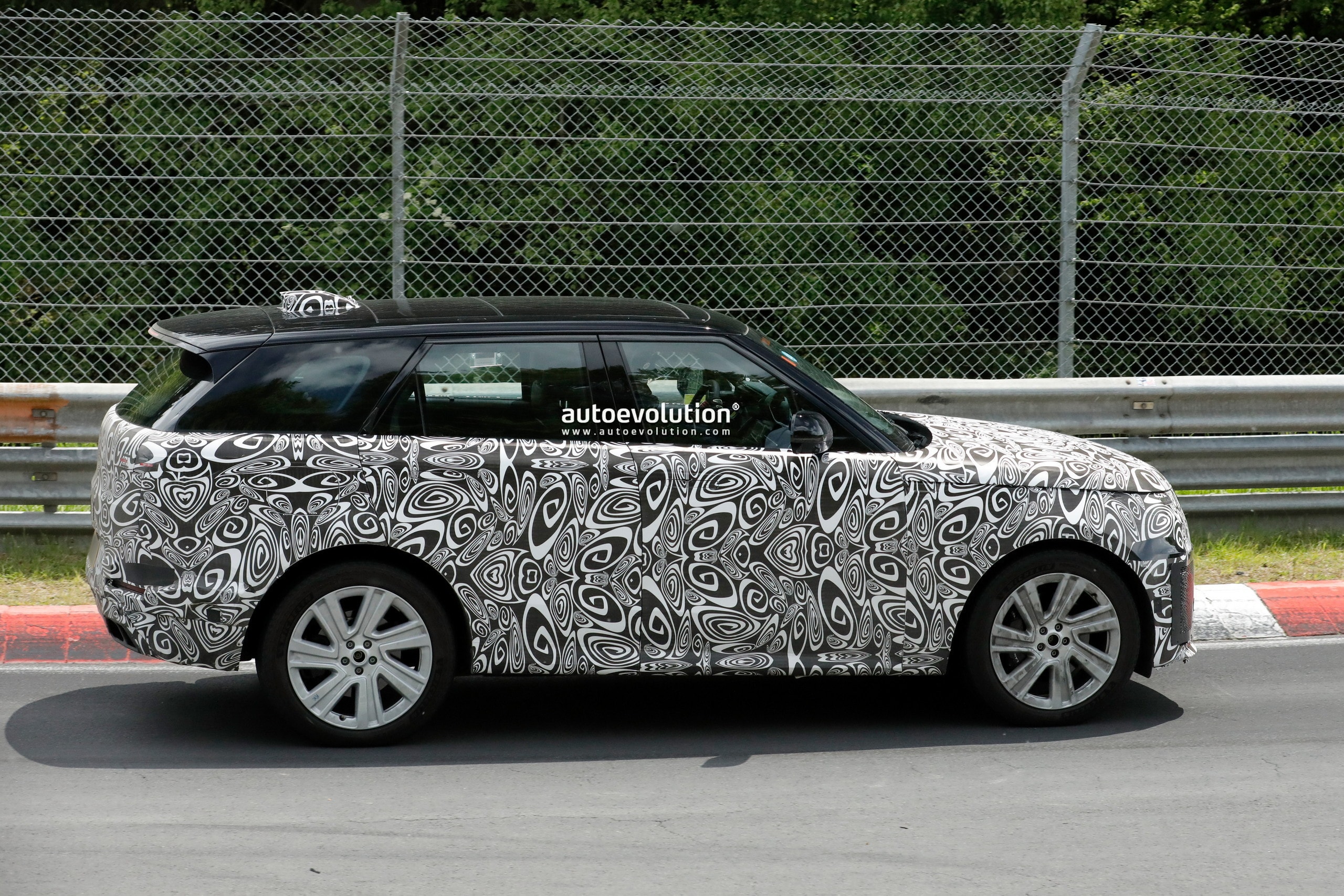
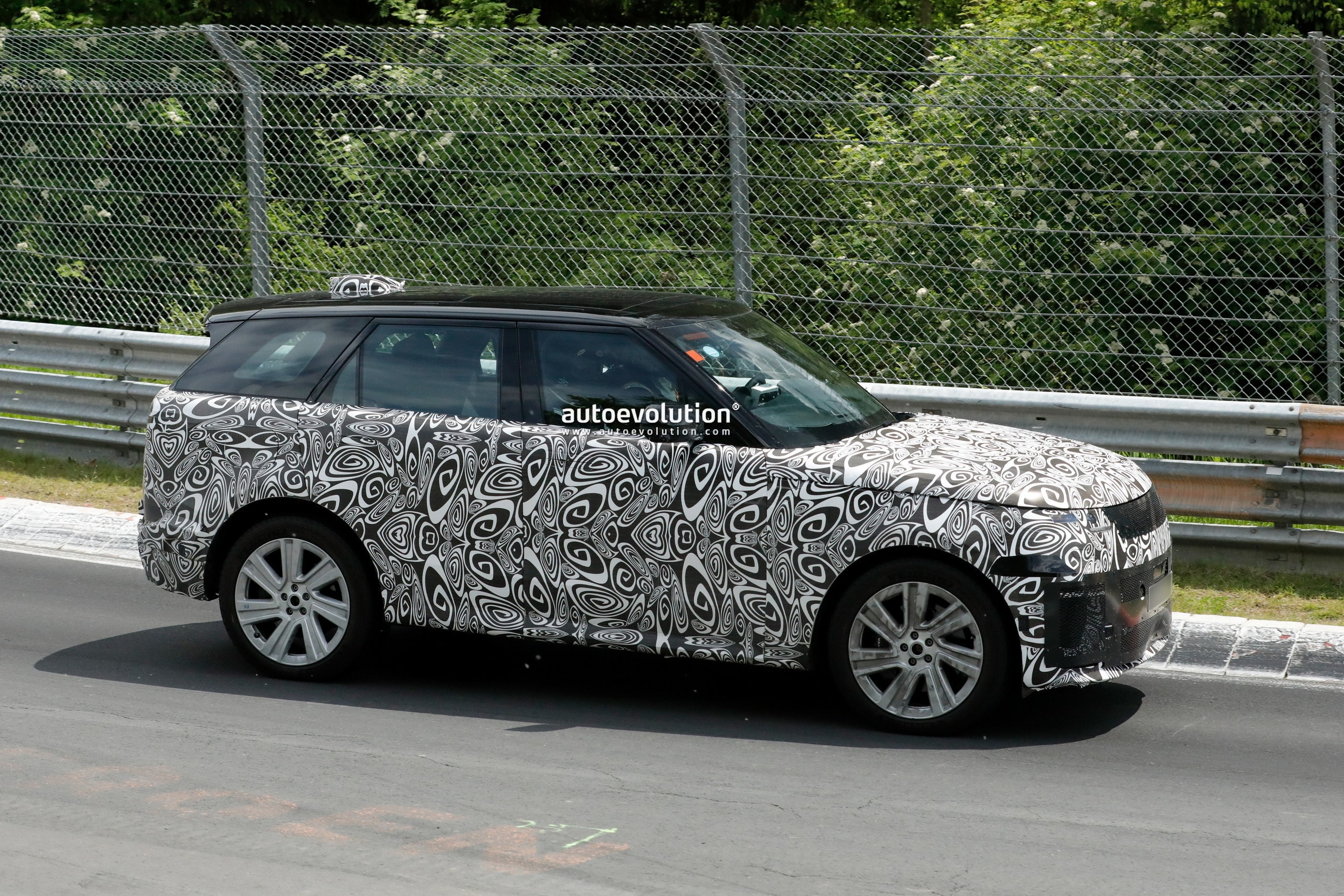
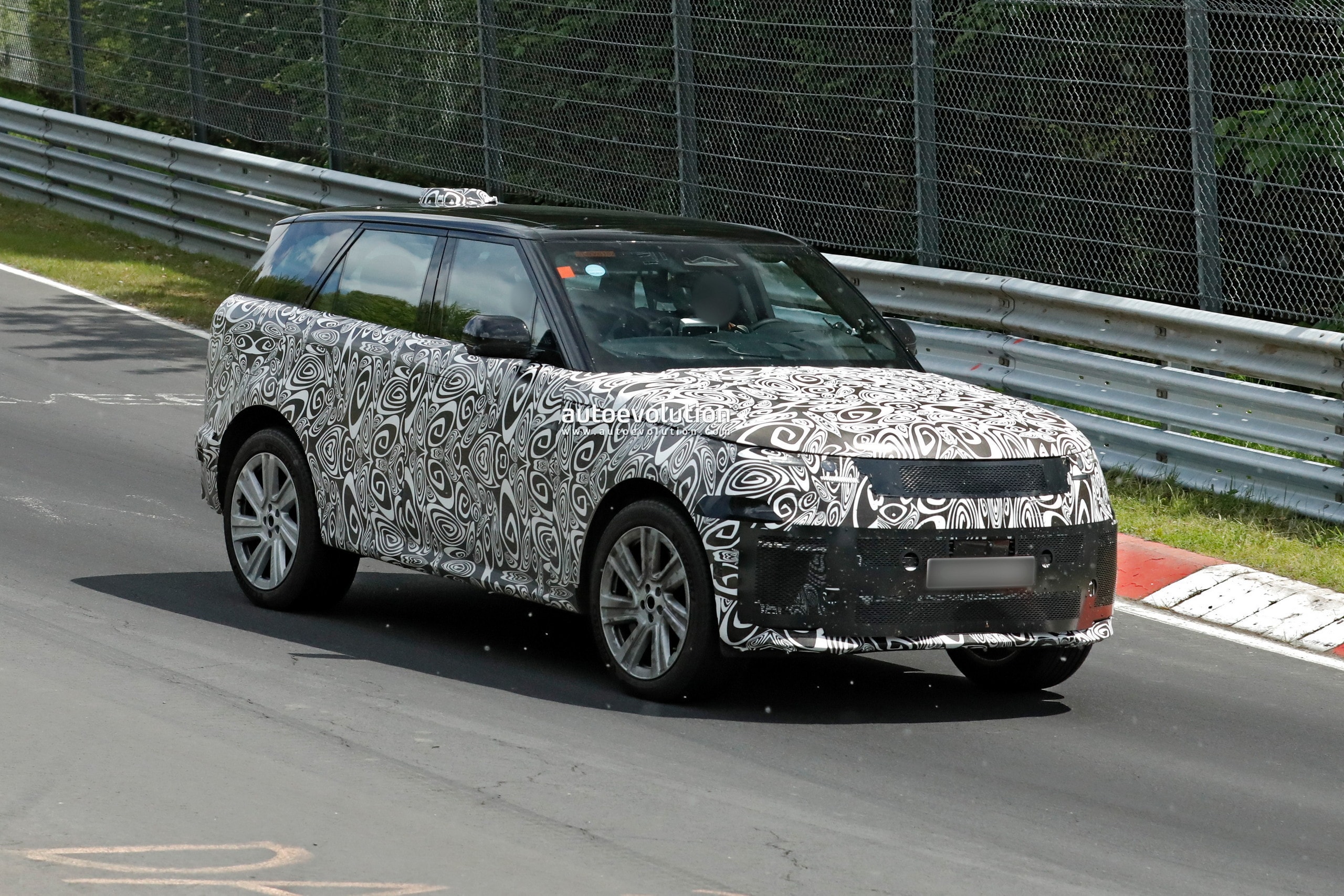
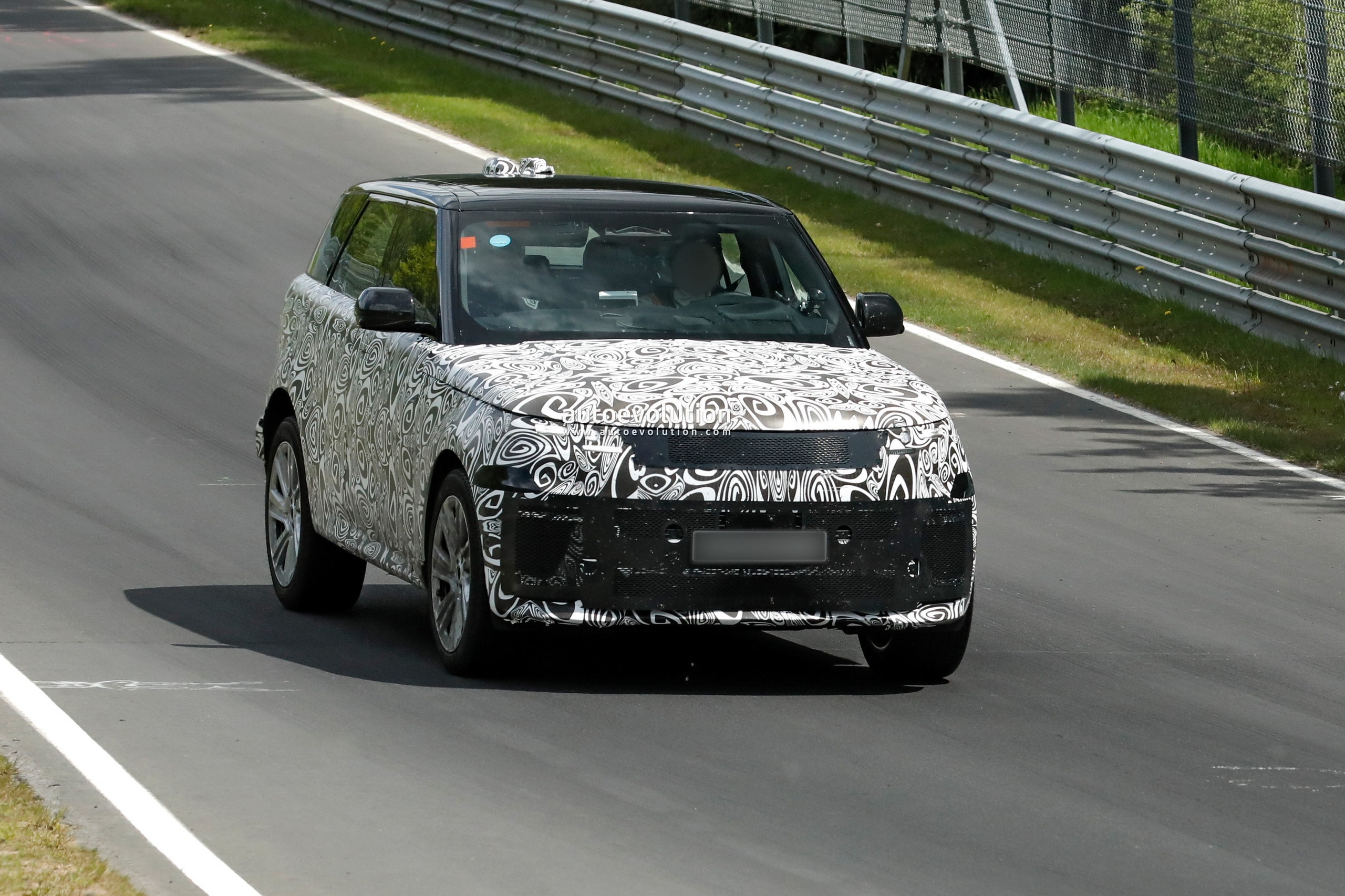
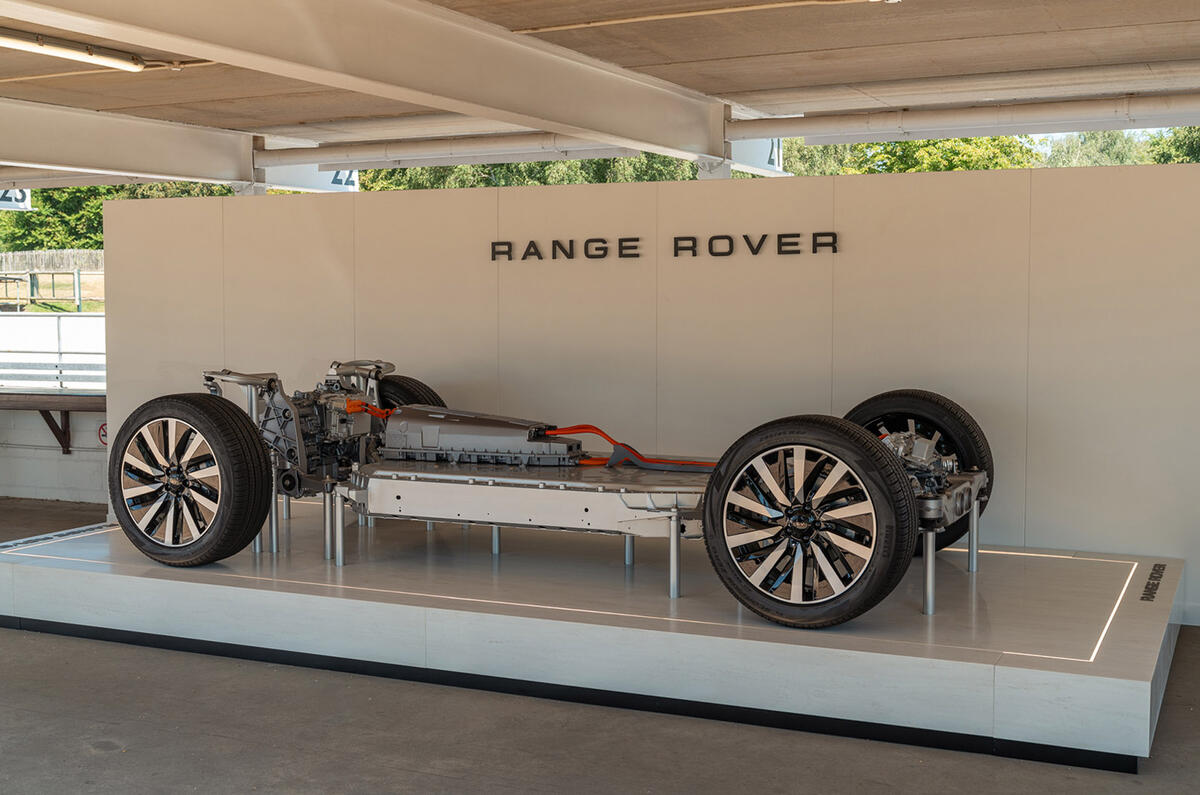
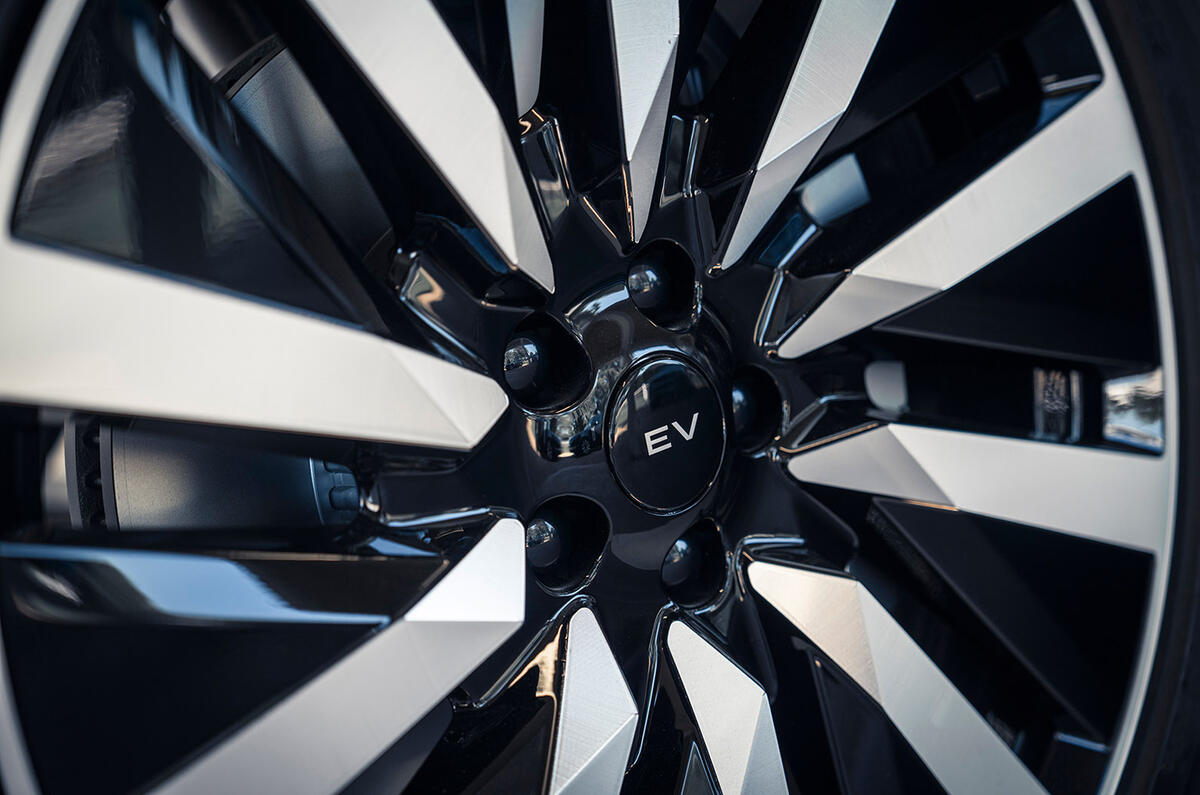
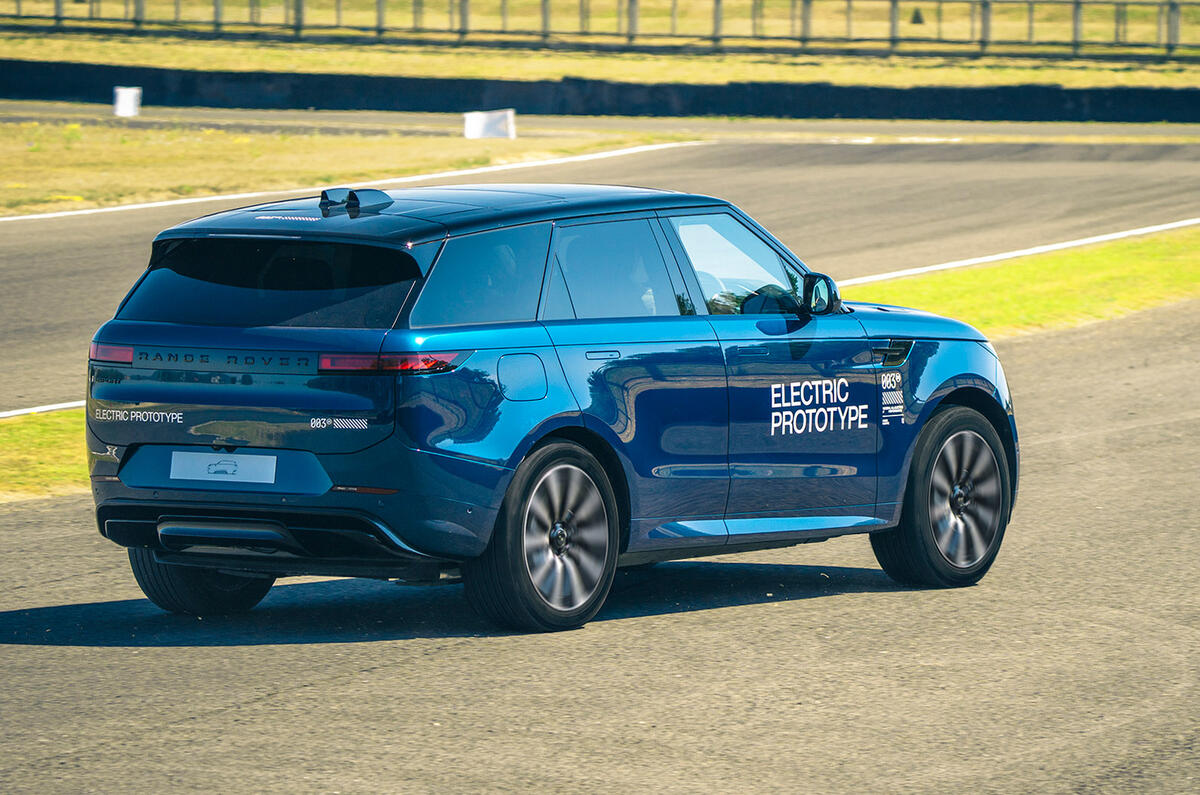
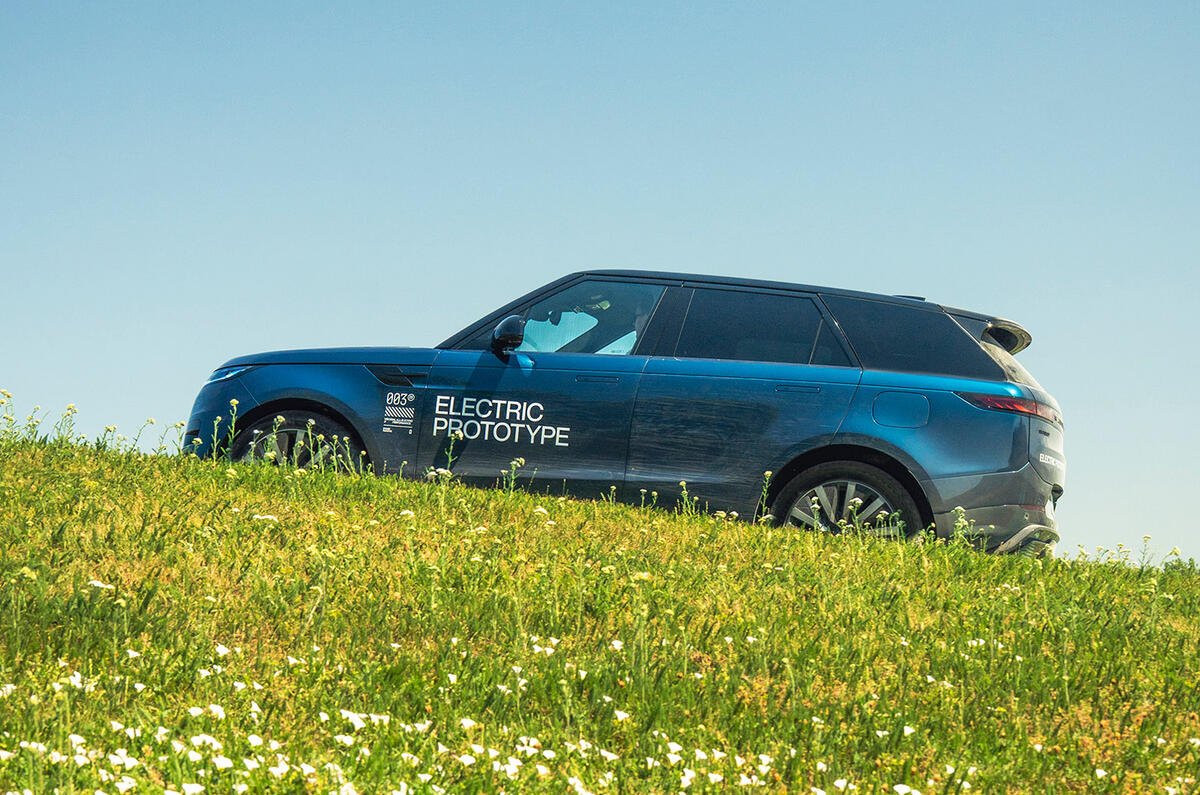
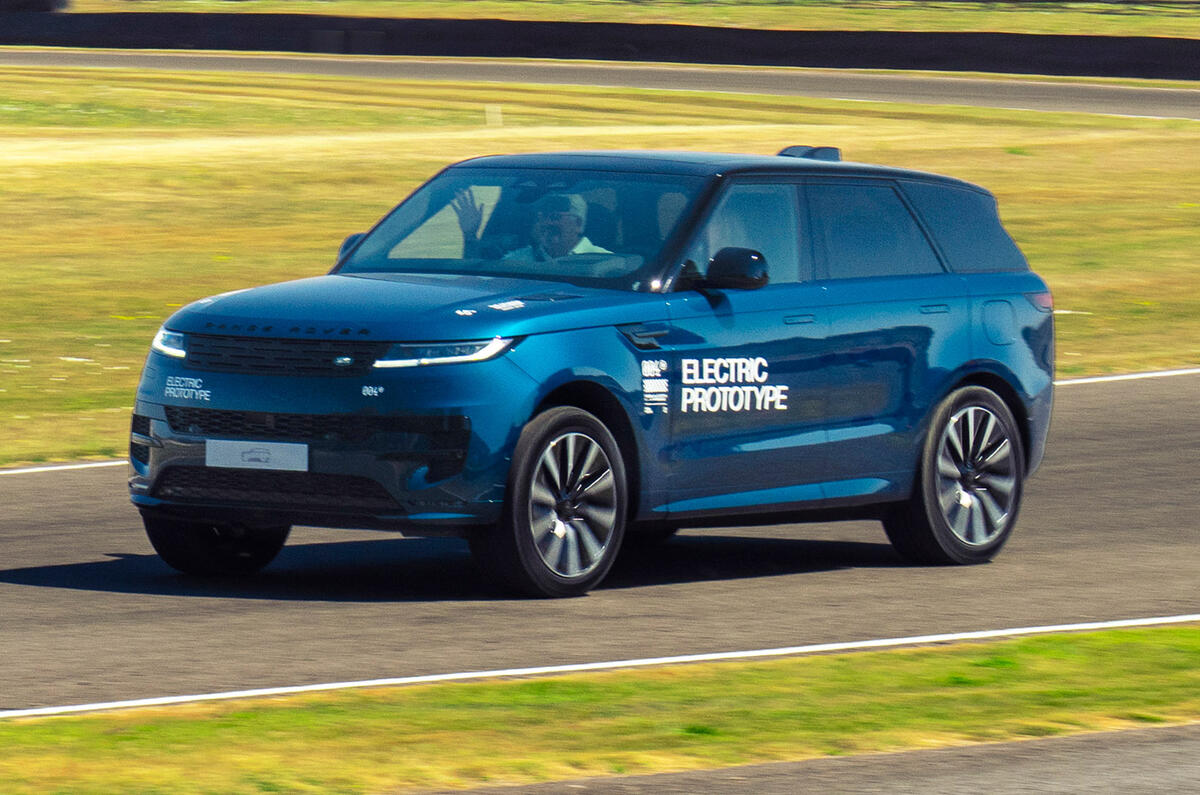
Unlike many dedicated EVs, the Sport Electric rides on JLR’s MLA platform, which was originally designed to support both combustion engines and electric powertrains. As a result, the EV looks almost identical to the gasoline and diesel versions, with only a closed-off grille, aerodynamic wheels, and EV badges giving it away.
Despite housing a large battery, cabin and cargo space remain virtually unchanged, and JLR says the EV weighs about the same as the plug-in hybrid.
Up to 542 HP, 800V Charging
The Sport EV will launch with two dual-motor versions:
Both use electric motors developed in-house by JLR to deliver strong low-speed torque for off-road driving.
Power comes from a 118.5-kWh usable battery using double-stacked cylindrical cells and an 800-volt electrical architecture, enabling ultra-fast DC charging, although Land Rover has yet to reveal the maximum charging rate.
JLR is targeting around 330 miles (531 km) of EPA range, which would translate to a higher WLTP figure while remaining competitive with rivals like the upcoming Porsche Cayenne Electric.
Off-Road Performance Gets Even Better
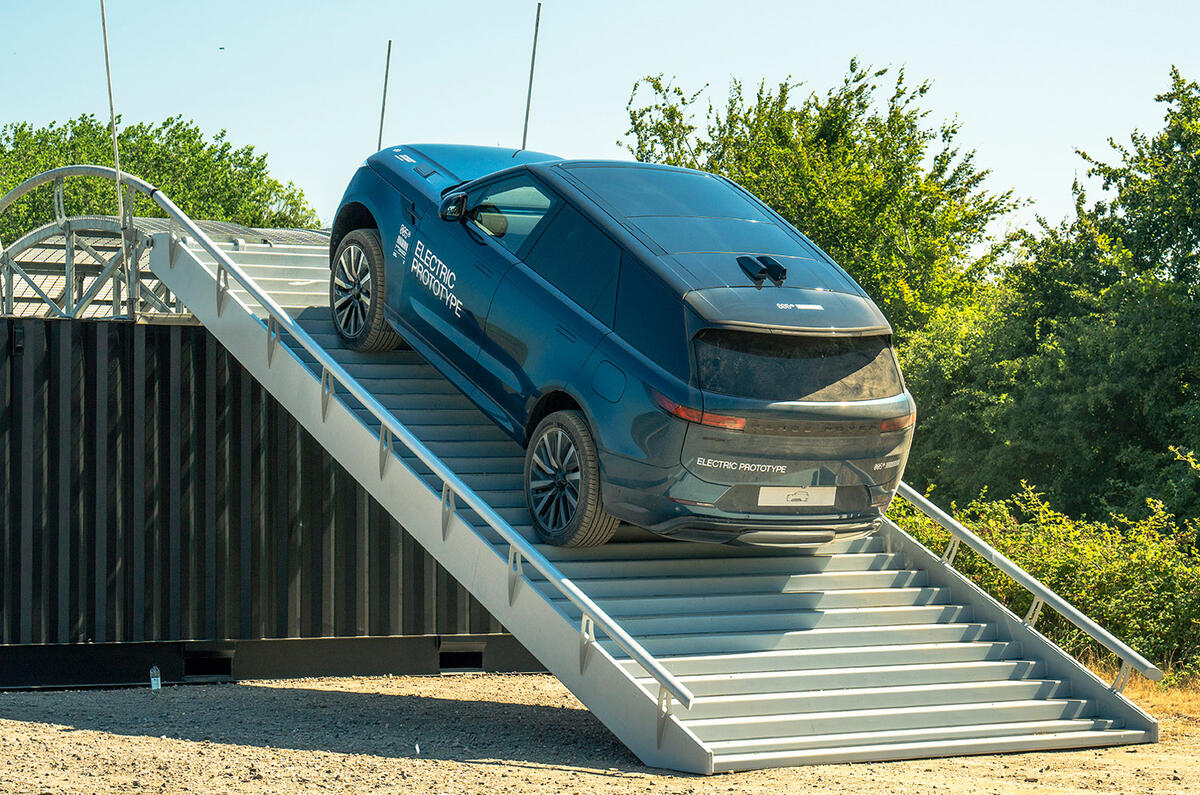
According to testers, the biggest improvement comes off-road.
Electric motors deliver instant, linear torque without waiting for an engine or transmission, allowing much finer control over traction. Thanks to precise motor management, the Sport EV no longer needs traditional low-range gearing or locking differentials in many situations.
One-pedal driving is available, though conventional brakes still provide better control during extremely slow rock-crawling.
Lower Center of Gravity Improves Handling
On paved roads, the battery pack lowers the center of gravity, making the Sport feel more planted in corners than combustion-powered versions.
The steering remains substantial and the all-wheel-drive system delivers a rear-biased feel when accelerating out of bends. Reviewers did notice some torque steer under full-throttle launches, but overall refinement is a major highlight thanks to the absence of engine noise and vibration.
Same Cabin, Same Weaknesses
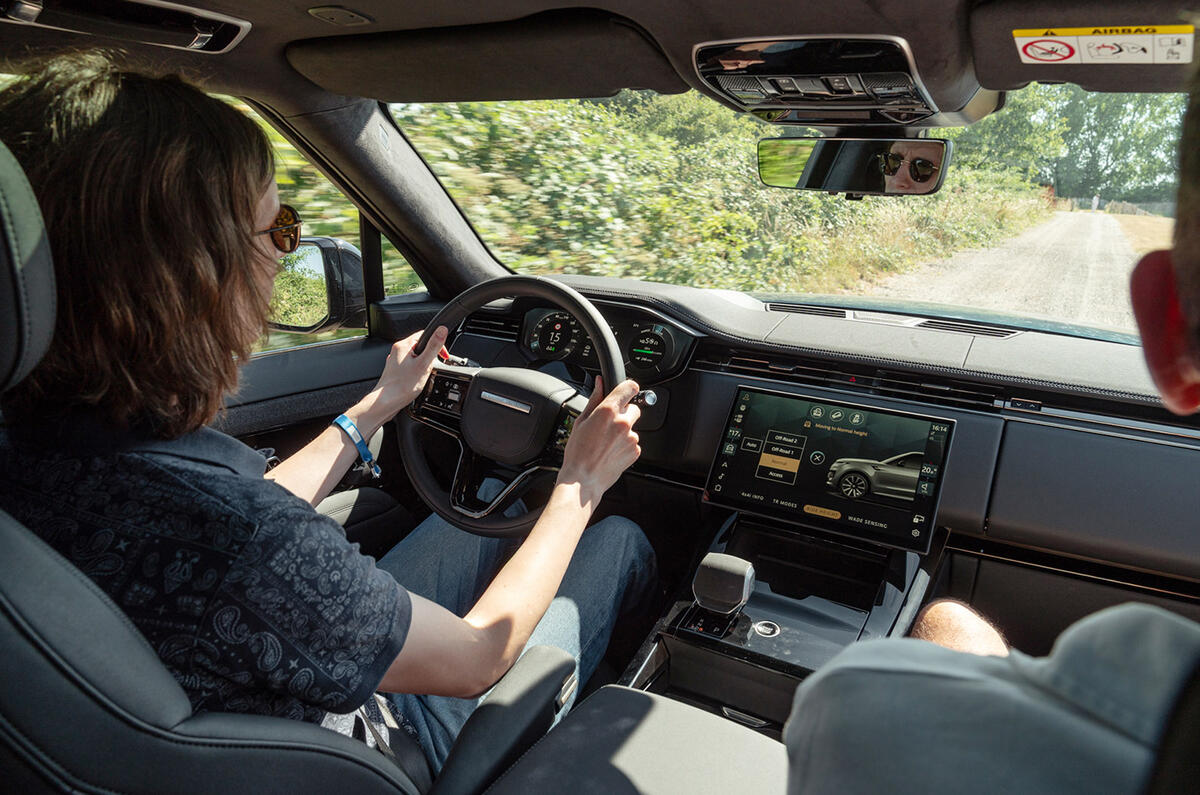
Inside, the Sport EV shares its interior with the existing model. Material quality remains excellent, but reviewers criticized the glossy black center console and the touchscreen-heavy climate and drive-mode controls, which continue to be less intuitive than physical buttons.
First Verdict
The early verdict is overwhelmingly positive. The electric drivetrain complements the Range Rover Sport’s refined character while improving off-road capability and on-road stability.
Questions remain about real-world range—especially while towing—and ride comfort over rough roads, but based on this first drive, the Range Rover Sport Electric appears to be one of the most convincing luxury electric SUVs yet.