The smaller sibling to the Bentayga shares electric hardware with the Porsche Cayenne, then takes it in a distinctly Bentley direction.
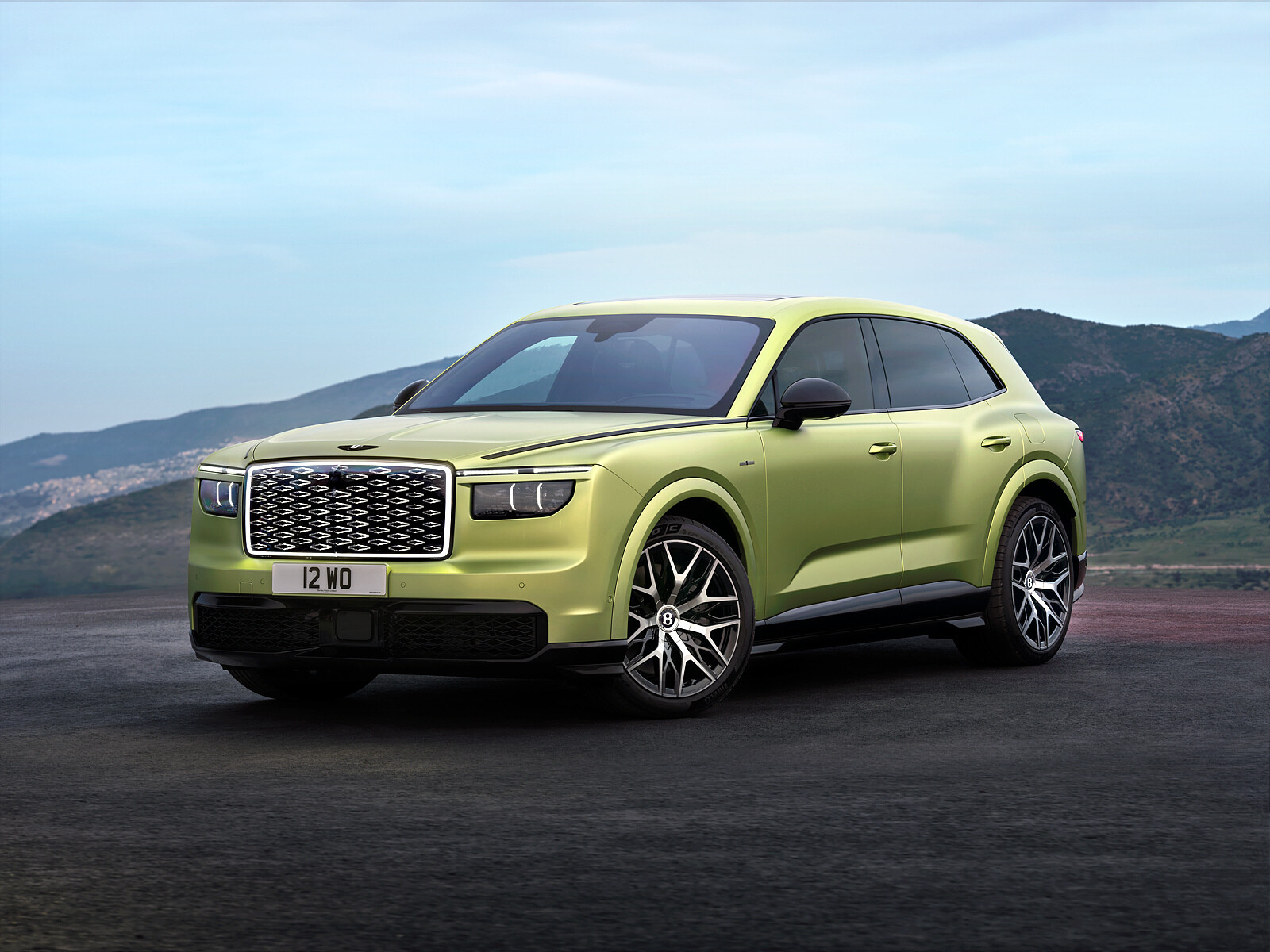
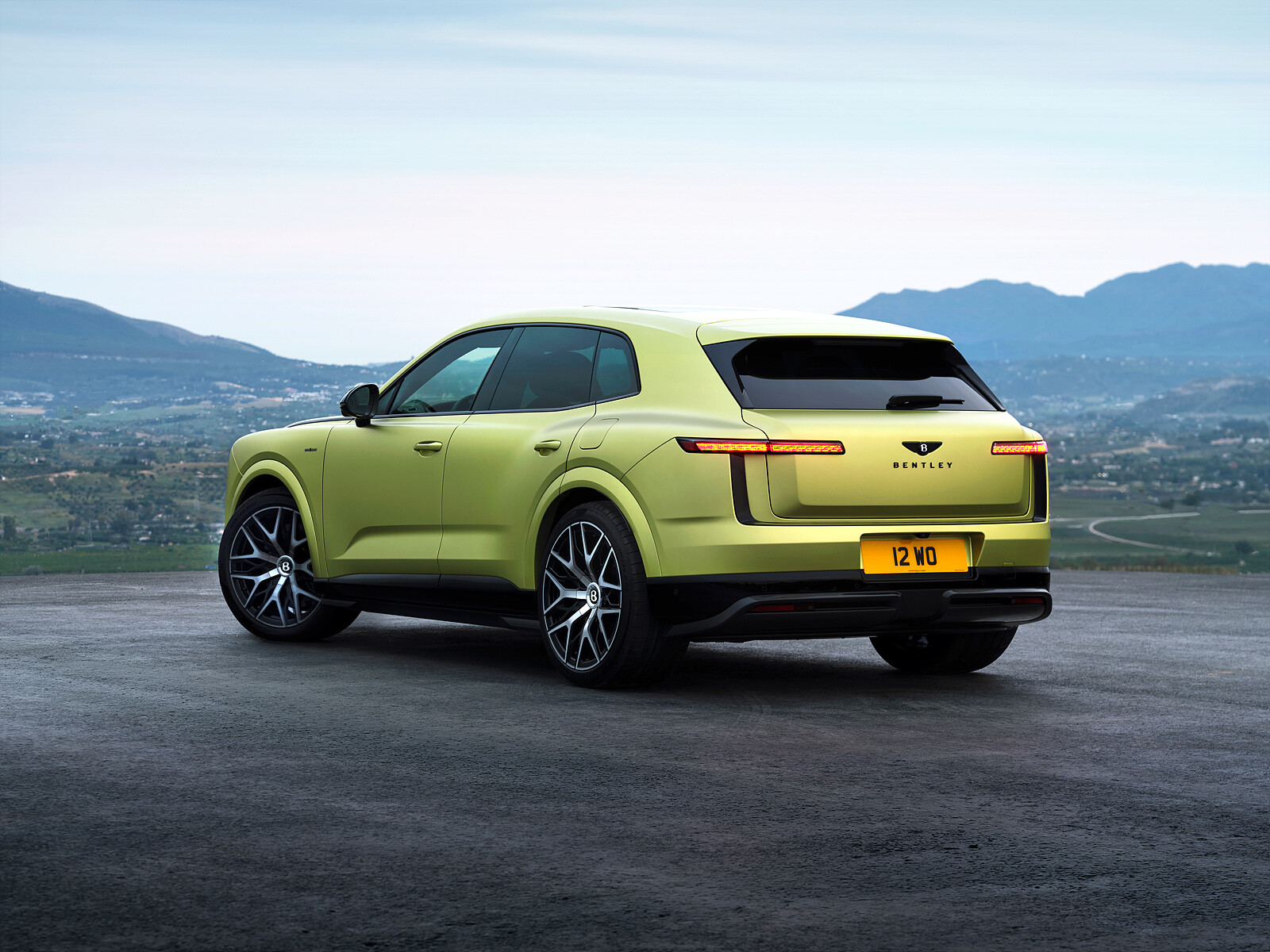
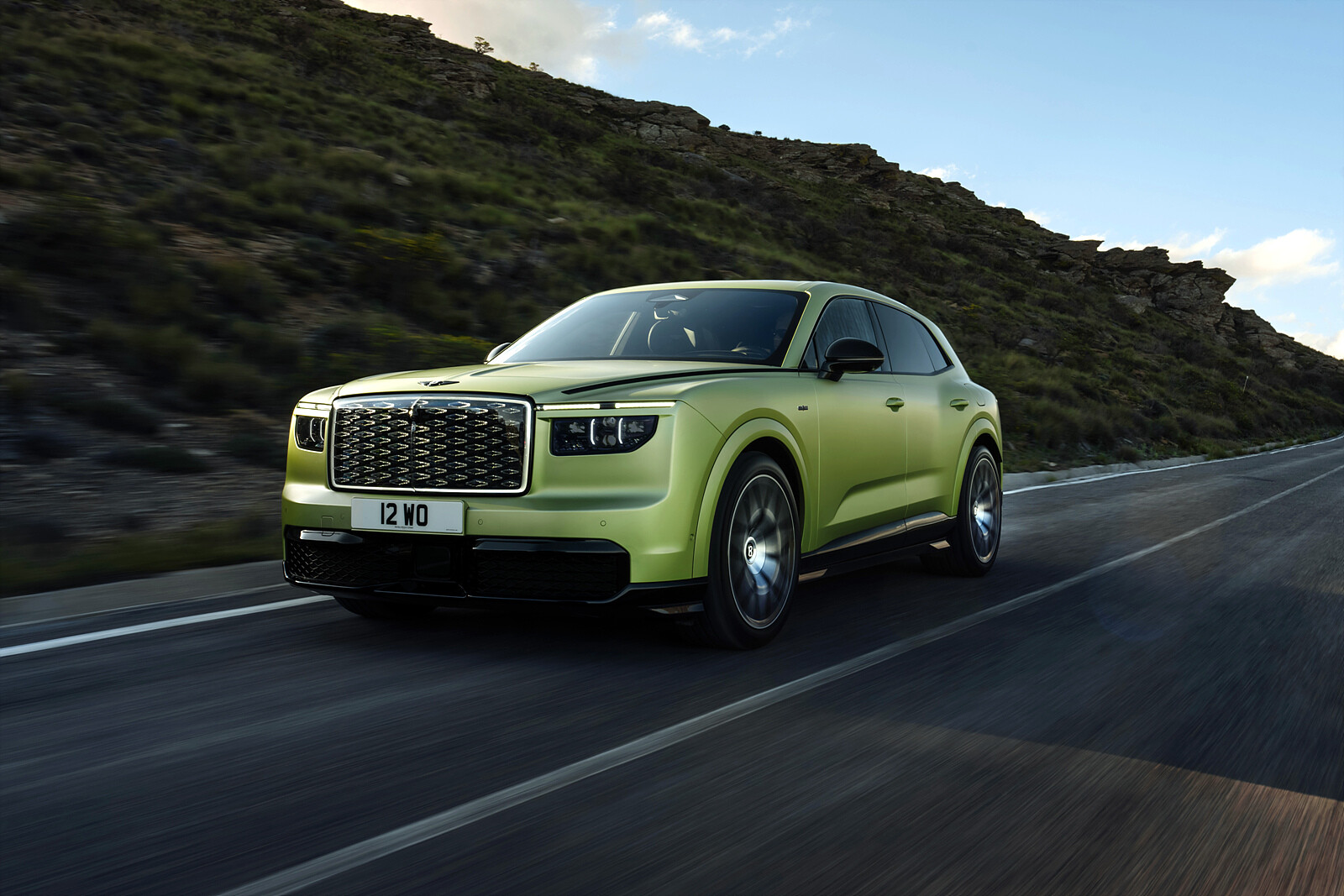
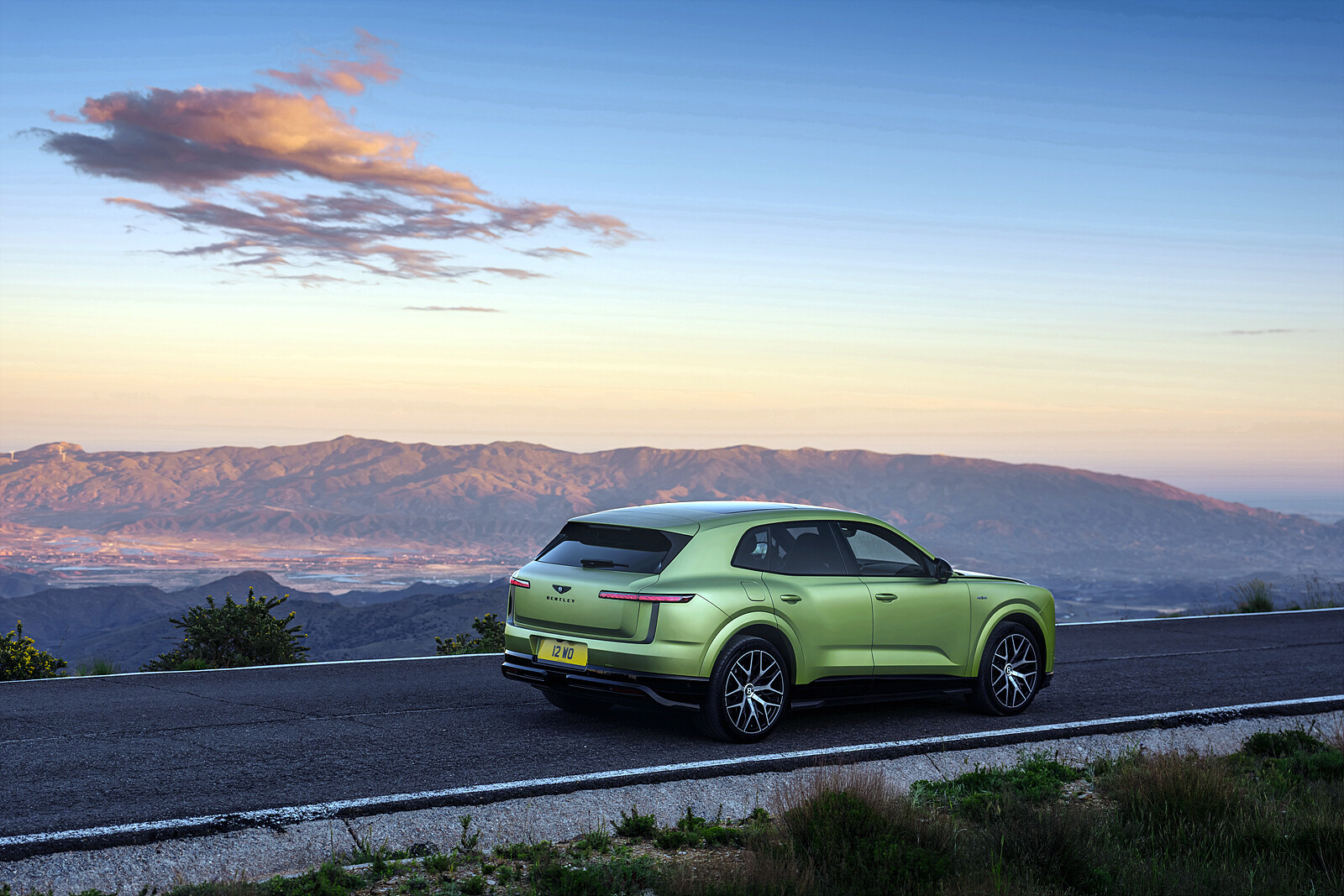
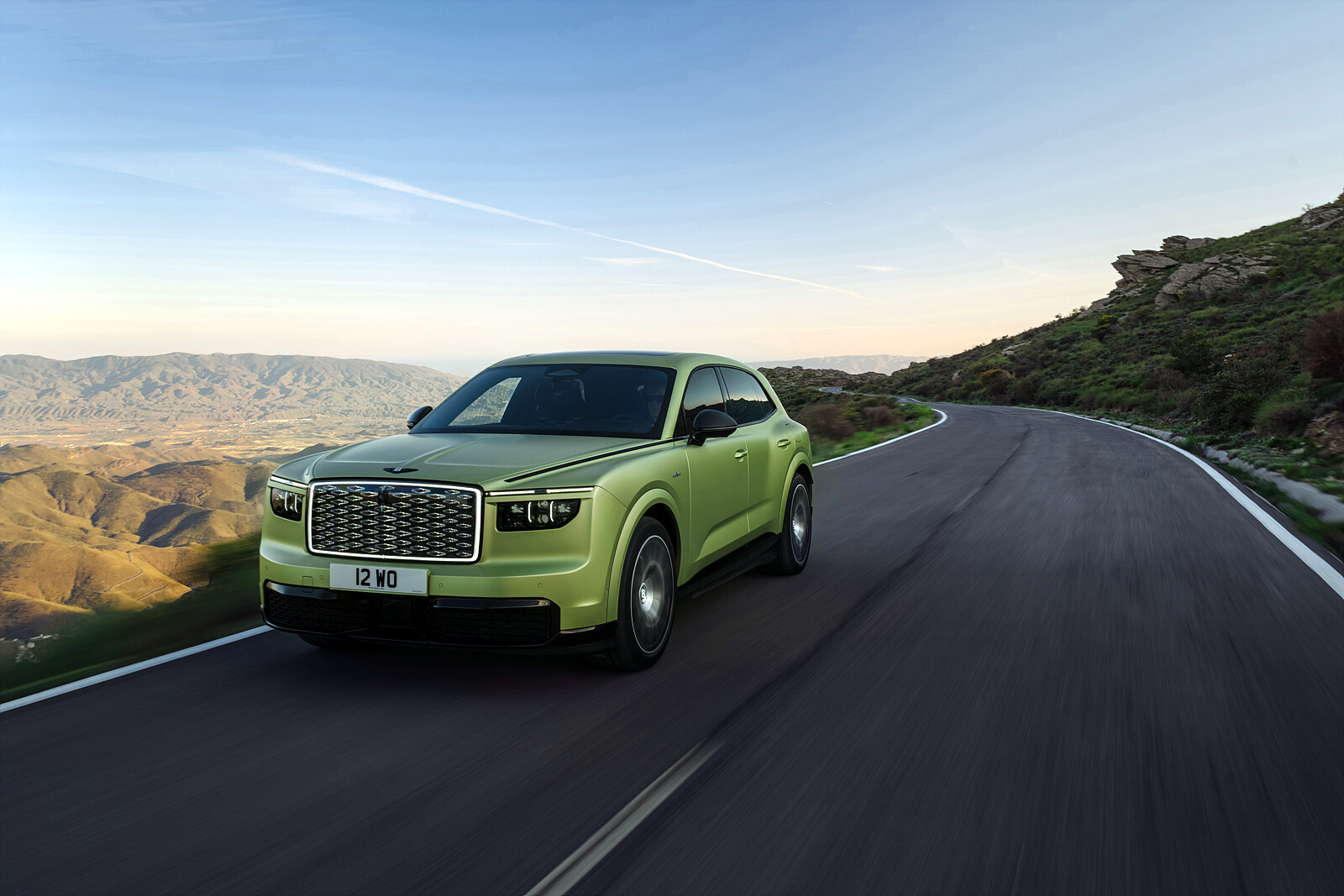
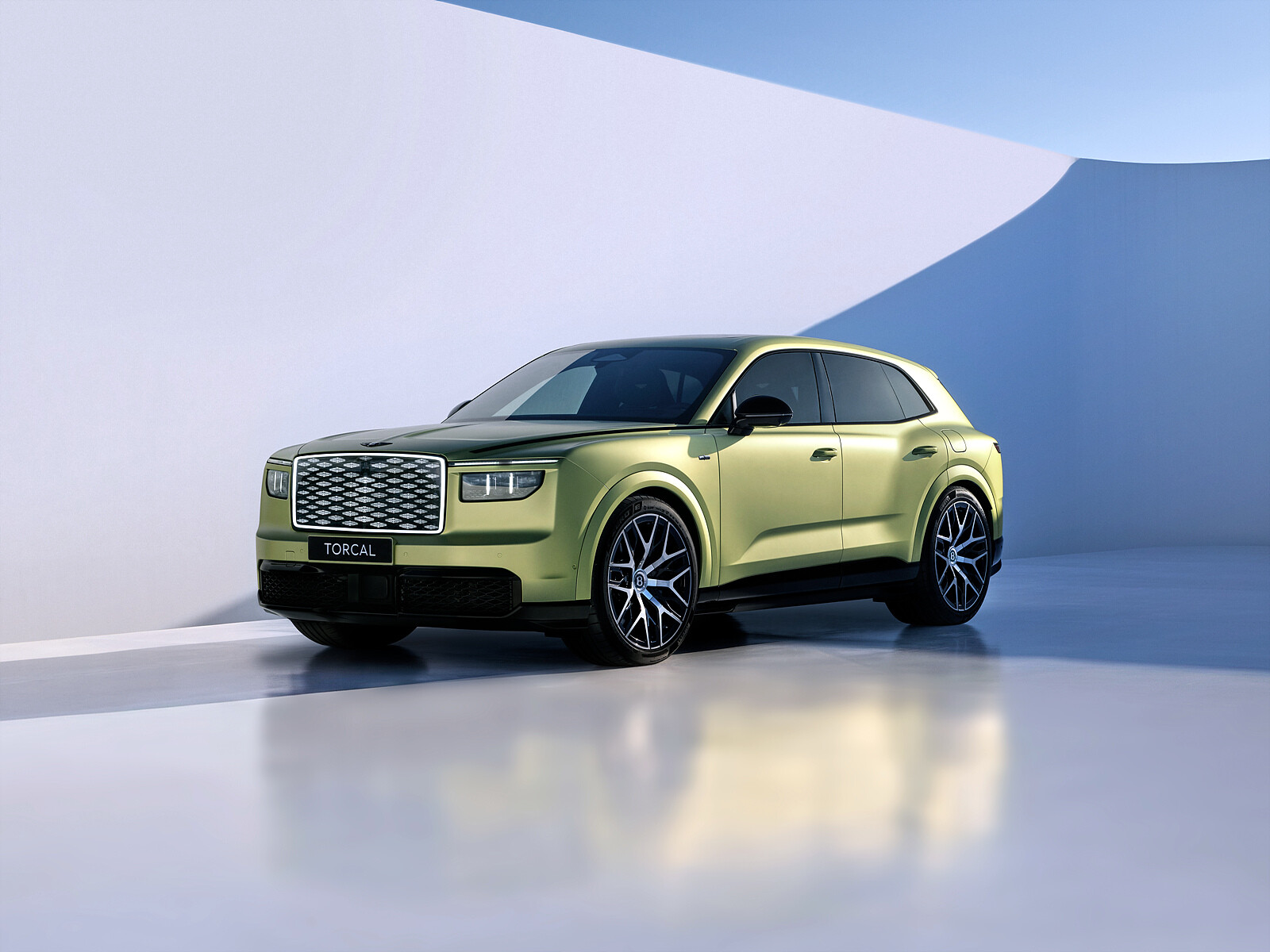
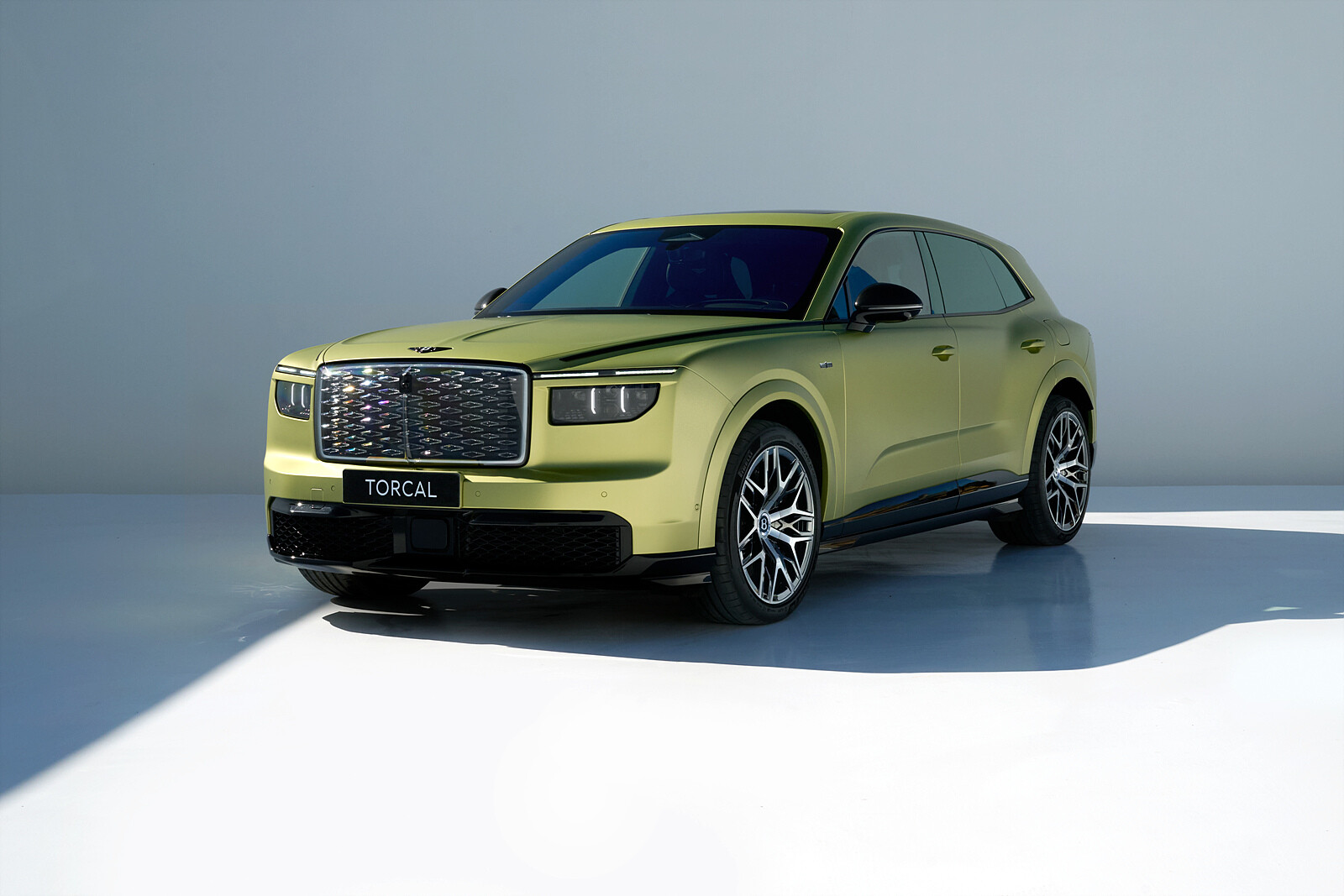
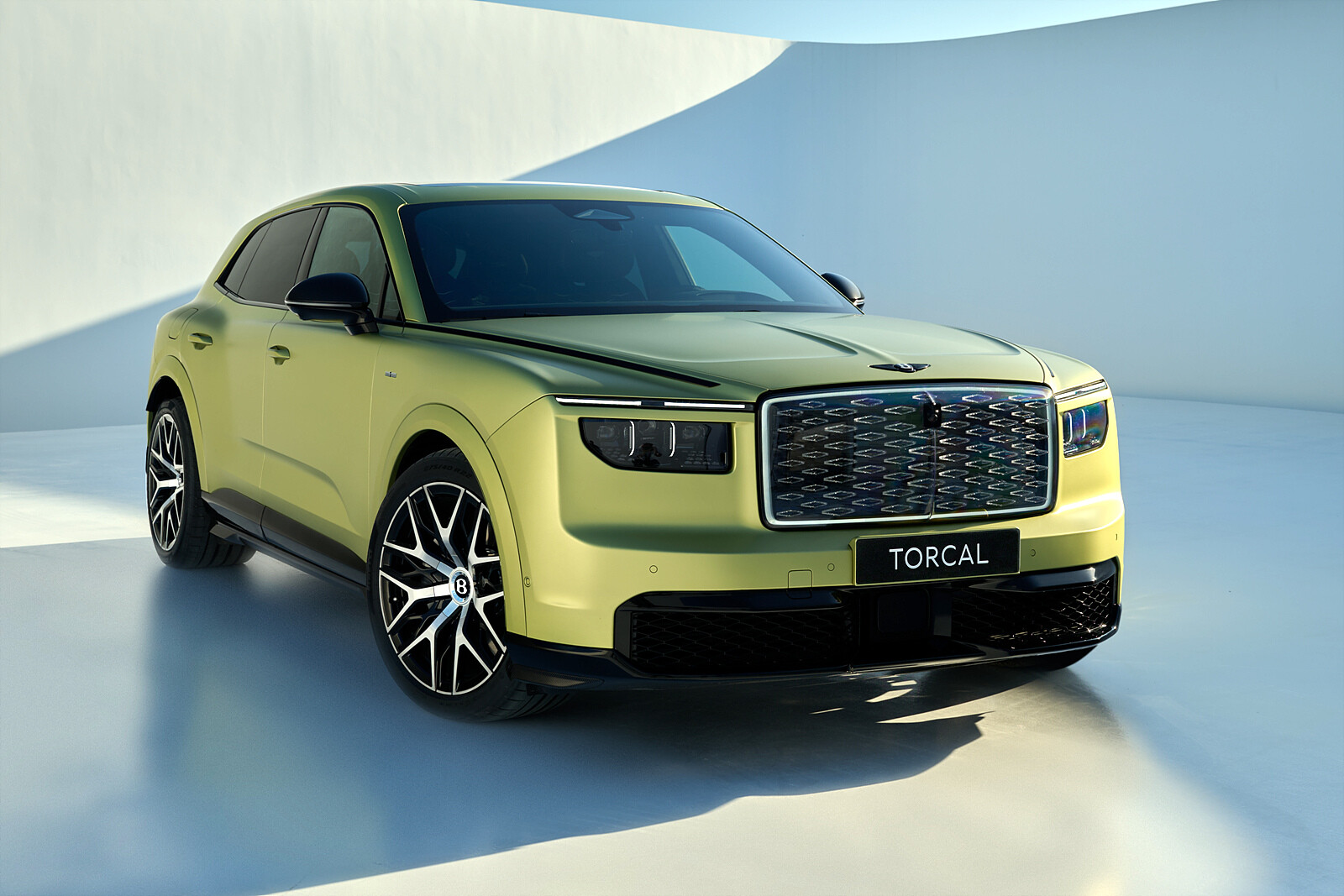
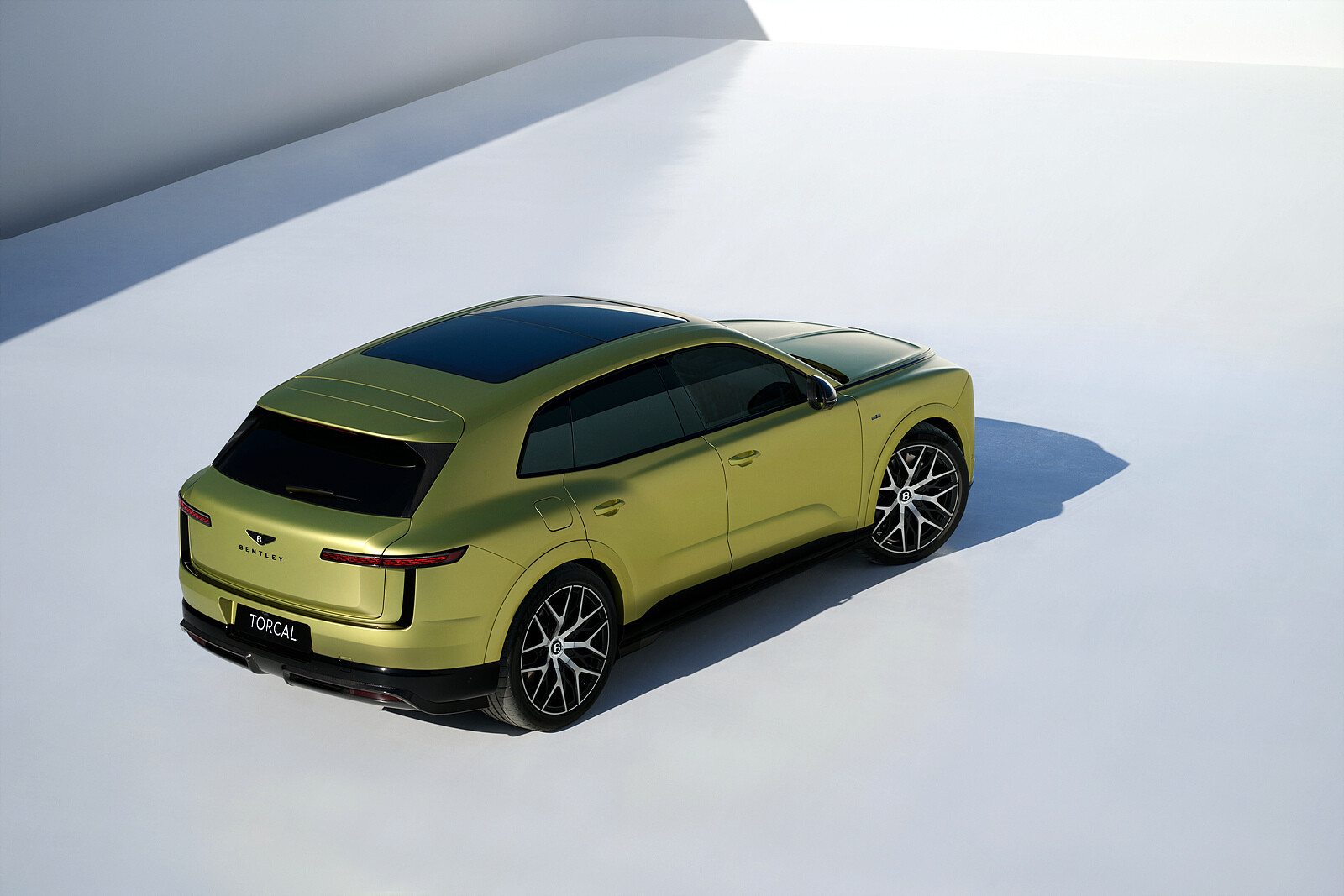
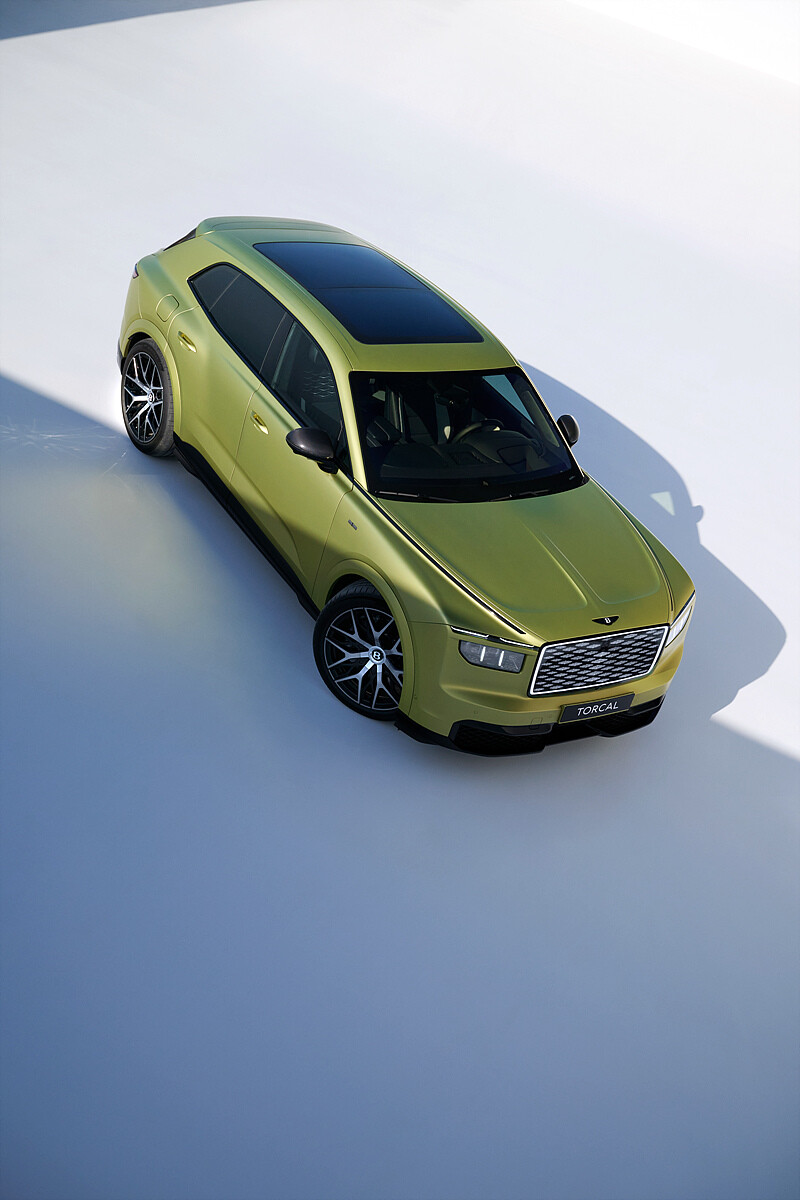
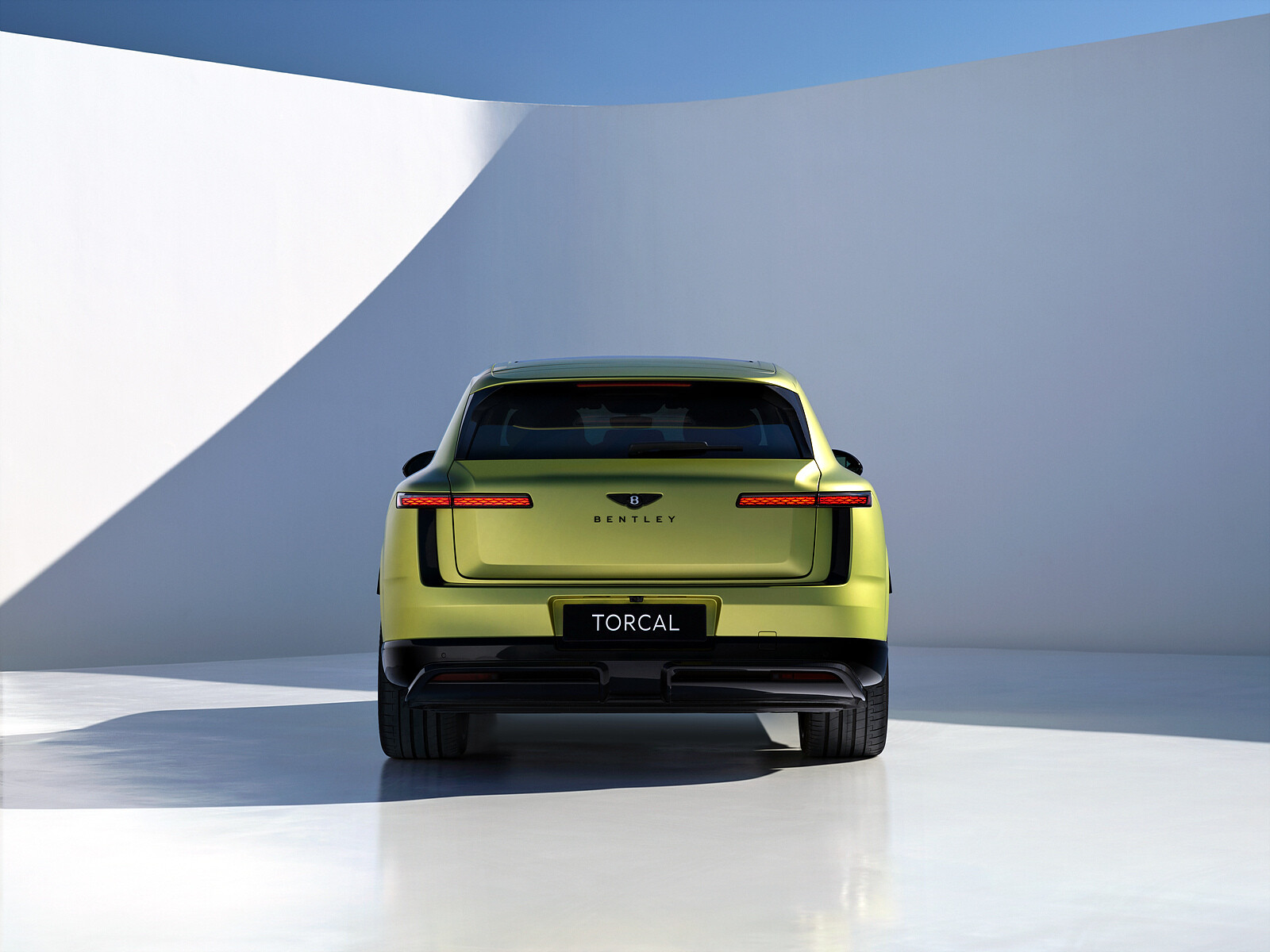
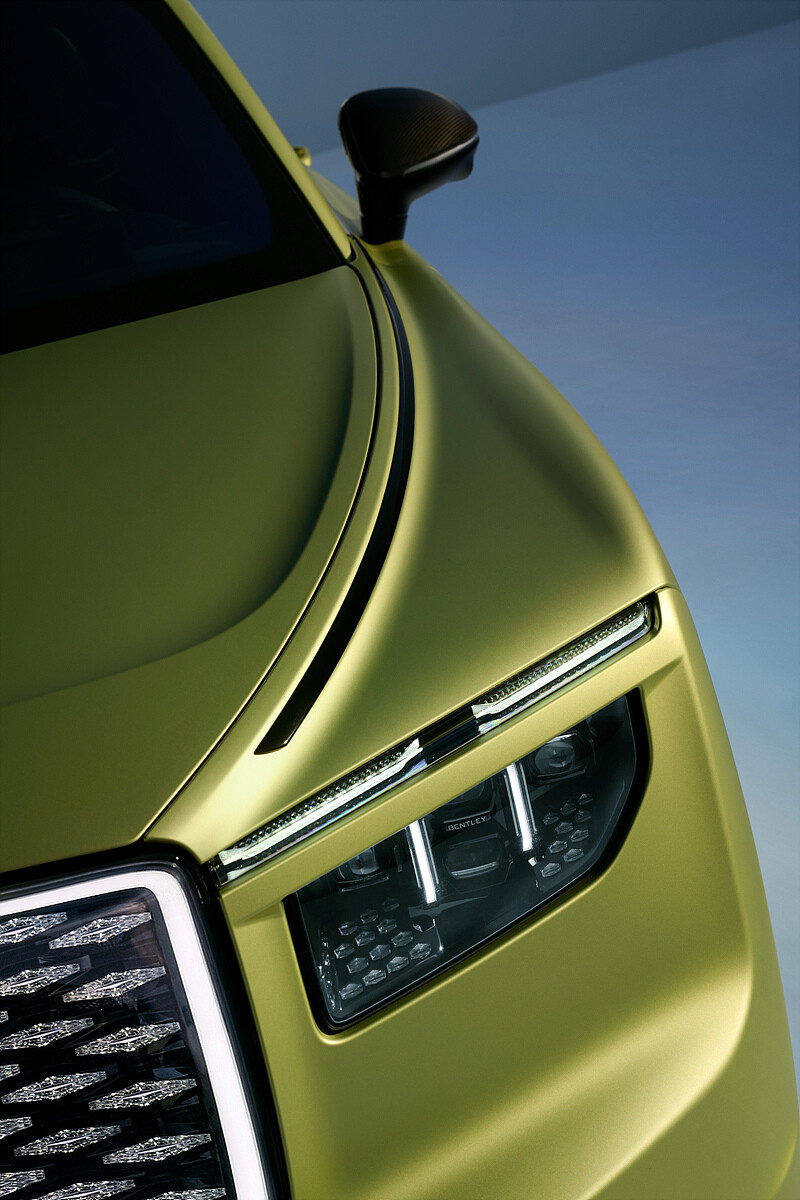
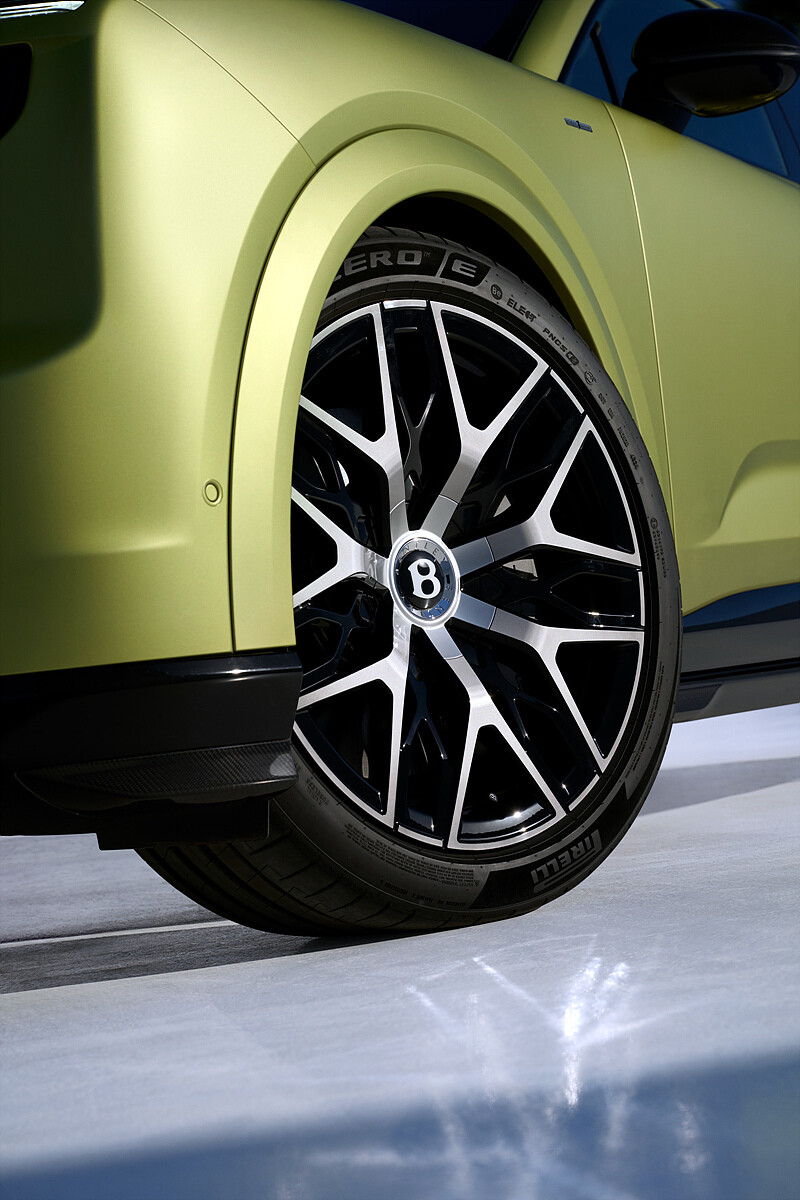
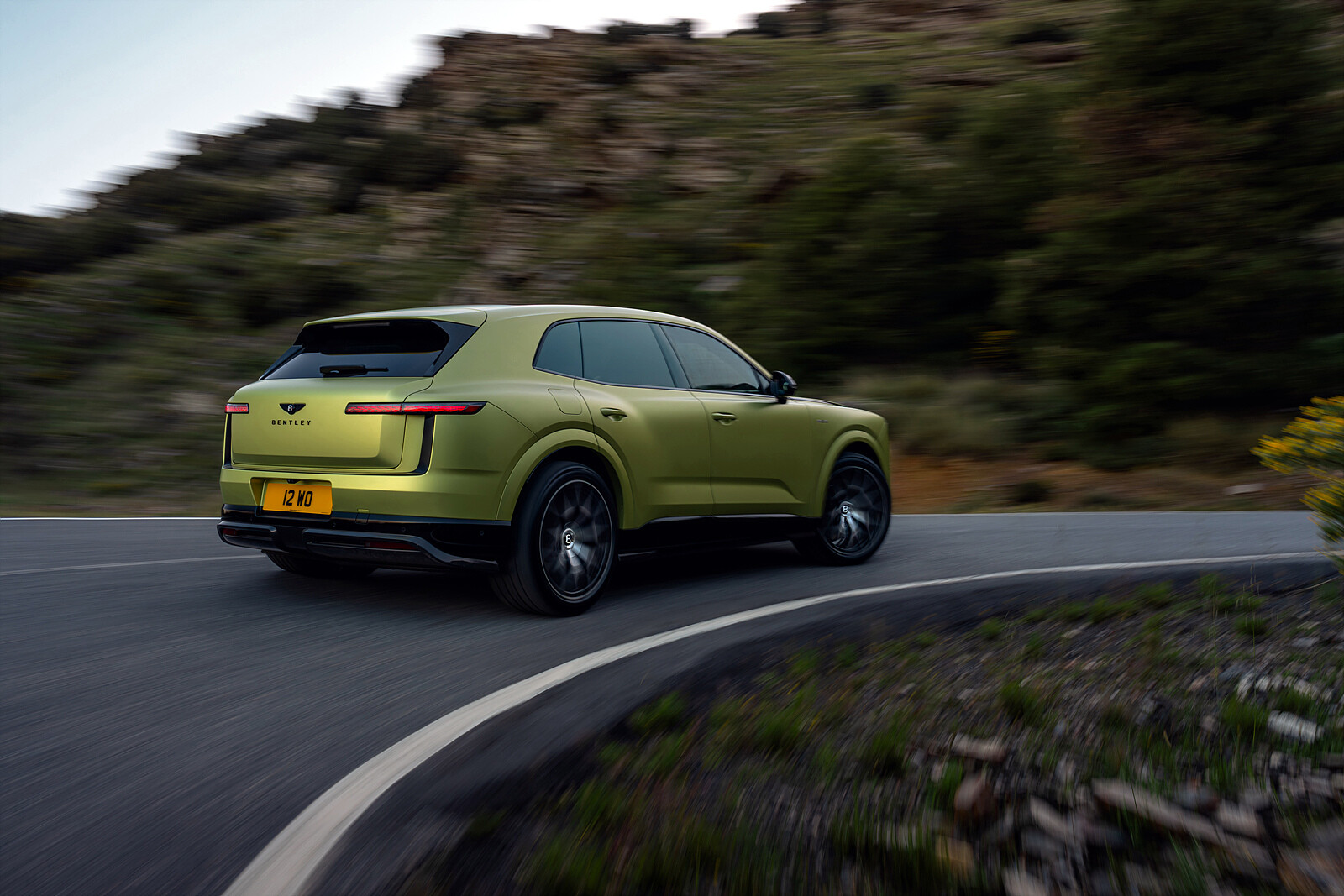
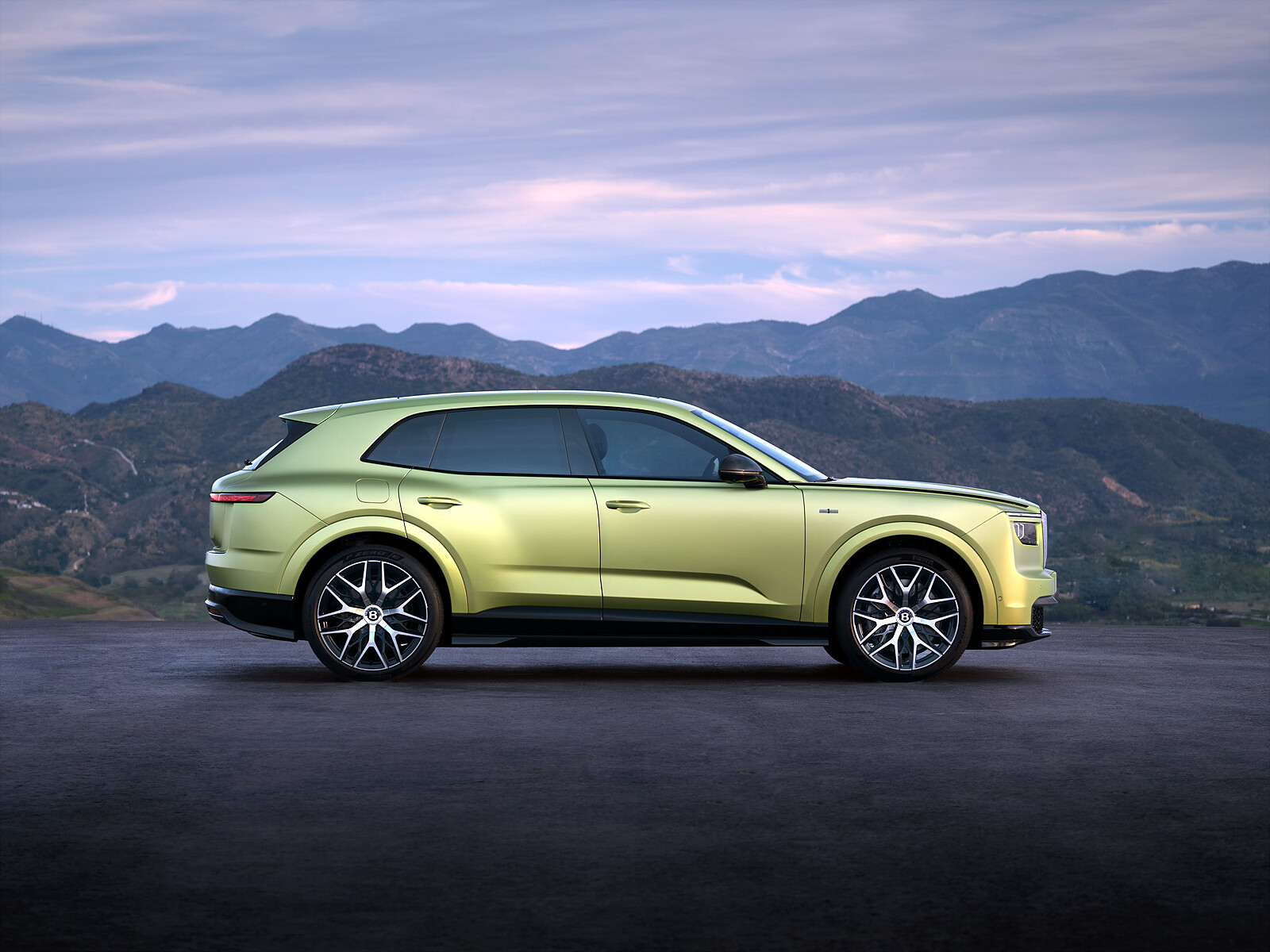
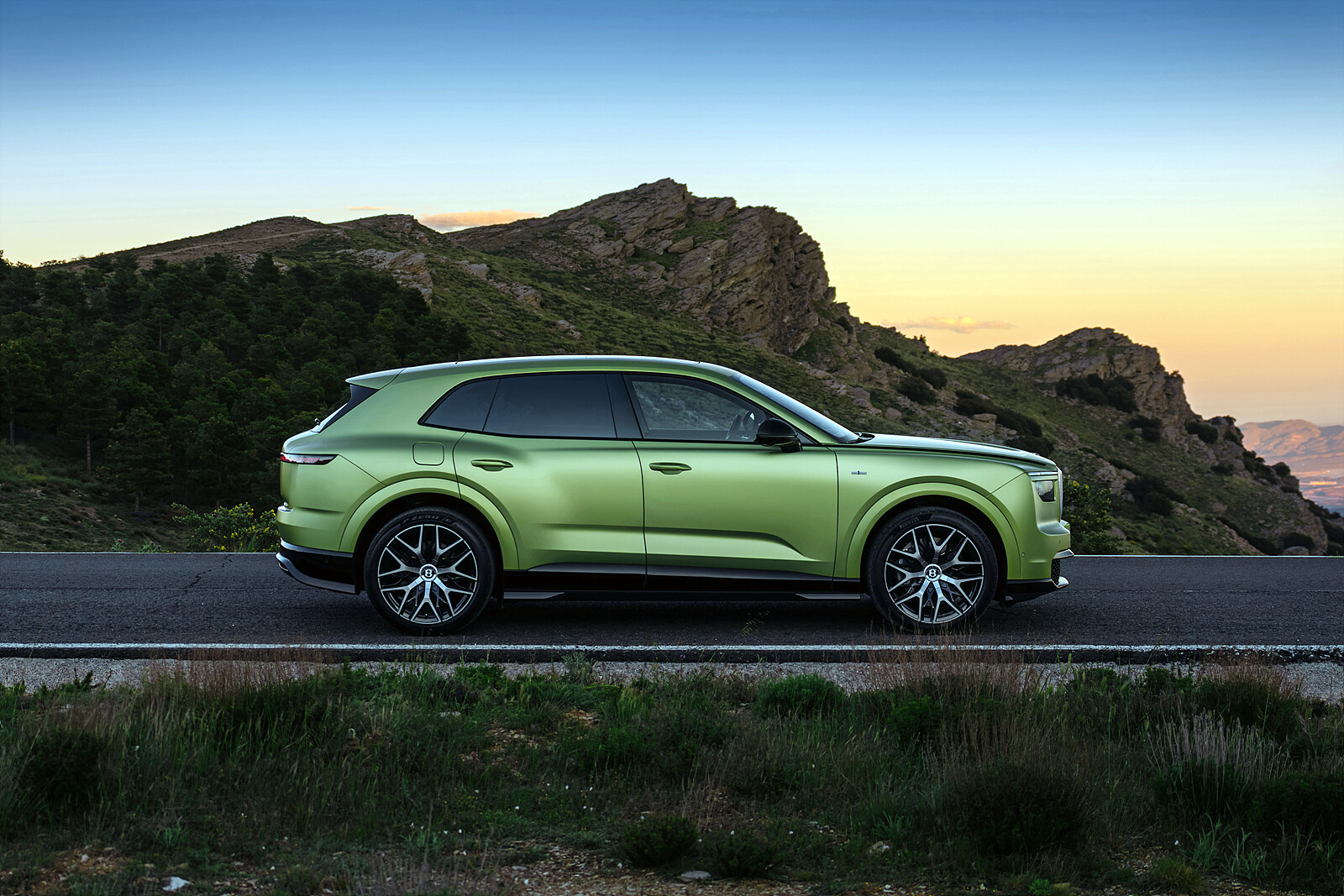
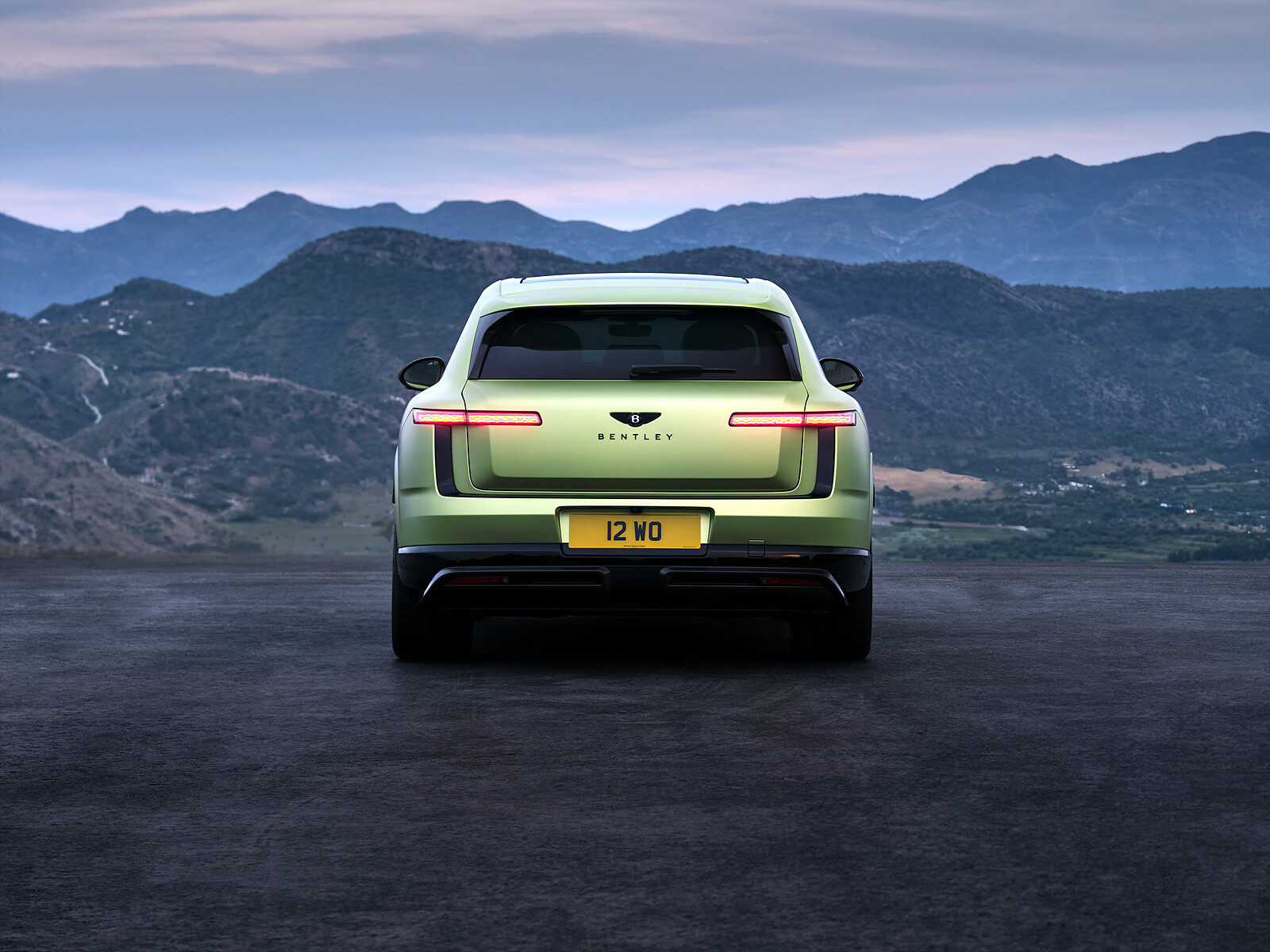
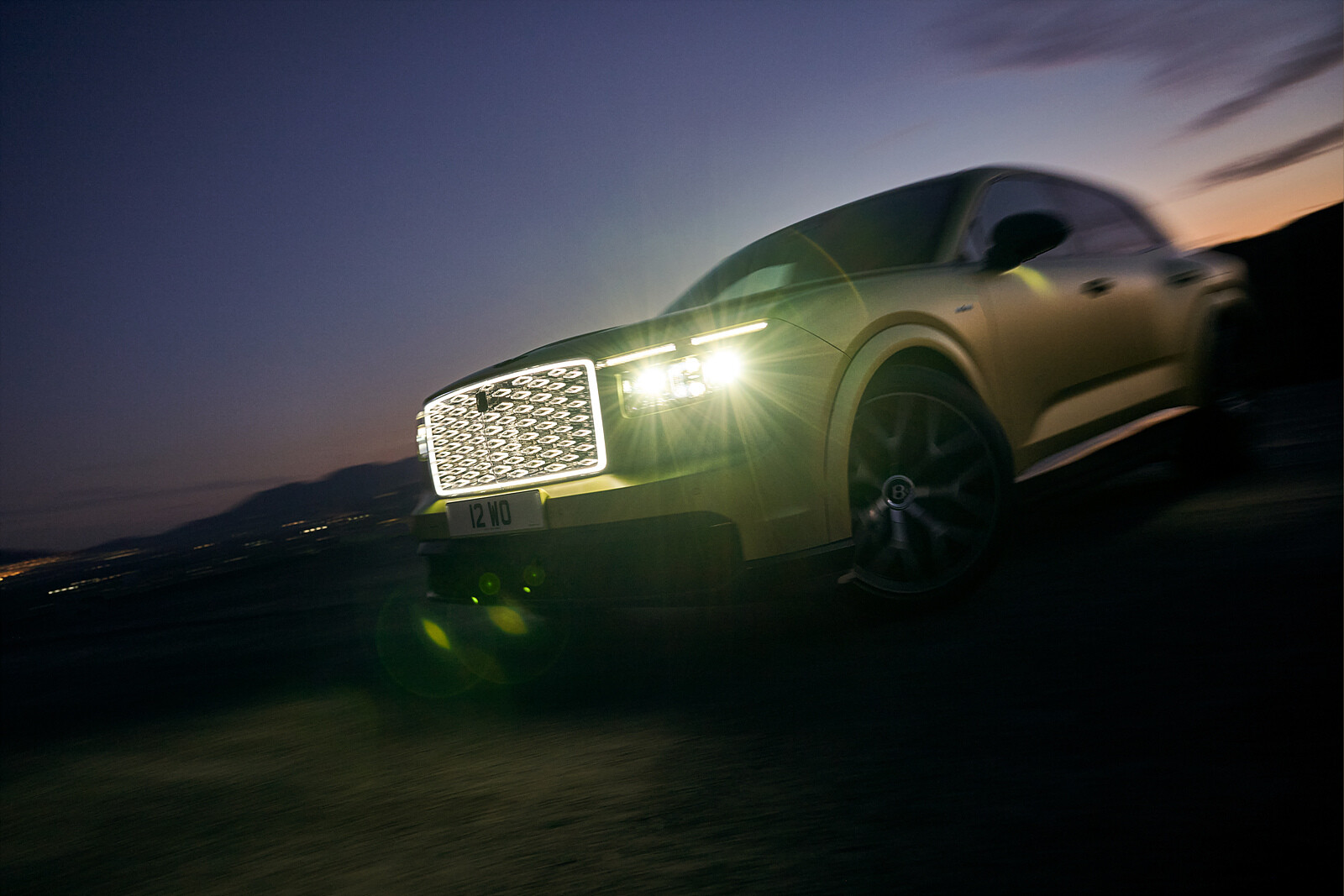
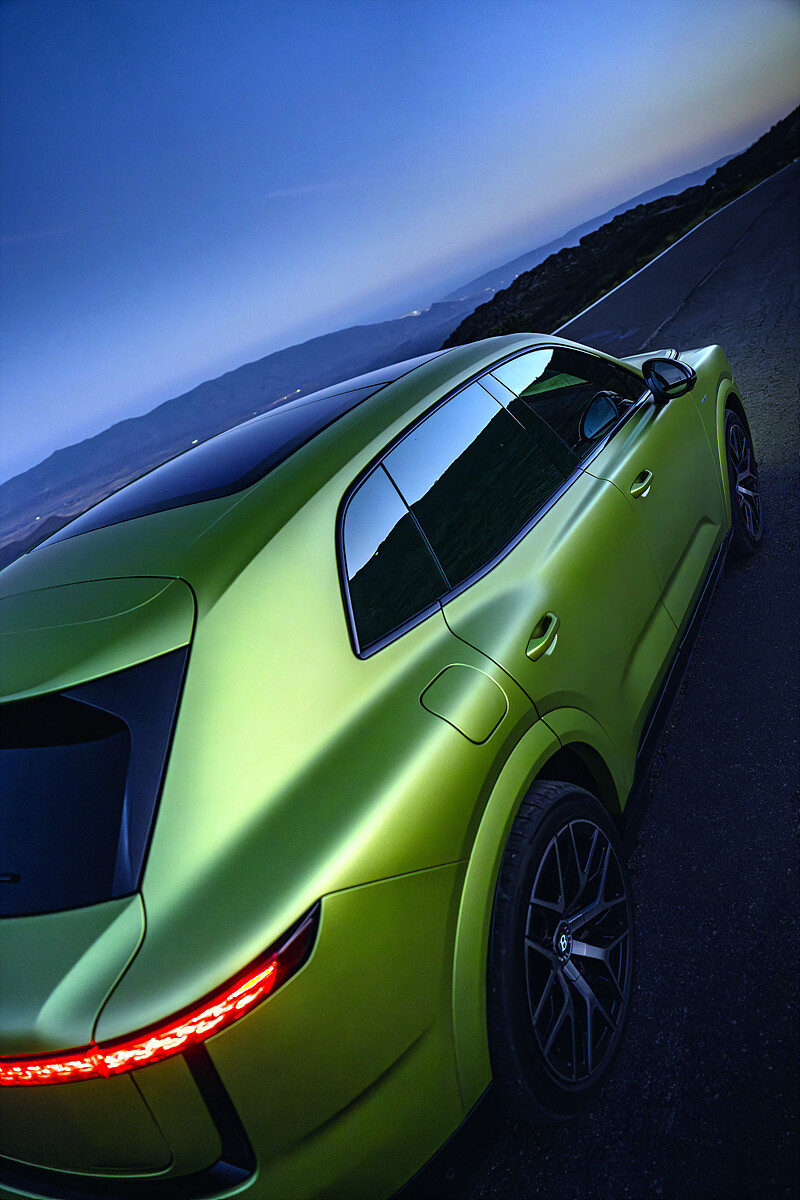
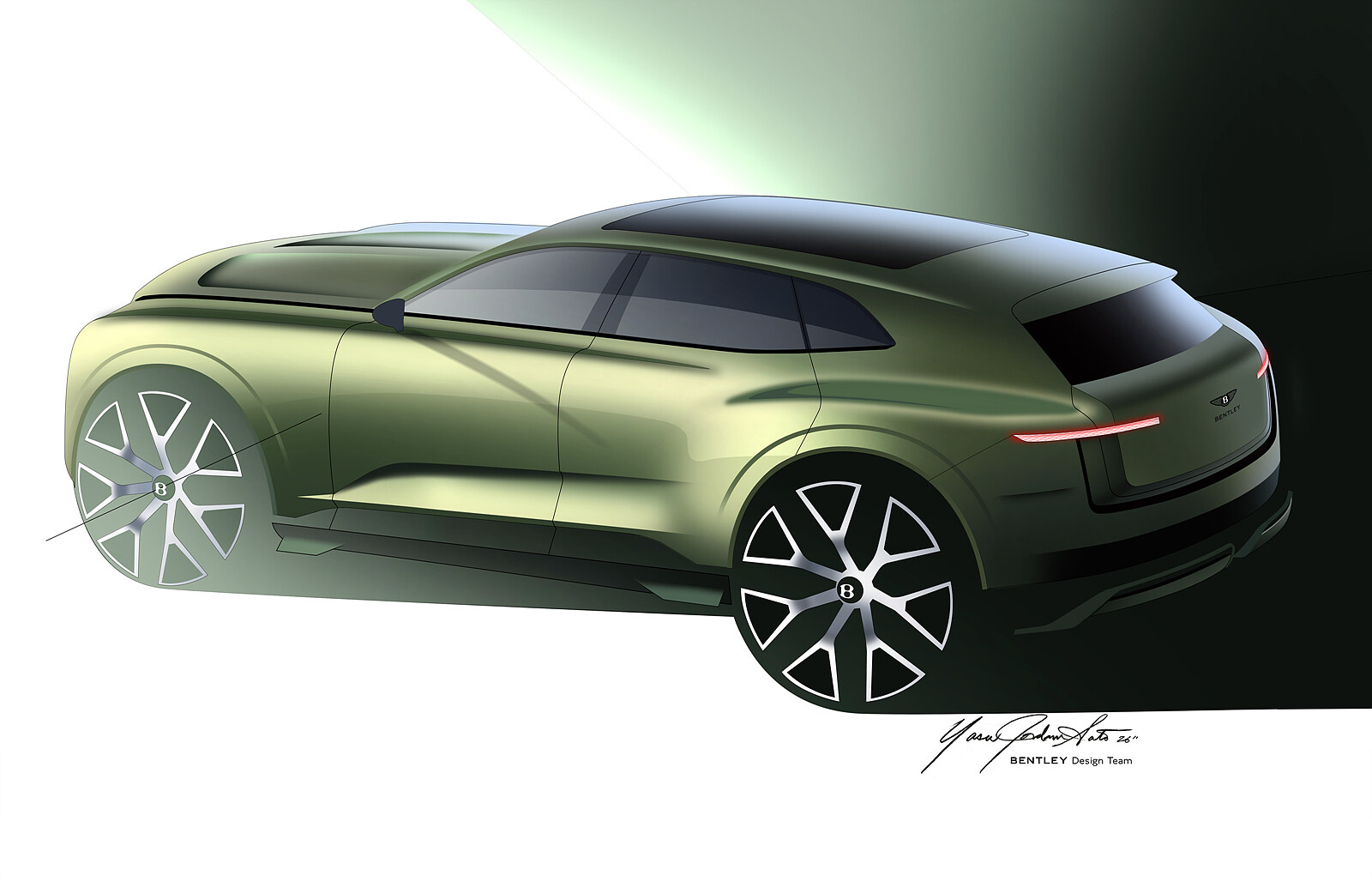
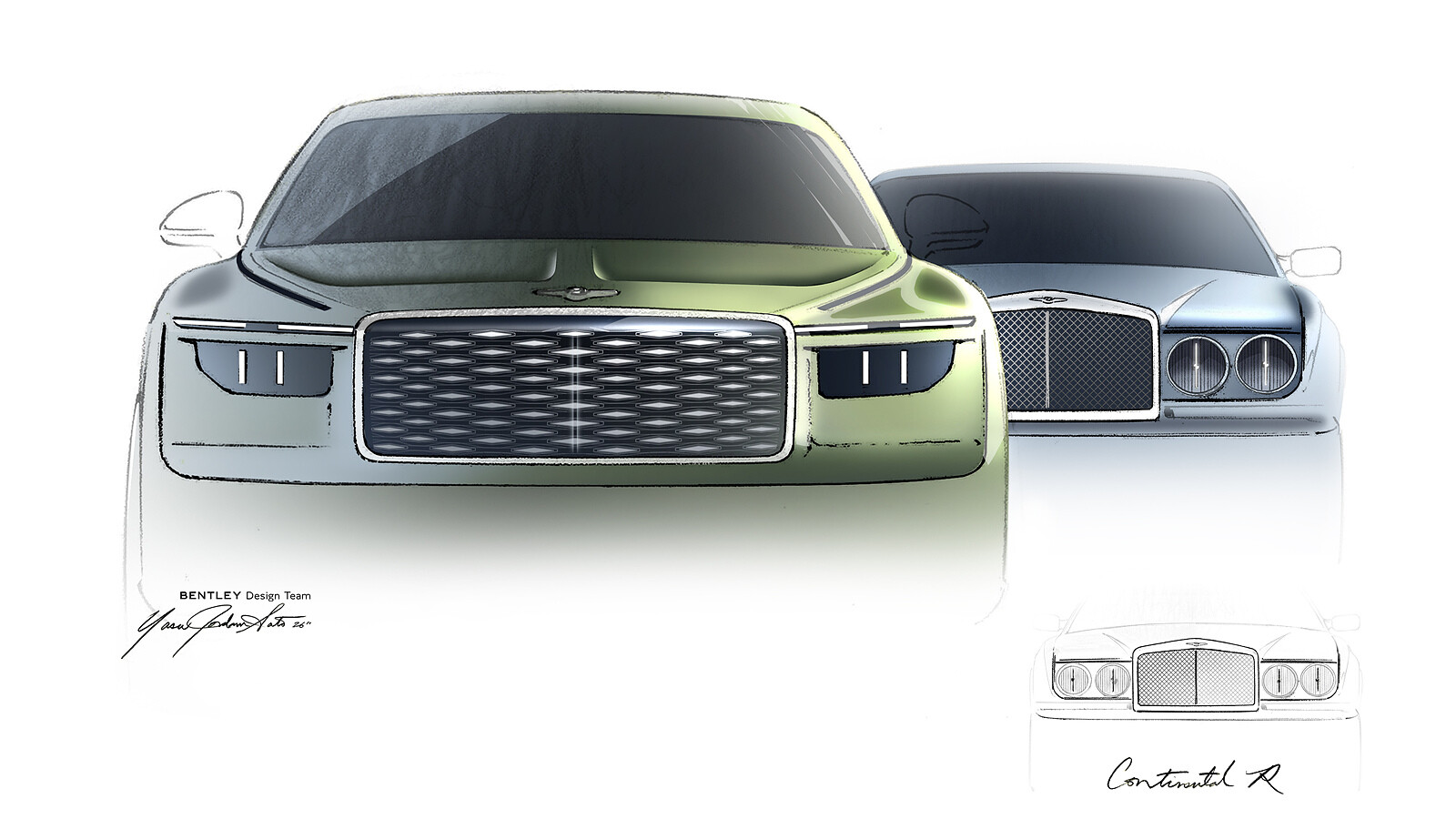
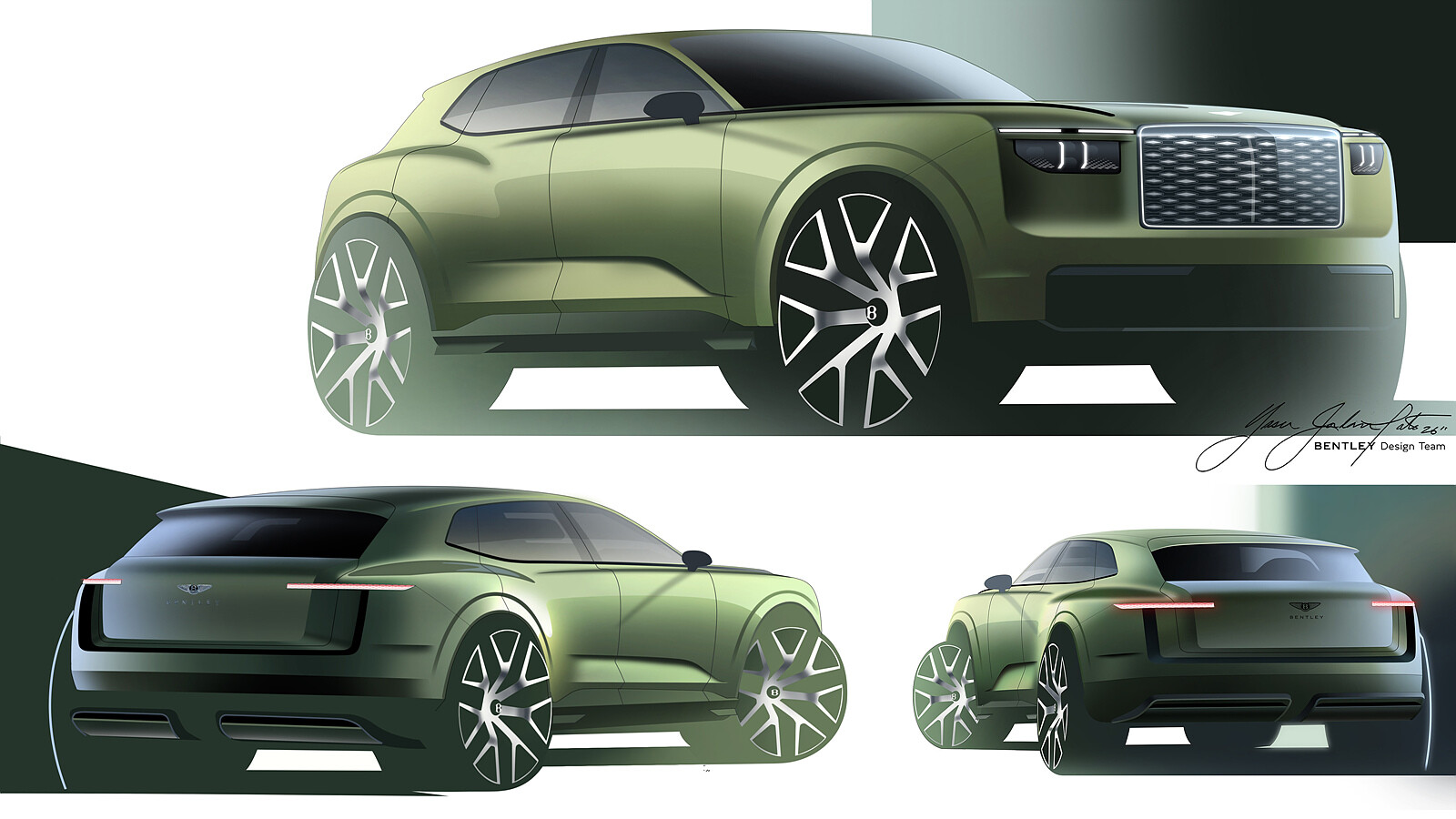
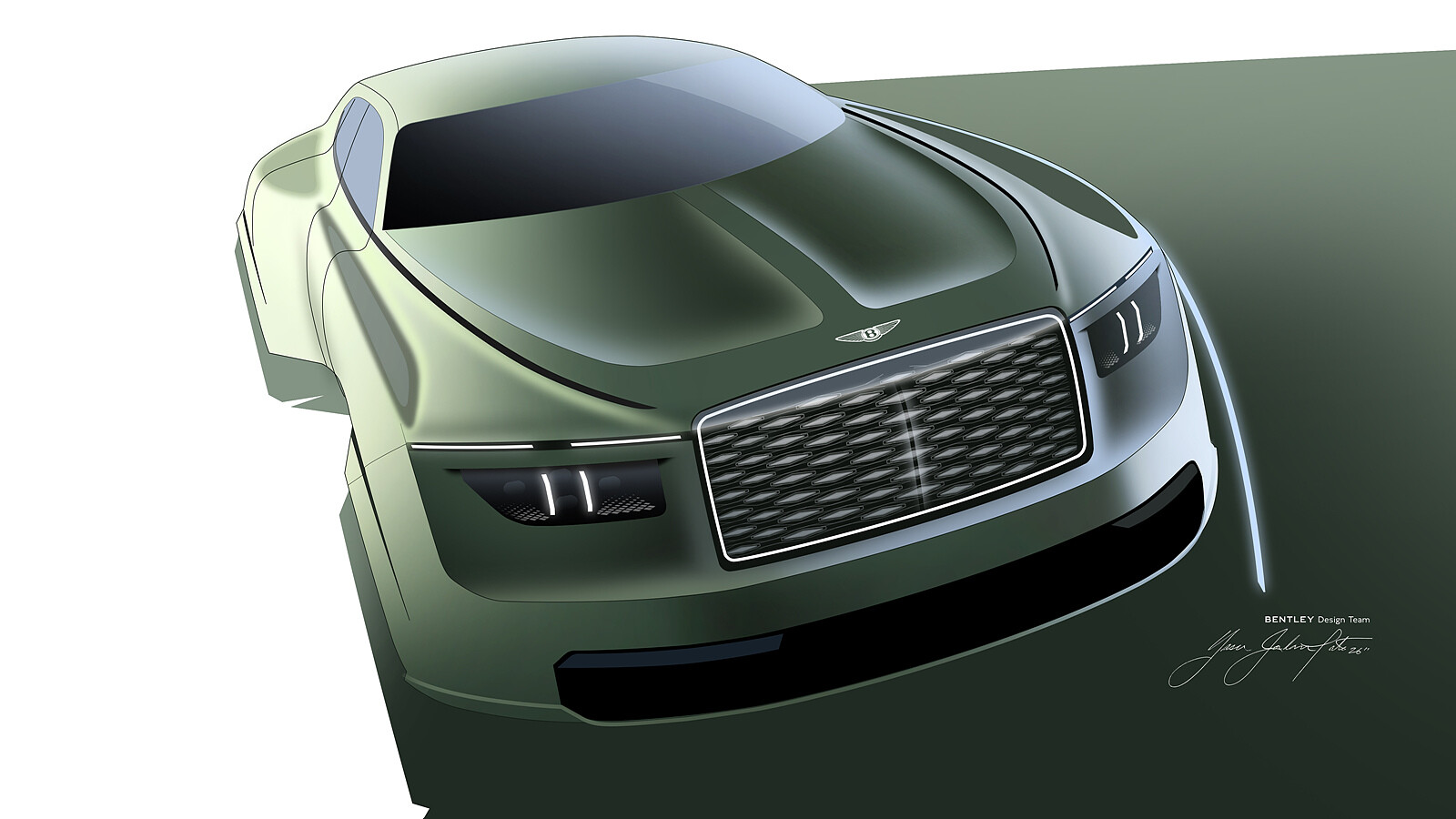
Bentley could have made an electric Bentayga and called the job done. Instead, its first production EV is the Torcal, a lower, shorter SUV that gives the brand a fourth model line. It arrives in standard and S versions, with enough power in either one to make the absence of a V-8 seem academic—at least on paper.
The Torcal has a close technical relative in the Porsche Cayenne Electric. Both use an 800-volt electrical architecture and support DC charging at up to 400 kW. Bentley’s take emphasizes a different experience: less theater around outright speed, more attention to how the car rides, sounds, and feels from the driver’s seat. Whether that distinction holds up on the road will have to wait for a drive.
Fast Enough to Challenge Its Own Family
The standard Torcal produces 810 hp and 881 lb-ft of torque, according to Bentley, and reaches 60 mph in a claimed 3.3 seconds. The Torcal S raises output to 876 hp and 996 lb-ft with Launch Control engaged, cutting the claimed sprint to 2.8 seconds. Top speed rises from 155 to 162 mph. That makes the S Bentley’s most powerful production vehicle, though Porsche extracts even more from the Cayenne Turbo Electric.
Two electric motors provide all-wheel drive. Bentley also fits active suspension and rear-wheel steering, the latter helping this roughly 16-foot SUV achieve a turning circle of about 36 feet. Those systems have two jobs that can pull against each other: keep the cabin settled over rough pavement and control the body when the driver uses all that power. Bentley says it has tuned the Torcal for both.
The Range Figure Needs a U.S. Asterisk
Bentley quotes up to 375 miles of range, but that figure comes from the WLTP test cycle. An EPA estimate for the U.S. has yet to be announced, so buyers should avoid treating 375 miles as a promise of American highway range. The company says a suitable 400-kW charger can take the battery from 10 to 80 percent in as little as 16 minutes. As with any peak charging claim, the charger and battery conditions will matter.
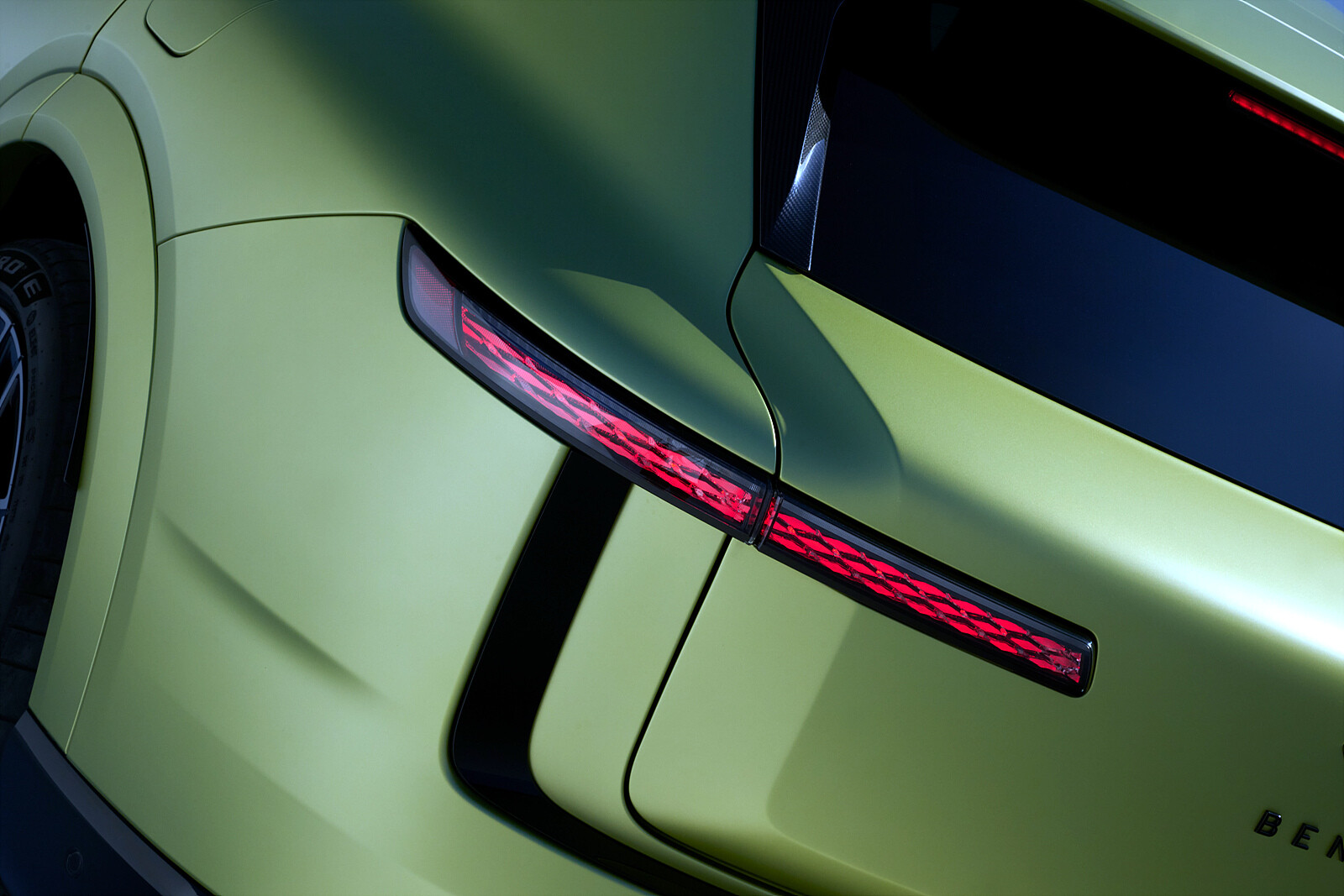
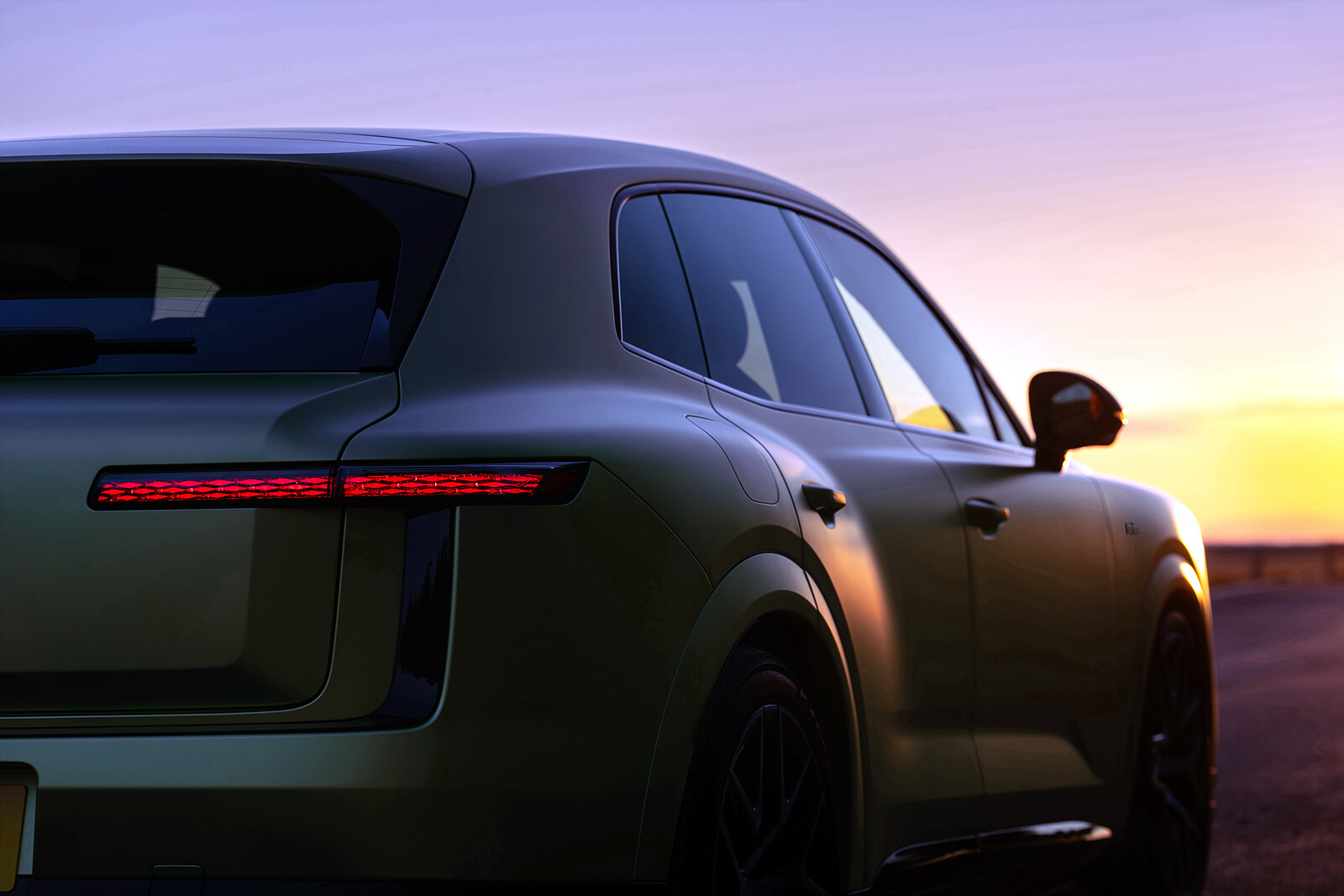
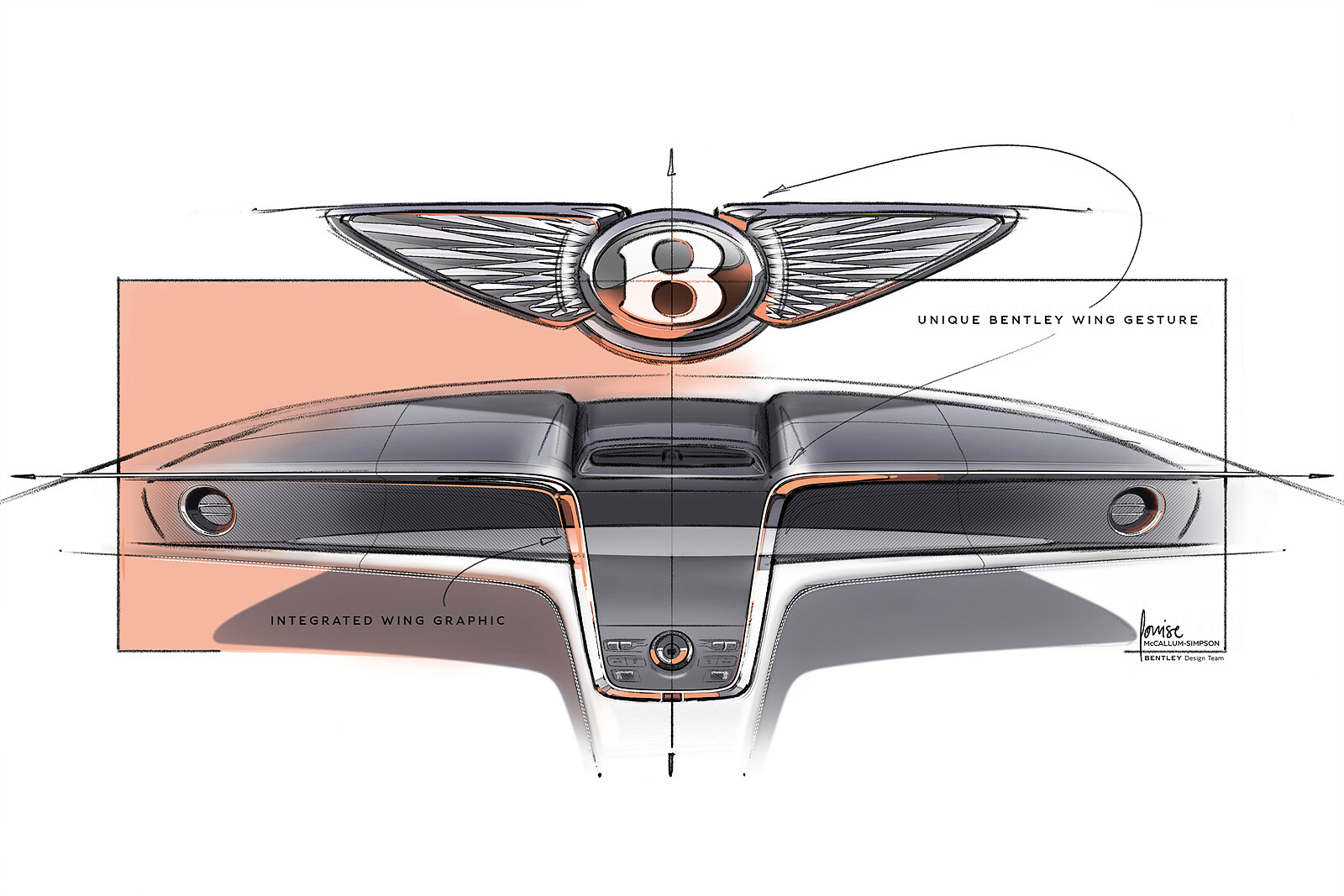
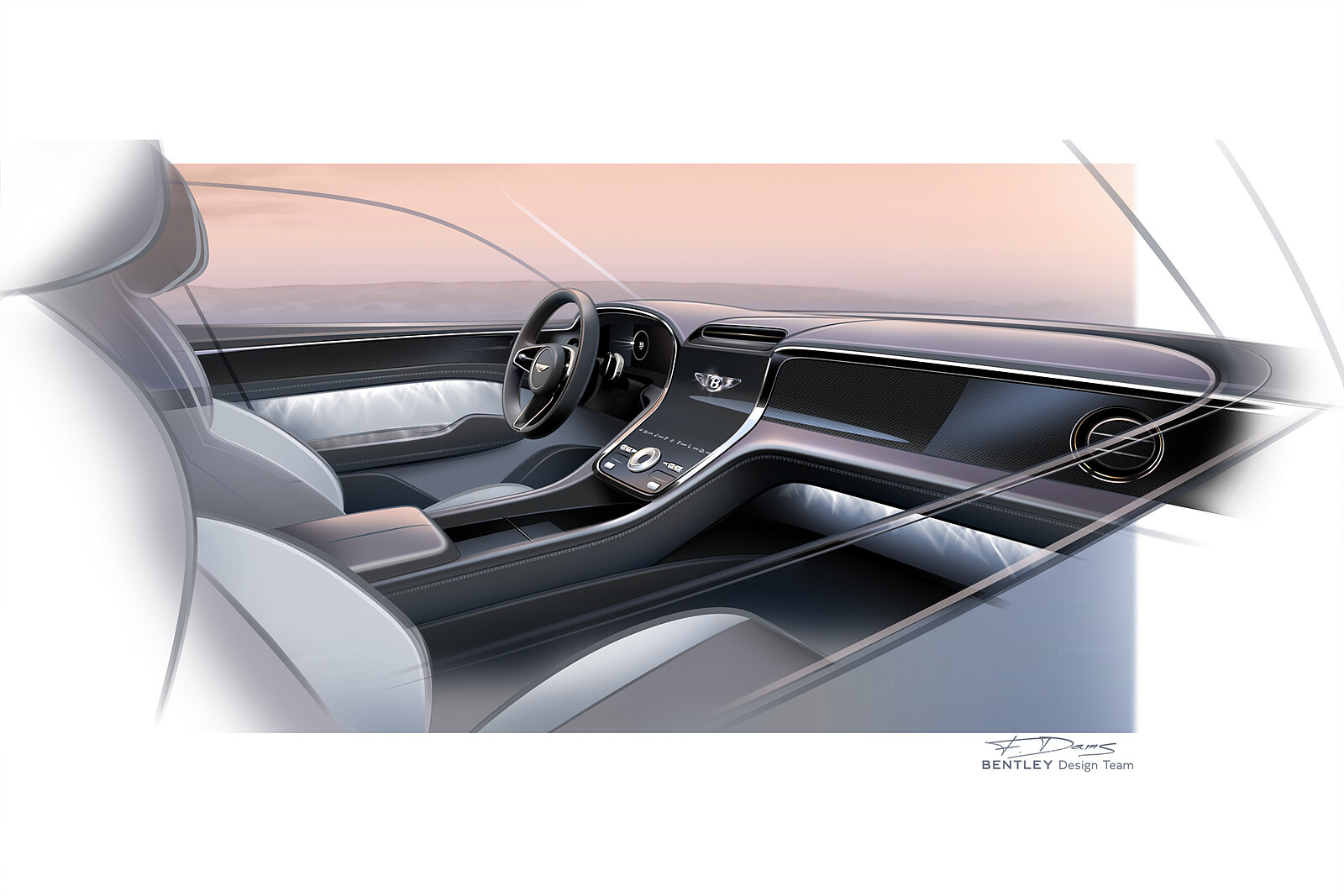
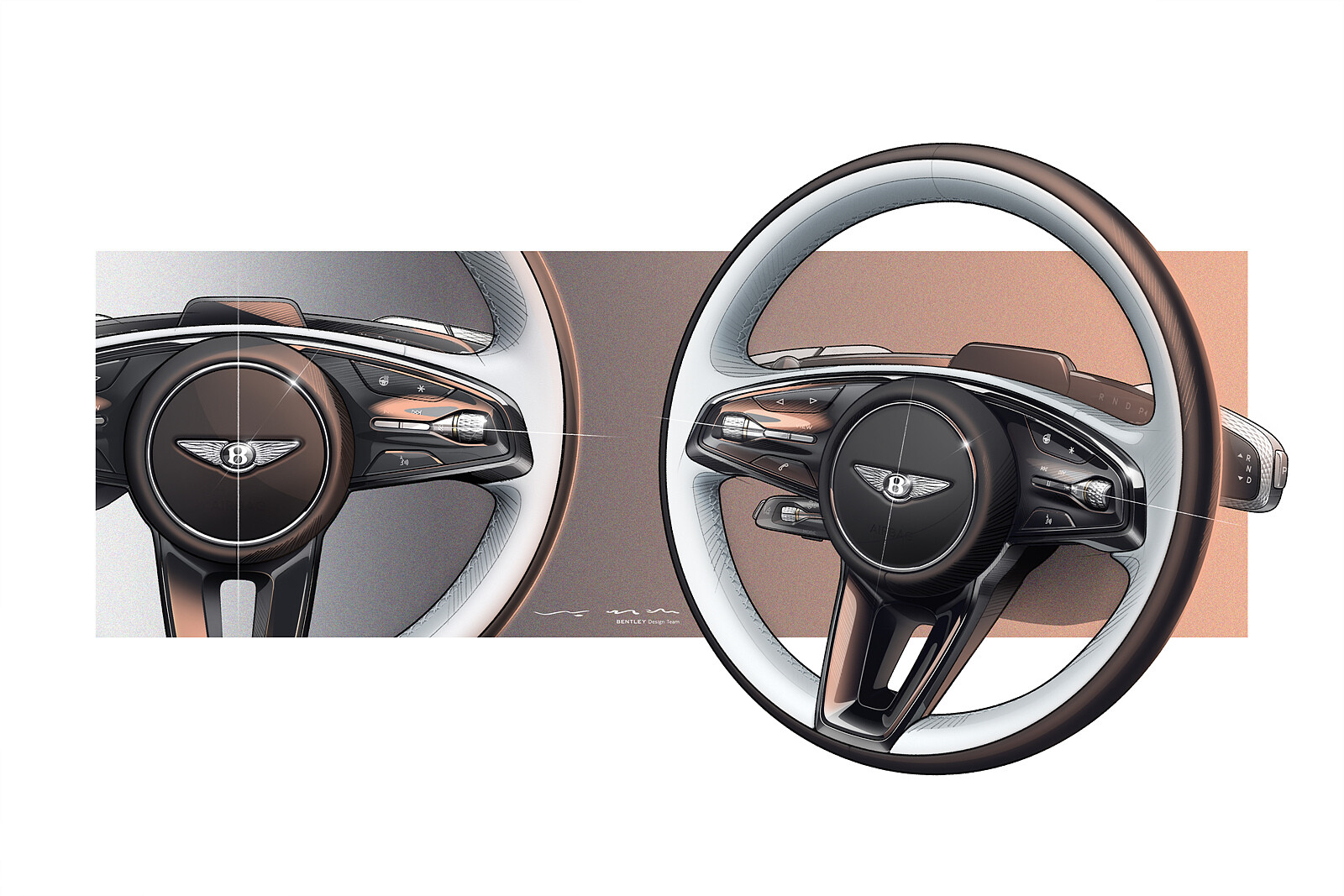
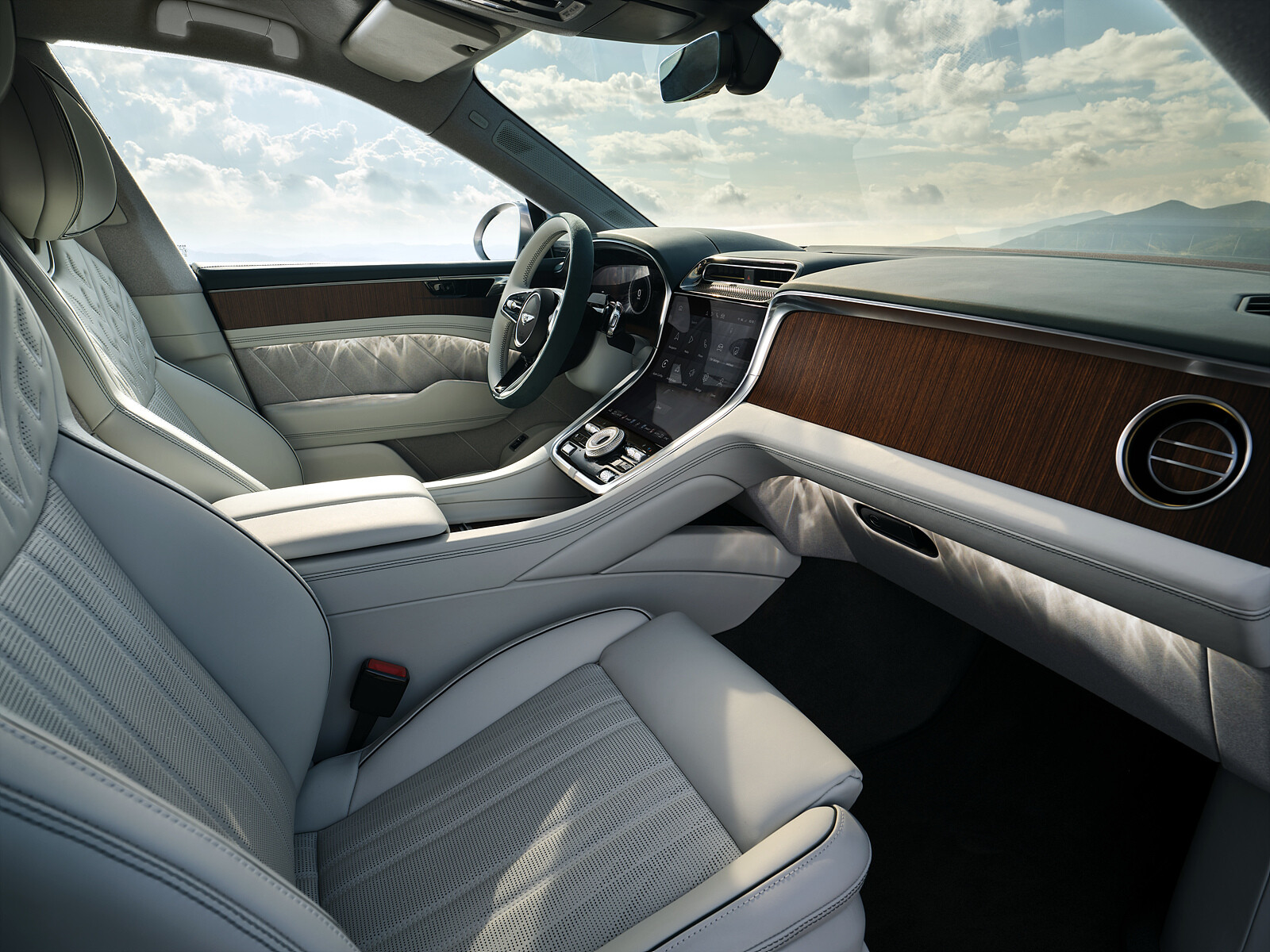
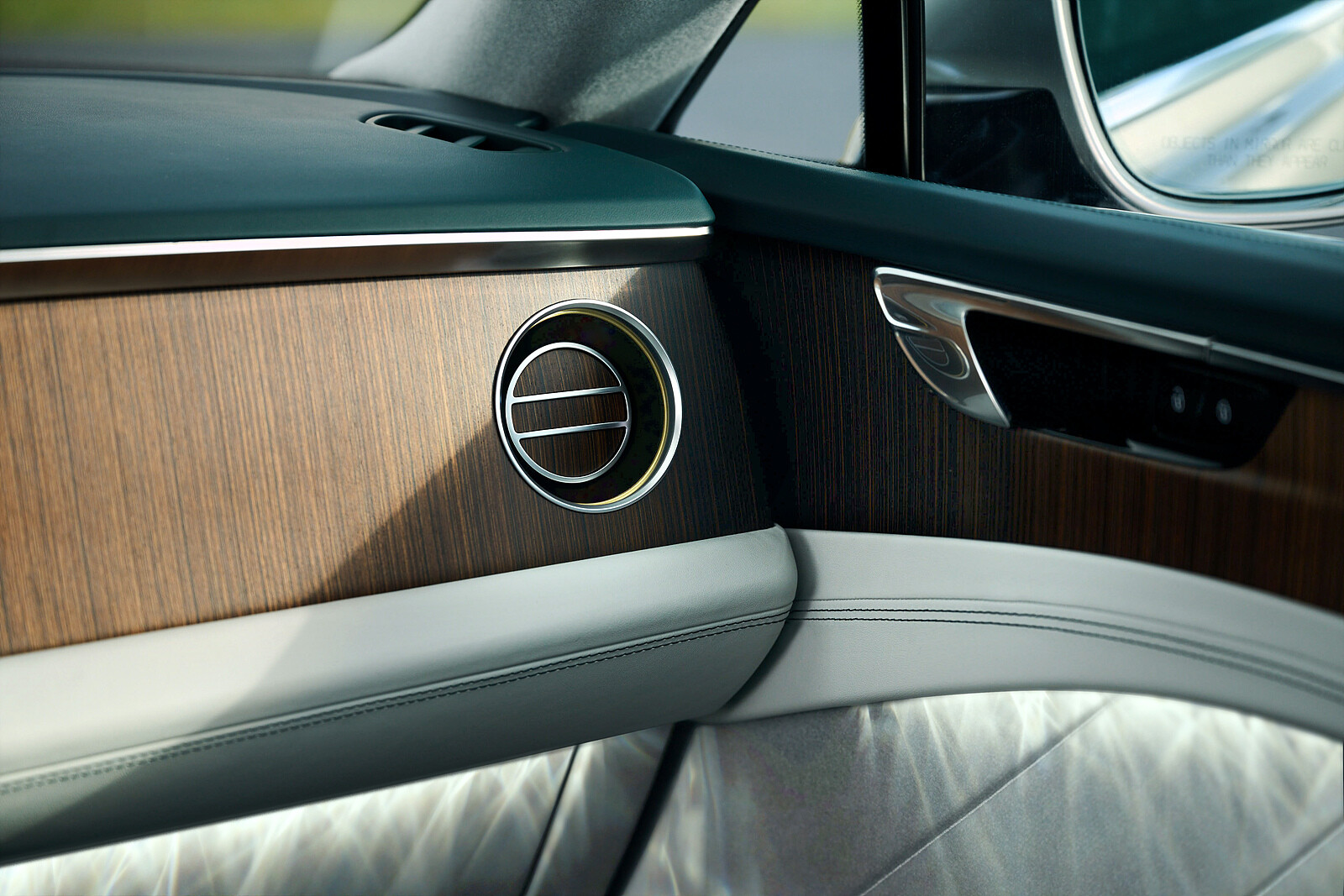
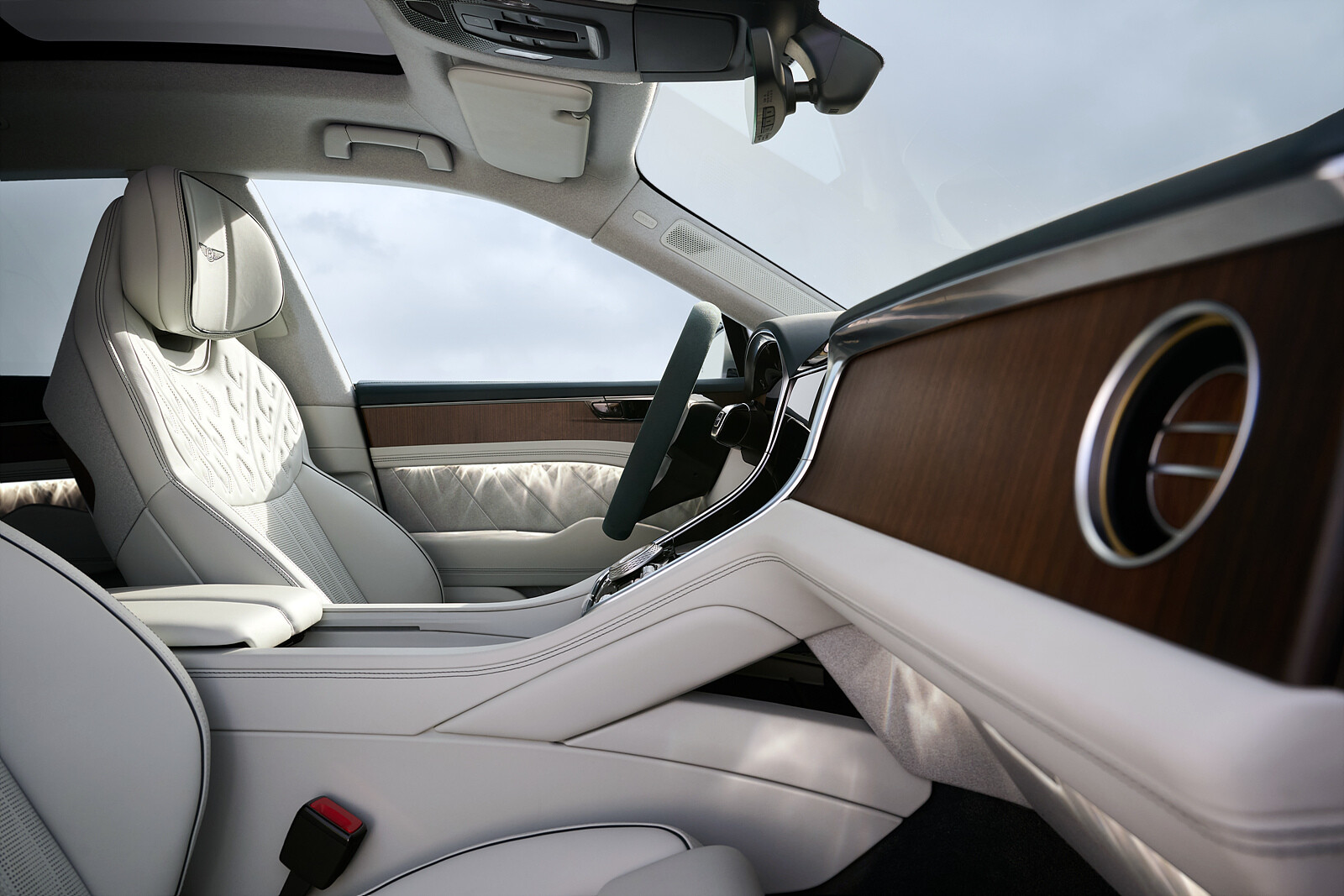
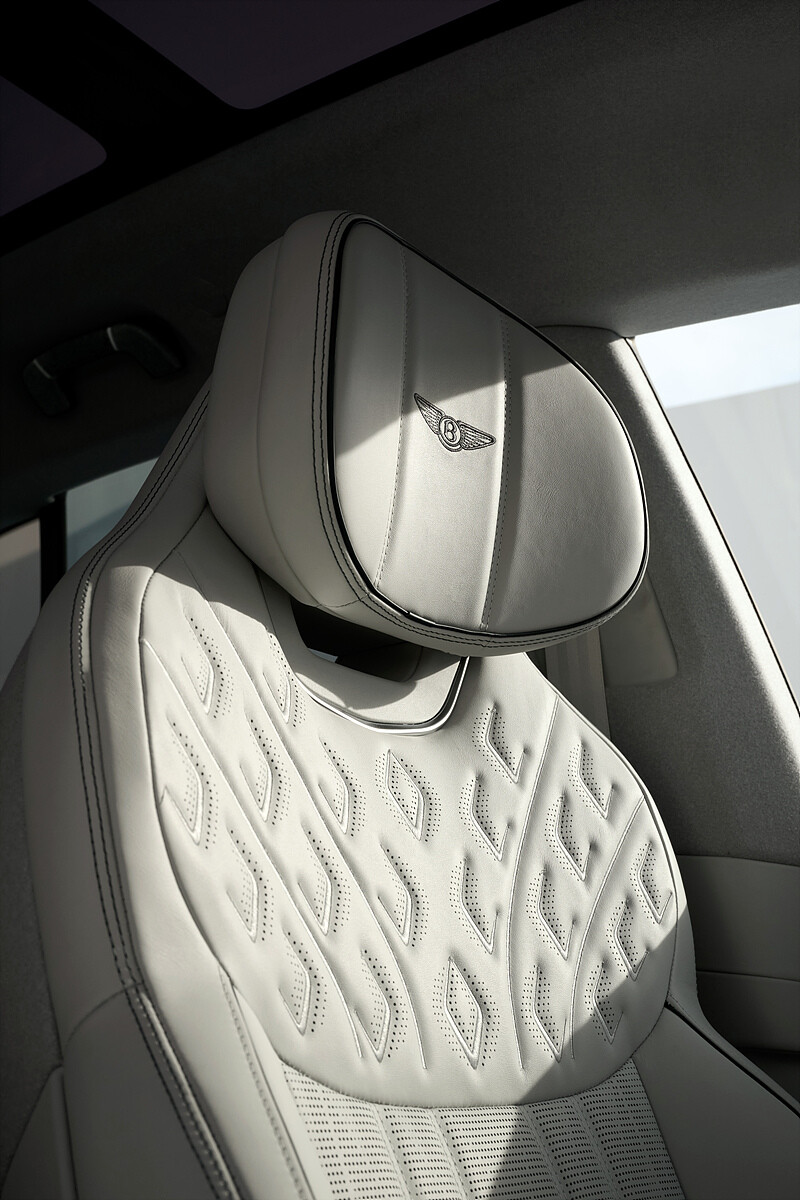
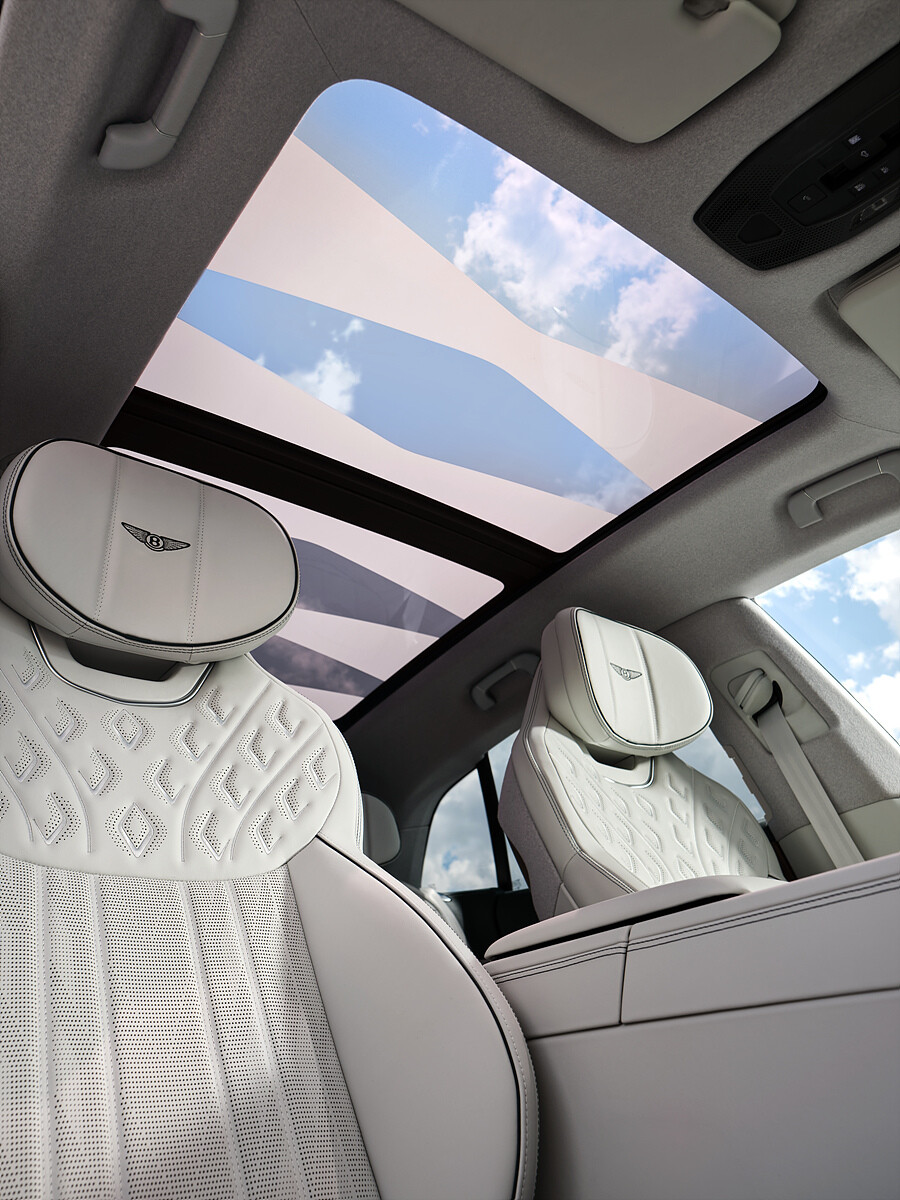
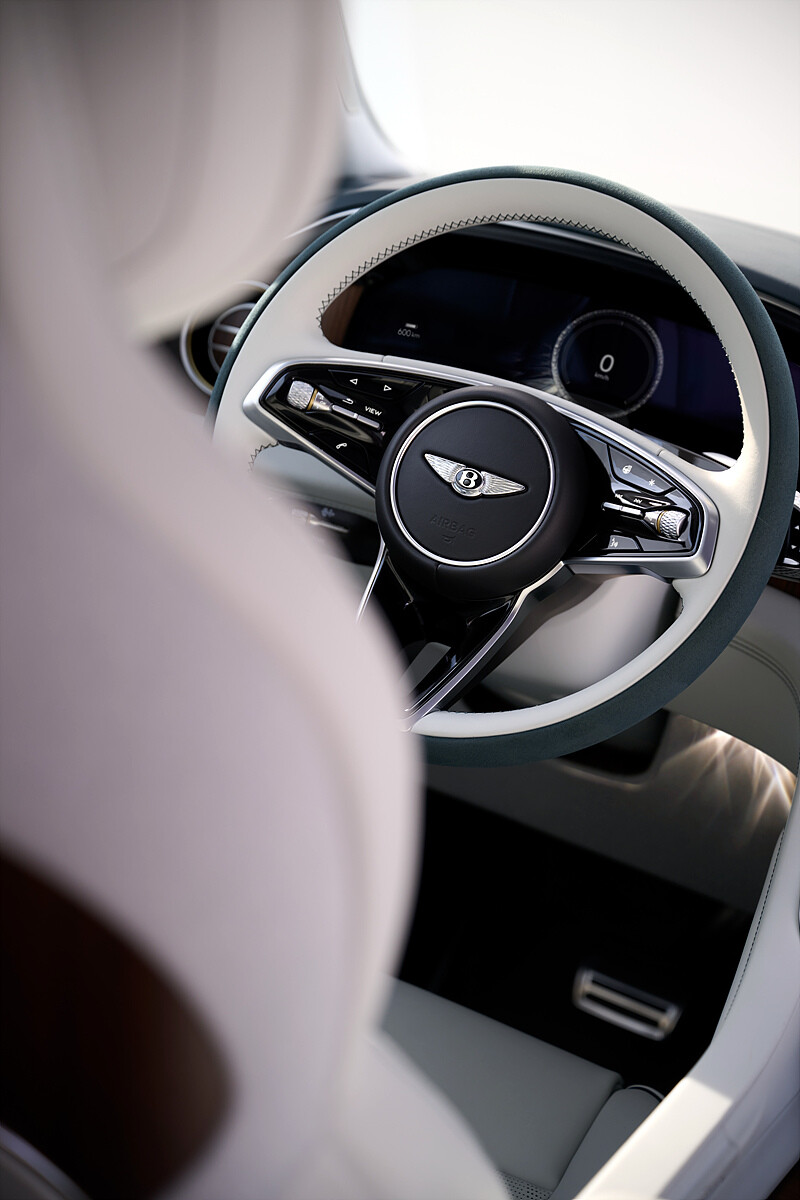
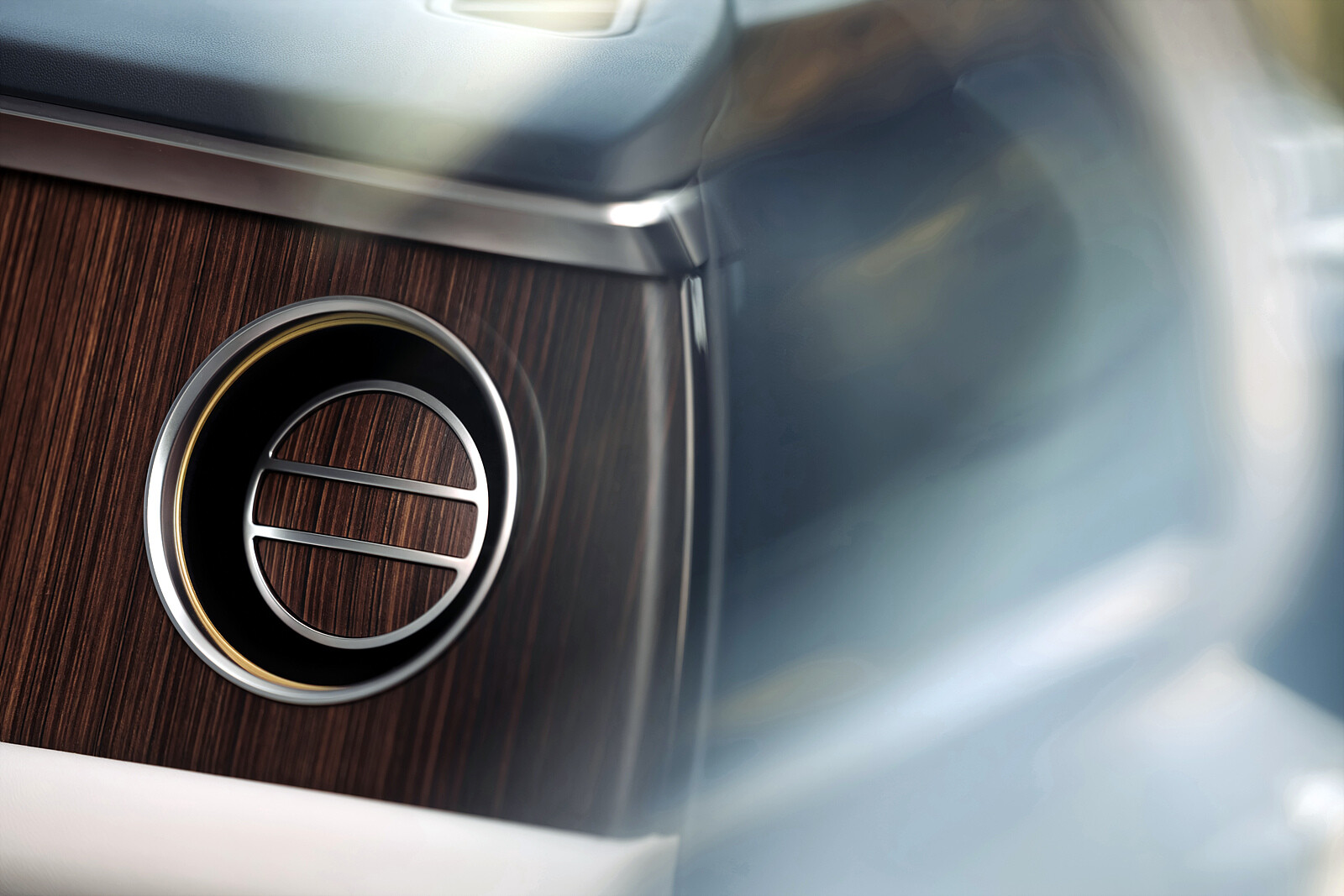
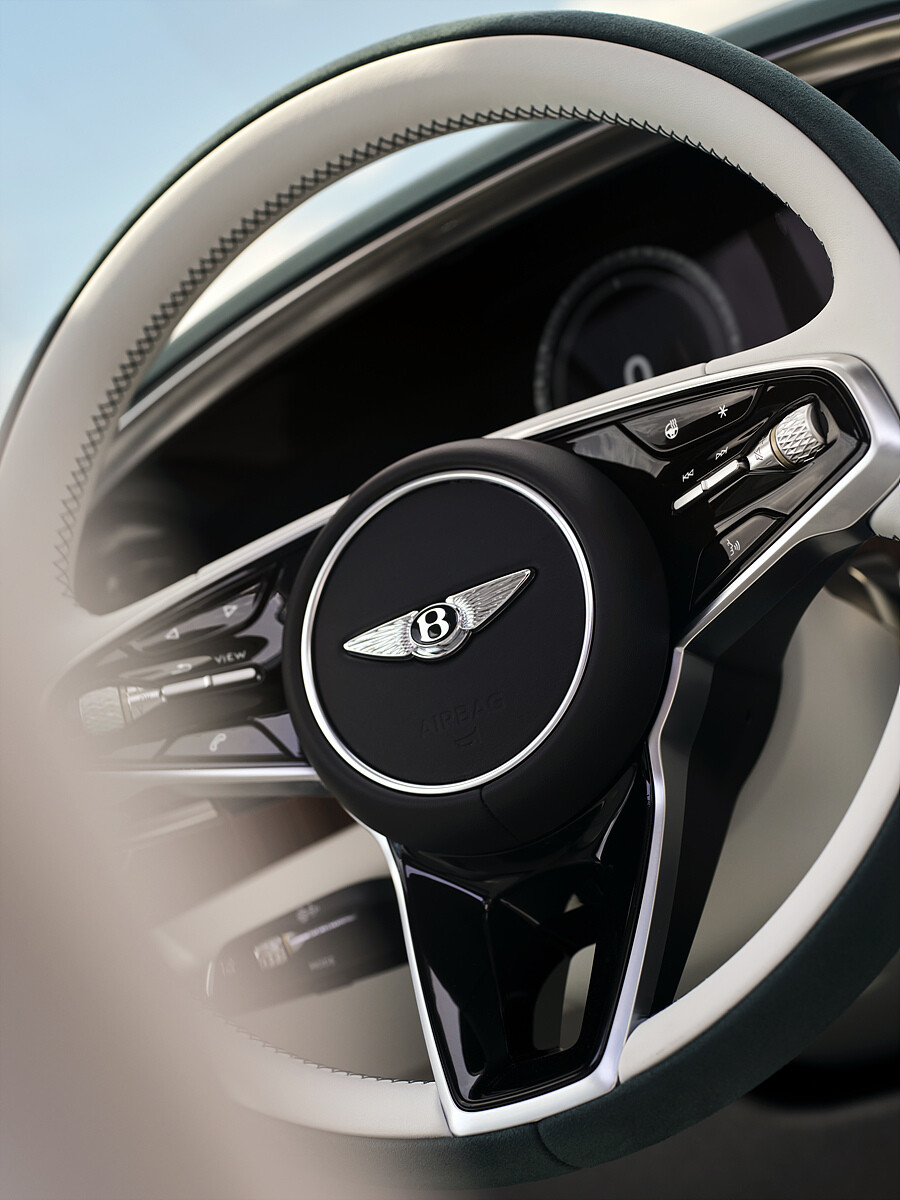
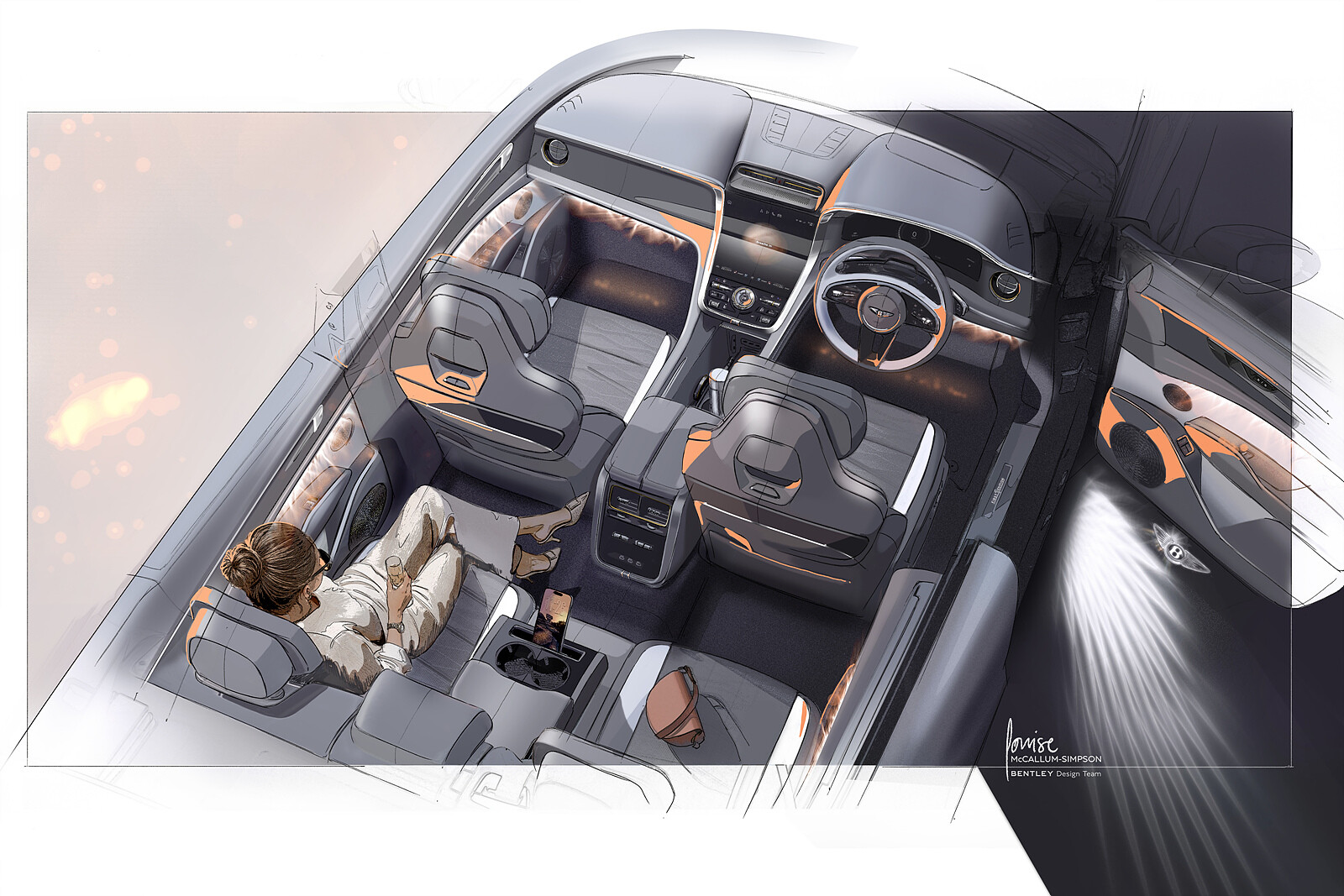
The more intriguing question is what Bentley does with the shared hardware. The Torcal’s silhouette and substantial rear haunches give it a character separate from both the Cayenne and the taller Bentayga. Inside, Bentley keeps physical controls on the steering wheel and center console alongside curved displays. Available wool upholstery and layered walnut trim make a stronger case for this cabin than another screen ever could.
Then there is the sound. Bentley recorded instruments, including drums, viola, and bass guitar, to build an optional acceleration soundtrack inspired by the pulse of one of its V-8s. It grows more prominent in Sport mode, and drivers who prefer the quiet of an EV can switch it off. It is an unusual solution to a real problem for Bentley: its engines have long been part of the experience, even when their power arrived with little effort.
Pricing has not been announced. Initial deliveries are expected in the second quarter of 2027, and U.S. coverage identifies the Torcal as a 2028 model. The specifications establish it as an exceptionally quick, fast-charging electric SUV. The test that matters more for this badge is whether its ride and cabin make those figures feel almost incidental.