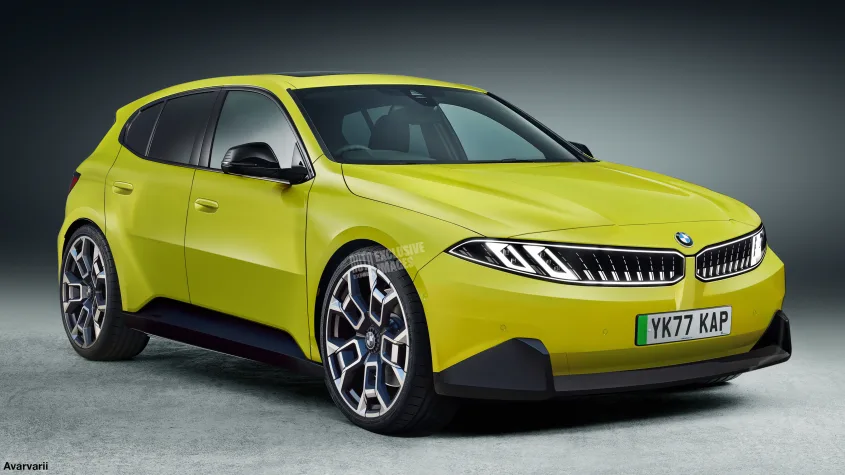
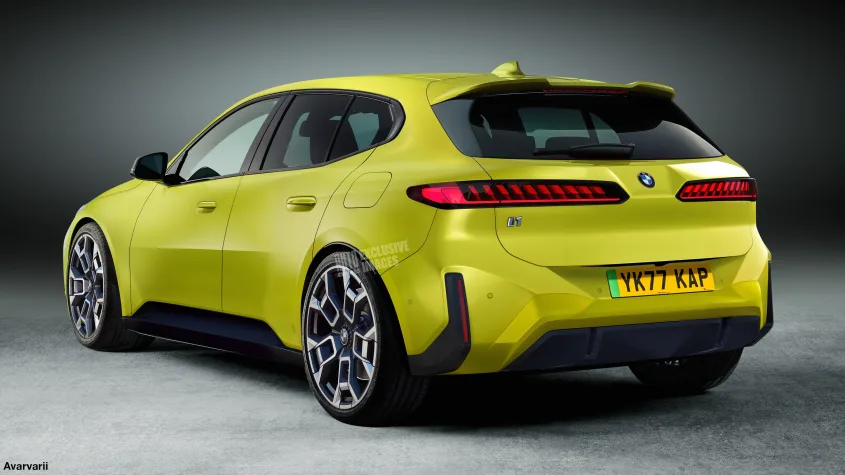
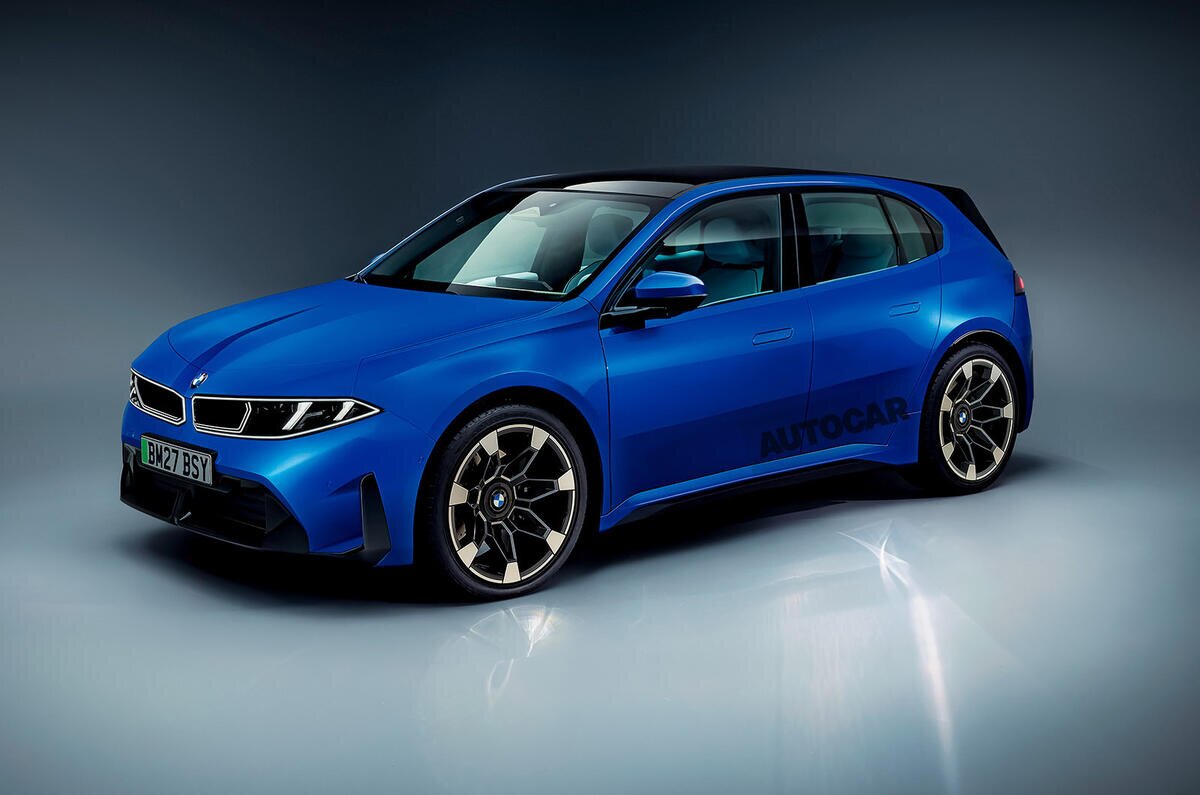
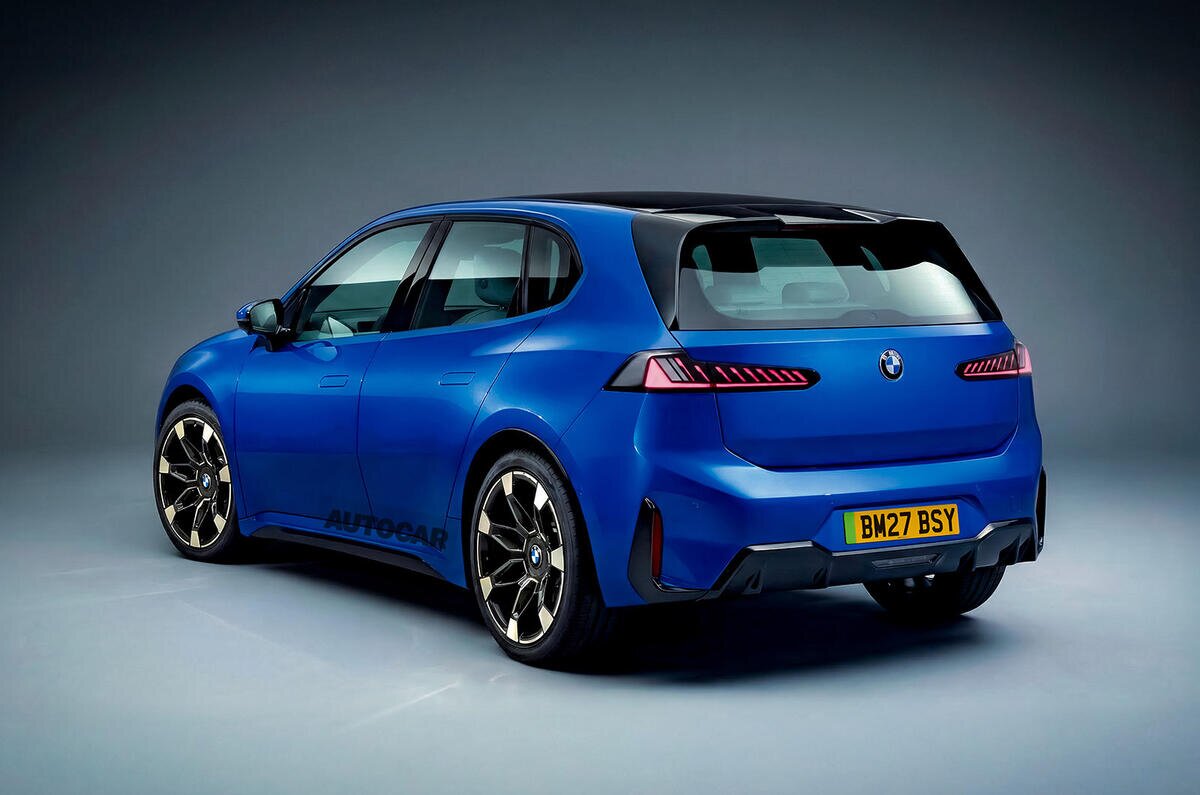
The BMW 1 Series and its electric counterpart, the i1, are targeted at a younger demographic with their distinctive and forward-thinking aesthetic.
These models are poised to offer a blend of style and performance that resonates with the preferences of a younger audience.
The design philosophy aims to set new benchmarks in the automotive industry by combining modernity with the classic values of BMW.
A discussion about BMW’s approach to the next-generation 1 Series, which will maintain both a front-wheel-drive petrol platform and introduce a rear-biased Neue Klasse electric vehicle.
Key Details:
- The current 1 Series uses the UKL platform (shared with Mini), not the CLAR rear-drive structure used by the 3 Series and above
- BMW plans to offer the 1 Series in both ICE and EV versions, satisfying different market preferences
- The upcoming EV variant is expected to be priced around £30,000, approximately £20,000 less than the current i3
- Range concerns for ID3-sized EVs are debated, with most achieving 200–400 miles; the ID3 reaches 391 miles
- Tesla’s decision not to pursue the Model 2 has left a market gap that BMW, Audi, and Mercedes are now targeting
- Commenters note that smaller EVs face trade-offs between price, battery size, and range
Why It Matters:
BMW’s dual-platform strategy for the 1 Series allows the brand to serve both traditional petrol buyers and the growing EV market without sacrificing either segment’s core requirements.
Source: autocar.co.uk