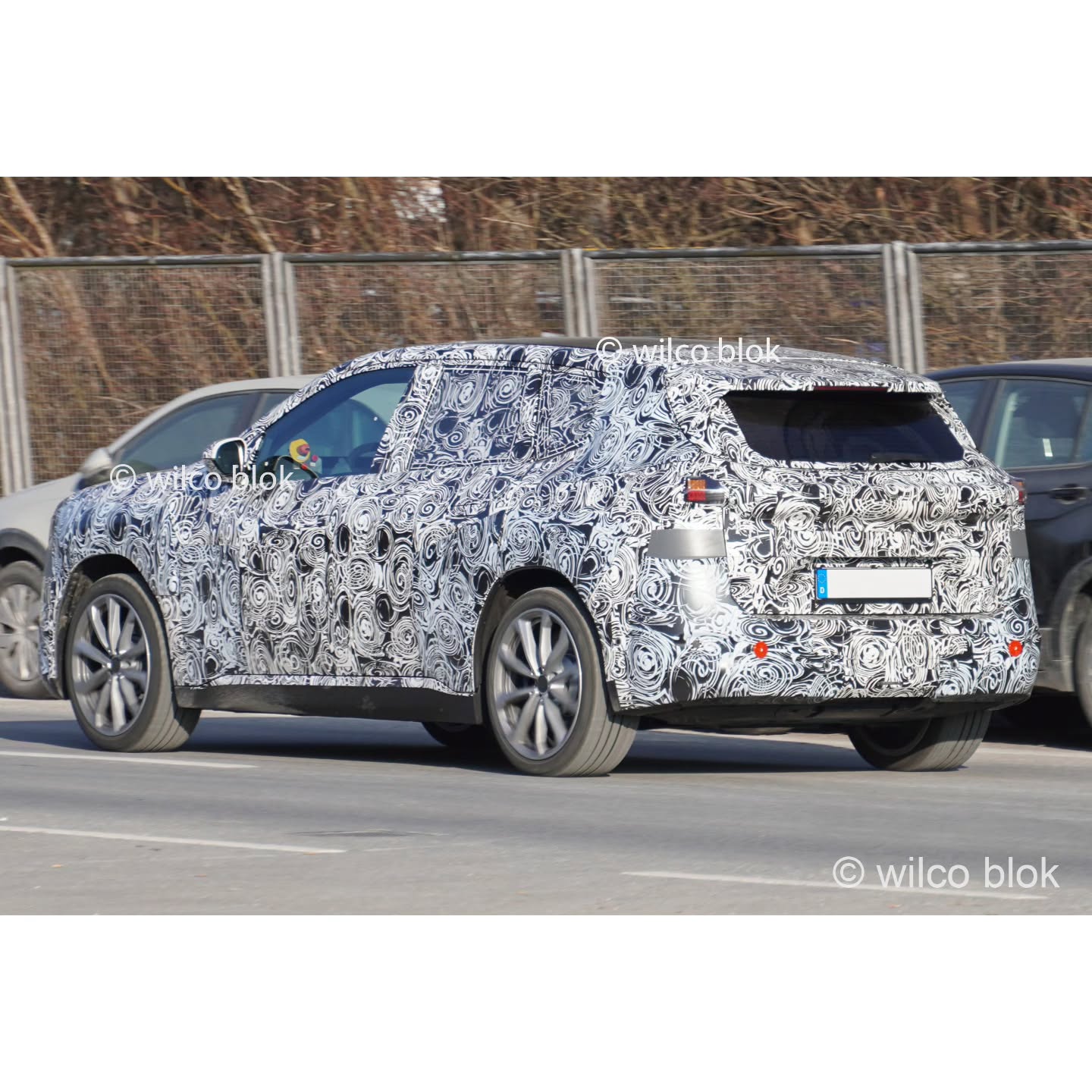
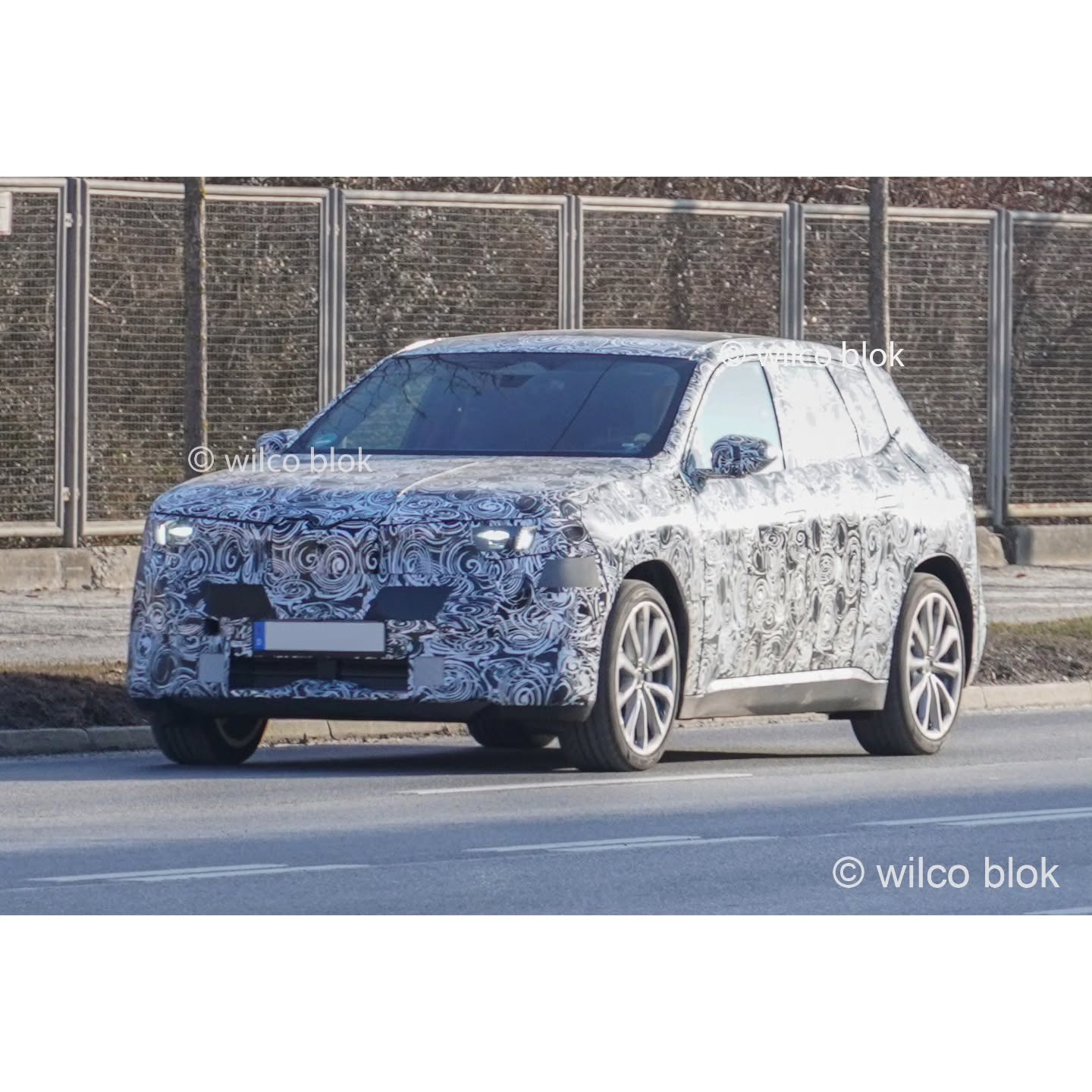
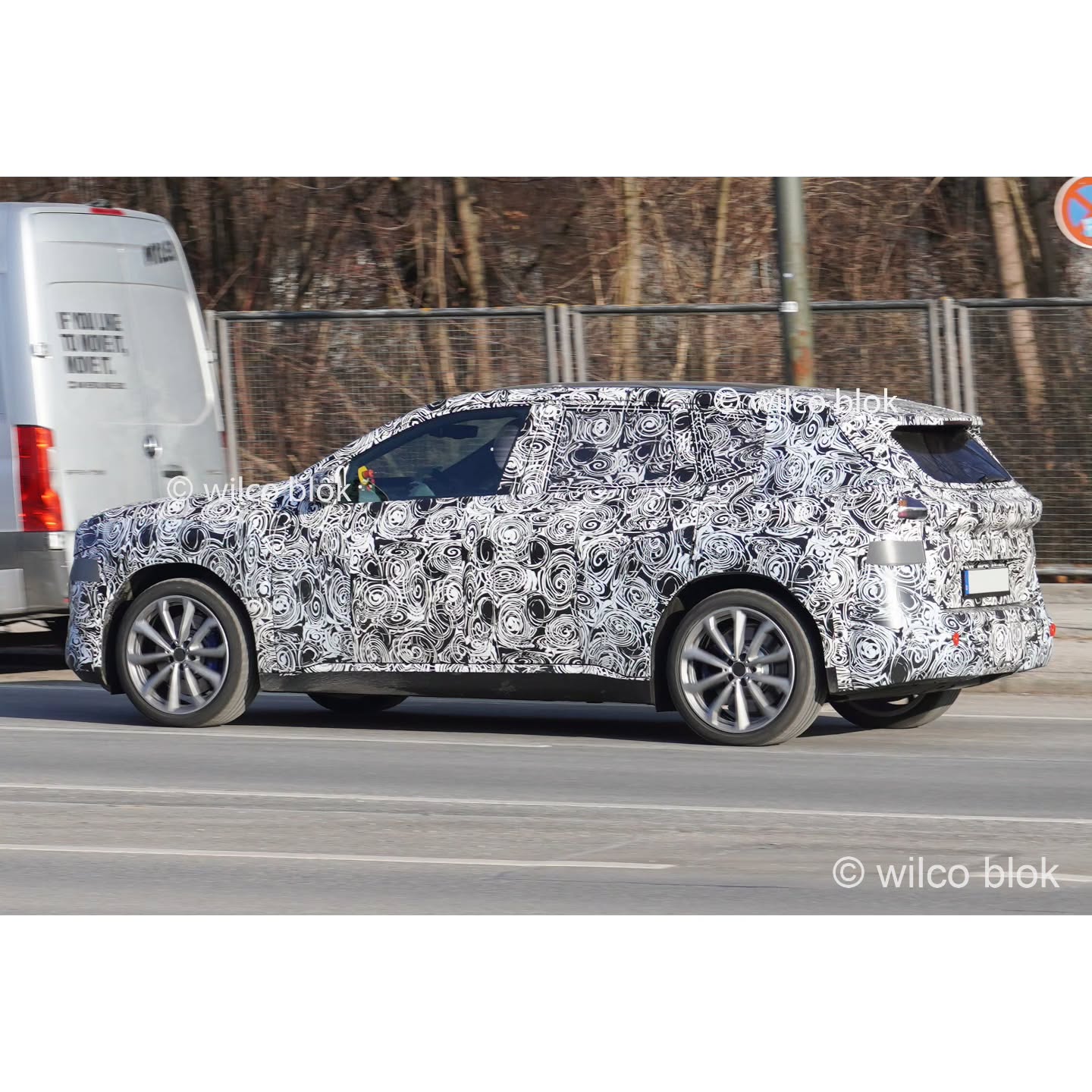
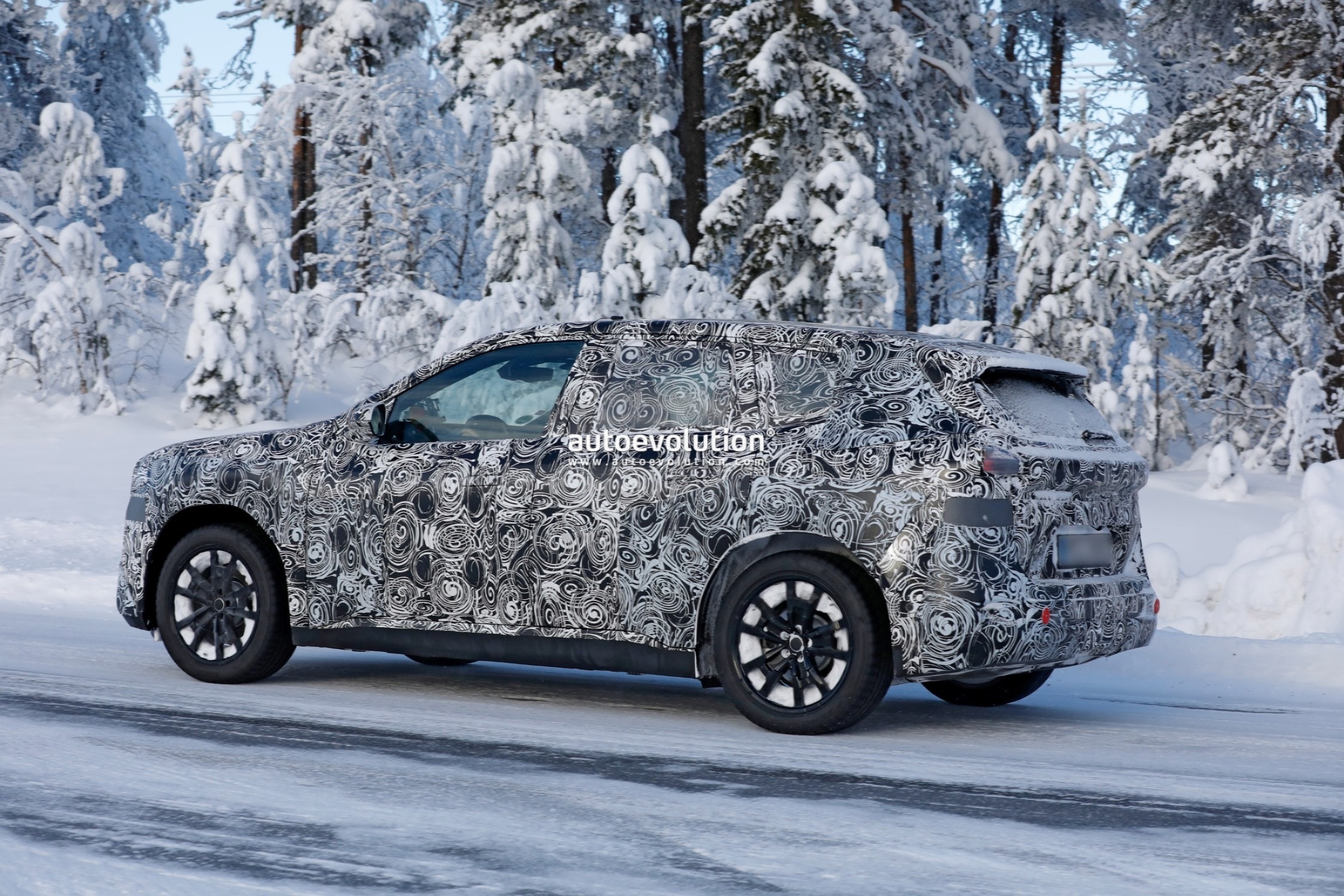
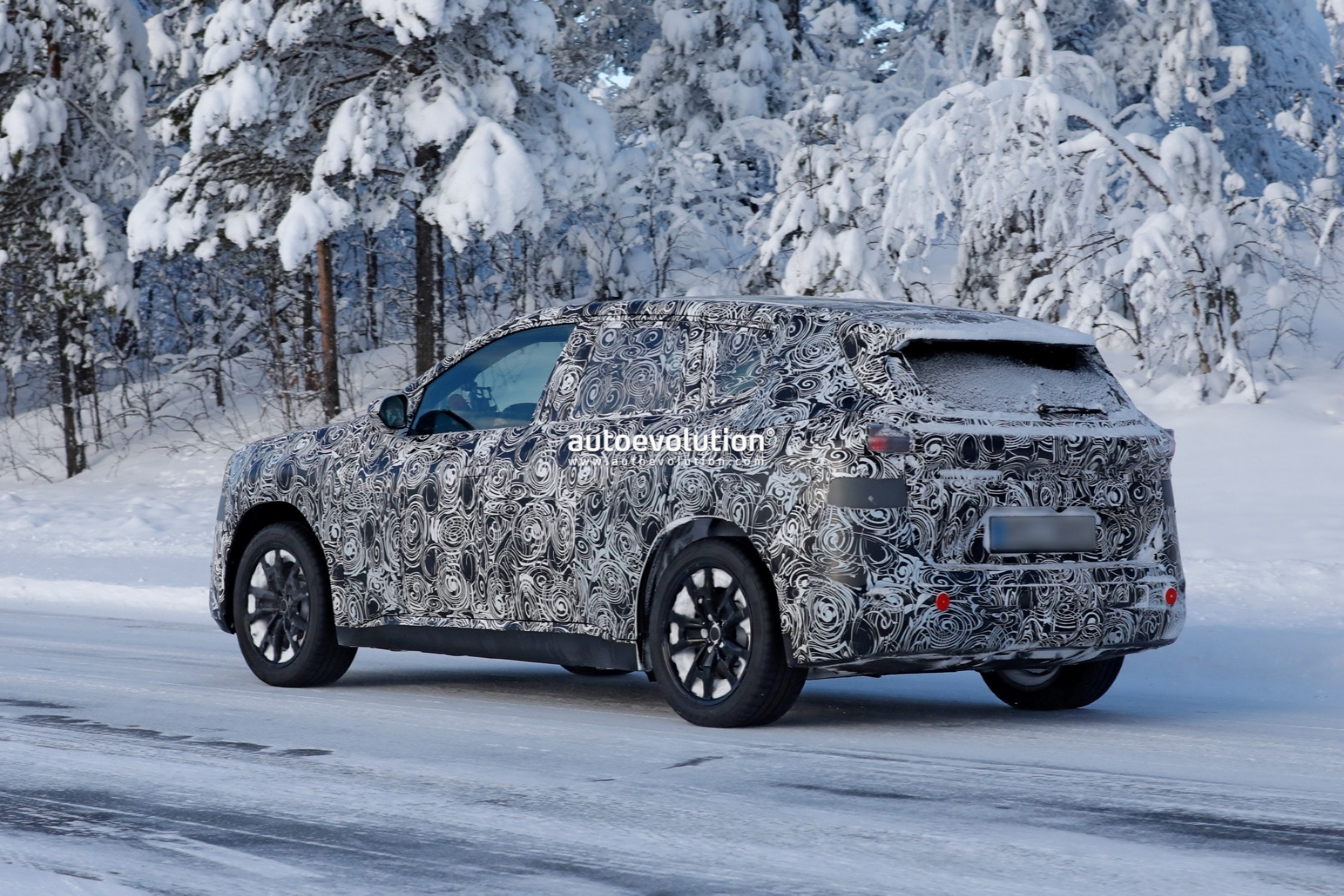
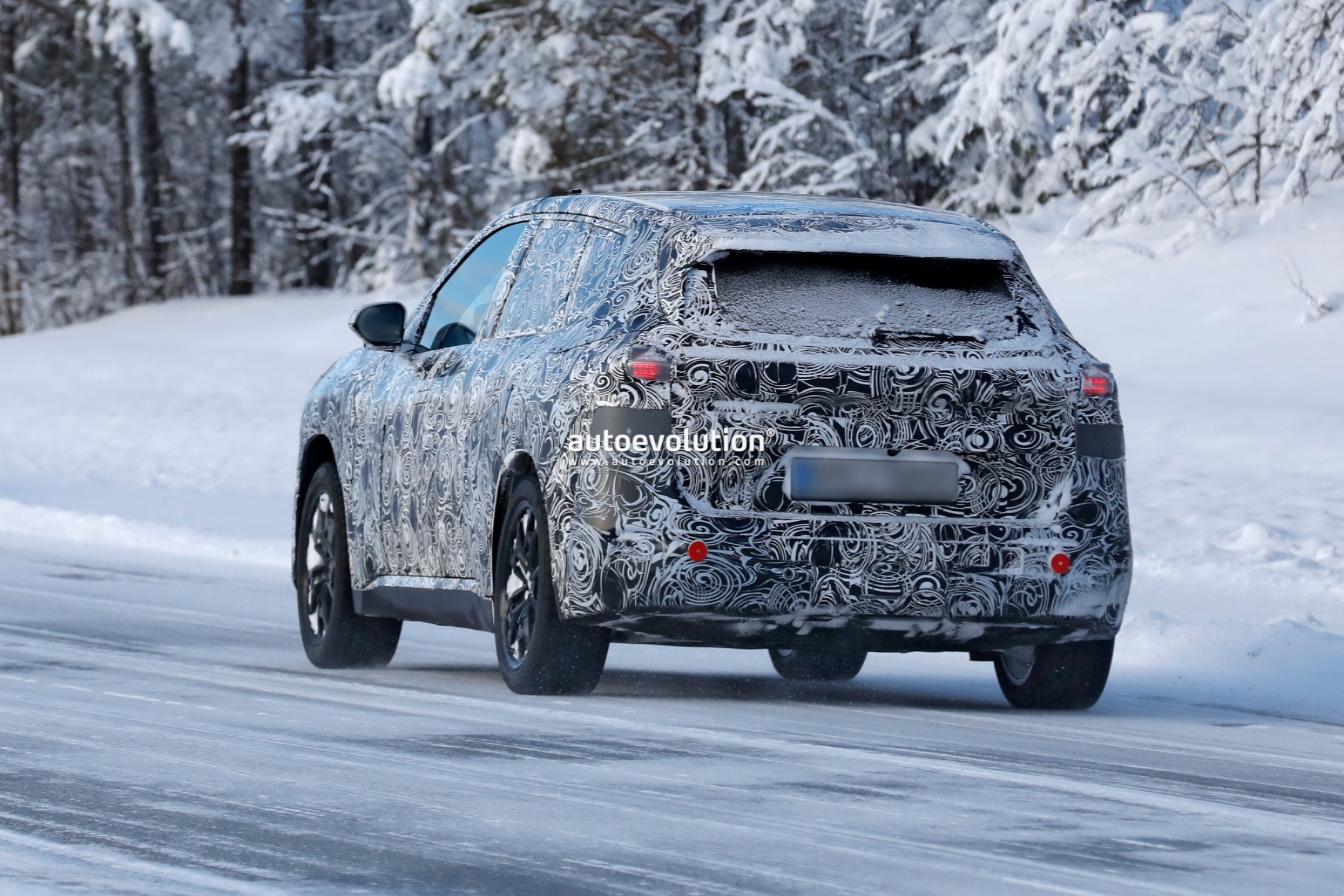
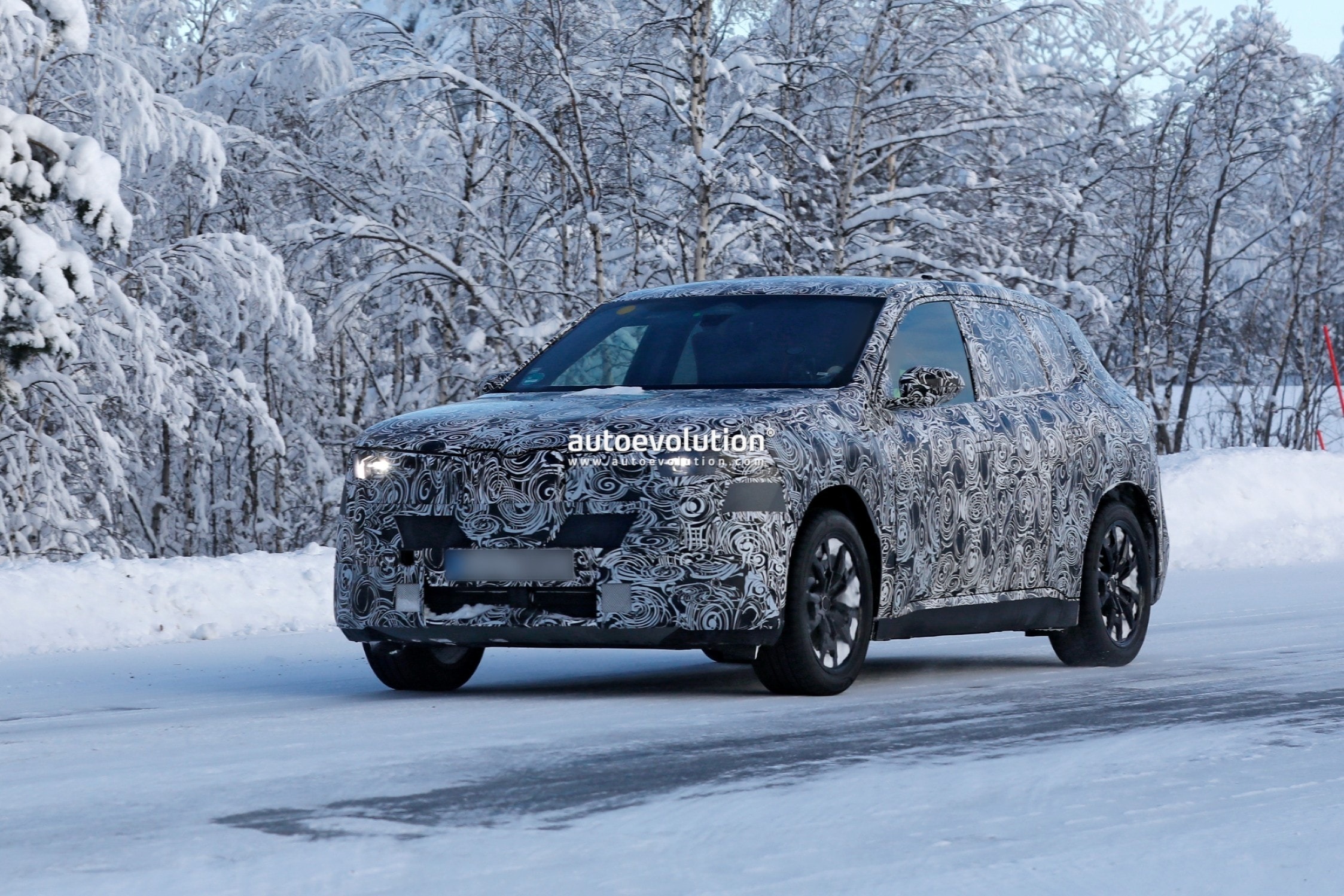
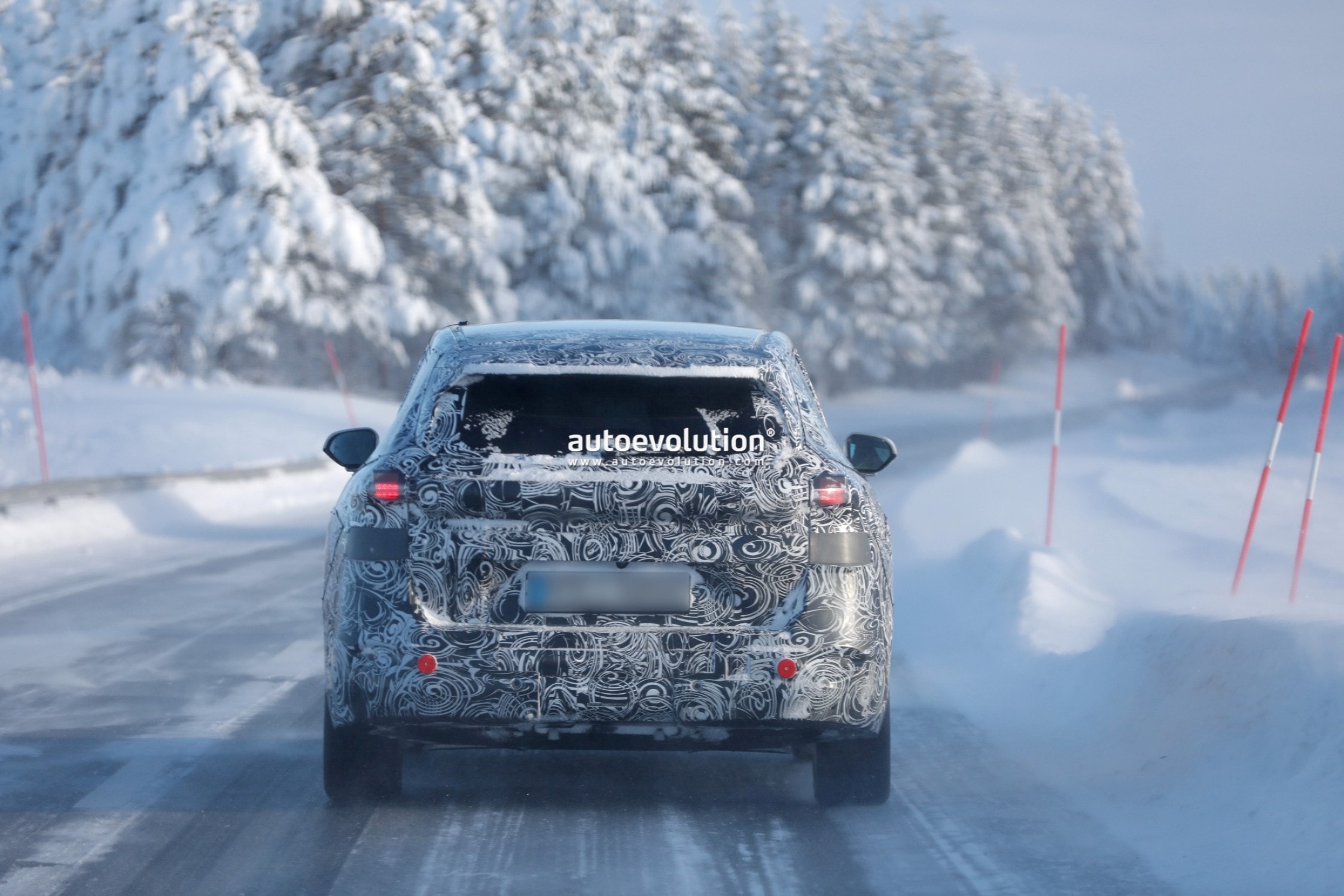
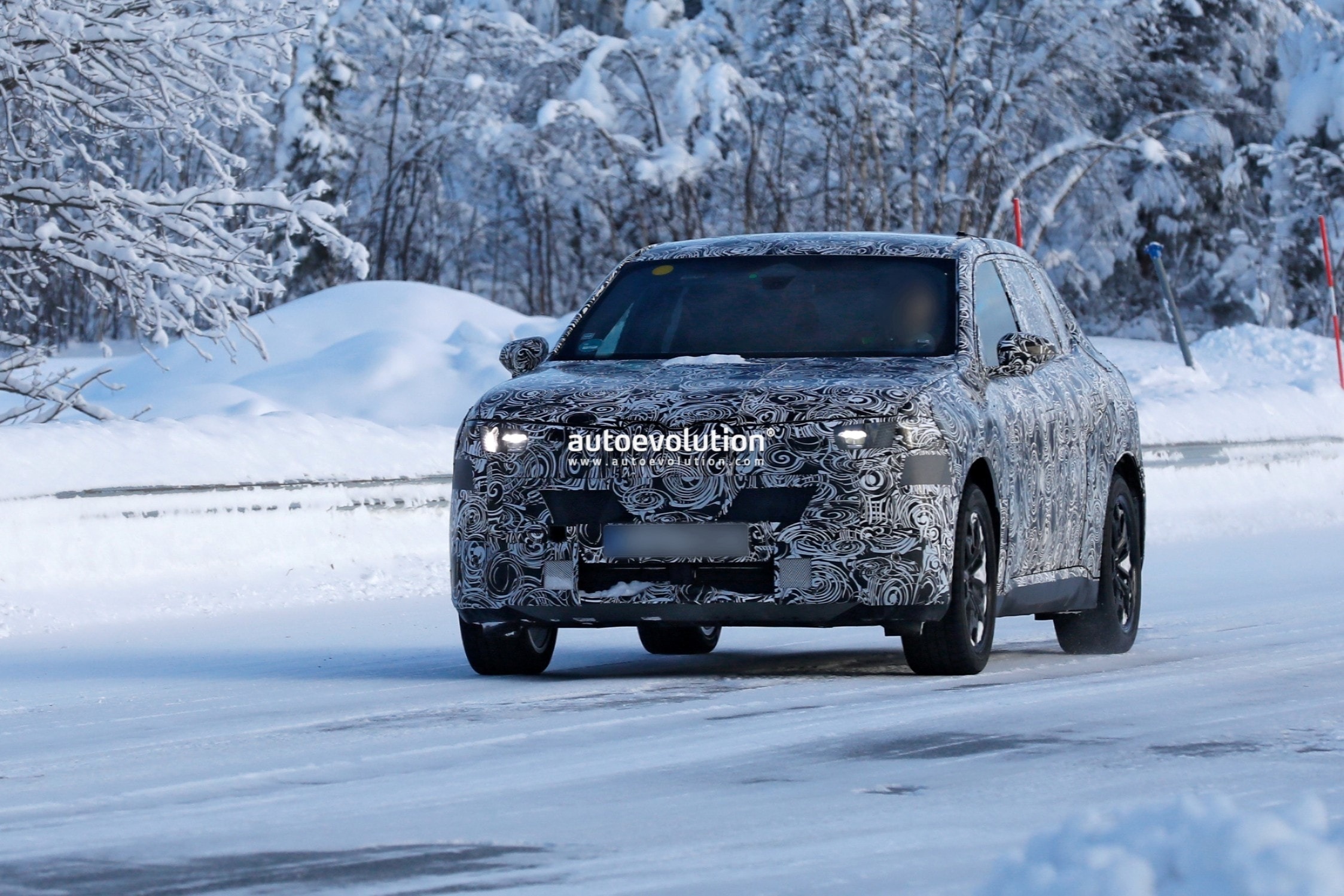
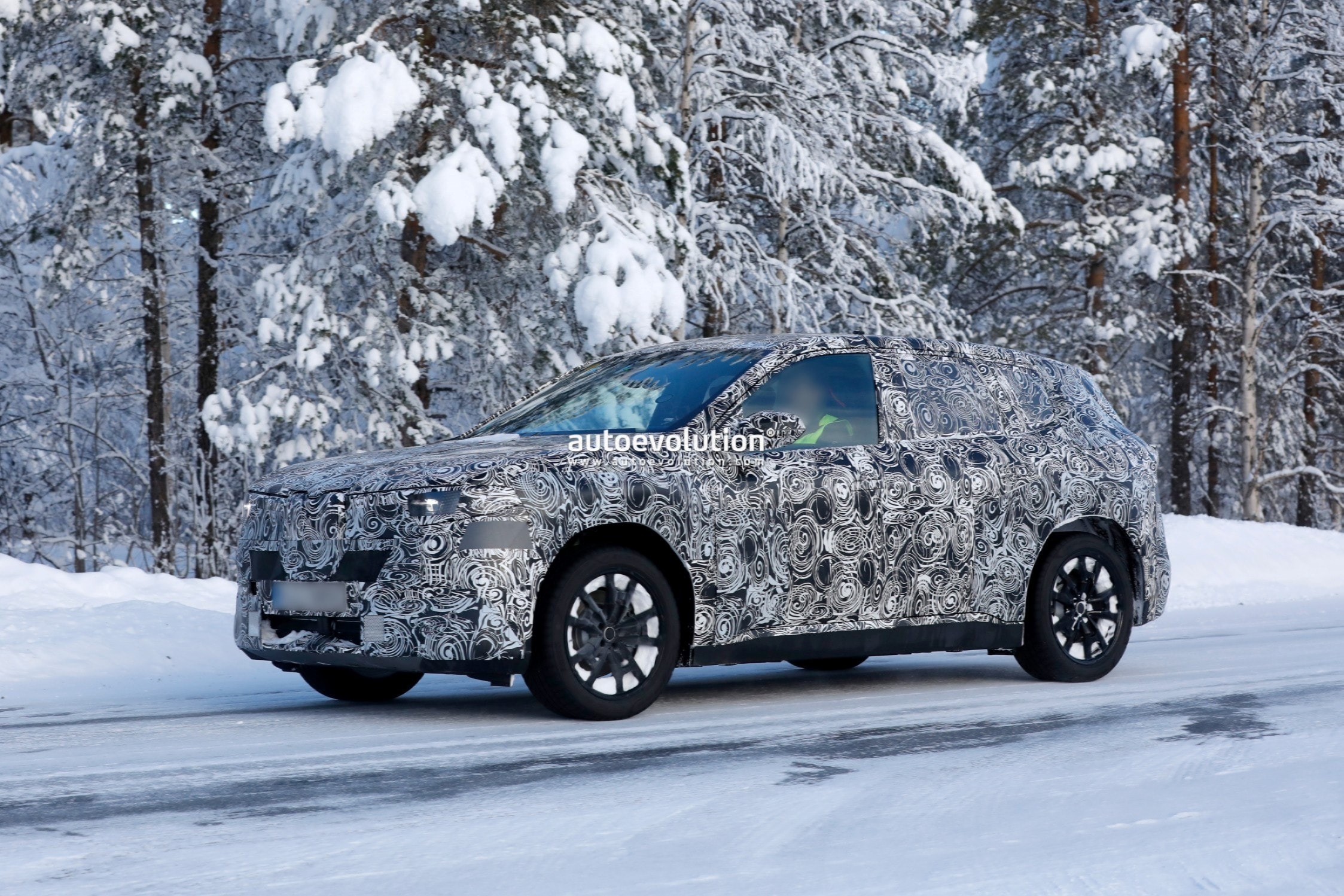
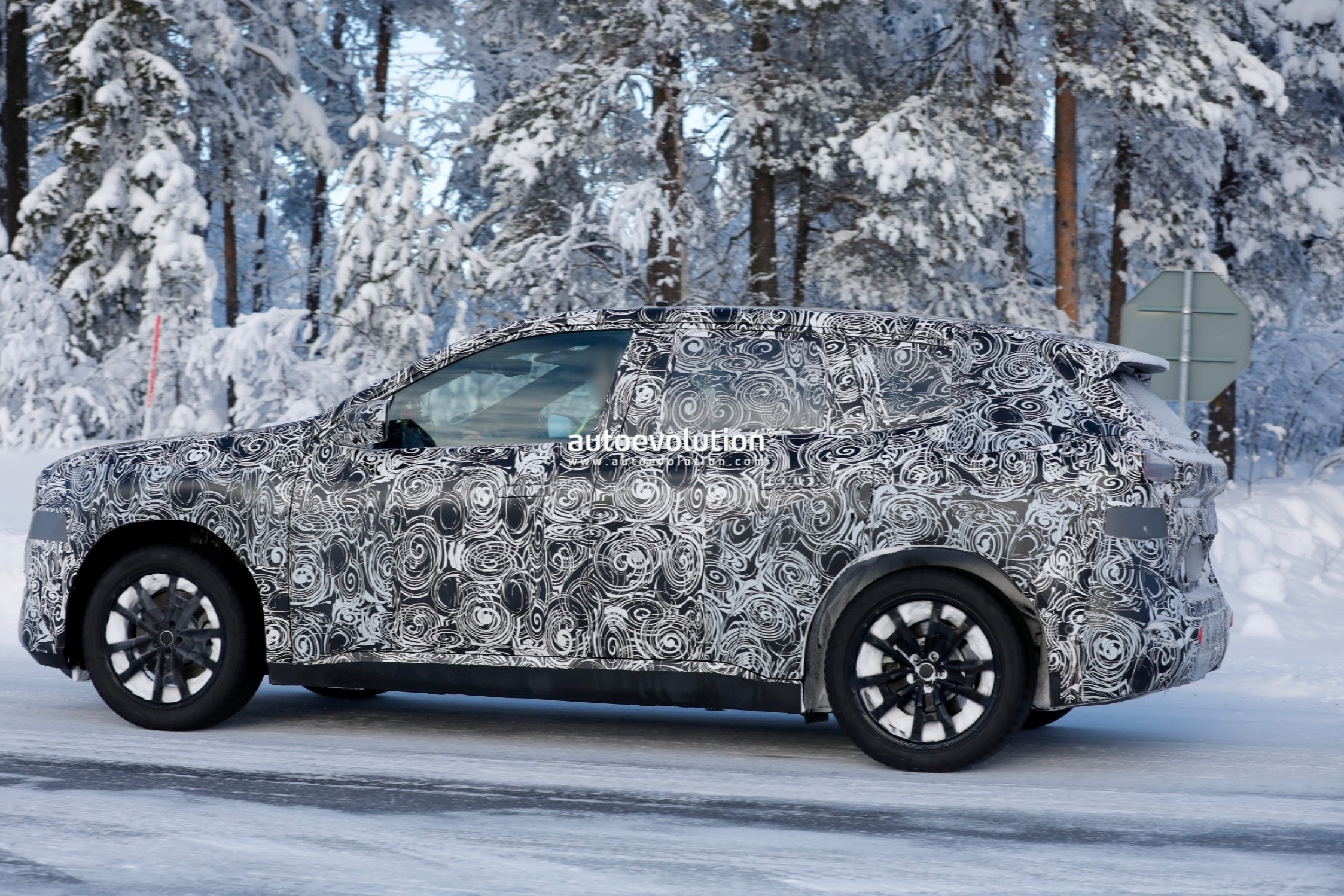
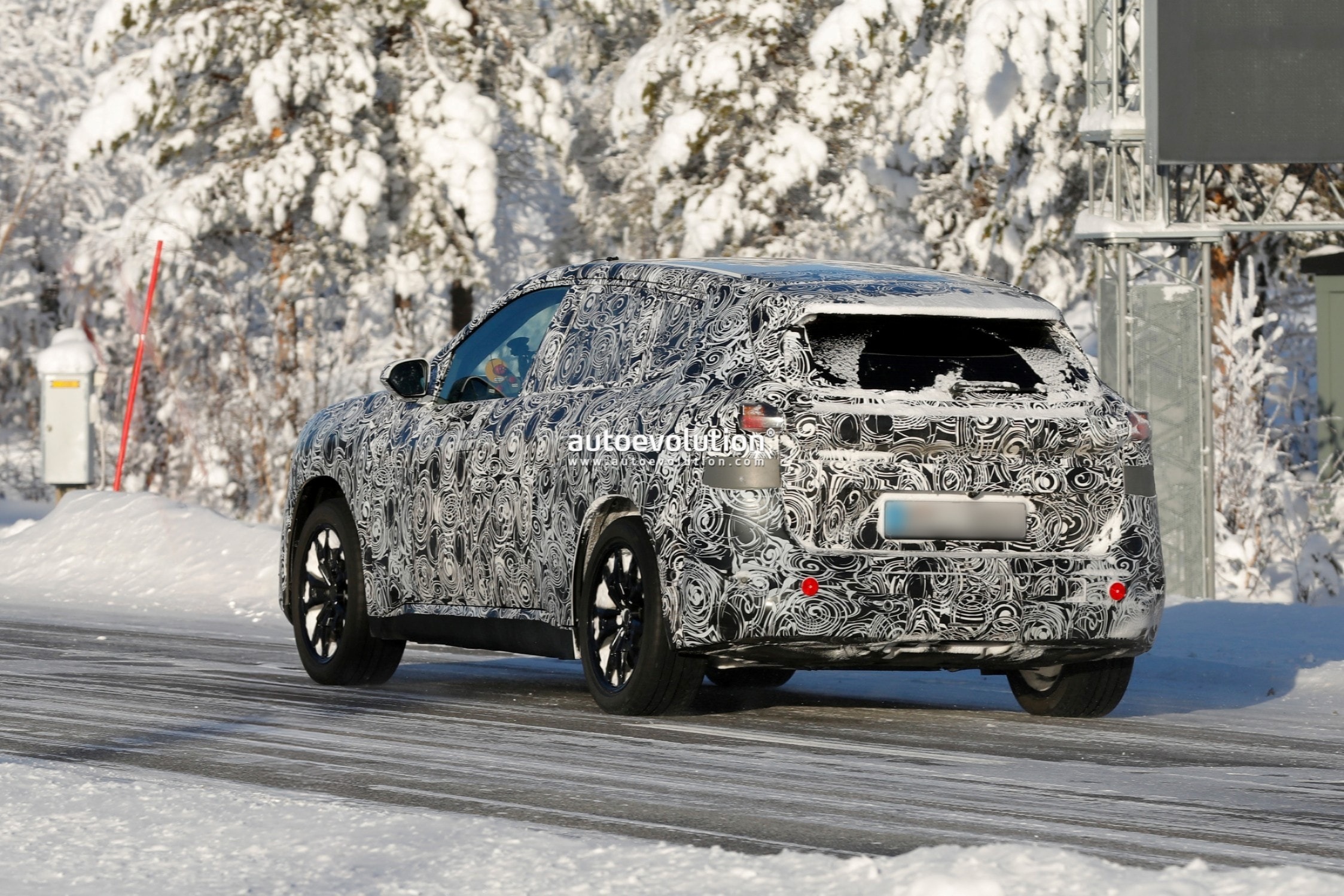
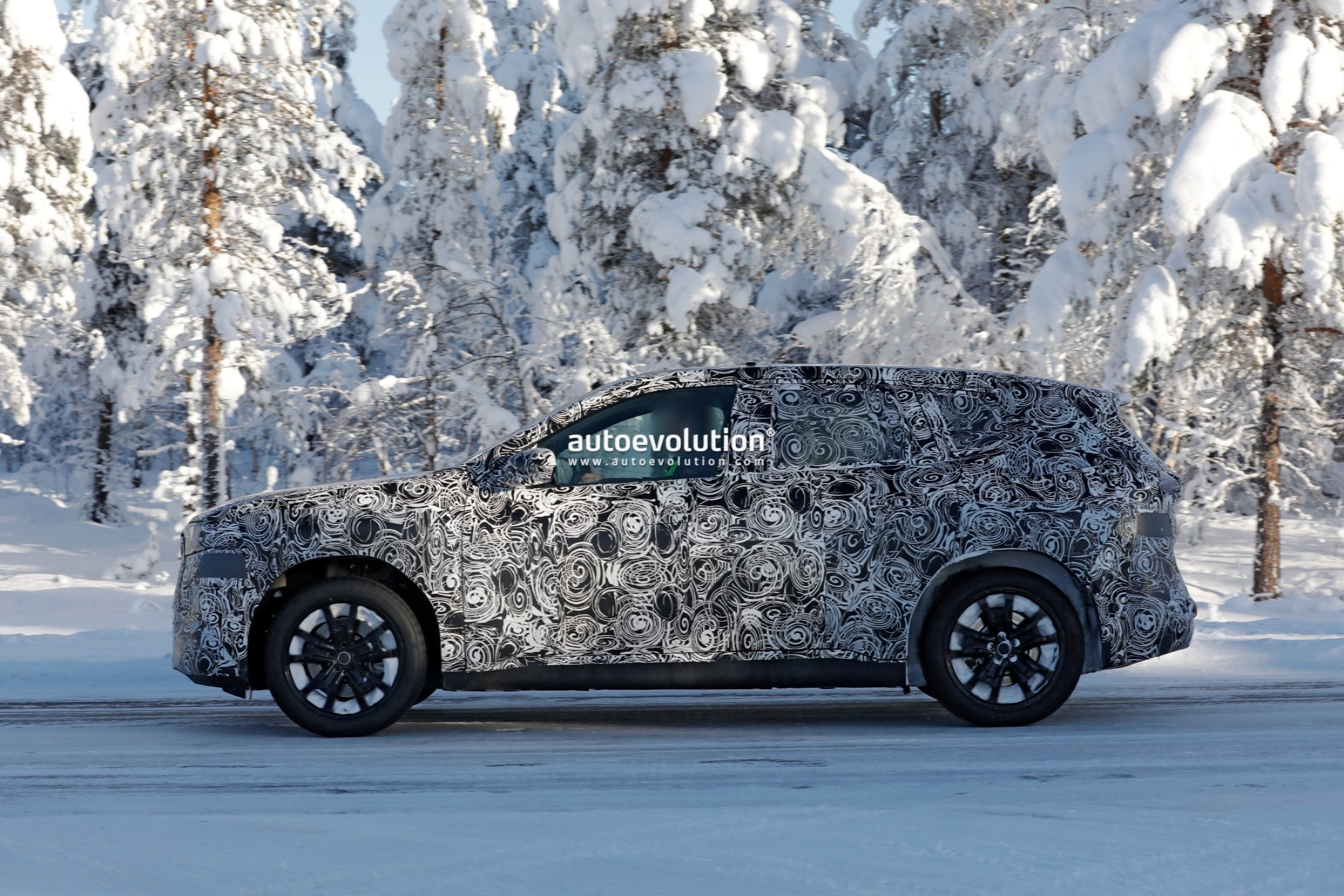
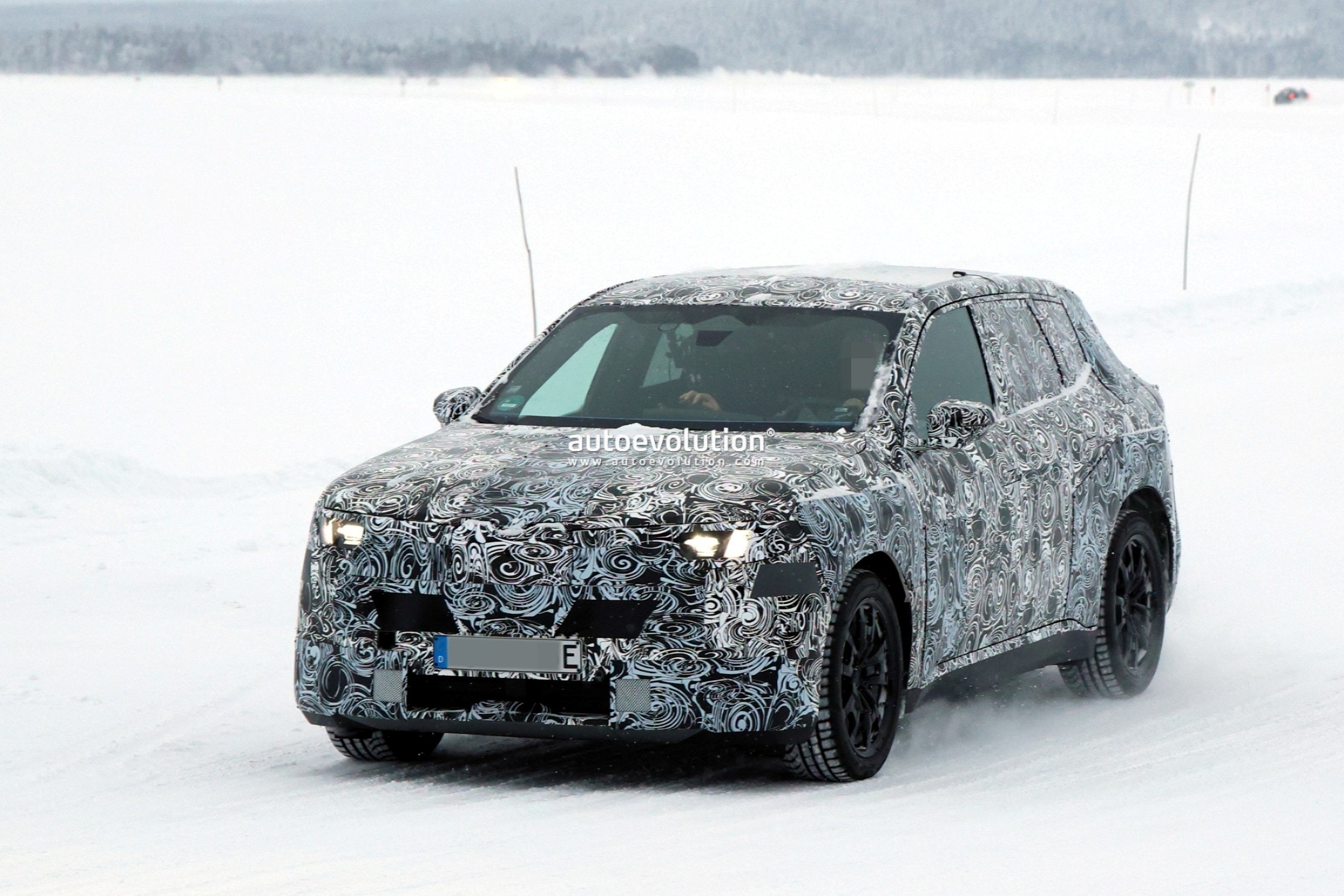
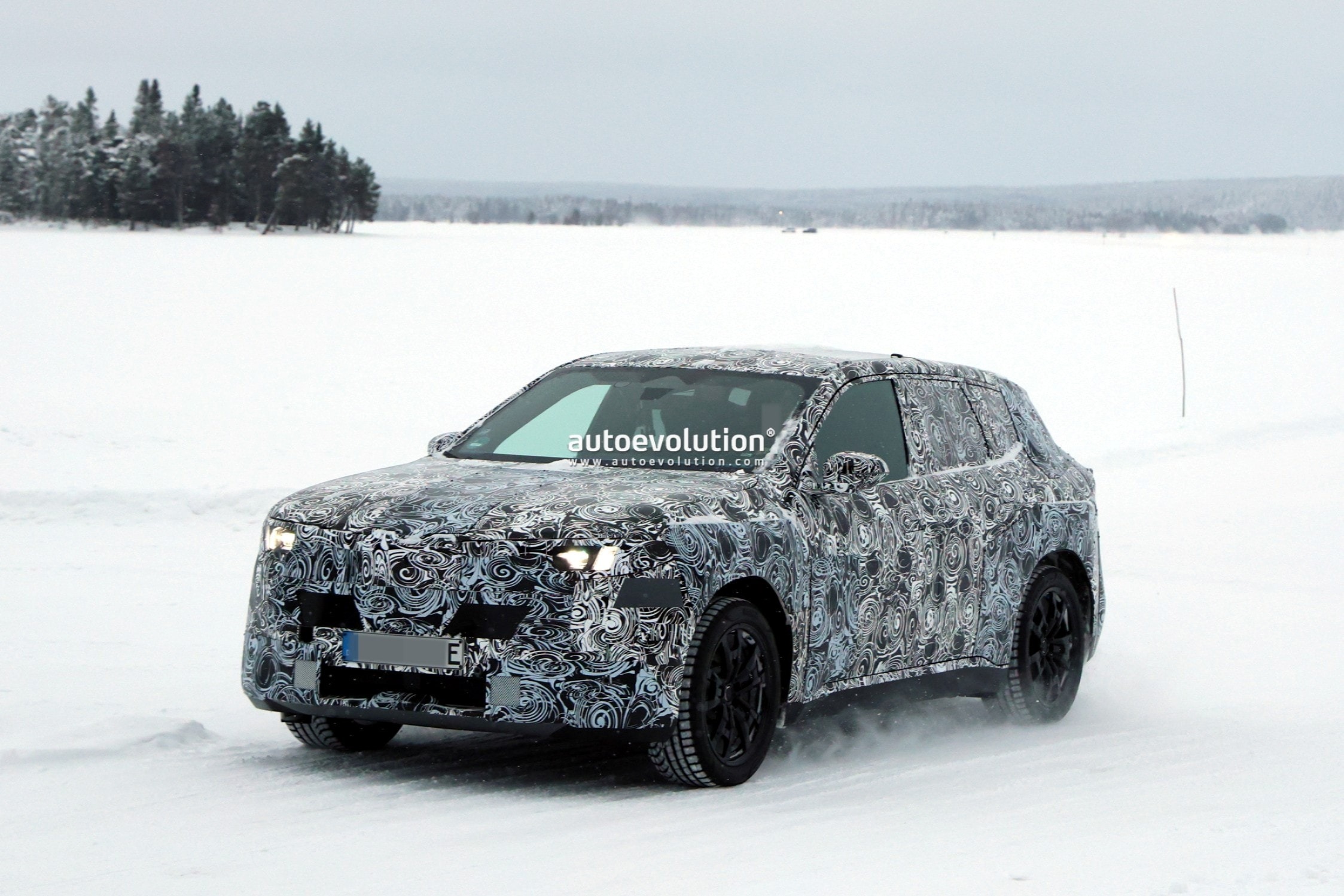
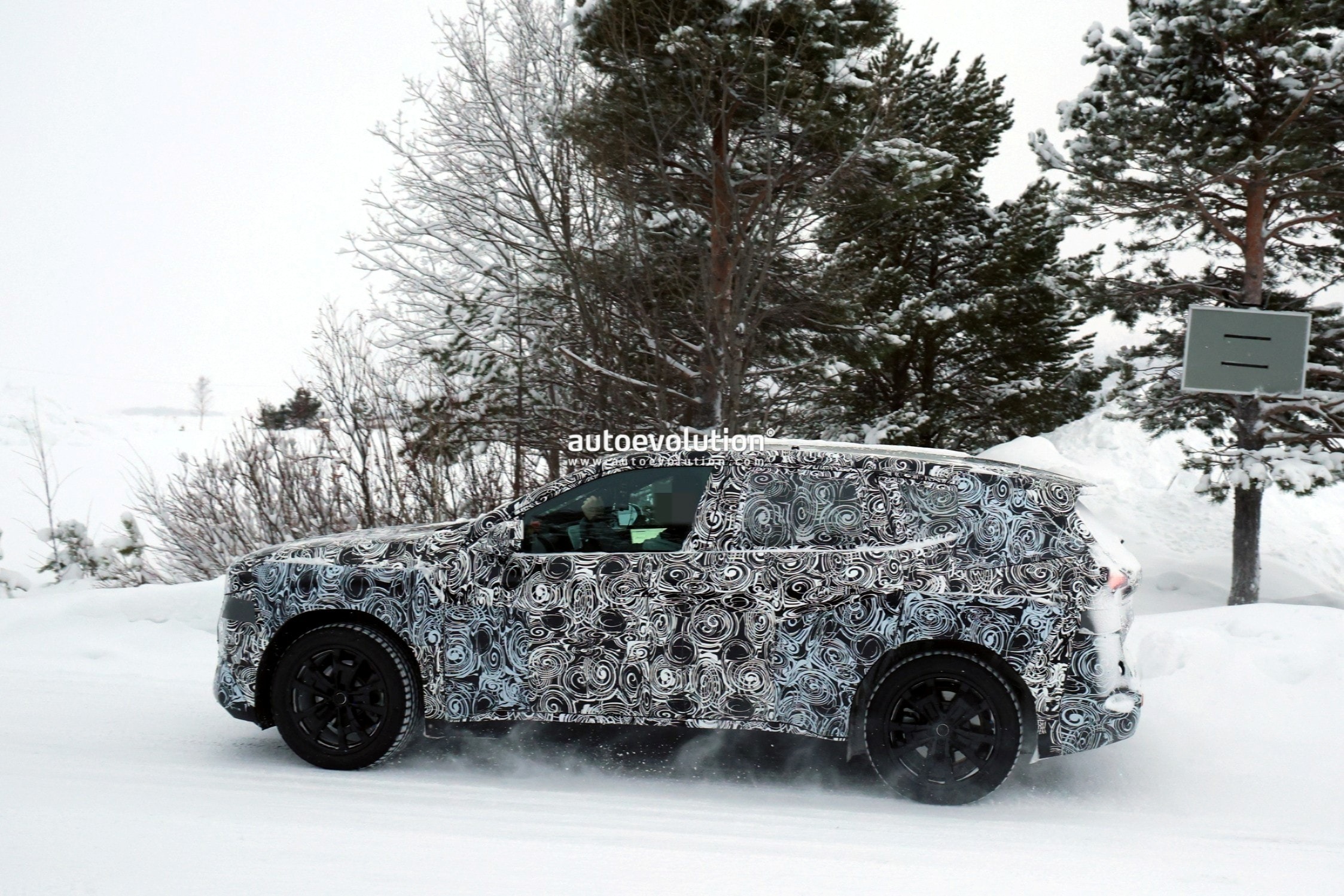
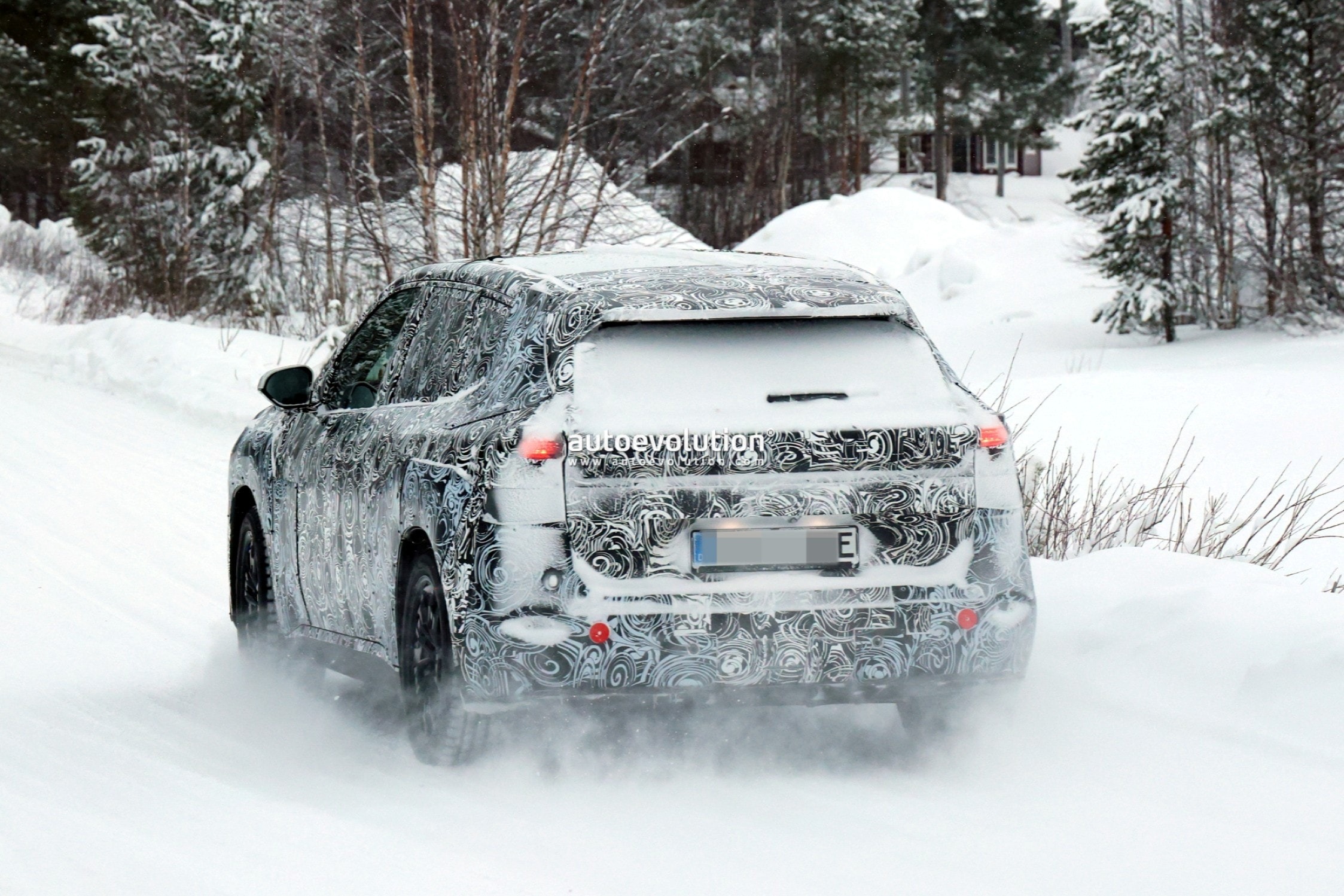
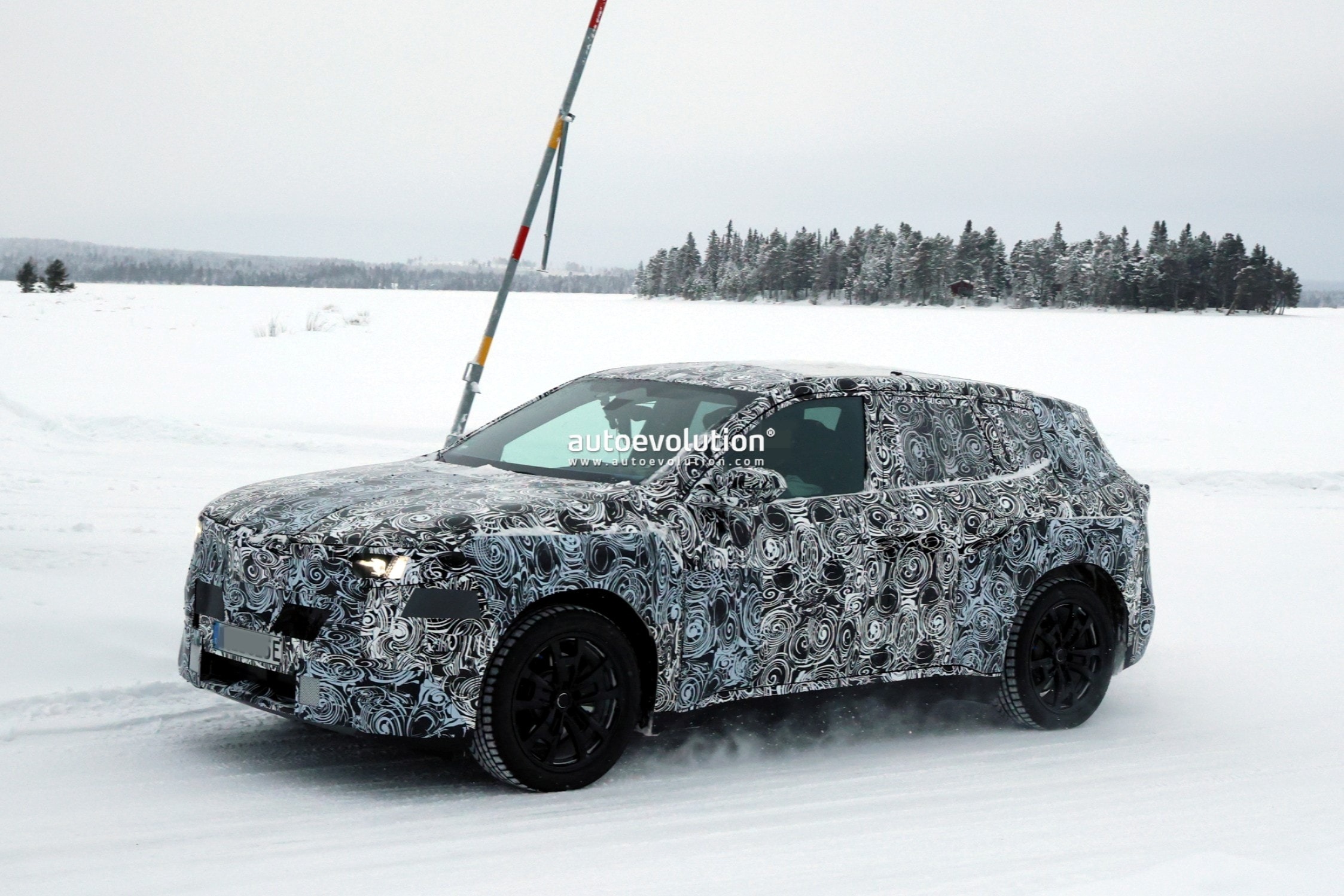
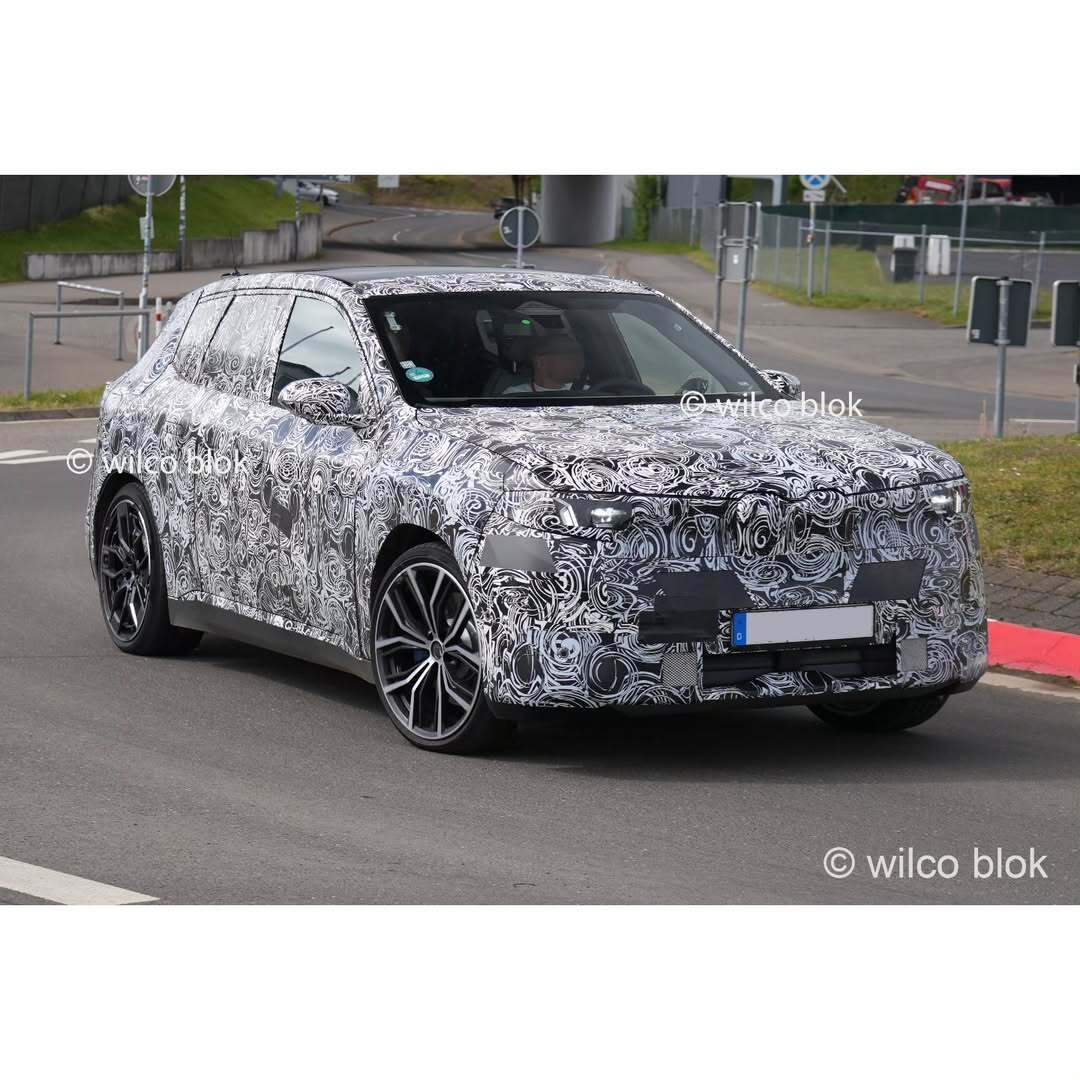
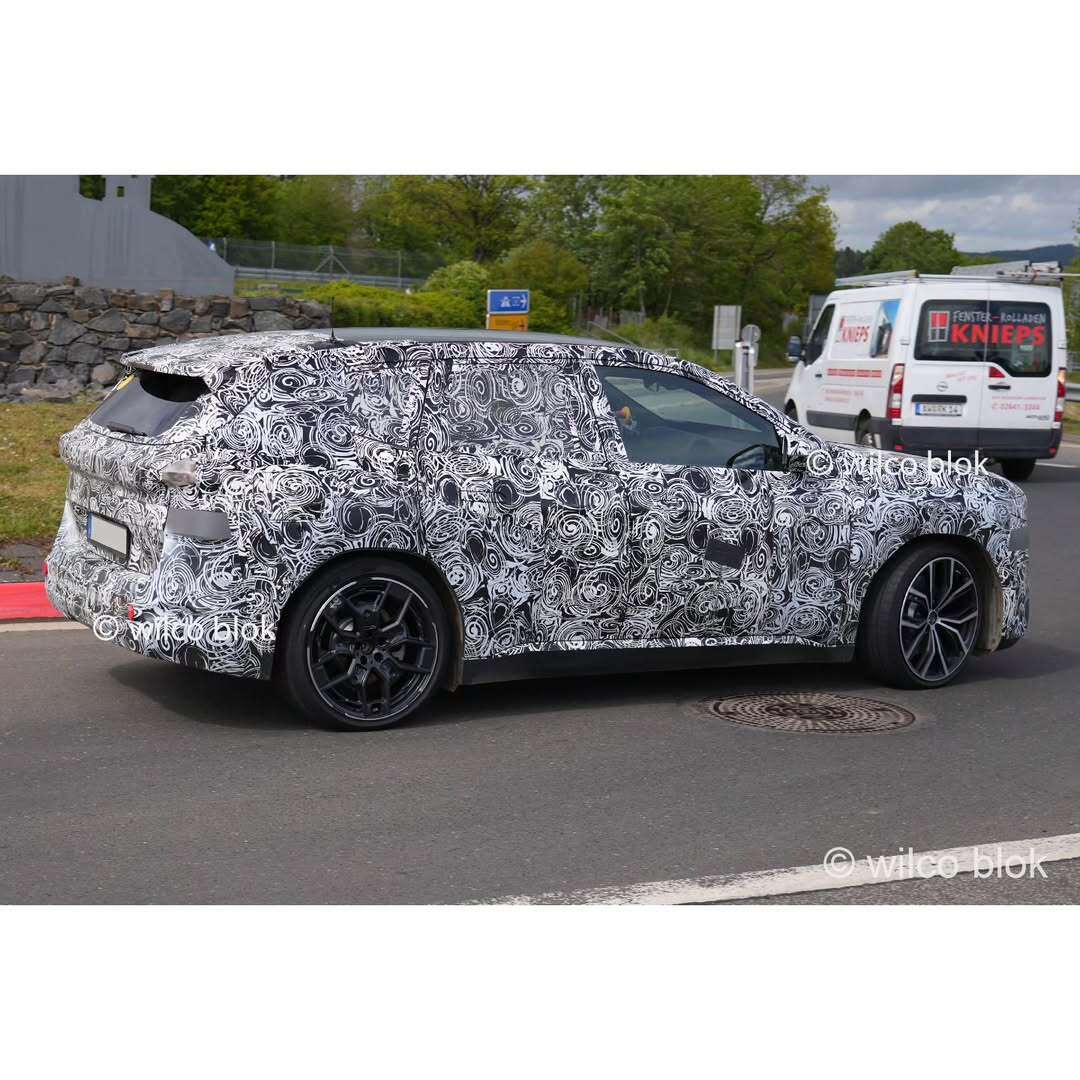
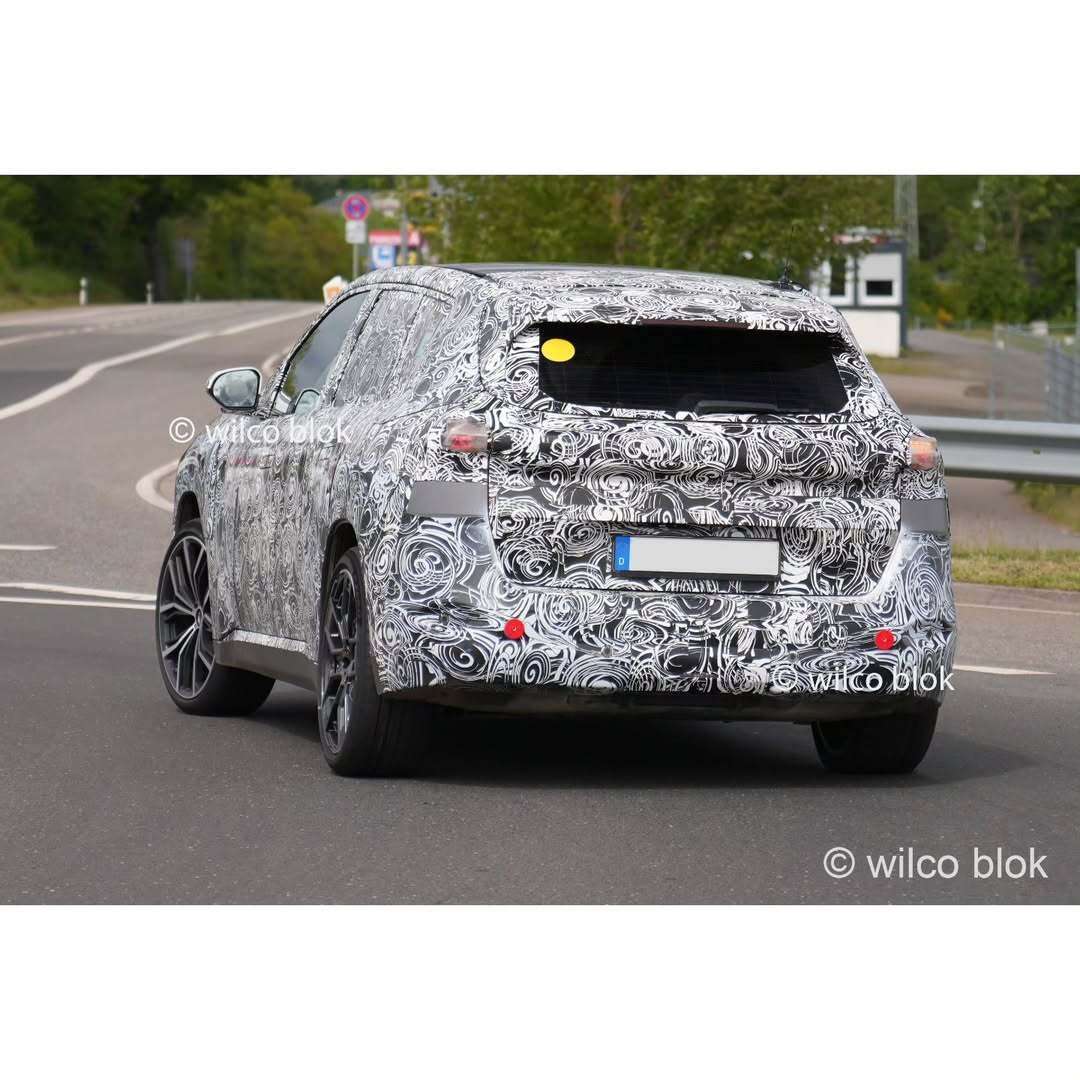
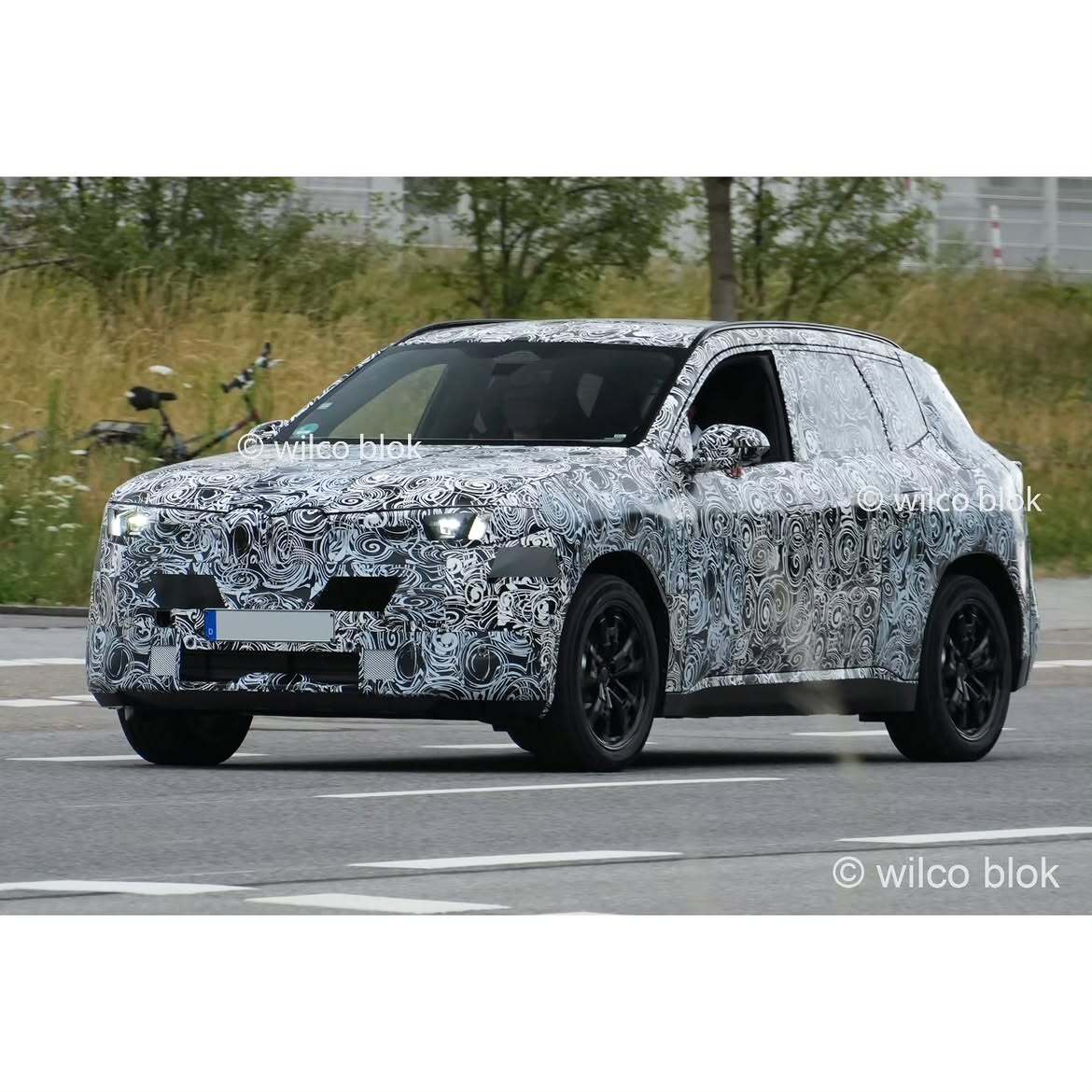
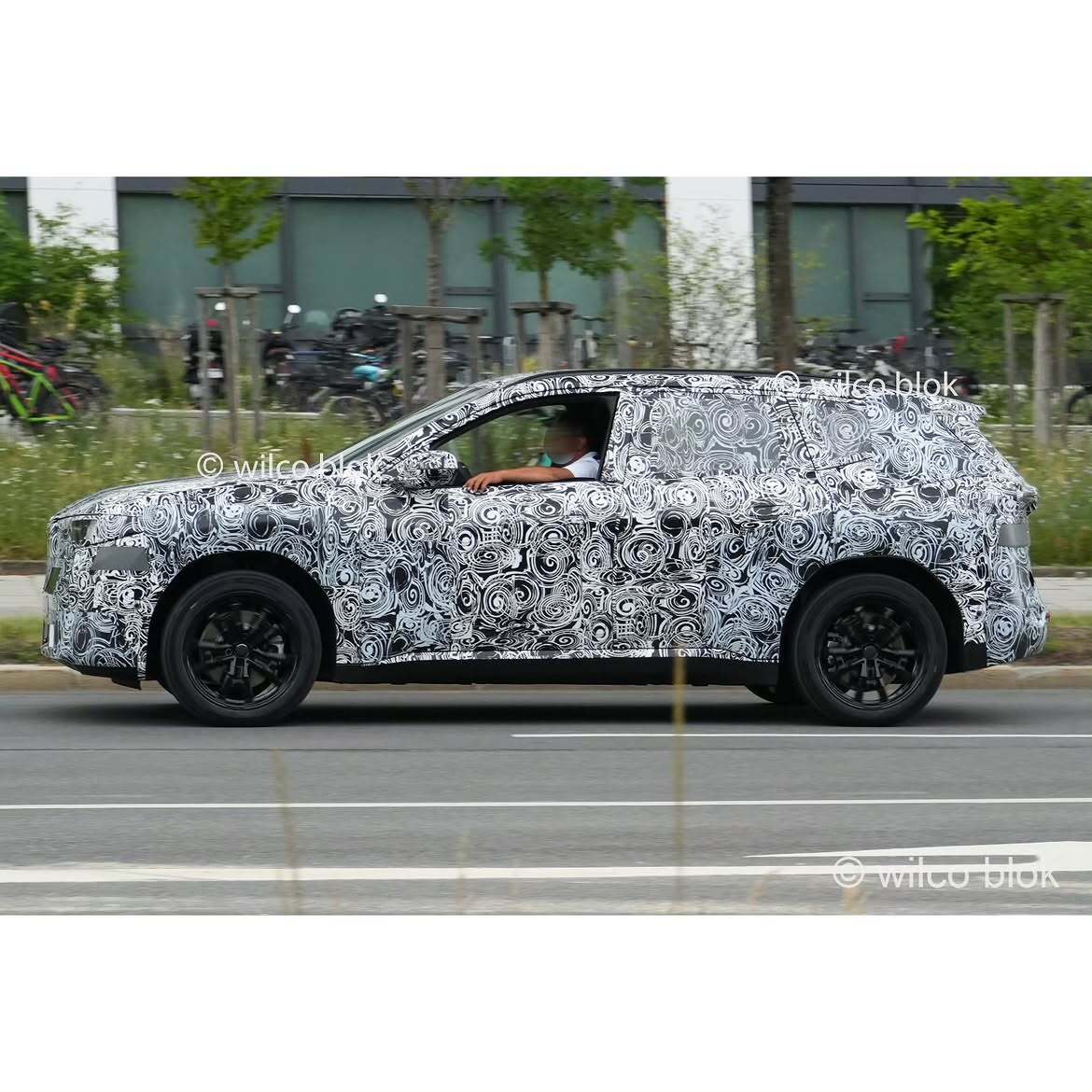
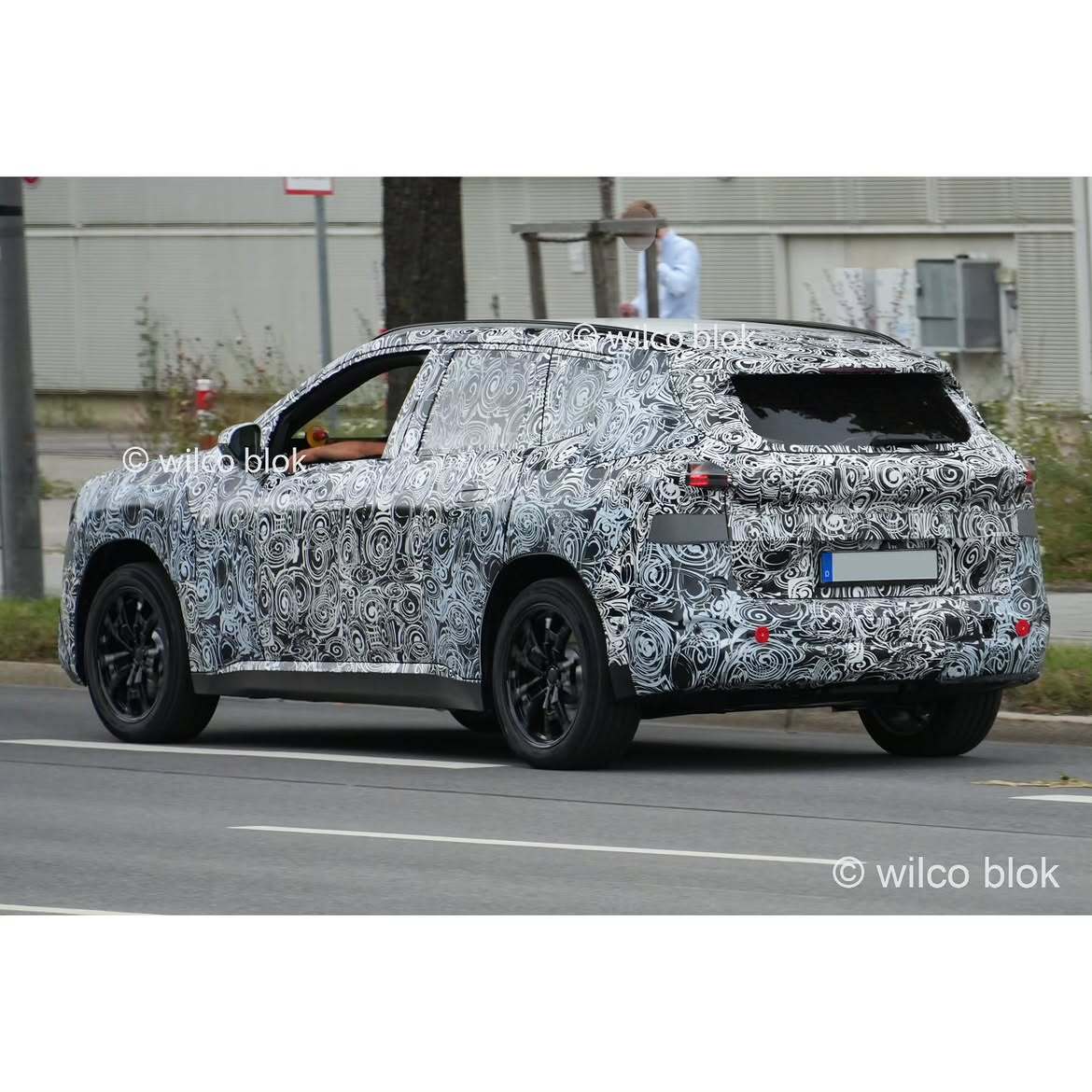
BMW is pressing ahead with an aggressive product cadence, and new spy images suggest the brand is rethinking its usual update strategy for its smallest electric crossover. Rather than receiving a mid-cycle facelift, the iX1 appears set to leap directly into an all-new generation.
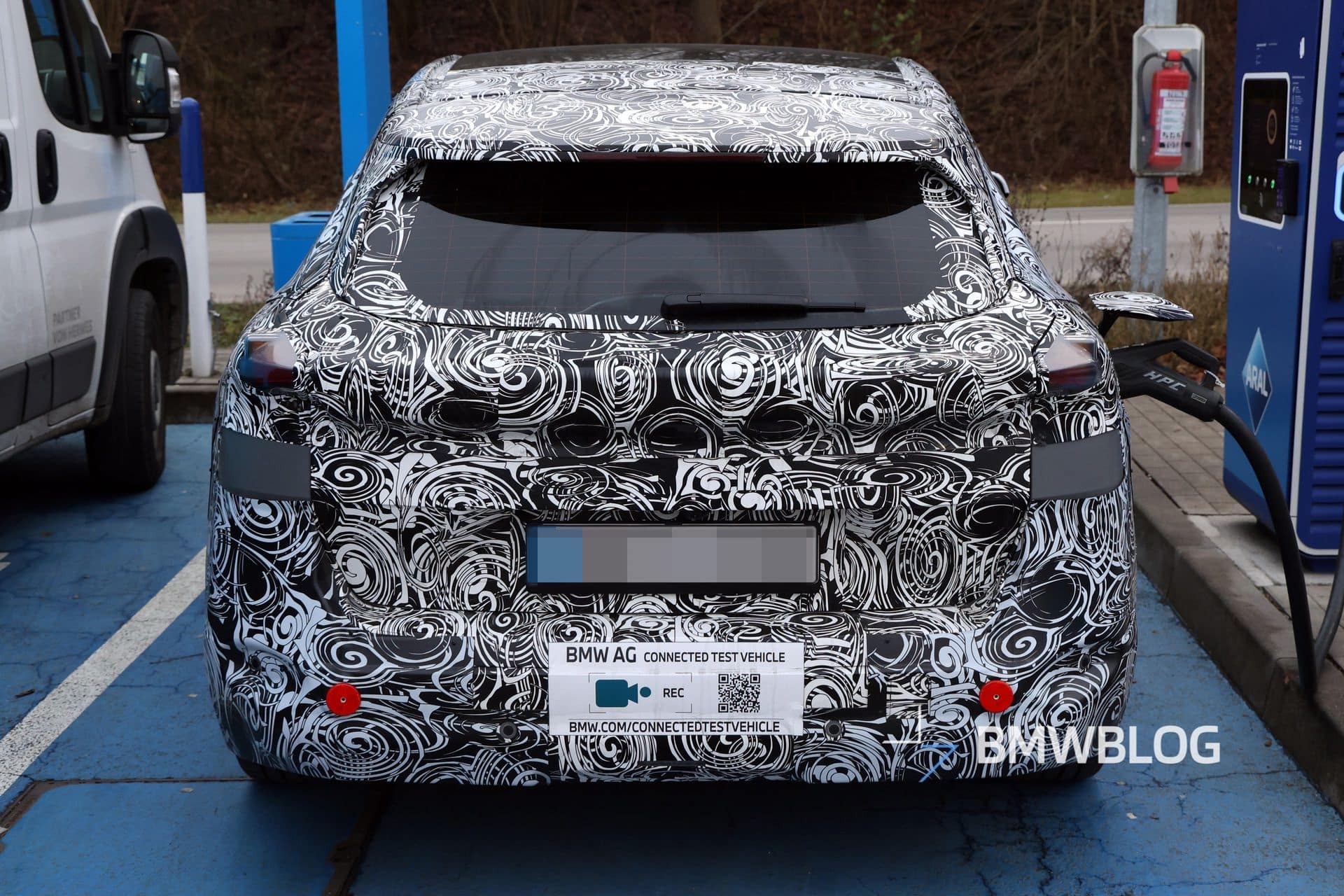
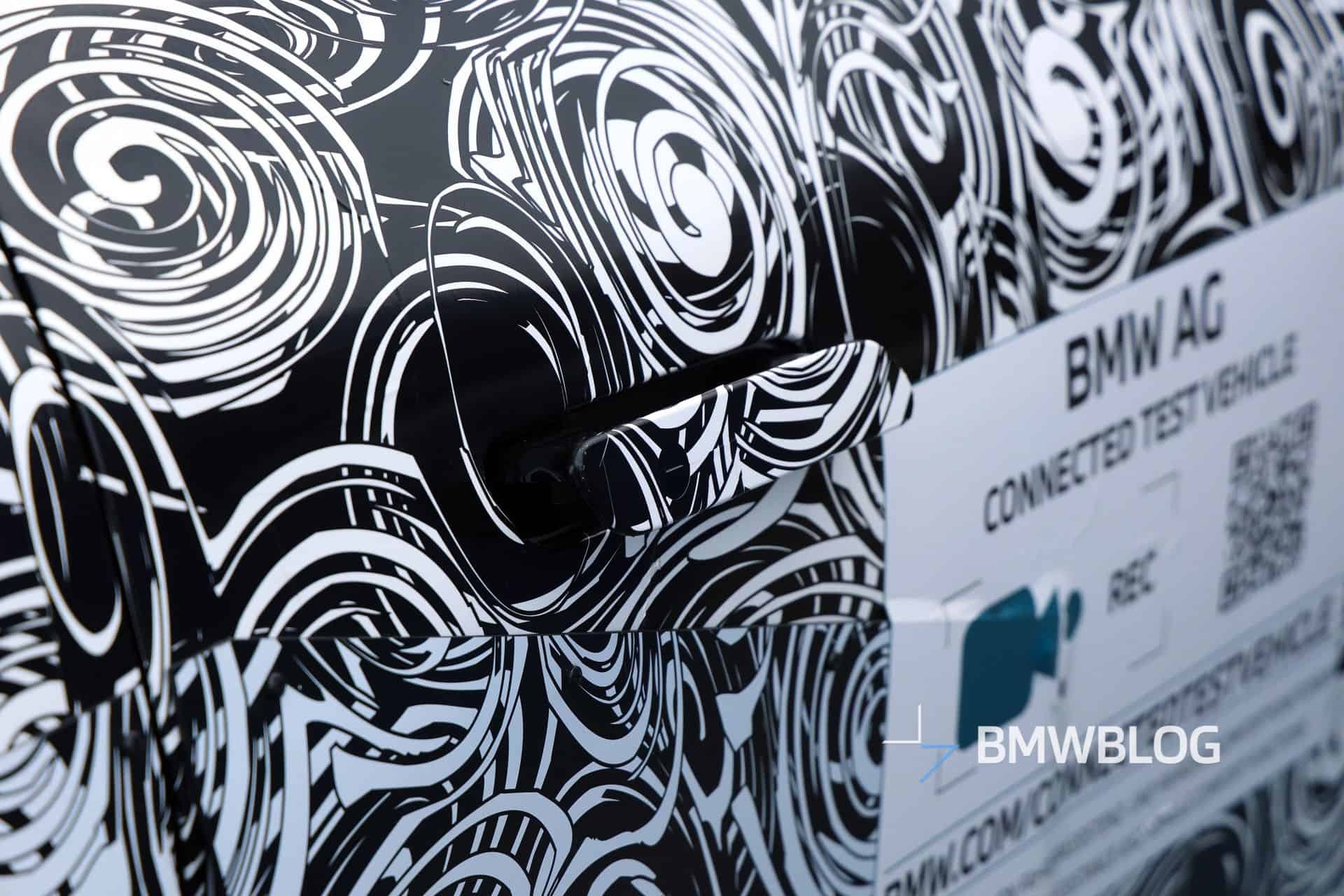
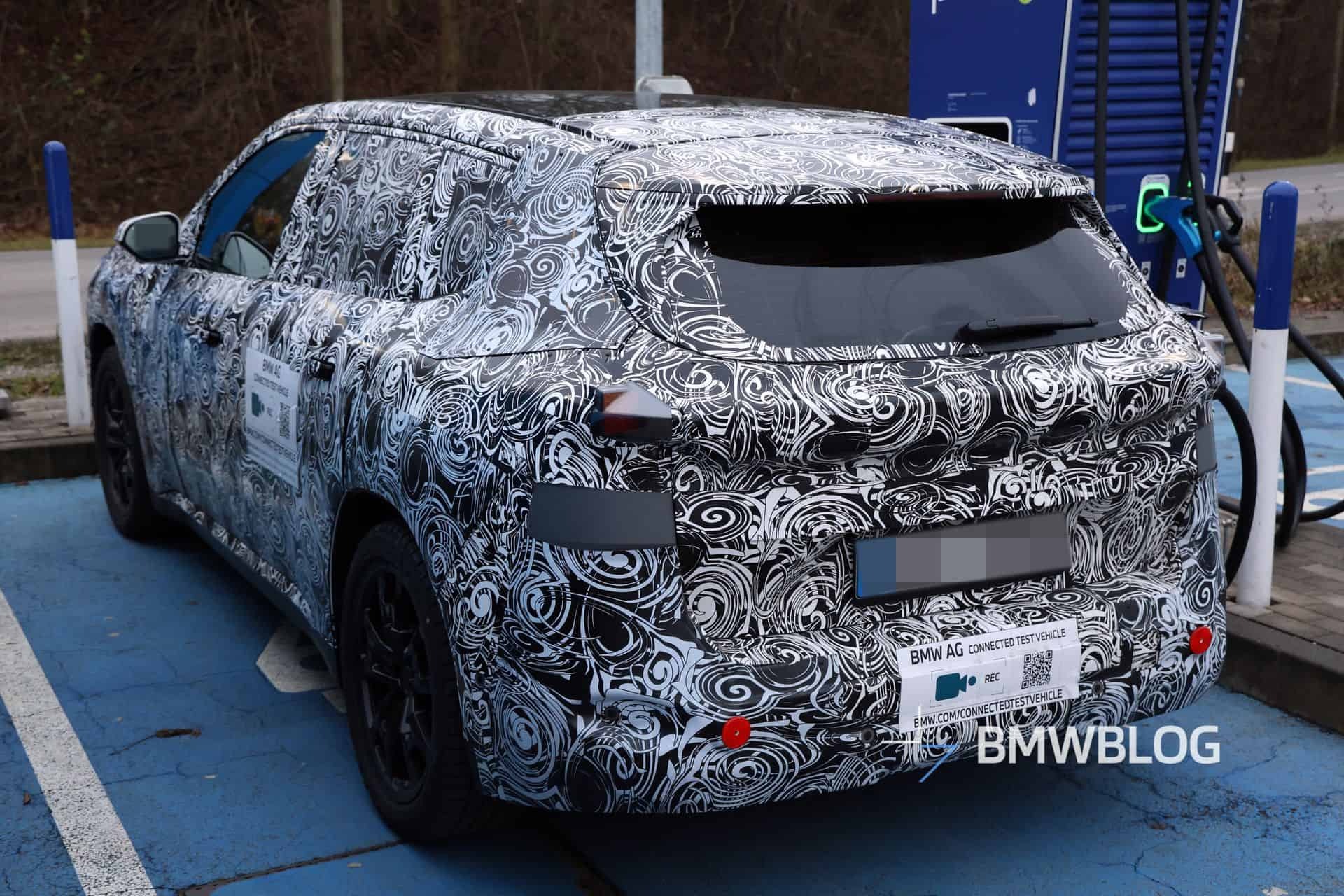
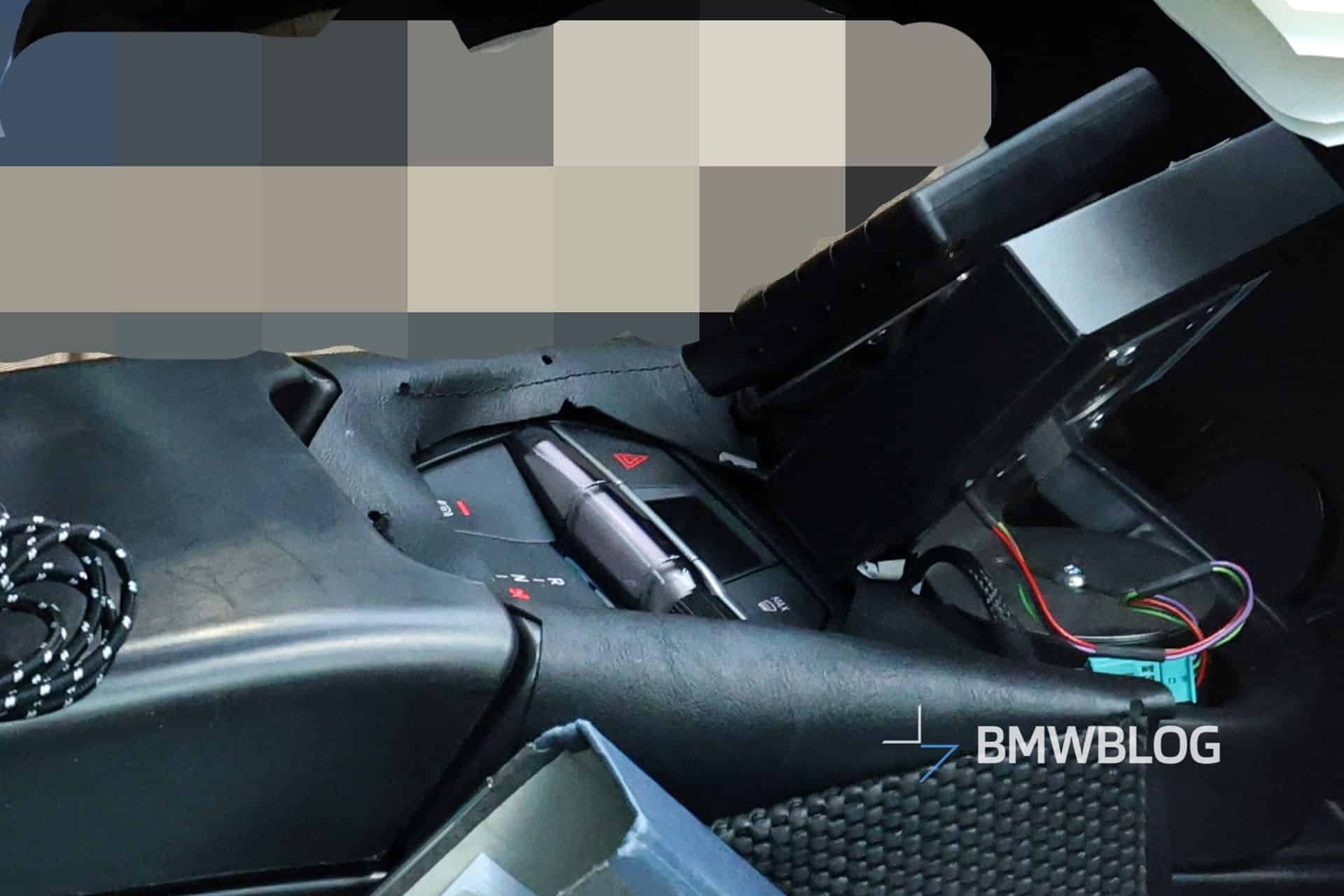
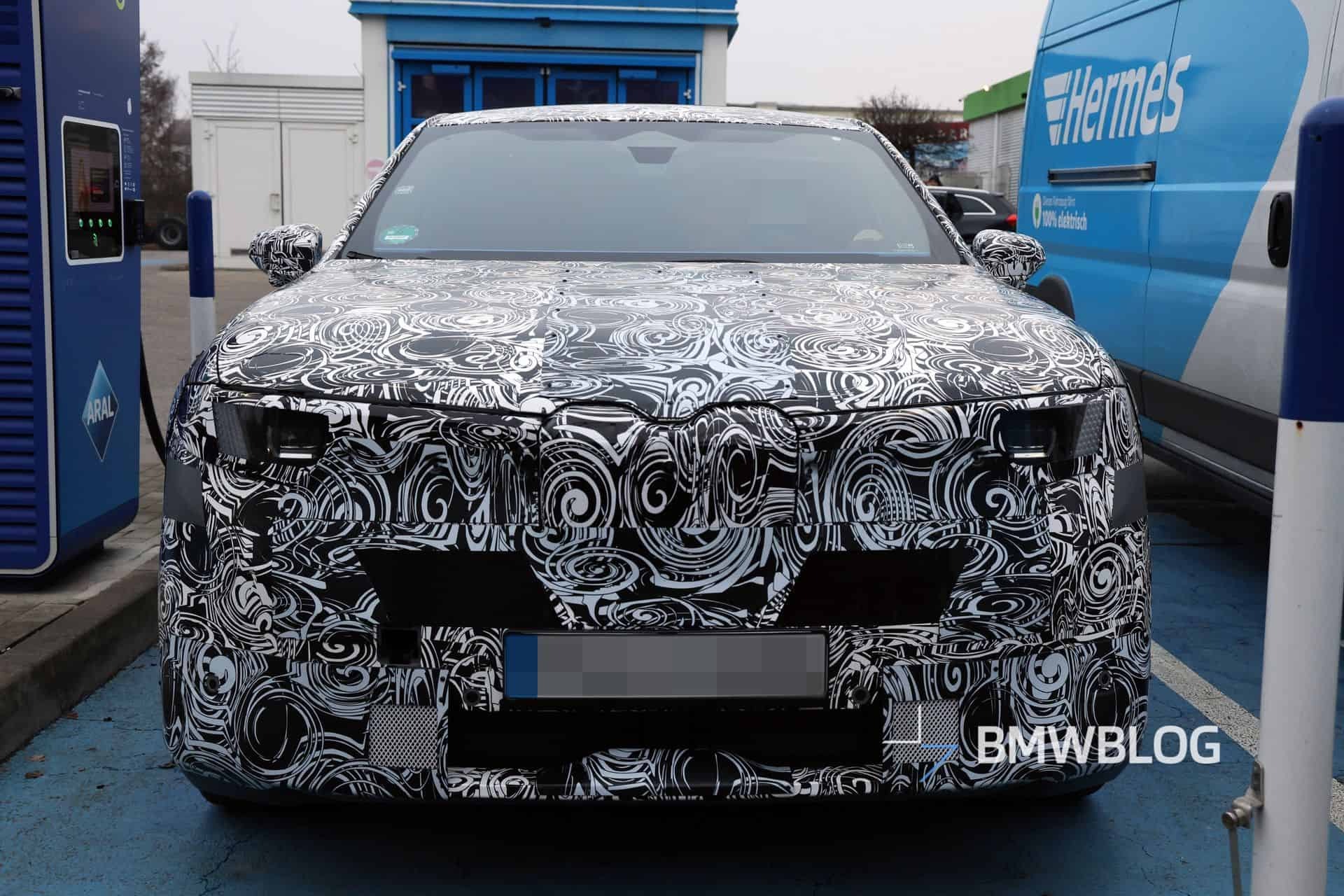
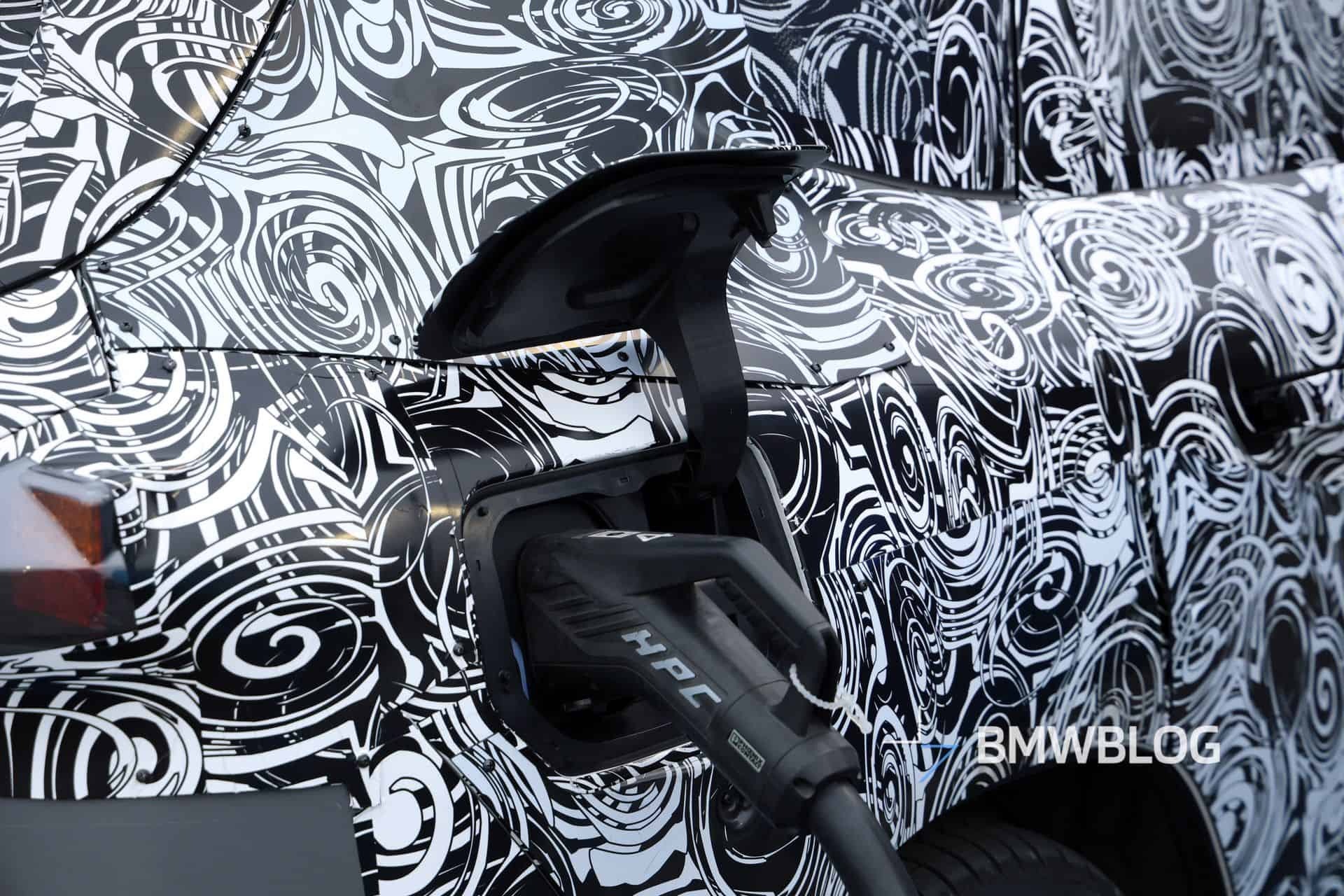
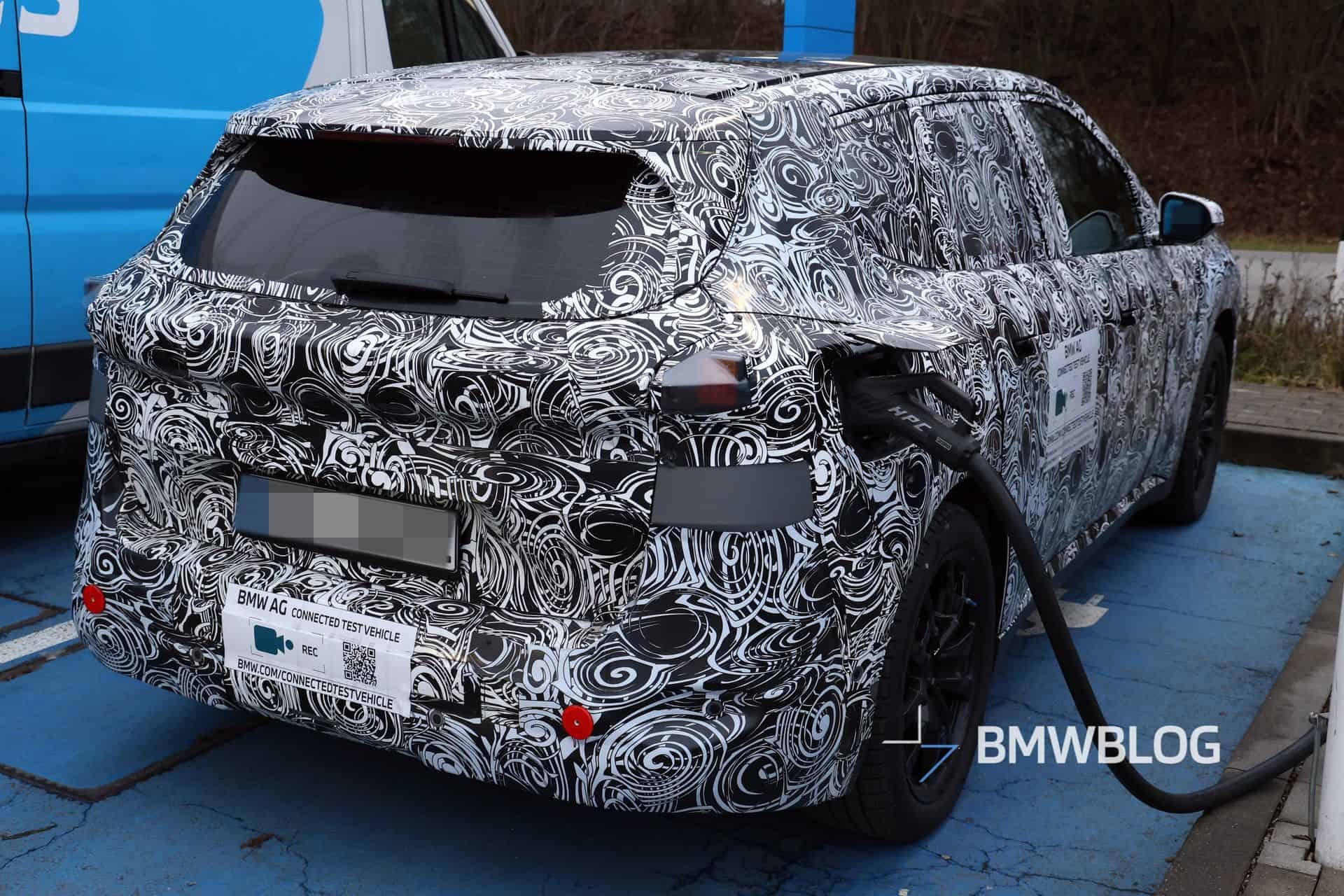
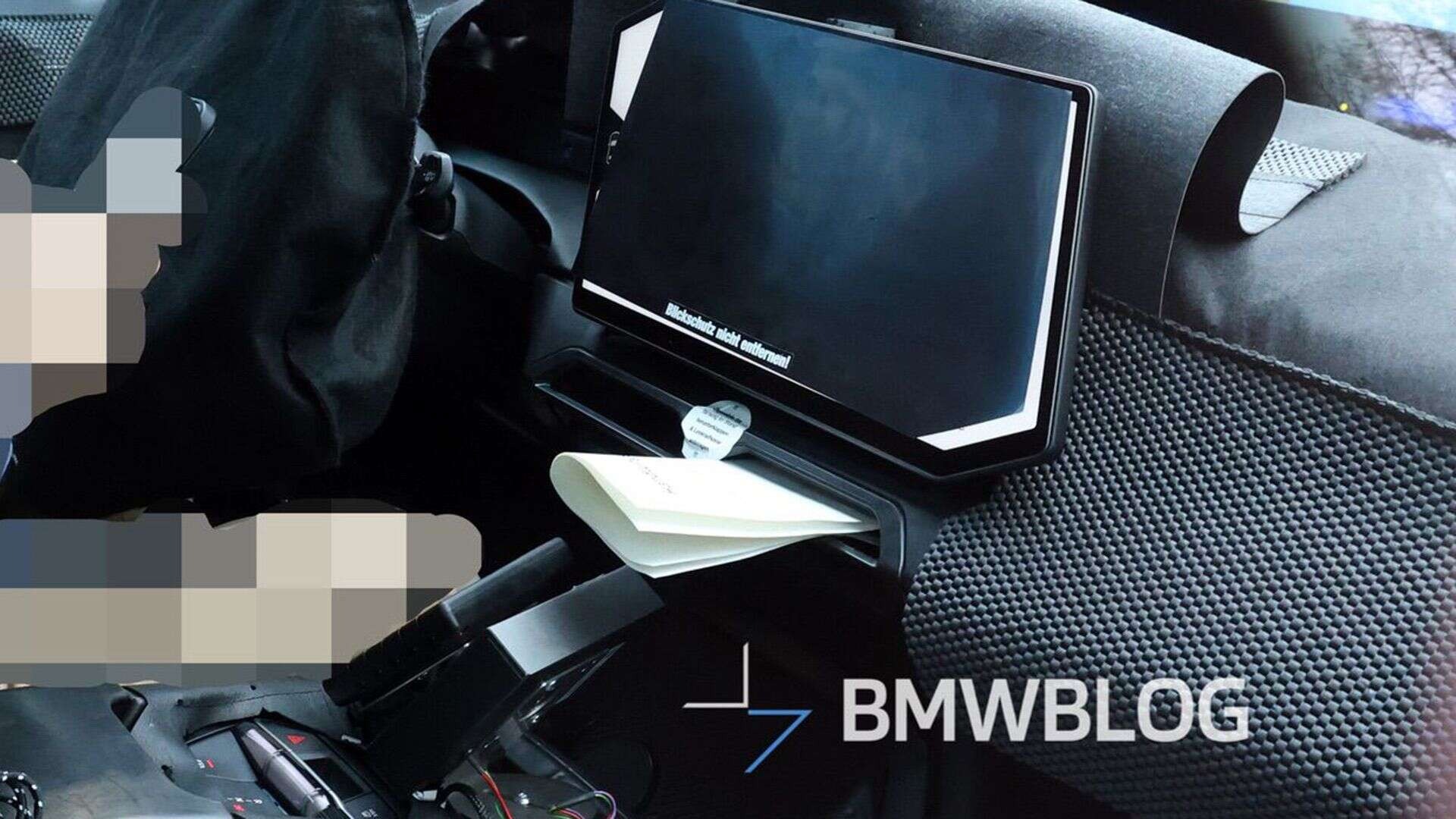
Recent test sightings of the next-generation iX1, internally known as “NB5,” have revealed its interior for the first time. The cabin marks a decisive break from the current model, adopting a layout closely aligned with BMW’s latest electric design language. In particular, the overall architecture mirrors that of the larger iX3, signaling a stronger visual and technological link between BMW’s electric SUVs.
The redesigned dashboard is dominated by a large, tablet-style central touchscreen, while the traditional digital instrument cluster has been eliminated. Instead, the driver is expected to rely on a head-up display, potentially featuring BMW’s optional 3D projection system. Although the exact screen size is not confirmed, it is likely comparable to the expansive display used in the iX3.
One of the most notable additions is BMW’s Panoramic Vision system. Identified by a black strip at the base of the windshield, the technology projects information across the width of the glass. Core driving data is displayed in fixed sections directly ahead of the driver, while additional tiles can be customized through the touchscreen, allowing drivers to prioritize the information they want to see.
Physical controls have been pared back further, with switchgear and the compact gear selector carried over almost directly from the iX3. Unlike the current iX1, however, the center console no longer adopts a floating design, instead reverting to a more conventional layout. Prototype materials appear unfinished, but BMW has emphasized that production models will feature significantly higher-quality surfaces.
Additional details hint at expanded driver-assistance capabilities. A camera integrated near the rearview mirror suggests the inclusion of advanced urban driving aids similar to those found in the iX3. These systems can recognize traffic signals, bring the vehicle to a stop at red lights, and resume driving once conditions are met, provided the driver remains attentive. The same camera can also be used for in-car photography and video recording.
Despite the advanced state of the prototype, the new iX1 remains some distance from launch. Production is expected to begin toward the end of 2027, likely at BMW’s Regensburg plant in Germany. The facility has already been confirmed as a future production site for Neue Klasse-based models, indicating that the next iX1 will adopt the group’s new electric platform and technology stack.
Under the skin, the new iX1 is expected to benefit from BMW Group’s sixth-generation electric motors and battery systems. Charging performance should improve substantially over the current model, which peaks at 130 kW, while newer BMW electric vehicles are capable of far higher rates. Updated cylindrical battery cells with increased energy density are also expected to deliver a meaningful boost in driving range. In a further shift, the next iX1 is anticipated to move from front-wheel drive to a rear-wheel-drive configuration in its single-motor form.
By contrast, the conventionally powered X1 is expected to follow a more traditional path, receiving a mid-cycle update rather than a full generational change. This approach would allow BMW to visually align its electric and combustion-powered compact SUVs, even as their underlying platforms diverge.
The next-generation iX1 forms part of a broader product offensive, with BMW planning to introduce around 40 new or updated models by the end of 2027, underscoring the scale of its transition toward electrification and next-generation vehicle technology.
Source: BMWBLOG.com