Chrysler’s Upcoming Airflow May Not Be EV-Only After All
A combustion-powered SUV briefly shown in a Stellantis corporate presentation appears to preview the production version of Chrysler’s long-awaited Airflow crossover, and it may not be fully electric as originally expected.
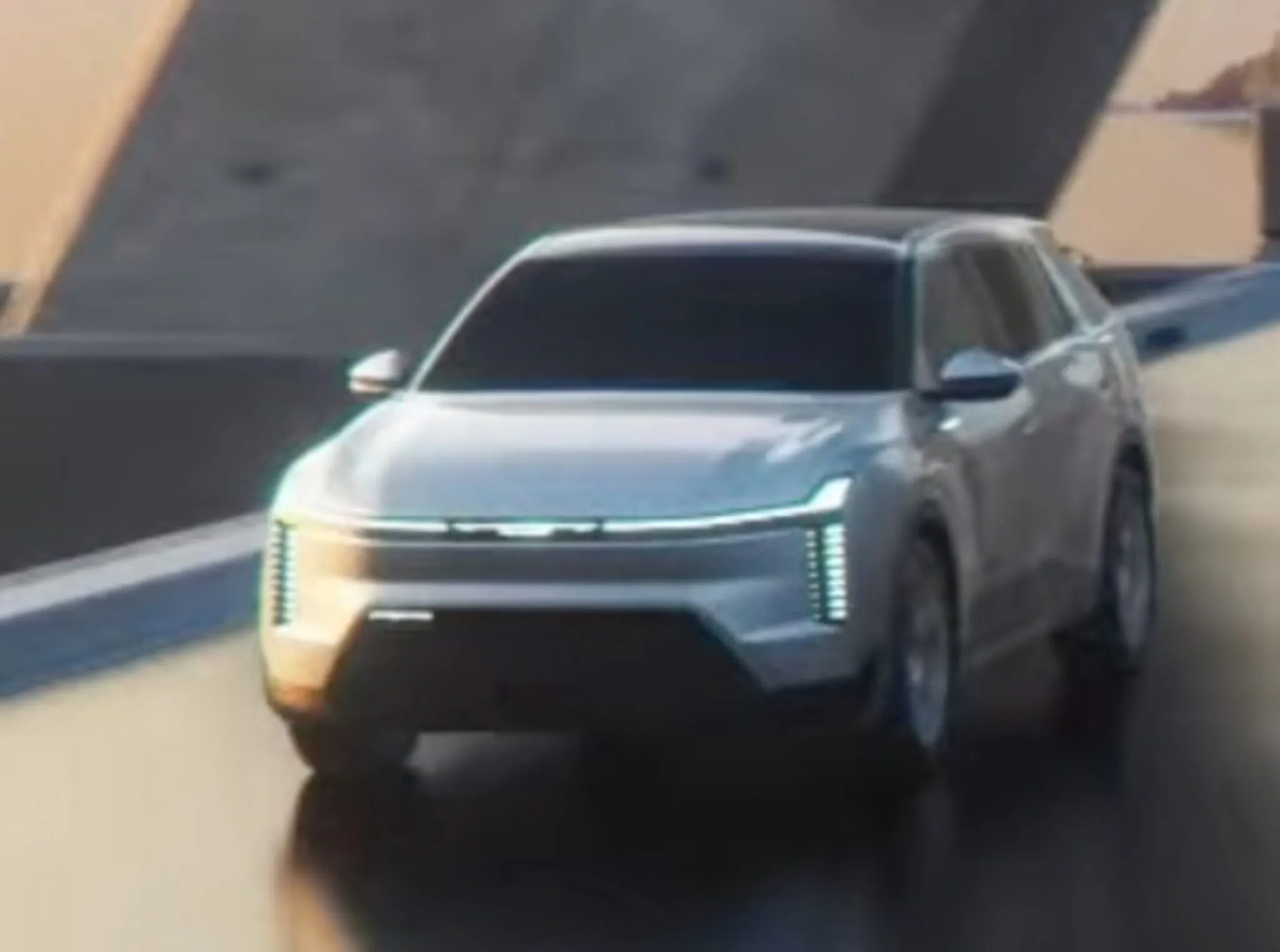
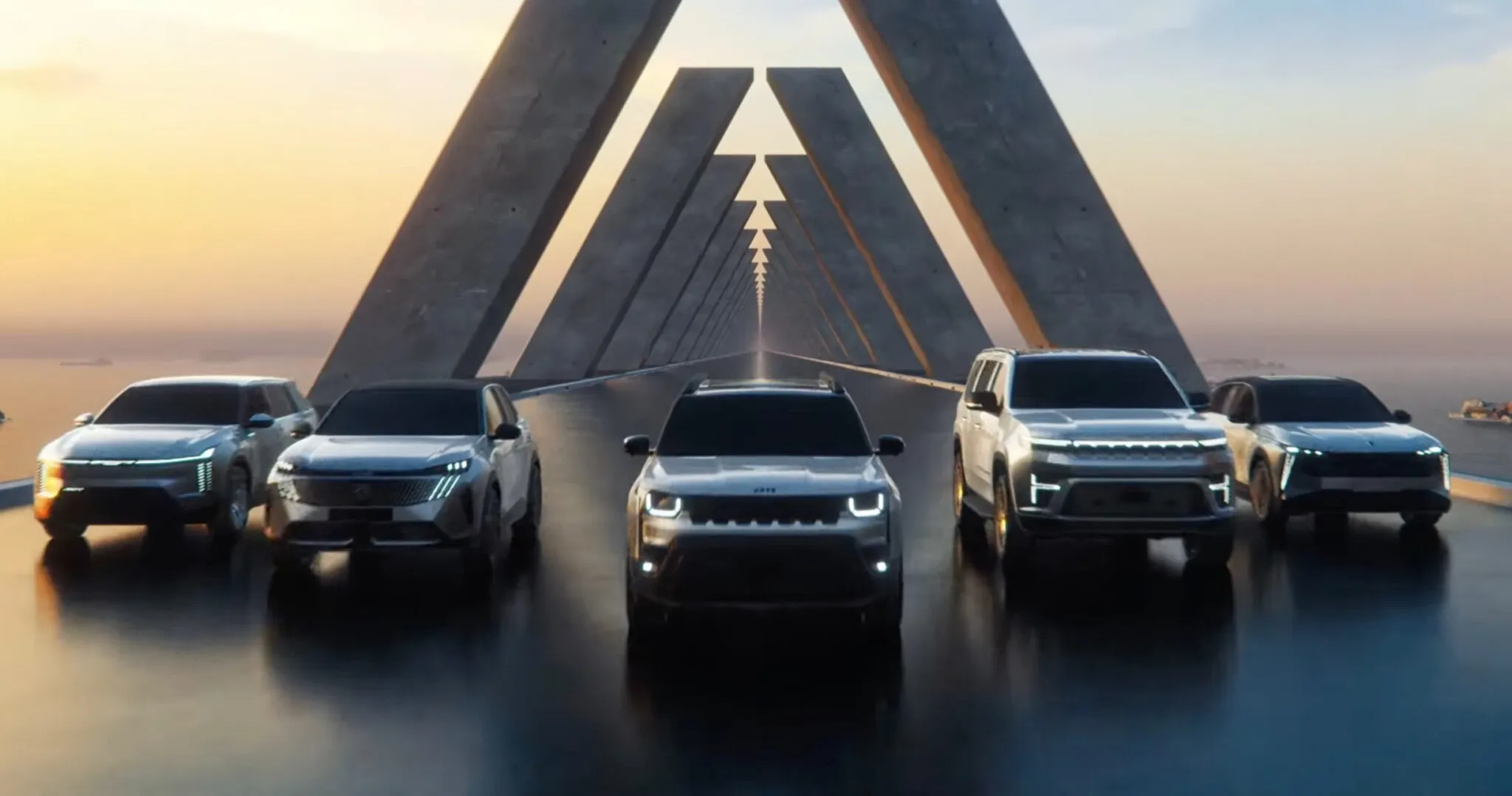
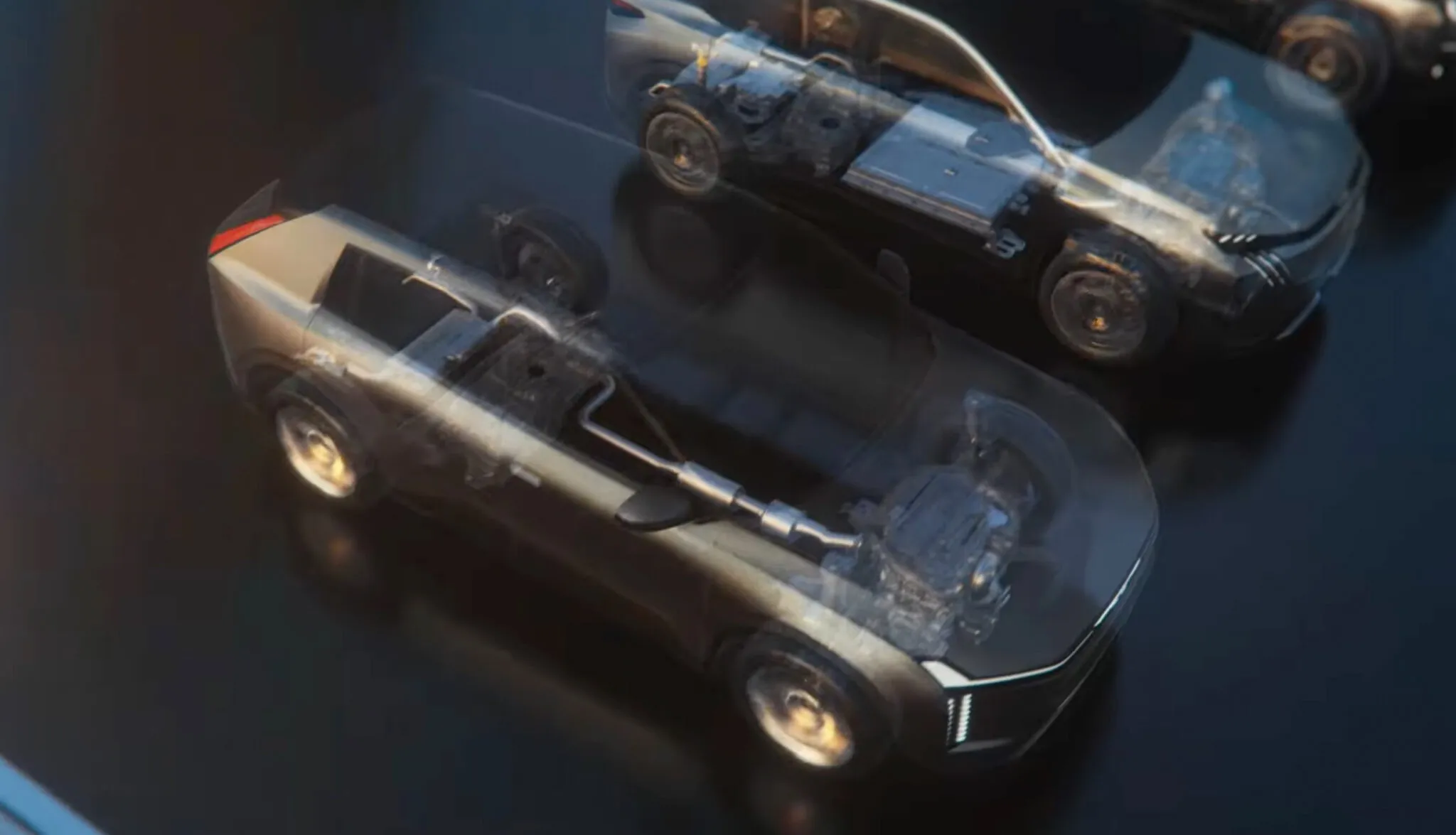
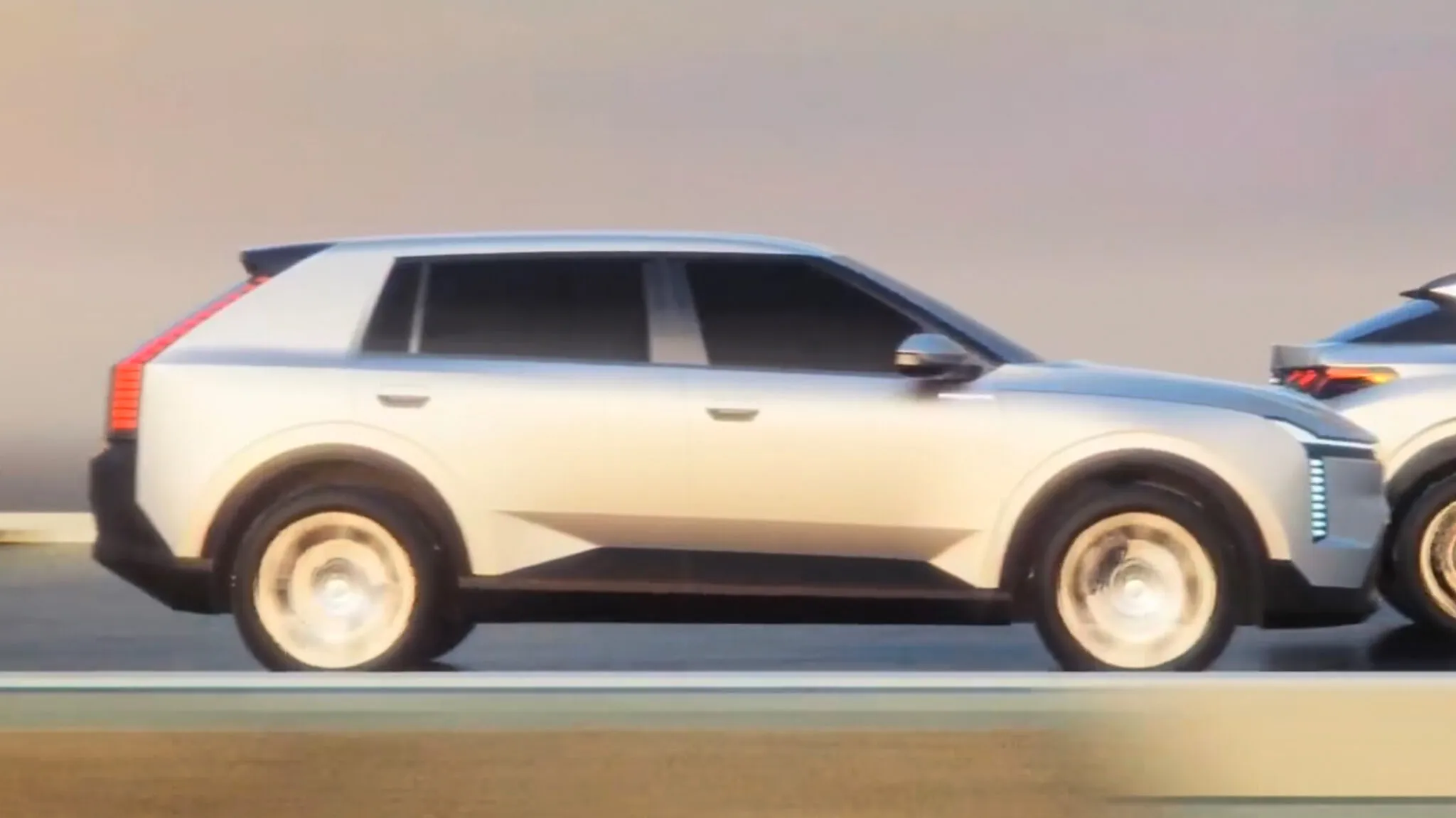
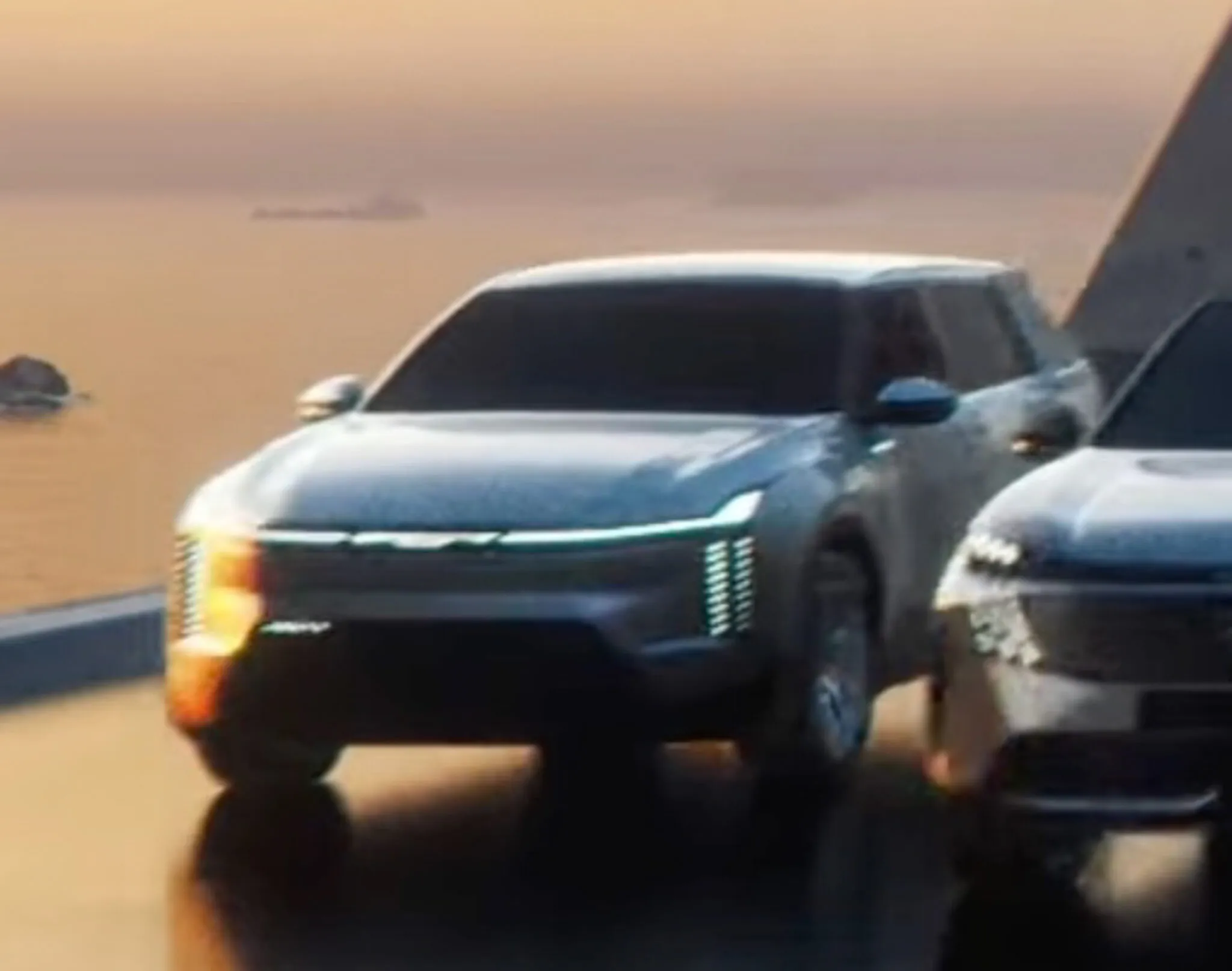
The vehicle was first noticed by Mopar Insiders during a Stellantis powertrain presentation where it appeared alongside future Peugeot and Jeep products. What makes the SUV particularly interesting is that a cutaway view in the presentation revealed a transversely mounted internal combustion engine, strongly suggesting a front-wheel-drive layout.
That marks a major departure from the original Chrysler Airflow Concept unveiled in 2022, which was introduced strictly as a battery-electric vehicle.
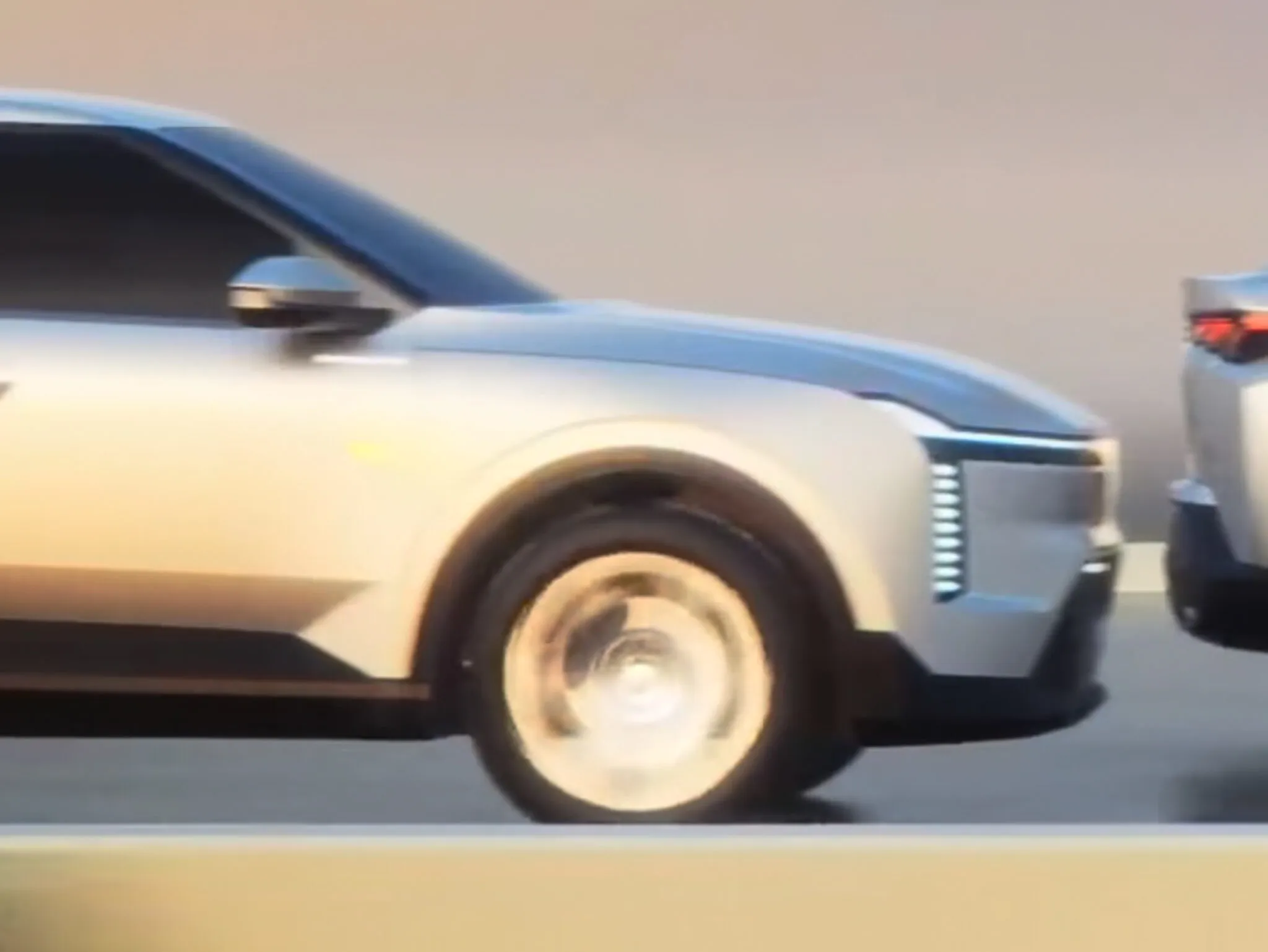
The production model shown in the presentation also looks significantly different from the sleek concept. Instead of the low, futuristic silhouette seen previously, the new SUV adopts a taller and more upright shape with boxier proportions. The overall design has drawn comparisons to the Hyundai Ioniq 5, although several styling elements resemble modern Cadillac models.
At the rear, the SUV features large segmented taillights extending almost the full height of the tailgate, while black lower body cladding gives it a more rugged crossover appearance. Up front, the styling appears heavily influenced by the updated Chrysler Pacifica, including a slim full-width LED light bar integrated into the fascia.
Underneath, the Airflow is expected to use Stellantis’ STLA One platform, a flexible architecture designed to support multiple powertrains. That means the SUV could eventually be offered with hybrid, combustion, all-wheel-drive, and fully electric configurations rather than being locked into a single EV-only strategy.
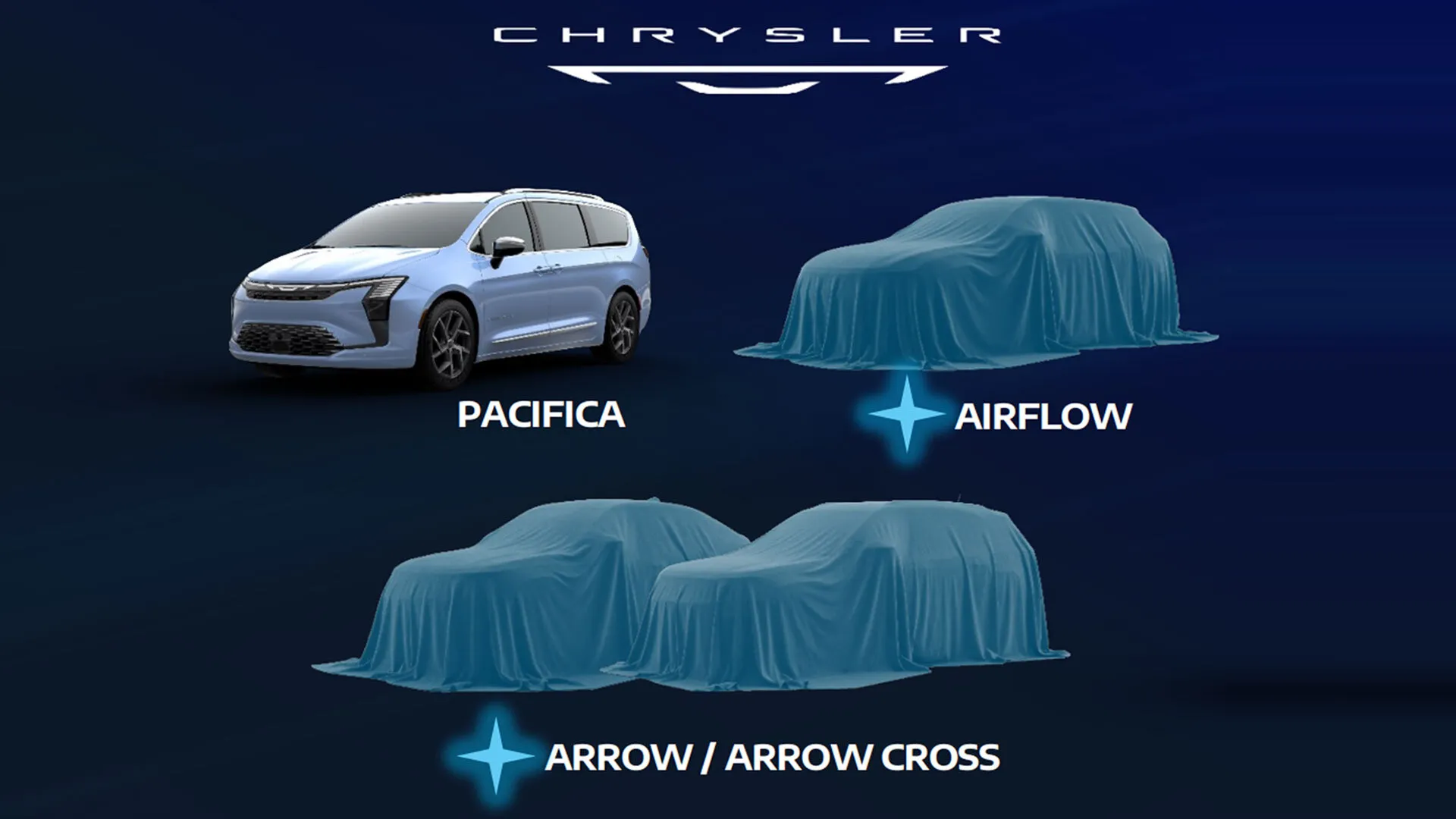
The production Airflow is currently expected to arrive as a 2028 model-year vehicle with pricing starting around $40,000. Stellantis is also reportedly preparing two smaller Chrysler crossovers priced below $30,000 as part of a broader effort to rebuild the brand’s lineup.
The strategy reflects a noticeable shift in direction for Chrysler. Instead of forcing a rapid transition to fully electric vehicles, Stellantis now appears focused on offering customers multiple powertrain choices while gradually expanding electrification.
For Chrysler specifically, the Airflow could become one of the brand’s most important launches in years. Aside from the Pacifica, Chrysler’s lineup has remained extremely limited, and demand for new products has continued growing among longtime customers and dealers alike.