Genesis’ first hybrid SUV pairs a 2.5-liter turbo engine with two electric motors, promising 25 percent better fuel economy, stronger performance and an EV-like driving experience.
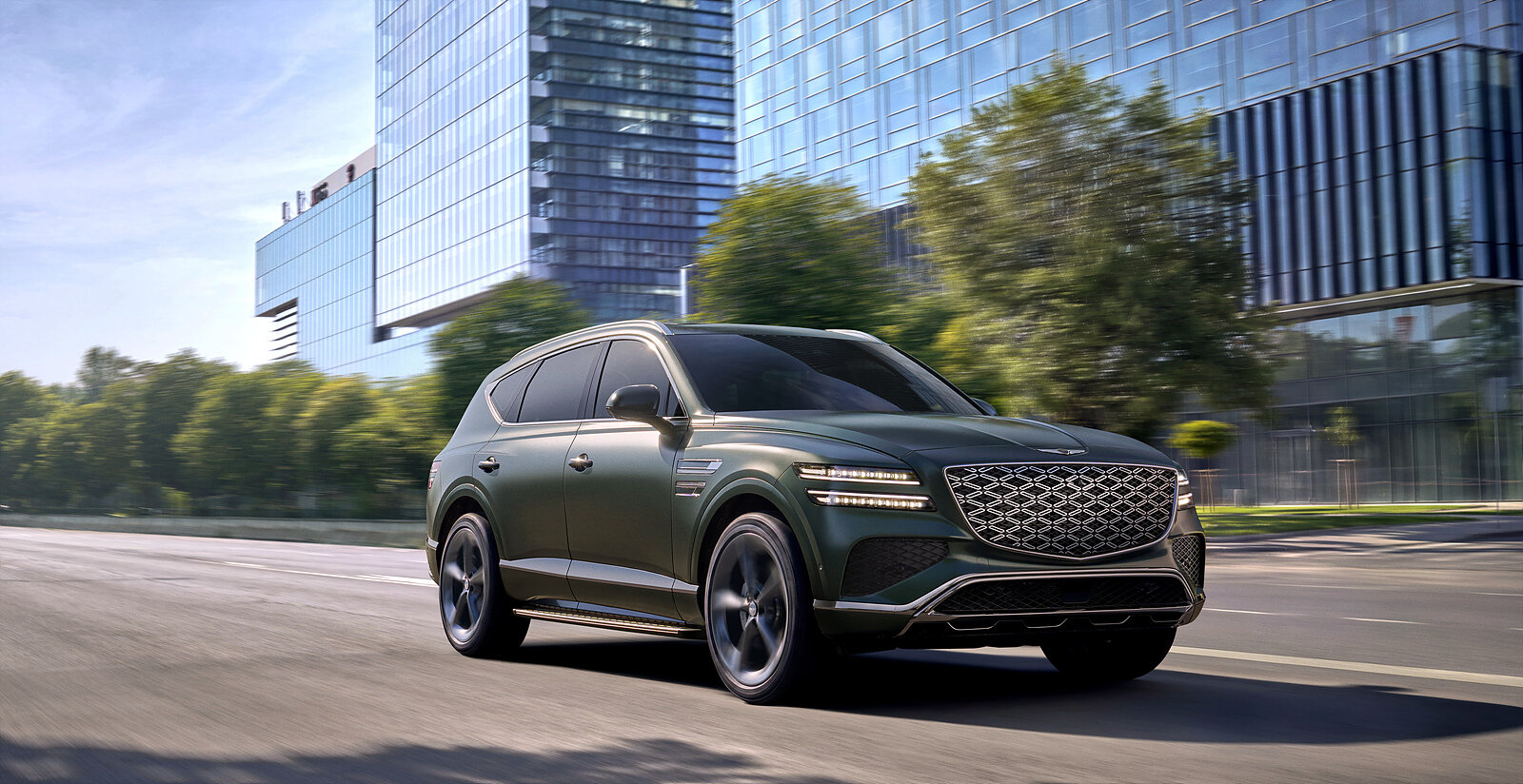
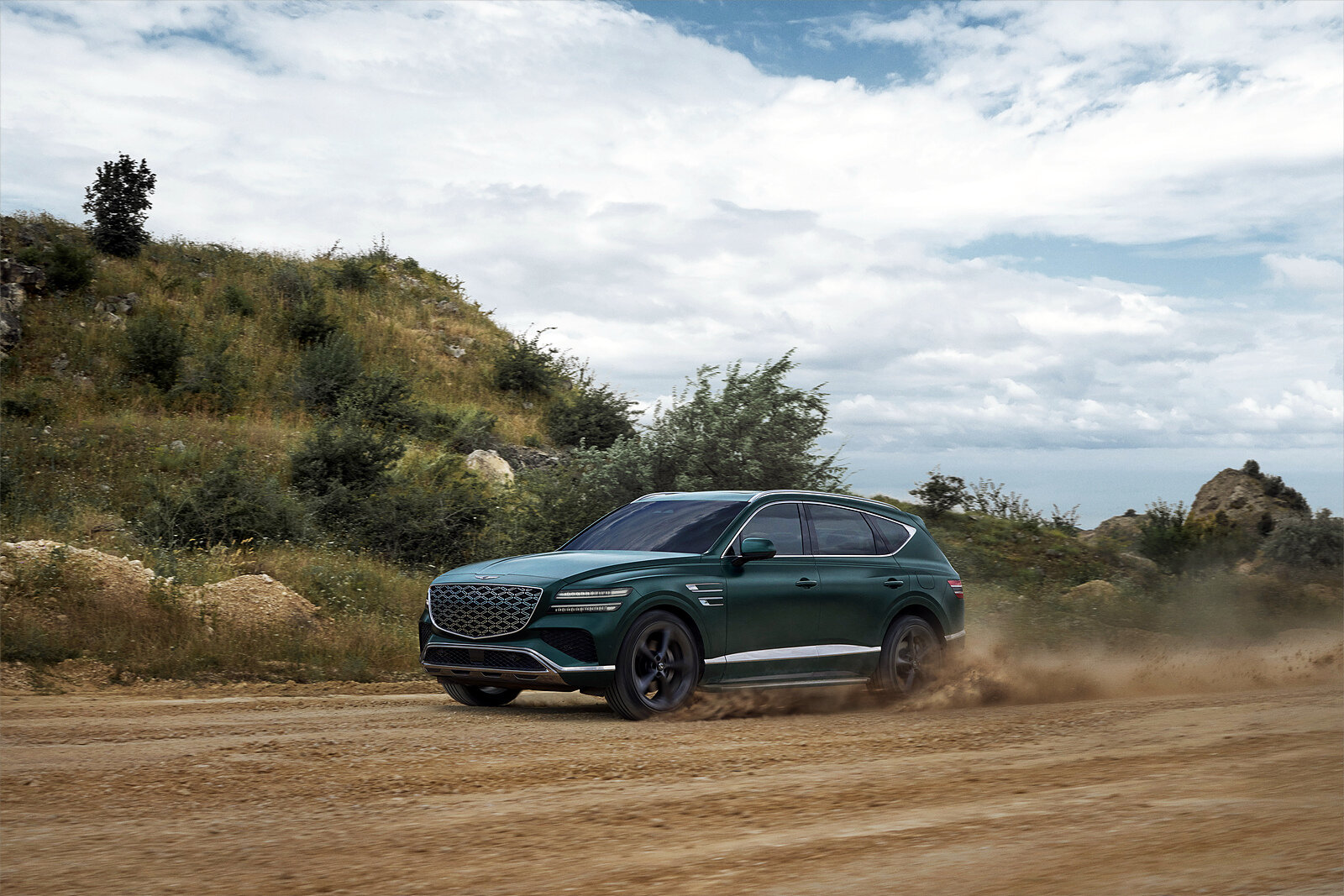


Genesis is finally going hybrid, and it isn’t simply adding an electric motor to an existing powertrain. The luxury brand has developed a new 2.5-liter turbocharged hybrid system specifically around the priorities that matter in a Genesis: smoothness, quietness and effortless performance.
The new powertrain will make its production debut in the Genesis GV80 Hybrid, which launches in Korea next month. Combined output stands at 352 PS, while maximum torque reaches 54.0 kgf·m. That represents increases of roughly 16 percent and 26 percent, respectively, compared with the conventional GV80 2.5 Turbo.
Genesis says the result is a 0–100 km/h time of approximately 7.1 seconds, based on its own testing. But outright acceleration isn’t the only objective. The company is targeting a significant improvement in efficiency, too.
In internal testing, a five-seat, rear-wheel-drive GV80 Hybrid riding on 19-inch wheels returned at least 25 percent better combined fuel economy than the 2.5 Turbo model. Official Korean fuel-economy figures will be released after government certification.
Two Motors, One New Seven-Speed Transmission
At the heart of the system is a parallel-hybrid layout built around two electric motors. A P1 starter-generator handles engine starting and electricity generation, while a P2 drive motor provides propulsion and regenerative braking.
The system also introduces a significant first for Hyundai Motor Group hybrids: a liquid-cooled hybrid battery.
Compared with an air-cooled setup, liquid cooling allows tighter temperature control and supports higher maximum discharge output. More importantly from behind the wheel, it gives Genesis greater freedom to rely on electric propulsion under a wider range of driving conditions.
That plays directly into the GV80 Hybrid’s character.
Genesis has programmed the SUV to use EV mode aggressively at low speeds. Following a cold start, for example, the GV80 Hybrid can initially pull away under electric power and remain in EV mode until around 30 km/h, reducing engine noise and vibration in places such as underground parking garages.
Once the vehicle reaches normal road speeds, the gasoline engine can join in. EV operation is also prioritized in urban traffic, particularly around traffic lights and in stop-and-go conditions.
The intention is clear: rather than making the hybrid hardware obvious to the driver, Genesis wants it to disappear into the background.
Genesis Wants It to Feel More Like an EV
Noise and vibration received attention beyond the hybrid system itself.
Genesis lowered the final-drive ratio compared with the regular 2.5 Turbo in an effort to reduce drivetrain noise. The engine gains a newly developed crankshaft damper pulley designed to suppress torsional and bending vibration, while a Centrifugal Pendulum Absorber, or CPA, is incorporated into the new seven-speed rear-wheel-drive transmission to counter engine rotational vibration.
The transmission itself contains another interesting piece of engineering.
Instead of using a conventional dedicated reverse gear, the GV80 Hybrid reverses by spinning its P2 electric motor in the opposite direction. Removing the related transmission components reduces weight and friction, while a taller first-gear ratio helps transmit the electric motor’s output during reversing and improves initial acceleration when moving forward.
It’s an elegant example of the hybrid system doing more than simply cutting fuel consumption.
Faster Response When You Put Your Foot Down
Genesis has also focused heavily on one of the traditional weaknesses of hybrid powertrains: the delay that can occur when the driver suddenly asks for maximum acceleration.
If the GV80 Hybrid is running electrically and the driver presses the accelerator hard, the system can perform a transmission downshift and engage the engine clutch simultaneously. The gasoline engine can therefore contribute additional power with less delay.
Genesis says that when accelerating from 100 km/h, the hybrid can resume acceleration approximately 18 percent faster than the GV80 2.5 Turbo.
That should be particularly noticeable during highway overtaking, where immediate response often matters more than a headline 0–100-km/h figure.
It Can Keep the A/C Running With the Engine Off
The new powertrain also brings several hybrid-specific functions, including Stay Mode, Hybrid Hierarchical Predictive Control and Smart Regenerative Braking.
Stay Mode allows the high-voltage battery to power climate control, multimedia and other cabin functions while the vehicle is stationary without requiring the gasoline engine to run. It’s effectively designed for those moments when occupants want to remain inside the GV80 before or after a trip.
Hierarchical Predictive Control, or HPC, takes a broader approach. Using information about the route and road conditions ahead, the system manages battery state of charge and determines when to use EV driving, hybrid operation or regenerative braking.
Smart Regenerative Braking combines navigation information—including speed-camera data—with the distance to traffic ahead to automatically adjust regenerative braking strength. The goal is to reduce unnecessary brake-pedal inputs while recovering more energy.
The GV80 Hybrid Looks Different, Too
Genesis isn’t limiting the changes to what sits beneath the body.
The GV80 Hybrid receives a redesigned grille and new wheel designs to distinguish it from the existing model. Inside, Genesis has developed four additional two-tone color combinations, including Obsidian Black/Taiga Green and Ultramarine Blue/Travertine Beige.
Two new genuine-wood trim choices and new quilting patterns further expand the cabin options.
Those changes are relatively restrained, and that’s probably intentional. The bigger story is the hardware underneath.
Genesis has spent years building its EV portfolio, but the GV80 Hybrid represents another important direction for the brand as it responds to customers who want electrification without depending entirely on charging infrastructure.
And rather than treating the hybrid as merely the fuel-efficient GV80, Genesis appears to be using electrification to reinforce the qualities its flagship SUV already emphasizes: quietness, refinement and effortless response.
The GV80 Hybrid goes on sale in Korea next month, when certified fuel-economy figures and additional market specifications are expected to be announced.