A body-on-frame SUV concept just dropped at the New York Auto Show — and it’s a direct preview of Hyundai’s first midsize pickup.
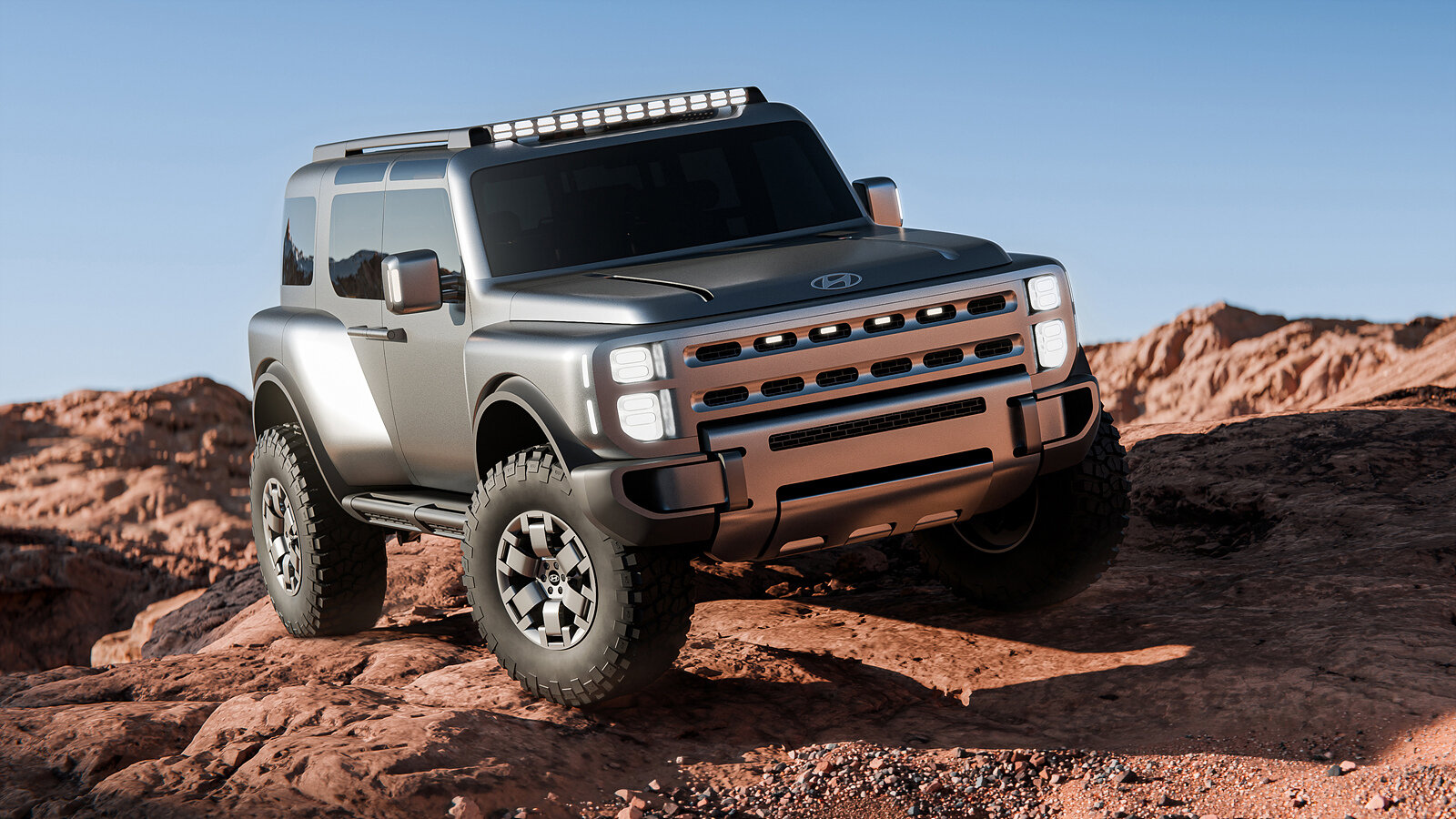
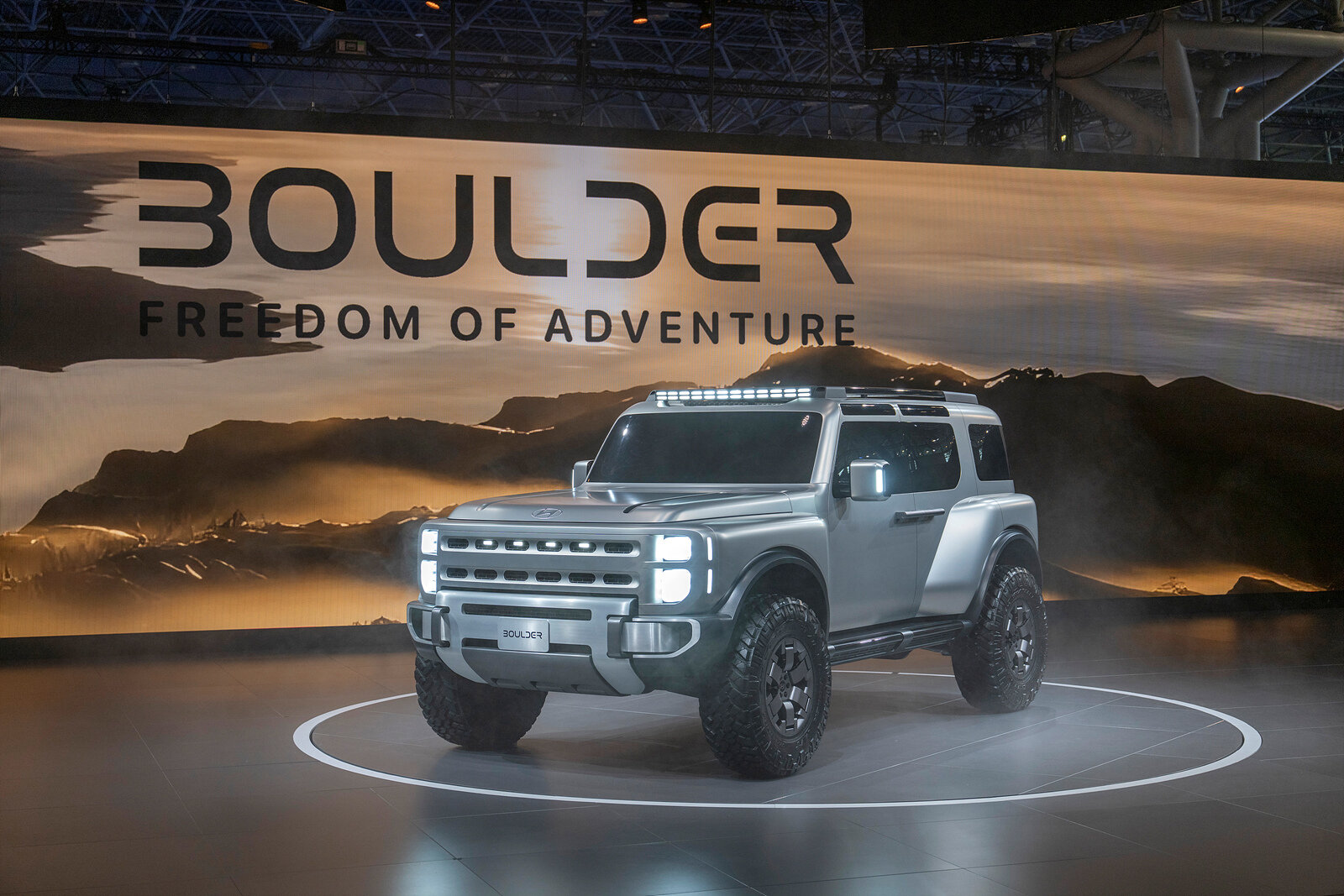
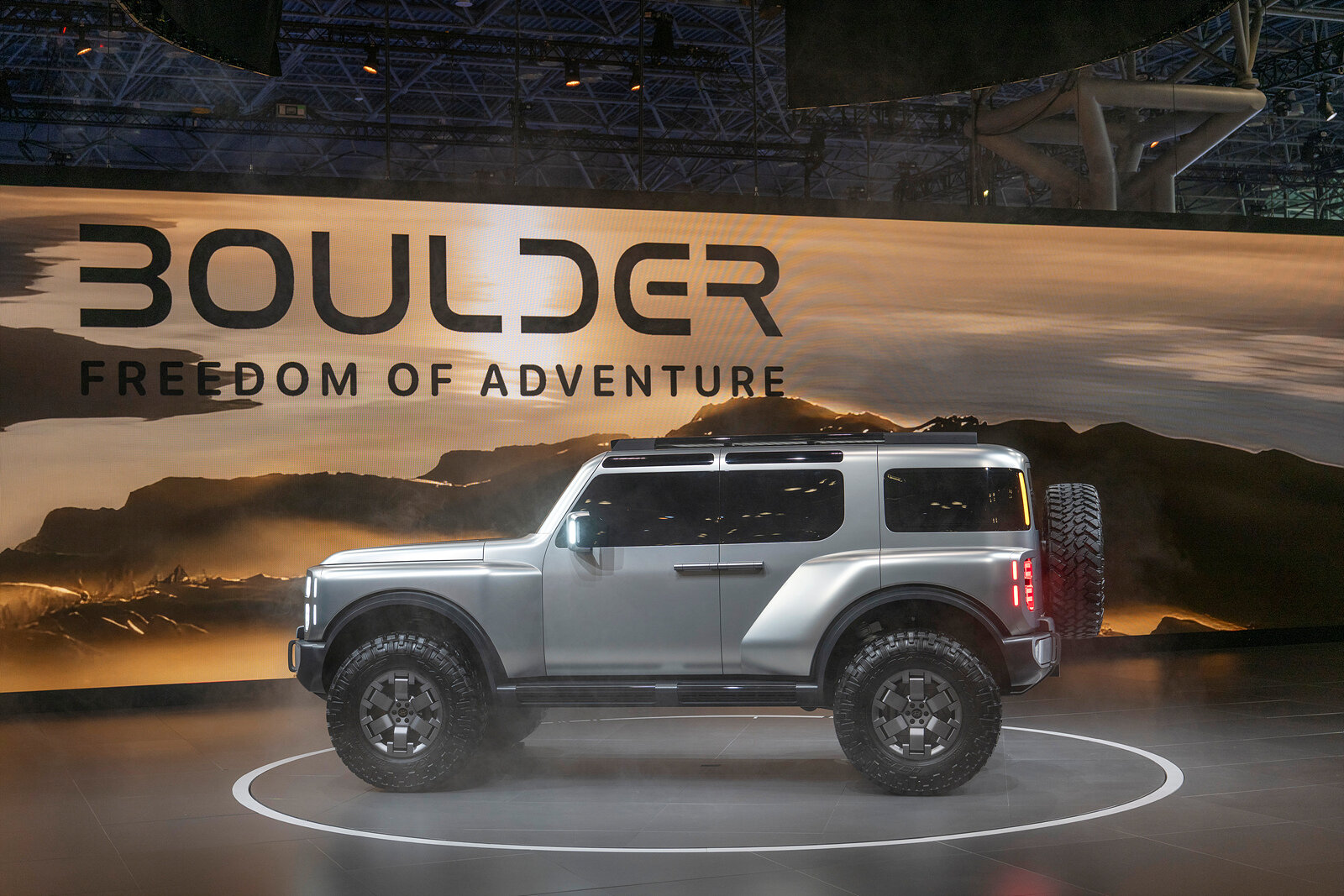
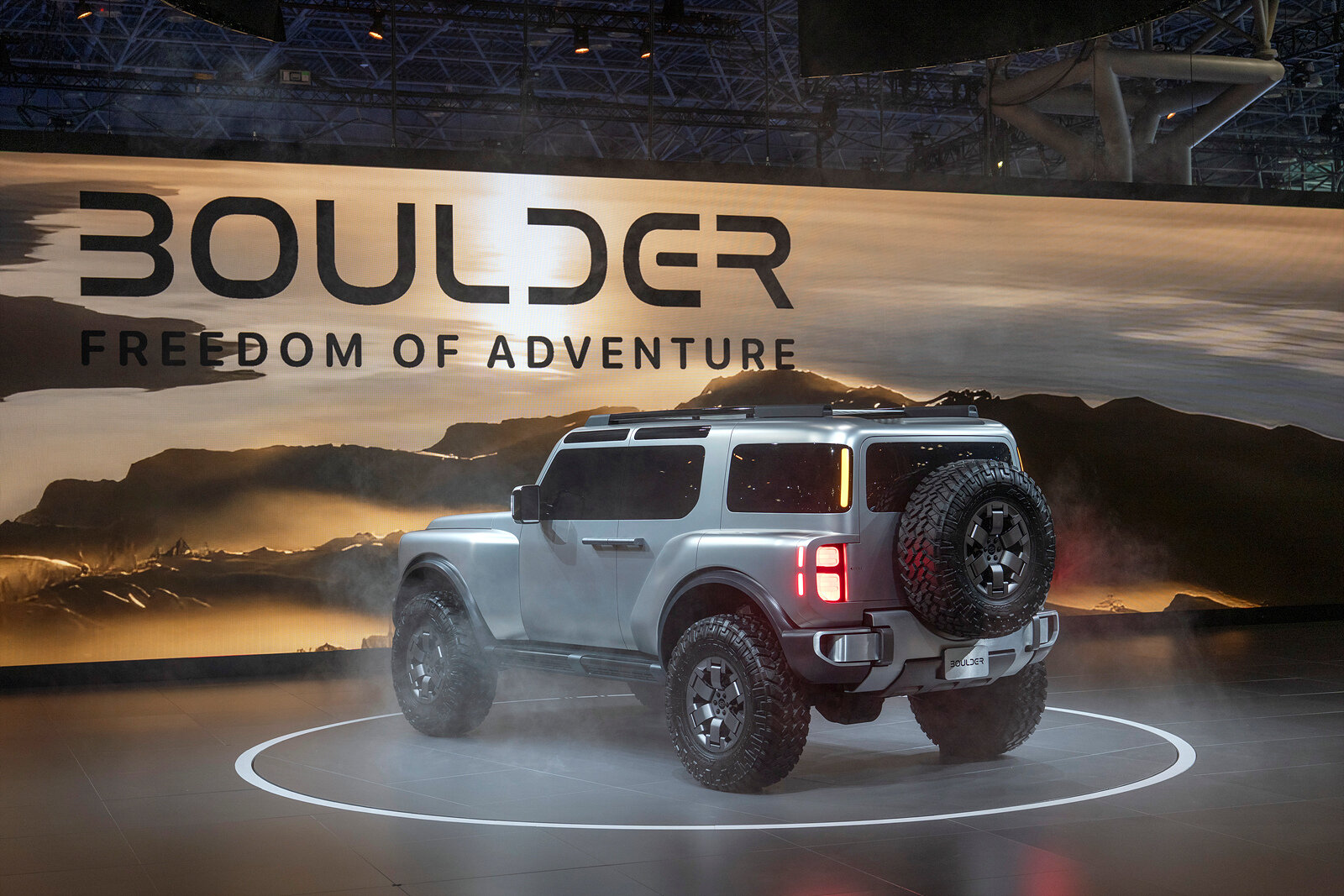
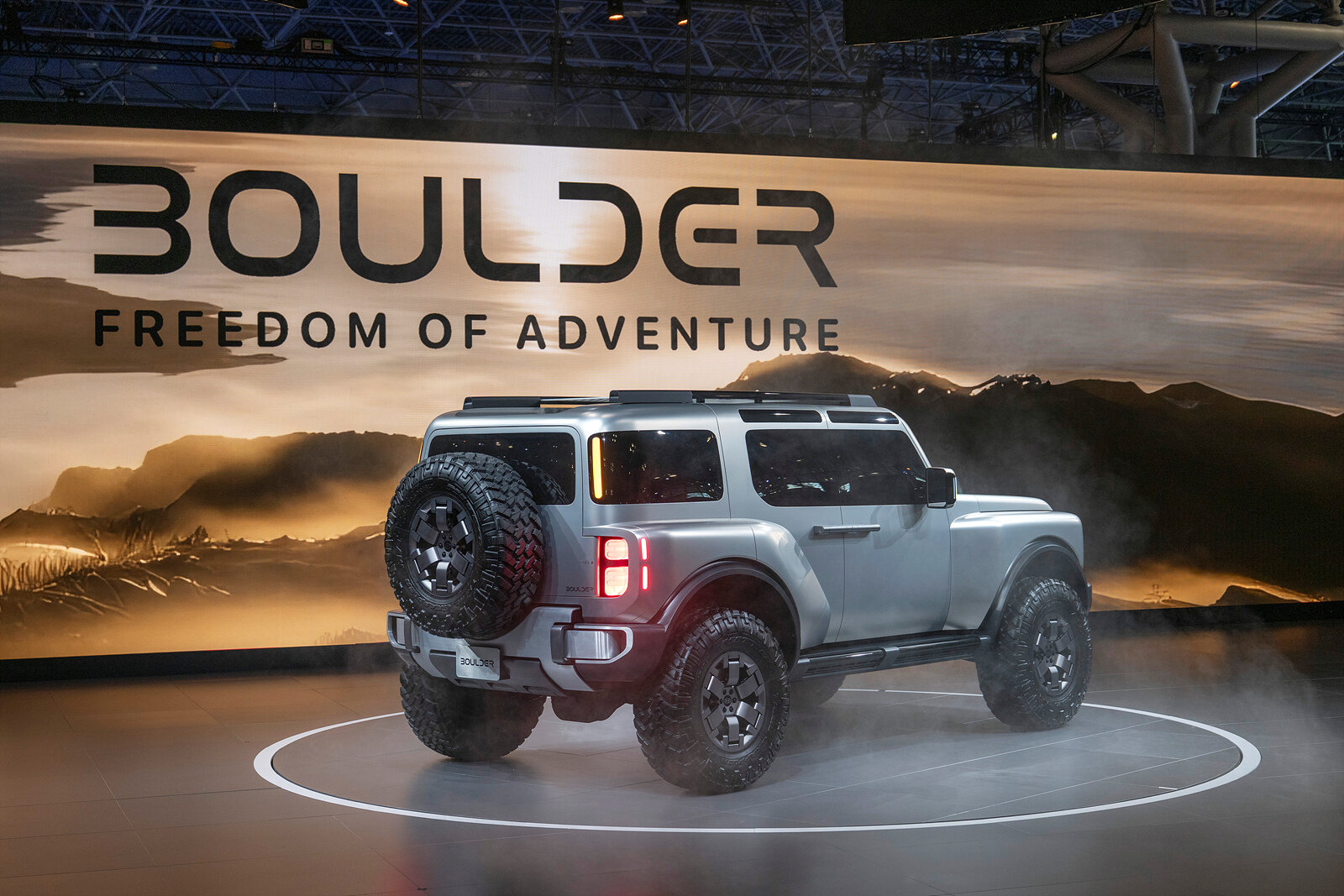
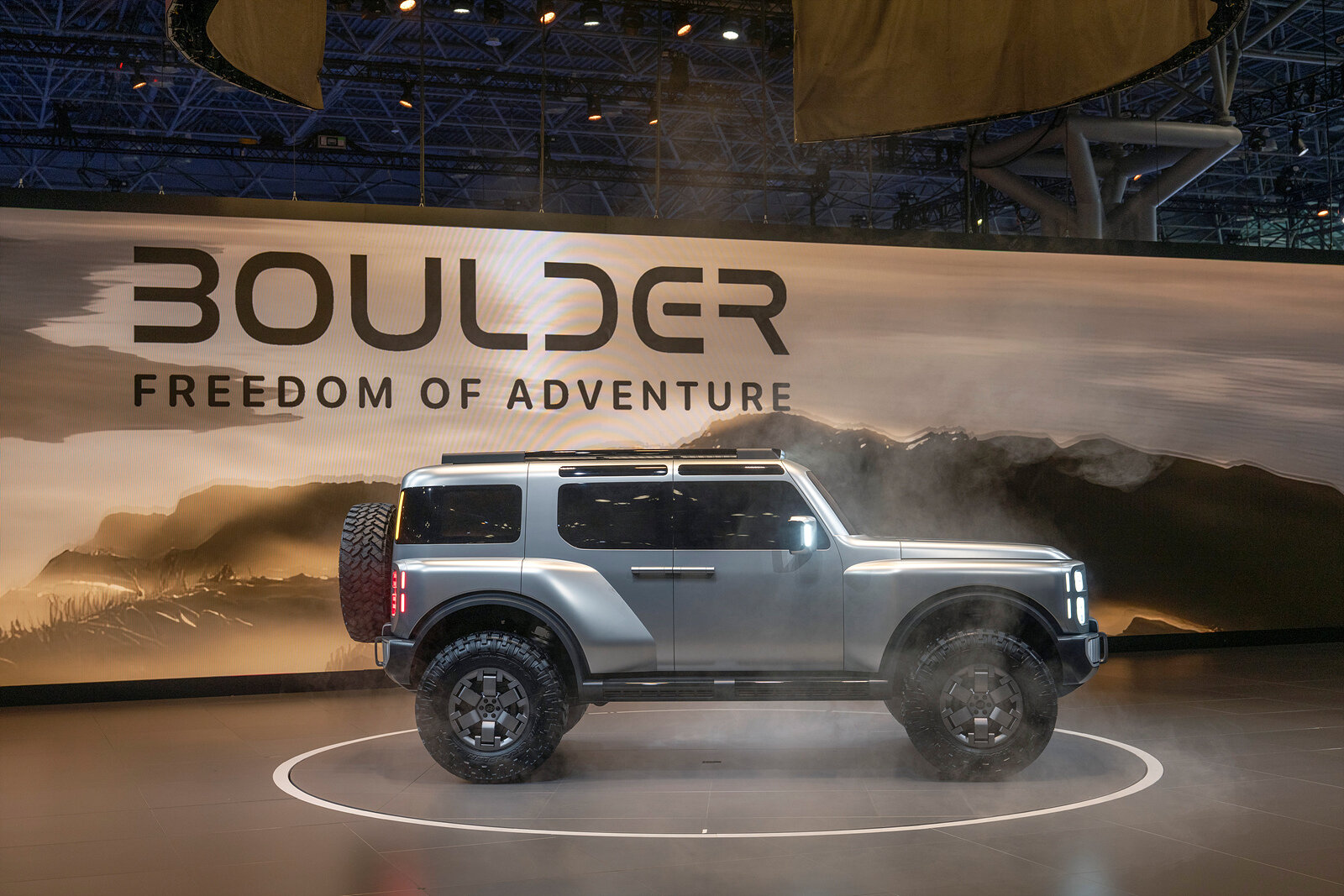
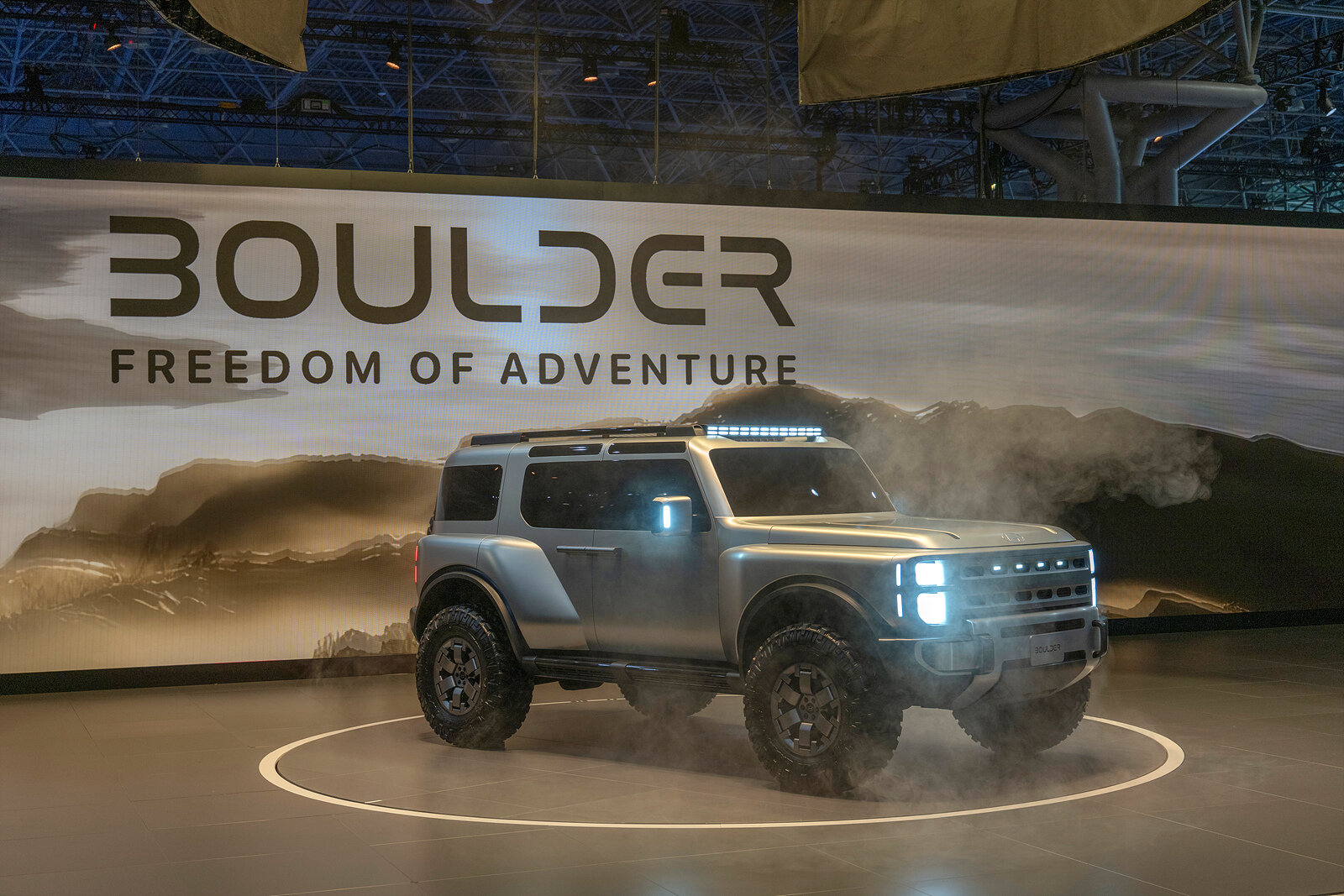
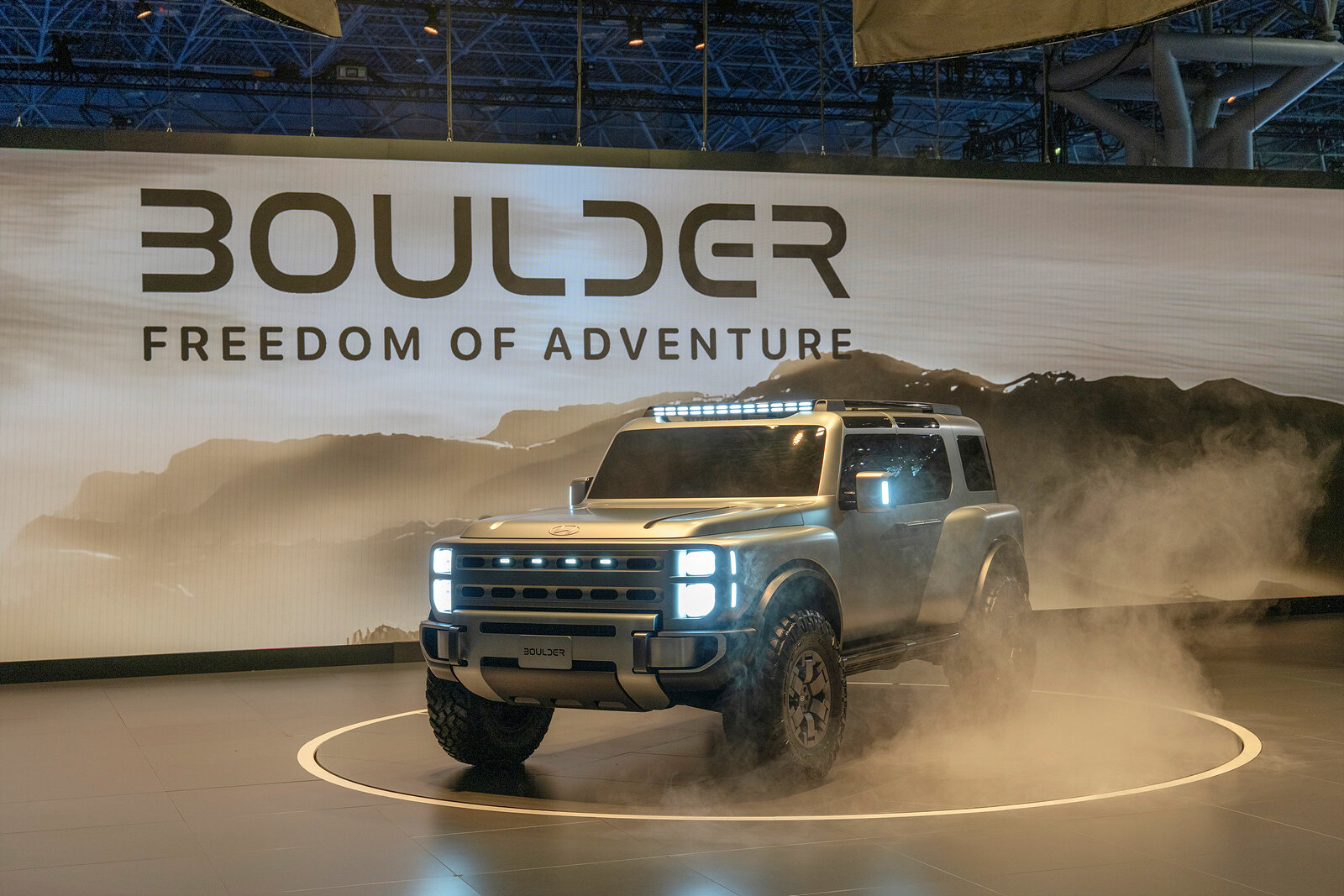
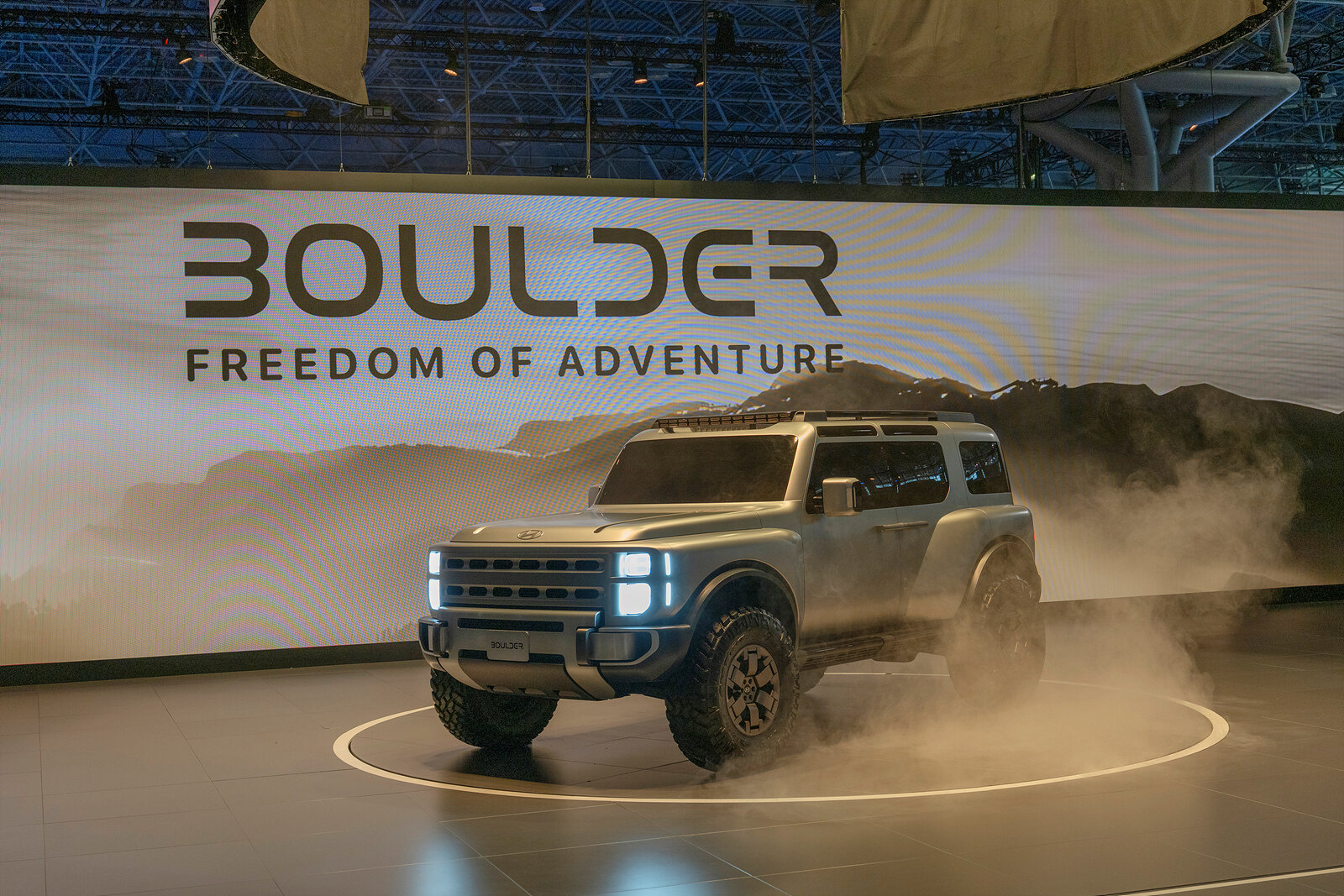
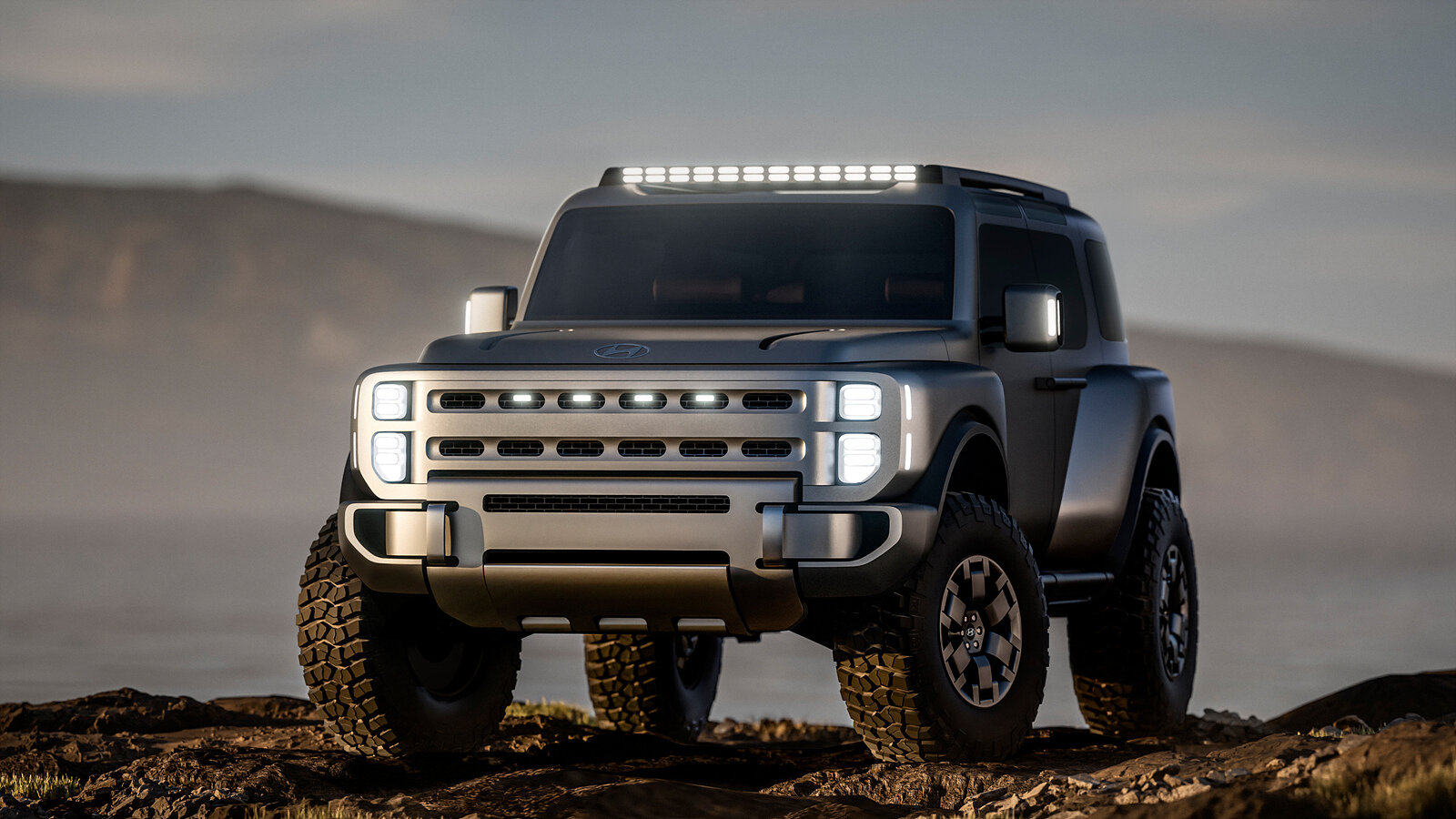
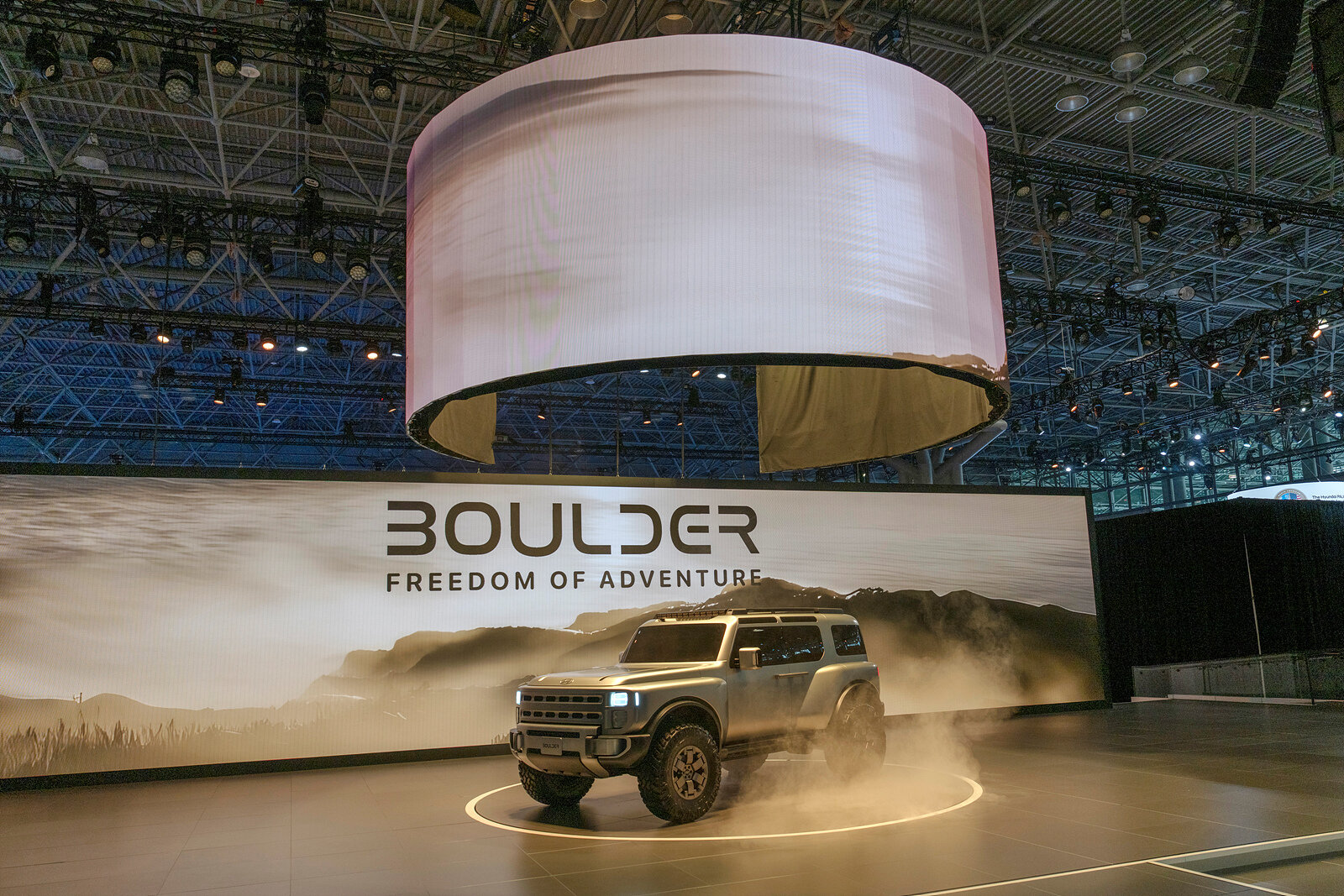


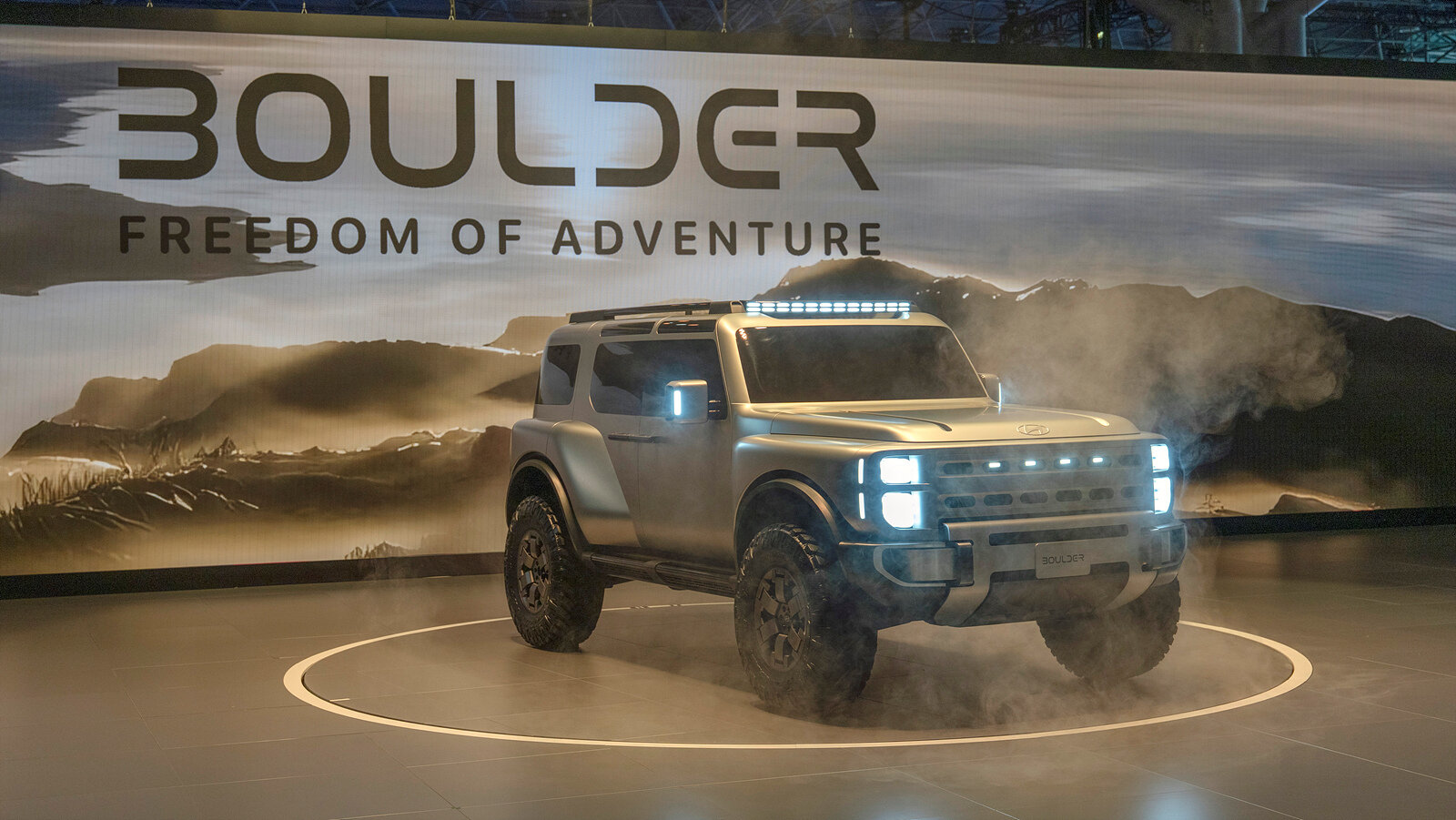

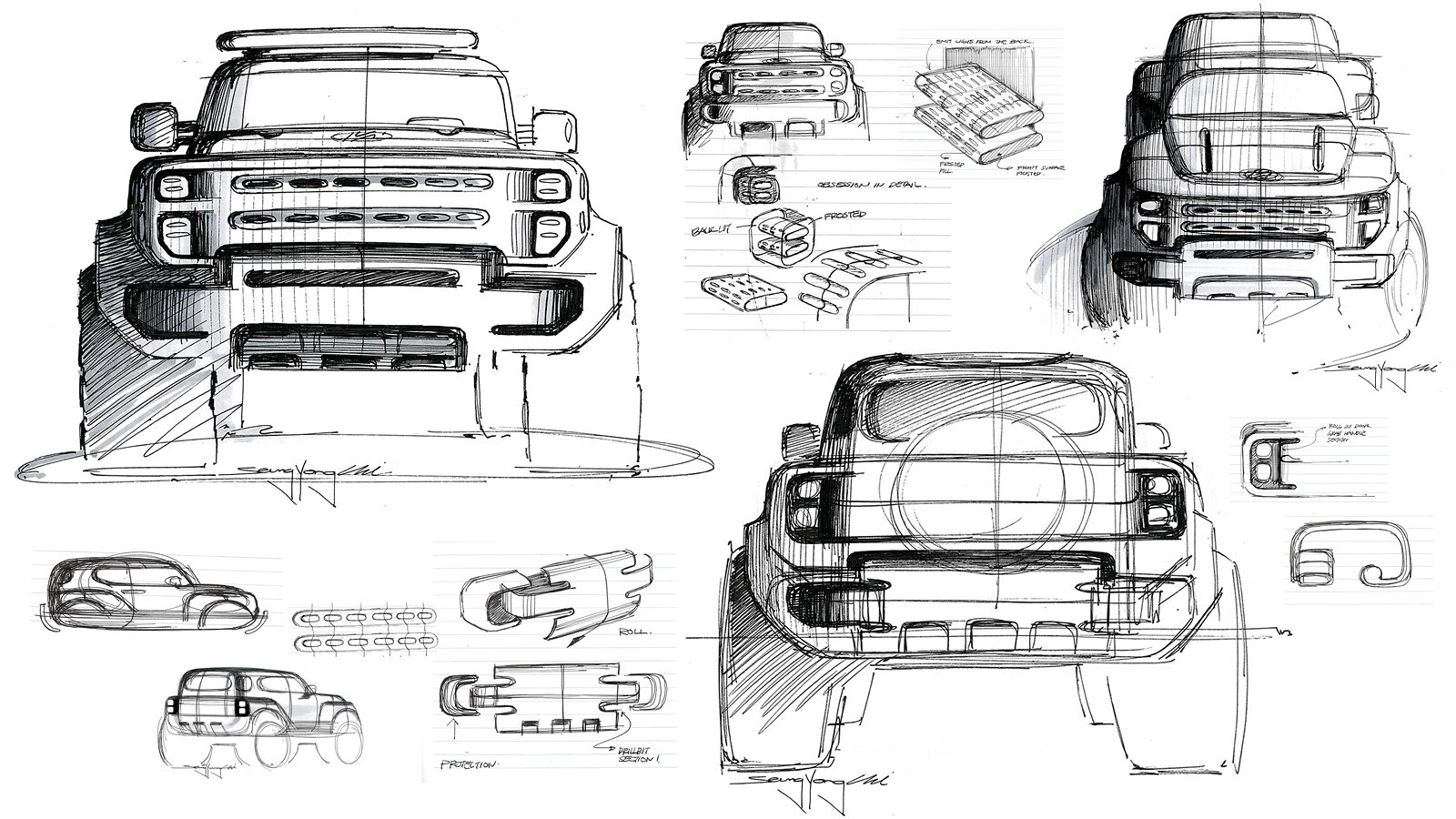
Hyundai didn’t come to the 2026 New York International Auto Show to play it safe. The Korean brand pulled the wraps off the Boulder Concept, a broad-shouldered, ladder-frame SUV study that makes absolutely no attempt to hide what it’s pointing at: a production midsize pickup truck, coming by 2030.
That’s right. Hyundai is going after Ford, Toyota, and Chevy on their home turf.
Steel, Dirt, and a Clear Message
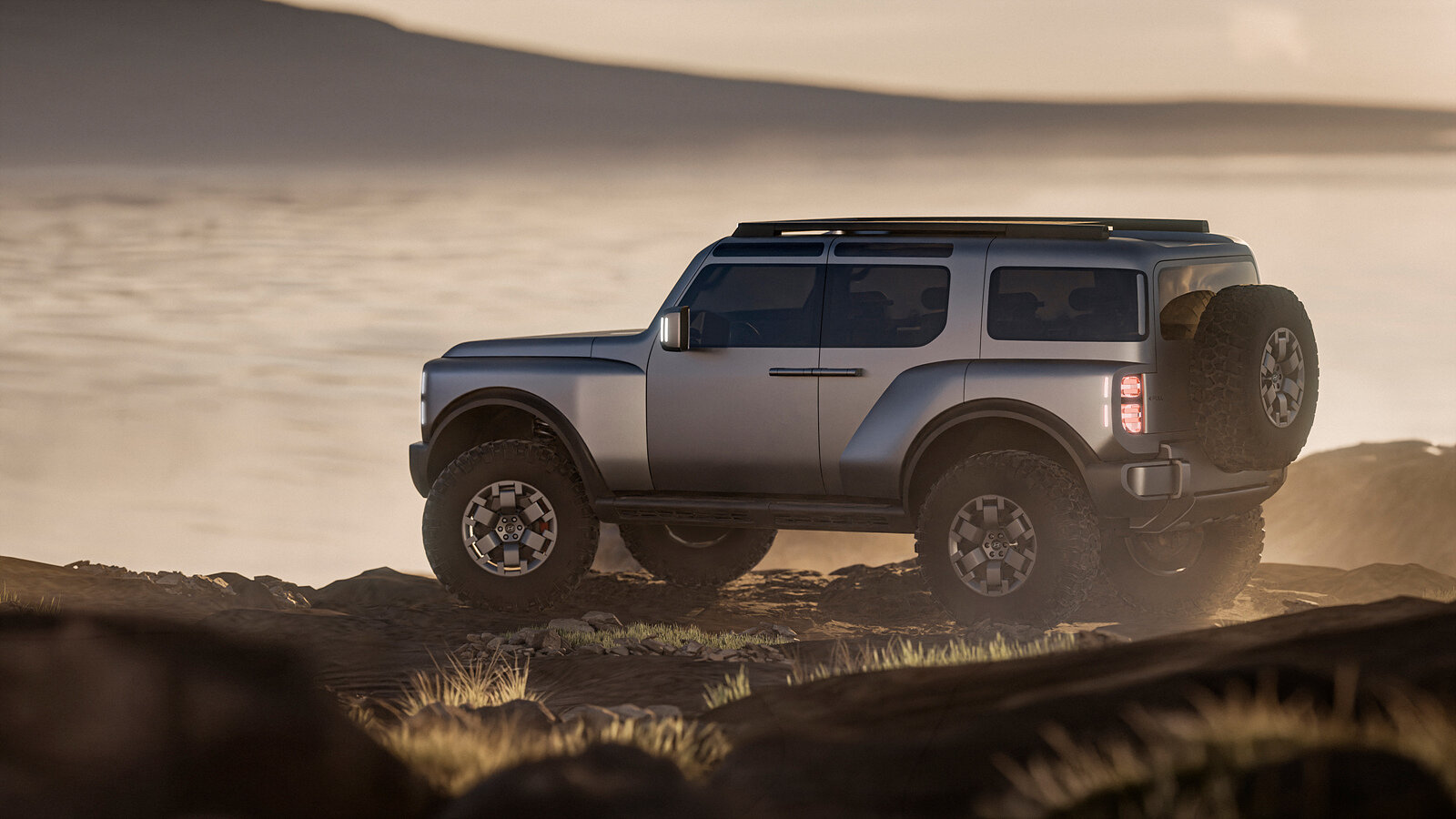
The Boulder Concept wears what Hyundai calls its “Art of Steel” design language, and for once, a design philosophy name actually fits the product. The silhouette is unapologetically upright — two-box, slab-sided, and built to look like it could pull a trailer before breakfast and ford a creek by lunch. A Liquid Titanium finish wraps the exterior, catching light in ways that make all that angular sheetmetal feel almost sculptural.
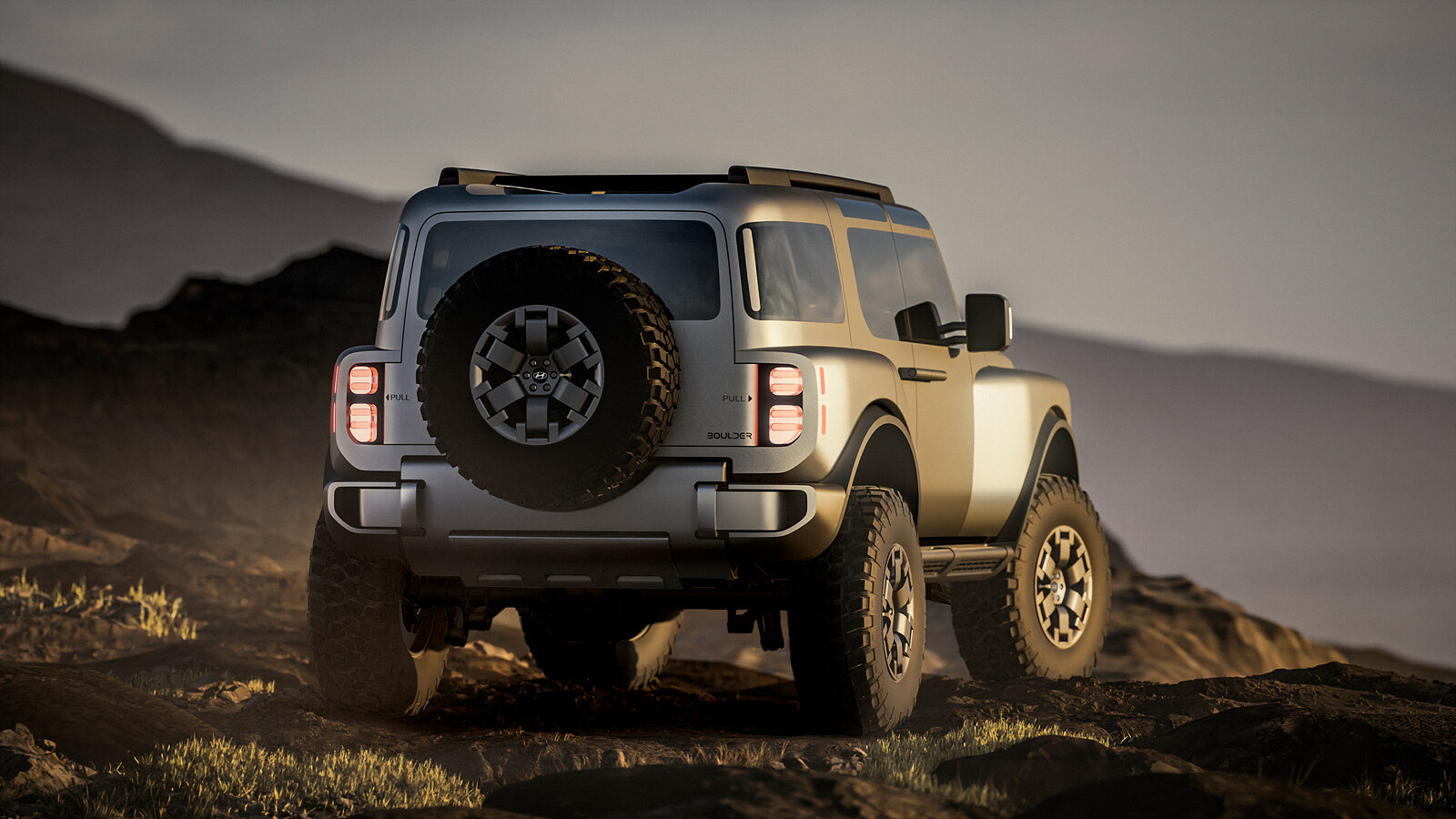
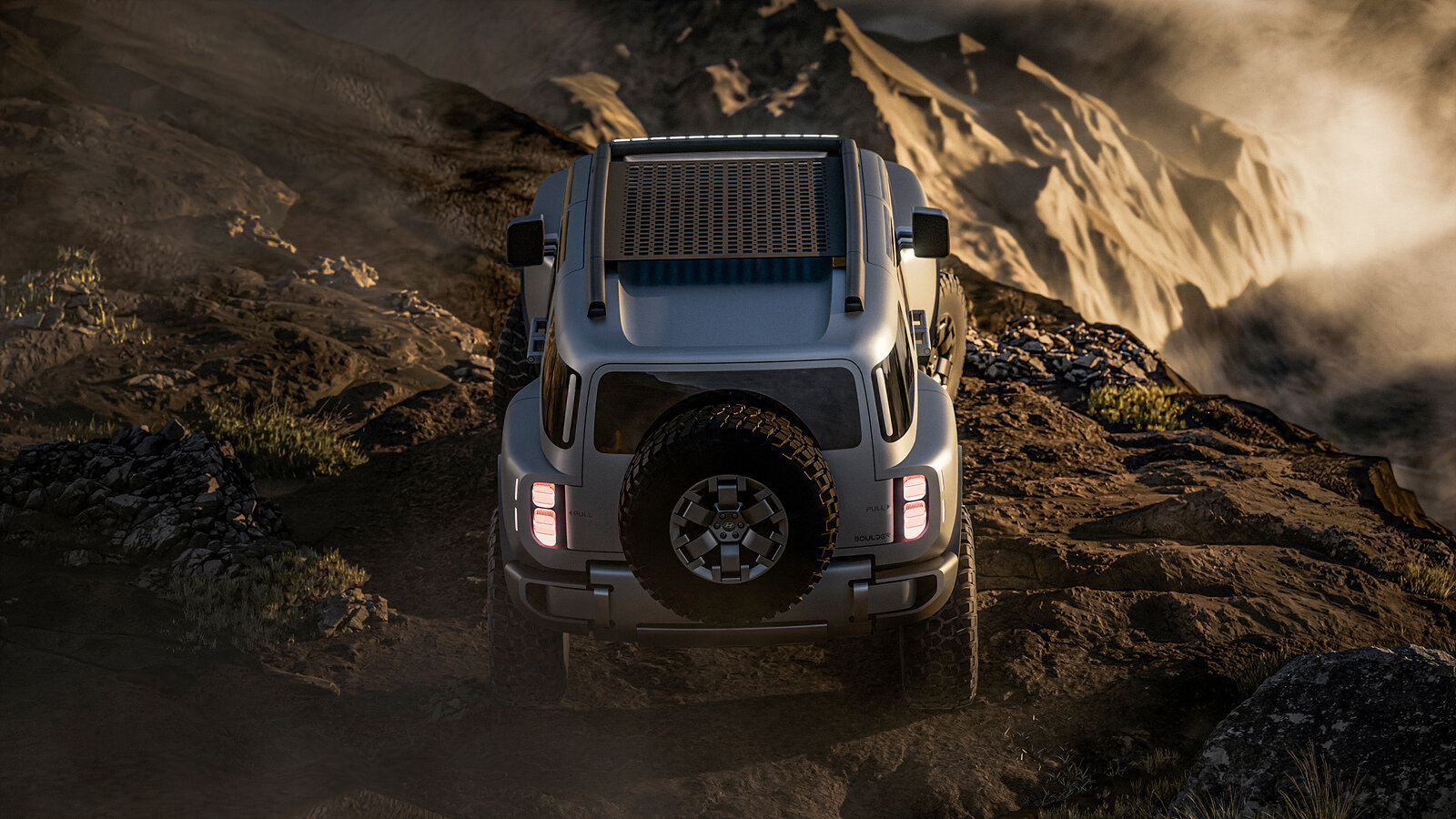
Oversized 37x12.50R18 LT mud-terrain rubber rides at each corner, providing enough ground clearance to make most off-road rigs feel inadequate. A tailgate-mounted full-size spare signals that Hyundai’s designers were thinking past the pavement from day one.
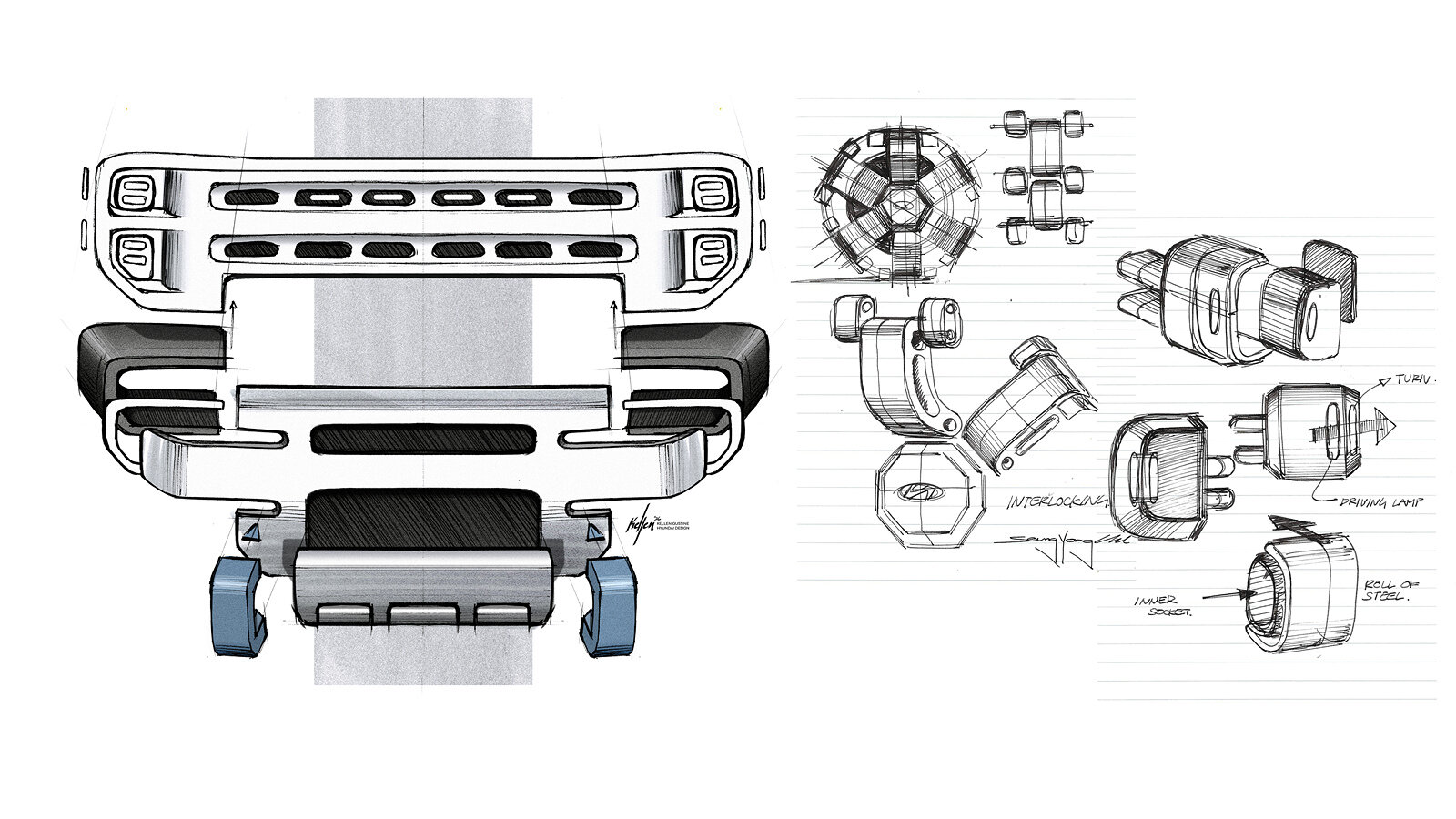
Functional details are scattered throughout. Tow hooks and door handles are finished with reflective material for low-light visibility on the trail. A double-hinged rear tailgate opens from either side. Drop the power rear window on that same tailgate and suddenly Boulder can swallow cargo that would otherwise never fit — or just let some air flow through on a long highway stretch.
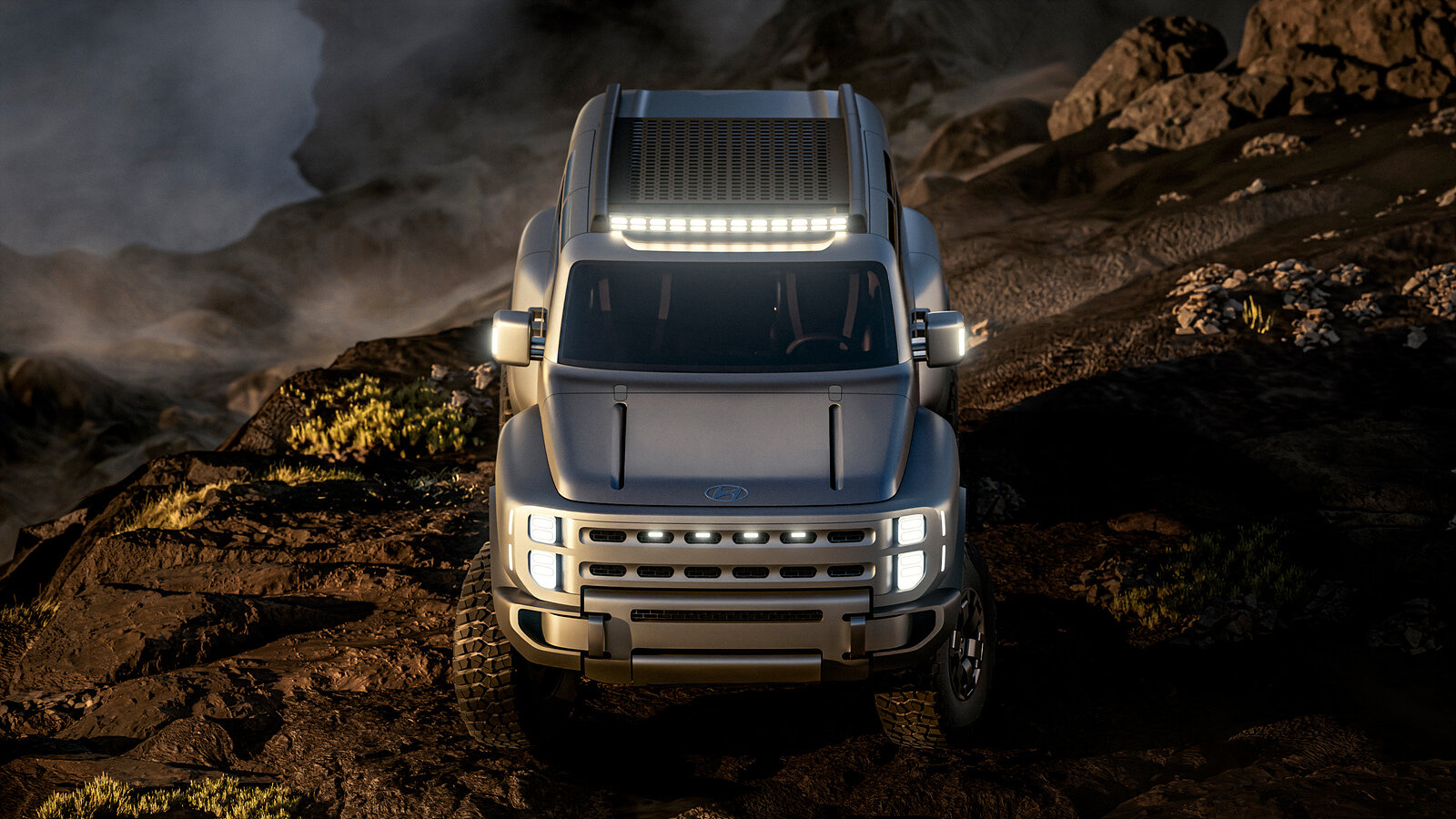
Coach-style doors ease entry into both rows, while a safari-style fixed upper glass panel runs along the roofline, flooding the cabin with light and framing whatever landscape you’ve managed to drive into. The roof rack, reinforced with steel webbing between the rails, is ready for the kind of gear hauls that require actual structural integrity.
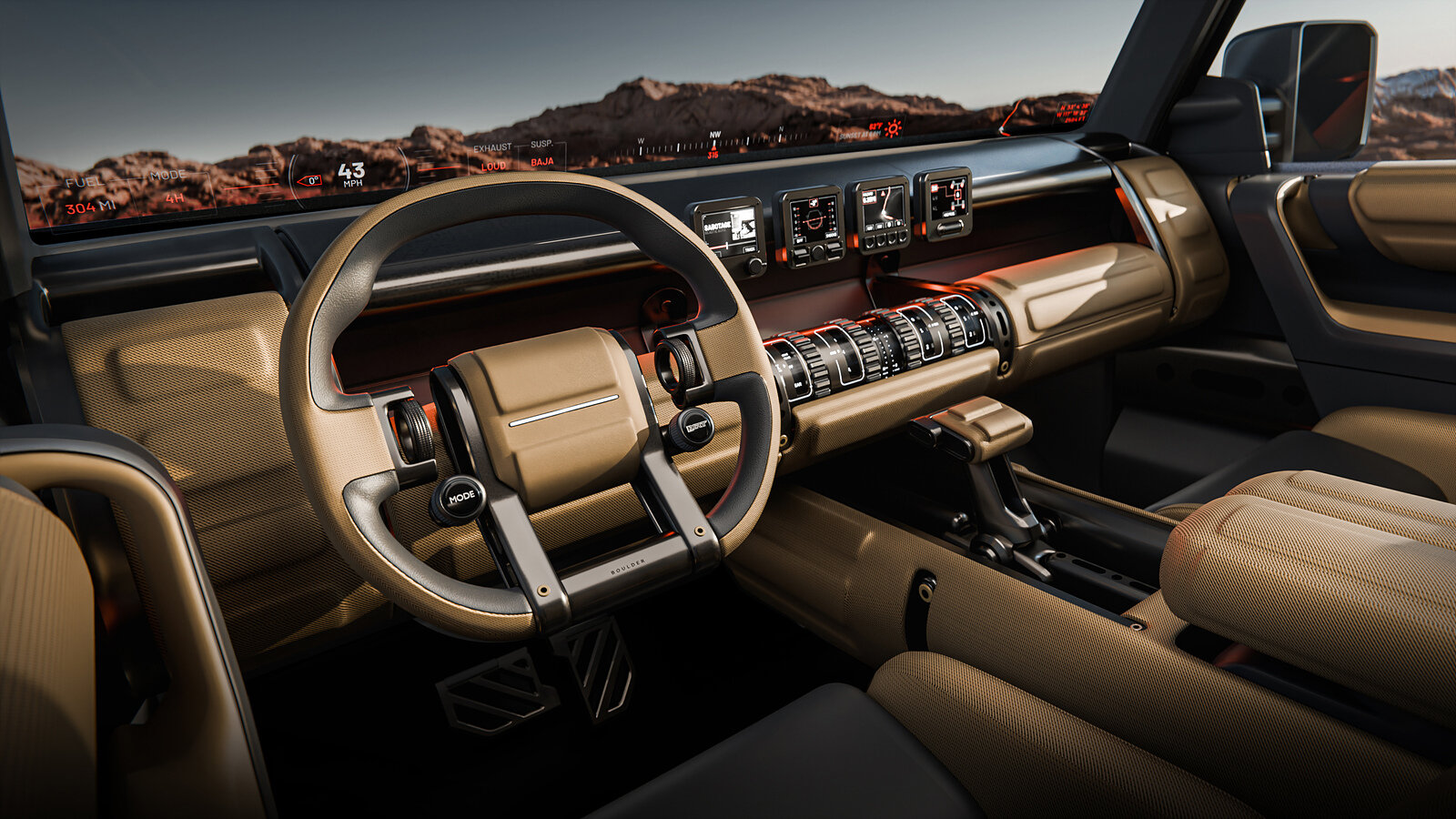
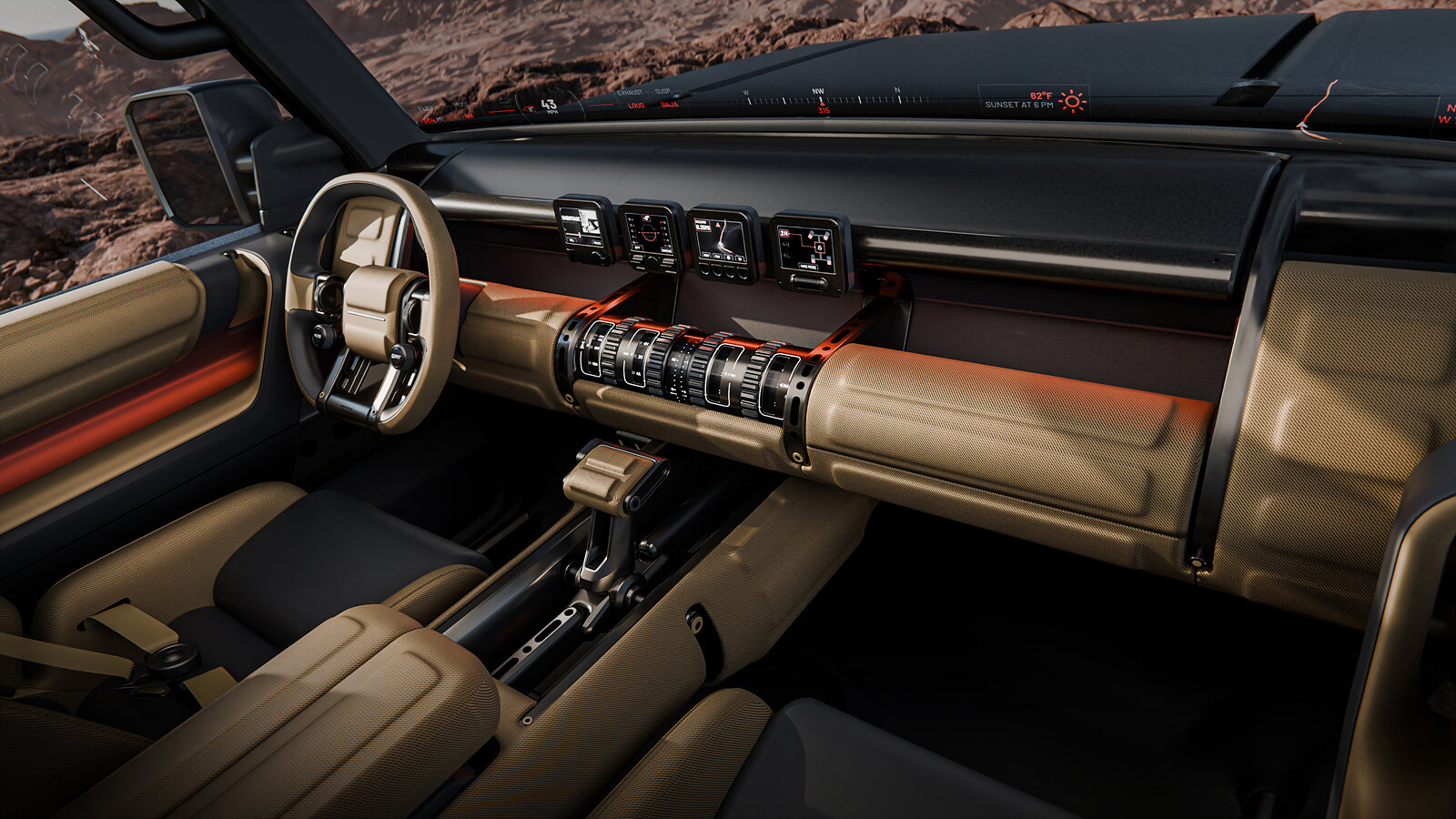
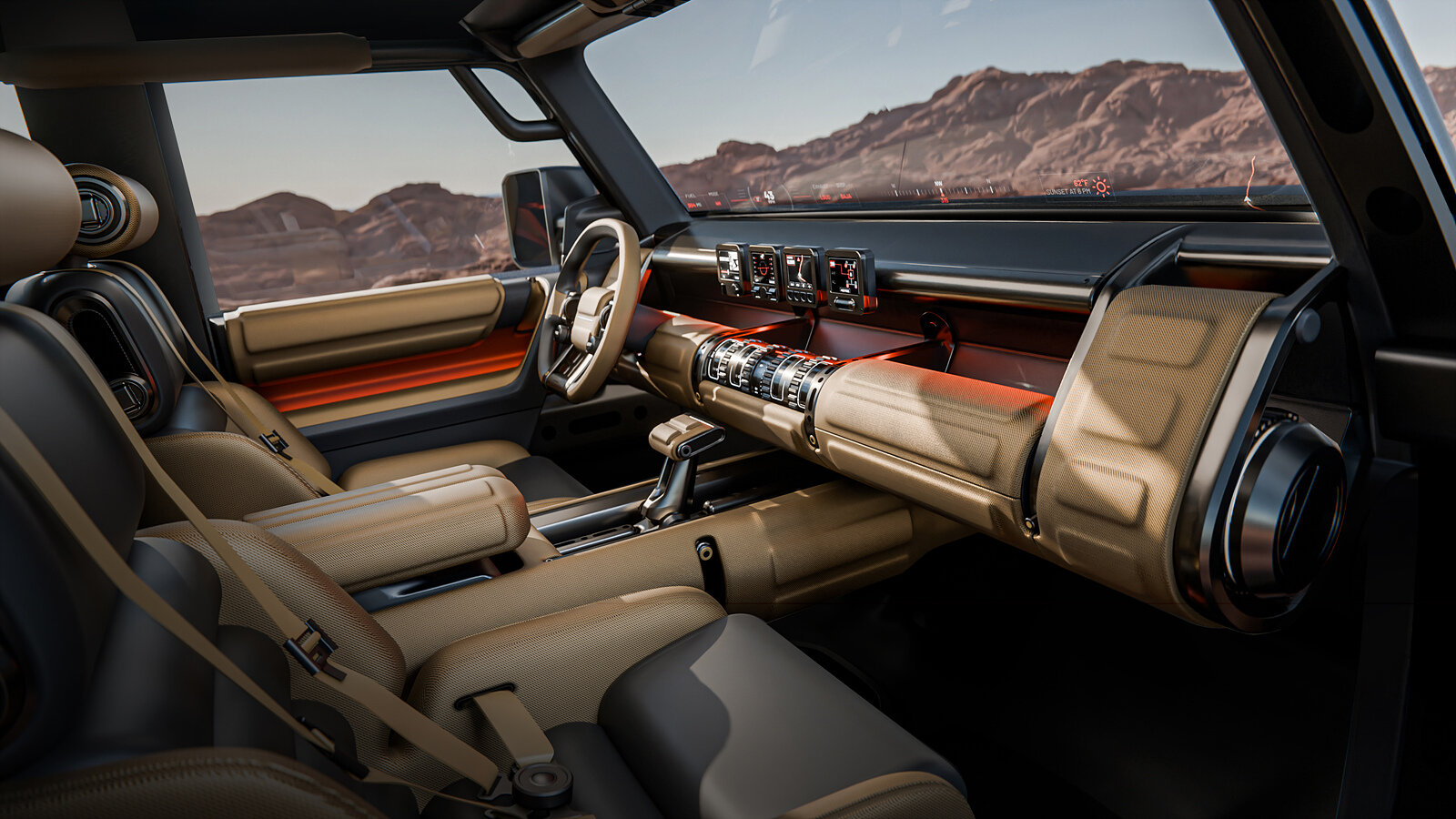
Inside, the approach is tactile and trail-ready. Physical knobs and buttons take priority over touchscreen sprawl — a sensible call for a vehicle that’ll be bouncing over rocks. Fold-out tray tables are a clever touch, equally suited for a trailhead lunch or catching up on email when the signal finally comes back.
America, by Design
The Boulder Concept was developed by Hyundai Design North America out of Southern California, and the company’s messaging around the production version is pointed: designed in America, developed for America, built in America, using steel produced by Hyundai’s own U.S. operations. That’s a deliberate posture, particularly in the current political climate around domestic manufacturing.
Hyundai CEO José Muñoz framed the truck’s arrival as part of a 36-vehicle North American push by 2030. That’s an aggressive roster for any brand, and body-on-frame trucks represent genuinely new competitive territory for Hyundai. They’ve never done this before.
Design chief SangYup Lee called the Boulder “a four-wheeled love letter” to off-road culture, which is the kind of line that sounds like marketing until you’re staring at 37-inch mud-terrain tires on a concept that wears a tailgate-mounted spare.
The Bottom Line
Hyundai entering the midsize truck segment isn’t just about chasing volume — though the Tacoma and Colorado prove there’s serious money there. It’s about credibility with a buyer the brand has never really spoken to. The Boulder Concept, with its full-frame construction and trail-first mentality, makes a compelling opening argument.
Whether the production version can deliver on all of this by 2030 is the real question. But if Hyundai’s recent track record means anything, betting against them seems increasingly unwise.