Lexus TZ Revealed: The Brand’s First Three-Row Electric SUV Thinks Big in Every Direction
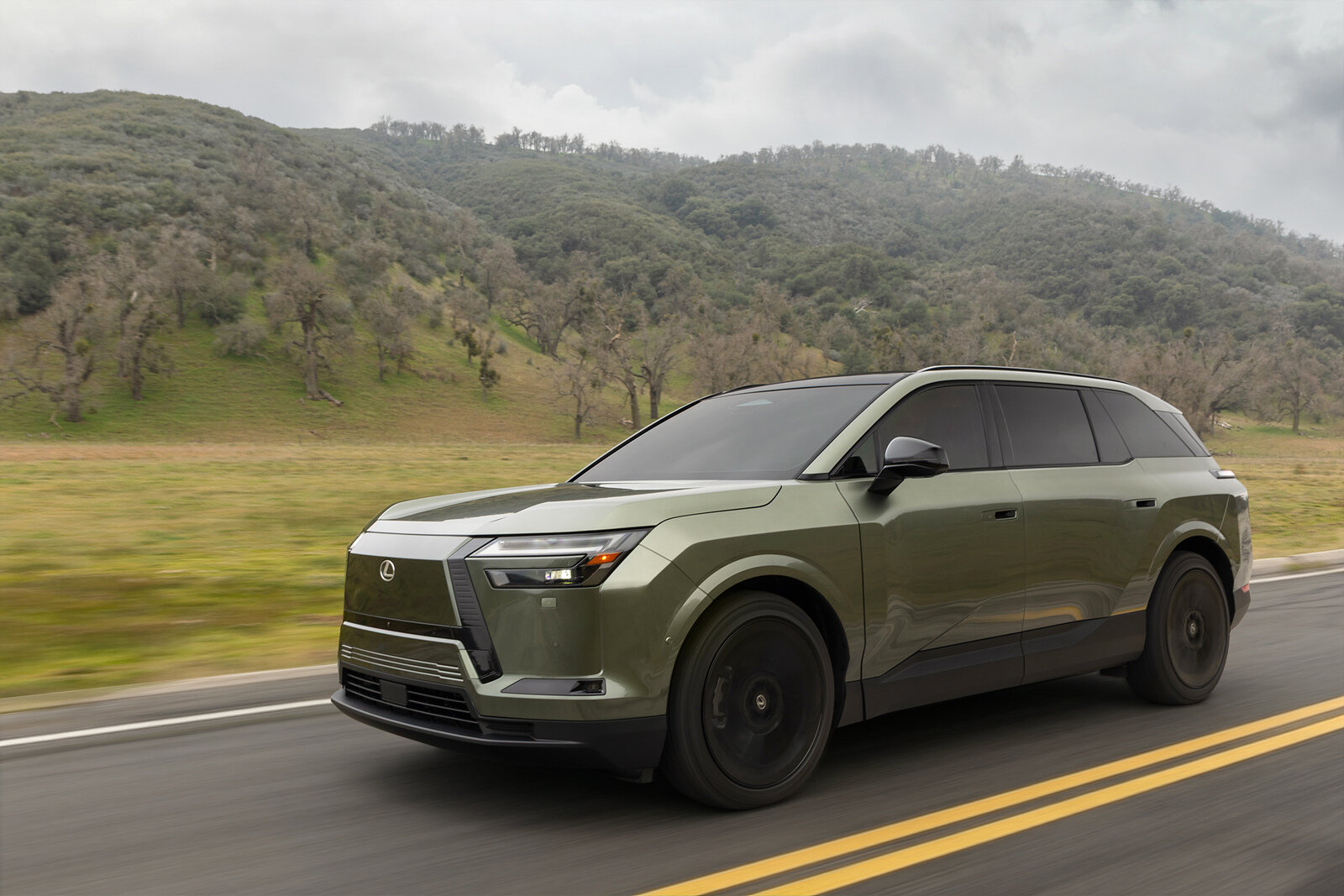
Lexus has pulled the wraps off the TZ, its first-ever three-row battery-electric SUV — and the numbers alone tell you this isn’t a cautious entry into the segment.

The Specs, Up Front
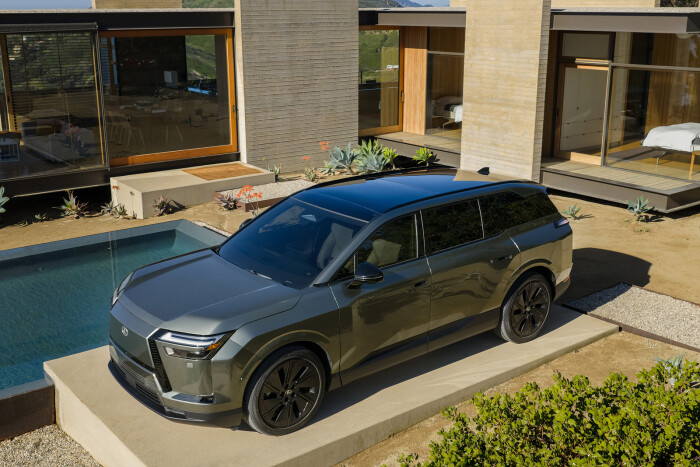
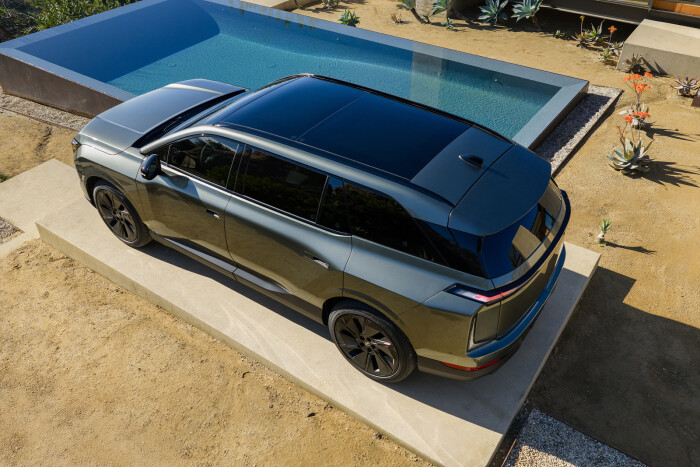
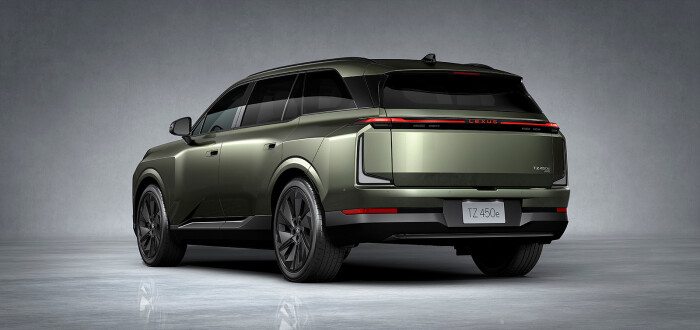
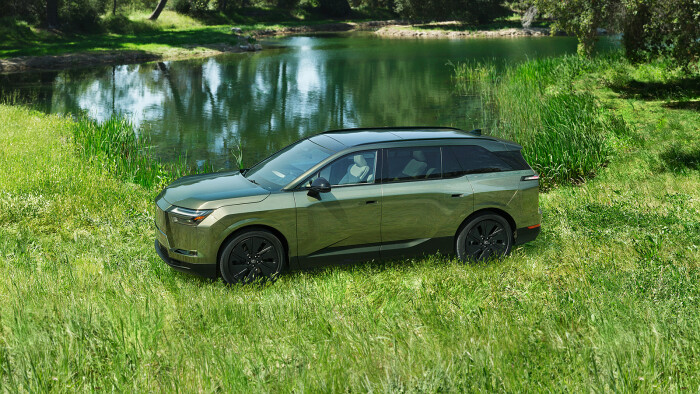
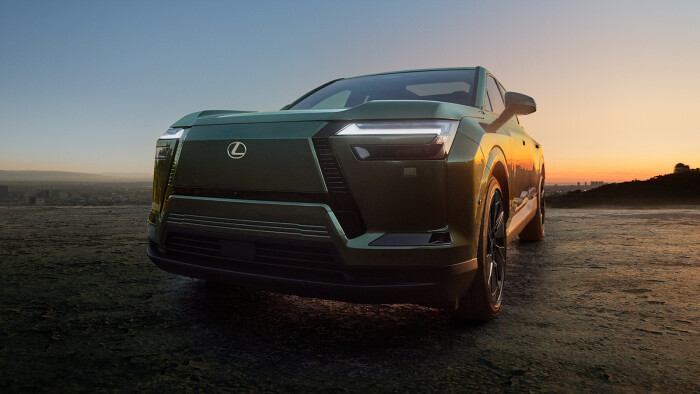
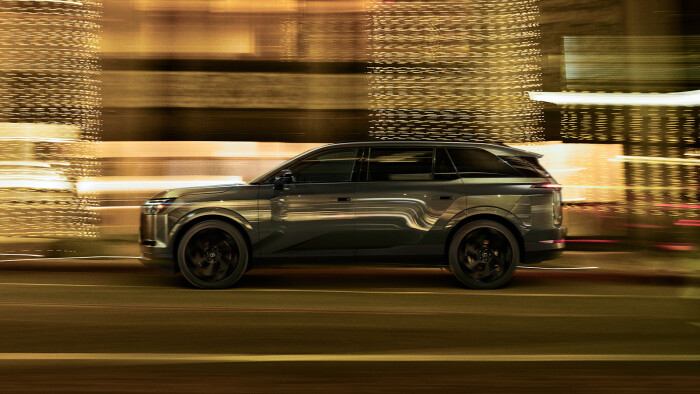
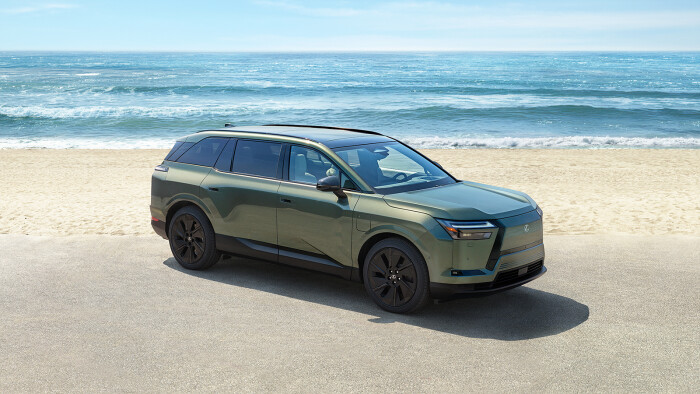
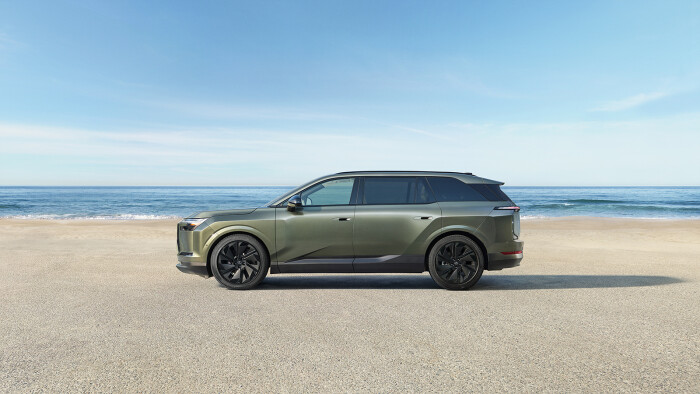
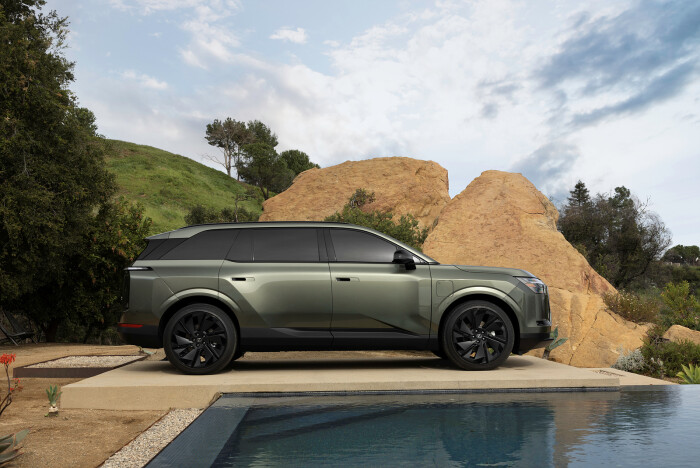
At 5,100mm long, 1,990mm wide, and 1,705mm tall on a 3,050mm wheelbase, the TZ is a legitimately large machine. It’s longer than a Kia EV9 and wider than a Cadillac Lyriq. The footprint matches the ambition.
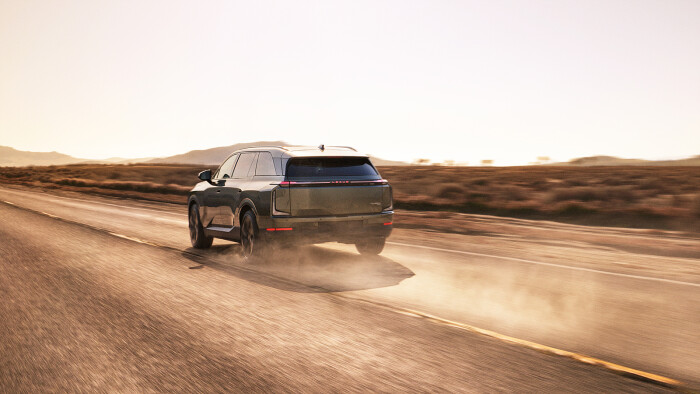
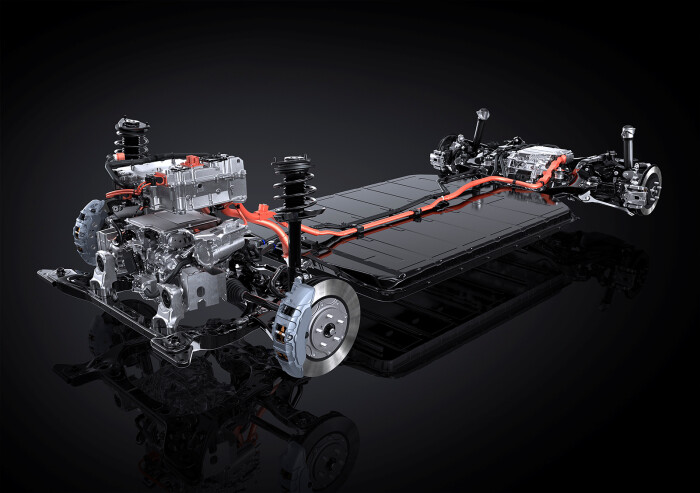
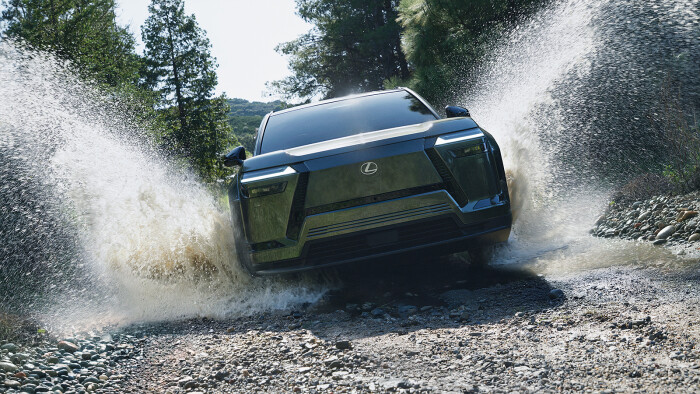
Power comes from dual motors — 167.0kW front and rear — for a combined system output of 300kW (408 hp) and AWD as standard. Curb weight is 2,630kg, and Lexus claims 0–100 km/h in 5.4 seconds. That’s not blistering, but it’s entirely respectable for something this size carrying this many people.
The 95.82kWh battery delivers an EPA-estimated 300 miles in North America, 620km on the Japanese cycle, 530km under WLTP, and 640km on the Chinese standard. DC fast charging at 150kW takes the pack from 10 to 80 percent in roughly 35 minutes. Towing capacity is rated at 3,500 lbs in North America and 1,500kg in Europe — enough to pull a boat or a loaded trailer without drama.
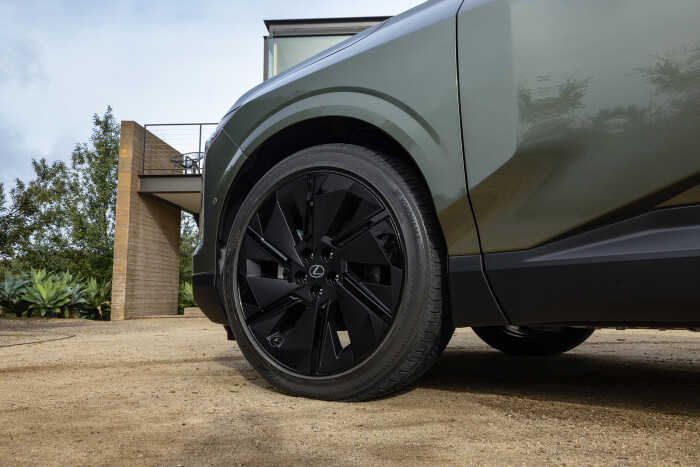
Tire sizes run 255/45R22 or 255/55R20 depending on configuration, with a minimum turning radius of 5.4 meters.
What Lexus Is Actually Selling Here
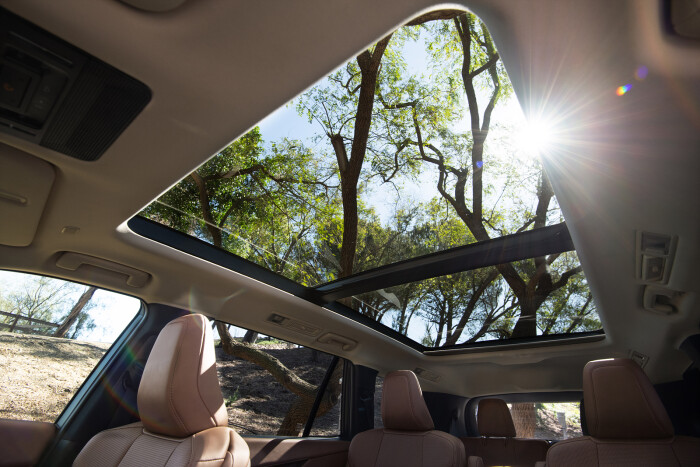
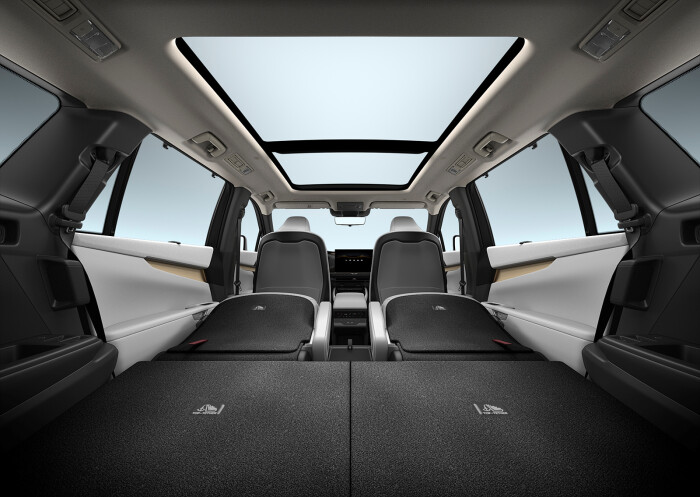
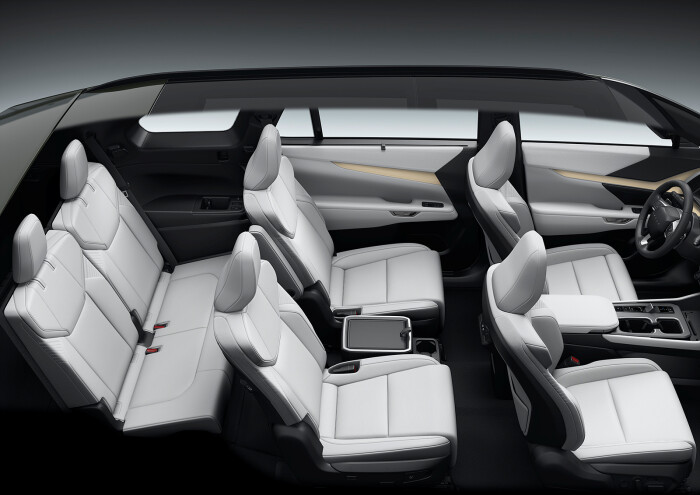
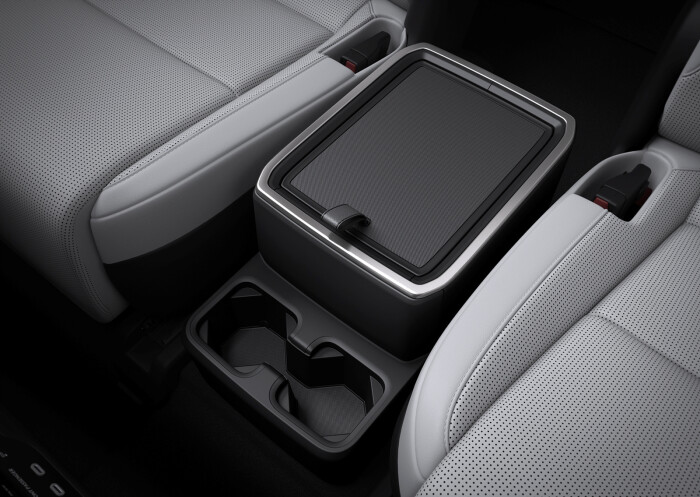
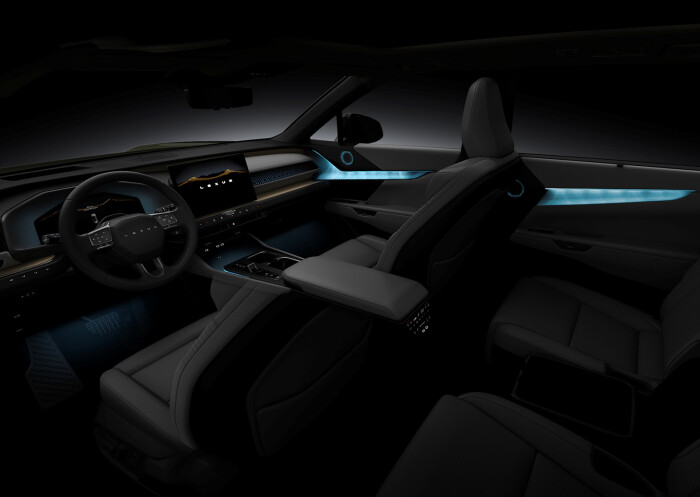
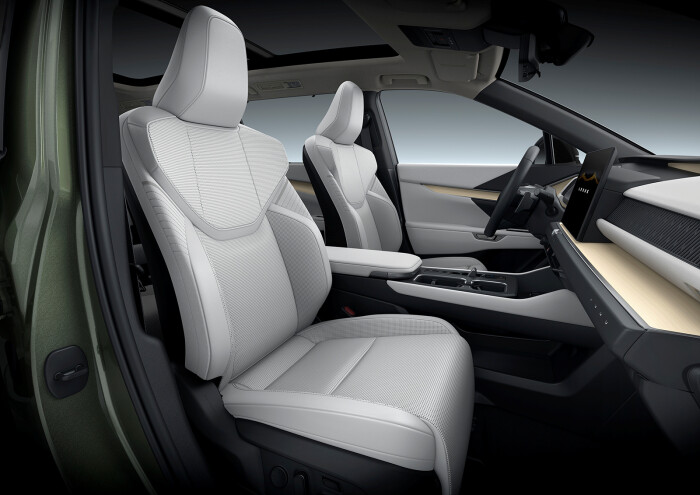
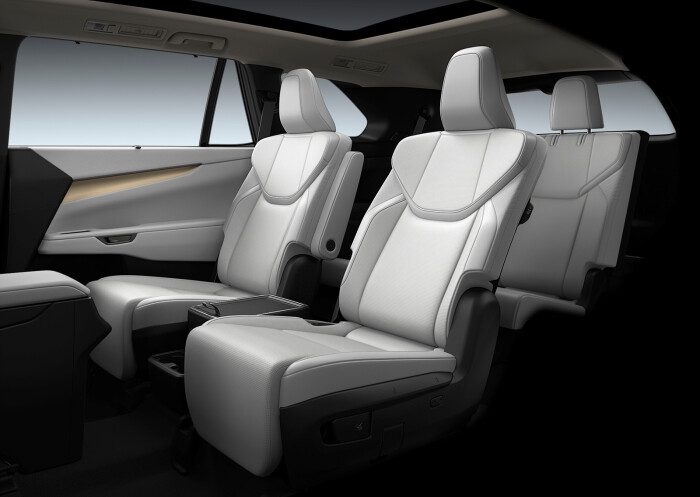
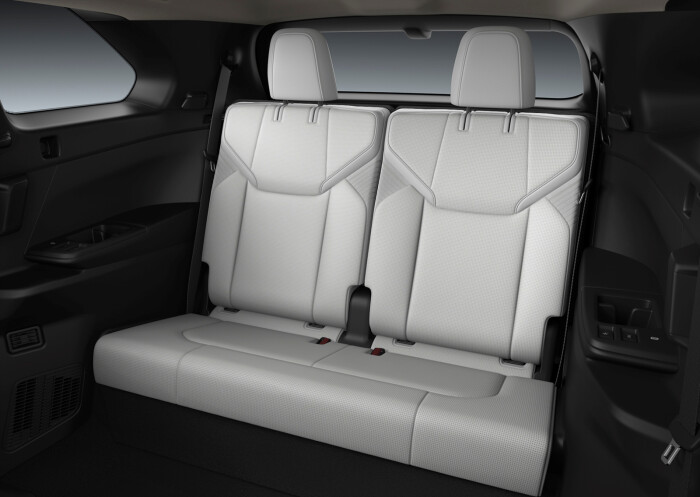
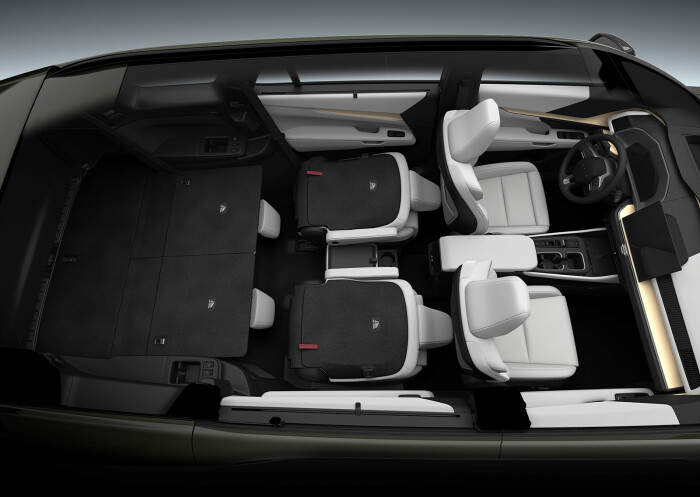
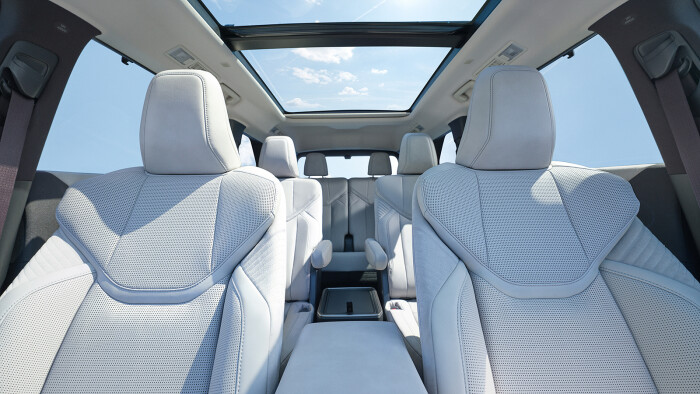
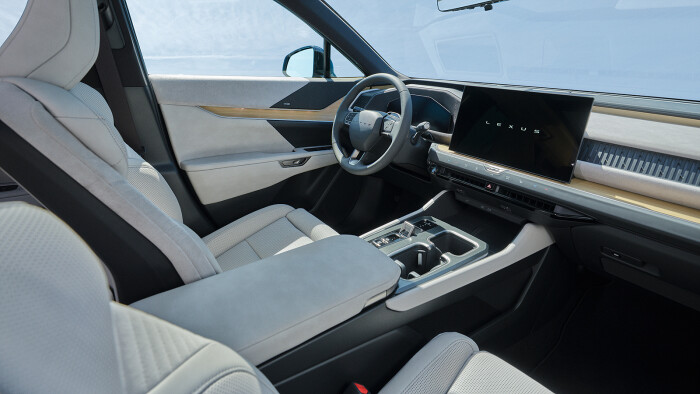
The TZ is built around what Lexus calls the “Driving Lounge” concept — the idea that every seat in the car should feel like somewhere you’d actually want to be. That’s easy to say; Lexus has invested in a dedicated BEV platform to back it up.
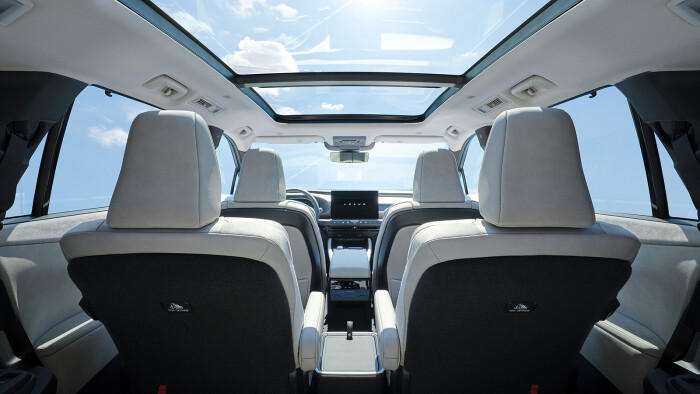
The panoramic roof is newly developed, designed to be wide and slim to maximize the sense of openness inside. Sound directivity control manages the acoustic environment so that the cabin feels natural rather than artificially muffled. Lexus says the TZ targets class-leading quietness within its own SUV lineup — and given what the LX and RX already do in that department, that’s a meaningful claim.
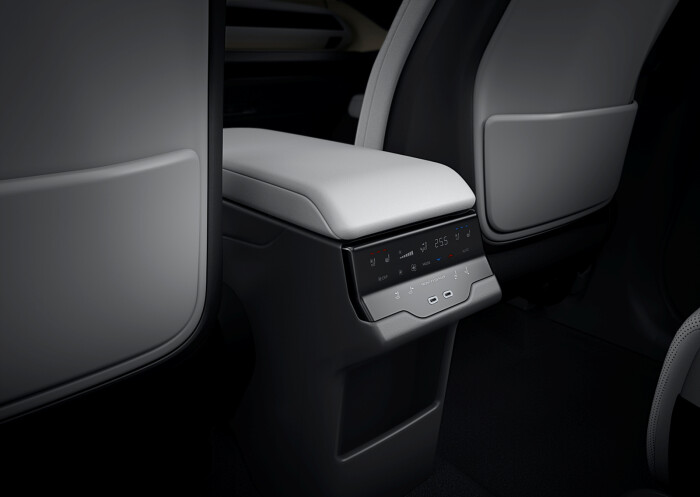
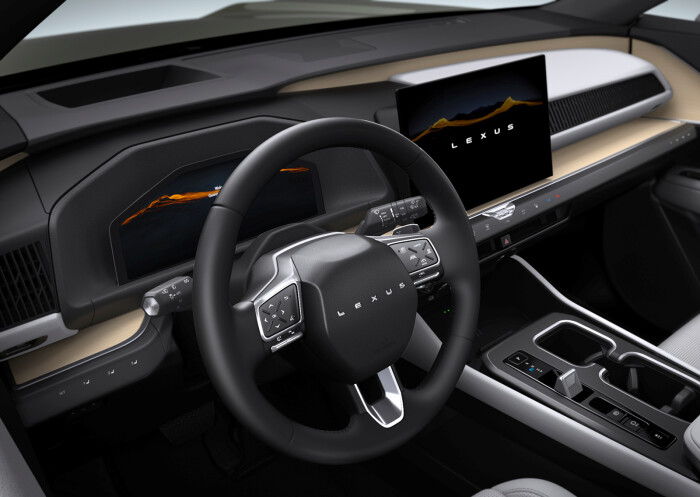
Two features stand out on the technology side. Rear Comfort Mode uses a combination of hardware and software electrification technologies to prioritize ride quality for second- and third-row passengers. Interactive Manual Drive goes the other direction, sharpening driver engagement and giving the person behind the wheel something to actually feel. The fact that both exist in the same vehicle says something about how seriously Lexus is taking the dual-use nature of this car.
Design and Aerodynamics, Together
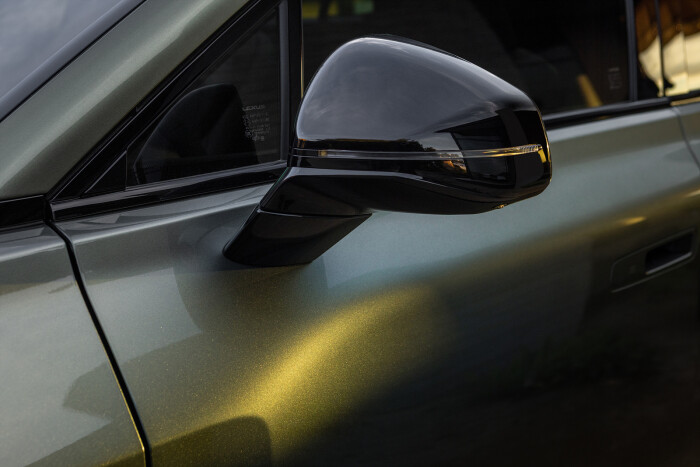
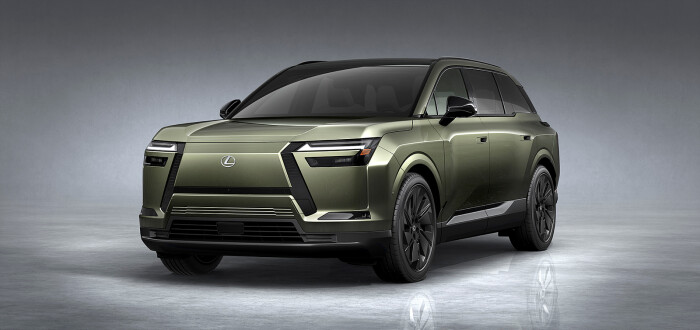
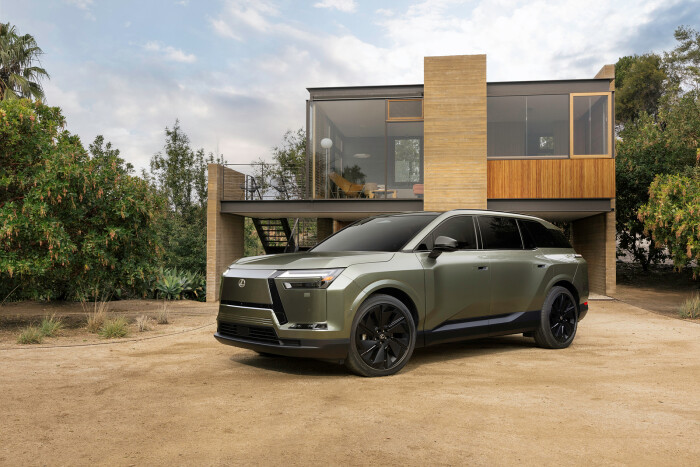
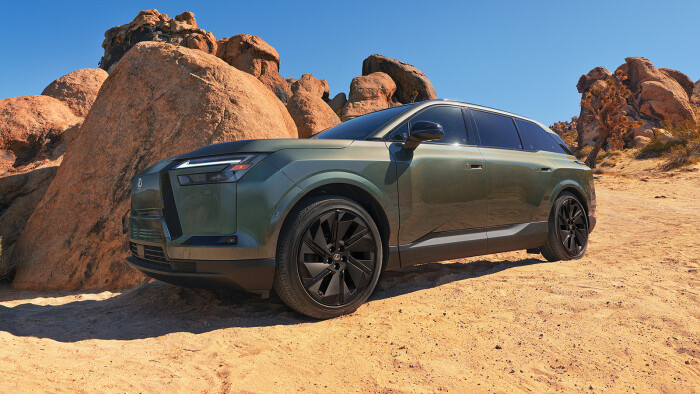
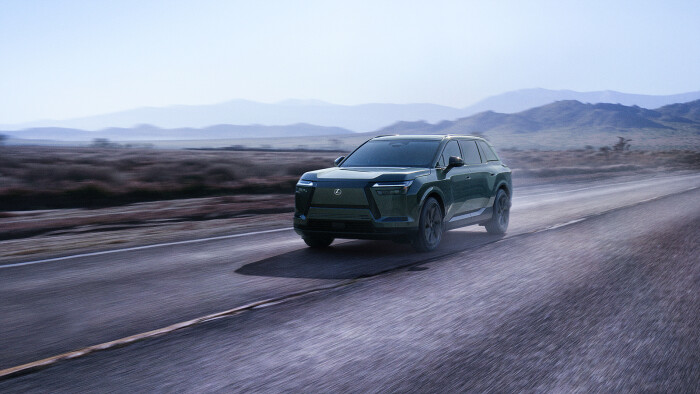
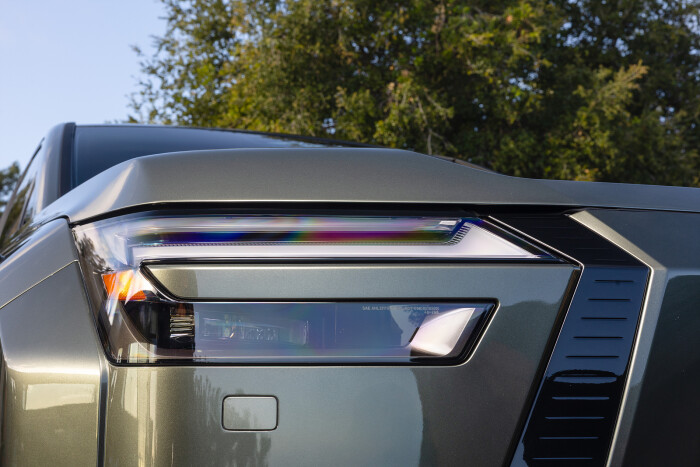
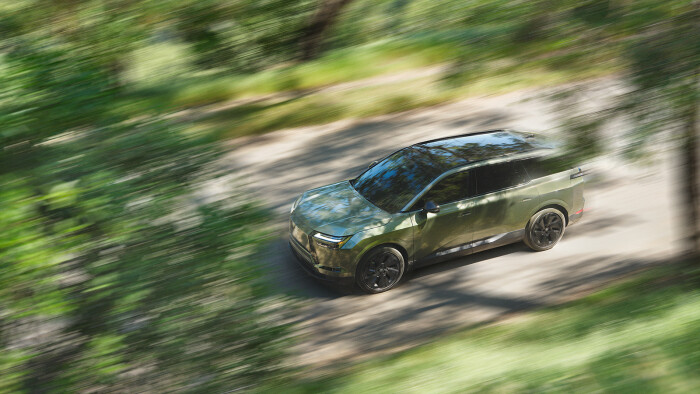
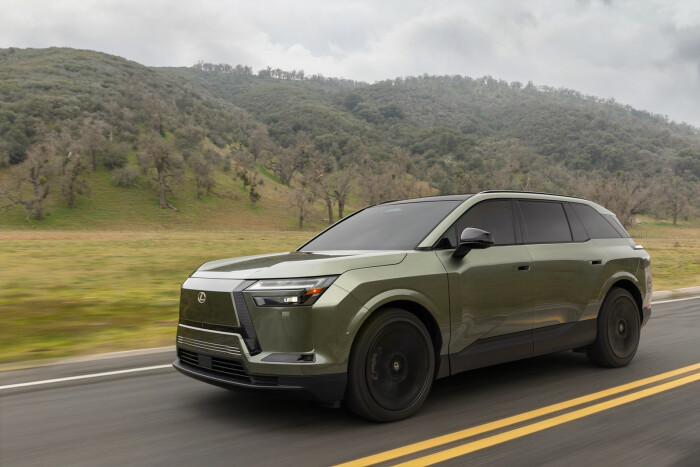
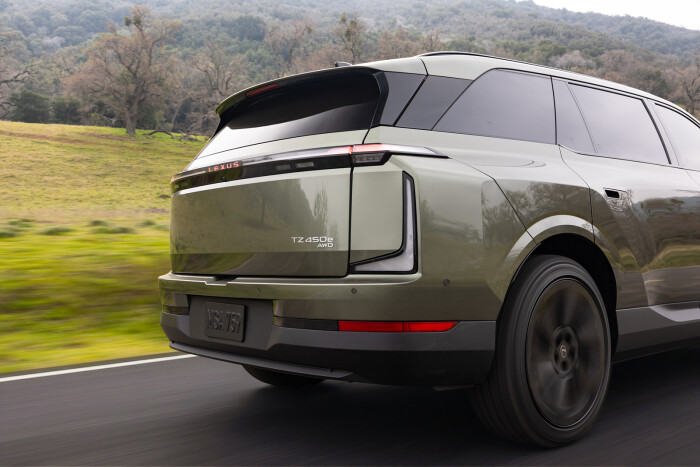
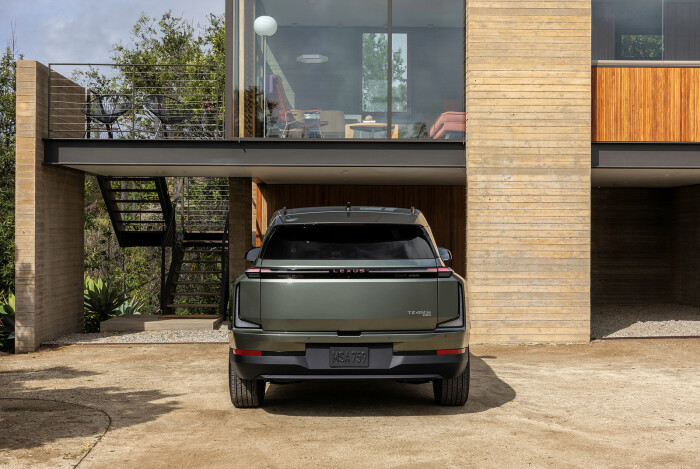
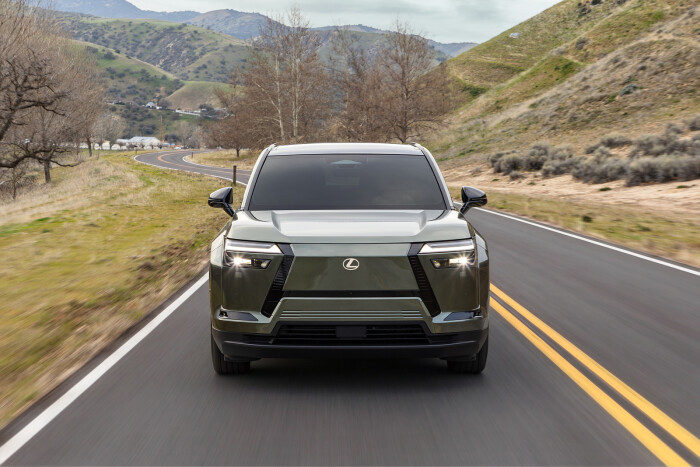
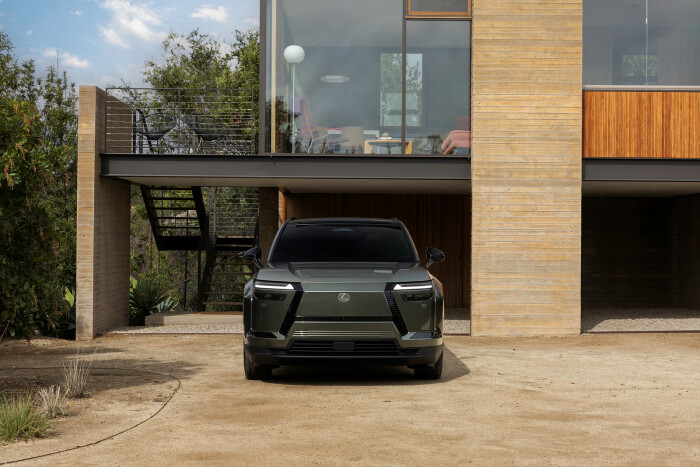
Lexus describes the TZ’s styling as a fusion of simplicity and sharpness, built around the brand’s spindle body architecture with geometric surface graphics. The company claims top-class aerodynamic performance among its SUV lineup — a claim it ties directly to driving range, not just bragging rights.
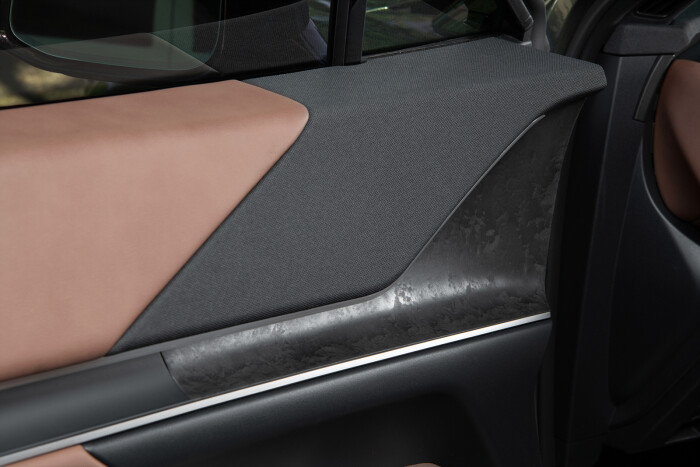
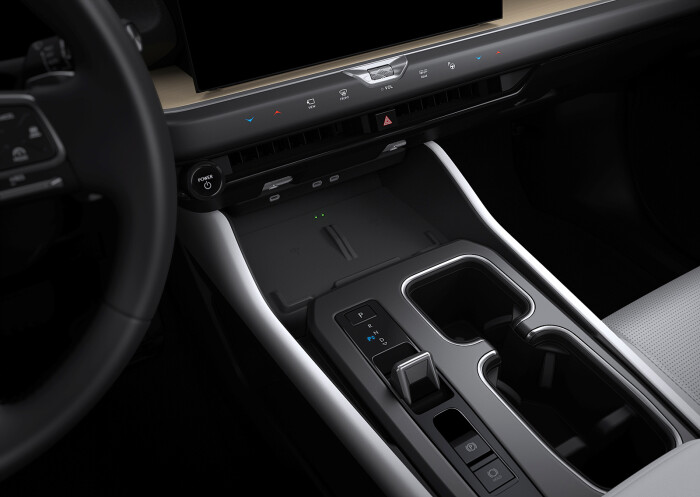
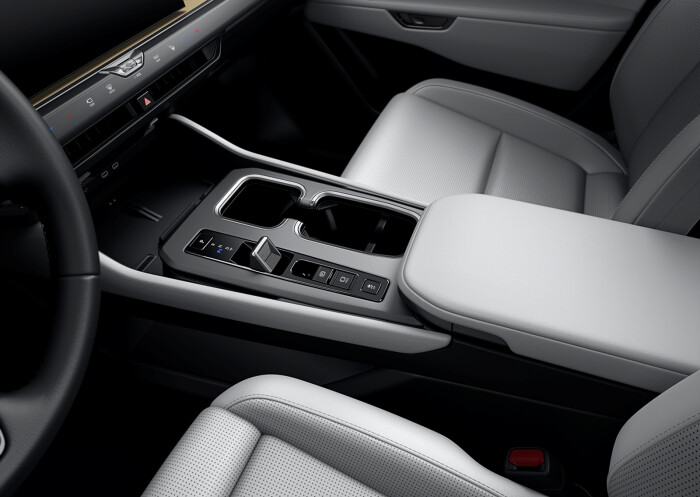
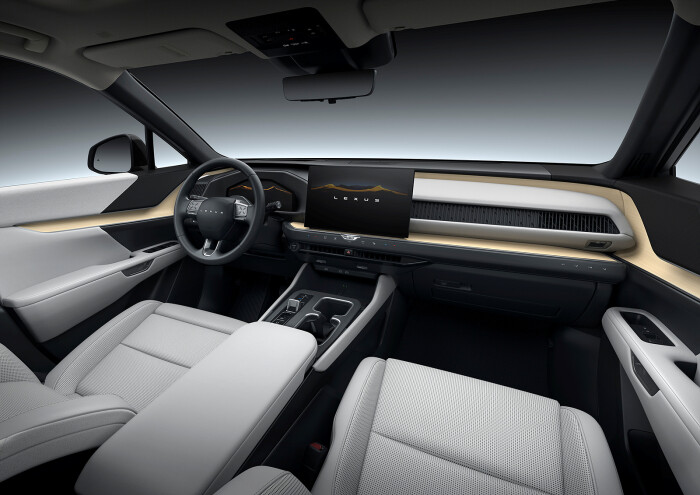
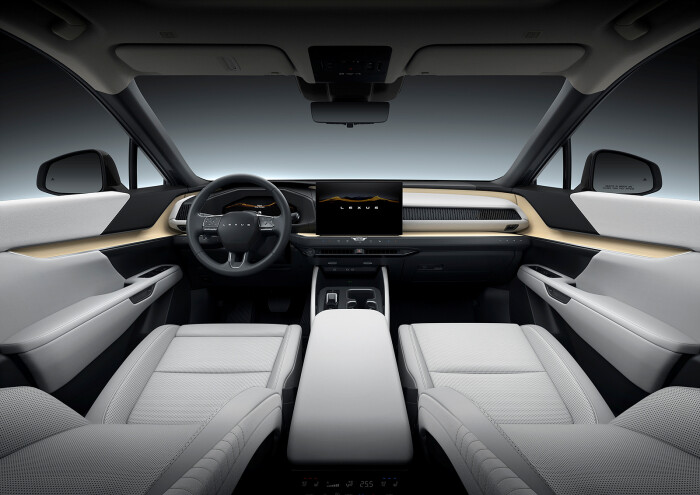
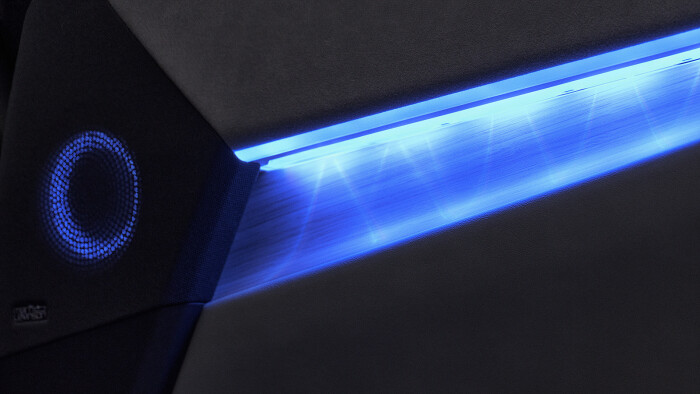
The wheels, offered in 22- or 20-inch fitments, were designed to balance visual presence with aerodynamic efficiency. Inside, surfaces are trimmed in Forged Bamboo, a material processed from Shikoku bamboo, alongside recycled aluminum. Sustainable sourcing, yes — but also genuinely distinctive to look at and touch.
Still a Prototype
Everything shown so far carries prototype status. Specifications will vary by region and configuration, and pricing hasn’t been announced. What is clear is that Lexus is positioning the TZ as a direct statement in the growing luxury three-row electric SUV segment — not a follower, but a definition of what that category should feel like on a Lexus budget.
Production details and market launch timing are to be confirmed.
Key Specifications (Prototype)
| Dimensions (L×W×H) | 5,100 × 1,990 × 1,705 mm |
| Wheelbase | 3,050 mm |
| Curb Weight | 2,630 kg |
| System Output | 300 kW / 408 hp |
| 0–100 km/h | 5.4 sec |
| Battery Capacity | 95.82 kWh |
| Range | 300 mi (EPA) / 530 km (WLTP) |
| DC Fast Charge (10–80%) | ~35 min at 150 kW |
| Towing Capacity | 3,500 lbs (NA) / 1,500 kg (EU) |
| Drivetrain | AWD |
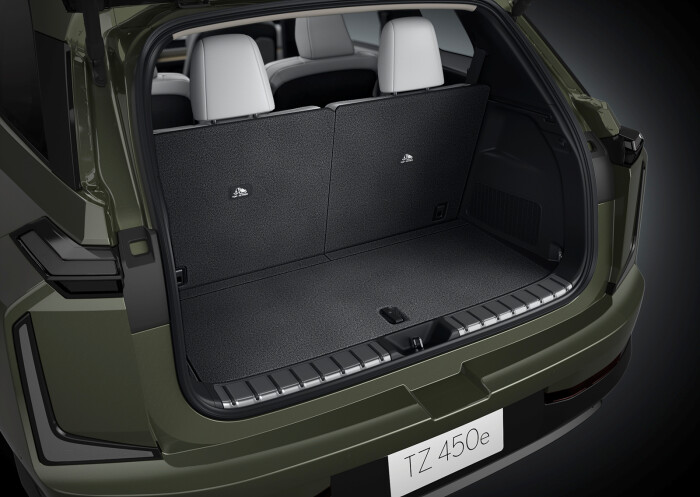
| Cargo Volume | 290L – 2,017L |