AMG’s first all-electric GT packs 1,169 horsepower, hits 60 mph in under two seconds, and charges 300 miles in ten minutes. Time to recalibrate.
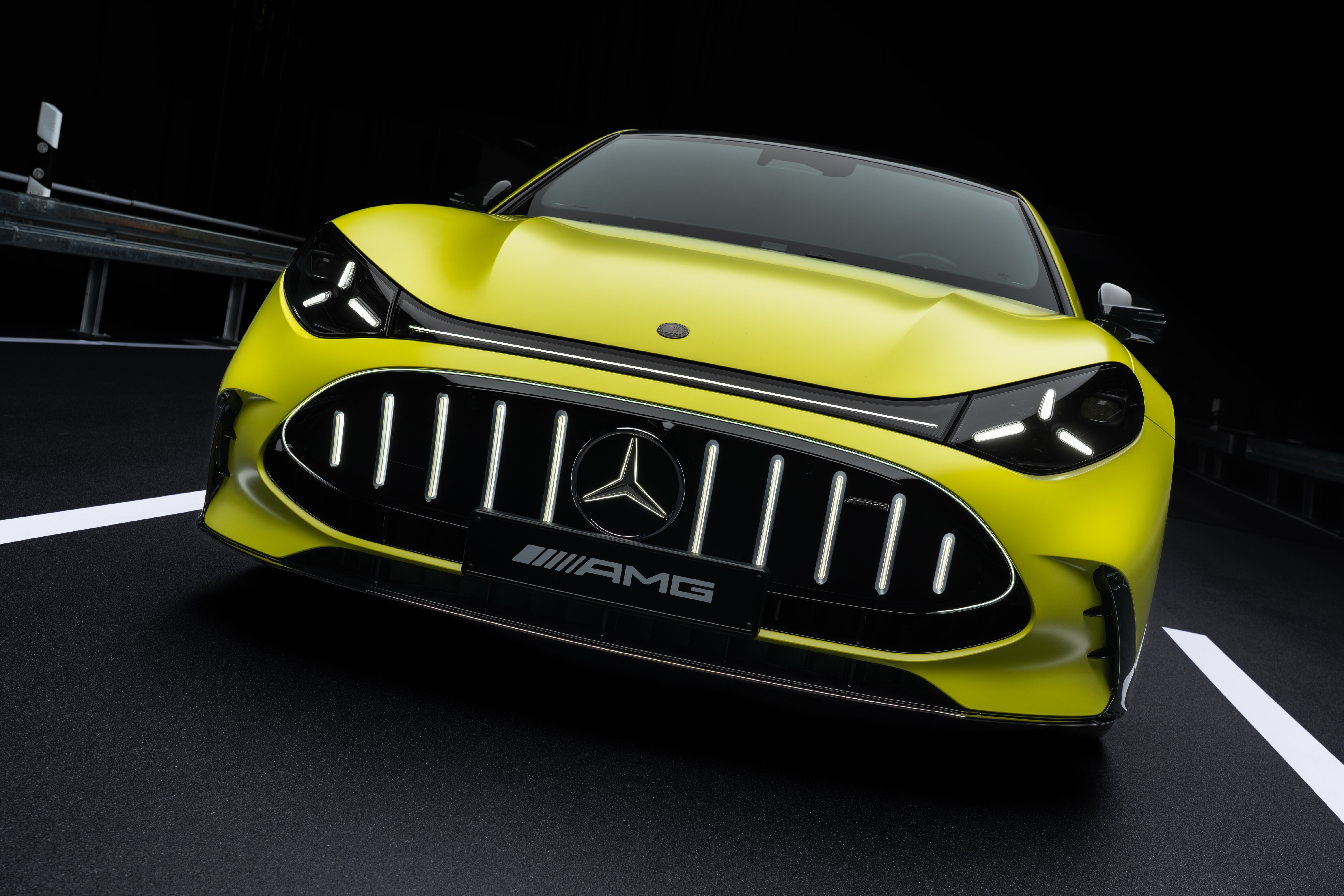
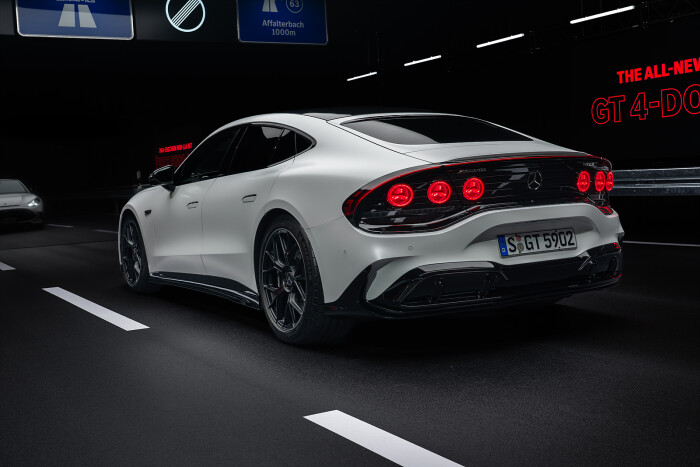
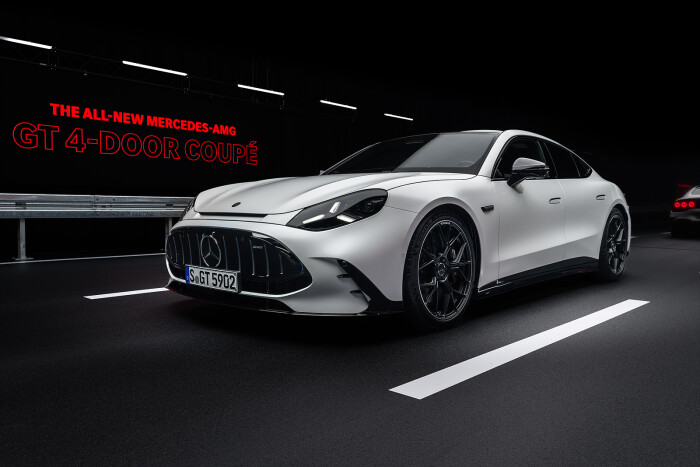
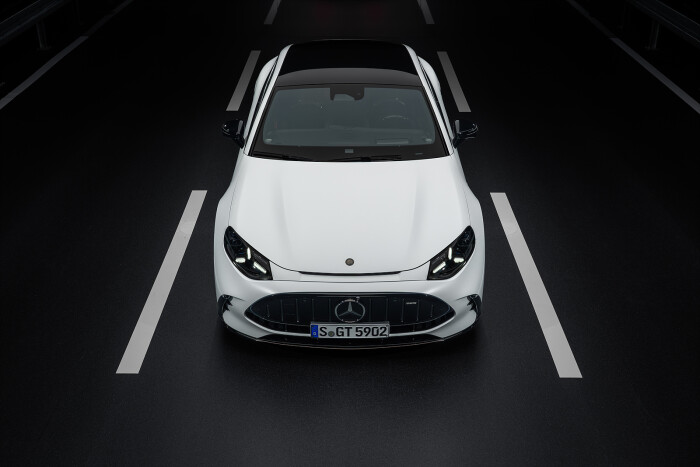
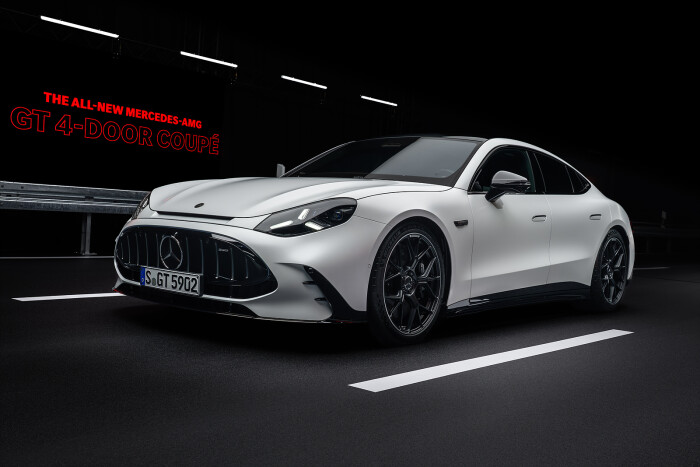
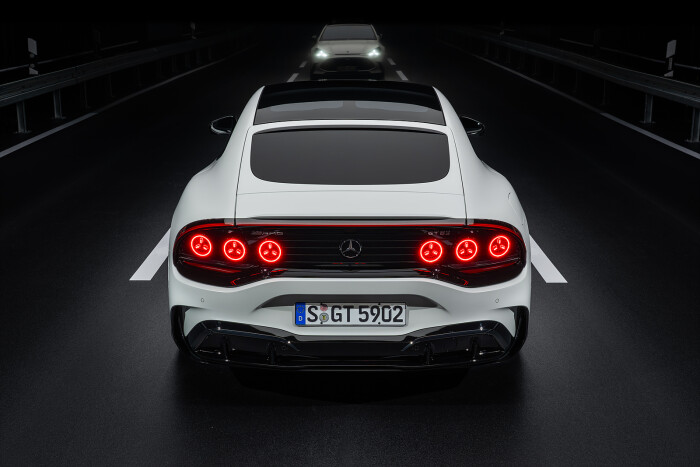
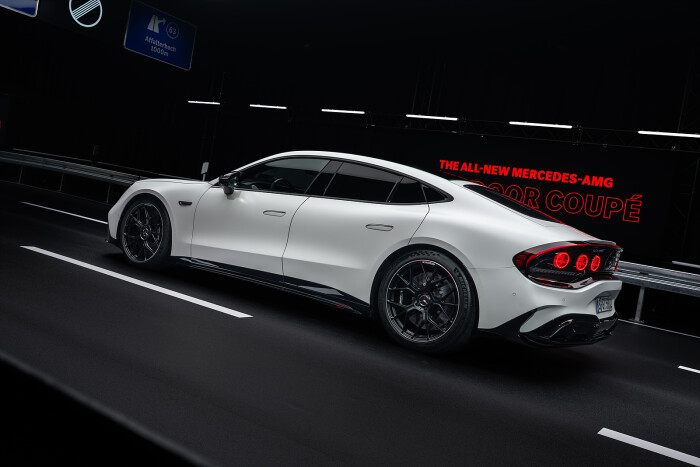
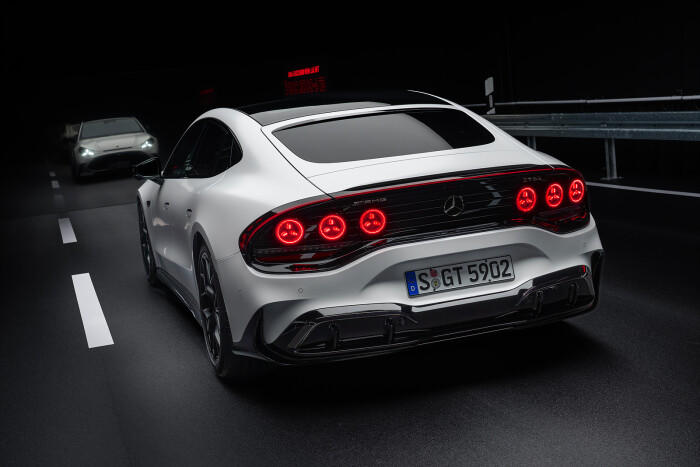
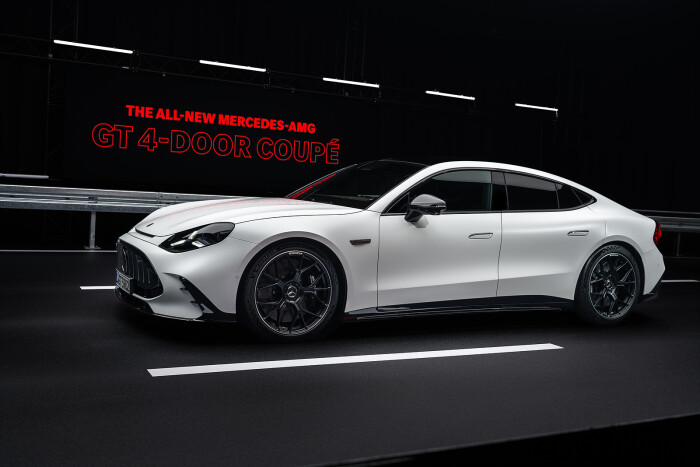
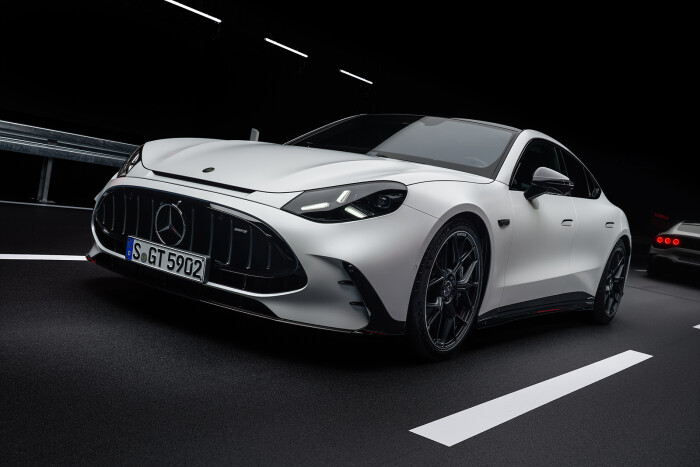
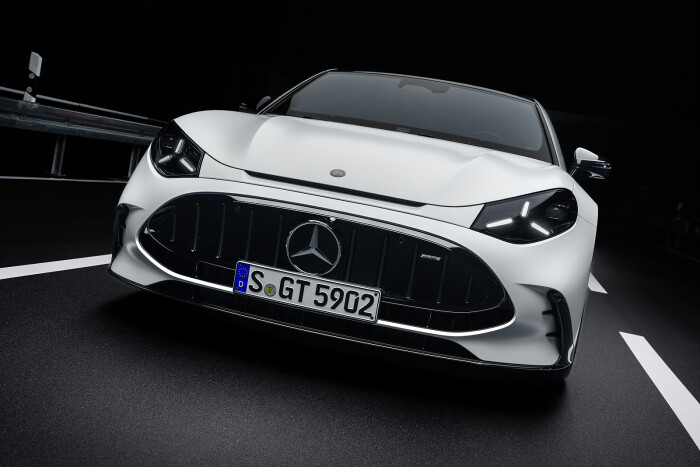
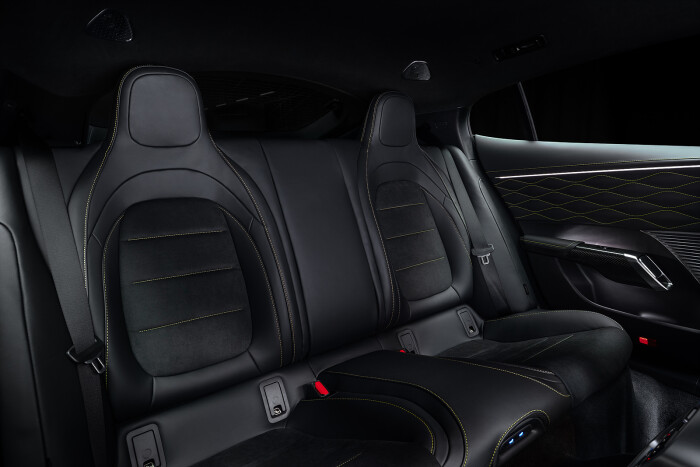
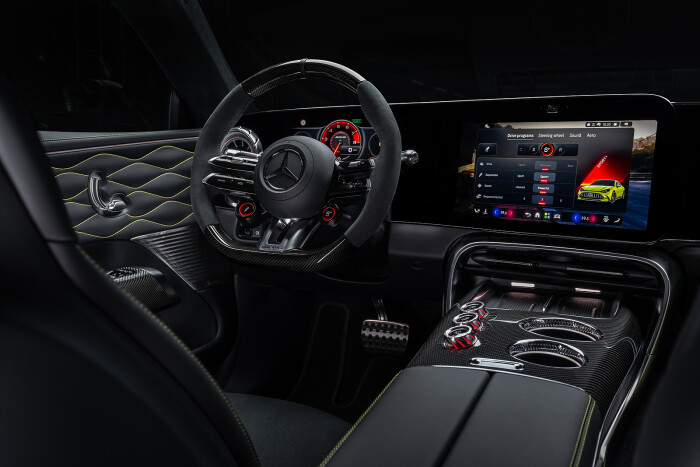
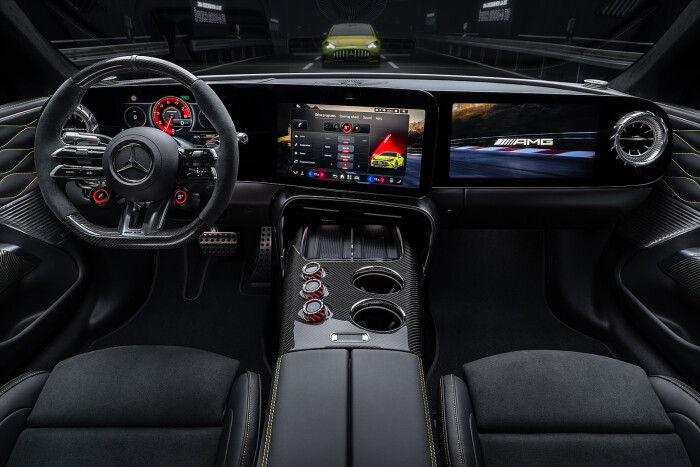
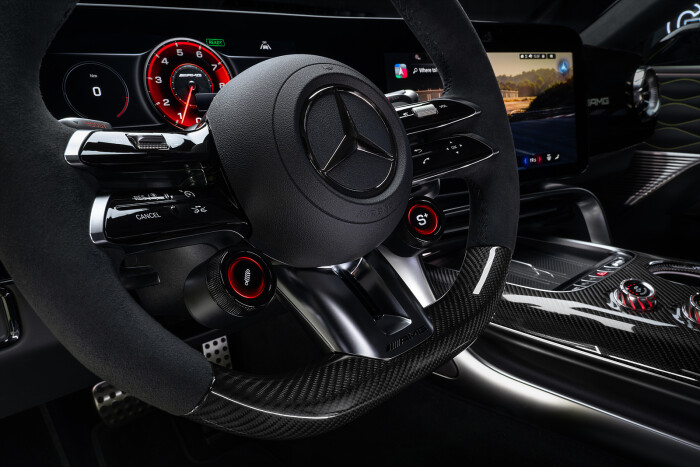
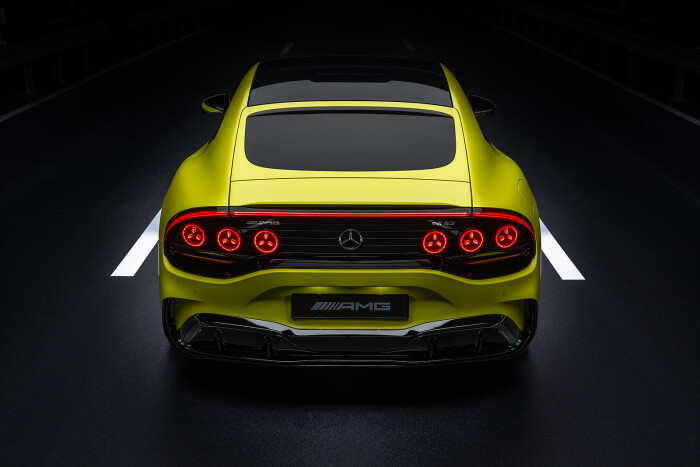
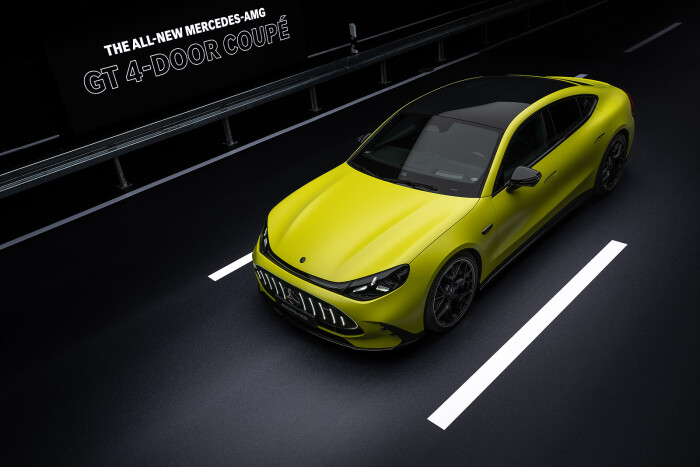
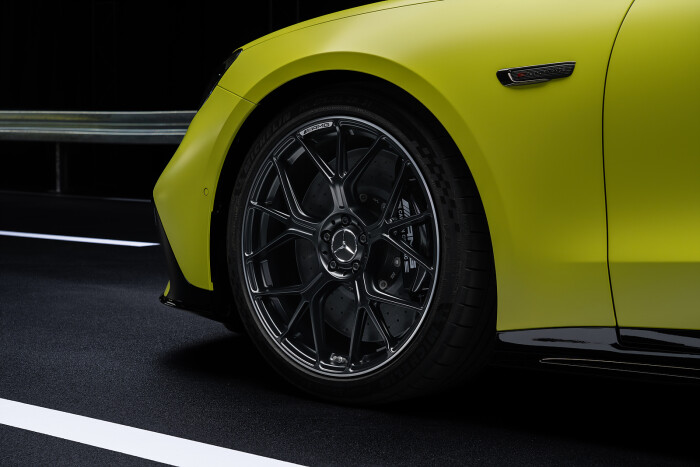
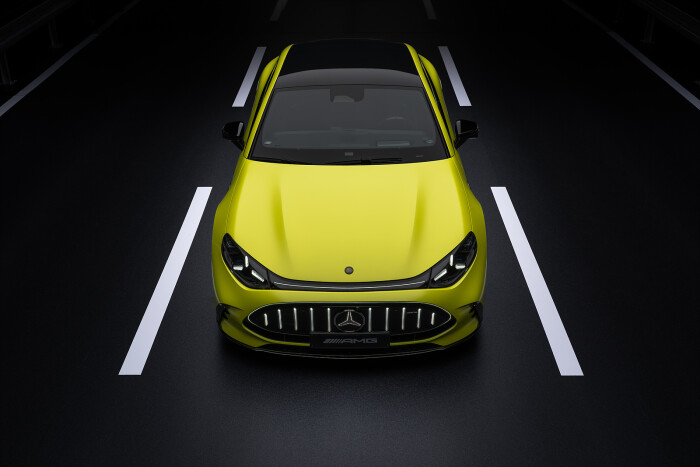
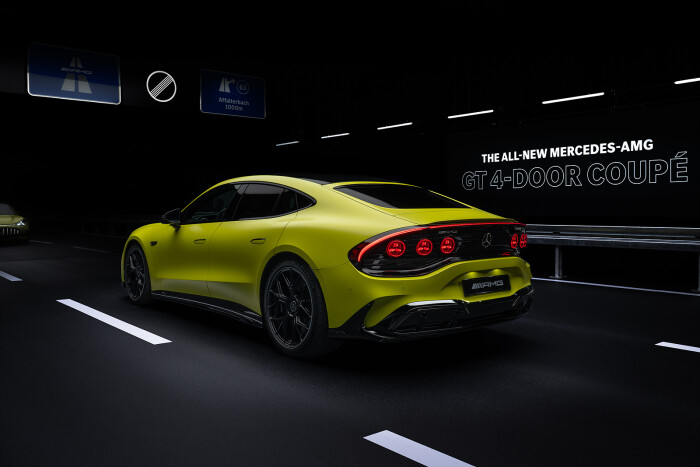
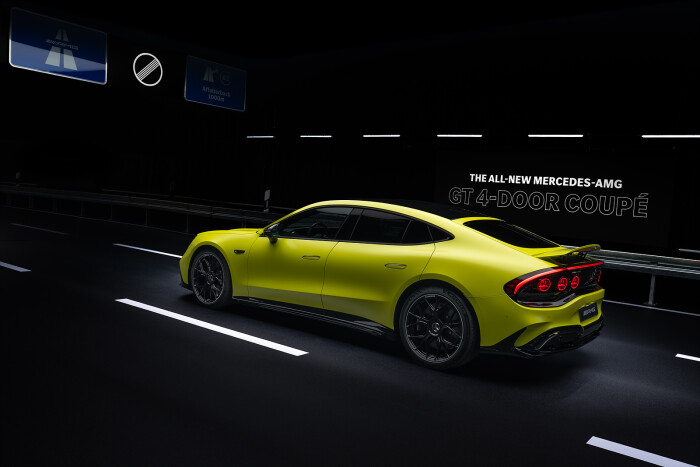
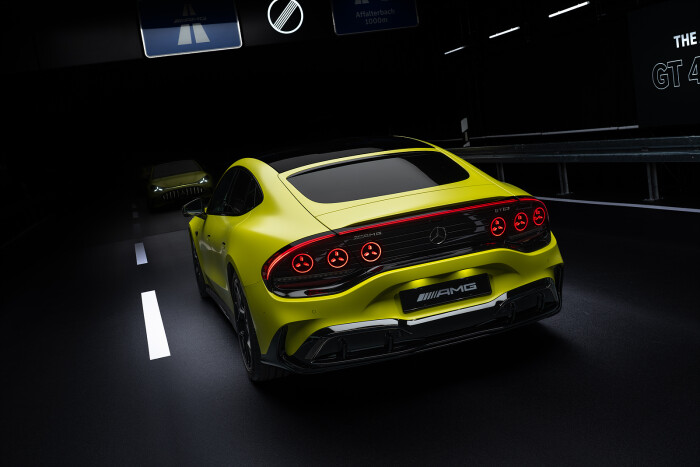
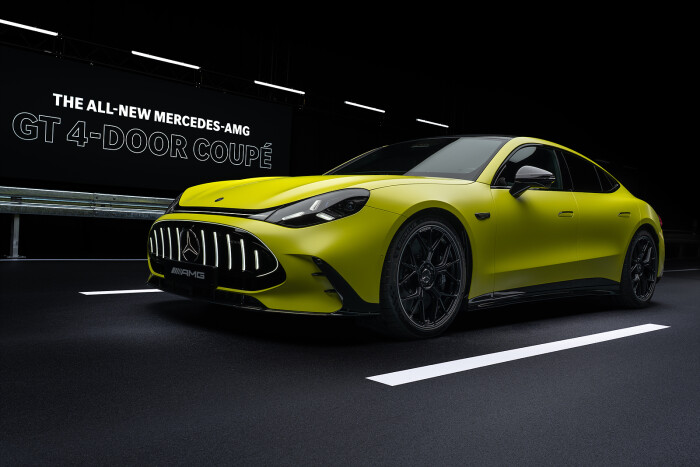
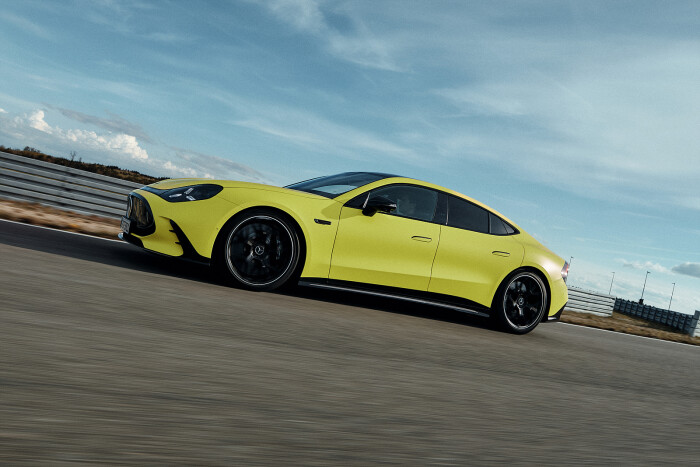
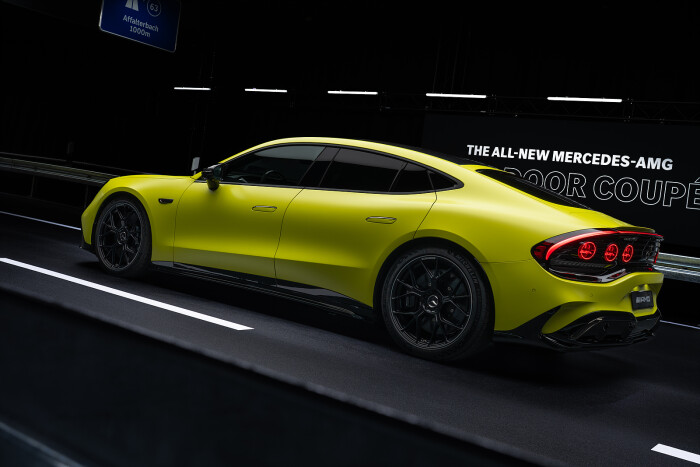
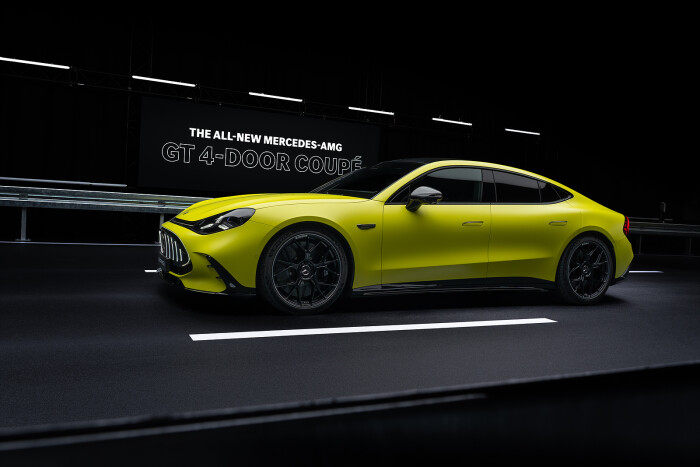
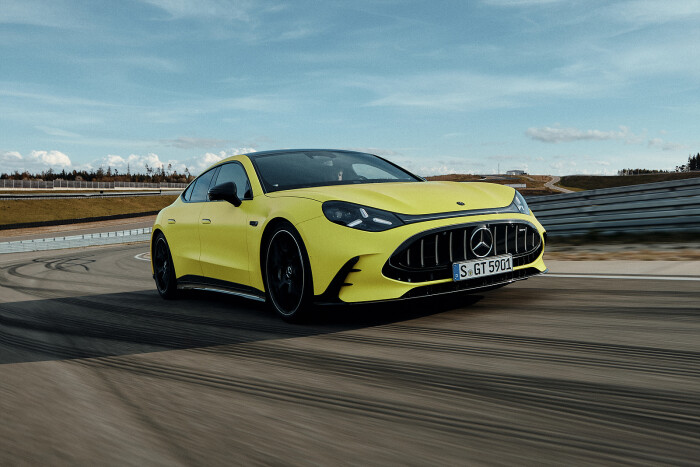
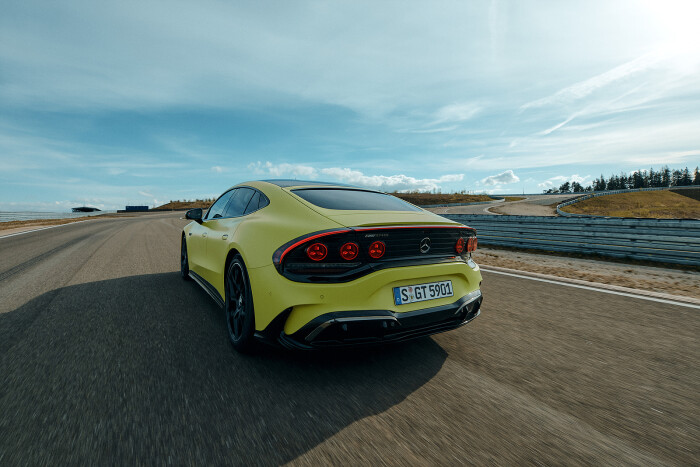
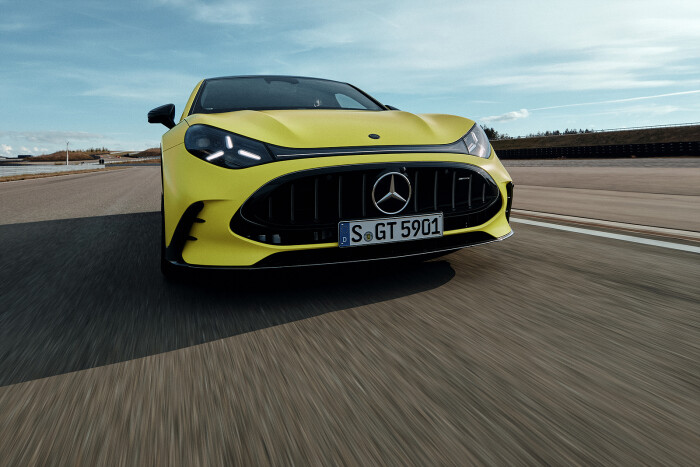
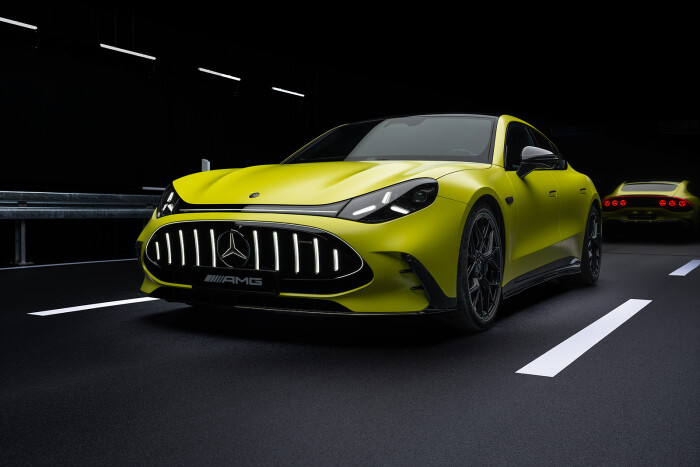
Let’s get the number out of the way first: 860 kilowatts. That’s 1,169 horsepower from an electric four-door sedan. Not a hypercar. Not a one-of-50 limited edition. A car you can walk into a dealership and order.
But peak power is easy. Any Tesla with a software update can flash impressive dyno numbers. What AMG is claiming here is something the electric car world has largely failed to deliver: sustained, repeatable, breathtaking performance. The kind you can lean on for an entire track day without the car tapping out after three hard runs.
The reason they can claim that comes down to the motors.
Three Motors, One Radical Idea
The new AMG GT 4-Door Coupé is the first production EV to use axial flux motors — three of them, two at the rear axle and one up front. If you’re not familiar with axial flux architecture, here’s the quick version: instead of electromagnetic flux running perpendicular to the motor’s rotation axis (like every conventional EV on the market), it runs parallel. The result is a motor that’s roughly pancake-shaped, exceptionally compact, and capable of producing more continuous torque than a radial flux unit of equivalent size.
AMG didn’t develop this technology from scratch. They acquired YASA, a British axial flux specialist, back in 2021. Four years of integration later, this is the payoff. Each rear motor is only about eight centimeters wide. The front unit is nine. All three together spin past 13,000 and 15,000 rpm respectively at top speed, and the system architecture is engineered to handle outputs beyond 1,000 kW if AMG ever decides to go there.
The GT 63 variant makes 860 kW (1,169 hp) and 2,000 Nm of torque. The GT 55 comes in at 600 kW (816 hp) and 1,800 Nm. Both hit 300 km/h (186 mph) with the optional Driver’s Package.
Zero to 60 in the GT 63: 2.1 seconds with a one-foot rollout. Zero to 124 mph: 6.4 seconds. These aren’t projections. That’s what AMG is publishing.
The Battery Is the Story
AMG didn’t just bolt a bigger battery into an existing platform. The AMG High Performance Electric Battery is a ground-up development co-engineered with Mercedes-AMG High Performance Powertrains in Brixworth — the same outfit that builds Formula 1 power units.
The cells themselves are unusual. Tall and slim, 105mm high and 26mm in diameter, with an aluminum housing instead of the conventional steel can. The aluminum saves weight but more importantly conducts heat far more efficiently. Each of the 2,660 cylindrical cells is individually bathed in a non-conductive cooling oil — direct immersion cooling, not a cold plate sitting underneath a module. Temperature uniformity across the pack is tight. That’s why the car can charge from 10 to 80 percent in 11 minutes flat.
Charging peak: 600 kW. In 10 minutes, you get roughly 460 kilometers of WLTP range back — about 70 kWh of energy added. In five minutes, 41 kWh. At highway speeds, that’s essentially a fuel stop.
The nominal voltage is 800 volts. Net capacity is 106 kWh. WLTP combined range for the GT 63 runs between 596 and 696 kilometers. In urban driving, the regeneration is efficient enough to push that north of 700 km.
This battery concept is also apparently designed for future chemistries that AMG says could enable over 700 km of WLTP range. They’re not shipping that today, but the architecture is ready for it.
How It Drives — On Paper
The chassis is a multi-link design at both ends, with all-aluminum front suspension components to cut unsprung mass. The rear-axle steering system swings up to six degrees in either direction. Below 80 km/h, the rears steer opposite to the fronts — virtually shortening the wheelbase for tighter cornering. Above 80, they steer in the same direction, up to one degree, effectively lengthening the wheelbase for stability at speed.
Roll control comes from AMG’s ACTIVE RIDE CONTROL air suspension, which replaces conventional anti-roll bars with hydraulically interconnected dampers. The system can go fully open on smooth highways for genuine ride quality, then stiffen progressively as cornering loads build. The air springs are triple-adjustable, and the 8.2-liter pressure reservoir enables fast ride-height changes — speed-dependent lowering is standard.
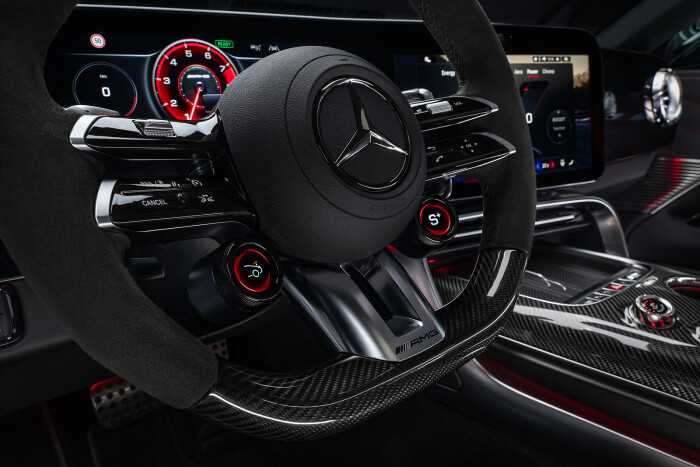
Braking is handled by a hybrid system: carbon-ceramic rotors up front, steel in the rear. Regenerative braking can be adjusted via the steering wheel paddles independently of the drive program.
The front motor can disconnect completely during light-load cruising via a Disconnect Unit that uncouples it in milliseconds, cutting drag losses. The car defaults to rear-wheel drive in Eco mode and all-wheel drive when performance or traction demands it.
Seven Modes, One Unusual One
AMG DYNAMIC SELECT runs the usual range — Comfort, Sport, Sport+, Race, Slippery, Individual, and new for this car: Eco. But the one that will get people talking is AMGFORCE Sport+.
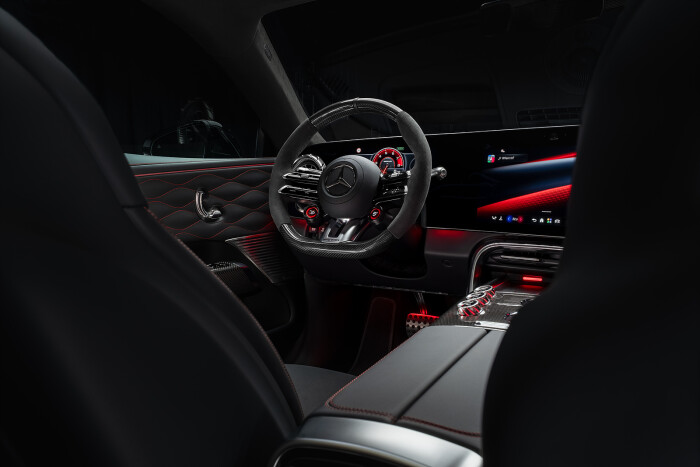
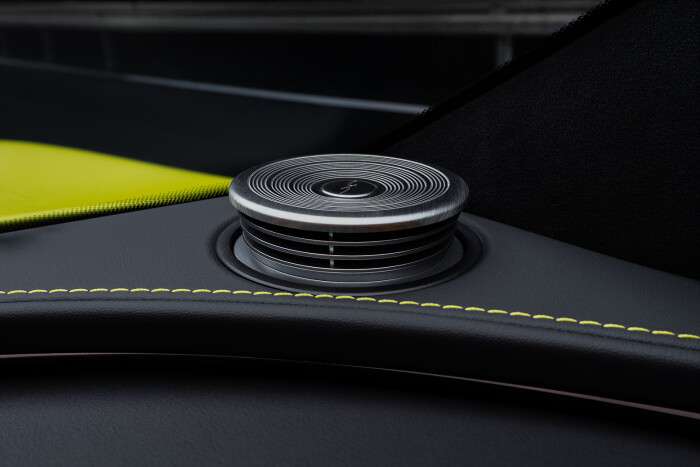
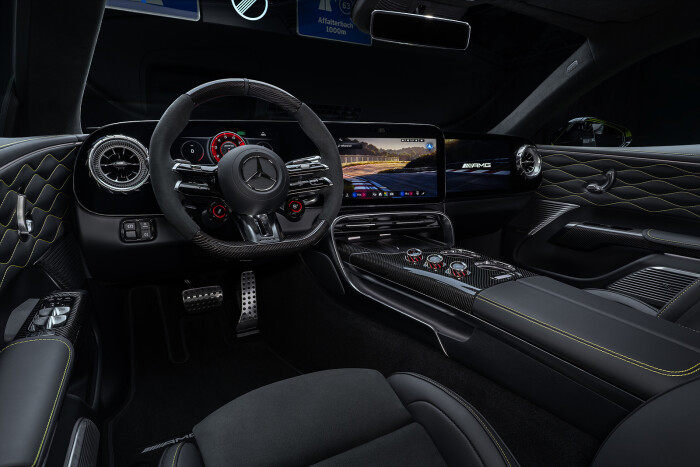
In this mode, the car synthesizes a V8 experience. The sound system plays back a patent-pending blend built from over 1,600 individual audio samples, mixed in real time by an onboard algorithm that reads throttle position, speed, and load. The powertrain simultaneously generates haptic gear shift pulses — simulated upshifts and downshifts you can feel through the seat and chassis. The instrument cluster shifts to a central-tube layout styled after a traditional tachometer.
AMG is not the first to try synthetic engine sounds, but the level of engineering described here — granular sample loops, real-time mixing, synchronized haptics — is considerably more sophisticated than what competitors have offered. Whether it actually feels convincing at eight-tenths on a back road is a question we need seat time to answer.
Race Engineer, Literally
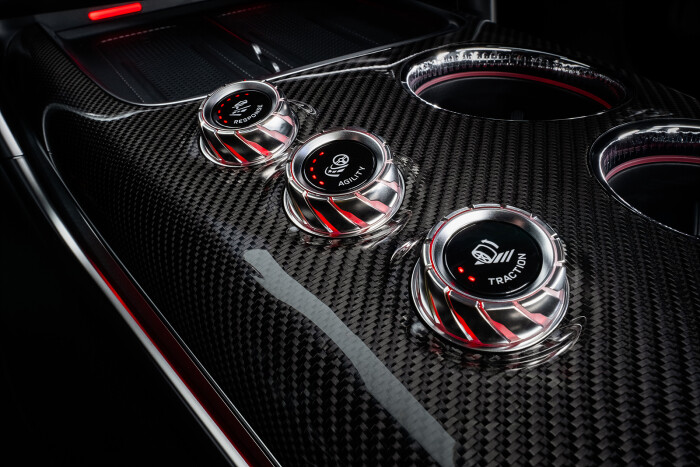
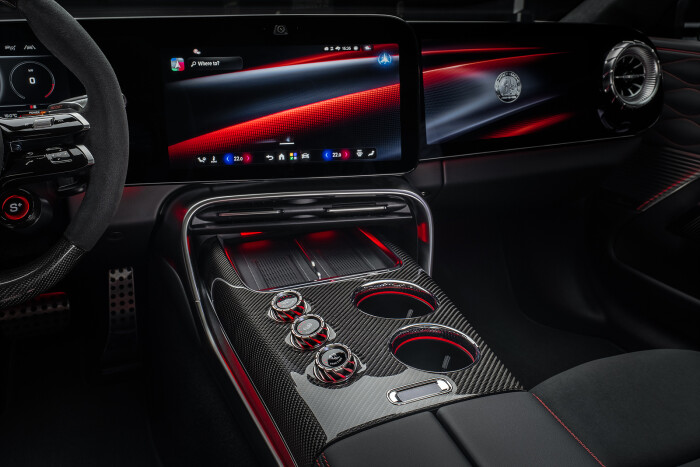
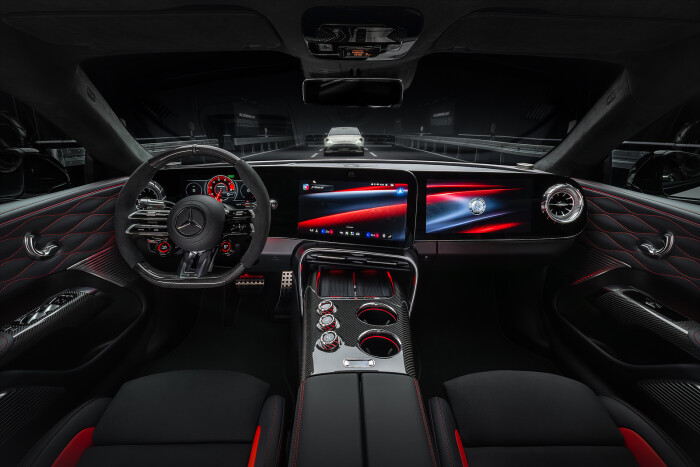
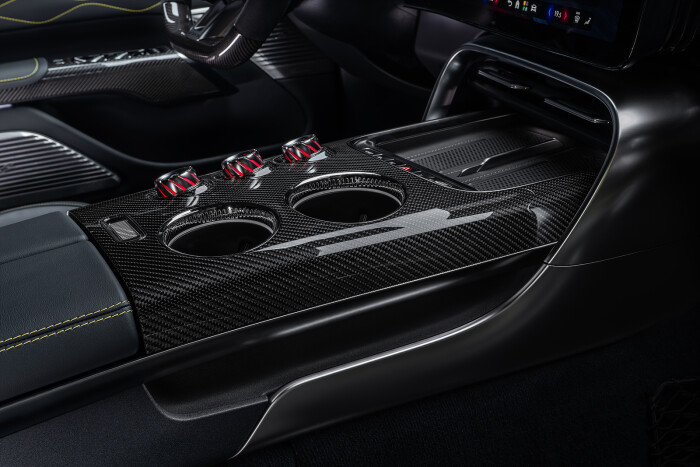
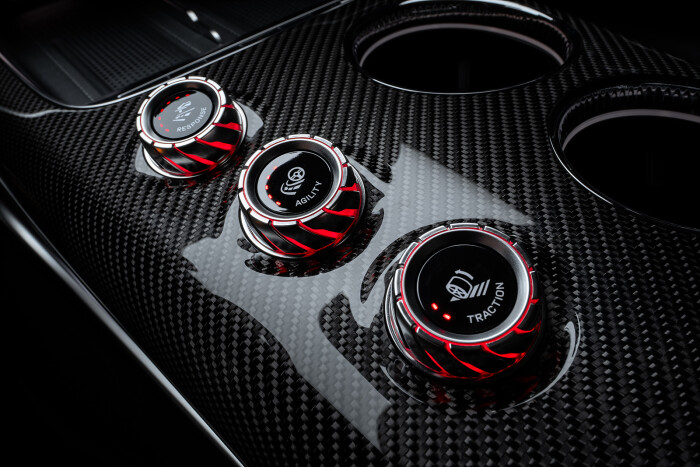
Three rotary controllers on the center console let the driver independently adjust throttle response, cornering behavior (front-to-rear torque split bias), and traction slip intervention across nine stages. These are the AMG RACE ENGINEER Control Unit dials, and they operate only in Sport+, S+, and Race with ESP off — which is the appropriate context for them.
The overarching AMG RACE ENGINEER system is effectively the car’s central compute brain for powertrain and dynamics. AMG says the core chip is among the most powerful available in any production vehicle. Whether or not that claim holds up to scrutiny, the software — controlling drive, recuperation, thermal management, and charging — is entirely AMG in-house code.
The Numbers That Matter
| Spec | GT 63 | GT 55 |
|---|---|---|
| Peak Output | 860 kW / 1,169 hp | 600 kW / 816 hp |
| Torque | 2,000 Nm | 1,800 Nm |
| 0–100 km/h | 2.1 s (rollout) | 2.5 s (rollout) |
| Top Speed | 300 km/h (w/ pkg) | 300 km/h (w/ pkg) |
| Battery | 106 kWh (net) | 106 kWh (net) |
| DC Charging | 600 kW peak | 600 kW peak |
| 10–80% SoC | 11 min | 11 min |
| WLTP Range | 596–696 km | 597–700 km |
| Curb Weight | 2,460 kg | 2,460 kg |
| Length | 5,094 mm | 5,094 mm |
| Cd | 0.22 | 0.22 |
Production starts in Sindelfingen in summer 2026. Pricing will be announced closer to launch, pegged to comparable predecessors.
The weight is the one number that gives us pause. At 2,460 kg, the AMG GT 4-Door is carrying a serious mass penalty that no amount of axial flux motor ingenuity fully erases in the real world. AMG’s answer to that is torque — specifically, the kind of instantaneous, precisely vectored torque that four independently controlled electric motors deliver on demand.