The all-electric flagship saloon gets its most comprehensive overhaul yet — and it’s gunning for every anxiety you’ve ever had about long-distance EV travel.
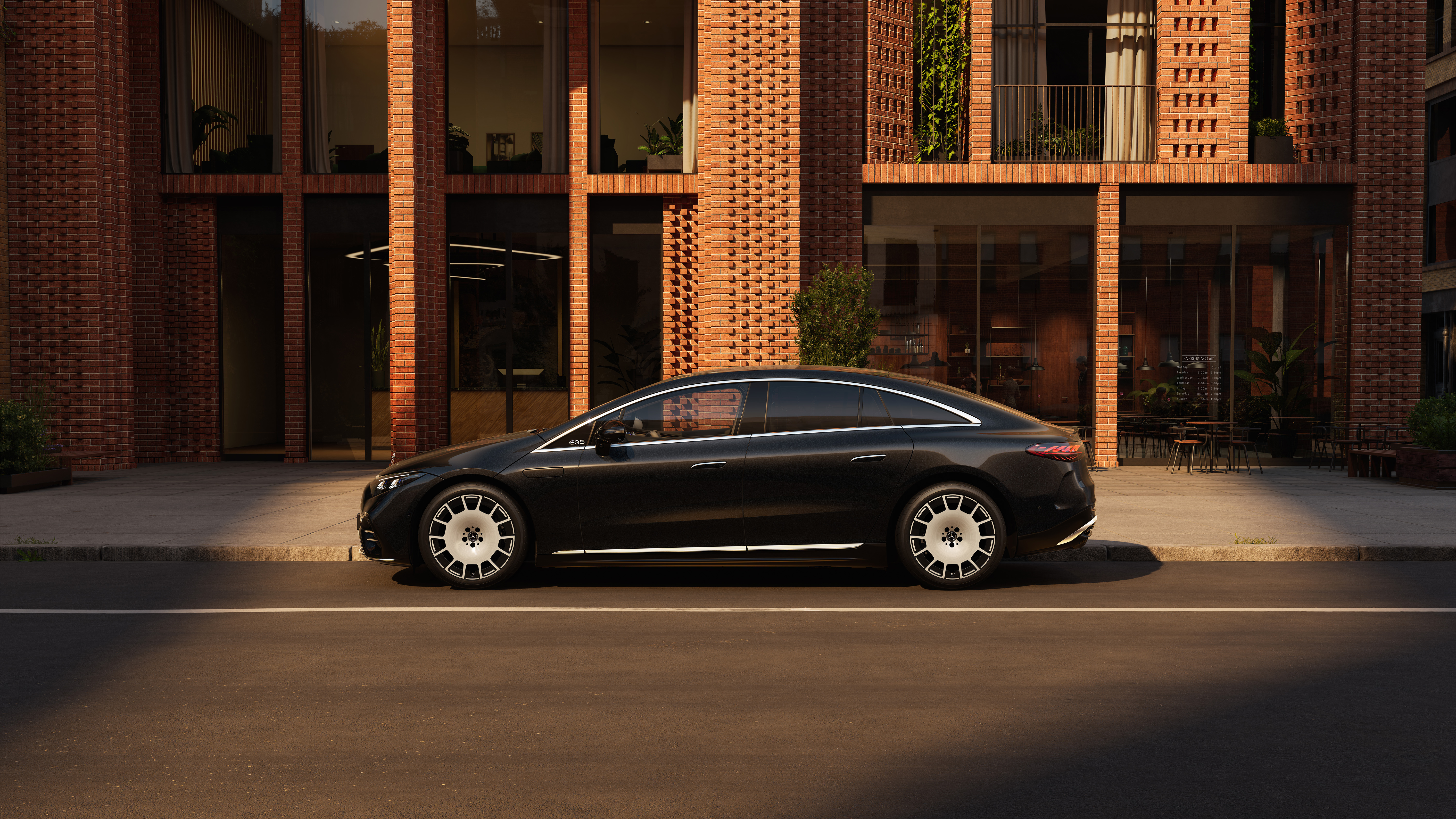
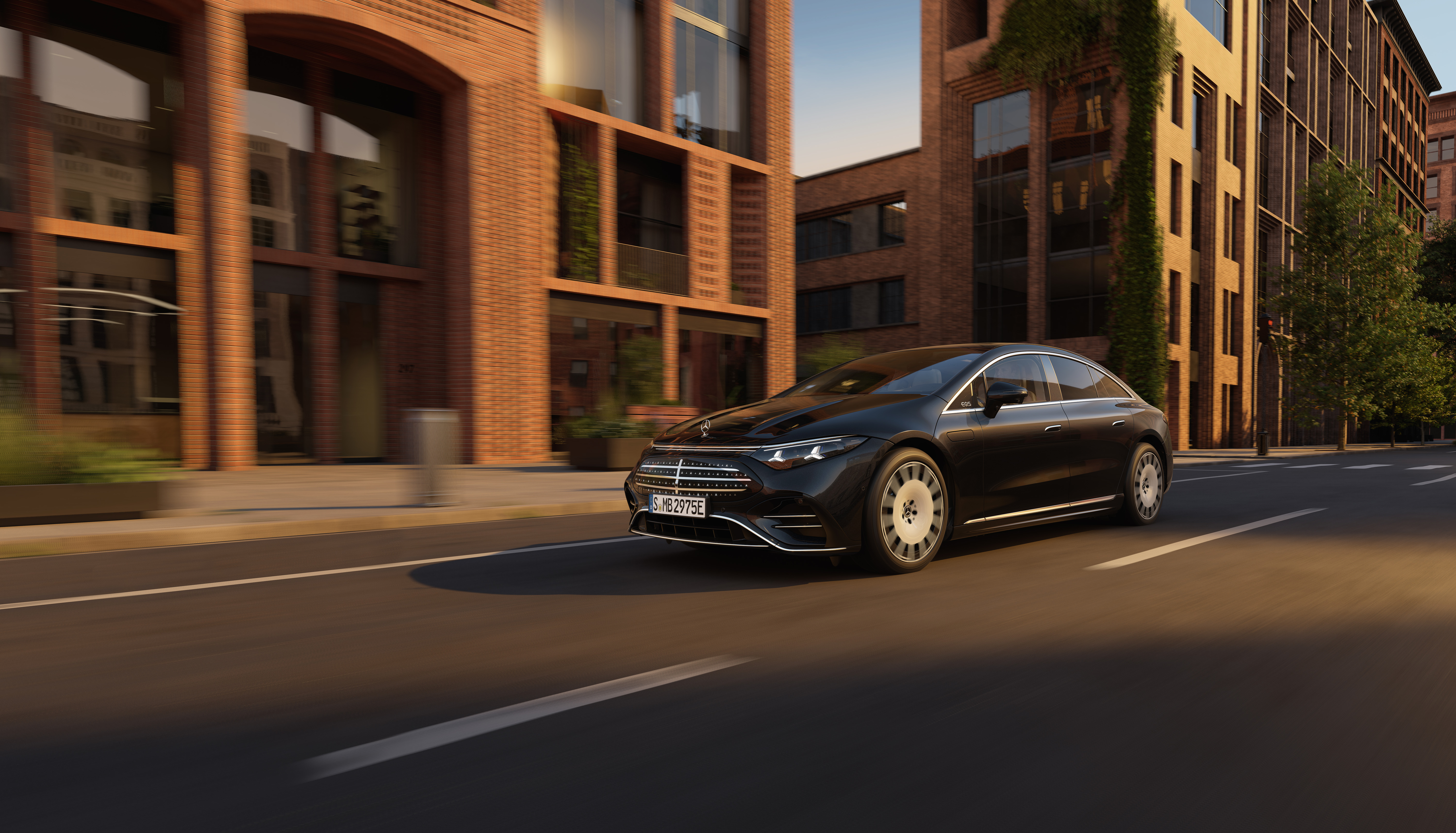
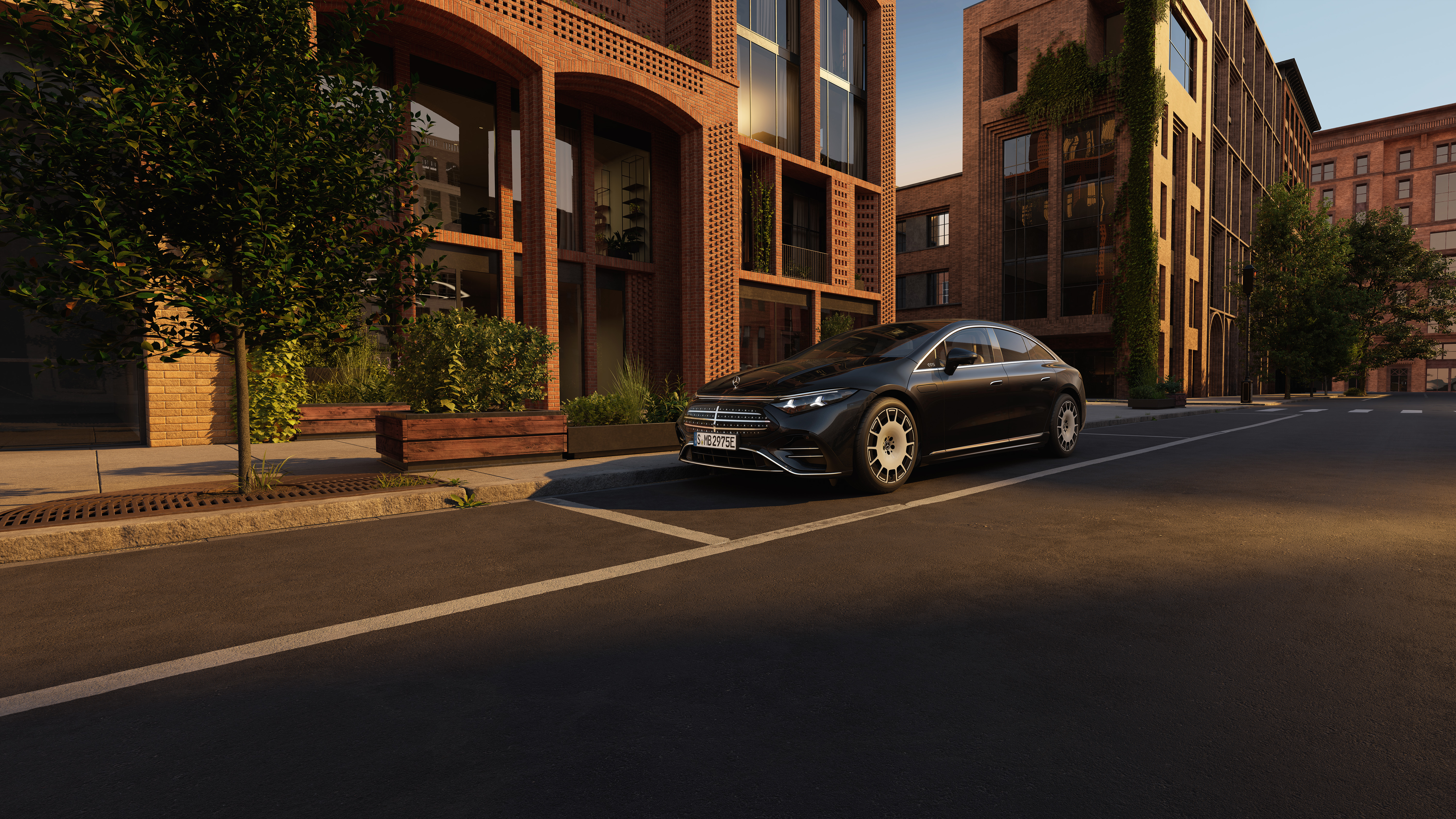

Range anxiety is so 2021. At least, that’s the message Mercedes-Benz is sending with the thoroughly reimagined EQS, a car that has been rebuilt from the inside out to the point where over a quarter of its components are either new or significantly revised. The headline number — 926 kilometers of WLTP-rated range in the EQS 450+ — would have seemed like science fiction just a few years ago. Now it’s the baseline.
But range alone doesn’t tell this story. The real news is what Mercedes had to engineer to get there, and the cascade of technologies that came along for the ride.
A New Architecture That Changes Everything
The foundation of the new EQS is an 800-volt electrical architecture, a significant leap from its predecessor. Paired with in-house-developed electric drive units and a two-speed gearbox on the rear axle — a first for the model — the powertrain logic is genuinely clever: first gear launches the car with authority, while a long-ratio second gear optimizes efficiency at highway speeds and pushes top speed higher without sacrificing range. It’s the kind of thinking you’d expect from a transmission engineer, not an EV startup.
The battery pack in the top-tier variants grows to 122 kWh usable, up from 118 kWh, while maintaining the same physical footprint. The trick is a revised cell chemistry blending silicon oxide into the graphite anodes, which increases both gravimetric and volumetric energy density. Cobalt content has been reduced further, too — a quiet but meaningful step in the right direction for supply chain sustainability.
Regenerative braking has also taken a leap, with recuperation capacity climbing to 385 kW. In real-world driving, that translates to almost complete one-pedal capability and substantially more energy returned during deceleration.
Charging That Actually Keeps Up With the Range
A 926-kilometer range number means nothing if charging takes all day. Here, the 800-volt architecture earns its keep. At compatible high-power stations, the EQS can pull up to 350 kW, recovering roughly 320 kilometers of range in just 10 minutes. For those stuck at a conventional 400-volt station, a smart battery management system electronically splits the pack into two halves, each charging at up to 175 kW simultaneously — so you’re not penalized for infrastructure limitations.
Plug & Charge support means you walk up, plug in, and drive away. No apps, no RFID cards, no fumbling.
Steer-by-Wire: Mercedes Makes History
Perhaps the boldest claim in this entire package: Mercedes-Benz is the first German automaker to bring steer-by-wire to a production car. The steering wheel and front wheels are no longer mechanically connected. Instead, sensors read driver inputs and electric actuators execute them with precision — and without any of the unwanted road vibration that traditional setups transmit back through the column.
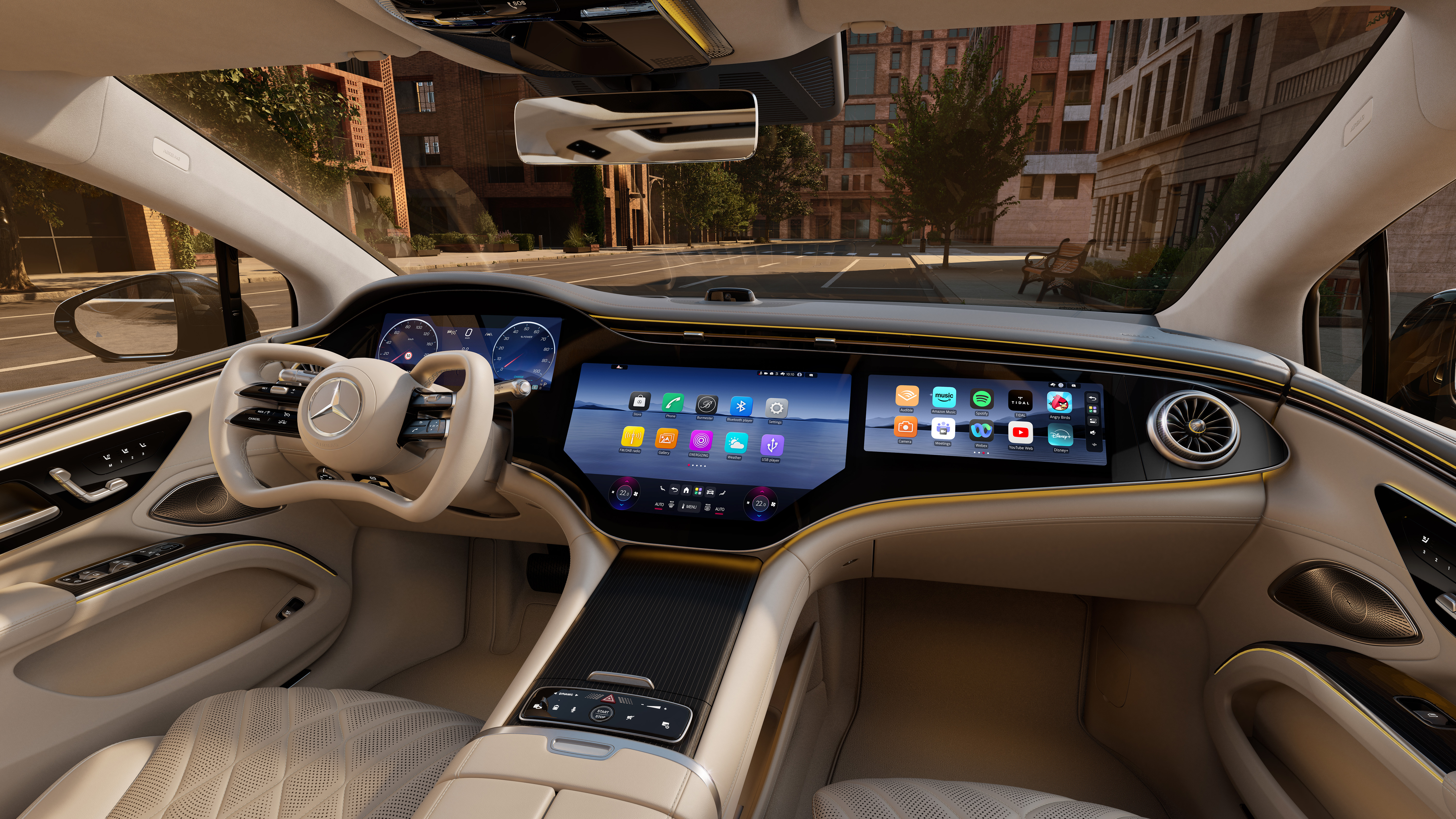
The practical benefits stack up quickly. Steering effort can be calibrated more freely across different driving modes. The wheel itself is flatter, improving sightlines to the driver display and making entry and exit noticeably easier. Maneuvering is more intuitive, as the system eliminates the need to reposition your hands during tight-radius turns.
Safety is handled through full redundancy — two independent signal paths ensure steering authority is always maintained. In the extreme edge case of a complete system failure, rear-axle steering and targeted brake interventions via ESP can still manage lateral control. Mercedes has also retained conventional electromechanical steering as an option for those not yet ready to cut the cord.
MB.OS: The Car That Updates Like a Phone
The new EQS runs on the Mercedes-Benz Operating System — MB.OS — a vehicle-wide software platform that the company describes as a supercomputer. Connected to the Mercedes-Benz Intelligent Cloud, it delivers over-the-air updates across every software domain in the car, from driver assistance to infotainment to powertrain calibration.
The MBUX Virtual Assistant has been upgraded with AI, including contributions from Microsoft. It can handle complex, multi-part natural language conversations and is represented on-screen by one of three avatars — including the charming “LittleBenz,” which is exactly as quirky as it sounds. The system draws on live internet knowledge, which means it’s not limited to the vocabulary baked in at the factory.
The MBUX Hyperscreen — over 55 inches of continuous glass housing three displays — remains standard and has been refined rather than redesigned. A customizable footer bar surfaces the most relevant content at a glance. The passenger display now supports live video streaming, with a camera-based system ensuring that moving content is hidden from the driver’s view if they glance sideways.
Navigation with Electric Intelligence continues to be one of the most sophisticated route planners in the EV segment, factoring in elevation, traffic, charging stops, battery preconditioning, and even predicted wind conditions along the route. It can determine whether two short, high-power charges beat one longer stop — and it’ll adjust the plan dynamically if traffic or driving style changes en route.
Light, Air, and Seat-Belt Warmth
The new Digital Light system switches to micro-LED technology, expanding the high-resolution beam field by 40 percent while consuming up to half the energy of the previous unit. The dynamic ULTRA RANGE high beam reaches 600 meters — about six football pitches — and can now swivel as the car corners. Partial high-beam functionality integrates into the cornering light itself, improving illumination of vulnerable road users without blinding oncoming traffic.
Inside, the front seat belts now incorporate heating elements that warm to 44 degrees Celsius in cold conditions. It’s a feature that first appeared on an experimental safety vehicle in 2019 and has now made it to production — and Mercedes makes a valid point that warm passengers are more likely to remove bulky jackets before buckling up, improving restraint effectiveness in a crash.
A 9.82-liter HEPA filter upstream of the cabin air intake catches 99.65 percent of incoming particles, with activated carbon layers targeting sulphur dioxide, nitrogen oxides, and odors. The rear seats gain a new pair of 13.1-inch displays with redesigned remote controls, HD cameras for video conferencing, and a Burmester 3D surround system running Dolby Atmos through 15 speakers at 710 watts.
The Numbers Behind the Name
| Variant | Output | Battery | Range (WLTP) |
|---|---|---|---|
| EQS 400 | 270 kW | 112 kWh | TBD |
| EQS 450+ | — | 122 kWh | 926 km |
| EQS 500 4MATIC | — | 122 kWh | TBD |
| EQS 580 4MATIC | — | 122 kWh | TBD |
Max charging: 350 kW | Towing capacity (RWD): 1,600 kg | Drag coefficient: 0.20 Cd
Verdict: The EQS Grows Up
The first EQS was impressive but occasionally awkward — a lot of ambition in a body that wasn’t quite sure what it wanted to be. This new generation feels more resolved. The range is genuinely competitive with the best the segment has to offer. The steer-by-wire is a legitimate industry first. And MB.OS, if it delivers on its promise of continuous improvement, turns the EQS into a product that gets better over time rather than aging toward obsolescence.
The 2026 EQS isn’t just asking you to reconsider your assumptions about electric luxury. It’s making a fairly strong case that you should.
Energy consumption: EQS 450+ combined 15.4–19.3 kWh/100 km | CO₂: 0 g/km | CO₂ class: A