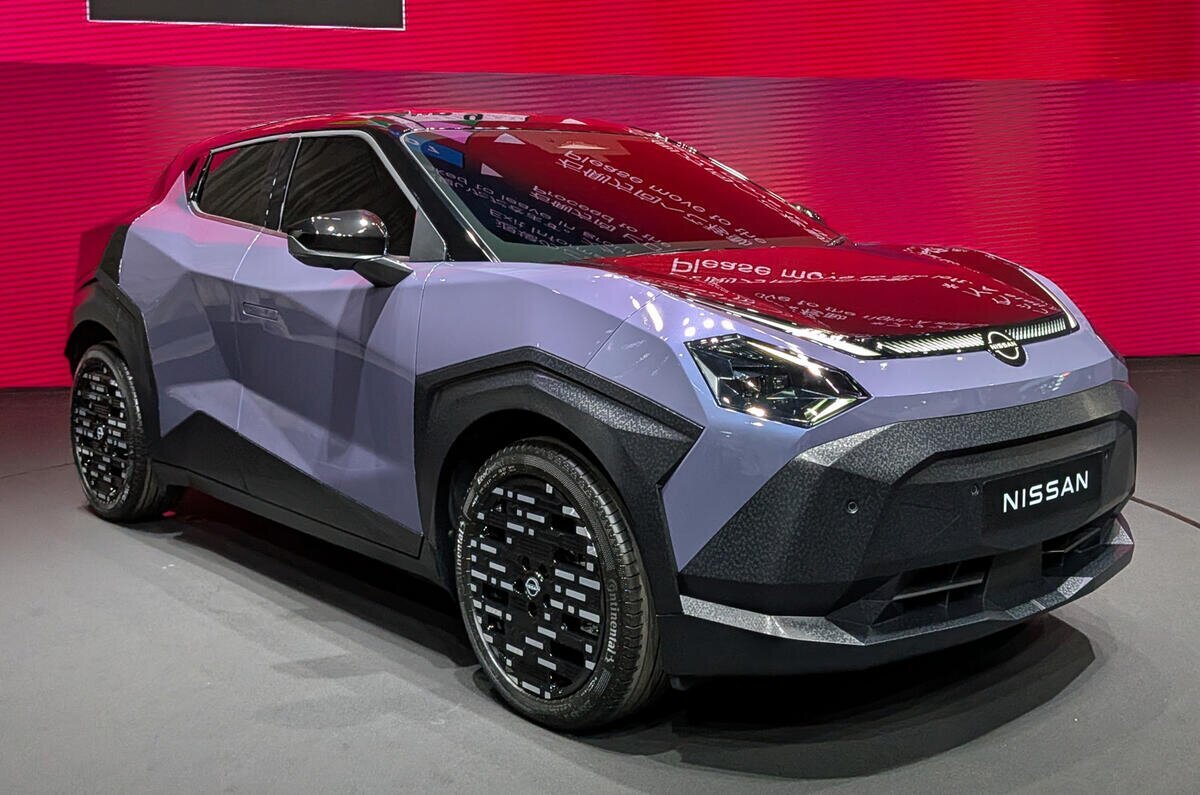
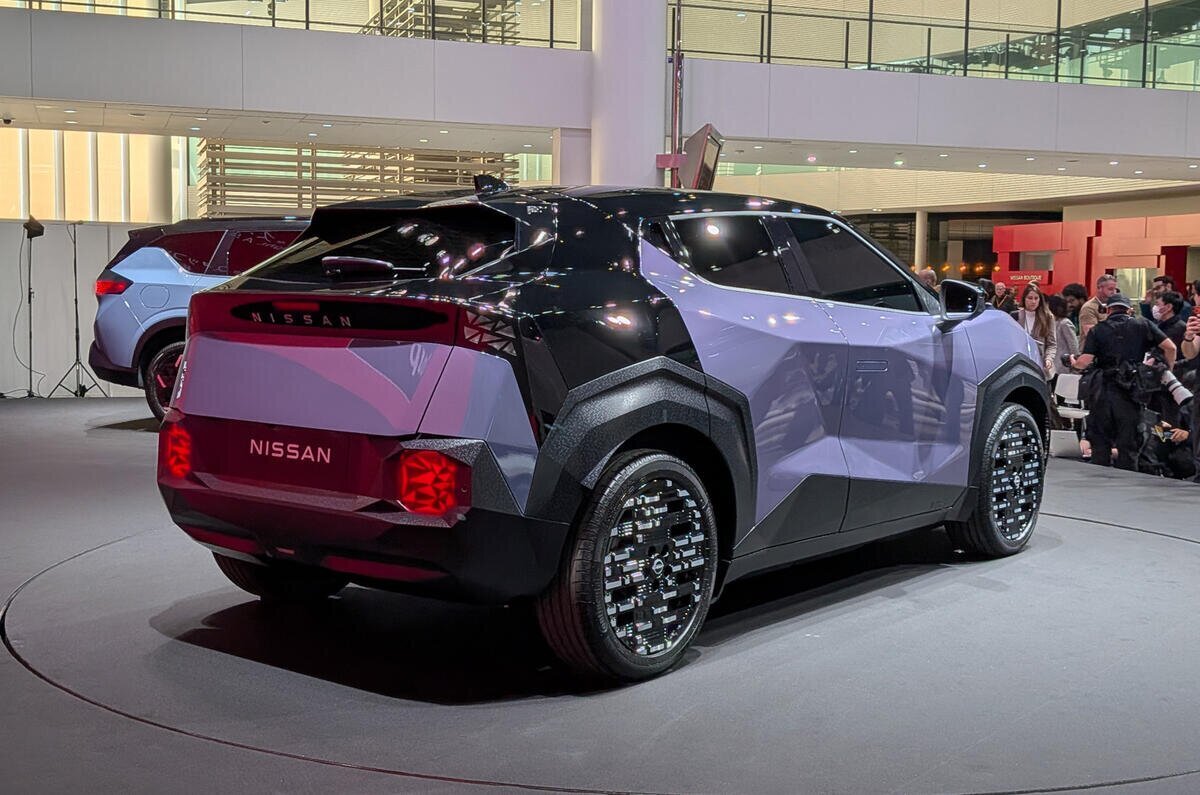
Fifteen years after it invented a segment, the JUKE is reinventing itself — with a fully electric powertrain and a production line in the UK to back it up.
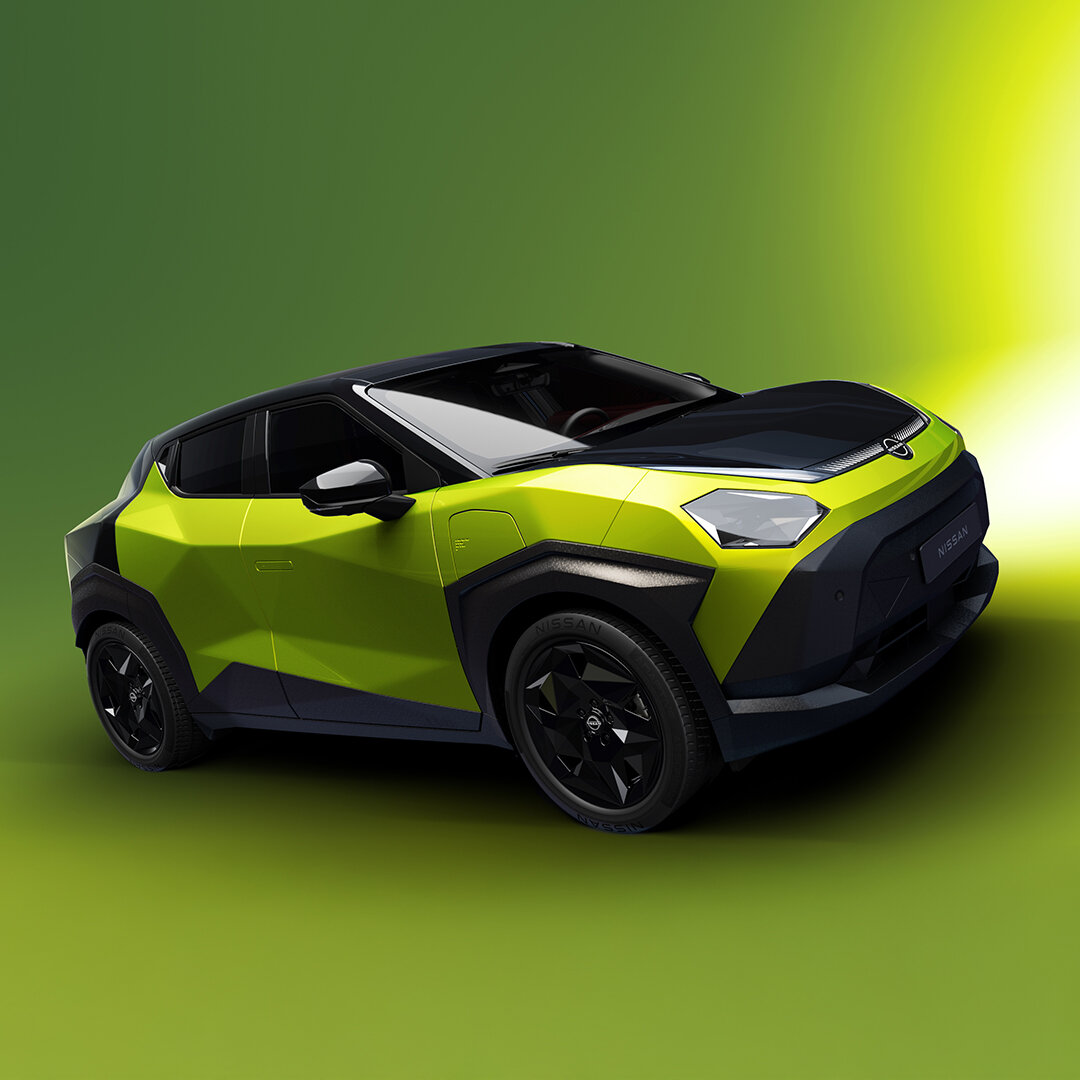
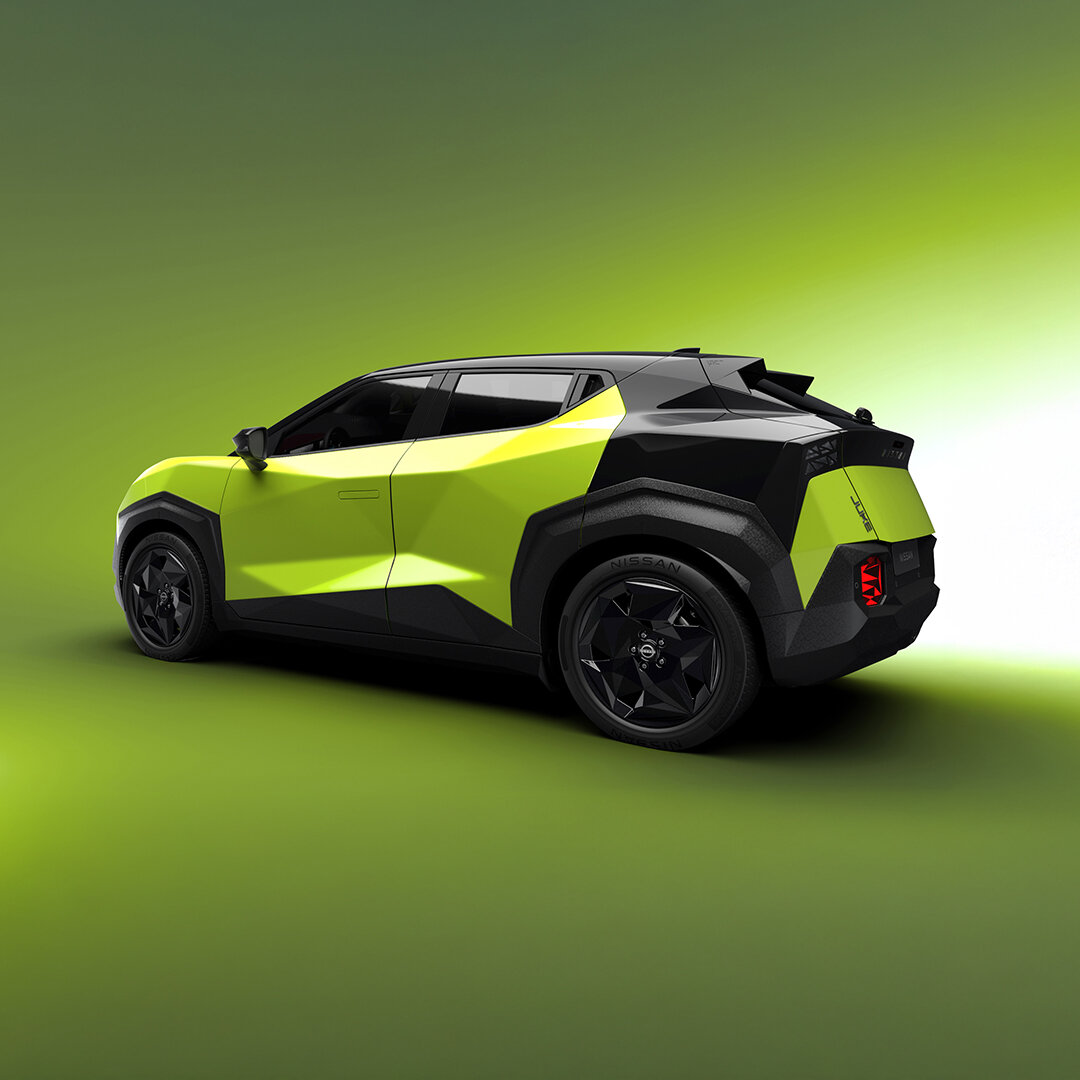
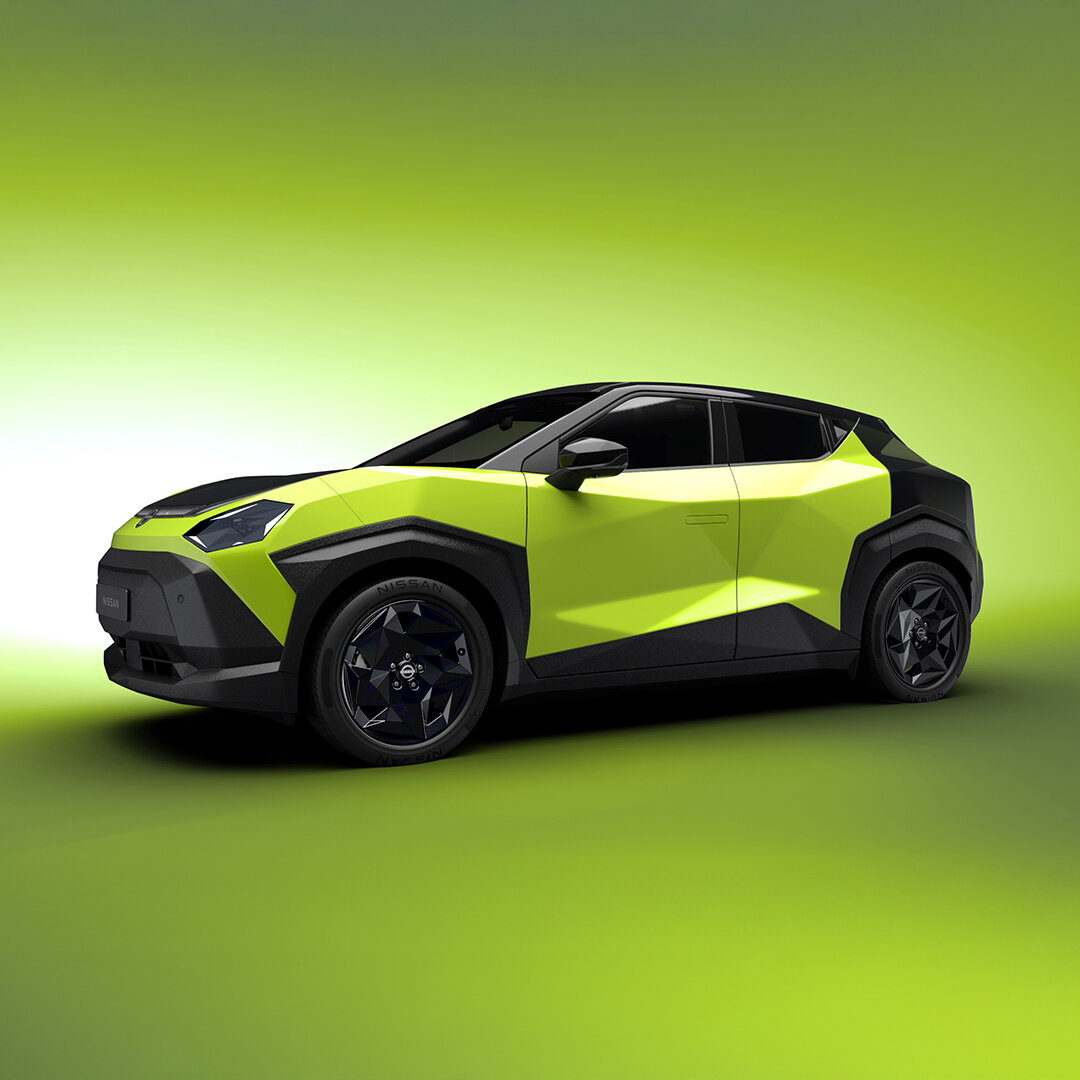
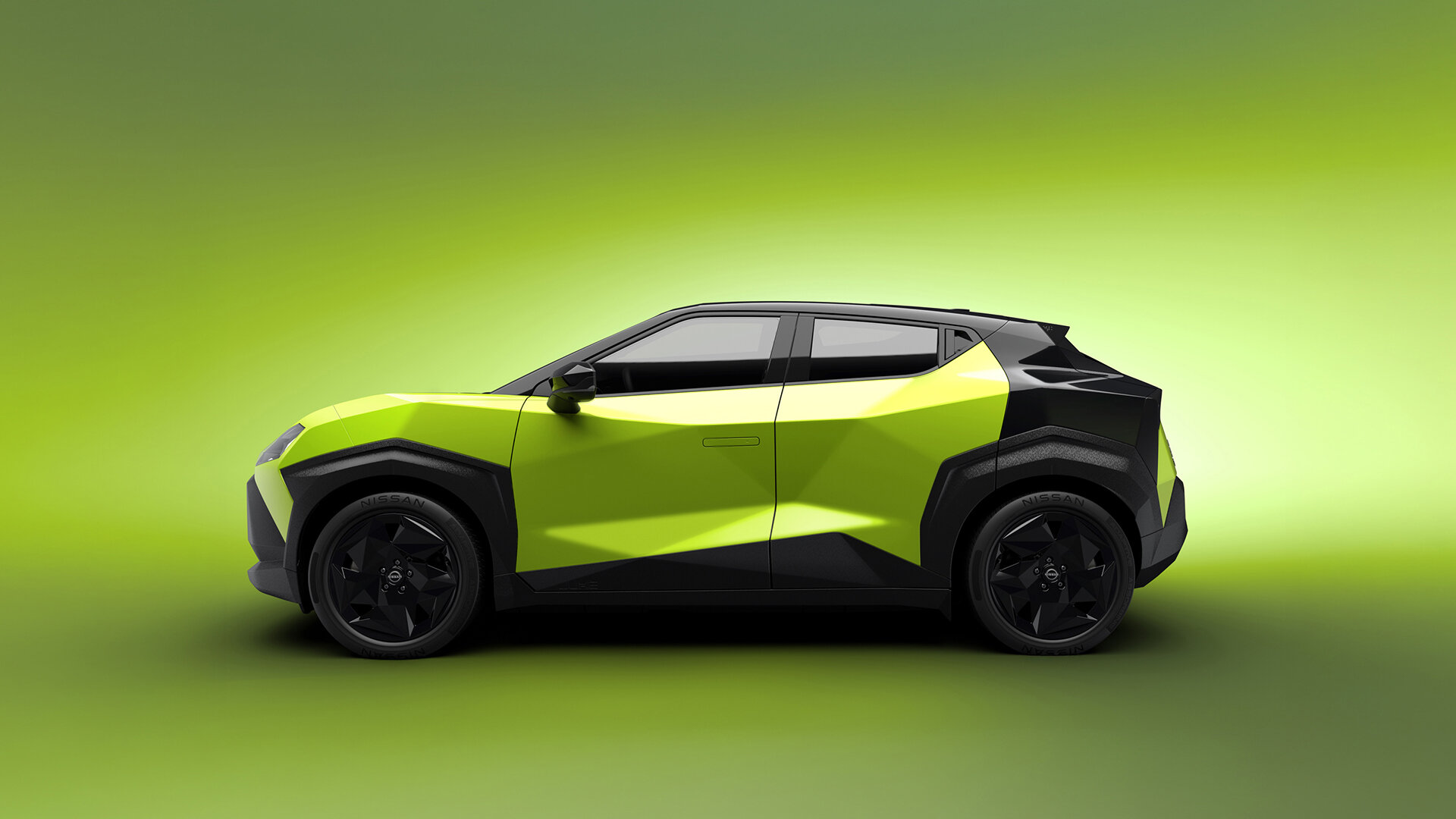
Some cars earn their legacy by playing it safe. The JUKE was never one of them. When Nissan dropped the original in 2010, the compact crossover market wasn’t sure what to make of it — oversized wheel arches, a face only its mother could love, and the kind of interior that made you feel like you’d climbed into a video game. Europe bought 1.5 million of them anyway. Character, it turns out, sells.
Now the JUKE is back for a third generation, and this time it’s brought something genuinely new to the table: a fully electric powertrain. Unveiled at Nissan’s Vision Event at the company’s global headquarters in Japan, the all-new JUKE EV represents the first time the nameplate has gone fully battery-electric — and marks another significant move in what has become a surprisingly broad European EV push from a brand that, lest we forget, put the original Leaf on the road back in 2010.
The Right Car at the Right Time
Nissan’s timing here is deliberate. The European compact crossover segment is fiercely contested, and the transition to electric power is reshaping the competitive landscape faster than most automakers anticipated. By electrifying the JUKE — its most emotionally resonant European nameplate — Nissan is betting that personality and practicality don’t have to be mutually exclusive in the EV era.
The new JUKE rides on the CMF-EV platform, the same architecture underpinning the new MICRA EV developed in partnership with Renault. It’s a dedicated electric foundation, which means the packaging compromises that come with converting an ICE-based platform don’t apply here. Whether that translates to a usefully larger cabin or a meaningfully bigger battery than the outgoing JUKE’s modest proportions allowed will be revealed closer to the spring 2027 launch — Nissan isn’t sharing specs just yet.
Made in Sunderland
One of the stronger storylines surrounding the new JUKE is where it’s being built. Nissan’s Sunderland plant in the northeast of England will handle production, with the first trial phase already scheduled to begin in the coming weeks. Sunderland has been the home of LEAF production for years, and adding the JUKE EV to its roster cements the facility’s role as the anchor of Nissan’s European manufacturing strategy.
That’s not a trivial commitment. The broader European operation — spanning design studios, engineering centers, and development facilities across the UK, Spain, and Germany — represents a sustained regional investment at a time when other automakers have been rationalizing their European footprints. For customers, it means the JUKE EV is genuinely a European product in the fullest sense: designed, engineered, and assembled on the continent, for European roads and European buyers.
Part of a Bigger Picture
The JUKE EV doesn’t arrive in isolation. Nissan has been quietly assembling a competitive European EV range, and the pieces are starting to fit together. The third-generation LEAF is in the lineup. The MICRA has gone electric. The Ariya crossover covers the larger end of the market. A new A-segment EV is on the way. And now the JUKE brings the brand’s most distinctive personality into the fold.
Notably, the JUKE EV will join the new LEAF in supporting Vehicle-to-Grid technology — the ability to feed energy back to the grid from the car’s battery. As more European markets build out bidirectional charging infrastructure, this capability moves from novelty to genuine selling point, particularly for buyers who are also managing home solar installations or navigating time-of-use electricity tariffs.
For those not yet ready to commit fully to plug-in life, Nissan isn’t abandoning the middle ground. The JUKE HEV and Qashqai e-POWER — the brand’s self-charging hybrid system that drives the wheels exclusively through an electric motor — will continue alongside the growing EV range. It’s a pragmatic approach that acknowledges real-world customer hesitancy without apologizing for it.
What We’re Waiting For
The details Nissan hasn’t revealed yet are, frankly, the ones that matter most: range, battery size, charging speed, and whether the interior takes the design risks the exterior promises. The JUKE’s legacy is built on being genuinely different — not just in shape but in feel. The electric version needs to carry that forward, or it risks becoming just another competent compact crossover in a market that already has plenty of those.
Spring 2027 is the target. Between now and then, expect a full technical reveal as the launch approaches. If the third-generation JUKE can bring the same electric personality to EVs that the original brought to crossovers, Nissan will have something special on its hands.
The segment is waiting. So are 1.5 million existing JUKE owners.
All-new Nissan JUKE EV | Production: Sunderland, UK | Platform: CMF-EV | Launch: Spring 2027 | Powertrain specs: TBA