Renault is making it clear that its future ambitions stretch well beyond Europe. The French automaker has pulled the covers off the new Filante, a high-end hybrid SUV developed specifically for markets outside the EU—and it’s a vehicle designed to reset how Renault is perceived globally.
Unveiled in South Korea, where it will also be built and launched first, the Filante sits at the top of Renault’s non-European lineup. It’s the fifth model tied to the brand’s “International Game Plan 2027,” first announced in 2023, a strategy aimed at turning Renault from a largely Europe-focused brand into a serious player in growth regions such as Latin America, India, Turkey, South Korea and North Africa.
Design: Big, Bold, And Intentionally Flashy
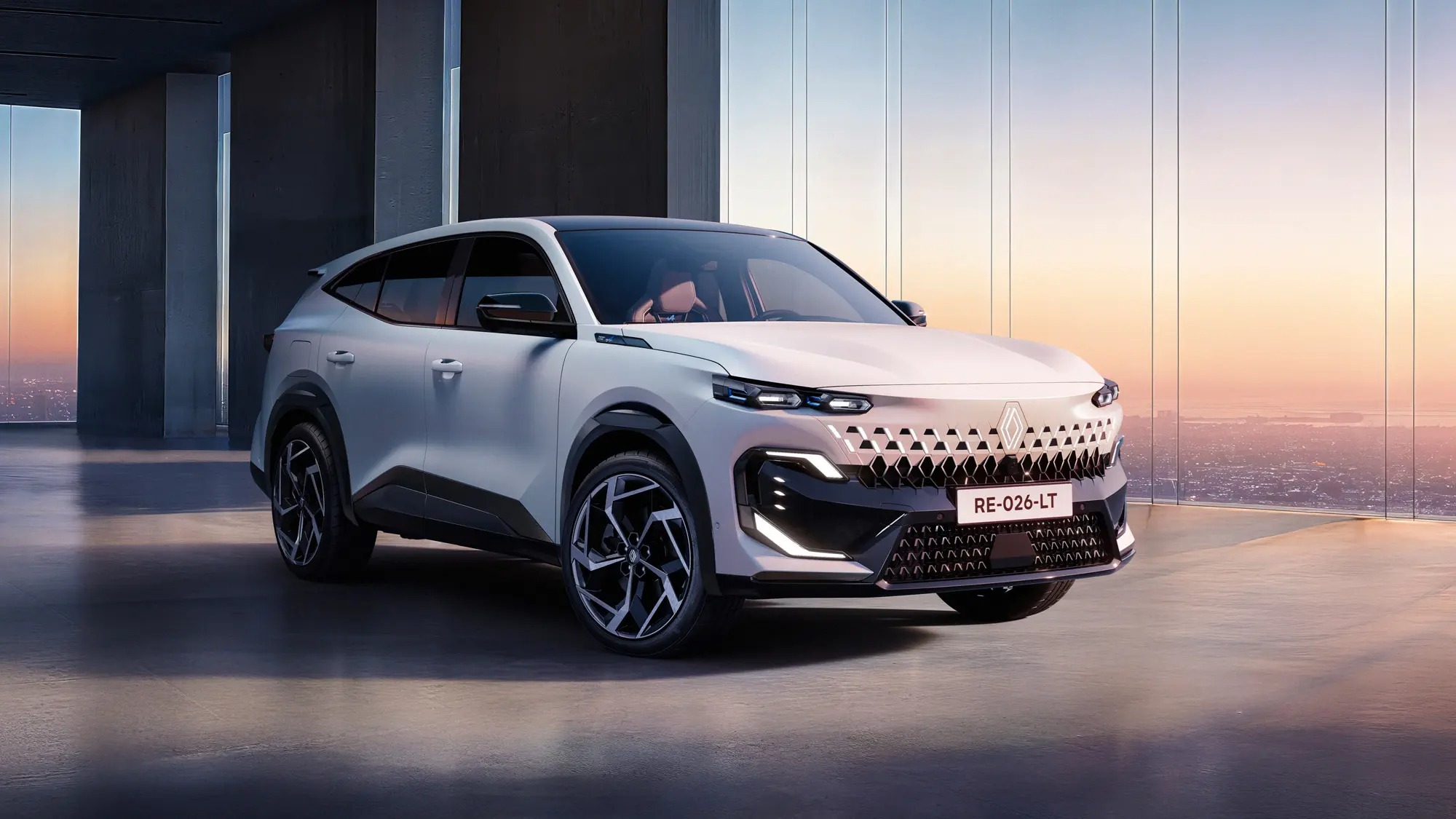
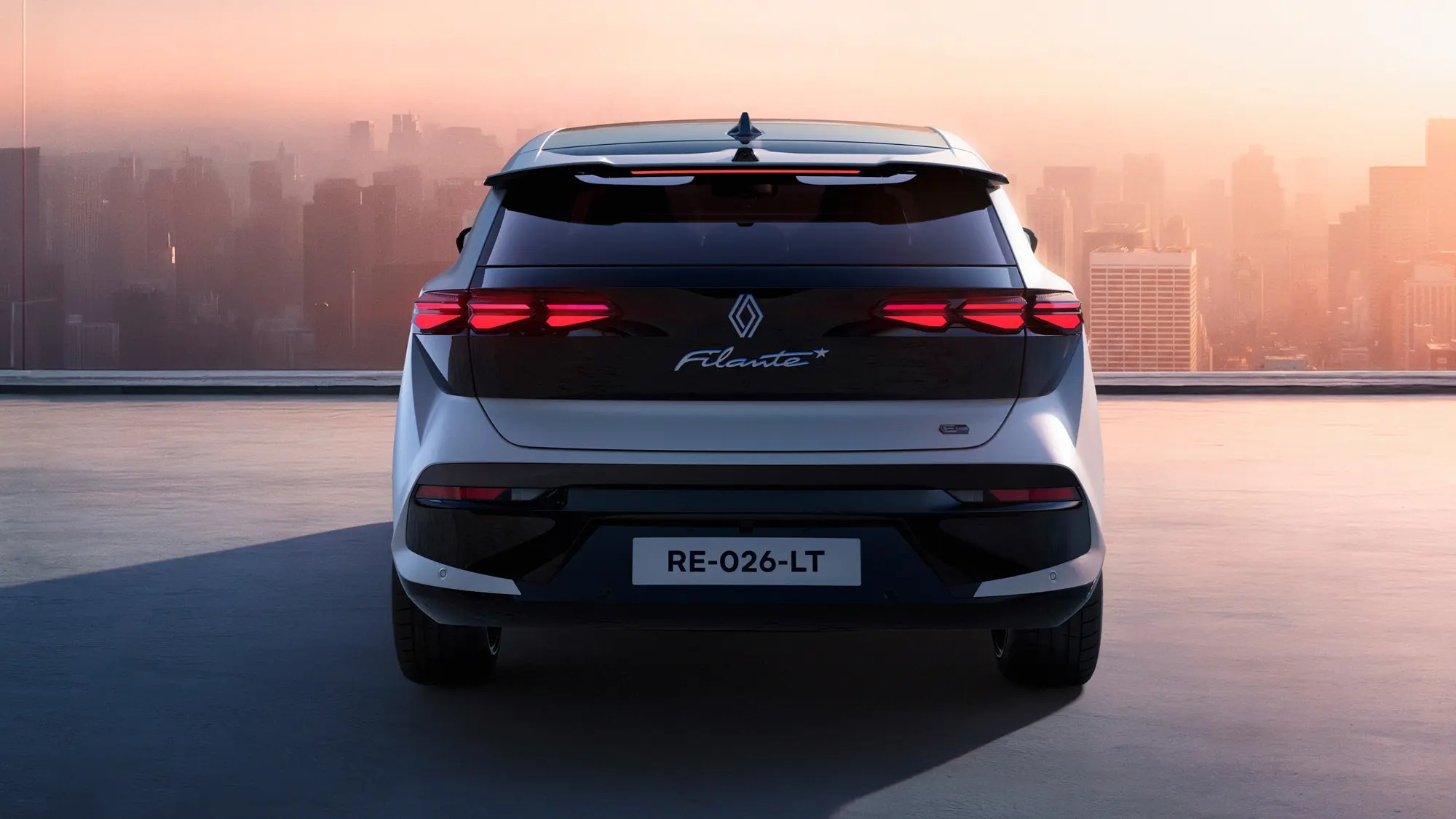
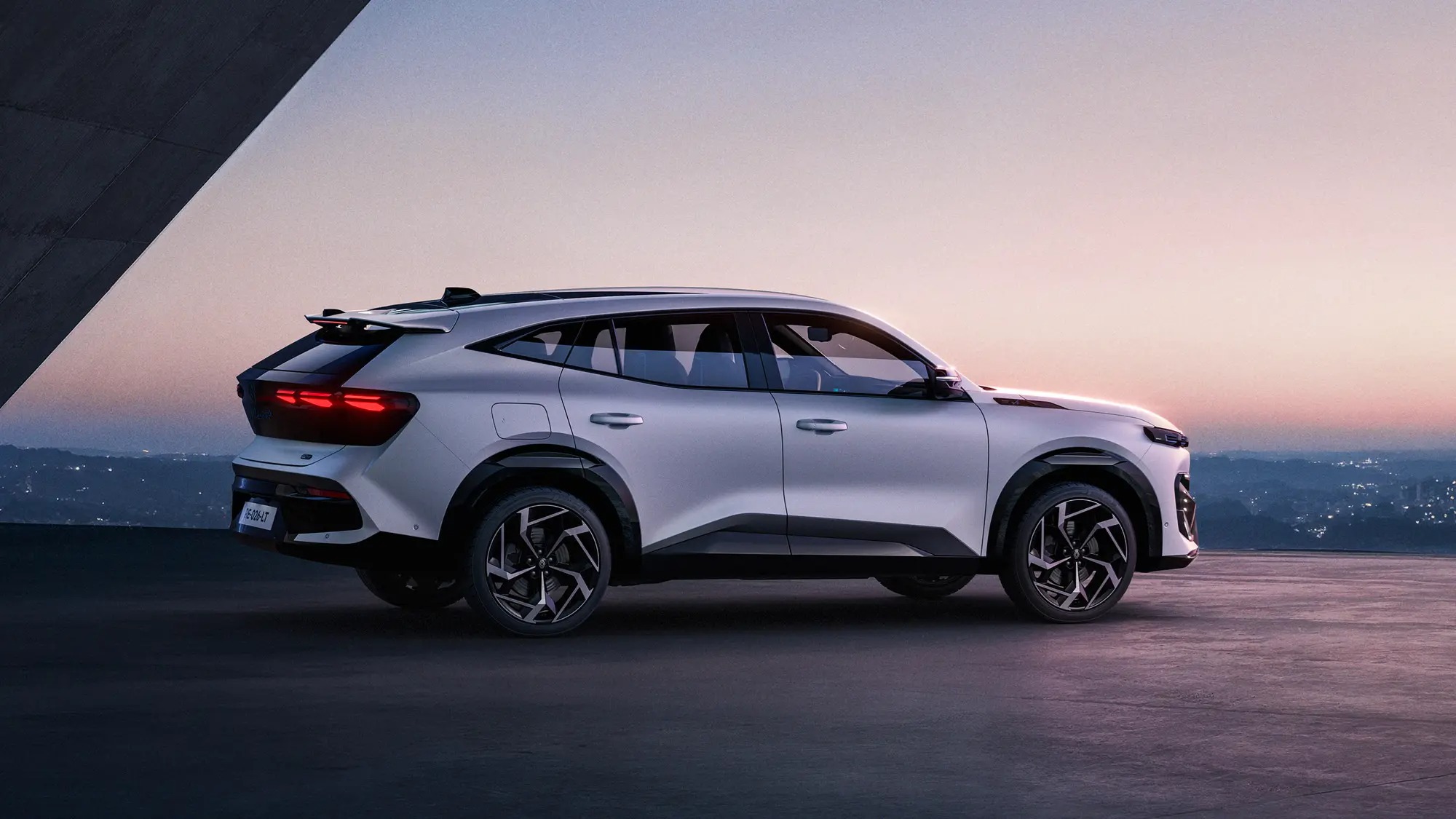
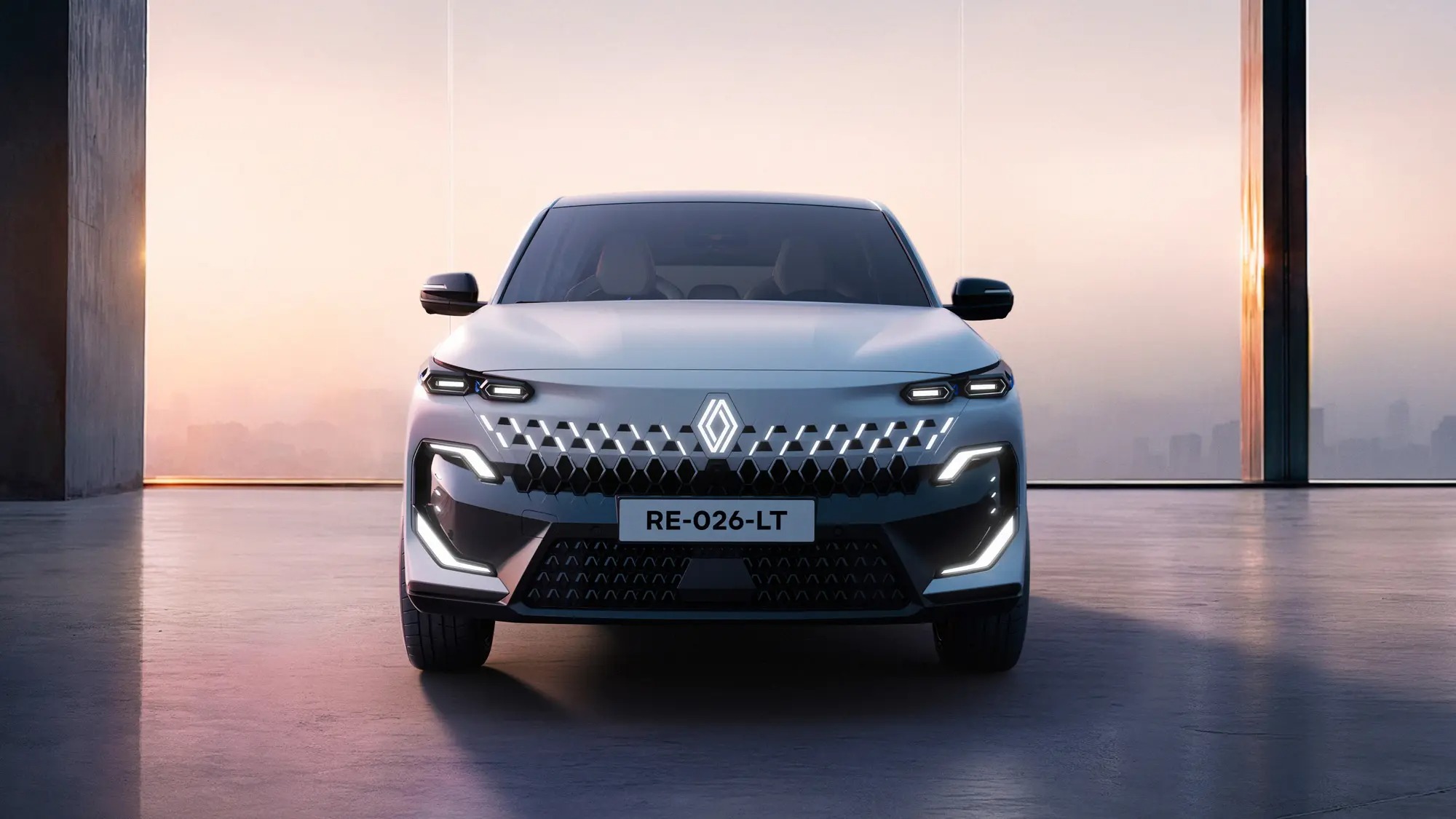
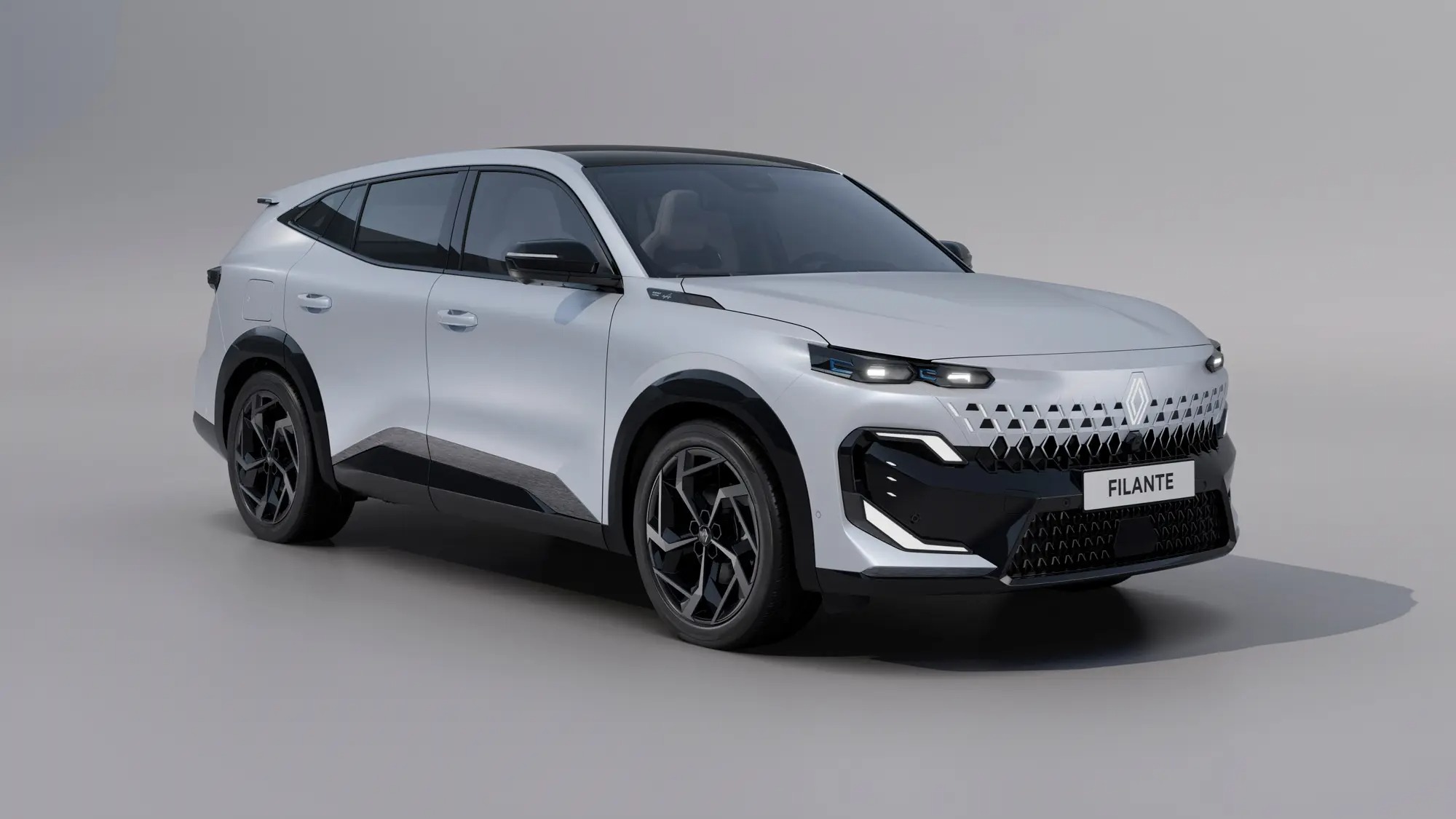
Renault isn’t shy about the Filante’s visual ambition. The company says bold design is a requirement if it wants to compete in the high-end E-segment—and the Filante certainly doesn’t blend in.
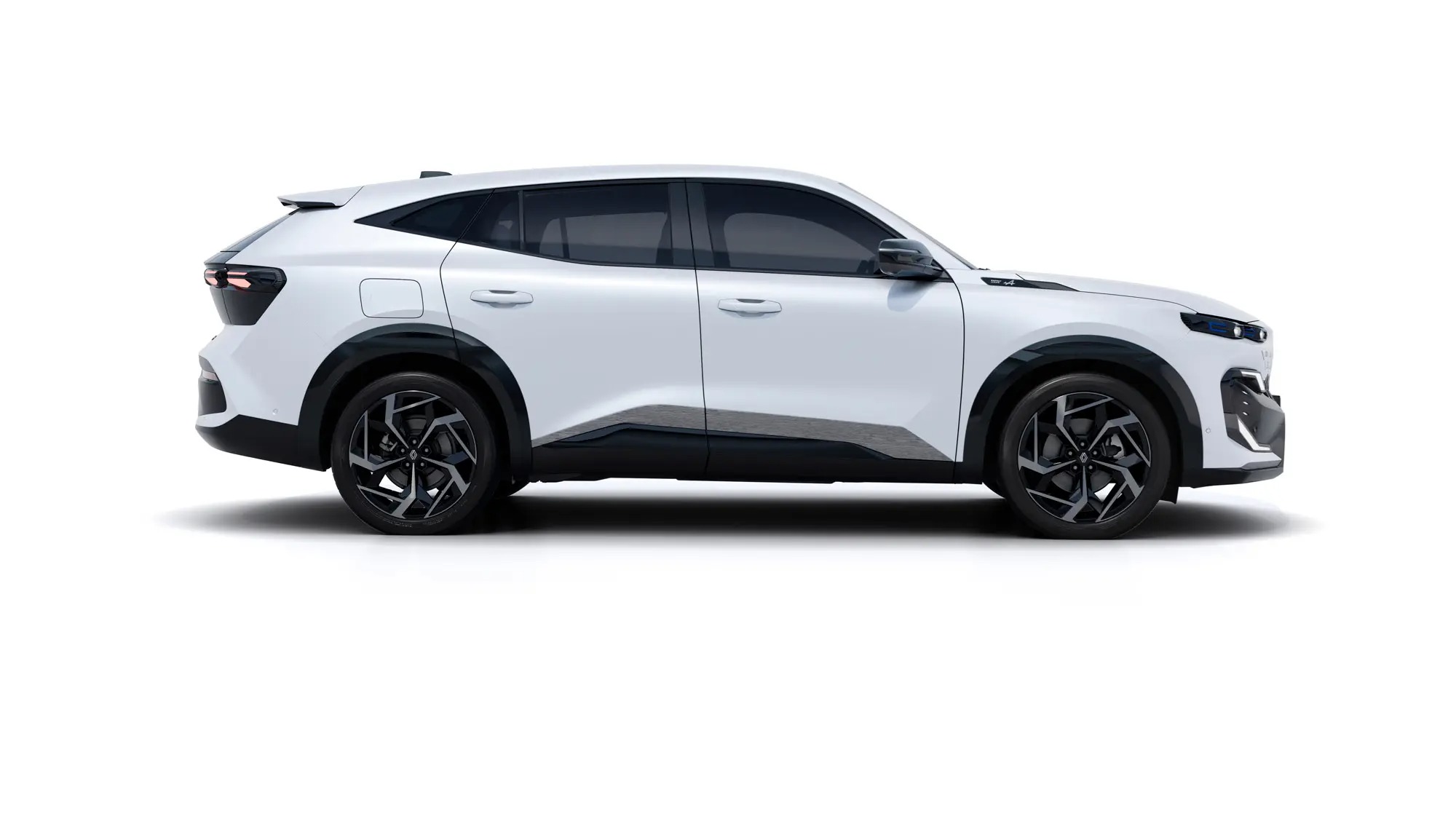
From the side and rear three-quarter angles, comparisons to the BMW XM are hard to ignore. The long, flowing roofline, chunky proportions and premium-SUV stance feel very much in line with what luxury buyers in global markets have come to expect. In many ways, it looks like an upsized, more assertive take on the Renault Rafale.
Renault describes the Filante as a crossover between a sedan and an SUV, though visually it leans far closer to the SUV camp. The front end is where Renault really breaks from tradition: a large illuminated grille featuring a 3D pattern inspired by the brand’s diamond logo, finished with a gradient that transitions from body color at the top to gloss black at the bottom.
It’s also the largest production vehicle Renault has ever built. The Filante measures 4,915 mm (193.5 inches) long, 1,890 mm (74.4 inches) wide and 1,635 mm (64.4 inches) tall. Out back, a roof spoiler comes standard, while the Esprit Alpine launch version adds a partially blacked-out tailgate for extra visual drama.
Interior: A Step Into Premium Territory
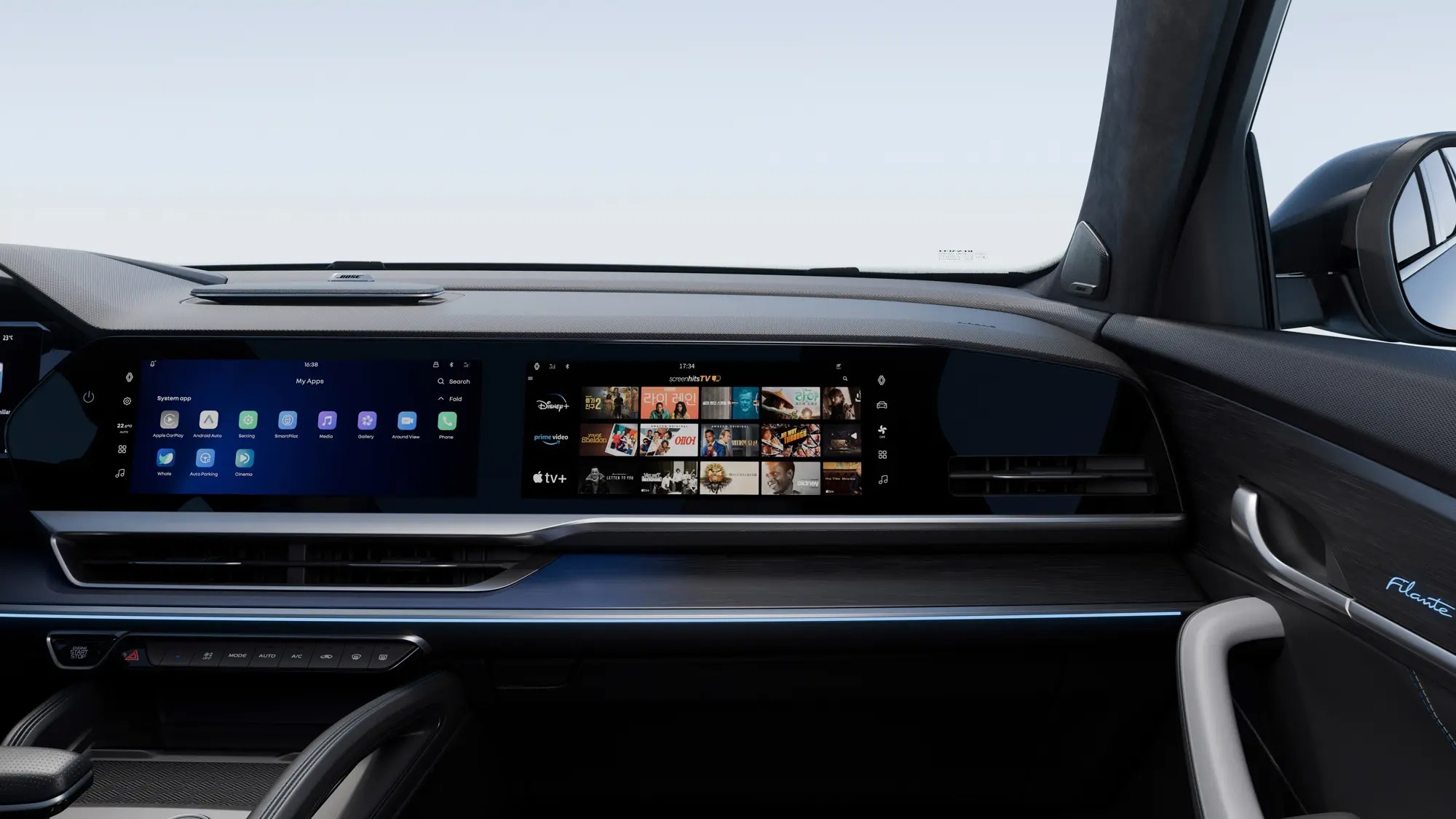
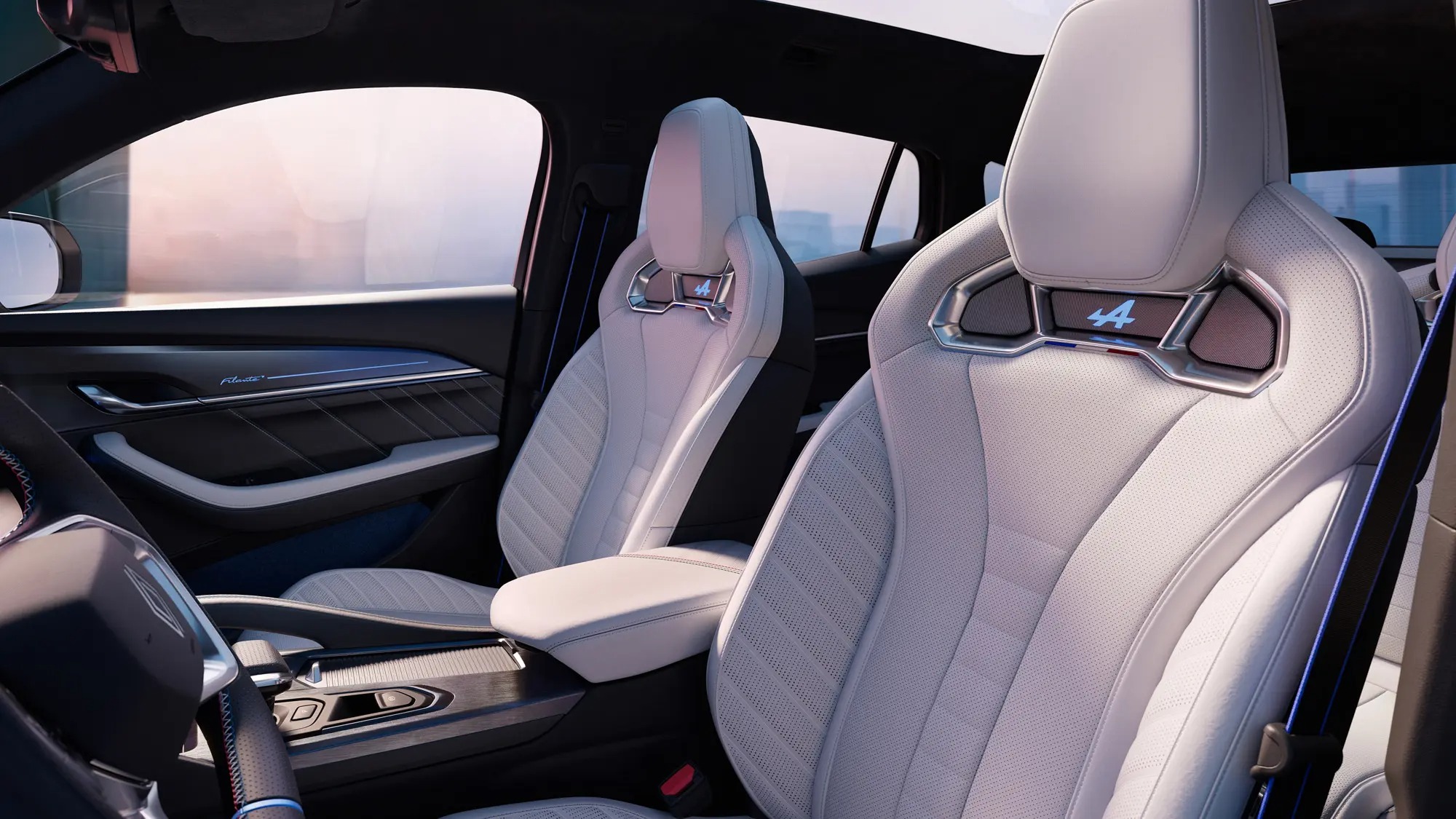
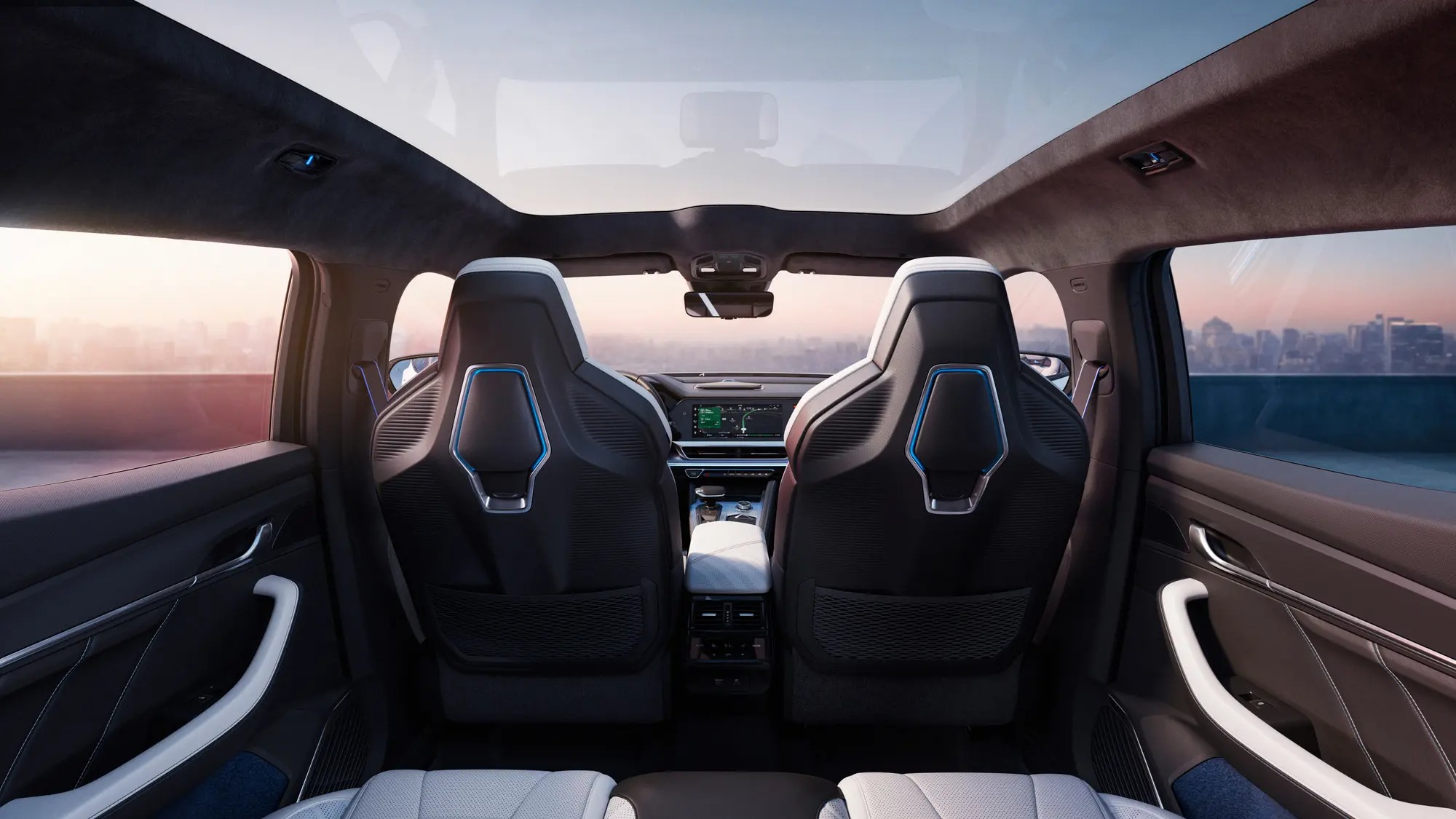
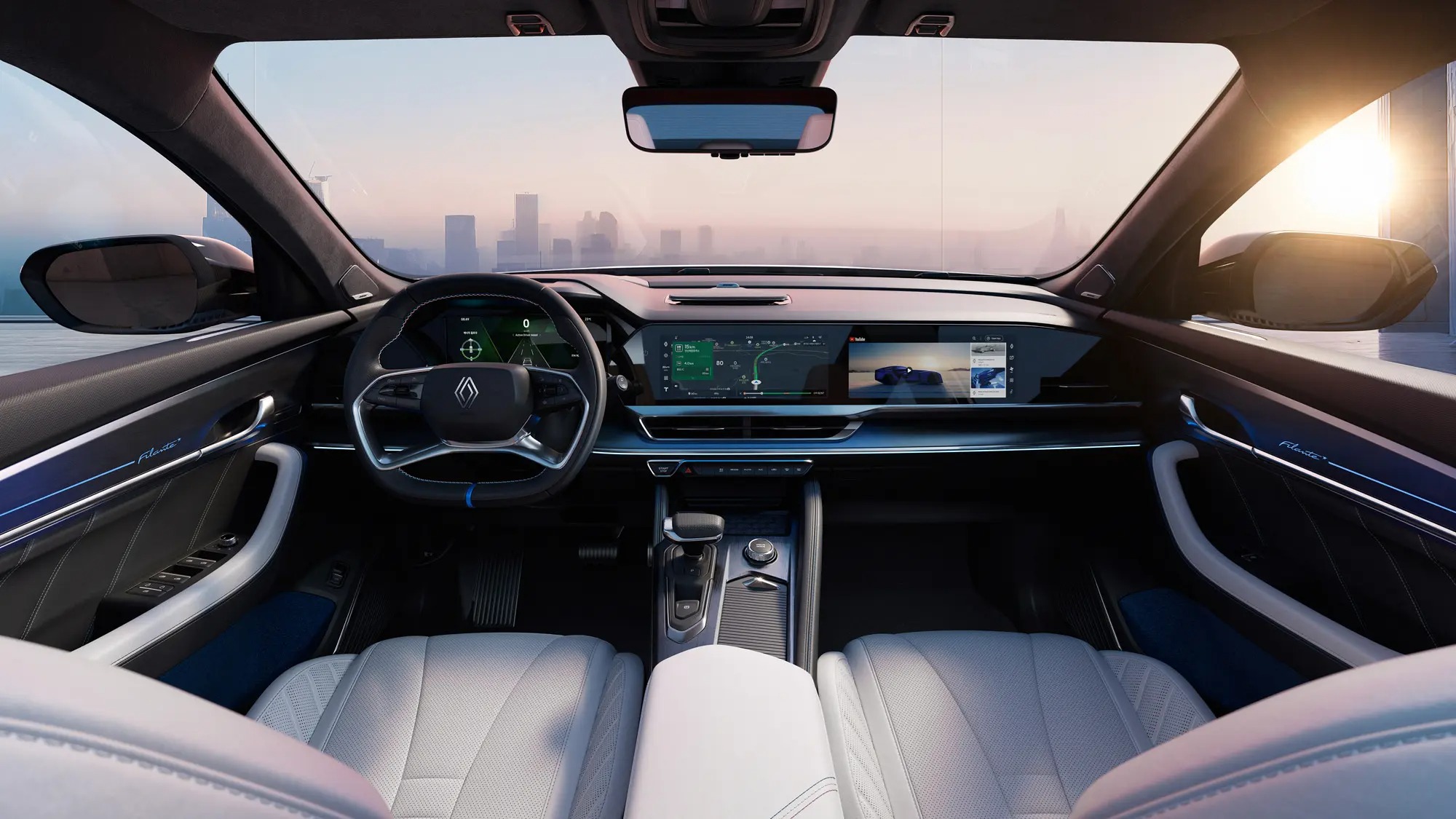
Inside, the Filante marks a clear departure from Renault’s current lineup. The dashboard is dominated by three 12.3-inch displays—one for the digital instrument cluster, one central infotainment screen, and one for the front passenger. On top of that, Renault fits a massive 25.6-inch augmented-reality head-up display, pushing the tech experience into near-luxury-brand territory.
A new four-spoke steering wheel sets the tone, while the “lounge-style” seats use a leather-like sustainable material with integrated headrests. The exposed metal trim around the front seatbacks is another detail that brings the BMW XM to mind, underscoring Renault’s intent to play in the premium space rather than just flirt with it.
The tech list includes several firsts for the brand, such as emergency steering assist, a digital rear-view mirror—allowing Renault to delete the rear wiper entirely—and a child presence detection system, a feature becoming increasingly important in global safety regulations.
Powertrain: Hybrid By Design, Not Compromise
Under the skin, the Filante rides on an adapted version of Geely’s CMA platform, a well-known architecture also used by the Volvo XC40 and Polestar 2.
Power comes from a 1.5-liter gasoline engine paired with two electric motors, delivering a combined 247 horsepower. This is a self-charging hybrid rather than a plug-in, a deliberate choice aimed at markets where charging infrastructure remains inconsistent. Renault claims the system uses around 50 percent less fuel in real-world driving than a comparable non-hybrid gasoline setup—a message likely to resonate in regions where efficiency and ease of ownership matter more than full electrification.
The Meaning Behind “Filante”
The Filante name isn’t new to Renault history. It first appeared in the 1950s on the Étoile Filante land-speed record car, and was later revived for a 2025 electric concept focused on extreme efficiency. Go back even further, and “Filante” was once associated with Renault’s top-tier models in the 1930s.
That heritage makes its return on a large hybrid SUV somewhat ironic, but Renault seems less focused on aerodynamics this time around. Instead, the name signals ambition, progress and a renewed push into higher segments.
A Global Renault, Reimagined
While Renault is still widely viewed as a European brand, its future growth strategy tells a different story. The company has committed to eight new models for markets outside Europe, with five targeting the more profitable C- and D-segments.
The Filante is the clearest expression of that plan so far. It’s not designed around European tastes or regulations, but around what global buyers want: size, presence, tech and a pragmatic hybrid powertrain. Its debut in South Korea isn’t just symbolic—it’s a signpost pointing to where Renault believes its next phase of growth will come from.