A compact electric crossover that starts under $32,000, charges to 80 percent in under 25 minutes, and fits 475 liters of cargo behind the rear seats. Škoda is playing to win.
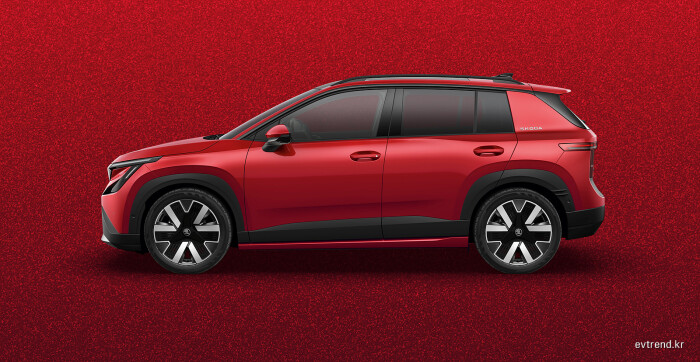
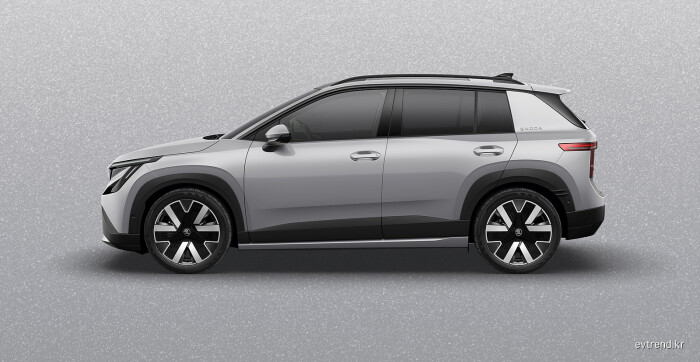
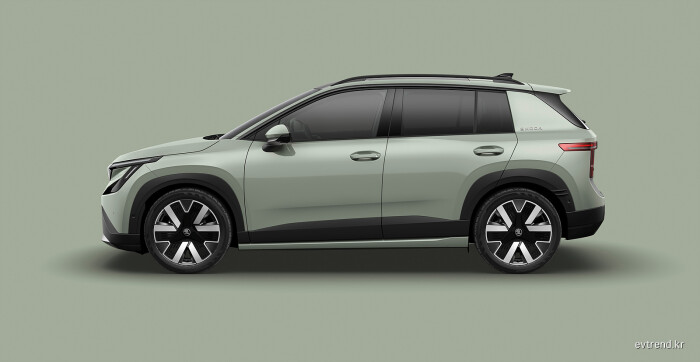



The problem with affordable EVs has never been the idea. It’s the execution. Range anxiety baked into every spec sheet, cramped interiors that punish rear passengers, charging speeds that turn a highway stop into a lunch break. Automakers keep promising the affordable EV that actually works. Škoda may have just delivered it.
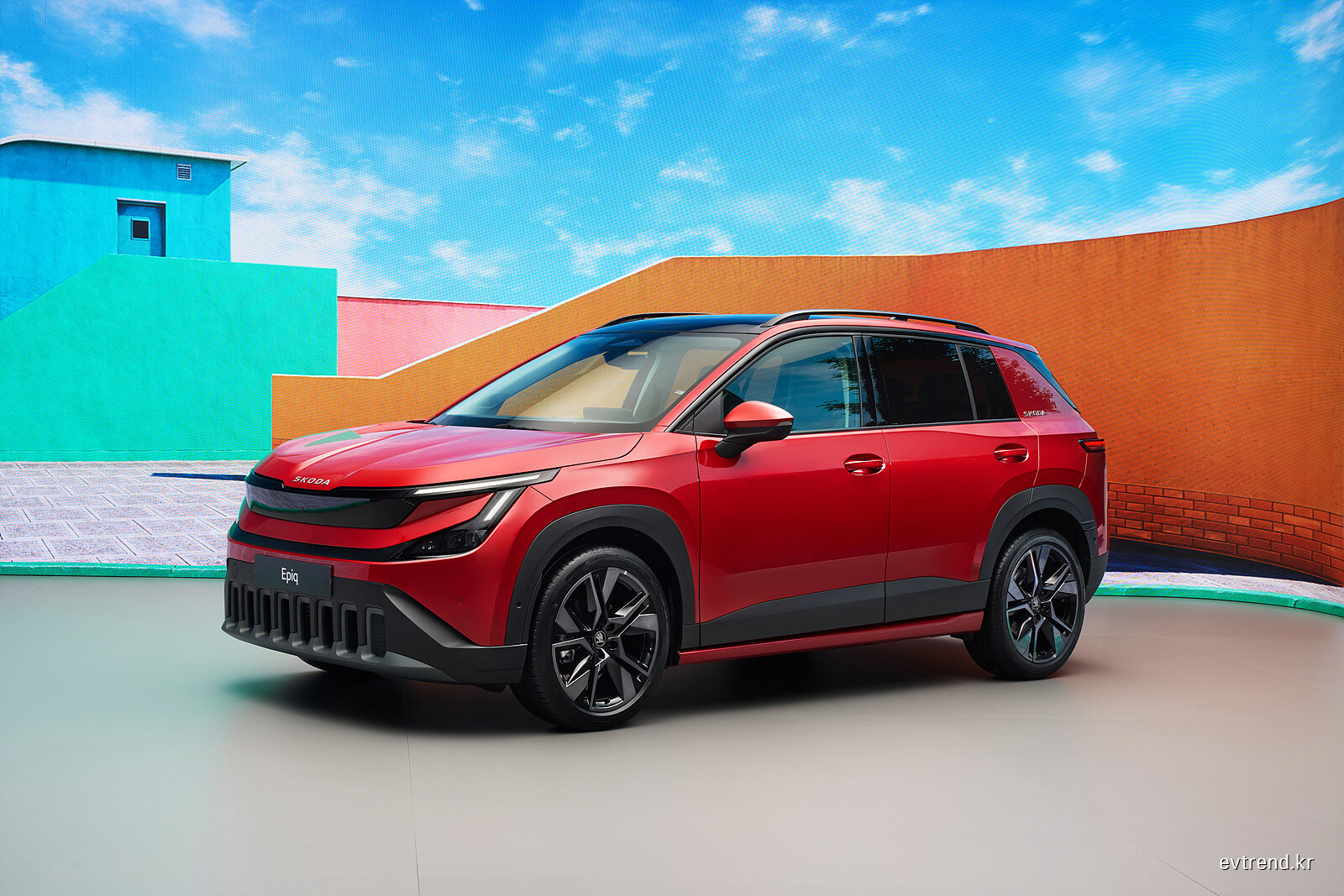
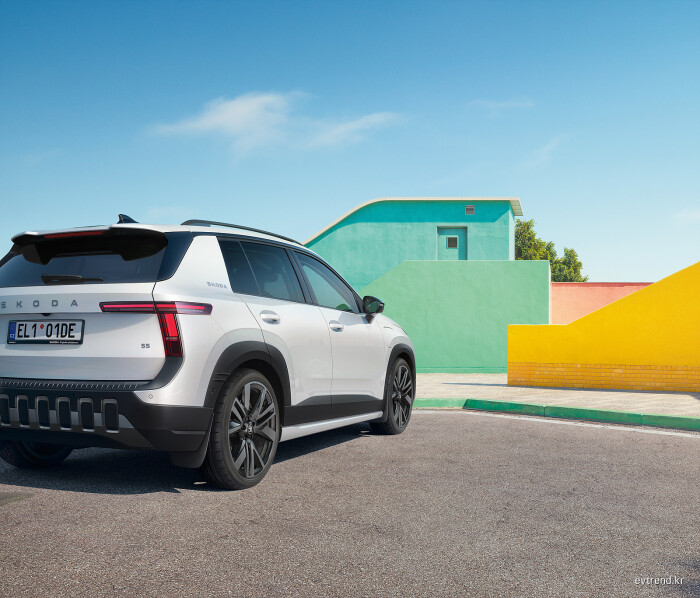
The Epiq launches in the UK this July starting at £24,950 — price parity with the brand’s own Kamiq, a gasoline-powered compact crossover. That’s the headline, and it’s a meaningful one. Not a stripped base trim designed to anchor an ad. Not a compliance car. A full production model, on a purpose-built platform, priced to move.
Platform First
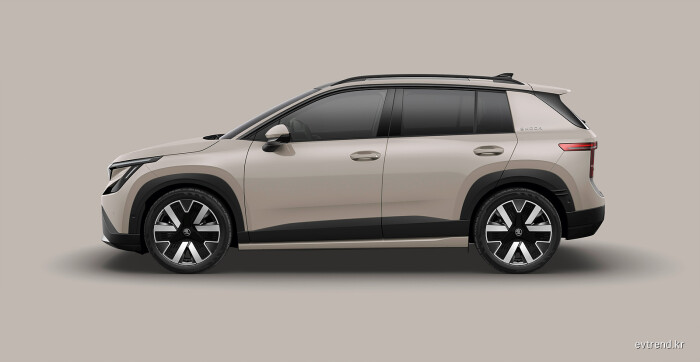
The Epiq rides on the Volkswagen Group’s MEB+ architecture — a refined, next-generation evolution of the platform that underpins the ID.4 and the Cupra Born. MEB+ was engineered specifically for smaller, lighter EVs, optimizing packaging and efficiency without the compromises that come from adapting a larger platform downward. This is also the first Škoda EV built on front-wheel drive, which keeps the mechanical packaging tight and the cost structure lean.
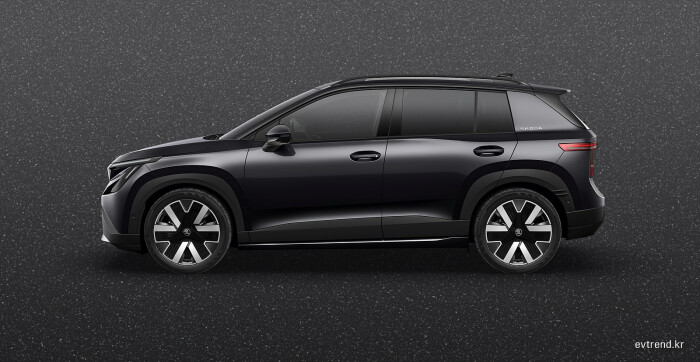
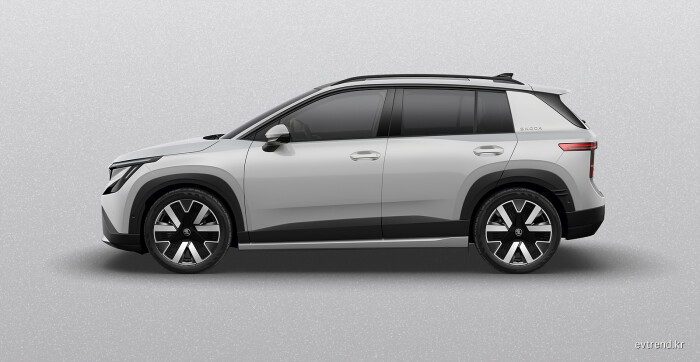
Aerodynamics: 0.275 Cd. Not class-leading, but respectable for a vehicle designed primarily around urban usability rather than highway cruising efficiency.
Two Batteries, Both Honest
Škoda is offering the Epiq in two configurations, and neither one overpromises.
The base Epiq 40 uses a 37 kWh usable lithium iron phosphate (LFP) battery. LFP chemistry trades peak energy density for longevity, thermal stability, and the ability to charge to 100 percent regularly without meaningful degradation. WLTP range: around 190 miles. For a city commuter, that’s a full week between charges.
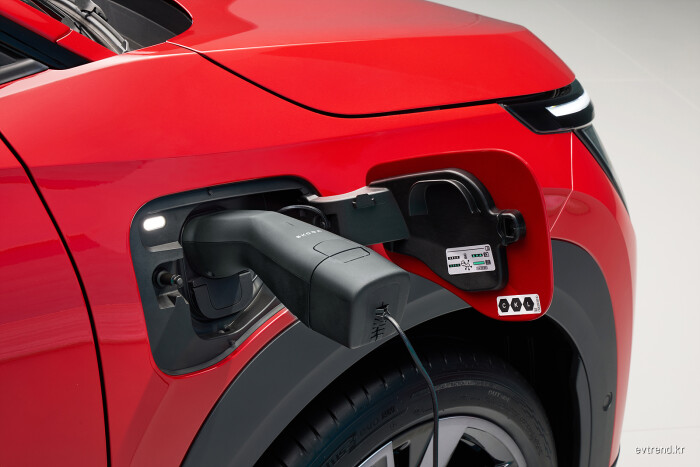
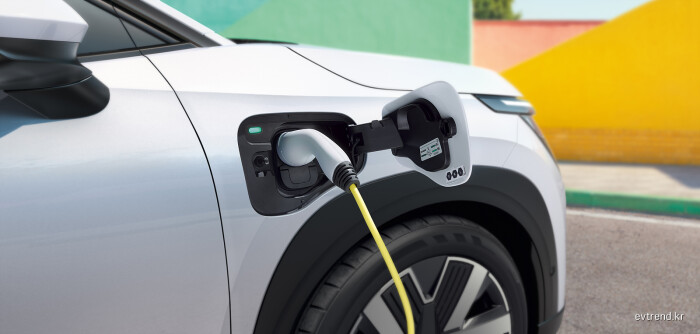
The Epiq 55 steps up to a 52 kWh NMC pack — nickel-manganese-cobalt, higher energy density, longer legs. WLTP range climbs to 272 miles. Peak DC charging hits 105 kW, and both variants reach 10–80 percent in under 25 minutes. That’s a usable number. That’s a coffee, not a meal.
Power outputs sit at 135 hp for the 40 and 211 hp for the 55. These aren’t performance figures. They’re daily driver figures, calibrated for city traffic and motorway merges rather than track days.
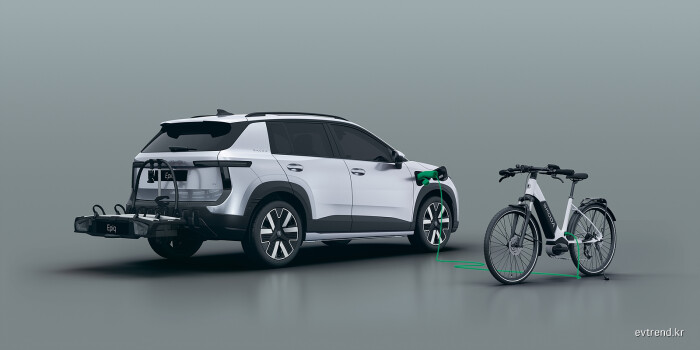
One item worth flagging: the Epiq supports bidirectional charging. Vehicle-to-home and vehicle-to-grid capability in a sub-£25,000 EV is not something to gloss over. That’s a feature many luxury EVs still don’t offer.
Interior: Small Footprint, Smart Packaging
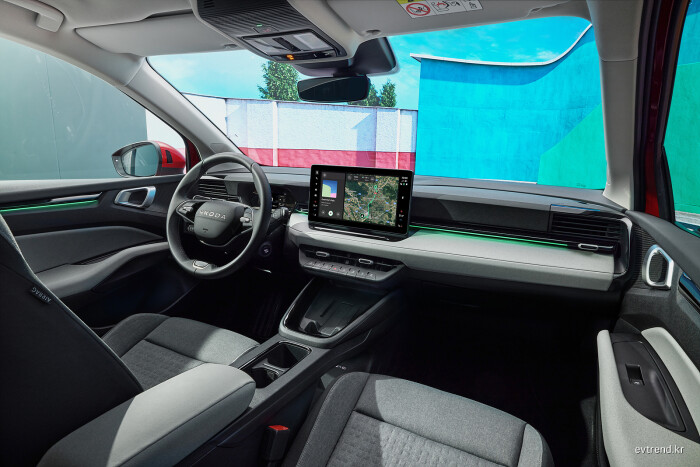
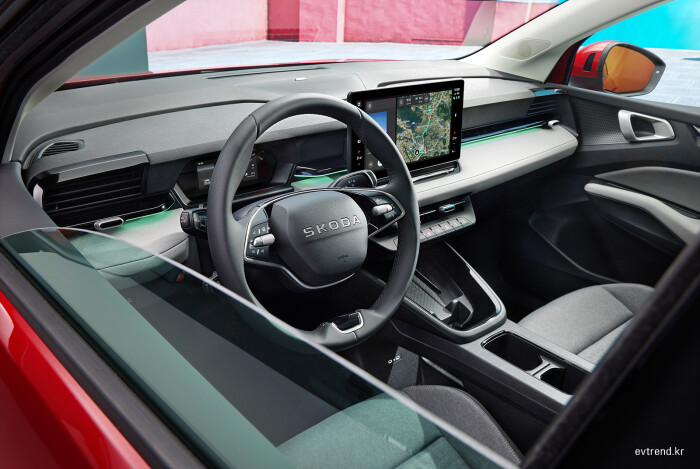
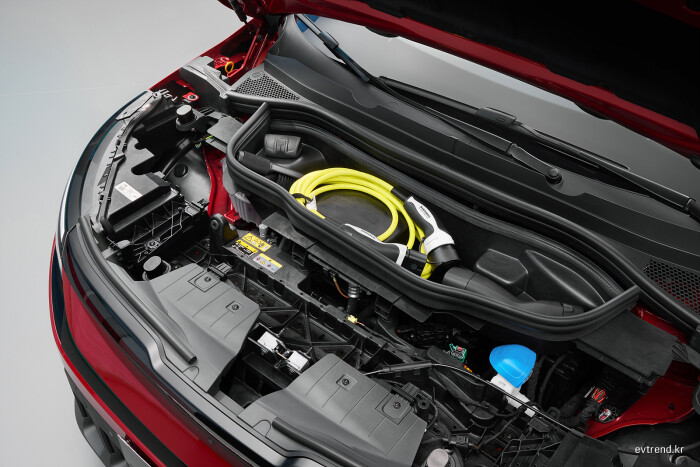
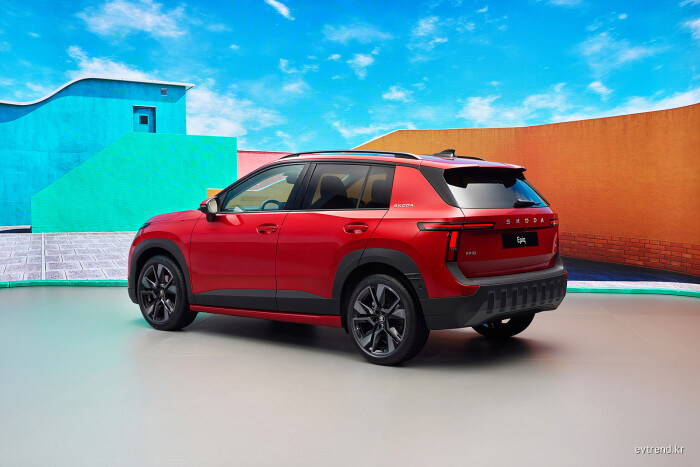
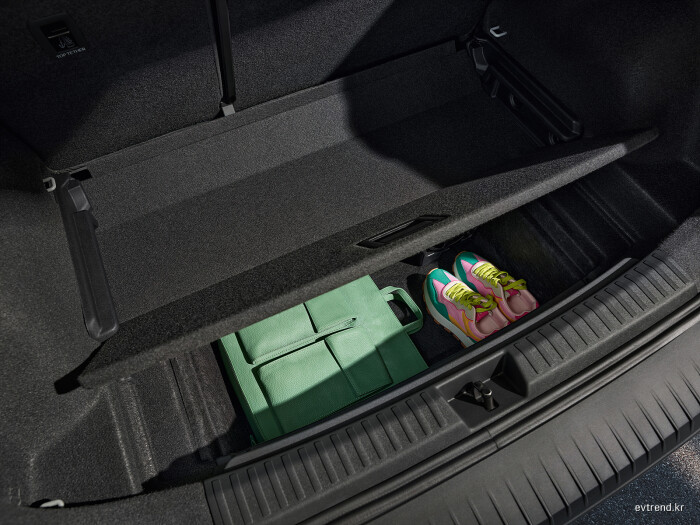
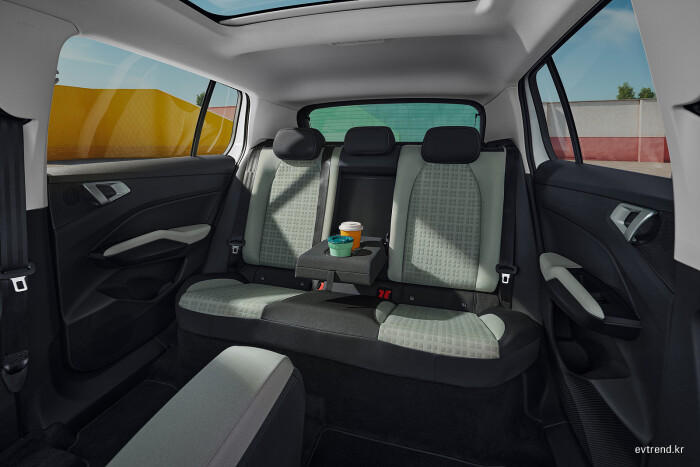
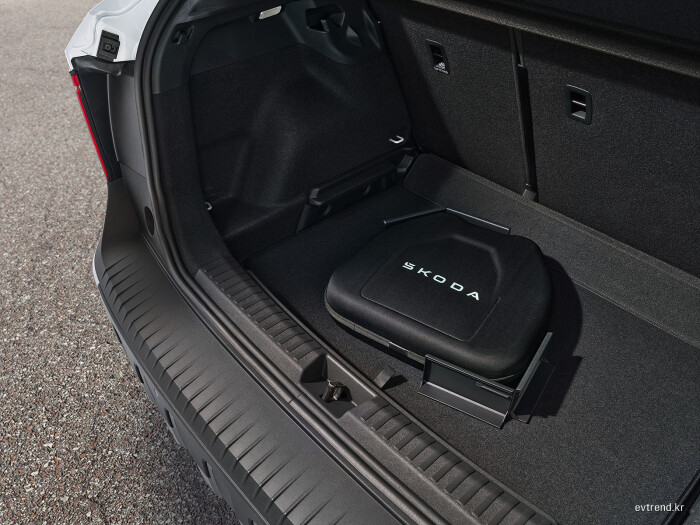
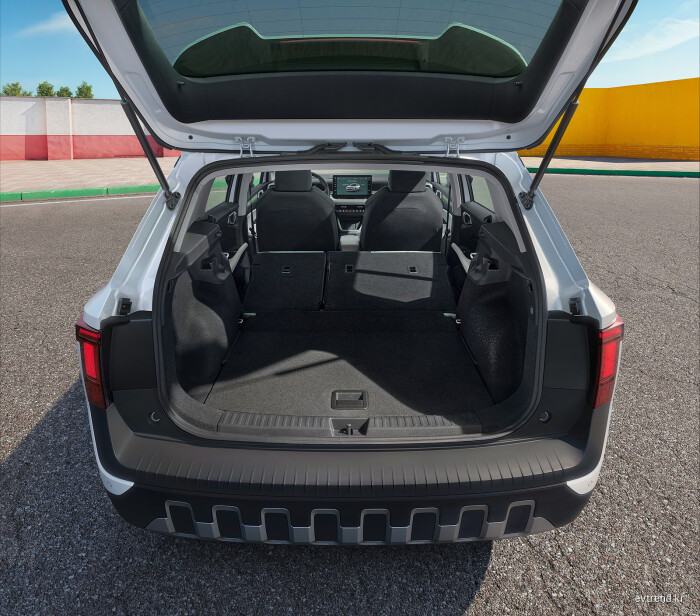
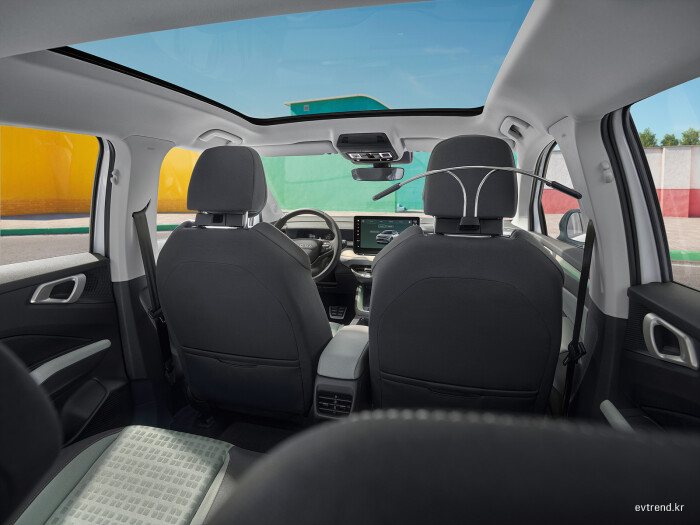
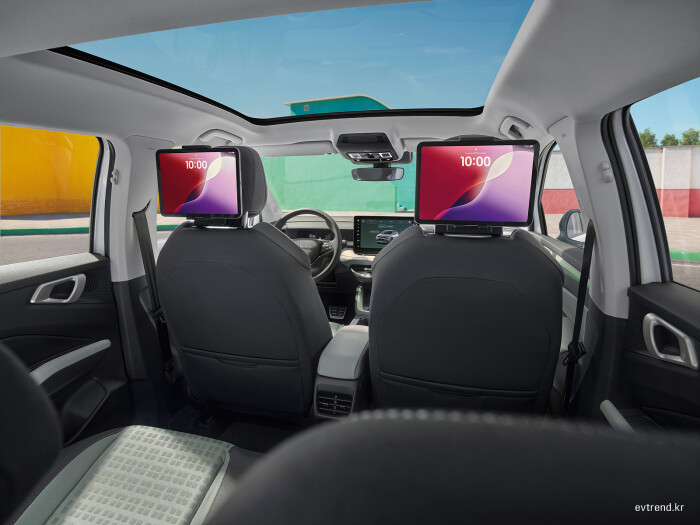
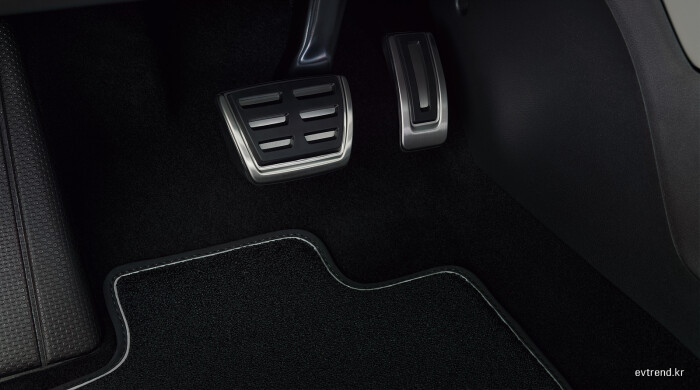
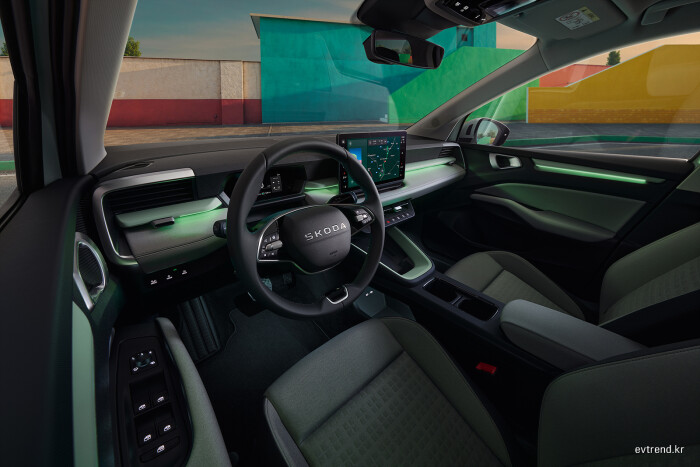
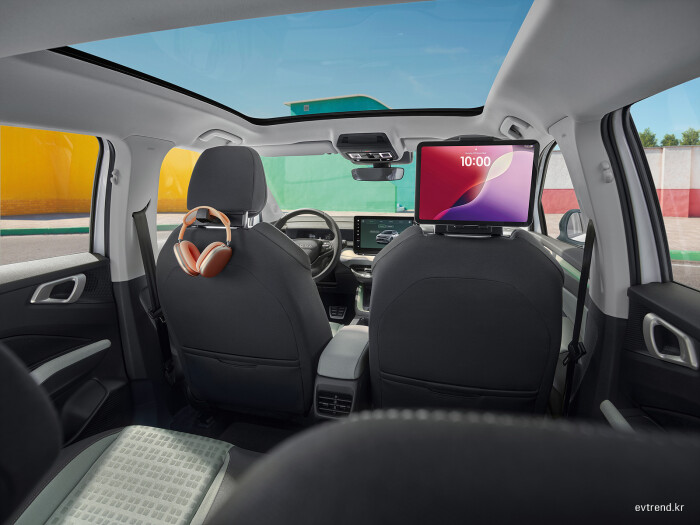
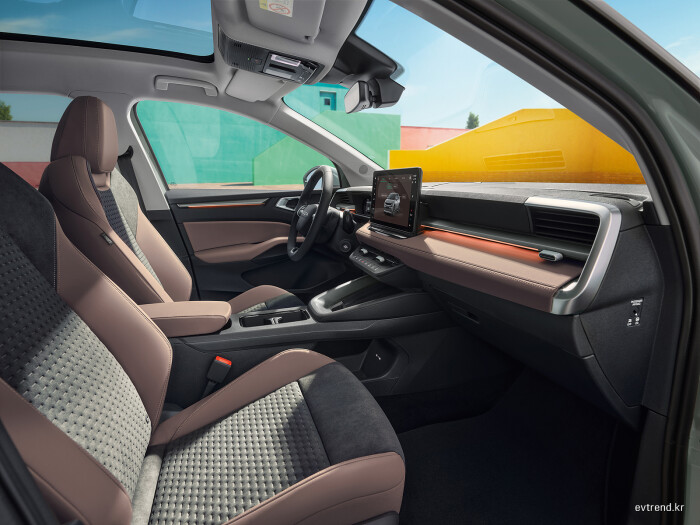
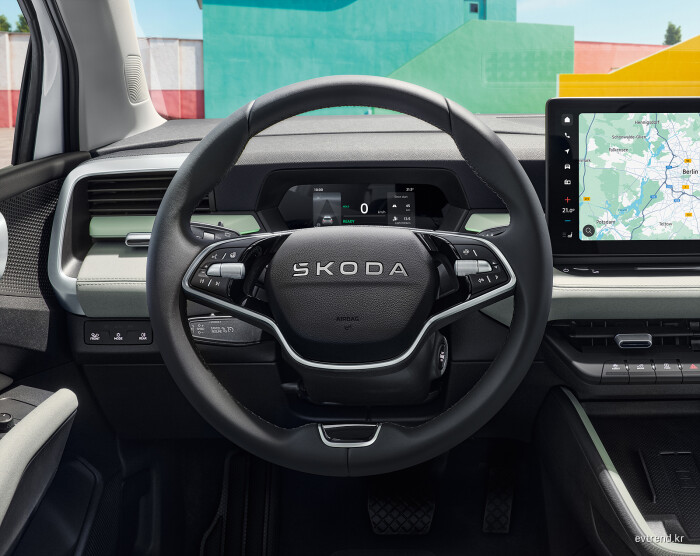
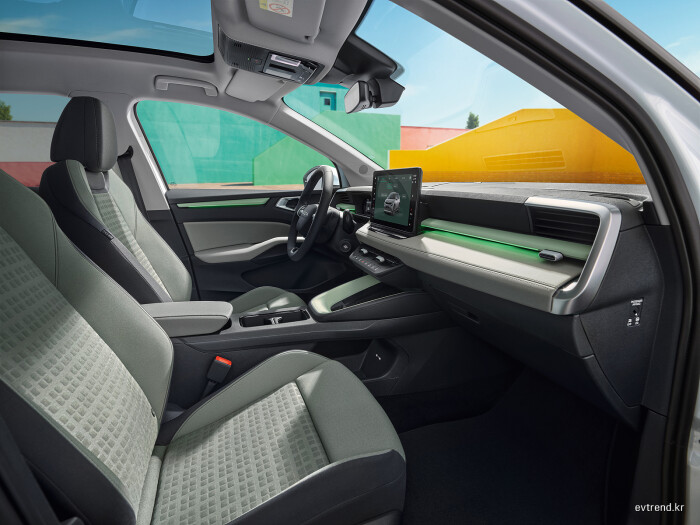
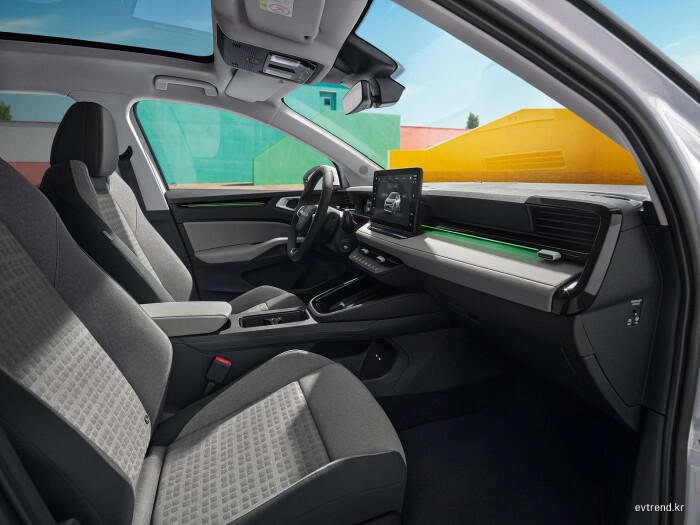
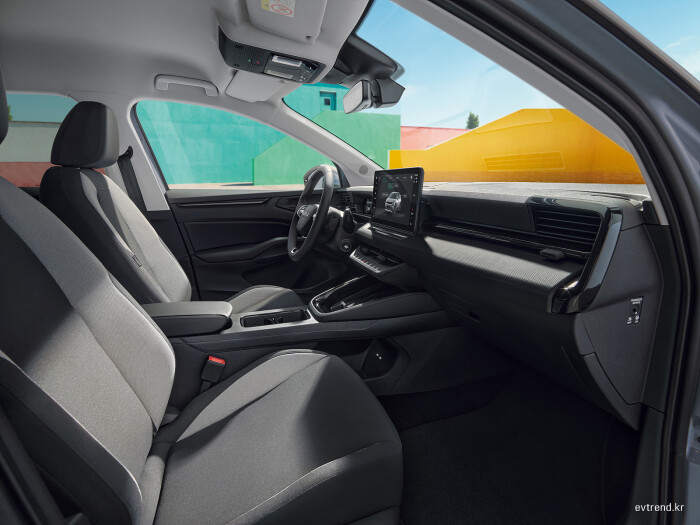
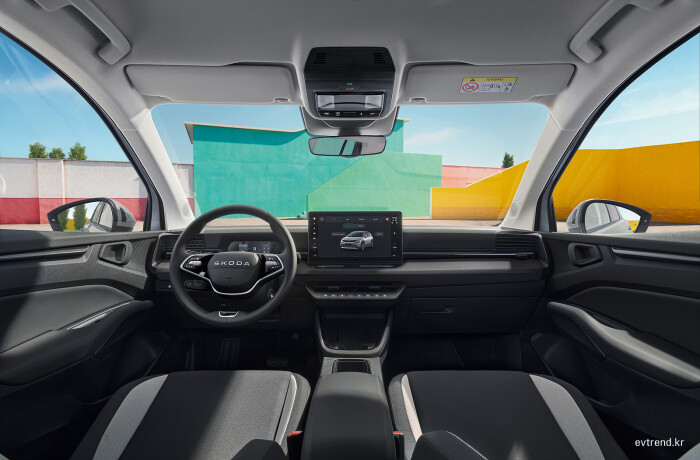
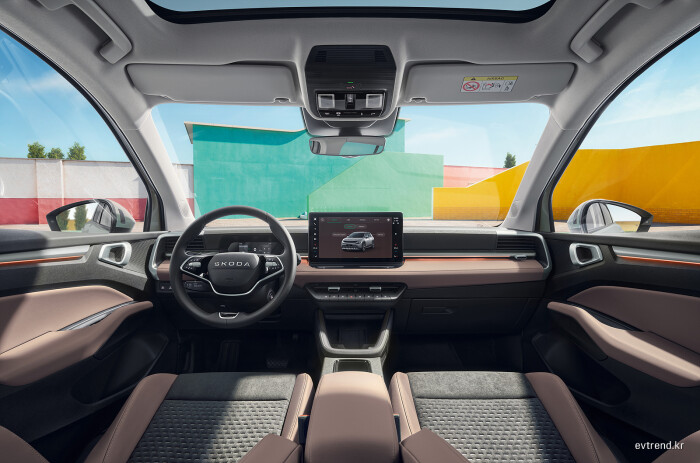
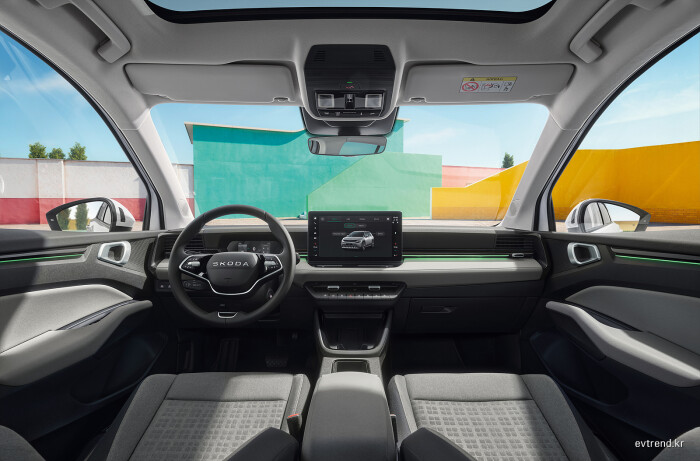
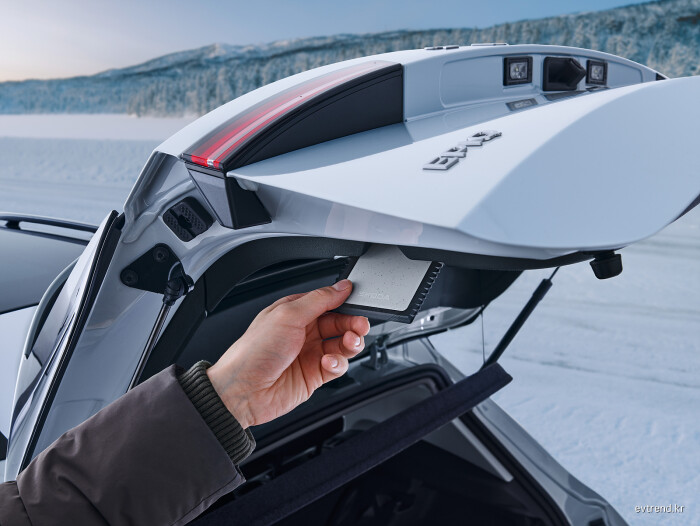
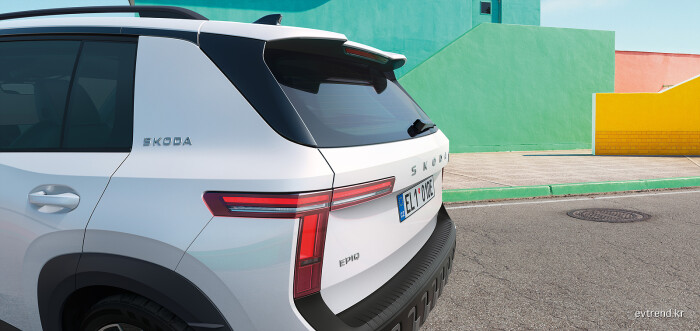
Compact exterior, practical interior — Škoda has built its reputation on exactly this combination, and the Epiq doesn’t break the pattern. The boot measures 475 liters. There’s also a 25-liter frunk under the hood. The instrument panel centers on a 13-inch infotainment display paired with a 5-inch digital driver display, with wireless smartphone integration standard across the range.
Three interior design packages — Loft Grey, Loft Mint, and Suite — give buyers some personality options without inflating the price. Worth noting: Loft Grey introduces Techtona, a synthetic leather alternative that eliminates animal products and reduces water and chemical consumption in production. It’s the first appearance of this material in any Škoda, and it points toward where the brand’s interior sourcing is heading.
Trim Structure: Simple, Clear
Two main grades — SE L and Edition — keep the lineup navigable.
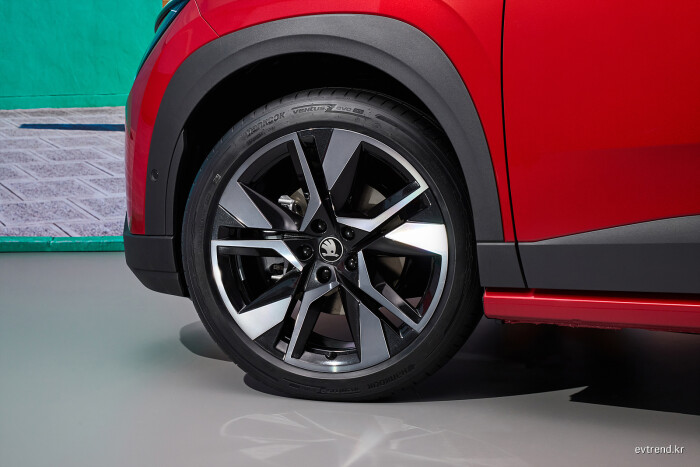
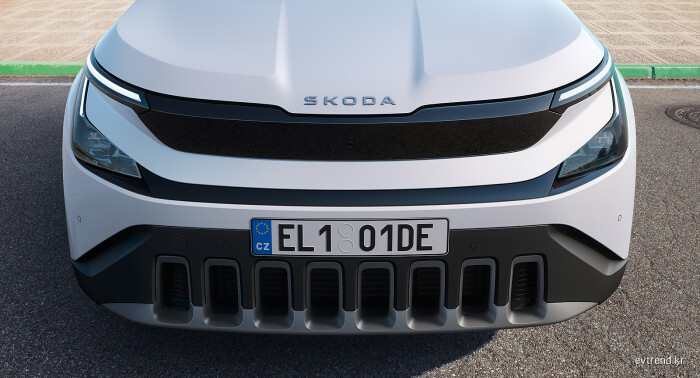
SE L gets you 18-inch alloys, LED lighting, the 13-inch infotainment screen, adaptive cruise control, one-zone climate, and rear parking sensors. It’s the honest entry point.
Edition adds satellite navigation, a reversing camera, front parking sensors, heated front seats, a heated steering wheel, two-zone climate, wireless charging with active cooling, keyless entry, and bidirectional charging capability. The jump from SE L to Edition in the 55 battery configuration is £2,750. Given what’s included, that’s a reasonable ask.
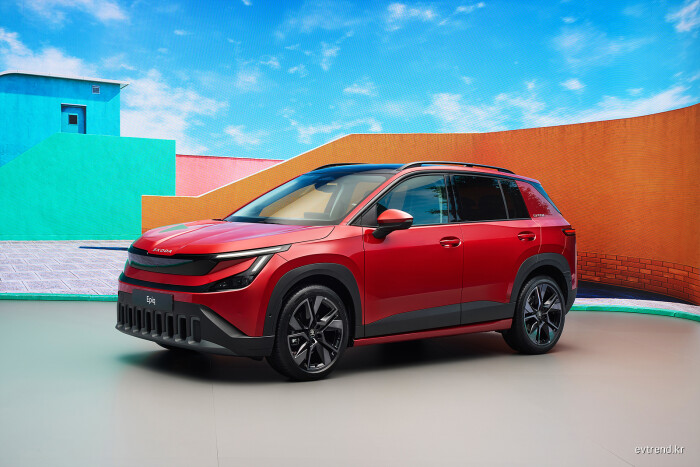
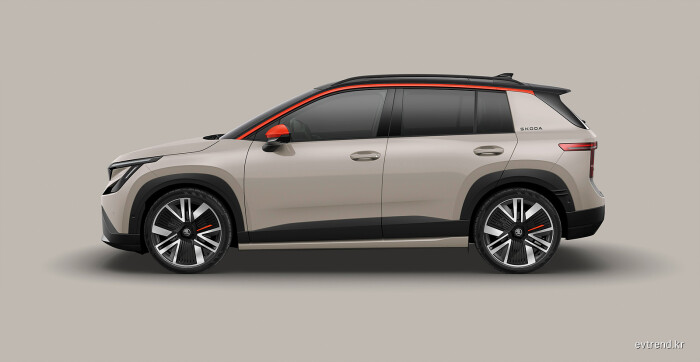
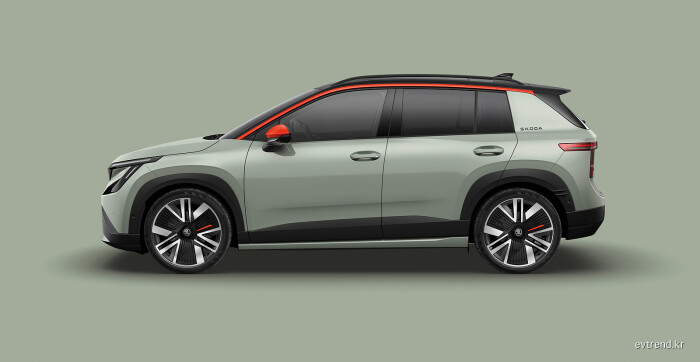
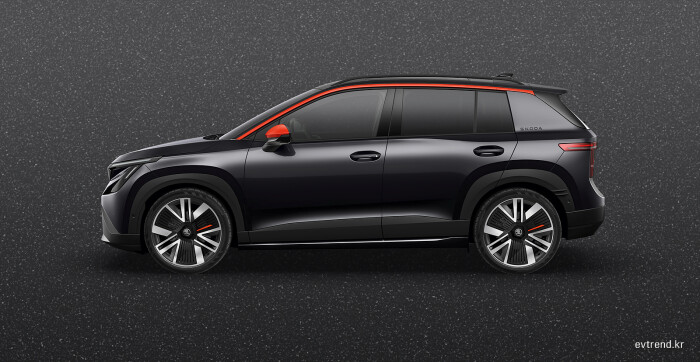
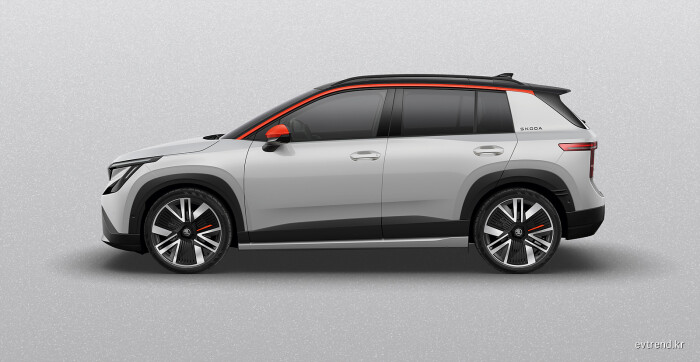
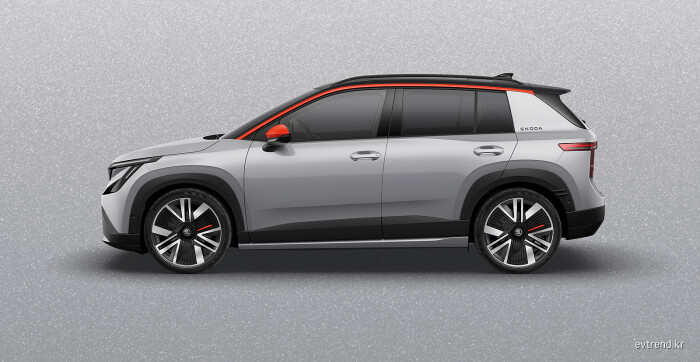
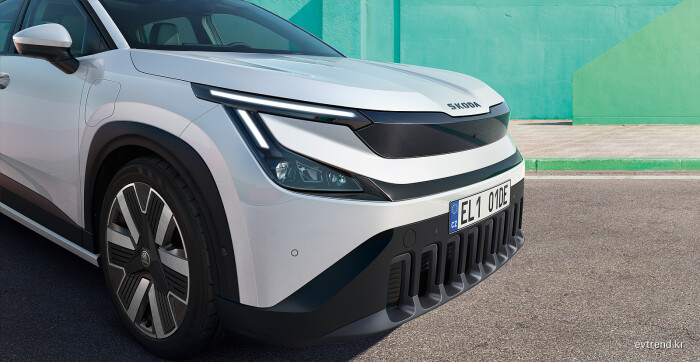
Then there’s the First Edition — a limited launch special on the 55 battery at £31,450. Navajo Orange accents hit the mirror caps, window trim, wheel covers, and bumper surrounds. Inside, orange stitching on the wheel, seats, and dashboard plus orange seatbelts make the color story impossible to miss. Twenty-inch exclusive alloys and a two-tone black roof finish the exterior. For buyers who want their entry-level EV to look anything but entry-level, this is the play.
The Numbers
| Model | Battery | Range (WLTP) | Power | Price (OTR) |
|---|---|---|---|---|
| Epiq SE L | 40 (37 kWh LFP) | ~190 mi | 135 hp | £24,950 |
| Epiq SE L | 55 (52 kWh NMC) | 272 mi | 211 hp | £27,700 |
| Epiq Edition | 40 (37 kWh LFP) | ~190 mi | 135 hp | £27,700 |
| Epiq Edition | 55 (52 kWh NMC) | 272 mi | 211 hp | £30,450 |
| Epiq First Edition | 55 (52 kWh NMC) | 272 mi | 211 hp | £31,450 |
DC charging peak: 105 kW (55 battery). 10–80%: under 25 minutes.
Order books open July 2026, initially for SE L and Edition in 55 configuration.
The Epiq isn’t trying to be a performance car. It’s not competing with the Model 3 or the Ioniq 6. It’s going after the Golf-class buyer who wants an EV that makes financial sense on day one — no compromise on range, no compromise on cargo space, and no waiting around at a charger. If Škoda hits the real-world numbers close to what’s on paper, this is the car that makes the mainstream EV transition feel inevitable rather than aspirational.
We’ll know more when we drive it. But the spec sheet is a good start.