The British tuning house spent 10,000 hours reimagining Lamborghini’s super-SUV — and the result debuts simultaneously in Milton Keynes and Las Vegas.

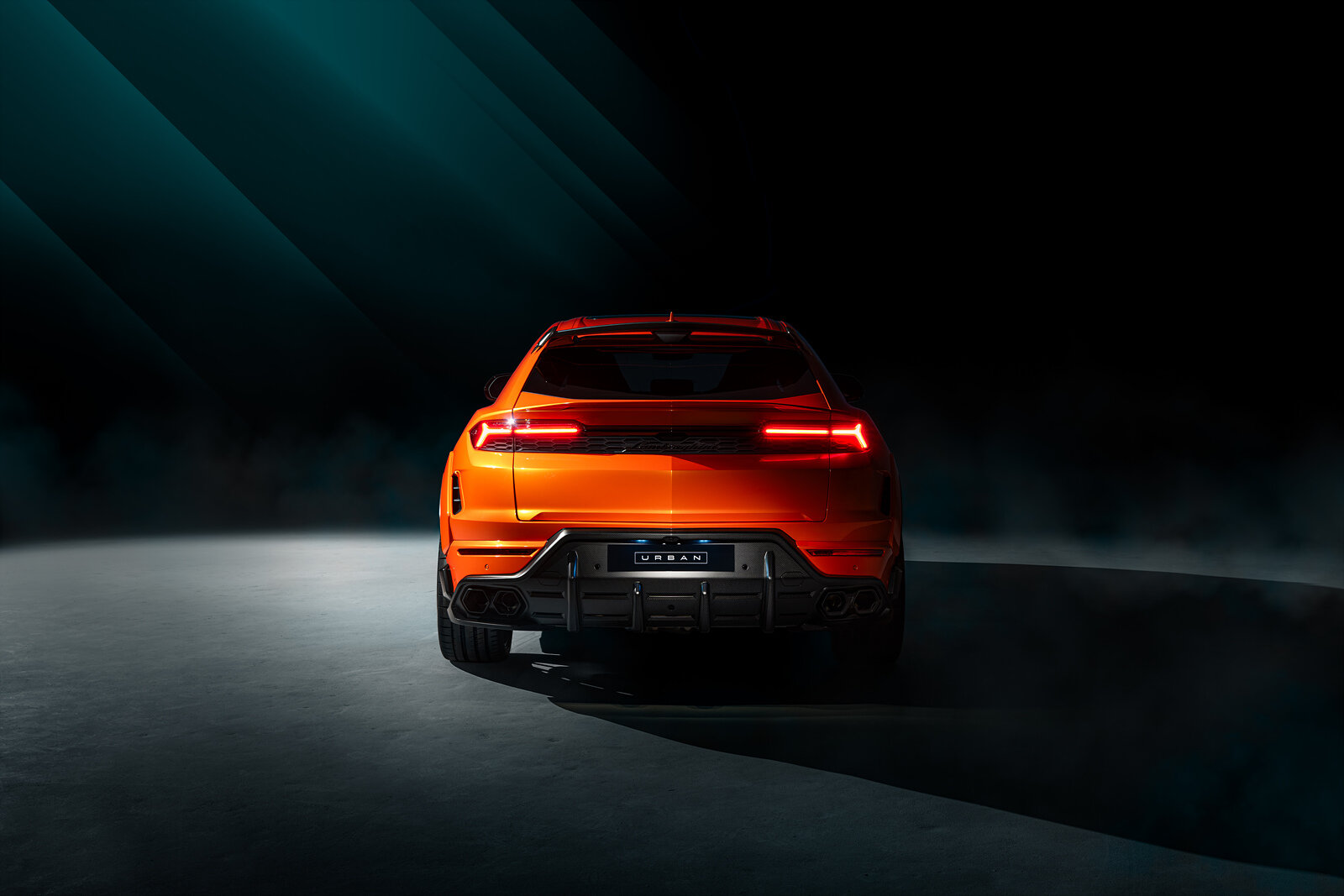


















There are tuners who slap a body kit on a car and call it a day. Then there’s Urban Automotive. The Milton Keynes-based outfit has built its reputation on something it calls OEM+ — modifications so thoroughly considered and precisely executed that they feel less like aftermarket additions and more like something the factory should have offered in the first place. Its latest project, a comprehensive widebody rework of the Lamborghini Urus SE, is the most ambitious thing the company has ever produced.
Ten thousand hours of design and development time went into this. That number is worth sitting with for a moment.
Carbon Fiber, Top to Bottom
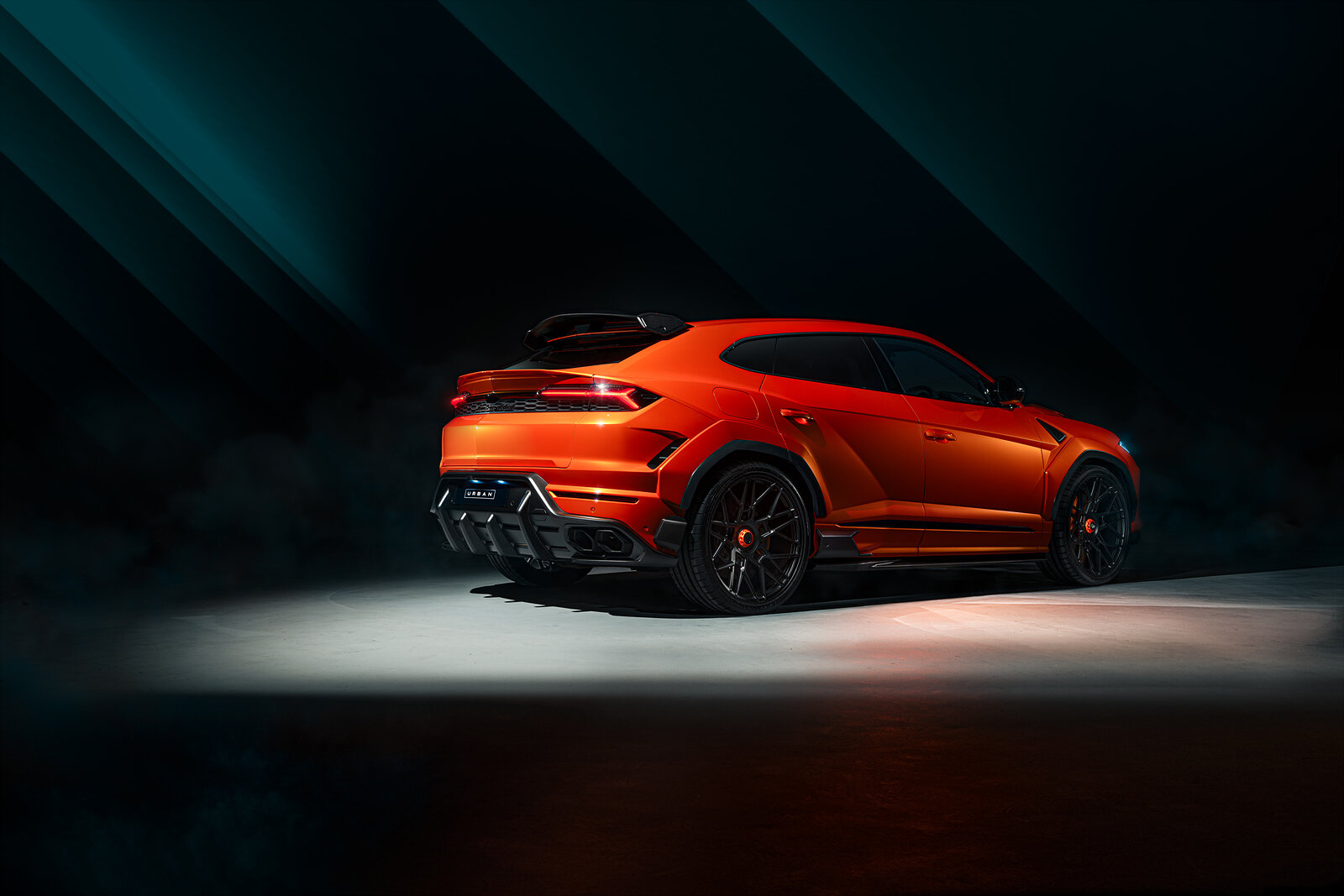
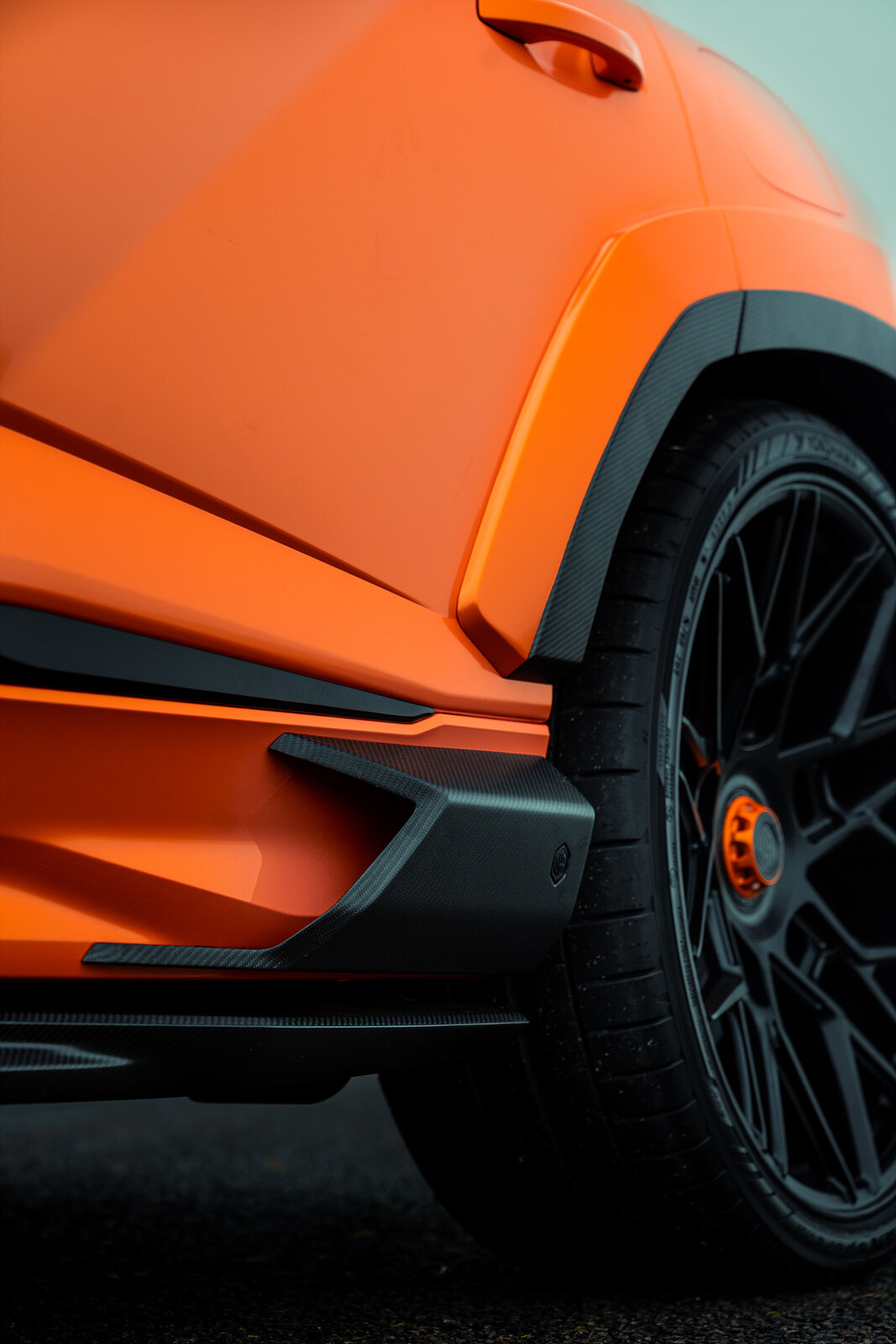
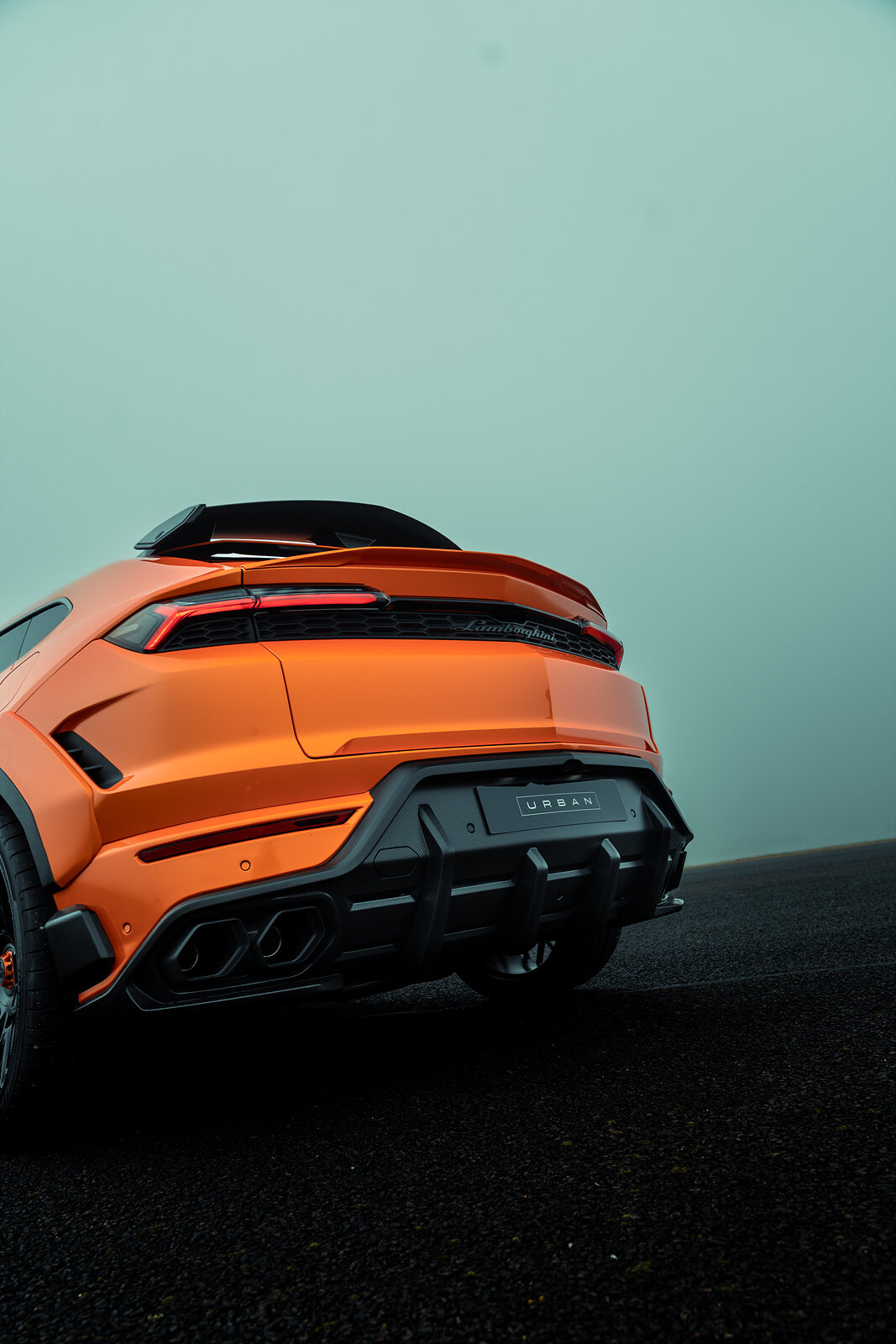
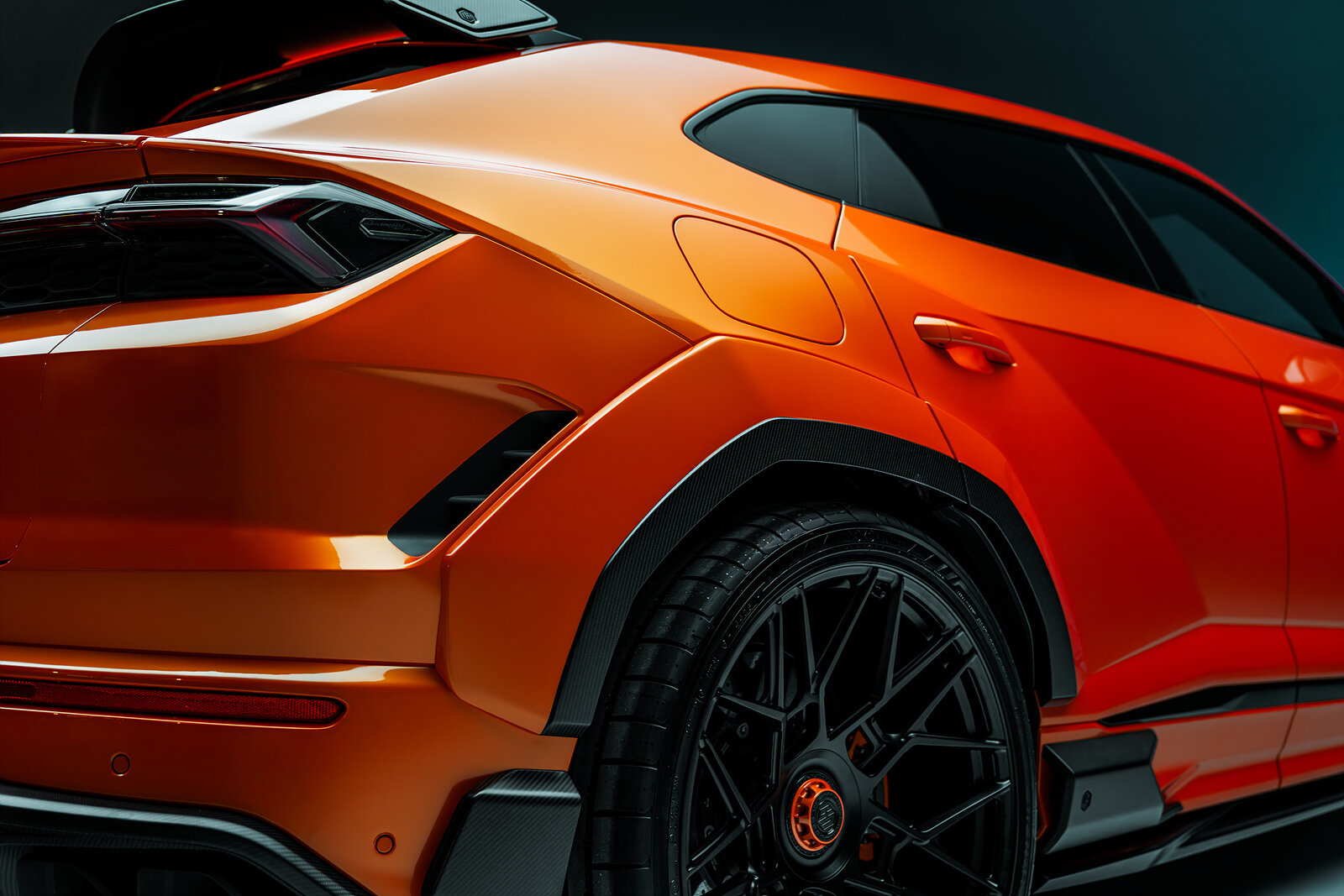
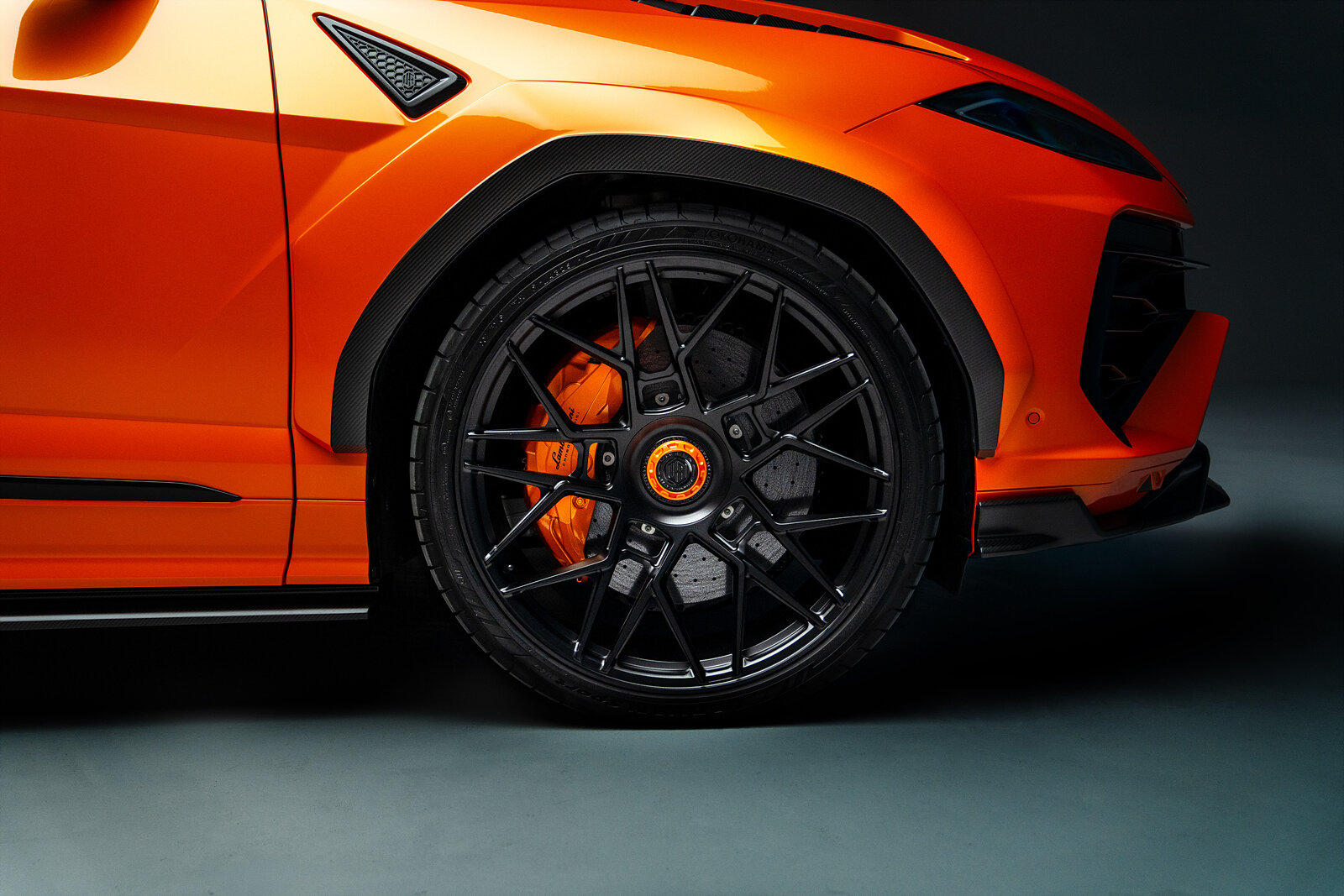
Urban didn’t pick a few accent pieces and call the Urus done. Every exterior surface was evaluated, and anything that could be improved was replaced with bespoke carbon fiber designed and manufactured entirely in-house. The result adds 40mm of width to the SUV’s stance via six-piece carbon fiber wheel arch extensions — not subtle, not trying to be.
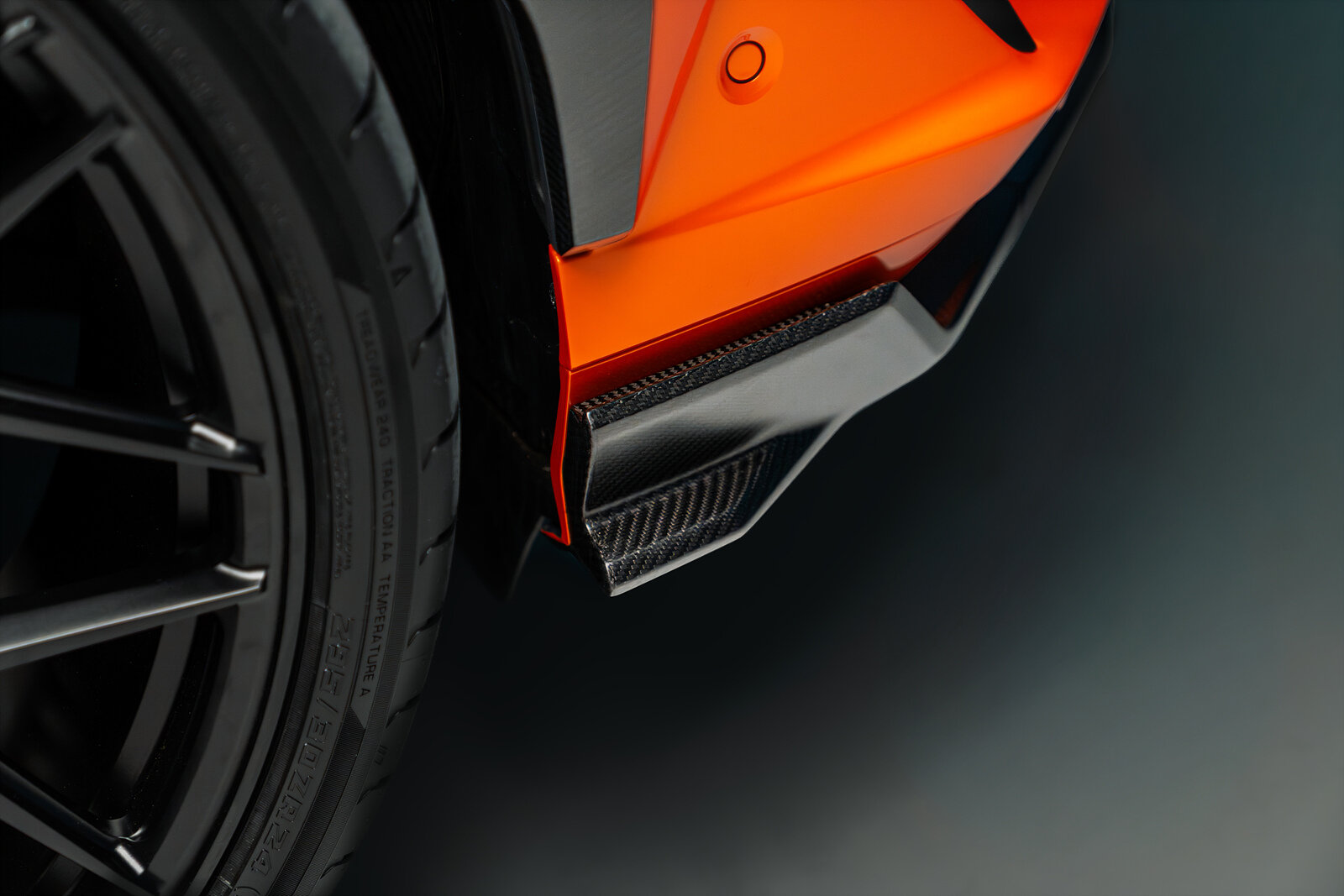
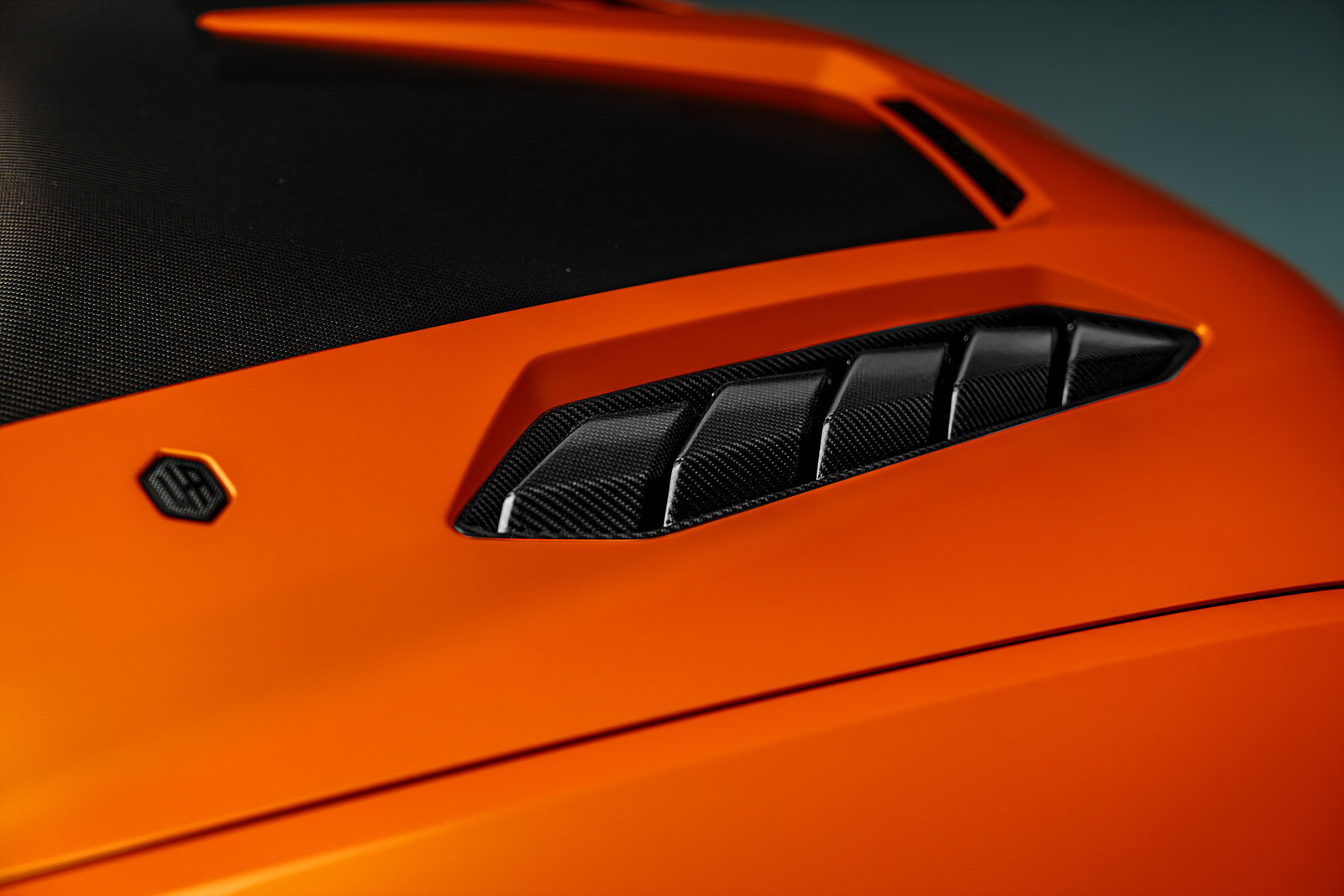
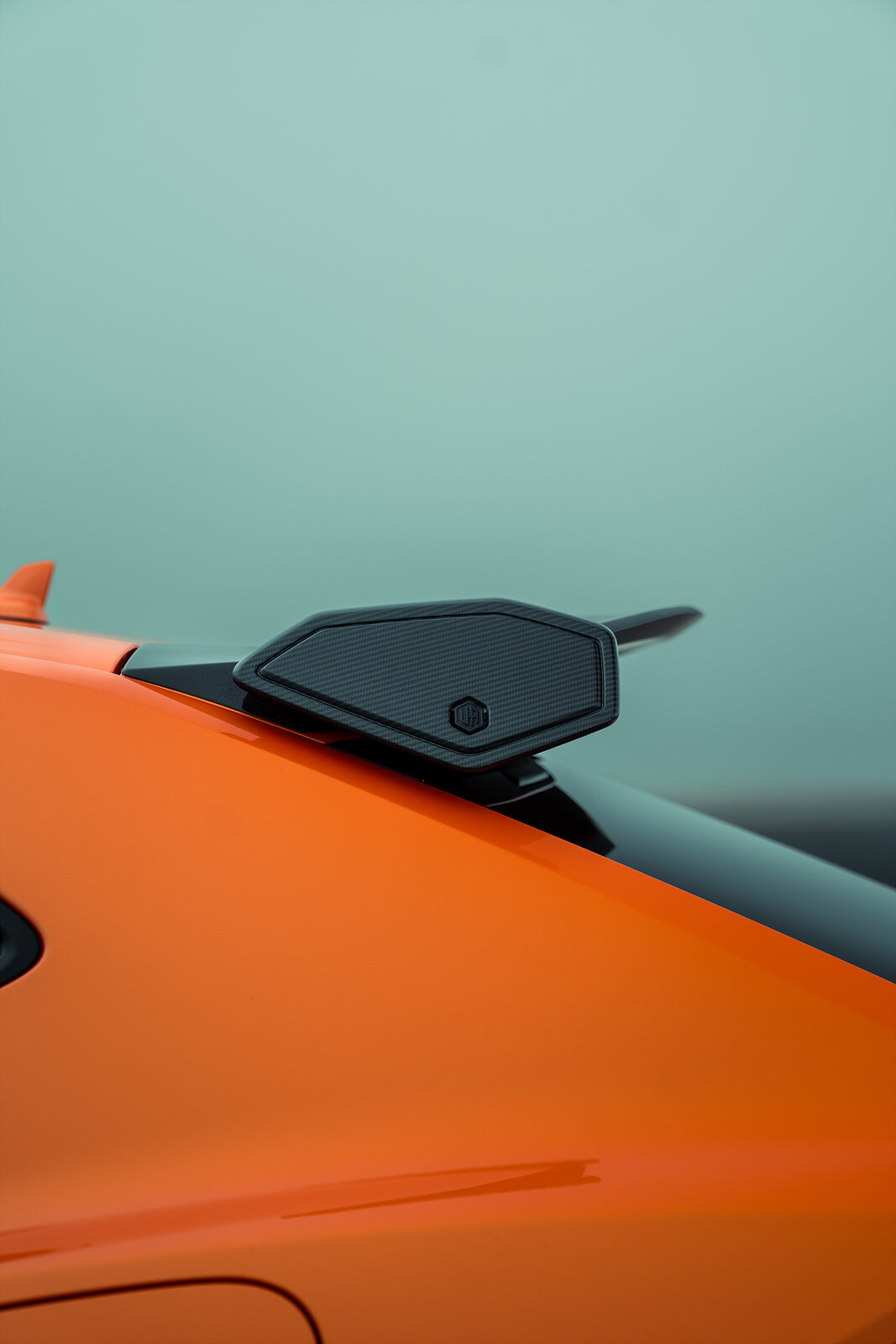
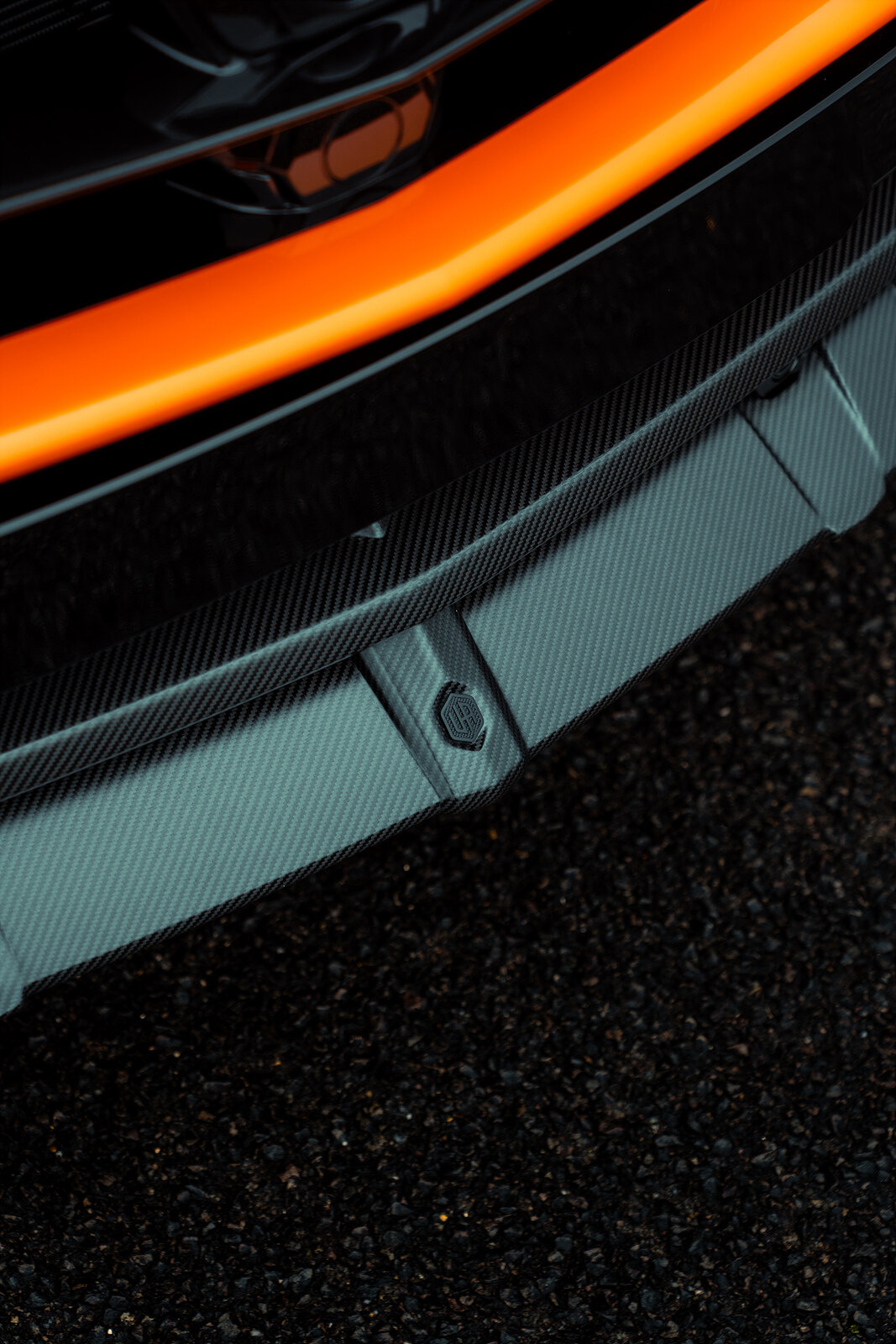
Up front, a three-piece carbon fiber splitter with canard end planes sets the aggressive tone. The hood — a full replacement unit — features a functional bull-nose vent design pulled straight from the Lamborghini Aventador SVJ, complete with 3D-printed inlet and outlet details finished in Lamborghini’s signature Hex pattern. It’s the kind of reference that rewards people who know their Sant’Agata history.
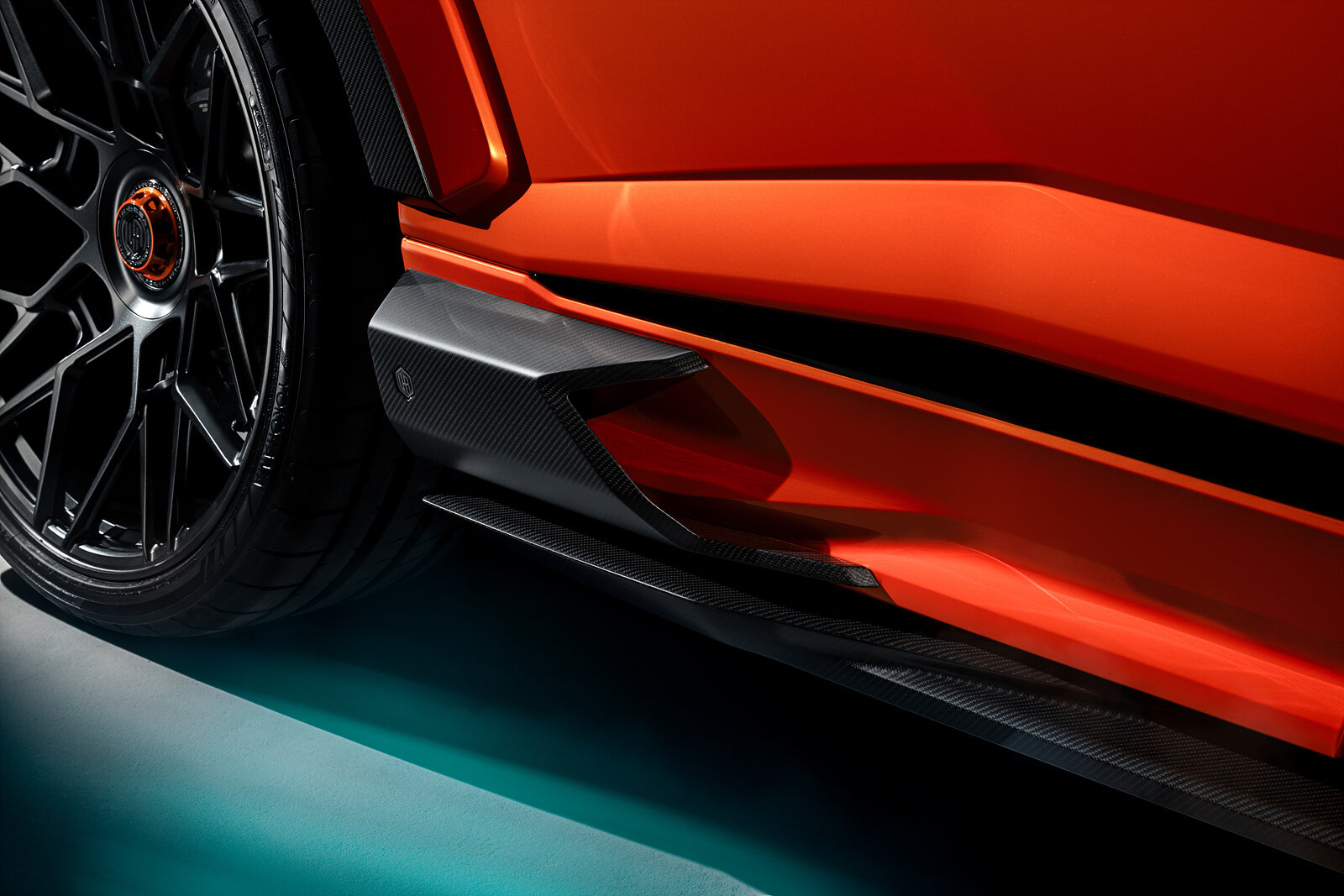
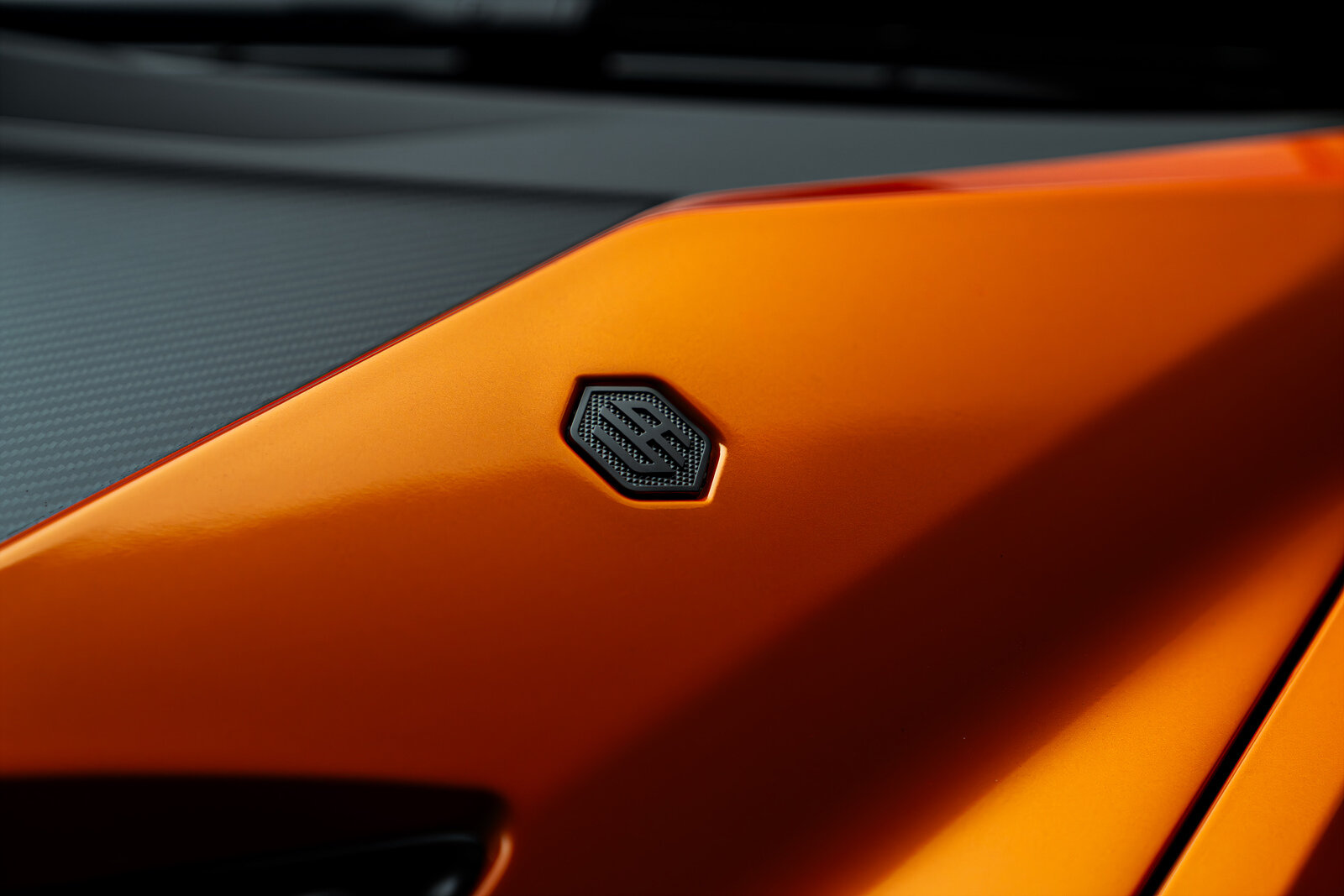
Along the flanks, replacement carbon fiber side panels carry 3D-printed inlays that weave Urban’s UA logo into the Hex pattern, while the sill extensions incorporate an aerodynamic sculpt that nods quietly to the Miura’s iconic side intake. That’s a detail you’d have to know to spot — which is exactly the point.
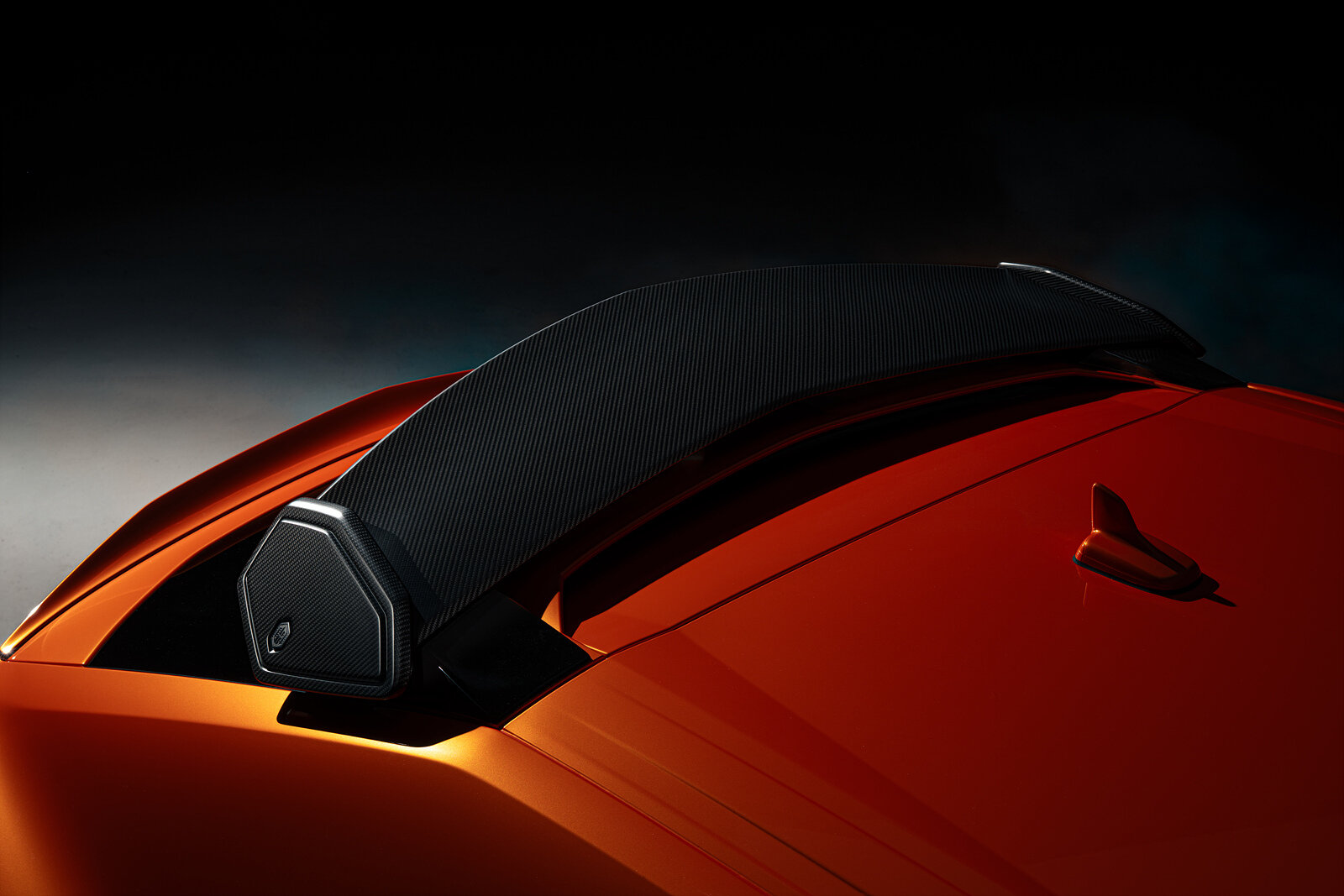
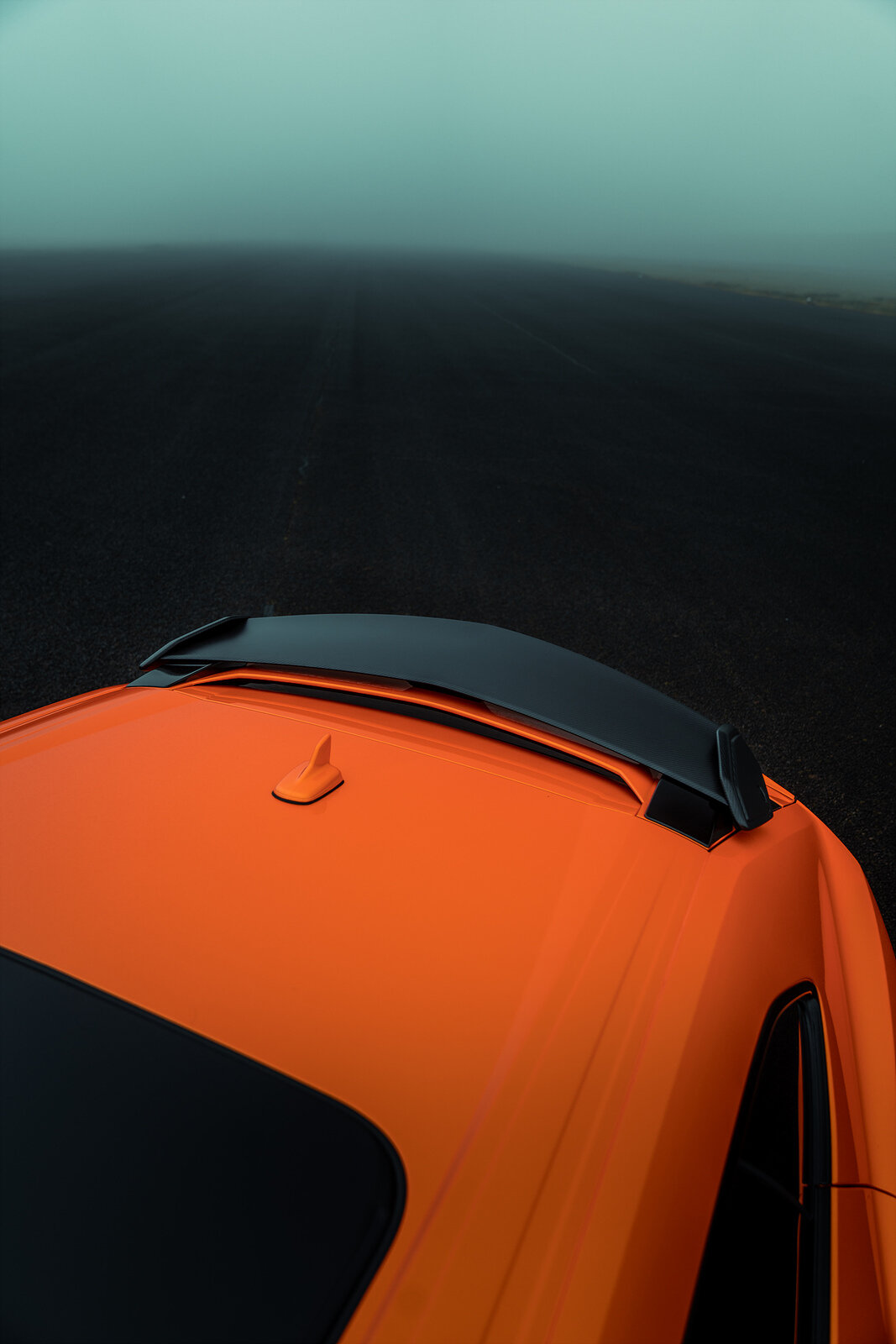
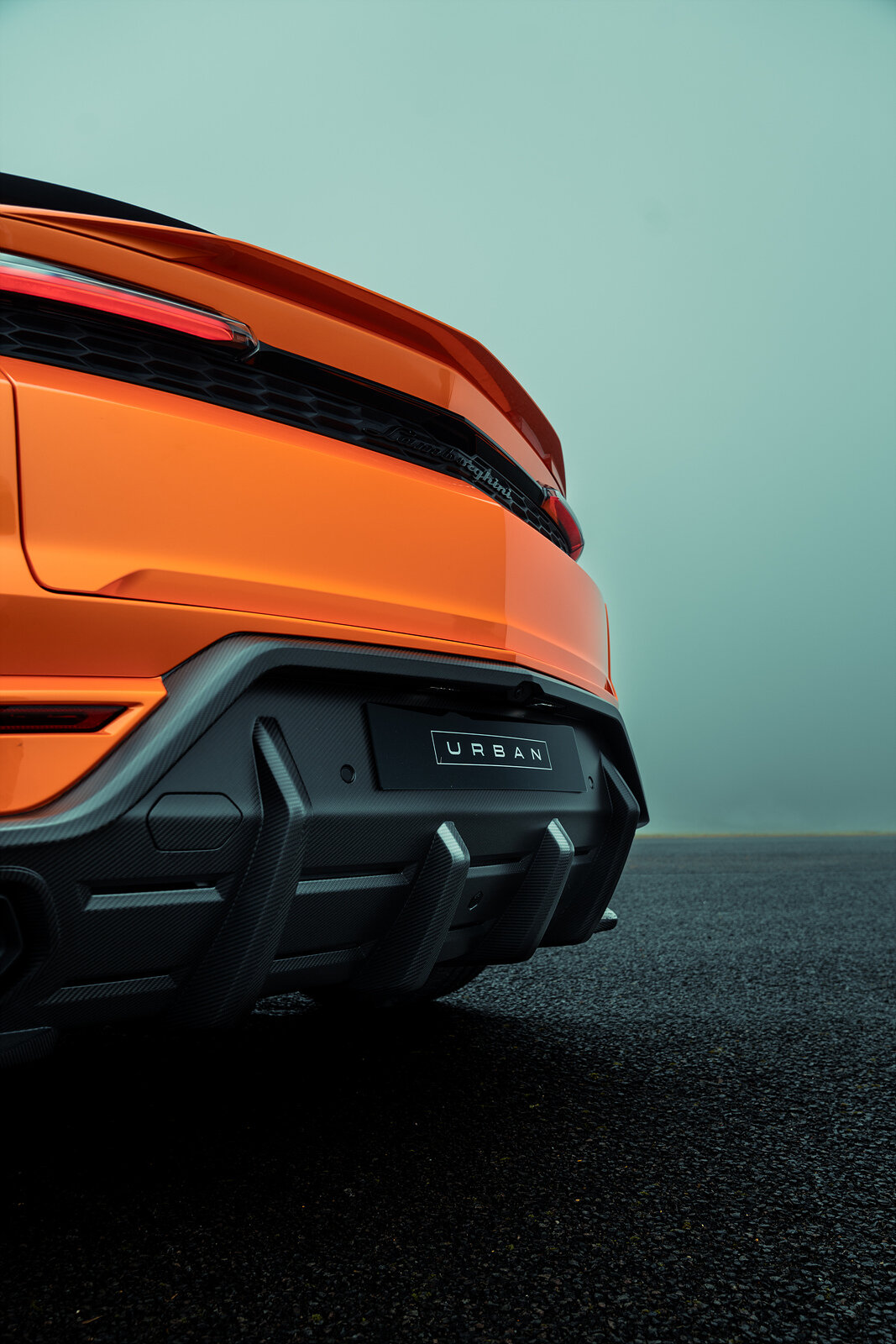
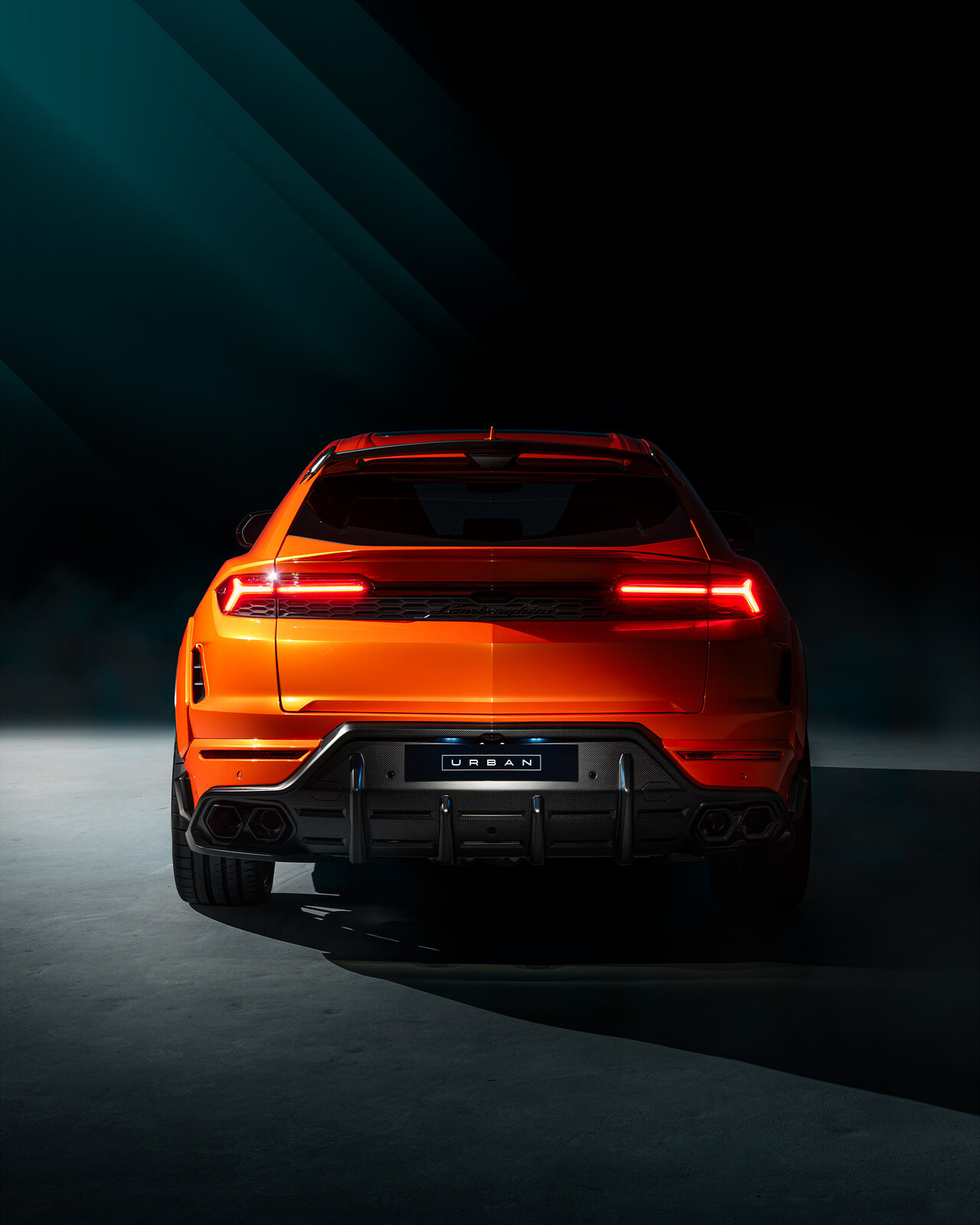
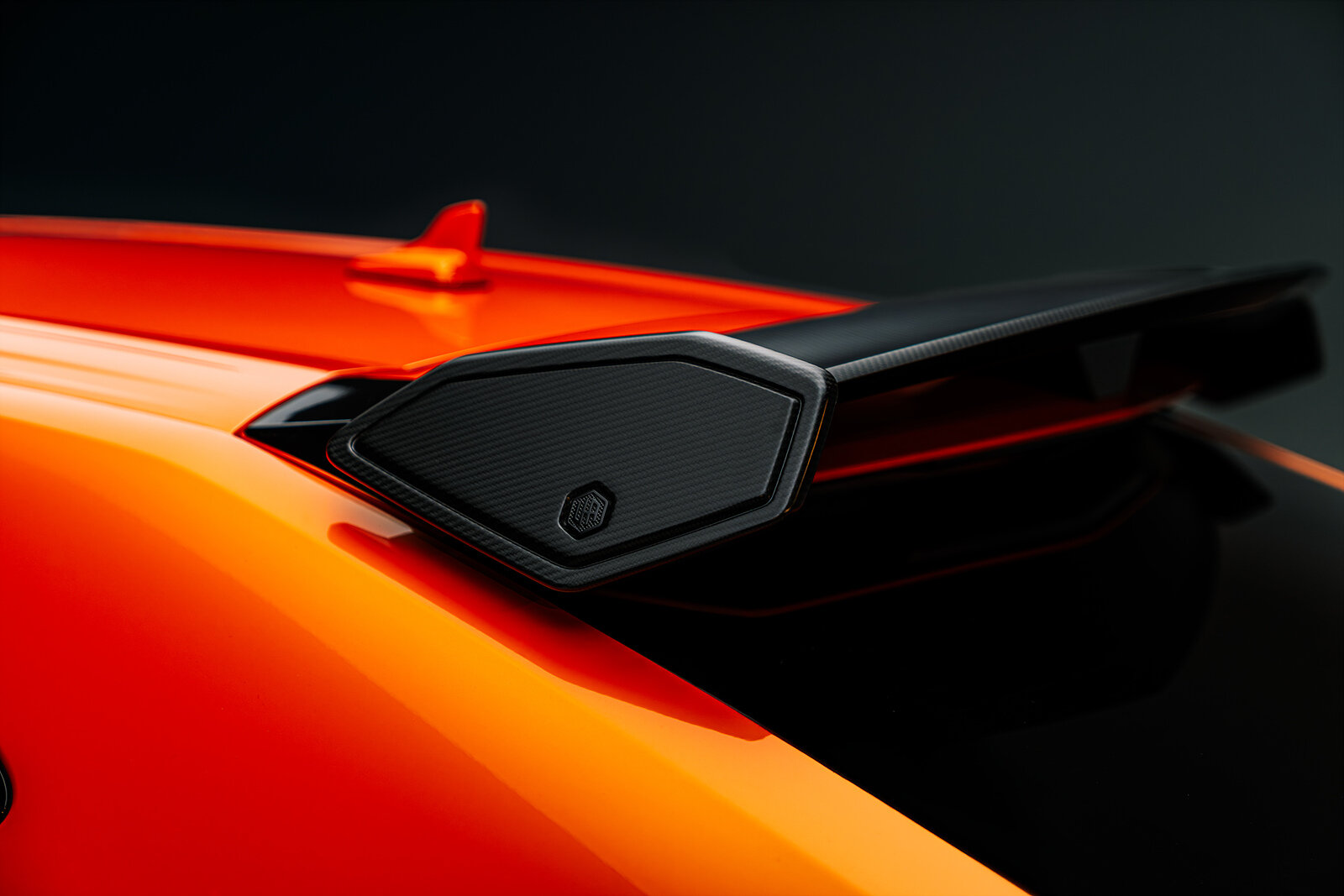
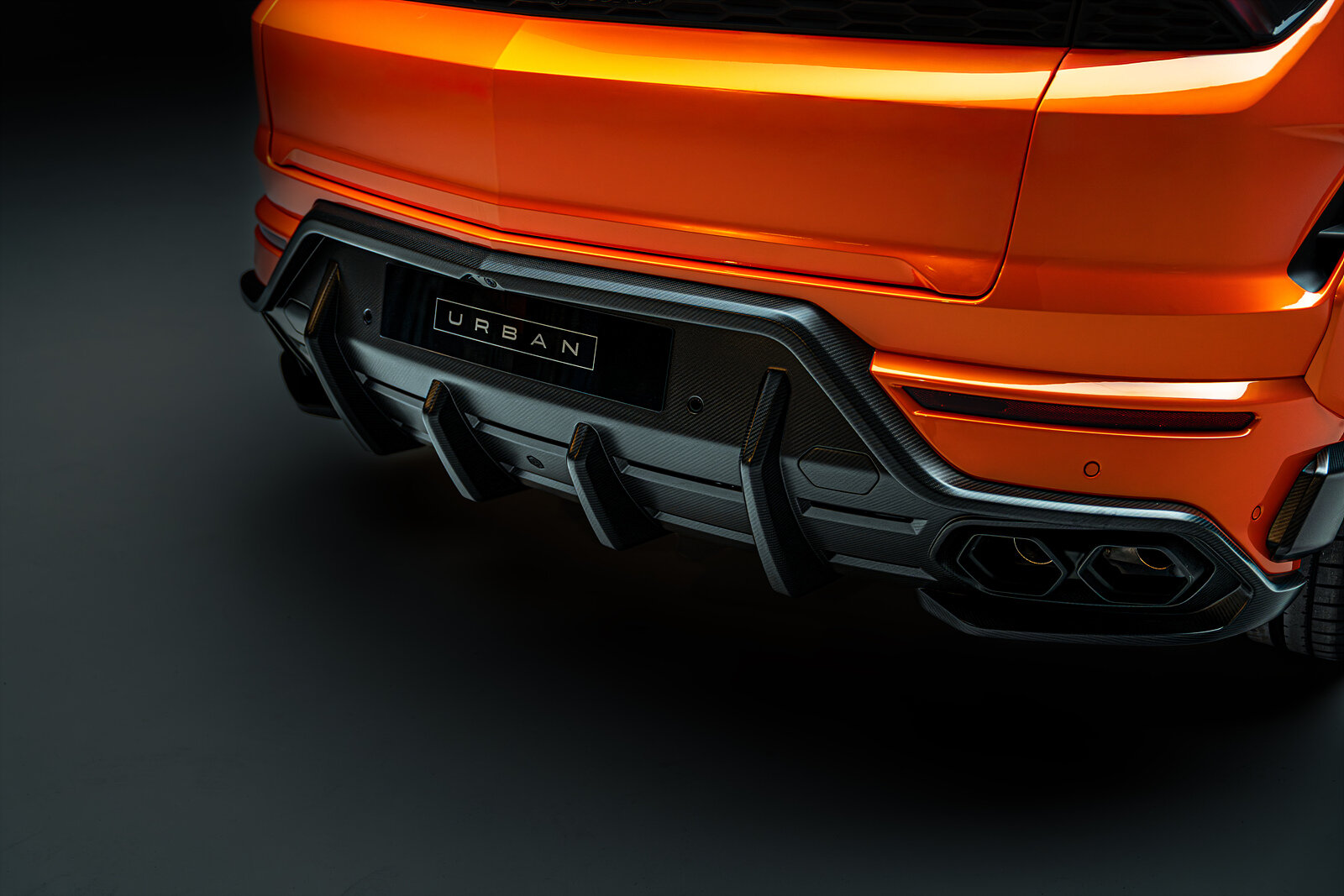
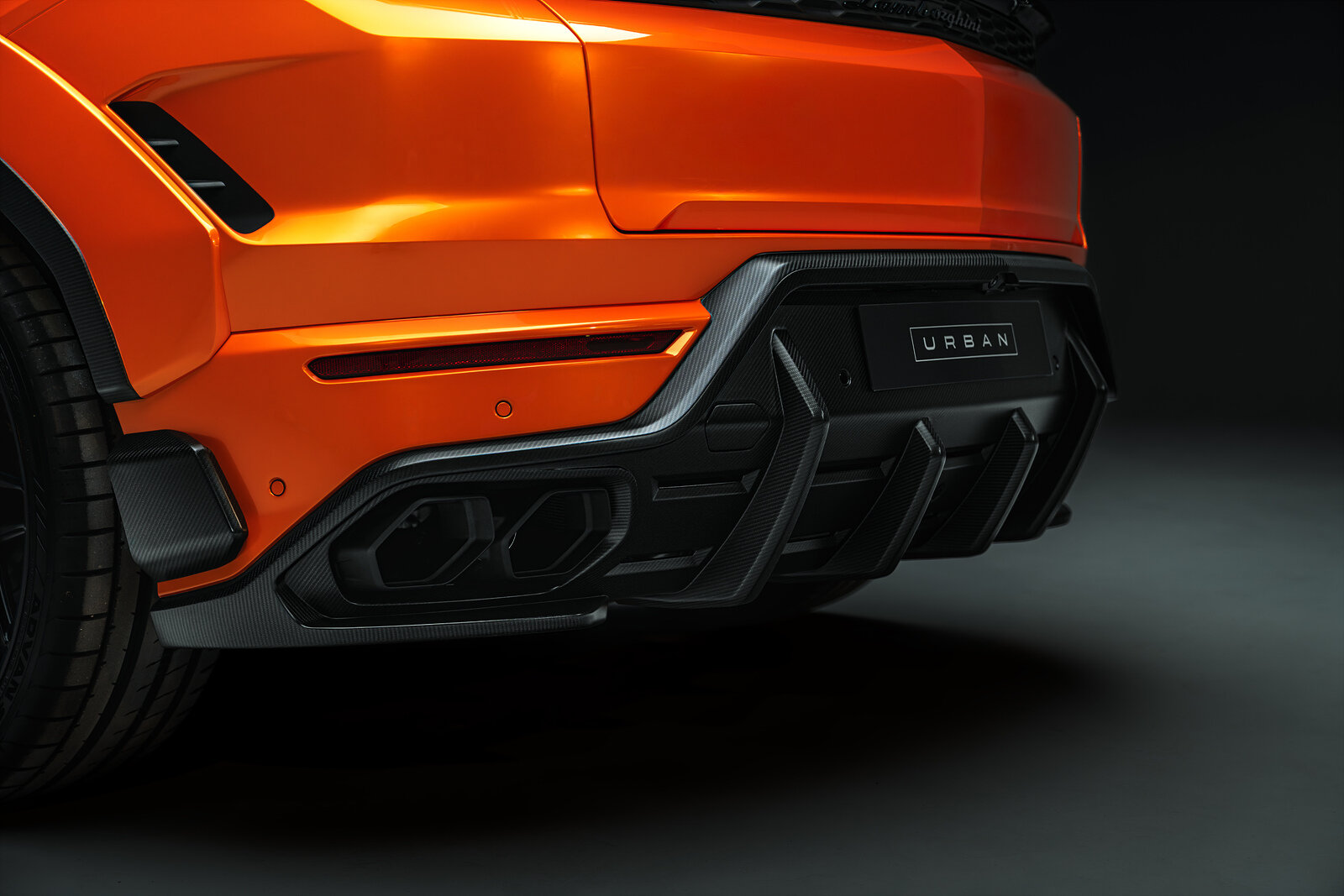
Out back, the carbon fiber rear bumper pairs a double-vented diffuser with separated canard end planes, and a secondary carbon spoiler stacks atop the factory unit to create what Urban describes as a “double stacked” aero feature. Quad billet exhausts with machined accent details finish the rear with the kind of visual authority that tends to attract attention in parking structures. Urban-Vossen UV-1R wheels fill the widened arches at launch.
The debut colorway — an Inozetek Gloss Pearlescent Pearl Marigold Orange wrap — was chosen specifically for the Las Vegas reveal. Given the setting, the restraint would have been the stranger choice.
Why It Works
What separates Urban’s approach from lesser tuning operations is the specificity of its design references. The Aventador SVJ hood vent and the Miura sill callback aren’t random heritage flourishes — they’re calculated decisions that keep the modified Urus feeling like a Lamborghini rather than a generic widebody exercise. The brand’s DNA runs through the modifications rather than being buried under them.
Design Lead John Hancock put it plainly: the goal was to intensify the Urus SE’s existing visual dynamism, not replace it. Looking at the finished product, that brief appears to have been met.
Simultaneous global debuts — Milton Keynes and Las Vegas — mark a deliberate step in Urban’s international expansion, and the dual-market launch makes geographic sense. The UK facility is where the engineering happens; Las Vegas, with its proximity to SEMA culture and Southern California’s performance car scene, is where that kind of engineering finds its most receptive American audience.
The Price of Admission
The full Widetrack conversion starts at £51,800 fitted — on top of whatever you paid for the Urus SE itself. Bespoke interior work is available on request, with color and material choices left entirely to the customer. For a project that required five digits of development hours, the asking price will feel entirely reasonable to the buyer Urban is targeting.
Whether it’s worth it depends on how seriously you take the idea that a factory Lamborghini can still leave something on the table. Urban Automotive’s answer, clearly, is yes.